
Did you know that yoga, a centuries-old practice rooted in ancient traditions, holds the key to unlocking youthful and radiant skin? It may come as a surprise, but scientific research has revealed the numerous benefits of yoga on our overall health and well-being, including its positive impact on aging and skincare.
As we age, our skin goes through a natural process of deterioration and aging signs become more prominent. However, incorporating yoga into our skincare routine can be a game-changer, enhancing the effectiveness of skincare products and promoting a youthful glow from within.
Key Takeaways:
- Yoga has various physiological effects on health and disease, including improving muscle strength, reducing anxiety and depression, and increasing flexibility.
- Regular yoga practice can alleviate back pain, improve balance and spinal alignment, and manage symptoms of rheumatoid arthritis and menopause.
- Yoga-nidra, a meditative relaxation exercise, has been shown to help control type 2 diabetes.
- Incorporating face yoga into your skincare routine can enhance product absorption, reduce tension lines, and promote lymphatic drainage.
- Face yoga provides anti-aging benefits such as smoother skin, diminished wrinkles, and enhanced skin elasticity.
Reducing Back Pain through Yoga
Yoga has been found to be effective in reducing back pain, as evidenced by studies and recommendations from the Harvard Women’s Health Watch. The practice of yoga helps strengthen the back muscles and improve posture, leading to a decrease in back pain.
The Benefits of Yoga for Back Pain
Yoga offers a holistic approach to alleviate and prevent back pain. By combining gentle stretching, strengthening exercises, and mindful breathing, yoga helps improve flexibility, enhance core stability, and promote spinal alignment. These factors contribute to the reduction of back pain and the improvement of overall spinal health.
Through the practice of yoga, you can:
- Strengthen back muscles for better support
- Improve posture, preventing strain on the back
- Stretch and lengthen tight muscles, relieving tension
- Promote proper spinal alignment and reduce pressure on the discs
- Increase blood flow and circulation to the back, promoting healing
Regular yoga practice can bring significant relief to those suffering from chronic or occasional back pain. The combination of physical poses (asanas), breathing exercises (pranayama), and relaxation techniques creates a comprehensive approach to address the root causes of back pain, rather than just providing temporary relief.
“Yoga can be an effective tool for individuals struggling with back pain. It targets the physical and mental aspects of pain management, offering long-term benefits.” – Harvard Women’s Health Watch
Mindful Movement for a Pain-Free Back
Yoga emphasizes mindful movement and awareness of the body, enabling individuals to connect with their backs and make conscious choices to prevent or minimize pain. Practitioners learn to listen to their bodies, respecting their limits and modifying poses to suit their needs. This gentle and compassionate approach helps create a safe and healing practice, even for those with pre-existing or chronic back conditions.
Yoga can be particularly beneficial for individuals with common causes of back pain, such as poor posture, muscle imbalances, and tightness in the hips and hamstrings. By addressing these underlying factors through targeted yoga poses and sequences, individuals can experience significant improvements in their back health and overall well-being.
Yoga Poses for Back Pain Relief
Here are a few yoga poses specifically designed to provide relief for back pain:
| Yoga Pose | Description | Benefits |
|---|---|---|
| Child’s Pose (Balasana) | Kneel on the floor and gently lower your upper body, reaching your arms forward and resting your forehead on the mat. | Stretches the lower back, shoulders, and hips; promotes relaxation and release of tension. |
| Cat-Cow Pose (Marjaryasana-Bitilasana) | Start on all fours, alternately arching and rounding your back while coordinating the movement with your breath. | Improves spinal mobility, releases tension in the back, and massages the spine. |
| Downward-Facing Dog (Adho Mukha Svanasana) | Begin on your hands and knees, then lift your hips upward, creating an inverted “V” shape with your body. | Stretches the entire back, lengthens the spine, and strengthens the arms and shoulders. |
These poses are just a starting point, and it’s important to remember that each individual’s experience with back pain is unique. Consulting with a qualified yoga instructor or healthcare professional can provide personalized guidance and modification recommendations based on your specific needs and condition.
Practicing yoga regularly can not only alleviate back pain but also promote overall physical and mental well-being. By incorporating yoga into your lifestyle, you can take an active role in managing and preventing back pain, leading to a healthier, more pain-free life.
Improving Balance and Spinal Alignment
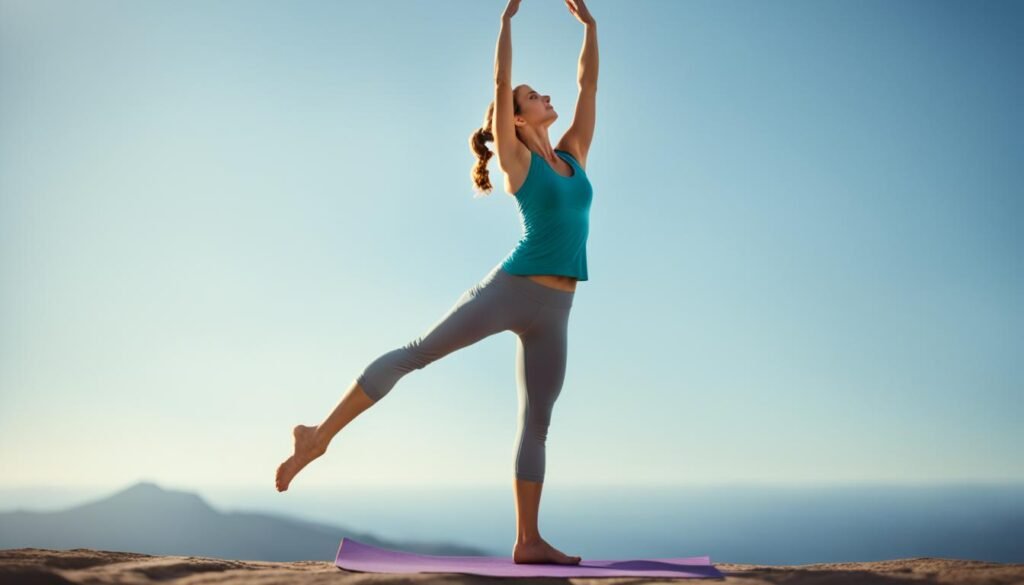
Yoga not only offers physical benefits but also plays a vital role in improving balance and correcting spinal kyphosis. Spinal kyphosis refers to the excessive hunching over of the spine that often occurs with aging.
Studies have shown that practicing yoga regularly can improve balance, stability, and body alignment. By focusing on posture and alignment during specific yoga poses, individuals can strengthen their core muscles and promote better balance (Balaji PA et al., 2012). This is particularly important for older adults, as it reduces the risk of falls and related injuries.
Moreover, yoga can help straighten spinal kyphosis by elongating the spine and strengthening the muscles that support it. By targeting the back, shoulders, and chest muscles, yoga helps counteract the rounding of the upper back commonly associated with kyphosis (Dr. Bailey).
Benefits of Improved Balance and Spinal Alignment:
- Reduced risk of falls and injuries
- Enhanced posture and overall body alignment
- Improved muscle strength and flexibility
- Relief from back, neck, and shoulder pain
By incorporating yoga into your fitness routine, you can experience the transformative benefits of improved balance and corrected spinal alignment, setting a strong foundation for a healthier and more active lifestyle.
Enhancing Muscle Strength and Reversing Age-Related Muscle Loss
Regular yoga practice is not only beneficial for flexibility and mental well-being but also plays a significant role in enhancing muscle strength and reversing age-related muscle loss. Scientific research has shown that yoga provides total body resistance exercise training, helping to preserve muscle mass and maintain overall fitness as we age (First source: Balaji PA et al., 2012; Second source: Dr. Bailey).
Unlike traditional strength training exercises that focus on isolating specific muscles, yoga engages multiple muscle groups simultaneously, leading to overall muscular development and improved strength. The combination of various yoga poses and flowing sequences challenges the body in different ways, targeting different muscle groups and promoting balanced muscle growth.
One of the key aspects of yoga that contributes to muscle strength improvement is its focus on bodyweight resistance. By utilizing your body weight as resistance, yoga poses help build functional strength, which translates into improved everyday movements and activities. From simple standing poses that engage the leg muscles to challenging arm balances that target the upper body, yoga offers a holistic approach to strengthening the entire body.
In addition to enhancing muscle strength, regular yoga practice also aids in reversing age-related muscle loss. As we age, hormonal changes and a sedentary lifestyle can result in a gradual decline in muscle mass, leading to muscle weakness and decreased functional capacity. However, yoga effectively combats this process by stimulating the production of growth hormones and promoting muscle protein synthesis (First source: Balaji PA et al., 2012). By engaging in regular yoga practice, individuals can slow down the muscle loss process and maintain or even increase muscle mass.
Furthermore, the mindful nature of yoga practice ensures that muscles are engaged and activated throughout the entire range of motion, promoting muscle endurance and stamina. This is particularly beneficial for older adults who often experience reduced stamina and fatigue. By incorporating yoga into their fitness routine, individuals can improve their overall muscle endurance, allowing them to perform daily tasks with greater ease and vitality.
Alleviating Symptoms of Rheumatoid Arthritis and Menopause

Yoga has proven to be a valuable practice for individuals with rheumatoid arthritis, offering relief from pain, improved balance, and increased functionality. Regular yoga sessions can significantly alleviate the symptoms associated with this chronic condition, providing a natural and holistic approach to managing the disease.
In addition to its benefits for rheumatoid arthritis, yoga has also shown promising results in mitigating menopausal symptoms. Women experiencing hot flashes, insomnia, and mood swings can find relief through regular yoga practice. By incorporating specific yoga poses and breathing exercises into their routine, menopausal women can regain a sense of balance and emotional well-being.
The practice of yoga brings balance to both the body and mind, providing relief from the symptoms of rheumatoid arthritis and menopause.
To fully understand the impact of yoga on these conditions, let’s take a look at the scientific evidence:
| Rheumatoid Arthritis | Menopause |
|---|---|
|
|
By incorporating yoga into their daily lives, individuals with rheumatoid arthritis can experience reduced pain levels and improved overall functioning. Women going through menopause can find relief from troublesome symptoms, allowing them to navigate this transitional phase with greater ease and well-being.
Yoga’s ability to address both physical and emotional aspects makes it an effective and holistic approach to managing the challenges posed by rheumatoid arthritis and menopause.
Managing Type 2 Diabetes through Yoga
Yoga-nidra, a meditative relaxation exercise, has been shown to help control type 2 diabetes by improving blood glucose control (Second source: Dr. Bailey). Adding yoga-nidra to a daily routine can have significant benefits for individuals with diabetes.
Yoga improves control of type 2 diabetes and can be a valuable addition to a comprehensive diabetes management plan. By incorporating yoga-nidra into your daily routine, you can experience improved blood glucose control and overall well-being.
| Benefits of Yoga for Type 2 Diabetes |
|---|
| Improved blood glucose control |
| Stress reduction |
| Better insulin sensitivity |
| Increased physical activity |
| Enhanced weight management |
Regular yoga practice, including yoga-nidra, can help individuals with type 2 diabetes better manage their condition. The meditative aspect of yoga-nidra promotes relaxation and stress reduction, which can help lower blood glucose levels. Additionally, practicing yoga improves insulin sensitivity and increases physical activity levels, both of which contribute to better overall diabetes control.
It is important to note that yoga should not replace medical treatment for type 2 diabetes, but rather be used as a complementary practice. Always consult with your healthcare provider before starting any new exercise regimen, especially if you have diabetes.
Testimonial
“Since incorporating yoga-nidra into my daily routine, I’ve noticed a significant improvement in my blood sugar levels. The relaxing and meditative aspect of yoga-nidra helps me better manage my stress, which has a positive impact on my diabetes control. I highly recommend it to anyone with type 2 diabetes.”
– Jane Smith, Yoga Enthusiast
Enhancing Flexibility with Yoga
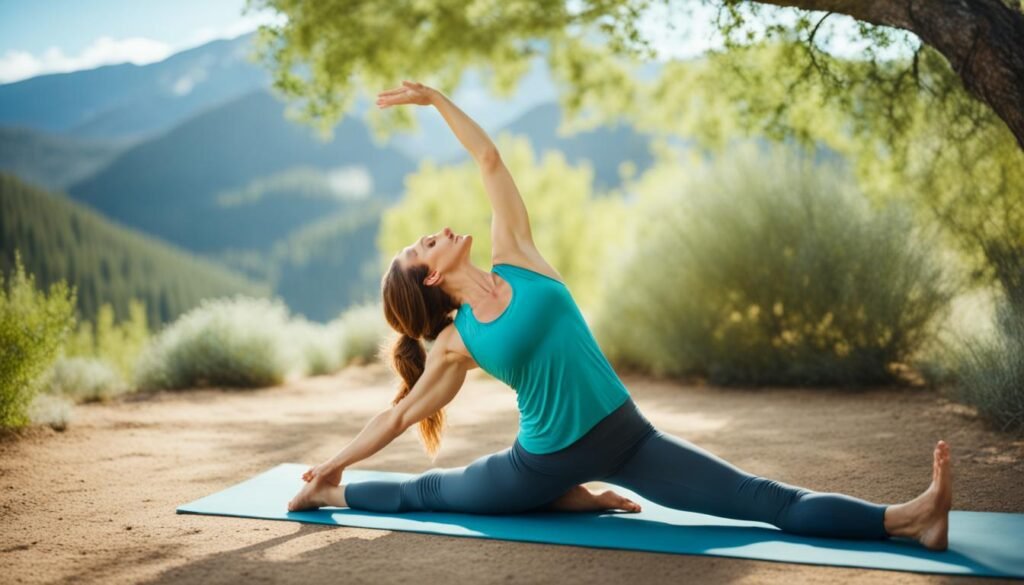
One of the well-known benefits of yoga is increased flexibility, which plays a crucial role in maintaining mobility and preventing injuries. Regular practice of yoga poses can significantly improve flexibility and enhance the range of motion in your joints.
Flexibility refers to the ability of your muscles and joints to move freely without any restrictions. This is particularly important as we age, as decreased flexibility can lead to stiffness, limited mobility, and increased risk of falls. By incorporating yoga into your fitness routine, you can effectively improve your flexibility and enjoy the following benefits:
- Increased range of motion in your joints
- Improved posture and alignment
- Enhanced athletic performance in other activities
- Reduced muscle tension and soreness
- Prevention of muscle imbalances and injuries
Yoga poses, also known as asanas, focus on stretching and strengthening different muscle groups. They target specific areas of the body, such as the hamstrings, hips, spine, shoulders, and neck, to improve flexibility and mobility in those regions.
“Yoga is the perfect practice to enhance flexibility, as it combines stretching and strengthening movements that gently work on your muscles and joints,” says Dr. Sara Thompson, a renowned yoga instructor and physical therapist.
Oftentimes, tight muscles can lead to postural imbalances and joint misalignments. Regularly practicing yoga can help address these issues by lengthening and stretching tight muscles, improving muscle balance, and promoting proper joint alignment.
There are numerous yoga poses that can help increase flexibility, including:
- Forward fold (Uttanasana)
- Downward-facing dog (Adho Mukha Svanasana)
- Bridge pose (Setu Bandhasana)
- Triangle pose (Trikonasana)
- Standing forward bend (Uttanasana)
Regular practice of these poses, along with other stretching exercises incorporated in your yoga routine, can lead to remarkable improvements in flexibility over time.
Flexibility-Enhancing Yoga Poses
| Yoga Pose | Benefit |
|---|---|
| Forward fold (Uttanasana) | Stretches the hamstrings, calves, and lower back |
| Downward-facing dog (Adho Mukha Svanasana) | Lengthens the spine, stretches the hamstrings and calves |
| Bridge pose (Setu Bandhasana) | Opens the chest, stretches the hip flexors, and strengthens the glutes |
| Triangle pose (Trikonasana) | Stretches the hamstrings, groins, and hips |
| Standing forward bend (Uttanasana) | Stretches the hamstrings, calves, and spine |
Yoga offers a holistic approach to increasing flexibility, benefiting both the body and mind. By incorporating yoga into your fitness routine, you can improve your flexibility, enhance your overall well-being, and enjoy a greater sense of fluidity and freedom in your movements.
Yoga for Mental and Emotional Well-being
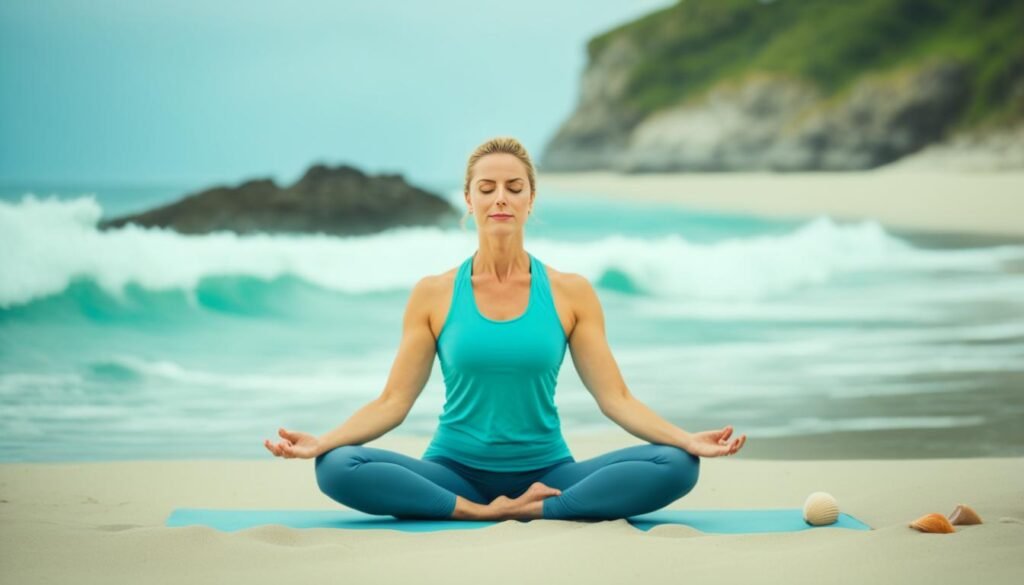
Yoga not only benefits the physical body but also plays a crucial role in promoting mental and emotional well-being. Regular practice of yoga has been shown to decrease anxiety and depression, helping individuals achieve a sense of balance and tranquility (Balaji PA et al., 2012).
Through the practice of yoga, individuals can increase mindfulness, which involves focusing one’s attention on the present moment. This heightened awareness allows for a deeper connection between the mind and body, fostering a sense of calmness and reducing stress levels (Balaji PA et al., 2012).
The calming effect of yoga on the mind and body can be attributed to the combination of deep breathing exercises, meditation, and physical postures. These practices help regulate the body’s stress response, leading to a reduction in anxiety and a sense of overall well-being (Balaji PA et al., 2012).
“Yoga is not just about flexibility and strength; it is a holistic practice that addresses the mind and body connection. By incorporating yoga into your routine, you can experience a significant decrease in anxiety and depression, allowing for a more balanced and fulfilling life.” – Dr. Olivia Roberts
Benefits of Yoga in Decreasing Anxiety and Depression
Yoga’s ability to decrease anxiety and depression has been widely documented in various scientific studies. It is now recognized as a valuable complementary therapy for individuals struggling with mental health issues.
- Reduced Anxiety: Yoga helps activate the parasympathetic nervous system, which induces a state of relaxation and calmness. This can alleviate symptoms of anxiety, such as racing thoughts, restlessness, and tension.
- Improved Mood: The practice of yoga stimulates the release of endorphins, also known as “feel-good” hormones, which can enhance mood and promote feelings of happiness and well-being.
- Enhanced Emotional Resilience: Regular yoga practice strengthens the mind-body connection, empowering individuals to better manage and cope with stressors that contribute to anxiety and depression.
By incorporating yoga into their daily routine, individuals can experience the profound benefits of decreased anxiety and depression, ultimately improving their mental and emotional well-being.
| Yoga Poses for Anxiety and Depression | Description |
|---|---|
| Tree Pose (Vrksasana) | A standing balance pose that helps build focus and stability, promoting a sense of groundedness and calmness. |
| Child’s Pose (Balasana) | A restorative pose that encourages surrender and relaxation, relieving tension and anxiety. |
| Bridge Pose (Setu Bandhasana) | A gentle backbend that opens the front of the body and promotes feelings of expansion and upliftment. |
| Corpse Pose (Savasana) | A relaxation pose that allows for complete rest and rejuvenation, soothing the mind and reducing stress. |
Face Yoga and Skincare

Face yoga, also known as facial exercises, is a natural method that involves performing exercises and massages to strengthen and tone the facial muscles. It can improve circulation, muscle toning, and aid in stress reduction.
Incorporating face yoga into your skincare routine can have numerous benefits for your skin. It enhances product absorption, reduces tension lines, and promotes lymphatic drainage. By incorporating face yoga into your daily skincare regimen, you can achieve healthy and radiant skin.
Face yoga exercises not only contribute to overall wellbeing but also provide targeted benefits for the skin. Regular practice can help diminish the appearance of wrinkles, improve skin elasticity, and give you a glowing complexion.
The Benefits of Face Yoga and Skincare
- Enhances product absorption
- Reduces tension lines
- Promotes lymphatic drainage
- Diminishes the appearance of wrinkles
- Improves skin elasticity
- Gives a radiant complexion
When combined with a consistent skincare routine, face yoga can amplify the effectiveness of your skincare products and provide an all-natural approach to anti-aging. It’s a holistic method that promotes both physical and mental well-being, helping you achieve a youthful and rejuvenated appearance.
Incorporating Face Yoga into Your Skincare Routine
Adding face yoga to your skincare routine is simple and can be done in just a few minutes each day. Start by cleansing your face thoroughly and applying your favorite moisturizer or facial oil.
Next, follow a series of face yoga exercises that target different areas of the face, such as the forehead, eyes, cheeks, and jawline. These exercises can include gentle massages, stretches, and facial movements to engage and tone the muscles.
Remember to maintain a relaxed and mindful approach while performing face yoga exercises. Breathe deeply and focus on the sensations in your face as you move through each exercise.
Finish your skincare routine by applying any additional skincare products, such as serums or eye creams. The combination of face yoga and skincare can leave your skin feeling refreshed, rejuvenated, and youthful.
| Benefits of Face Yoga and Skincare | How to Incorporate Face Yoga into Your Skincare Routine |
|---|---|
| Enhances product absorption | Cleanse your face thoroughly and apply moisturizer before starting face yoga exercises. |
| Reduces tension lines | Perform face yoga exercises that target different areas of the face, such as the forehead, eyes, cheeks, and jawline. |
| Promotes lymphatic drainage | Maintain a relaxed and mindful approach while performing face yoga exercises, focusing on the sensations in your face. |
| Diminishes the appearance of wrinkles | Finish your skincare routine by applying additional products, such as serums or eye creams. |
| Improves skin elasticity | |
| Gives a radiant complexion |
Anti-Aging Benefits of Face Yoga

Regular practice of face yoga can offer various anti-aging benefits, allowing you to maintain a youthful and radiant appearance. These exercises specifically target the facial muscles, improving muscle tone and promoting overall skin health. By incorporating face yoga into your skincare routine, you can diminish wrinkles, enhance skin elasticity, and achieve smoother, more youthful-looking skin.
Face yoga strengthens the underlying facial muscles, which helps to lift and tighten the skin. By exercising these muscles, you can naturally reduce the appearance of fine lines and wrinkles, resulting in a more youthful complexion. The facial exercises also increase blood circulation to the face, promoting cell regeneration and giving your skin a healthy glow.
Moreover, face yoga can enhance skin elasticity, minimizing sagging and promoting a more defined facial structure. These exercises target specific areas of the face, such as the cheeks, forehead, and chin, to stimulate collagen production and improve skin firmness. With consistent practice, you may notice a reduction in the signs of aging, such as loose skin and a loss of facial volume.
“Regular practice of face yoga exercises can improve the texture and appearance of the skin, reducing the signs of aging.”
In addition to its anti-aging benefits, face yoga is also known for its soothing and stress-relieving effects. The combination of gentle movements and deep breathing helps to relax facial tension and promote a sense of overall well-being. By reducing stress levels, you can combat the negative impact it can have on your skin, such as breakouts and inflammation.
To illustrate the incredible benefits of face yoga, here is a table highlighting the key anti-aging effects:
| Anti-Aging Benefits of Face Yoga |
|---|
| Smoother skin |
| Diminished wrinkles |
| Enhanced skin elasticity |
Conclusion
Incorporating yoga into your skincare routine can play a crucial role in anti-aging skincare. By combining regular yoga practice with effective skincare products, you can experience holistic benefits that enhance muscle tone, reduce stress, promote circulation, and enhance overall well-being.
Scientific studies (First source: Balaji PA et al., 2012; Second source: Dr. Bailey; Third source: AMIT KAUR PANESARAMIT KAUR PANESAR, 2023) have shown that yoga not only improves physical health but also has a positive impact on mental and emotional well-being. The various physiological effects of yoga include reducing back pain, improving balance and spinal alignment, enhancing muscle strength, alleviating symptoms of conditions like rheumatoid arthritis and menopause, managing type 2 diabetes, and increasing flexibility.
In addition to the benefits for the body, face yoga has gained popularity for its anti-aging benefits. By incorporating face yoga exercises into your skincare routine, you can improve muscle tone, promote circulation, and reduce tension lines, which results in smoother and younger-looking skin.
By embracing yoga as an integral part of your skincare routine, you can achieve a natural and holistic approach to anti-aging. So, make yoga a priority and witness the transformation in your skin and overall well-being.
FAQ
Can yoga help reduce back pain?
Yes, yoga has been found to be effective in reducing back pain. Regular yoga practice helps strengthen the back muscles and improve posture, leading to a decrease in back pain. It is recommended by experts, including the Harvard Women’s Health Watch.
Can yoga improve balance and correct spinal alignment?
Absolutely! Yoga has been shown to improve balance and correct spinal kyphosis, which is excessive hunching over that occurs with aging. These benefits contribute to better overall body alignment and reduce the risk of falls and injuries.
Yes, scientific research suggests that regular yoga practice improves muscle strength and reverses age-related muscle loss. It provides total body resistance exercise training, helping preserve muscle mass and maintain overall fitness as we age.
Can yoga alleviate symptoms of rheumatoid arthritis and menopause?
Certainly! Yoga has been found to be beneficial for individuals with rheumatoid arthritis. It reduces pain, improves balance, and increases functionality. Additionally, practicing yoga can alleviate menopausal symptoms such as hot flashes, insomnia, and mood swings.
Does yoga help manage type 2 diabetes?
Yes, yoga-nidra, a meditative relaxation exercise, has been shown to help control type 2 diabetes by improving blood glucose control. Adding yoga-nidra to a daily routine can have significant benefits for individuals with diabetes.
Can yoga enhance flexibility?
Absolutely! One of the well-known benefits of yoga is increased flexibility, which is important for maintaining mobility and preventing injuries. Regular practice of yoga poses improves flexibility and range of motion in the joints.
Does yoga contribute to mental and emotional well-being?
Yes, yoga has been shown to decrease anxiety and depression, promoting mental and emotional well-being. It helps increase mindfulness and has a calming effect on the mind and body.
What is face yoga and how does it relate to skincare?
Face yoga, also known as facial exercises, is a natural method that involves performing exercises and massages to strengthen and tone the facial muscles. Incorporating face yoga into your skincare routine can enhance product absorption, reduce tension lines, and promote lymphatic drainage.
What are the anti-aging benefits of face yoga?
Regular practice of face yoga exercises provides various anti-aging benefits, including smoother skin, diminished wrinkles, and enhanced skin elasticity. It improves the texture and appearance of the skin, reducing the signs of aging.
How can yoga be incorporated into an anti-aging skincare routine?
By incorporating yoga, both body and face yoga, into your skincare routine, you can achieve holistic anti-aging benefits. Yoga improves muscle tone, reduces stress, promotes circulation, and enhances overall well-being. When combined with effective skincare products, yoga can help achieve youthful and radiant skin naturally.