Did you know that regular movement, including the practice of yoga, can help slow down the effects of aging? It’s true! Yoga is not only a great workout for your body but also a natural anti-aging technique that can have a profound impact on your overall well-being. From improving flexibility and strength to promoting relaxation and mental clarity, yoga offers a wide range of benefits that can contribute to a more ageless body.
Key Takeaways:
- Regular yoga practice can mitigate or relieve symptoms of various age-related issues such as stiffness, aches, and lack of stability.
- Yoga poses can improve flexibility, stability, strength, and muscle elasticity, supporting an ageless body.
- A regular yoga practice can enhance self-confidence, body image, empathy, and decision-making skills, improving overall well-being.
- Yoga offers numerous health benefits for aging adults, including improved bone density, reduced joint pain, and enhanced circulation.
- Incorporating yoga into your daily routine and embracing it as a lifestyle can support graceful aging and promote a sense of self-love and acceptance.
Health Benefits of Yoga for Aging Adults
Incorporating yoga into your daily routine can have numerous health benefits, especially for aging adults. Yoga is not only a physical exercise but also a holistic practice that promotes overall well-being and anti-aging. Let’s explore the health benefits of yoga and how it can contribute to younger-looking skin and improved vitality.
Improving Bone Health
Key benefits: Health Benefits of Yoga, Anti-Aging through Yoga
As we age, maintaining strong bones becomes crucial. Yoga poses that focus on weight-bearing and balance, such as tree pose and warrior II pose, can help improve bone density and strength. This reduces the risk of osteoporosis and osteopenia, common conditions that lead to weakened bones and increased fracture risk.
Enhancing Stability and Balance
Key benefits: Yoga Practices for Younger Skin
Loss of balance is a common issue among aging adults and can lead to falls and injuries. Yoga poses that require stability and balance, such as tree pose and mountain pose, can enhance hip and leg strength, improving stability and reducing the risk of falls. By practicing these poses regularly, you can maintain your independence and confidence as you age.
| Yoga Poses for Bone Health | Benefits |
|---|---|
| Warrior II Pose | Improves bone density and strengthens the legs. |
| Tree Pose | Enhances balance and stability, supporting overall bone health. |
Relieving Joint Pain and Inflammation
Key benefits: Health Benefits of Yoga
Arthritis is a common condition among aging adults that causes joint pain and inflammation. Regular yoga practice can help reduce joint pain and inflammation, providing relief for those suffering from arthritis. Gentle yoga poses, such as child’s pose and seated forward bend, can release tension and improve joint flexibility and mobility.
Promoting Spinal Health and Alleviating Back Pain
Key benefits: Yoga Practices for Younger Skin
Back pain is a prevalent issue as we age, often caused by disc issues and spinal stenosis. Yoga poses that focus on spinal health, such as cat-cow pose and seated twist, can relieve pain and discomfort associated with these conditions. Strengthening the core through yoga can also alleviate back pain and improve overall posture.
Improving Circulation and Skin Health
Key benefits: Health Benefits of Yoga
Yoga promotes healthy blood circulation, which plays a crucial role in maintaining youthful-looking skin. Improved circulation enhances skin elasticity and contributes to a radiant complexion. Poses such as downward-facing dog and shoulder stand can stimulate blood flow to the face, improving skin tone and reducing the appearance of wrinkles.
Yoga Poses for Improved Blood Circulation
| Yoga Poses | Benefits |
|---|---|
| Downward-Facing Dog | Increases blood circulation to the face, improving skin health and promoting a youthful glow. |
| Shoulder Stand | Stimulates blood flow to the face, improving skin tone and reducing signs of aging. |
Regular yoga practice also enhances overall scalp health, benefiting hair growth, and strengthens nails. The combination of improved blood circulation and reduced stress levels contributes to healthier hair and nails.
By incorporating yoga into your daily routine, you can experience the multitude of health benefits it offers for aging adults. From improving bone health and balance to relieving joint pain and promoting youthful skin, yoga is a powerful practice that supports anti-aging efforts and overall well-being.
Yoga Poses for Anti-Aging
Incorporating specific yoga poses into your practice can be highly beneficial for anti-aging purposes. These poses target various aspects of physical and mental well-being, contributing to a more youthful appearance and promoting longevity. Let’s explore some of the key yoga poses for anti-aging:
1. Shoulder Stand (Sarvangasana)
The shoulder stand pose is a powerful anti-aging pose that improves skin elasticity and tone. By reversing the blood flow to the face, it increases circulation and stimulates collagen production, promoting a youthful glow.
2. Fish Pose (Matsyasana)
Similar to the shoulder stand, the fish pose helps enhance skin elasticity and tone. It also stretches the neck and throat, relieving tension and promoting thyroid function, which can contribute to overall well-being and anti-aging.
3. Downward-Facing Dog (Adho Mukha Svanasana)
The iconic downward-facing dog pose is not only great for strengthening the entire body but also for promoting a youthful complexion. This pose increases blood flow to the face, reducing the appearance of fine lines and wrinkles and giving the skin a healthy glow.
4. Camel Pose (Ustrasana)
The camel pose is known for its ability to stretch and open the chest, promoting better breathing and increased circulation. By bringing blood flow to the face, it can create a youthful radiance and revive the skin.
5. Eagle Pose (Garudasana)
The eagle pose is beneficial for strengthening the nails and improving blood circulation in the legs. Strong and healthy nails can be a sign of youthfulness, while improved leg circulation can contribute to overall vitality and well-being.
6. Warrior II Pose (Virabhadrasana II)
Warrior II pose is excellent for building strength and stability in the legs. By engaging the leg muscles, it helps maintain healthy bone density and supports joint health, both of which are important for aging with grace and promoting longevity.
7. Headstand (Sirsasana)
The headstand pose has long been associated with the promotion of scalp health and hair growth. By encouraging blood flow to the scalp, it nourishes the hair follicles and stimulates hair growth, contributing to a healthy and vibrant mane.
Regular practice of these yoga poses, along with other anti-aging techniques, can help you achieve an ageless body and promote longevity. Remember to approach these poses with mindfulness, honoring your body’s limitations, and seeking guidance from experienced yoga teachers. Embrace the anti-aging benefits of yoga and enjoy the journey towards a more youthful and vibrant self.
Yoga for Stress Reduction and Improved Sleep
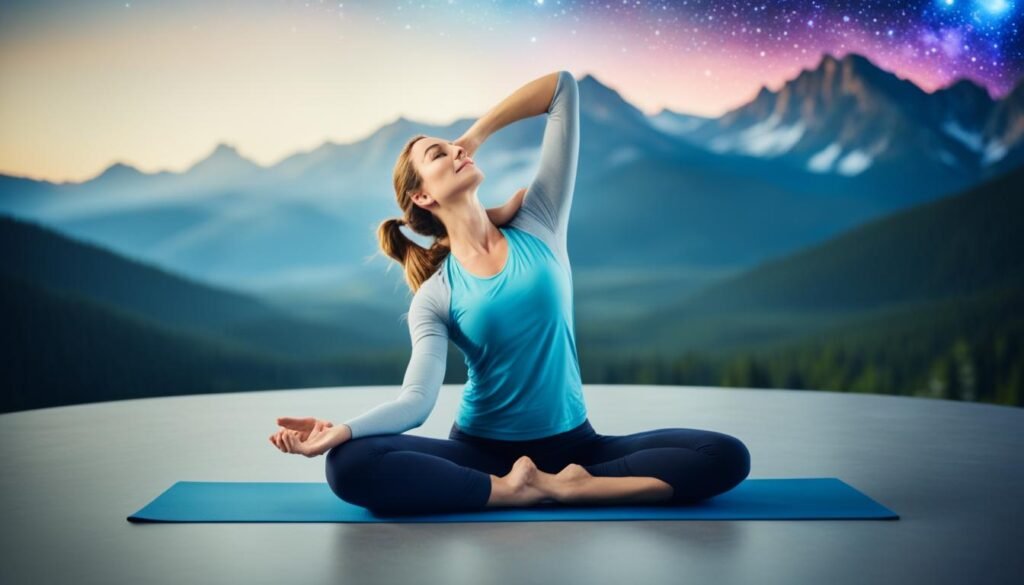
Yoga is an effective tool for reducing stress and promoting better sleep. Through relaxation and mindfulness practices, such as the corpse pose (Savasana) and child’s pose (Balasana), yoga can help alleviate stress, anxiety, and tension in the body. These poses induce deep relaxation and promote a sense of calm, leading to improved quality of sleep.
Other poses, such as the seated forward bend (Paschimottanasana), can further enhance relaxation and reduce tension, aiding in achieving a restful sleep. Regular practice of yoga for stress reduction and improved sleep can contribute to overall well-being and anti-aging.
Relaxation and Stress Reduction
One of the key benefits of yoga for stress reduction is its ability to activate the parasympathetic nervous system, also known as the rest and digest response. The deep breathing, gentle stretches, and meditative aspects of yoga help calm the mind and relax the body, reducing stress hormone levels and promoting a sense of peace and tranquility. The corpse pose (Savasana) is particularly effective in inducing a state of deep relaxation.
The corpse pose (Savasana) is often considered the ultimate relaxation pose in yoga. It involves lying flat on your back, arms and legs comfortably spread, and focusing on deep, slow breaths. This pose allows the body and mind to enter a state of complete relaxation, relieving stress and promoting a sense of calm.
By incorporating yoga into your daily routine, you can cultivate a sense of mindfulness that allows you to better manage stress throughout the day. Whether it’s a quick session of deep breathing exercises or a longer yoga practice, taking time for yourself and focusing on the present moment can significantly reduce stress levels.
Improved Sleep Quality
Another benefit of yoga for stress reduction is its impact on sleep quality. Regular yoga practice can help quiet the mind and relax the body, making it easier to fall asleep and stay asleep throughout the night. The calming, meditative aspects of yoga activate the parasympathetic nervous system and promote a restful state, paving the way for a peaceful night’s sleep.
In addition, specific yoga poses, such as the seated forward bend (Paschimottanasana), can help release tension in the body, particularly in areas like the neck, shoulders, and lower back, which are common sources of discomfort and restlessness during sleep.
The seated forward bend (Paschimottanasana) is a seated yoga pose that involves folding forward from the hips, reaching for the feet or shins. This pose stretches the muscles along the back of the body, relieving tension and promoting relaxation. It can be particularly beneficial for individuals who struggle with insomnia or restless sleep.
By incorporating yoga into your evening routine, you can create a peaceful transition from the activities of the day to a restful night’s sleep. Whether it’s a gentle yoga flow or a few restorative poses, dedicating time to unwind and relax before bed can greatly improve sleep quality and overall well-being.
Yoga for Improved Circulation and Detoxification
Regular yoga practice offers numerous health benefits, including improved circulation and detoxification. By incorporating specific poses into your routine, you can enhance blood flow, eliminate toxins, and support your overall well-being.
Two powerful yoga poses that promote circulation are Warrior II pose and Tree pose (Vrksasana). These poses help enhance blood flow to the legs and feet, improving circulation to these areas. Performing these poses regularly can increase the delivery of oxygen and nutrients to the tissues and organs, supporting optimal function and vitality.
In addition to promoting circulation, yoga poses such as Twist pose (Ardha Matsyendrasana) and Downward-Facing Dog pose stimulate circulation to the digestive organs. These poses help detoxify the body by activating the lymphatic system, which aids in the removal of waste materials and toxins. By practicing yoga for detoxification, you can promote a healthier digestive system and support your body’s natural detoxification processes.
| Yoga Poses for Improved Circulation and Detoxification | Description |
|---|---|
| Warrior II pose | A standing pose that opens the hips and encourages blood flow to the legs and feet. |
| Tree pose (Vrksasana) | A balancing pose that strengthens the legs and enhances circulation to the lower body. |
| Twist pose (Ardha Matsyendrasana) | A seated pose that stimulates circulation to the digestive organs and aids in detoxification. |
| Downward-Facing Dog pose | A forward bend that promotes circulation throughout the body and supports detoxification. |
Practicing yoga for improved circulation and detoxification offers various benefits. It helps remove toxins from the body, increase oxygen supply to the tissues, and support overall health and vitality. Incorporating these poses into your yoga routine can enhance your well-being and contribute to your anti-aging efforts.
Yoga for Mind-Body Connection
Yoga is not just a physical exercise; it is a holistic practice that fosters a deep connection between the mind and body. Through the practice of yoga poses like Tadasana (mountain pose) and Warrior II, practitioners can cultivate mindfulness, awareness, and grounding.
When we pay attention to our breath, facial expressions, and body posture during yoga, we develop a deeper understanding of our emotional and physical states. This awareness allows us to better control our reactions and responses to various situations, leading to improved mental health and emotional well-being.
The mind-body connection cultivated in yoga plays a crucial role in anti-aging. By taking control of our own well-being and striving for optimal health, we can age gracefully and proactively address the challenges that come with aging.
Embracing Mindfulness in Yoga Practice
Mindfulness is a key component of the mind-body connection in yoga. By focusing on the present moment and fully immersing ourselves in the practice, we can experience a deep sense of calm and inner peace. Through regular yoga practice, we can develop the skill of carrying this mindfulness off the mat and into our daily lives, enhancing our overall well-being.
“Yoga is not just about touching your toes, it’s about what you learn on the way down.” – Jigar Gor
Cultivating Emotional Balance through Yoga
Yoga provides a safe space for emotional exploration and growth. As we move through different poses, we can release emotional tension stored in our bodies, allowing us to experience a greater sense of emotional balance and harmony.
The mind-body connection formed in yoga allows us to connect with our emotions on a deeper level. By acknowledging and processing our feelings in a non-judgmental way, we can cultivate emotional resilience, strengthen our ability to cope with stress, and experience greater overall well-being.
Enhancing Body Awareness and Self-Care
Yoga encourages us to listen to our bodies and prioritize self-care. By becoming attuned to the subtle sensations and signals our bodies send us during practice, we can better understand our physical limitations and needs. This self-awareness enables us to make informed choices that promote our health and well-being.
Developing a strong mind-body connection through yoga is a lifelong journey. With regular practice, we can deepen our understanding of ourselves, enhance our mental and emotional well-being, and cultivate a greater sense of balance and peace in our lives. By embracing the mind-body connection, we can harness the transformative power of yoga to support our anti-aging efforts and live our lives to the fullest.
The Benefits of Face Yoga for Anti-Aging
Face Yoga is a method that focuses on exercising the muscles in the face to promote a more youthful appearance and address signs of aging. By practicing specific facial exercises, such as shoulder stands, fish pose, and headstands, Face Yoga can improve blood flow, reduce tension, and enhance the overall health and appearance of the face. Regular practice of Face Yoga poses can help combat wrinkles, fine lines, sagging skin, and other age-related concerns. It is a holistic approach that combines mental and physical practices to achieve a more youthful and radiant appearance.
Face Yoga offers a natural and non-invasive alternative to traditional anti-aging methods. By targeting the facial muscles and encouraging circulation, Face Yoga can help improve skin tone, firmness, and elasticity. It stimulates collagen production, which can minimize the appearance of wrinkles and fine lines. Additionally, Face Yoga promotes relaxation and stress reduction, which can further contribute to a youthful complexion.
Face Yoga Poses for Anti-Aging
Here are some effective Face Yoga poses that can help in preventing and reducing the signs of aging:
- Facial Sculpting: This pose involves making exaggerated facial expressions like smiling widely, frowning, and widening the eyes to engage and tone the facial muscles.
- Forehead Smoother: Place your index fingers just above the eyebrows and apply light pressure while gently lifting the eyebrows. This exercise helps reduce forehead lines and lifts the brow area.
- Eye Lift: Using your middle fingers, place them at the outer corners of your eyes and gently apply upward pressure, lifting the eyebrows. This pose helps reduce crow’s feet and sagging eyelids.
- Cheek Firmer: Smile widely while placing your fingers on the corners of your mouth and gently press upwards. Hold for a few seconds and release. This exercise strengthens the cheek muscles and lifts the cheeks.
The Mind-Body Connection in Face Yoga
Face Yoga not only focuses on the physical aspect but also utilizes the mind-body connection to enhance its benefits. By combining conscious breathing and mindfulness during the practice, Face Yoga helps release tension, increase energy flow, and promote overall relaxation. The mind-body connection is essential in maintaining a balanced and youthful appearance.
Embracing Face Yoga as Part of Your Anti-Aging Routine
Integrating Face Yoga into your daily skincare routine can yield significant anti-aging benefits. By dedicating just a few minutes each day to practice these exercises, you can enhance the health and appearance of your skin. Consistency is key, so make it a habit and enjoy the transformative effects of Face Yoga.
Incorporating Yoga into Your Daily Routine
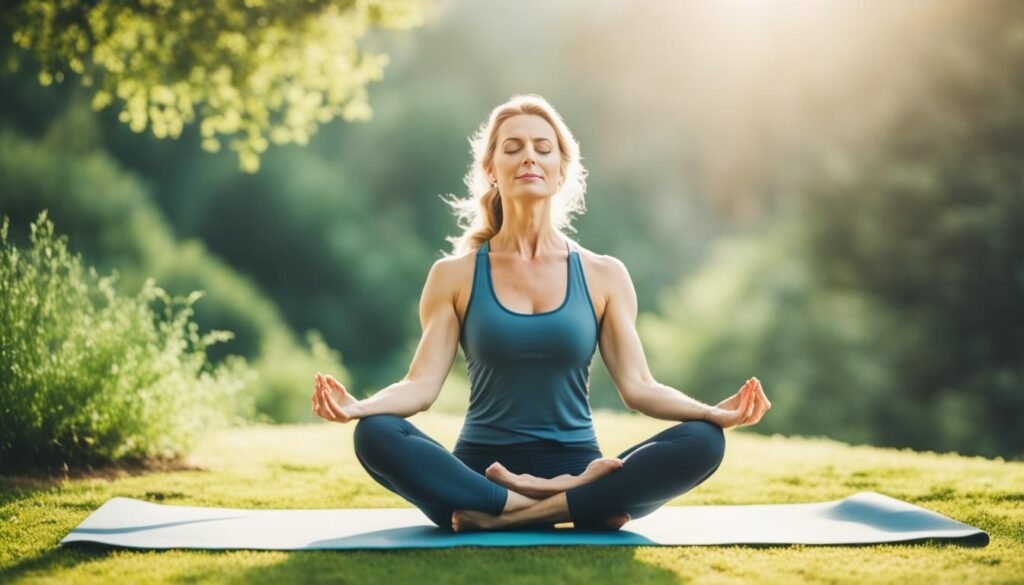
To make yoga a regular part of your daily routine, it is important to find a practice that suits your needs and preferences. Incorporating yoga into your daily routine can have numerous benefits for your overall well-being and anti-aging efforts. Here are some tips to help you get started:
- Start small: Begin by incorporating simple yoga poses and relaxation techniques into your morning and evening routines. This can be as simple as spending a few minutes in child’s pose or practicing deep breathing exercises.
- Gradual progression: As you become more comfortable with your yoga practice, gradually add more poses and increase the duration of your practice. This will allow your body to adjust and prevent any potential injuries or strain.
- Personalize your practice: Focus on specific goals or areas of concern, such as anti-aging. Explore yoga poses that target flexibility, strength, balance, and circulation, which are important factors in maintaining a youthful and healthy body.
- Seek professional guidance: Consulting with a knowledgeable yoga teacher or therapist can help you develop a personalized anti-aging yoga practice that targets your specific needs. They can provide guidance on proper alignment, modifications, and the use of props to ensure a safe and effective practice.
- Consistency is key: Make yoga a consistent part of your routine by setting aside dedicated time each day for your practice. Treat it as an essential self-care activity that contributes to your overall well-being and anti-aging efforts. By practicing regularly, you will maximize the benefits of yoga for both your body and mind.
Remember, incorporating yoga into your daily routine is a journey that requires patience and commitment. As you continue to practice, you will experience the transformative power of yoga as it supports your anti-aging goals and promotes a healthy, vibrant, and balanced life.
The Power of Yoga for Aging Gracefully
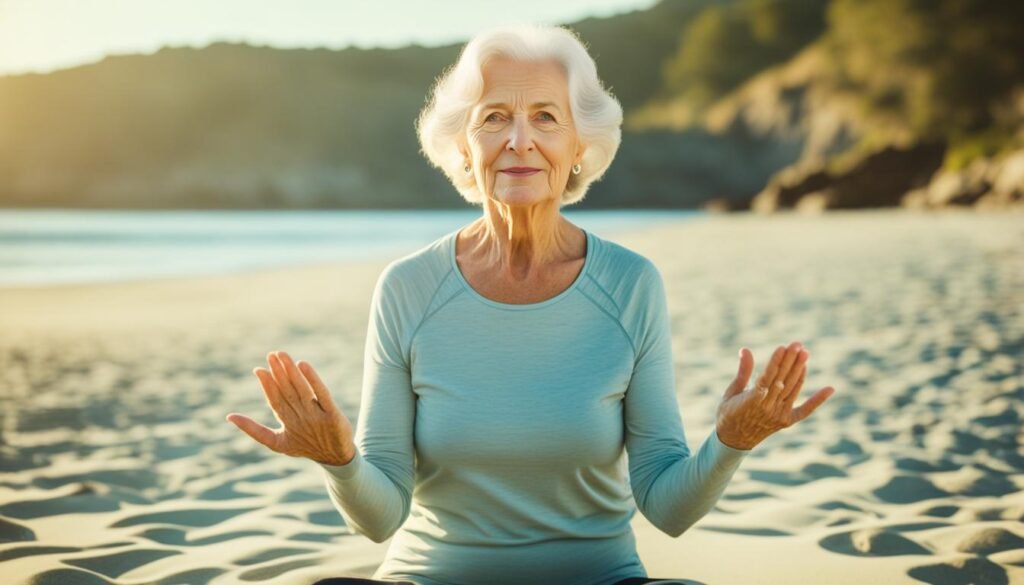
Yoga offers a powerful tool for aging gracefully and embracing the natural process of getting older. By maintaining a regular yoga practice, individuals can experience improved physical health, enhanced mental well-being, and a greater sense of self-confidence. Yoga helps individuals cultivate resilience, adaptability, and self-acceptance, which are essential qualities for navigating the challenges of aging. Regular yoga practice also enables individuals to tap into their own inner wisdom and intuition, guiding them towards making choices that support healthy aging. Yoga is a lifelong practice, and by continuing to practice as we age, we can age with grace and vitality.
As we grow older, it becomes increasingly important to prioritize our health and well-being. Yoga provides numerous benefits that can have a positive impact on our physical, mental, and emotional health.
The Physical Benefits of Yoga for Aging
One of the primary benefits of yoga for aging adults is improved physical health. Yoga poses (asanas) help improve flexibility, strength, balance, and posture. They target specific muscle groups and joints, promoting their mobility and functionality. Regular practice of yoga can help counteract the stiffness and aches often associated with aging, making daily movements more comfortable and effortless.
Yoga is especially beneficial for maintaining and improving joint health. The gentle movements and stretches performed in yoga help lubricate the joints and increase synovial fluid production, reducing joint stiffness and pain. This can be particularly helpful for individuals living with arthritis or other age-related joint issues.
Yoga also has positive effects on bone health. Weight-bearing yoga poses, such as standing poses and inversions, help improve bone density and strength, reducing the risk of osteoporosis and osteopenia. Additionally, yoga poses that focus on balance can enhance hip and leg strength, improving stability and reducing the risk of falls, which is a common concern for aging adults.
By practicing yoga regularly, individuals can also experience improvements in cardiovascular health. Certain yoga poses, such as backbends and inversions, stimulate blood flow and oxygenation of the body, enhancing cardiovascular function. This can contribute to improved overall health and vitality.
| Physical Benefits of Yoga for Aging: | |
|---|---|
| Improved flexibility | Enhanced joint health |
| Increased strength | Improved bone density |
| Better balance and stability | Enhanced cardiovascular health |
The Mental and Emotional Benefits of Yoga for Aging
In addition to the physical benefits, yoga also offers significant mental and emotional benefits for aging adults. Yoga is known for its ability to reduce stress, anxiety, and depression. Through the practice of breath control (pranayama) and meditation, yoga helps calm the mind, promote relaxation, and improve mental clarity. This can be particularly valuable for individuals facing the challenges that come with aging, such as loss of loved ones, retirement, or health issues.
Yoga also encourages the cultivation of self-acceptance and self-compassion. It teaches individuals to embrace their bodies and minds as they are, fostering a positive self-image and boosting self-confidence. This can be especially empowering for individuals navigating the changes that aging brings, helping them to embrace their wisdom and experience.
By integrating yoga into their daily lives, aging adults can develop an increased sense of resilience and adaptability. Yoga teaches individuals to be present in the moment and accept things as they are, reducing resistance to change and fostering a more positive and open outlook on life.
Overall, the mental and emotional benefits of yoga contribute to improved overall well-being and satisfaction with life. By maintaining a regular yoga practice, individuals can enhance their quality of life and age with grace and vitality.
“Yoga is not about touching your toes. It’s about what you learn on the way down.” – Judith Hanson Lasater
Practical Tips for Yoga Practice and Aging
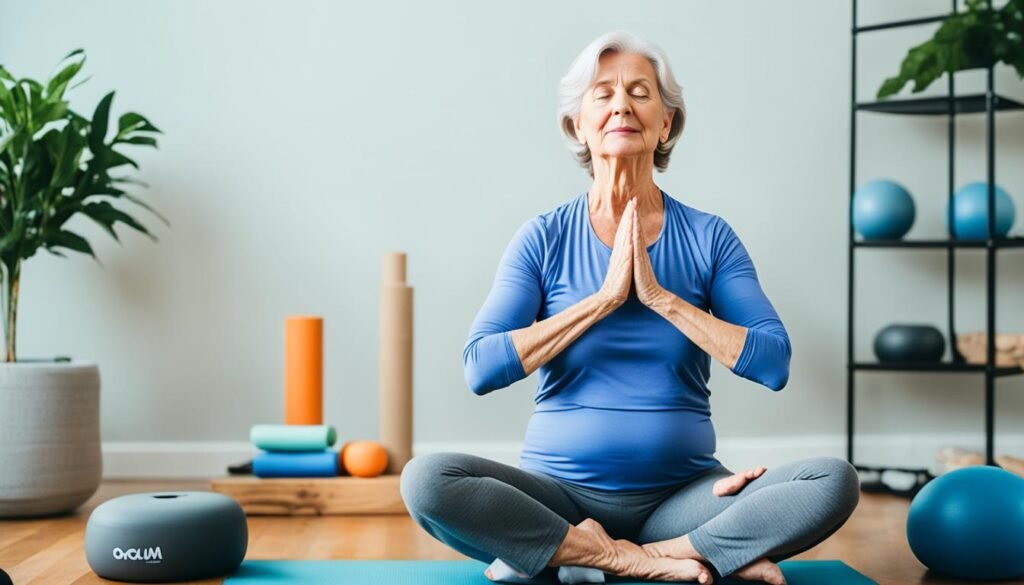
As we age, it is important to approach our yoga practice with care and awareness. By following these practical tips, you can optimize your yoga practice and harness its anti-aging benefits.
Listen to Your Body
When practicing yoga as an aging adult, it is essential to listen to your body and honor its needs. Pay attention to any discomfort or pain, and modify poses accordingly. Remember that every body is unique, and what works for others may not work for you.
Seek Guidance from Experienced Yoga Teachers
Experienced yoga teachers can provide valuable guidance and support, ensuring that you practice yoga safely and effectively. They can help you modify poses, suggest suitable variations, and offer personalized advice based on your individual needs and abilities.
Start with Gentle Poses
Begin your practice with gentle poses that focus on gentle stretching and warming up the body. Gradually increase the intensity and duration of your practice over time, allowing your body to adapt and build strength at a comfortable pace.
Prioritize Stability and Safety
When practicing yoga as an aging adult, prioritize stability and safety in your poses. Use props such as blocks, bolsters, and straps to support your practice and maintain proper alignment. This will help prevent injuries and ensure a stable foundation.
Practice Mindfulness and Presence
Bring mindfulness and presence to your yoga practice by focusing on the breath and body sensations. Connect with the present moment and cultivate a deeper awareness of your body and its needs. This will enhance the mind-body connection and maximize the benefits of your practice.
Embrace a Non-Competitive Mindset
Avoid comparing yourself to others and embrace a non-competitive mindset in your yoga practice. Honor your body’s limitations and let go of any judgment or self-criticism. Yoga is a personal journey, so focus on your own progress and growth.
Complete Table:
| Practical Tips for Yoga Practice and Aging |
|---|
| Listen to Your Body |
| Seek Guidance from Experienced Yoga Teachers |
| Start with Gentle Poses |
| Prioritize Stability and Safety |
| Practice Mindfulness and Presence |
| Embrace a Non-Competitive Mindset |
By incorporating these practical tips into your yoga practice, you can make the most of your practice and optimize its benefits for anti-aging. Remember to honor your body, practice with awareness, and embrace a mindful and non-competitive approach. Enjoy the journey of aging gracefully through yoga.
The Holistic Approach of Yoga
Yoga is not just an exercise routine; it is a holistic approach to life. It encompasses the integration of physical, mental, and spiritual well-being, allowing individuals to cultivate self-care, self-love, and self-awareness.
When we practice yoga, we learn to honor and respect our bodies, minds, and emotions. It encourages us to embrace a balanced and healthy lifestyle, making conscious choices that support our overall well-being.
Yoga is not a quick fix but a lifelong journey towards optimal health, longevity, and graceful aging. By adopting yoga as a lifestyle, we can experience profound transformation and lasting benefits in all aspects of life.
“Yoga is the journey of the self, through the self, to the self.” – Bhagavad Gita
The Physical Aspect
One of the key elements of the holistic approach of yoga is the physical aspect. The practice of yoga poses, also known as asanas, helps to strengthen and stretch the body, improving flexibility, balance, and physical endurance.
Through regular practice, we can develop a greater awareness of our bodies, tuning in to the messages they send us. This allows us to prevent injuries, alleviate physical discomfort, and enhance our overall physical well-being.
The Mental and Emotional Aspect
Yoga is not limited to the physical realm; it encompasses the mental and emotional aspects as well. The practice of mindfulness and meditation cultivates a calm and focused mind, reducing stress, anxiety, and negative thoughts.
By practicing yoga, we learn to observe our thoughts without judgment and develop a deeper understanding of ourselves. This self-awareness enables us to navigate challenges with resilience, embrace our emotions with compassion, and nurture our mental and emotional well-being.
The Spiritual Aspect
Yoga’s holistic approach extends to the spiritual aspect, offering a path towards self-discovery and spiritual growth. By connecting with our inner selves, we can tap into a wellspring of wisdom and intuition.
The spiritual aspect of yoga is not confined to any specific religious beliefs or traditions. It is a personal journey that allows us to explore our own existence, connect with something greater than ourselves, and find deeper meaning and purpose in life.
Conclusion
Yoga is a powerful tool for anti-aging, providing a wide range of physical, mental, and emotional benefits. Through regular practice, yoga improves flexibility, strength, balance, and circulation, while also reducing stress, promoting relaxation, and fostering overall well-being. It effectively addresses age-related issues such as osteoporosis, arthritis, disc problems, and spinal stenosis. Additionally, yoga promotes healthy skin, nails, scalp, and hair growth. By incorporating yoga into your daily routine and embracing it as a lifestyle, you can age gracefully and cultivate a deep sense of self-love and acceptance. Yoga empowers individuals to take charge of their own health and well-being, supporting a vibrant and fulfilling life at any age.
FAQ
Can yoga slow down the effects of aging?
Yes, regular movement, including the practice of yoga, can help slow down the effects of aging.
Yoga can mitigate or relieve symptoms of various age-related issues such as stiffness, aches, and lack of stability.
What are the physical benefits of yoga for aging adults?
Yoga can improve flexibility, stability, strength, muscle elasticity, bone density, and overall circulation.
Which yoga poses are particularly beneficial for anti-aging purposes?
Shoulder stand (Sarvangasana), fish pose (Matsyasana), downward-facing dog (Adho Mukha Svanasana), camel pose (Ustrasana), eagle pose (Garudasana), warrior II pose (Virabhadrasana II), and headstand (Sirsasana) are beneficial for anti-aging.
How can yoga reduce stress and improve sleep?
Yoga can reduce stress and improve sleep through relaxation and mindfulness practices such as the corpse pose (Savasana), child’s pose (Balasana), and seated forward bend (Paschimottanasana).
Does yoga improve circulation and detoxification?
Certain yoga poses such as warrior II pose, tree pose (Vrksasana), twist pose (Ardha Matsyendrasana), and downward-facing dog can improve circulation and promote detoxification.
How does yoga promote a mind-body connection?
Yoga fosters mindfulness, awareness, and grounding through poses like mountain pose (Tadasana) and warrior II pose, leading to improved mental health, emotional well-being, and overall balance in life.
What are the benefits of Face Yoga for anti-aging?
Face Yoga exercises can improve blood flow, reduce tension, and enhance overall health and appearance of the face, helping to combat wrinkles, fine lines, and sagging skin.
How can I incorporate yoga into my daily routine?
You can incorporate yoga into your daily routine by starting with simple poses and relaxation techniques, gradually personalizing your practice, and consulting with a knowledgeable yoga teacher or therapist.
How can yoga help with aging gracefully?
Yoga empowers individuals to cultivate resilience, self-acceptance, adaptability, and self-love for navigating the challenges of aging, promoting a strong mind-body connection and supporting optimal health.
What are practical tips for practicing yoga as an aging adult?
When practicing yoga as an aging adult, it is important to listen to your body, modify poses as needed, seek guidance from experienced teachers, avoid excessive strain, prioritize stability and safety, and practice mindfully.
Is yoga a holistic approach to life?
Yes, yoga is a holistic approach that integrates physical, mental, and spiritual well-being, emphasizing self-care, self-love, self-awareness, and a balanced and healthy lifestyle.
Can yoga help in aging gracefully?
Yes, yoga can help individuals age gracefully by maintaining physical health, enhancing mental well-being, and cultivating self-confidence, resilience, adaptability, and self-acceptance.