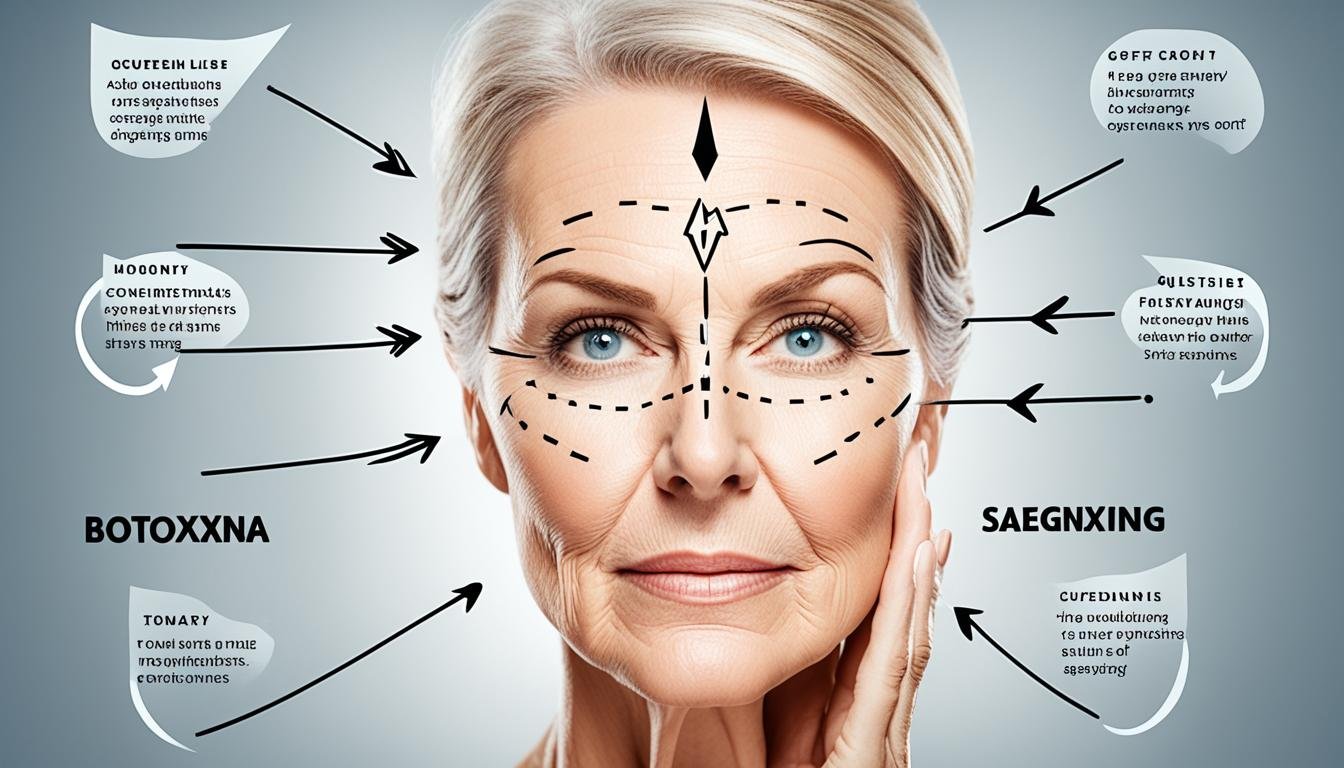
Did you know that Botox can be used by people of any age?
When it comes to starting Botox for skin, there is no specific age requirement. However, it is commonly used on individuals between the ages of 25 and 50. Botox is not just for those who already have visible signs of aging. In fact, it can be a great preventative treatment for younger people to stop wrinkles from forming.
The ideal age to start preventative Botox treatment is around 30. This is when the natural aging process starts to show visible signs of lines and wrinkles. By relaxing facial muscles, Botox can prevent the formation of deep-set lines and wrinkles, keeping the skin looking youthful.
However, the appropriate age to start Botox may vary depending on individual factors such as genetics, lifestyle, and skincare routine. Consulting with a qualified practitioner can help determine the best time to start Botox treatment based on individual needs.
Key Takeaways:
- There is no specific age to start Botox for skin.
- Botox can be used as a preventative treatment to stop wrinkles from forming.
- The ideal age to start Botox for prevention is around 30.
- Individual factors such as genetics, lifestyle, and skincare routine can affect the appropriate age to start Botox.
- Consult with a qualified practitioner to determine the best time to start Botox based on individual needs.
Botox for Younger People
Botox isn’t just for older individuals looking to smooth out deep wrinkles. It can also be used as a preventative treatment for younger people to stop fine lines from forming. By targeting specific facial muscles before wrinkles become visible, Botox can delay the aging process and keep the skin looking youthful.
Preventative Botox: The Key to Youthful Skin
When it comes to preventative Botox, the ideal age to start is typically around 30. However, some individuals may choose to begin their Botox journey in their mid-20s, especially if they have a family history of early signs of aging or engage in lifestyle habits that accelerate skin aging, such as excessive sun exposure or smoking.
Delaying the Aging Process: How Botox Works
Botox works by temporarily relaxing the targeted facial muscles, preventing them from making the repetitive movements that contribute to the formation of fine lines and wrinkles. By intercepting the signals from the nerves to the muscles, Botox effectively prevents these muscles from contracting, leading to smoother and younger-looking skin.
Nipping Fine Lines in the Bud: Preventative Benefits of Botox
Using Botox as a preventative treatment can provide several benefits. By starting early, individuals can significantly reduce the likelihood of fine lines and wrinkles developing in the first place. The targeted relaxation of facial muscles can prevent the formation of deep-set lines, maintaining a smooth and youthful appearance.
The Power of Personalization: Consult with a Qualified Practitioner
When considering Botox as a preventative treatment, it’s essential to consult with a qualified practitioner. They can assess your individual needs and determine the most suitable age to start Botox based on your skin condition, lifestyle, and aesthetic goals. By tailoring the treatment plan to your specific requirements, you can achieve optimal and natural-looking results.
Remember, Botox for younger people isn’t about creating an artificial appearance or freezing expressions. It’s about taking proactive steps to maintain your skin’s youthfulness and radiance for the long term.
How Botox Works
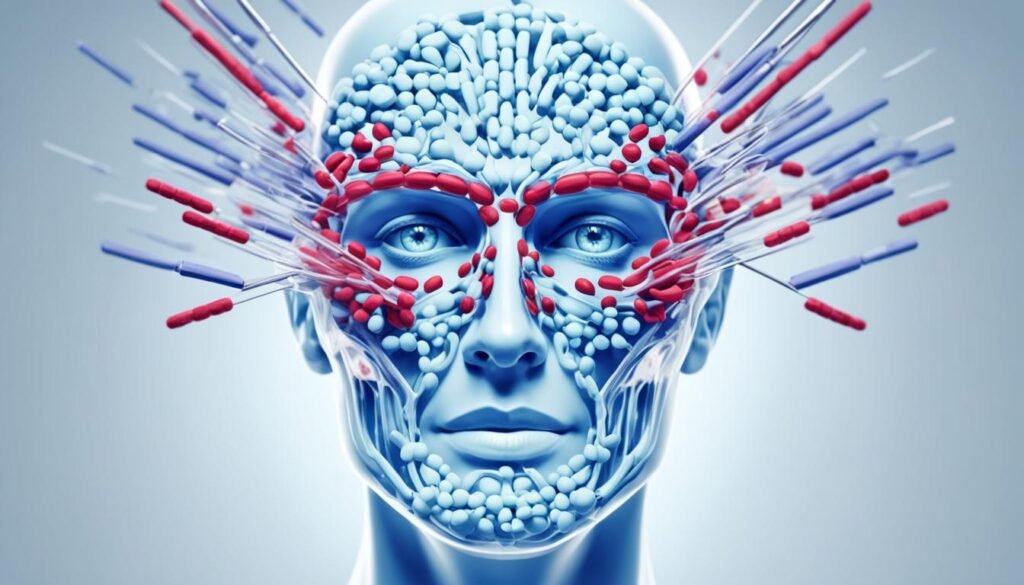
Botox works by interfering with the signals from nerves to the muscles in the injected area, leading to muscle relaxation. This relaxation prevents excessive muscle movement, which can cause wrinkles and lines to form. By strategically injecting Botox, it is possible to calm the specific muscles that contribute to facial wrinkles while leaving other muscles free to make natural expressions. This results in a more youthful appearance without sacrificing facial mobility.
When Botox is injected into the targeted muscles, it blocks the release of acetylcholine, a chemical messenger that signals the muscles to contract. As a result, the muscles become temporarily paralyzed, reducing their ability to create dynamic wrinkles. The effects of Botox typically last for several months before the muscles fully regain their function.
Botox injections are often used to target wrinkles in the forehead, between the eyebrows (glabellar lines), and around the eyes (crow’s feet). By selectively relaxing the muscles responsible for these wrinkles, Botox can smooth out the skin and create a more youthful appearance.
The mechanism of Botox’s action on muscles also makes it useful for medical conditions such as excessive sweating (hyperhidrosis), migraines, and muscle spasms. In these cases, Botox injections can effectively block the signals that trigger these symptoms, providing relief and improving quality of life.
It is important to note that Botox treatment should only be administered by a qualified practitioner who has received specialized training in facial anatomy and injection techniques. This ensures safe and optimal results while minimizing the risk of complications.
Key Points:
- Botox interferes with nerve signals to muscles, leading to muscle relaxation.
- Targeted injection of Botox can calm specific muscles that contribute to facial wrinkles.
- Botox blocks acetylcholine release, temporarily paralyzing the muscles and reducing wrinkle formation.
- Botox can be used to treat both cosmetic and medical conditions.
The Benefits of Botox
Botox offers several benefits that contribute to wrinkle reduction and overall facial rejuvenation. It is a popular treatment option for individuals looking to achieve a more youthful and refreshed appearance.
Wrinkle Reduction
Botox is particularly effective in smoothing out fine lines and wrinkles. It can target specific areas of concern, such as the forehead, crow’s feet, glabellar lines, chin dents, bunny lines, and neck bands. By preventing muscle contractions, Botox inhibits the formation of deep-set lines and wrinkles, resulting in a smoother complexion.
Facial Rejuvenation
In addition to wrinkle reduction, Botox also contributes to overall facial rejuvenation. It stimulates collagen production, which improves skin texture and firmness. By promoting collagen synthesis, Botox can help restore a youthful and radiant appearance.
Overall, the benefits of Botox extend beyond wrinkle reduction. Its ability to enhance facial aesthetics and rejuvenate the skin makes it a sought-after treatment for individuals seeking to achieve a more youthful and refreshed look.
When to Consider Botox
The decision to start Botox treatment depends on various factors specific to each individual. Considering these factors will help determine the appropriate time to begin Botox treatment. Some key signs that may indicate the need for Botox include the appearance of fine lines and wrinkles, particularly around the forehead and eyes. These lines and wrinkles can be a visible indication that the skin is starting to show signs of aging.
Additionally, individuals who have a family history of early facial aging may choose to consider Botox as a preventative measure. By starting treatment earlier, it is possible to prevent or delay the formation of deeper lines and wrinkles, resulting in a more youthful appearance.
Lifestyle factors should also be taken into account when considering Botox treatment. Sun exposure, smoking, and overall skincare routines all play a role in skin health and can impact the aging process. Those who are frequently exposed to the sun or engage in habits that accelerate skin aging may want to consider starting Botox treatment earlier to address and prevent the visible signs of aging.
Ultimately, consulting with a qualified practitioner is crucial in determining the appropriate time to start Botox treatment. These experts can assess individual needs, goals, and skin conditions to create a personalized treatment plan that aligns with desired outcomes.
“The decision to start Botox treatment depends on various factors specific to each individual.”
Signs to Start Botox
To determine if it’s time to start Botox, there are several signs to look out for:
- Appearance of fine lines and wrinkles, especially around the forehead and eyes
- Family history of early facial aging
- Frequent sun exposure
- Engagement in habits that accelerate skin aging, such as smoking
Recognizing these signs is key to making an informed decision about starting Botox treatment. By addressing these signs early on, individuals can take proactive steps to maintain their skin’s youthful appearance.
Time to Start Botox
The optimal time to start Botox treatment can vary depending on individual circumstances. While there is no specific age requirement, it is generally advisable to consider Botox when fine lines and wrinkles become noticeable or when there is a desire to prevent their formation. This typically occurs in the late 20s or early 30s for most individuals.
Once the signs of aging become more apparent, Botox can be used to address deeper lines and wrinkles. In the 40s and beyond, Botox can yield significant results in reducing the visible signs of aging.
Ultimately, the decision to start Botox treatment is personal and should be based on individual needs and preferences. Consulting with a qualified practitioner will provide valuable insights and guidance to help determine the optimal time to start Botox treatment.
Debunking Botox Myths
There are several common misconceptions about Botox that need to be addressed and corrected. Let’s debunk these myths and provide accurate information about Botox treatment. Contrary to popular belief, Botox does not numb the face or affect sensory nerves. After Botox treatment, individuals can still feel their face normally. Botox is targeted at specific muscles and does not interfere with sensory perception.
Another myth surrounding Botox is the fear of chemical dependency. Botox is a temporary treatment that gradually wears off over time. It does not create chemical dependency or addiction. Individuals can choose to discontinue Botox treatment without any adverse effects.
There is also a misconception that Botox can lead to a frozen or unnatural appearance. When administered correctly by an experienced injector, Botox can yield natural-looking results. The skillful application of Botox allows for muscle relaxation while preserving facial expression and mobility. An experienced practitioner understands the precise dosage and injection points to achieve the desired outcome.
“Botox has revolutionized the field of cosmetic treatments, offering safe and effective solutions for wrinkle reduction and facial rejuvenation. It is important to dispel the myths surrounding Botox and educate individuals about its benefits and proper administration.”
– Dr. Jane Miller, Dermatologist
Lastly, it is crucial to address concerns about Botox side effects. When used in appropriate doses and administered by a qualified practitioner, Botox is safe and non-toxic. However, like any medical treatment, there may be potential side effects, such as temporary redness, swelling, or bruising at the injection site. These side effects are typically mild and resolve within a few days.
It is important to consult with a qualified practitioner who can address any concerns or questions regarding Botox treatment. By debunking these myths and providing accurate information, individuals can make informed decisions about Botox and enjoy the benefits of this popular cosmetic procedure.
| Myth | Fact |
|---|---|
| Botox numbs the face | Botox does not affect sensory nerves |
| Botox leads to chemical dependency | Botox is temporary and non-addictive |
| Botox results in a frozen or unnatural appearance | Botox, when administered correctly, provides natural-looking results |
| Botox is toxic and unsafe | Botox is safe and non-toxic when used appropriately |
Botox by Age Group: 20s, 30s, 40s, 50s, and 60s
The appropriate age to start Botox can vary depending on an individual’s skin condition, lifestyle, and specific concerns. In general, preventative Botox treatments are commonly considered in the mid-late 20s and early 30s to avoid the formation of fine lines and wrinkles. Starting Botox at a younger age can help relax the facial muscles and prevent the development of static lines.
“Botox treatments in your 20s can be incredibly beneficial as they can stop wrinkles from forming in the first place. It’s all about staying ahead of the game and taking a proactive approach to skincare.” – Dr. Lily Lee
In the 40s, Botox can be used to address deeper wrinkles and signs of aging that may have started to appear. It can help soften the appearance of crow’s feet, forehead lines, and frown lines, providing a more youthful and refreshed look.
“Botox in your 40s can be a game-changer in terms of maintaining a more youthful appearance. It can help smooth out deeper lines and give a natural-looking result.” – Dr. Sarah Thompson
In the 50s and 60s, Botox can be combined with other treatments, such as dermal fillers or laser skin resurfacing, to help maintain a refreshed and rejuvenated appearance. It can target specific areas to address dynamic wrinkles and provide an overall smoother and more youthful complexion.
“Botox in your 50s and beyond can be a wonderful addition to your anti-aging routine. Combining it with other treatments can help achieve a more comprehensive rejuvenation.” – Dr. Michael Johnson
However, it is important to note that the decision of when to start Botox should be made on an individual basis, considering factors such as skin condition, lifestyle, and personal preferences. Consulting with a qualified and experienced practitioner is crucial to determine the most suitable age to start Botox and to create a personalized treatment plan based on individual needs and goals.
Botox Procedure and Recovery
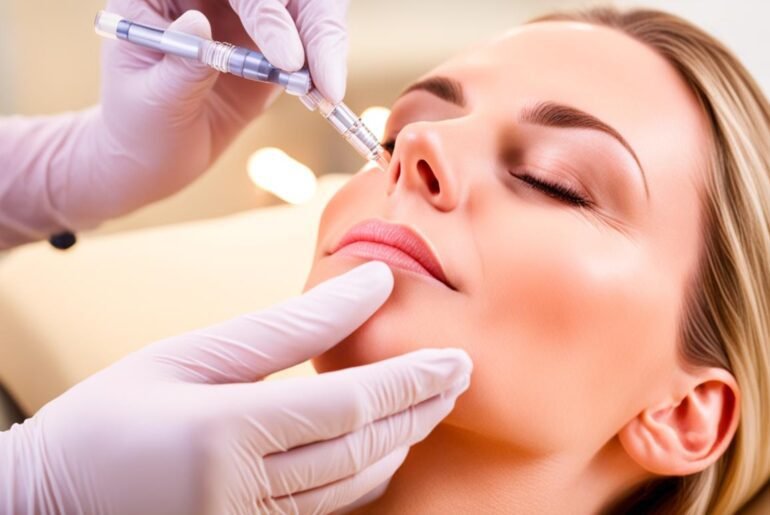
The Botox procedure is a quick and minimally invasive treatment that targets specific muscles to reduce the appearance of wrinkles and fine lines. The process typically takes around 20-30 minutes, making it convenient for those with busy schedules. During the procedure, a qualified practitioner will inject Botox into the targeted muscles using a very fine needle.
To enhance comfort during the treatment, a topical numbing cream may be applied to the area beforehand. This helps minimize any discomfort or pain associated with the injections. Rest assured that the practitioner will prioritize your comfort and ensure a smooth experience throughout.
One of the advantages of getting Botox is its minimal downtime. Unlike more invasive procedures, you can resume your regular activities immediately after the treatment. There may be some temporary swelling, redness, or bruising at the injection sites, but these usually subside within a few hours to a few days.
It’s important to note that the results of Botox are not immediate. The effects gradually become apparent within 3-5 days, as the Botox starts to relax the muscles and smooth out wrinkles. The full results can typically be seen within 1-2 weeks after the treatment.
Most people enjoy the benefits of Botox for several months before a touch-up treatment is needed. The duration of the results can vary depending on factors such as personal metabolism and the area treated. However, on average, Botox treatments last around 3-4 months, after which you can schedule a follow-up appointment to maintain the desired results.
It’s important to understand that while the procedure itself is relatively simple, it should only be performed by a qualified practitioner with expertise in administering Botox. This ensures safety and optimal results. So be sure to choose a reputable provider who can guide you through the process and address any concerns you may have.
Botox Procedure and Recovery:
- Minimally invasive treatment targeting specific muscles
- Takes around 20-30 minutes
- Qualified practitioner performs the procedure
- Topical numbing cream may be applied for comfort
- No downtime, can resume regular activities immediately
- Results become apparent within 3-5 days, full results within 1-2 weeks
- Results last around 3-4 months on average
Remember, every individual’s experience and recovery may vary based on their unique circumstances. It’s always best to consult with your practitioner to understand the specific details of your Botox procedure and recovery process.
Finding a Qualified Botox Practitioner
When it comes to Botox treatment, choosing a qualified and experienced practitioner is of utmost importance. Whether you’re considering Botox for wrinkle reduction or facial rejuvenation, finding a skilled Botox provider can ensure safe and effective results. Here are some key factors to consider when selecting a Botox practitioner:
- Evaluate Credentials: Look for a practitioner who is board-certified and specializes in aesthetic medicine. Ensure they have extensive experience in administering Botox treatments.
- Check for Expertise: Research the practitioner’s reputation and expertise. Look for a Botox injector who is known for delivering natural-looking results and has a track record of satisfied patients.
- Read Reviews: Reading reviews from previous patients can provide valuable insights into the practitioner’s skills, patient care, and overall experience. Look for reviews that mention specific qualities you value, such as attention to detail or a gentle injection technique.
- Ask for Recommendations: Seek recommendations from trusted friends, family members, or healthcare professionals who have undergone successful Botox treatments. Personal referrals can help narrow down your options.
- Schedule a Consultation: Book a consultation with potential practitioners to discuss your goals, concerns, and expectations. During the consultation, ask questions about their approach, experience, and the treatments they offer.
Remember, open communication is key. Express your desired outcomes and don’t hesitate to clarify any doubts or concerns you may have. By investing time in finding a qualified Botox practitioner, you can ensure personalized and satisfactory treatment results.
Testimonials:
“I had a fantastic experience with Dr. Samantha Jenkins. Not only is she a board-certified Botox injector, but her attention to detail and gentle approach exceeded my expectations. I am thrilled with my natural-looking results!” – Sarah R.
“After a thorough search, I found Dr. Michael Harris, a highly skilled Botox provider. He took the time to listen to my concerns and carefully explained the whole process. The results were amazing, and I couldn’t be happier!” – John M.
Maintaining Results and Long-Term Skincare
After Botox treatment, it is crucial to establish a comprehensive skincare routine to maintain the results and promote overall skin health. By following specific practices, you can ensure that your skin remains youthful and vibrant for longer. Here are some essential tips for skincare after Botox:
Sun Protection
One of the most crucial steps in your skincare routine after Botox is applying sunscreen daily. The sun’s harmful UV rays can accelerate aging and diminish the effects of Botox. Choose a broad-spectrum sunscreen with an SPF of 30 or higher and apply it generously to all exposed areas of your skin. Reapply every two hours or after swimming or sweating.
Hydration is Key
Keeping your skin well-hydrated is vital for maintaining a youthful appearance. Drink plenty of water throughout the day to hydrate your body from the inside out. Additionally, use moisturizers and facial serums that are specifically formulated to replenish and lock in moisture. Look for products containing hyaluronic acid, which can help retain skin’s moisture and improve its elasticity.
Adopt a Healthy Lifestyle
A healthy lifestyle is crucial for long-term skincare. Proper nutrition with a balanced diet rich in antioxidants can help nourish your skin and support its natural regeneration process. Regular exercise promotes healthy blood circulation, which enhances the delivery of oxygen and nutrients to the skin. Avoid smoking and excessive alcohol consumption, as they can accelerate skin aging and undermine the results of your Botox treatment.
Incorporate Anti-Aging Skincare Products
To complement your Botox treatment, consider incorporating anti-aging skincare products into your daily regimen. Look for products that contain ingredients such as retinol, vitamin C, peptides, and antioxidants. These can help stimulate collagen production, reduce fine lines and wrinkles, and protect the skin from environmental damage.
Regular Touch-Up Treatments
To sustain the desired effects of Botox, regular touch-up treatments may be recommended. Consult with your healthcare professional to determine the appropriate interval between treatments based on your individual needs and goals. They can assess the longevity of the effects and advise you on when it’s the right time for a touch-up.
Consulting with a skincare professional is highly recommended for creating a personalized long-term skincare plan that complements your Botox treatment. They can help analyze your skin condition, understand your concerns, and provide expert guidance tailored to your specific needs.
Conclusion
In conclusion, the ideal age to start Botox for the skin varies depending on individual factors such as genetics, lifestyle, and skincare routine. While it is generally recommended to consider preventative Botox around the age of 30, some individuals may benefit from starting in their mid-20s or later in their 30s. Consulting with a qualified practitioner is crucial in determining the best time to begin Botox treatment based on individual needs and goals.
Botox offers effective wrinkle reduction and facial rejuvenation by relaxing facial muscles and preventing the formation of lines and wrinkles. However, it is important to note that Botox is not a one-time solution. To sustain optimal results, it is necessary to maintain a comprehensive skincare routine and undergo follow-up treatments as recommended by the practitioner.
By understanding the benefits of Botox, debunking common myths, and considering the appropriate age to start treatment, individuals can make informed decisions about incorporating Botox into their skincare regimen. Remember to seek the services of a qualified practitioner who has the experience and expertise to deliver natural-looking results. With proper care and a personalized skincare plan, Botox can be a valuable tool in achieving a more youthful and refreshed appearance.
FAQ
What age is appropriate to start Botox for the skin?
The ideal age to start Botox for the skin is around 30, but it can vary depending on individual factors such as genetics, lifestyle, and skincare routine.
Can Botox be used as a preventative treatment for younger people?
Yes, Botox can be used as a preventative treatment for younger individuals to stop fine lines from forming and delay the aging process.
How does Botox work?
Botox interferes with the signals from nerves to the muscles, leading to muscle relaxation and preventing excessive muscle movement that can cause wrinkles and lines to form.
What are the benefits of Botox?
Botox effectively smooths out fine lines and wrinkles, prevents the formation of deep-set lines, and stimulates collagen production for improved skin texture and firmness.
When should I consider starting Botox?
It is recommended to consider starting Botox when fine lines and wrinkles start to appear, usually in the mid-late 20s or early 30s. Family history and lifestyle factors should also be taken into account.
What are some common misconceptions about Botox?
Common misconceptions include the belief that Botox numbs the face or leads to a frozen appearance. In reality, Botox does not affect sensory nerves and can provide natural-looking results when administered correctly.
How does Botox usage vary by age group?
In the 20s, Botox can be used as a preventative treatment. In the 30s, it can help address fine lines. In the 40s, it can target deeper wrinkles, and in the 50s and 60s, it can be combined with other treatments for a refreshed appearance.
What is the Botox procedure like and how long is the recovery?
The Botox procedure involves injecting Botox into targeted muscles and takes 20-30 minutes. There is usually no downtime, and individuals can resume their regular activities immediately. Results become apparent within 3-5 days and last for several months.
How can I find a qualified Botox practitioner?
Look for a board-certified practitioner with extensive experience in administering Botox and a reputation for natural-looking results. Reading reviews, asking for recommendations, and scheduling a consultation can help in the selection process.
How can I maintain Botox results and long-term skincare?
It is important to follow a comprehensive skincare routine, including daily sunscreen use, good hydration, a healthy lifestyle, and the use of anti-aging skincare products. Regular touch-up treatments may be recommended for optimal results.
What are the main points to remember about starting Botox for the skin?
The ideal age to start Botox is around 30, but it depends on individual factors. Botox can be used as a preventative treatment for younger individuals. Finding a qualified practitioner and maintaining a comprehensive skincare routine are crucial for optimal results.