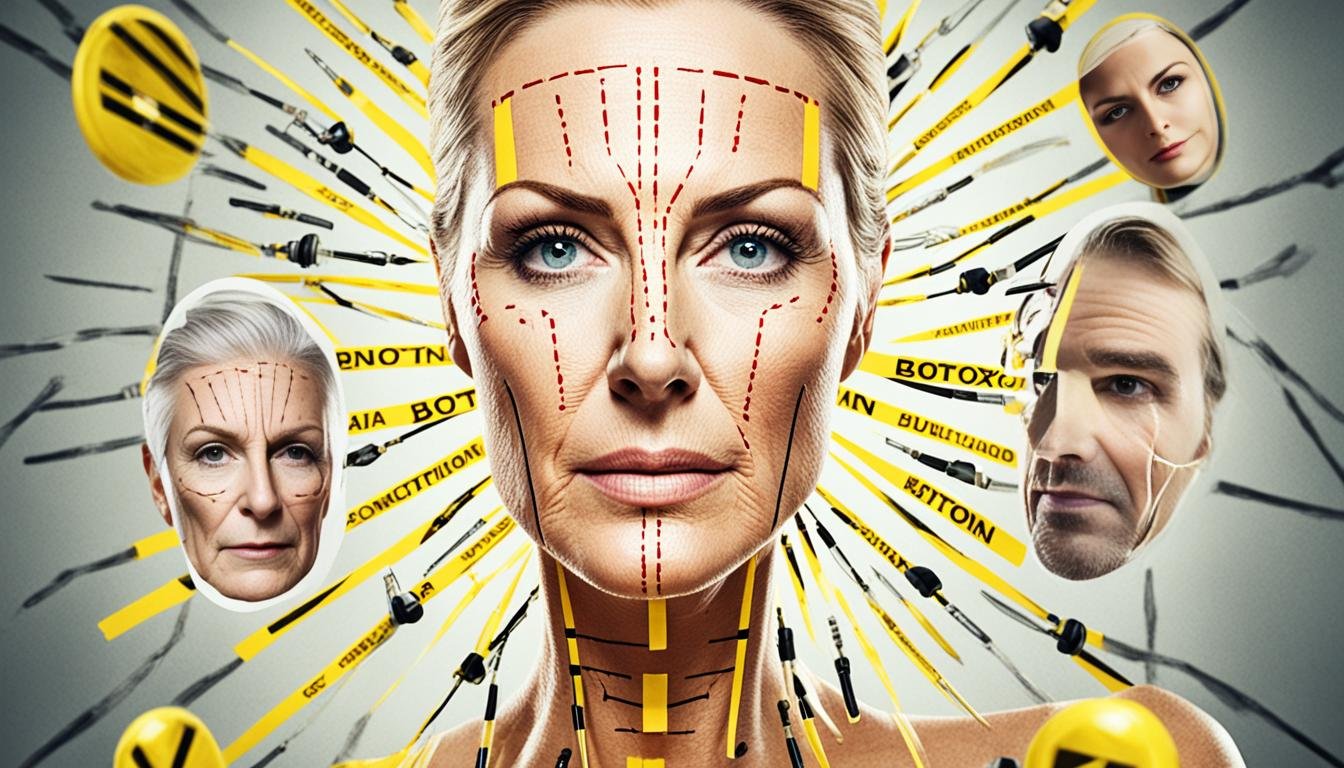
Did you know that Botox injections, known for their wrinkle-smoothing effects, can have unexpected and potentially harmful side effects on the skin? While Botox is a popular cosmetic treatment and has proven effective in treating various medical conditions, it’s crucial to understand the risks and potential complications that can arise.
When considering Botox for the skin, it’s important to be aware of the potential side effects, such as pain, swelling, bruising, and headaches. More serious complications, though rare, can include droopy eyelids, crooked eyebrows, and even muscle weakness or allergic reactions.
Whether you’re considering Botox for cosmetic purposes or to address a medical condition, it’s essential to choose a skilled healthcare provider and have a thorough discussion about your medical history and any potential risks.
Understanding the potential side effects and risks associated with Botox injections is vital to make an informed decision about whether this treatment is right for you. In this article, we will delve deeper into the side effects of Botox for the skin, the purpose and uses of these injections, the procedure itself, and how to prepare and care for your skin before and after treatment.
Key Takeaways:
- Botox injections can have both common and rare side effects on the skin, ranging from pain and swelling to more serious complications like muscle weakness or allergic reactions.
- Understanding the potential risks and discussing your medical history with a healthcare provider are essential before undergoing Botox treatment.
- While Botox injections are generally safe when administered by a licensed professional, it’s important to weigh the benefits against the potential risks.
- Proper preparation and post-injection care can help minimize side effects and ensure the best possible outcomes.
- If you experience concerning symptoms or severe side effects, it is crucial to seek immediate medical attention.
Purpose and Uses of Botox Injections
Botox injections serve multiple purposes and offer a wide range of uses beyond cosmetic applications. While popular for their ability to relax facial muscles and diminish wrinkles and frown lines, Botox injections also prove effective in treating various medical conditions.
One of the primary uses of Botox injections is in the field of aesthetic medicine. By targeting specific facial muscles, Botox injections help reduce the appearance of fine lines and wrinkles, providing individuals with a smoother and more youthful complexion.
However, Botox injections extend beyond cosmetic enhancements. Medical professionals have found success in treating conditions such as neck spasms, lazy eye, excessive sweating, migraines, and overactive bladder with Botox injections.
The mechanism behind Botox injections lies in their ability to block chemical signals from nerves responsible for muscle contractions. By inhibiting these signals, Botox injections effectively relax the muscles, reducing the severity of facial wrinkles and alleviating symptoms associated with various medical conditions.
It is essential to note that the effects of Botox injections are temporary, typically lasting between 3 to 4 months. Regular follow-up injections are often necessary to maintain the desired outcome.
How Botox Injections are Administered
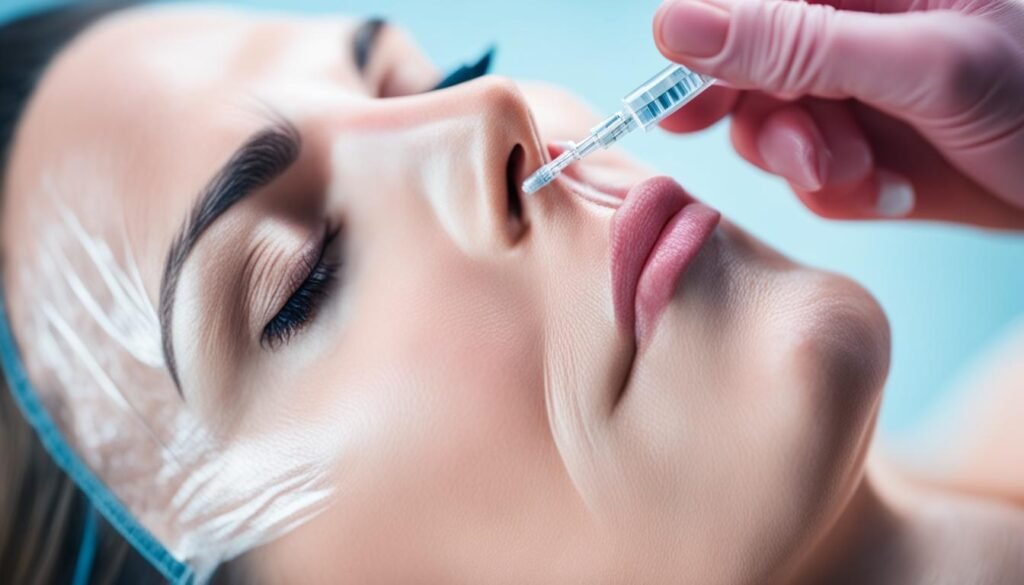
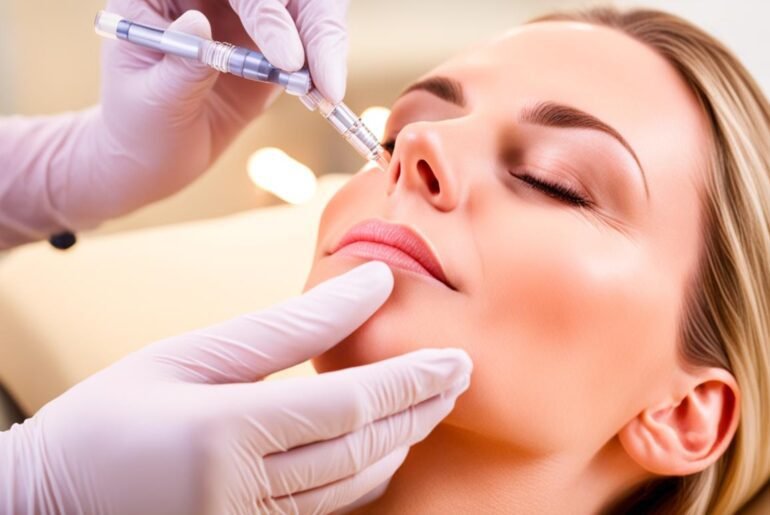
When it comes to the administration of Botox injections, it is crucial that the procedure is conducted by a licensed healthcare provider in a medical office setting. The process involves using a fine needle to strategically inject small quantities of botulinum toxin into either the skin or the targeted muscles, depending on the area being treated.
The number of injections required varies depending on the size and location of the treatment area. In some cases, ultrasound technology may be utilized to guide the needle accurately to the intended spot, ensuring precise placement of the toxin.
There are several types of botulinum toxin available, with Type A being the most commonly used for cosmetic purposes. This type of toxin works by blocking nerve signals that cause muscle contractions, effectively relaxing the muscles and reducing the appearance of wrinkles.
During the administration of Botox injections, healthcare providers aim to minimize discomfort for their patients. Numbing creams or other techniques may be employed to ensure a comfortable experience.
Potential Side Effects and Risks of Botox for Skin
While Botox injections are generally safe, it is important to be aware of the potential side effects and risks associated with the procedure. These side effects can vary from person to person and may include:
- Pain, swelling, or bruising at the injection site: Some individuals may experience discomfort or temporary discoloration of the skin after receiving Botox injections.
- Headache and flu-like symptoms: In rare cases, Botox injections may cause headaches or flu-like symptoms such as fatigue and muscle aches.
- Droopy eyelids, crooked eyebrows, or a crooked smile: Injecting Botox in the wrong area can lead to temporary muscle weakness, resulting in asymmetrical facial expressions.
- Drooling and watery or dry eyes: Botox injections near the mouth or eyes can affect muscle control, potentially causing excessive salivation or changes in tear production.
- Infection at the injection site: Like any medical procedure involving needle injections, there is a small risk of infection at the injection site.
- Rare complications: Although extremely rare, there have been cases where the Botox toxin has spread to unintended areas of the body, leading to muscle weakness, vision problems, difficulty talking or swallowing, breathing problems, allergic reactions, or loss of bladder control.
If you experience any concerning symptoms after receiving Botox injections or are unsure whether your symptoms are normal, it is crucial to seek immediate medical attention. Prompt reporting of any unexpected side effects can help healthcare providers assess and address the situation effectively.
| Side Effects | Risk Level |
|---|---|
| Pain, swelling, or bruising at the injection site | Low |
| Headache and flu-like symptoms | Low |
| Droopy eyelids, crooked eyebrows, or a crooked smile | Medium |
| Drooling and watery or dry eyes | Low |
| Infection at the injection site | Low |
| Rare complications | Very low |
“While Botox injections can provide significant aesthetic benefits, it is crucial to acknowledge the potential side effects and risks. Maintaining open communication with your healthcare provider is essential to ensure the safest and most effective treatment.” – Dr. Jane Anderson, Dermatology Specialist
Preparing for Botox Injections

When considering Botox injections, it is crucial to adequately prepare for the procedure. Here are the essential steps to follow:
1. Consultation with a Healthcare Provider
The first step in preparing for Botox injections is to schedule a consultation with a reputable and experienced healthcare provider. During this consultation, you will discuss your goals, concerns, and medical history to determine if Botox is the right treatment for you.
2. Determine the Appropriate Type of Botulinum Toxin
There are different types of botulinum toxin available, each with its own characteristics and indications. Your healthcare provider will assess your needs and recommend the most suitable type of botulinum toxin for your specific requirements.
3. Disclose Previous Botox Injections and Medications
It is important to inform your healthcare provider about any previous Botox injections you have received within the past four months. Additionally, disclose any use of blood thinners or medications that may increase the risk of bleeding or bruising. This information will help your provider determine the most appropriate treatment plan for you.
4. Prepare the Injection Site
Prior to the Botox injections, it is essential to ensure that the injection site is clean and free of any makeup or skincare products. This will minimize the risk of infection and allow for accurate placement of the injections.
5. Temporary Medication Adjustments
In some cases, it may be necessary to temporarily stop taking certain medications before Botox injections. This will prevent any potential interactions or complications during the procedure. Discuss your current medications with your healthcare provider to determine if any adjustments are required.
6. Find a Skilled Healthcare Provider
To ensure the best results and minimize the risk of complications, it is crucial to find a skilled healthcare provider who specializes in Botox injections. Consider seeking a referral from your primary care provider or trusted friends who have undergone successful Botox treatments.
| Preparation Steps for Botox Injections |
|---|
| Consultation with a Healthcare Provider |
| Determine the Appropriate Type of Botulinum Toxin |
| Disclose Previous Botox Injections and Medications |
| Prepare the Injection Site |
| Temporary Medication Adjustments |
| Find a Skilled Healthcare Provider |
By following these preparation steps, you can ensure a safe and successful Botox injection experience. Remember to consult with your healthcare provider to address any specific concerns or questions you may have.
What to Expect During and After Botox Injections
When you undergo Botox injections, you can expect a relatively comfortable experience. Most people do not experience significant pain during the procedure, but your healthcare provider may apply numbing creams to certain areas for enhanced comfort.
After the injections, it is important to follow post-injection care instructions to ensure optimal results and minimize potential risks. Here are some key post-injection care tips:
- Avoid rubbing or massaging the treated areas for 24 hours. This will help prevent the toxin from spreading to unintended areas and ensure it remains concentrated in the target area.
- Avoid lying down for 2 to 4 hours after the procedure. This precaution will also help prevent the toxin from spreading.
- Most people can resume their usual activities immediately after the procedure. There is no need for extended downtime or recovery.
Within 1 to 3 days, you can expect the effects of Botox to become noticeable. The wrinkles and fine lines in the treated area should gradually smoothen out, providing a more youthful appearance. The results of Botox typically last for 3 to 4 months, after which you may consider follow-up injections to maintain the desired effect.
Here is an illustration of the typical timeline for Botox injections:
| Timeframe | What to Expect |
|---|---|
| During the procedure | Comfortable experience with minimal pain. Numbing creams may be applied to enhance comfort. |
| Within 1 to 3 days | Visible results as wrinkles and fine lines start to smoothen out. |
| 3 to 4 months | Gradual fading of the Botox effects. Follow-up injections may be necessary to maintain the desired appearance. |
Remember to consult with your healthcare provider for personalized care instructions and to address any concerns or questions you may have about the procedure.
Benign Side Effects and Management Strategies
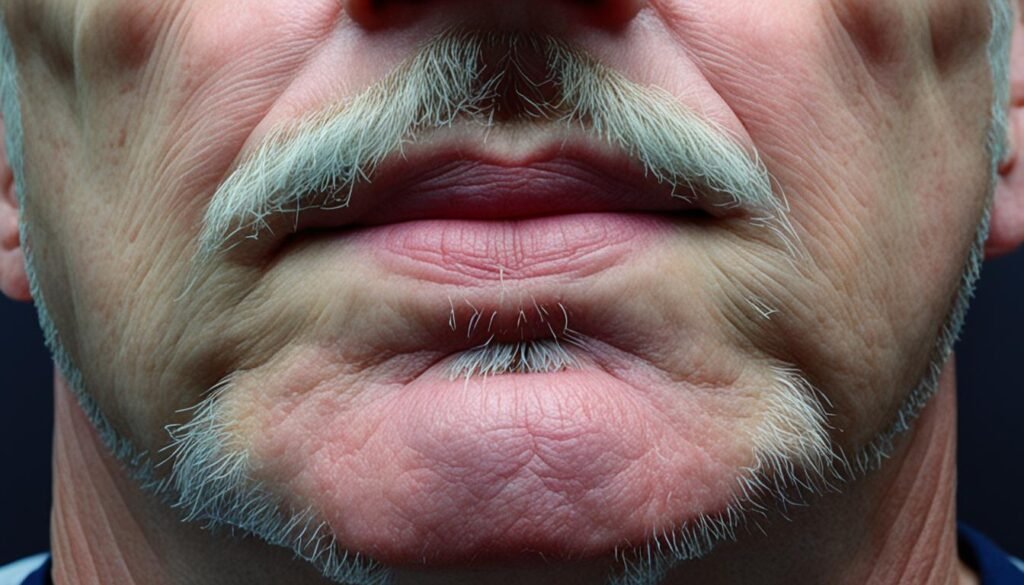
While Botox injections are generally safe, it is important to be aware of the potential benign side effects that may occur. These side effects are usually localized, reversible, and self-limited, meaning they resolve on their own over time. Here are some of the benign side effects that can be associated with Botox:
- Pain: Some patients may experience mild discomfort or pain at the injection site. This can be managed with over-the-counter pain relievers or topical anesthetic creams.
- Bruising: Bruising is a common side effect of Botox injections, especially in individuals who are prone to easy bruising. Applying ice packs to the treated area before and after the procedure can help minimize bruising. It is also important to avoid blood-thinning medications, such as aspirin or ibuprofen, for a few days prior to the treatment to reduce the risk of bruising.
- Dry Skin: Some patients may experience dryness or flakiness of the skin around the injection site. This is typically temporary and can be managed with a gentle moisturizer.
- Localized Injection Trauma: The injection itself can sometimes cause minor trauma to the surrounding tissues, resulting in redness or swelling. This usually resolves within a few hours or days.
- Mild Headaches: It is not uncommon for patients to experience mild headaches after Botox injections. These headaches are usually short-lived and can be relieved with over-the-counter pain relievers.
It is important to follow the post-injection care instructions provided by your healthcare provider to minimize the occurrence and severity of these side effects. If you experience any concerning side effects or if they persist beyond a few days, it is recommended to contact your healthcare provider for further evaluation and guidance.
Management Strategies for Botox Side Effects
In addition to following the post-injection care instructions, there are some management strategies that can help alleviate the benign side effects of Botox:
“Applying ice packs to the injection site before and after the procedure can help minimize bruising.”
“Over-the-counter pain relievers or topical anesthetic creams can be used to manage any discomfort or pain.”
“Gentle moisturizers can help alleviate dryness and flakiness of the skin.”
It is important to note that these strategies are intended for managing benign side effects only. If you experience any serious or concerning side effects, such as difficulty breathing, muscle weakness, or allergic reactions, it is crucial to seek immediate medical attention.
| Benign Side Effects of Botox | Management Strategies |
|---|---|
| Pain | Over-the-counter pain relievers or topical anesthetic creams |
| Bruising | Applying ice packs before and after the procedure, avoiding blood-thinning medications |
| Dry Skin | Gentle moisturizers |
| Localized Injection Trauma | Typically resolves within a few hours or days |
| Mild Headaches | Over-the-counter pain relievers |
Remember, it is always important to discuss any concerns or questions with your healthcare provider to ensure the safest and most effective management of Botox side effects.
Serious Side Effects and Preventive Strategies

Serious side effects of Botox injections are rare but can occur. It is important to be aware of these potential complications and take preventive measures. Some of the serious side effects of Botox include:
- Muscle weakness
- Vision problems
- Difficulty talking or swallowing
- Breathing problems
- Allergic reactions
- Loss of bladder control
To prevent these serious side effects, it is crucial to:
- Choose a skilled healthcare provider: Selecting an experienced and qualified healthcare provider who specializes in administering Botox injections can greatly minimize the risk of complications.
- Discuss medical history and potential allergies: It is essential to disclose your complete medical history, including any previous allergic reactions you may have had, to ensure the safety and effectiveness of the treatment.
- Ensure proper administration techniques: Proper injection techniques, such as using the correct dosage and targeting the appropriate muscles, can help reduce the risk of adverse effects.
If you experience any of these serious side effects, it is crucial to seek immediate medical attention. Prompt medical intervention can prevent further complications and ensure your well-being.
Conclusion
Botox injections for the skin can be a valuable option for smoothing wrinkles and treating certain medical conditions. When administered by a licensed healthcare provider, the procedure is generally safe and effective. However, it’s important to be aware of the potential side effects and risks associated with Botox.
Before undergoing treatment, it is crucial to have a thorough discussion with your healthcare provider. This allows you to fully understand the potential side effects and risks, ensuring an informed decision. Additionally, it is vital to report any concerning symptoms or adverse reactions to your healthcare provider immediately.
With proper precautions, such as choosing a skilled healthcare provider and following post-injection care instructions, the benefits of Botox for the skin can outweigh the risks. It is essential to weigh the potential side effects against the desired results and make an informed choice that aligns with your individual needs and preferences.
FAQ
What are the potential side effects and risks of Botox for the skin?
The potential side effects of Botox for the skin include pain, swelling, bruising, headache, droopy eyelids, crooked eyebrows, and infection at the injection site. Rarely, the toxin may spread to other parts of the body, leading to muscle weakness, vision problems, trouble talking or swallowing, breathing problems, allergic reactions, or loss of bladder control.
What is the purpose of Botox injections?
Botox injections are primarily used for cosmetic purposes to relax facial muscles and reduce the appearance of wrinkles and frown lines. They can also be used to treat various medical conditions such as neck spasms, lazy eye, excessive sweating, migraines, and overactive bladder.
How are Botox injections administered?
Botox injections are usually performed in a medical office by a licensed healthcare provider. A thin needle is used to inject small amounts of botulinum toxin into the skin or muscles, depending on the targeted area.
What are the potential side effects and risks of Botox for skin?
The potential side effects and risks of Botox for skin include pain, swelling, or bruising at the injection site, headache, flu-like symptoms, droopy eyelids, crooked eyebrows, a crooked smile, or drooling. Other possible risks include watery or dry eyes, infection at the injection site, and rare cases of the toxin spreading to unintended areas of the body.
How should I prepare for Botox injections?
To prepare for Botox injections, you should discuss the treatment with a healthcare provider, inform them about any previous Botox injections and use of blood thinners, and ensure the injection site is clean and free of makeup. Some patients may need to stop taking certain medications beforehand.
What should I expect during and after Botox injections?
During Botox injections, a healthcare provider will use a thin needle to inject small amounts of botulinum toxin into the skin or muscles. After the injections, it is important to avoid rubbing or massaging the treated areas for 24 hours and to avoid lying down for 2 to 4 hours. Most people can return to their usual activities immediately.
What are the benign side effects of Botox injections and how can they be managed?
Benign side effects of Botox injections include pain, bruising, dry skin, localized injection trauma, and mild headaches. These can be managed with ice packs for bruising, topical anesthetic creams for pain, and following post-injection care instructions.
What are the serious side effects of Botox injections and how can they be prevented?
Serious side effects of Botox injections are rare but can include systemic spread of the toxin leading to muscle weakness, vision problems, difficulty talking or swallowing, breathing problems, allergic reactions, or loss of bladder control. Choosing a skilled healthcare provider, discussing medical history and potential allergies, and ensuring proper administration techniques can help prevent these side effects.