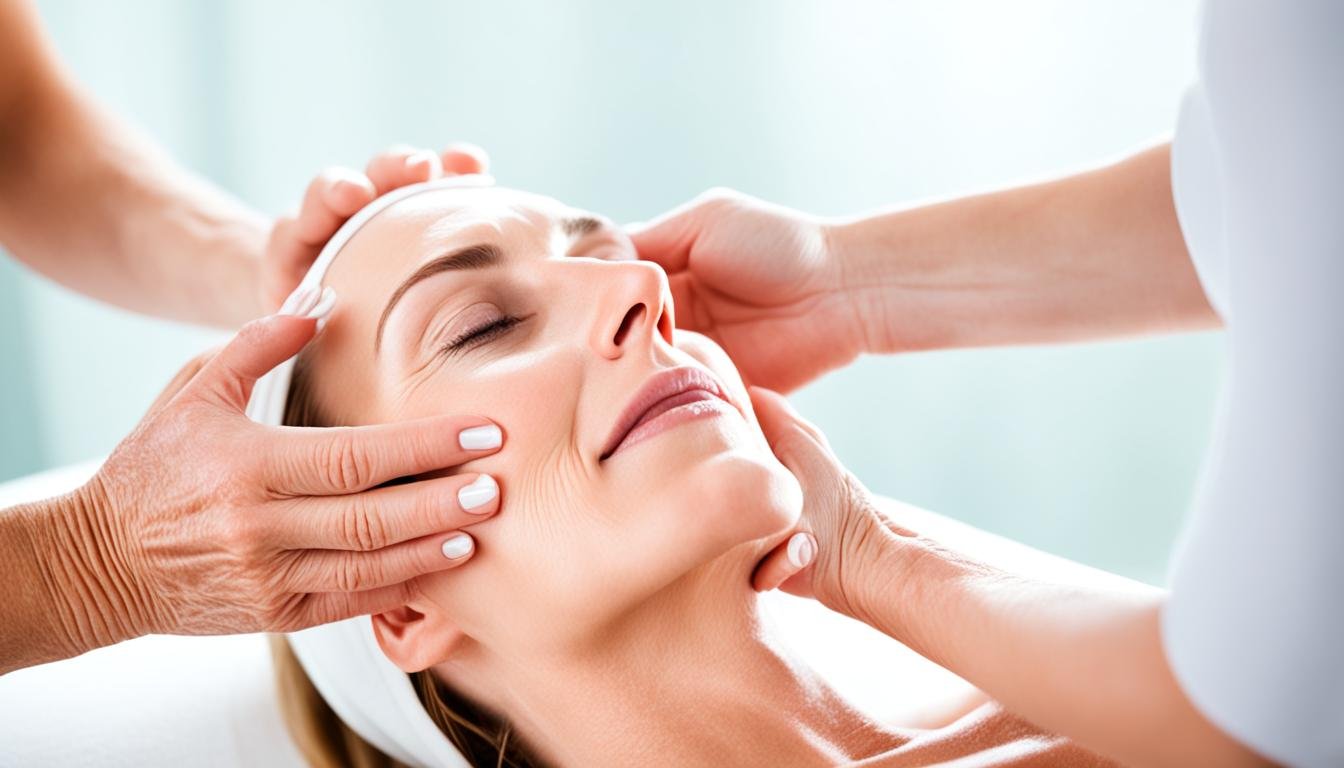
Did you know that age spots, also known as liver spots or solar lentigines, affect more than 90% of adults over the age of 50? These flat brown, gray, or black spots are a common skin concern, particularly on areas exposed to sunlight. While age spots are harmless, they can impact confidence and prompt people to search for effective ways to reduce their appearance.
Key Takeaways:
- Age spots, also known as liver spots or solar lentigines, are common in adults over the age of 50.
- Excessive synthesis of melanin, the skin pigment, is the main cause of age spots.
- Facial massage has been suggested as a potential method for reducing the appearance of age spots, although more research is needed to confirm its effects.
- Professional treatments, natural remedies, and scientific breakthroughs offer various options for age spot reduction.
- It’s important to consult professionals and choose the approach that suits you best while maintaining a healthy lifestyle and sun protection routine.
What Causes Age Spots?
Age spots, also known as liver spots or solar lentigines, are a common skin concern, especially in adults over the age of 50. Understanding the causes of age spots can help shed light on prevention and treatment strategies. The main factor at play is the excessive synthesis of melanin, the pigment responsible for skin color. While the exact reasons for this overproduction are not fully understood, several contributing factors have been identified:
- Genetic Predisposition: If age spots run in your family, you may have a higher likelihood of developing them. Genetic factors can influence the susceptibility to age spot formation.
- Skin Deterioration: As we age, our skin undergoes natural changes, including a decrease in cell turnover and a decline in collagen production. These changes can contribute to the formation of age spots.
- UV Exposure: Prolonged exposure to ultraviolet (UV) light from the sun or tanning beds is a major factor in age spot development. UV rays stimulate melanocyte activity, leading to an increased production of melanin.
To visualize the causes of age spots, refer to the following table:
| Causes of Age Spots | Explanation |
|---|---|
| Excessive Synthesis of Melanin | Overproduction of melanin, triggered by various factors, results in the formation of age spots. |
| Genetic Predisposition | Family history can increase the likelihood of developing age spots. |
| Skin Deterioration | Natural aging processes can contribute to age spot formation. |
| UV Exposure | Exposure to UV light stimulates melanogenesis, leading to the development of age spots. |
It’s important to note that age spots are primarily a cosmetic concern and do not pose any immediate health risks. However, they can impact one’s self-esteem and confidence. By understanding the underlying causes, individuals can make informed decisions about prevention and explore treatment options to reduce the appearance of age spots.
How to Identify Age Spots
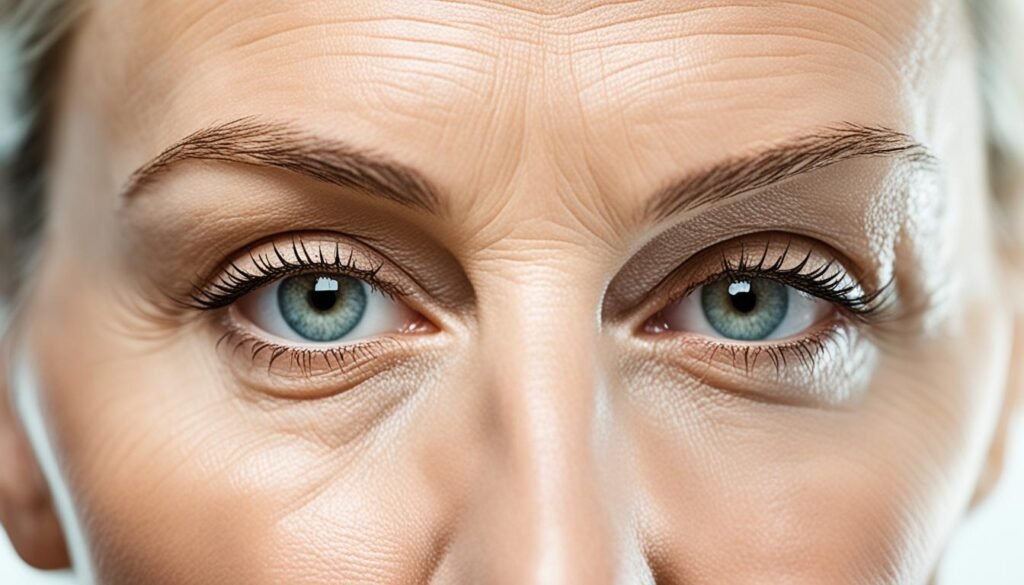
Age spots, also known as liver spots or solar lentigines, can sometimes be mistaken for other skin conditions or scars. To accurately identify age spots, it’s important to understand their specific characteristics.
- Color: Age spots typically range in color from light brown to black. The intensity of the color can be influenced by sun exposure.
- Texture: Age spots have the same texture as the surrounding skin. They are usually smooth and do not feel different to the touch.
- Size: Age spots can vary in size, from small freckles to larger spots. The size of the age spot is not necessarily an indication of its severity.
- Shape: Age spots commonly appear as flat, round spots with well-defined edges. The shape can aid in distinguishing them from other skin conditions.
Age spots commonly appear on areas of the body that are frequently exposed to the sun, such as the face and hands. They are often painless and do not cause any discomfort.
To provide better visual insights, the table below summarizes the characteristics of age spots:
| Characteristics | Description |
|---|---|
| Color | Range from light brown to black, influenced by sun exposure |
| Texture | Same texture as surrounding skin, smooth to the touch |
| Size | Vary in size, from small freckles to larger spots |
| Shape | Appear as flat, round spots with well-defined edges |
| Common Locations | Face, hands, and other sun-exposed areas |
Are Age Spots Dangerous?
Age spots, also known as liver spots or solar lentigines, are a common skin condition that affects many adults over the age of 50. While age spots can be a source of concern due to their impact on appearance and self-confidence, they are generally harmless and do not pose any health risks. In fact, age spots are the body’s natural defense mechanism to protect the skin from the sun’s harmful effects.
Despite their benign nature, age spots can cause individuals to seek treatments to remove or lighten them for cosmetic reasons. Let’s explore more about age spots and the reasons why they are not harmful to your health.
Why Are Age Spots Generally Harmless?
Age spots are primarily a result of the body’s response to prolonged sun exposure. It is the excessive synthesis of melanin, the skin pigment responsible for coloration, that leads to the formation of age spots. When exposed to the sun, the body produces more melanin in an attempt to protect the skin from harmful ultraviolet (UV) radiation. The accumulation of melanin in concentrated areas gives rise to the appearance of age spots.
Age spots are commonly found on areas of the body exposed to the sun, like the face, hands, shoulders, and arms. They may vary in size and color, ranging from light brown to black. Although age spots are persistent over time, their appearance can be influenced by factors such as the individual’s skin type, sun exposure, and overall skin health.
Since age spots are a natural part of the aging process and primarily caused by sun exposure, they do not present any immediate health risks. However, it is important to monitor any changes in the appearance, color, size, or texture of age spots. If you notice any concerning changes or irregularities, it is advisable to consult a dermatologist for proper evaluation and to rule out any underlying conditions.
The Psychological Impact of Age Spots
While age spots themselves may not be harmful, they can have an impact on an individual’s self-esteem and confidence. Many people seek treatments to reduce or remove age spots for cosmetic reasons, wanting to maintain a more youthful and even complexion. The decision to address age spots is personal and driven by individual preferences, and there are various professional treatments and natural remedies available for this purpose.
| Pros and Cons of Age Spot Treatments | |
|---|---|
| Pros | Cons |
|
|
It’s important to consider the potential risks and benefits of each treatment option, as well as individual skin sensitivities and medical history. Consulting with a dermatologist or skincare professional can help determine the most suitable approach for addressing age spots.
Ultimately, while age spots are not harmful to your health, their presence may impact your self-image and confidence. If you are concerned about the appearance of age spots, there are various treatments available to help reduce or remove them. The decision to pursue treatment is a personal one, and it’s essential to choose the approach that aligns with your goals and overall well-being.
Professional Treatments for Age Spots
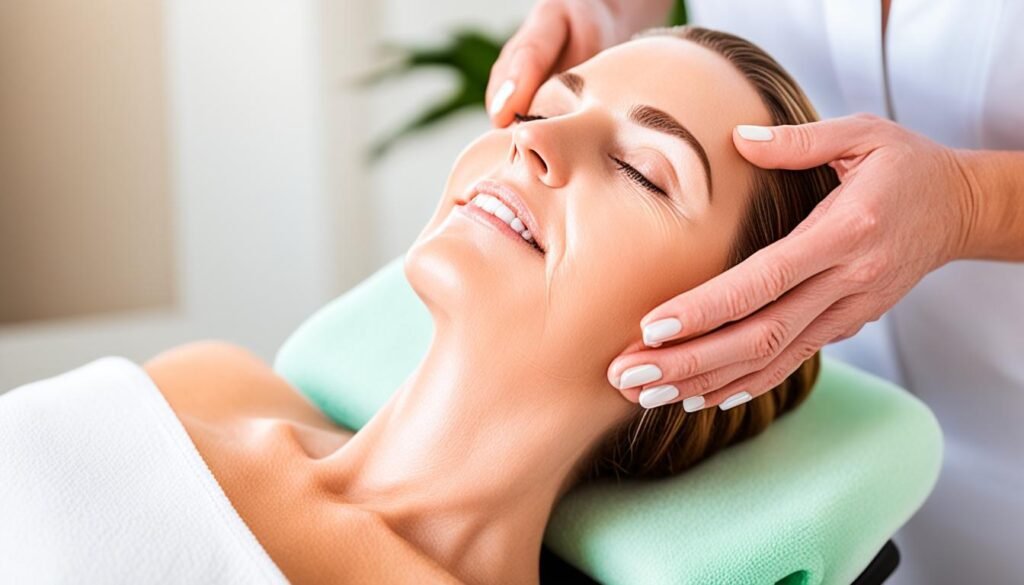
When it comes to reducing or removing age spots, there are several professional treatments available that can deliver effective results. These treatments are performed by experienced aestheticians who specialize in skincare and have in-depth knowledge about age spot removal. Let’s explore some of the most popular professional treatments:
1. Dermaplaning
Dermaplaning is a non-invasive treatment that involves using a thin surgical blade to gently remove dead skin cells and scar tissue from the skin’s surface. By exfoliating the outermost layer of the skin, dermaplaning can help minimize the appearance of age spots and improve overall skin texture. It is a safe and effective procedure that can be done on various areas of the body.
2. Age Corrective Facial
An age corrective facial is a specialized treatment designed to target age-related concerns, including age spots. This treatment involves the use of professional-grade products and techniques to improve cell retention, stimulate the production of new elastin and collagen, and reduce the appearance of fine wrinkles. Age corrective facials can leave your skin looking brighter, smoother, and more youthful.
3. Power Peel
A power peel is a comprehensive exfoliation treatment that combines different techniques to reduce dark spots and prepare the skin for deeper moisturization. It typically involves the use of dermaplaning, organic peels, and other exfoliation methods to remove dead skin cells and reveal fresh, rejuvenated skin underneath. Power peels have shown promising results in improving the appearance of age spots and promoting a more even skin tone.
These professional treatments offer effective solutions for age spot removal and can help you achieve a more youthful and radiant complexion. However, it’s important to consult with a skincare professional to determine which treatment is best suited for your specific needs and skin type.
By opting for professional treatments, you can benefit from the expertise and knowledge of skincare professionals who will customize the treatment to address your unique concerns. These treatments are performed in a controlled environment using specialized techniques, ensuring the best possible results. So, if you’re looking to reduce or remove age spots, consider scheduling a consultation with a qualified aesthetician to explore these professional treatments.
Benefits of Facial Massage for Age Spots
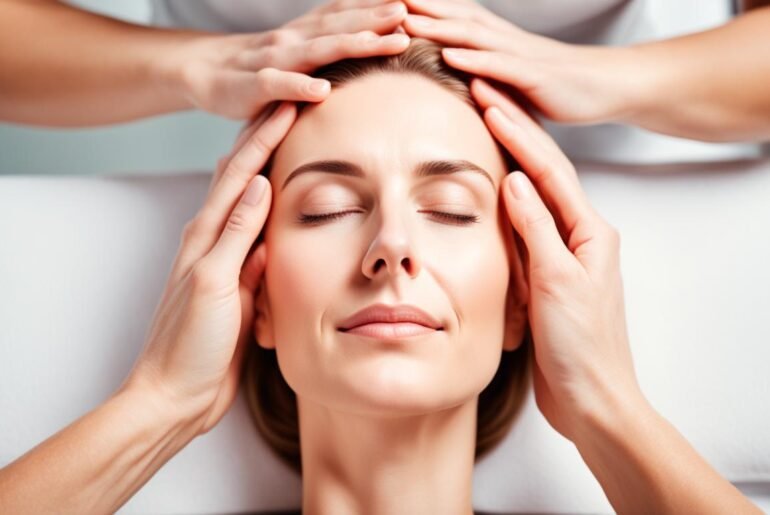
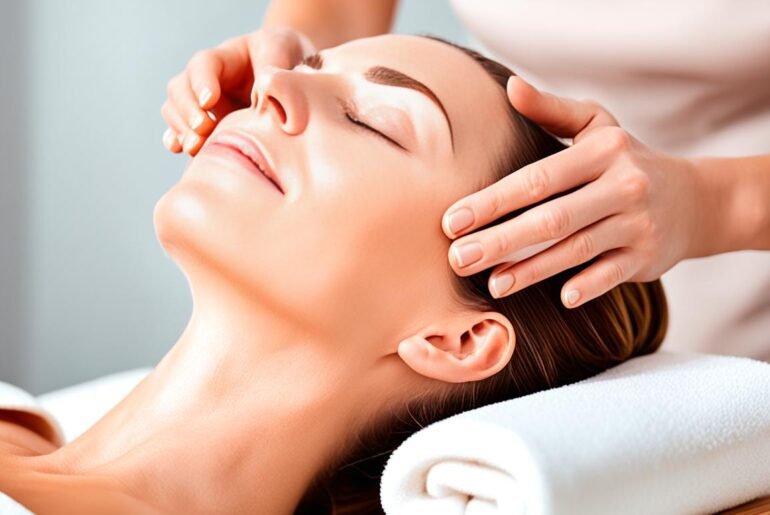
Facial massage has been suggested as a potential method for reducing the appearance of age spots. Advocates of facial massage claim that it can improve blood flow, promote skin healing, and subjectively improve the skin’s appearance. While there is limited scientific evidence supporting these claims, some studies have shown that facial massage may help improve circulation and potentially promote delivery of nutrients to the skin, resulting in improvements in skin plumpness and healing. However, more research is needed to confirm these effects and determine the long-term benefits of facial massage for age spots.
Despite the limited scientific evidence, many individuals have reported positive results from incorporating facial massage into their skincare routine. The gentle kneading and manipulation of the skin during a facial massage can create a sense of relaxation and well-being, which can contribute to a healthier complexion.
Facial massage has also been recognized for its potential anti-aging effects. By stimulating blood circulation and promoting lymphatic drainage, facial massage may help improve skin elasticity and reduce the appearance of fine lines and wrinkles. Additionally, the increased blood flow can contribute to a brighter complexion and improved skin tone.
Facial massage can be a soothing and rejuvenating experience, offering a range of potential benefits for the skin. While it may not provide a miraculous solution for age spots, it can be a valuable addition to a comprehensive skincare routine.
Anti-Aging Facial Massage Techniques
There are various techniques that can be used during facial massage to target age spots and promote overall skin health:
- Effleurage: This technique involves gentle sweeping strokes that help relax and warm up the skin.
- Petrissage: Using kneading and lifting motions, petrissage can help improve circulation and stimulate collagen production.
- Tapotement: This technique involves light tapping or patting on the skin to invigorate the muscles and increase blood flow.
- Pressure Point Massage: By applying pressure to specific points on the face, tension can be released and overall relaxation can be achieved.
It’s important to note that facial massage should be done with clean hands or with the help of a facial massage tool designed for the purpose. Be gentle and mindful of your skin’s sensitivity, and adjust the pressure accordingly. If you have any existing skin conditions or concerns, it’s always best to consult with a dermatologist or skincare professional before incorporating facial massage into your routine.
While facial massage can provide a range of benefits for the skin, it’s essential to remember that it is not a substitute for professional treatments or medical advice. Age spots or other forms of hyperpigmentation should always be evaluated and treated by a qualified dermatologist or skincare specialist.
Techniques for Facial Massage
Facial massage offers a range of techniques that can effectively reduce the appearance of age spots. These techniques can be performed using various methods, including manual hand movements or with the help of specialized massage tools. Let’s explore some popular facial massage techniques:
1. Swedish Massage
A Swedish massage involves using light, long strokes to ease muscle tension and promote relaxation. When applied to the face, this technique can help improve blood circulation and stimulate the skin, potentially leading to a reduction in age spots.
2. Shiatsu Massage
Shiatsu massage applies pressure to specific points on the body, including the face, to promote overall well-being. By targeting these pressure points, shiatsu massage can enhance blood flow and potentially improve the appearance of age spots.
3. Gua Sha
Gua sha is a facial massage method that utilizes a flat crystal tool to massage the face. The gentle scraping motion of the crystal against the skin can help improve blood circulation, promote lymphatic drainage, and reduce the appearance of age spots.
4. Lymphatic Drainage Massage
Lymphatic drainage massage focuses on moving lymph, a type of bodily fluid, beneath the skin. By facilitating the elimination of toxins and waste products, this technique may contribute to reducing hyperpigmentation and improving the overall complexion.
These facial massage techniques can be performed using hands, fingers, thumbs, or with the assistance of massage tools such as face rollers or heated/chilled massagers. It is important to use gentle movements and adjust the pressure according to personal comfort levels. Consider consulting a professional or an experienced aesthetician to ensure proper technique and optimal results.
Natural Remedies for Age Spots
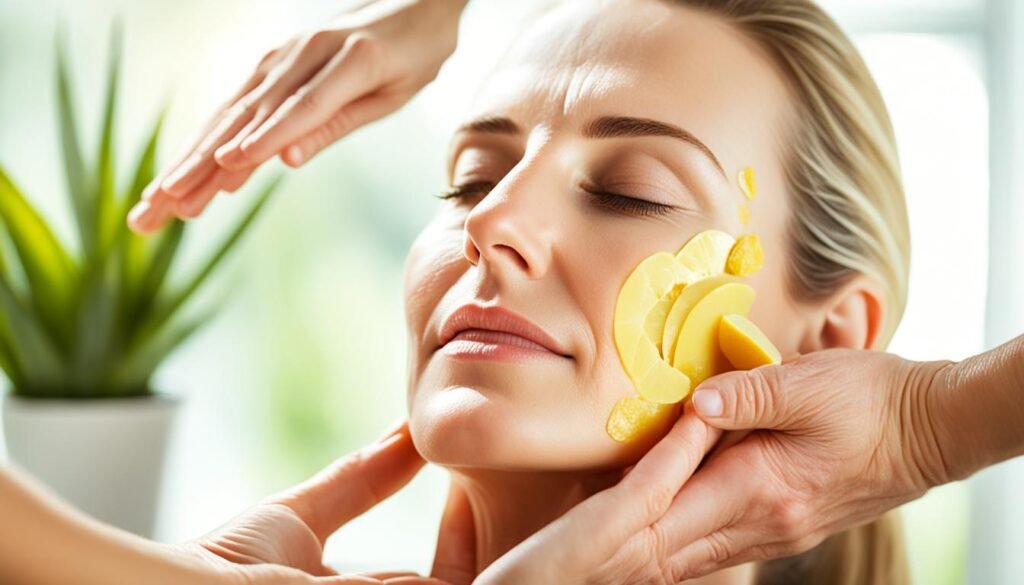
In addition to professional treatments and facial massage, there are natural remedies that can be used to reduce the appearance of age spots. These remedies can be a safe and effective alternative for those looking for a more natural approach to skincare. Here are some natural ingredients known for their potential in fading age spots.
Lemon Juice
Lemon juice is known for its natural bleaching properties. It contains citric acid, which can help lighten dark spots and even out the skin tone. You can apply fresh lemon juice directly to the age spots or create a homemade scrub by mixing lemon juice with sugar or salt.
Castor Oil
Castor oil is a popular natural remedy for various skin conditions, including age spots. It has healing and regenerative properties that can help reduce the appearance of age spots over time. Massage a few drops of castor oil into the affected areas every night before bed for best results.
Aloe Vera
Aloe vera is widely known for its soothing and healing properties. It also contains antioxidants and vitamins that can help fade age spots and promote skin regeneration. Extract fresh aloe vera gel from the plant and apply it directly to the age spots. Leave it on for about 30 minutes before rinsing off with water.
Sandalwood
Sandalwood is often used in skincare for its anti-aging and antiseptic properties. It can help reduce the appearance of age spots and improve overall skin health. You can create a sandalwood paste by mixing sandalwood powder with water or rosewater. Apply the paste to the age spots and leave it on for 20-30 minutes before rinsing off.
Papaya
Papaya contains natural enzymes called papain, which have exfoliating and skin-lightening properties. It can help reduce the appearance of age spots while promoting a brighter and more youthful complexion. Mash a ripe papaya and apply it directly to the age spots. Leave it on for 20 minutes before rinsing off.
Remember, natural remedies may take time to show results, and consistency is key. It’s important to continue using these remedies regularly for an extended period to achieve noticeable improvements. Additionally, always perform a patch test before applying any new ingredient to your skin and discontinue use if any irritation occurs.
Caption: Natural remedies like lemon juice, castor oil, aloe vera, sandalwood, and papaya can help reduce the appearance of age spots.
Scientific Breakthroughs for Age Spot Reduction

Apart from natural remedies, there have been significant scientific advancements in the field of skincare that offer effective methods for reducing age spots. These scientific methods for age spot reduction utilize specific ingredients and compounds that target the underlying causes of age spots, leading to visible improvement in skin tone and texture. Let’s explore some of these breakthroughs:
Hydroquinone
Hydroquinone is a common bleaching agent that has been widely used for age spot reduction. It works by inhibiting the production of melanin, the pigment responsible for the dark color of age spots. Hydroquinone offers quick results, but it should be used with caution and under medical supervision due to its potential side effects.
Kojic Acid
Kojic acid is a gentler alternative to hydroquinone for age spot reduction. Derived from various fungi species, it effectively inhibits melanin production and can lead to a lightening of age spots. Kojic acid is generally well-tolerated by the skin and may cause less irritation compared to hydroquinone.
Alpha-Arbutin
Alpha-arbutin is a natural derivative of hydroquinone and gradually releases its active compound, making it a milder option for age spot reduction. It works by inhibiting the production of melanin and can help even out skin tone over time. Alpha-arbutin is known for its skin-lightening properties and is often used in skincare products targeting hyperpigmentation.
Retinol
Retinol, a derivative of vitamin A, is widely recognized for its anti-aging benefits. In addition to promoting cell turnover and collagen production, retinol can also help reduce the appearance of age spots. By increasing skin cell renewal, retinol can effectively fade age spots and improve overall skin texture.
Salicylic Acid
Salicylic acid is a chemical exfoliant commonly used for treating acne, but it can also be beneficial for reducing age spots. By gently exfoliating the skin’s surface, salicylic acid helps improve skin tone and texture, leading to a reduction in the prominence of age spots.
It’s important to note that while these scientific methods have shown promising results, they should be used as directed and individuals should be aware of any potential skin sensitivities. Consulting with a dermatologist or skincare professional can provide valuable guidance on incorporating these scientific breakthroughs into your age spot reduction routine.
Facial Massage Tools and Techniques

When it comes to facial massage, utilizing the right tools can significantly enhance your experience and potentially improve the results. Incorporating facial massage tools into your routine can offer added benefits and help you achieve your skincare goals. Let’s explore some popular tools and techniques that can take your facial massage to the next level.
Face Rollers
Face rollers are a popular choice for facial massage. These tools are available in different materials, such as jade or rose quartz, and come in varying sizes and types. The gentle rolling motion of the face roller helps to apply even pressure to the skin, promoting lymphatic drainage and stimulating blood circulation. Consider incorporating a face roller into your routine to enhance the benefits of your facial massage.
Heated Massagers
A heated massager can add an extra element of relaxation to your facial massage. These tools provide warmth to soothe the skin and help relax the facial muscles. The heat can aid in opening up the pores, allowing for better absorption of skincare products and deeper relaxation during the massage. Incorporating a heated massager can be a luxurious addition to your facial massage routine.
Chilled Massagers
Chilled massagers offer a refreshing sensation during your facial massage. These tools are typically made of cooling materials such as metal or stone and can temporarily tighten the skin, reduce puffiness, and soothe inflammation. The chilled massager glides smoothly over the skin, delivering a cooling sensation that can leave your skin feeling revitalized and rejuvenated.
Vibrating Massagers
Vibrating massagers claim to provide a more intense massage experience. These tools incorporate vibrating technology that aims to stimulate the facial muscles and improve blood circulation. While the scientific evidence supporting the effectiveness of vibrating massagers is limited, they can still provide an enjoyable and invigorating massage experience.
When choosing facial massage tools, it’s important to consider your personal preferences and any specific sensitivities or skin conditions you may have. Experiment with different tools to find what works best for you and integrate them into your facial massage routine for enhanced skincare benefits.
Risks and Precautions for Facial Massage
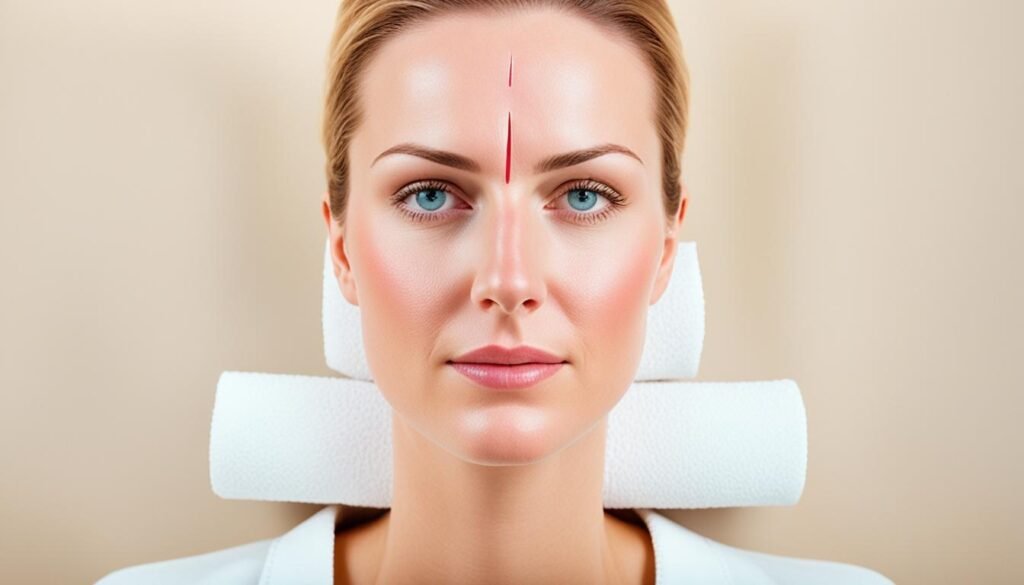
Facial massage is generally safe and unlikely to cause significant harm if performed correctly. However, it is important to be aware of the potential risks and take precautions to ensure a positive experience.
Skin Reactions and Irritation
One of the main risks associated with facial massage is skin reactions and irritation. This can occur, especially when using skincare products during or after the massage. Some individuals may have sensitivities or allergies to certain ingredients, leading to redness, itching, or rash.
To minimize the risk of skin reactions, it is essential to choose skincare products that are suitable for your skin type and free from potential irritants. If you have sensitive skin or known allergies, consider performing a patch test before applying any product to your face. Apply a small amount of the product on a small area of skin and wait for 24 hours to check for any adverse reactions.
Pain and Discomfort
Excessive or intense facial massage can lead to pain and discomfort, particularly if too much pressure or friction is applied. It is important to listen to your body and adjust the intensity of the massage accordingly. If you experience any pain during the massage, reduce the pressure or stop the massage altogether.
Reactions to Skincare Products
In some cases, the combination of facial massage and specific skincare products can trigger reactions. This can be due to the ingredients in the products interacting with the massage techniques or the increased absorption of the products into the skin during the massage.
If you are incorporating skincare products into your facial massage routine, pay attention to how your skin reacts. If you notice any adverse reactions, such as redness, swelling, or irritation, discontinue the use of those products and consult with a dermatologist if necessary.
Precautions for using strong actives
Strong actives, such as retinoids or chemical exfoliants, can increase skin sensitivity and make it more prone to irritation. It is generally recommended to avoid using these types of products in combination with facial massage to prevent potential irritation.
Always follow the recommended usage guidelines for skincare products, and if you are unsure about the compatibility of certain products with facial massage, consult with a skincare professional.
Remember, facial massage is meant to enhance your skincare routine and promote relaxation. By understanding the risks and taking necessary precautions, you can enjoy the benefits of facial massage while minimizing the chances of adverse reactions.
| Risks of Facial Massage | Precautions |
|---|---|
| Skin reactions and irritation | Choose skincare products suitable for your skin type, perform patch tests, and discontinue use if adverse reactions occur. |
| Pain and discomfort | Listen to your body, adjust the intensity of the massage, and reduce pressure or stop if you experience pain. |
| Reactions to skincare products | Pay attention to how your skin reacts, discontinue the use of products causing adverse reactions, and seek professional advice if needed. |
| Precautions for using strong actives | Avoid using retinoids or chemical exfoliants in combination with facial massage to prevent potential irritation. |
Conclusion
After exploring various methods for reducing age spots, it is clear that a comprehensive approach is key. By combining professional treatments, natural remedies, and scientific breakthroughs, individuals have the opportunity to significantly improve the appearance of age spots.
Professional treatments such as dermaplaning, age corrective facials, and power peels offer effective ways to address age spots. These treatments, when performed by experienced aestheticians, can help minimize age spots and restore skin health.
In addition to professional treatments, facial massage has emerged as a potential technique for reducing age spots. While there is limited scientific evidence supporting its effectiveness, facial massage may improve circulation and promote skin healing, leading to positive changes in the skin’s appearance.
For those seeking natural remedies, ingredients such as lemon juice, castor oil, aloe vera, sandalwood, and papaya can be incorporated into skincare routines. Regular use of these natural remedies can contribute to the gradual fading of age spots.
Furthermore, scientific breakthroughs in the form of hydroquinone, kojic acid, alpha-arbutin, retinol, and salicylic acid offer alternative methods for age spot reduction. These ingredients, when used properly and under appropriate guidance, can help individuals achieve their desired results.
To make the most informed decisions, it is essential to consult with skincare professionals who can assess individual needs and provide personalized recommendations. Remember, reducing age spots is not just about external treatments; it is also crucial to maintain a healthy lifestyle and protect the skin from sun damage.
FAQ
What causes age spots?
Age spots are caused by an excessive synthesis of melanin, the skin pigment. This can be influenced by factors such as genetic predisposition, skin deterioration, and prolonged exposure to ultraviolet (UV) light from the sun or tanning beds.
How can age spots be identified?
Age spots typically appear as flat, round spots with well-defined edges. They can vary in color from light brown to black and have the same texture as the surrounding skin. Age spots commonly occur on areas of the body exposed to the sun, such as the face and hands.
Are age spots dangerous?
Age spots themselves are not dangerous and generally do not pose any health risks. However, they can impact appearance and self-confidence, leading many individuals to seek treatments for their removal or lightening.
What are some professional treatments for age spots?
There are several professional treatments available for reducing or removing age spots, including dermaplaning, age corrective facials, and power peels. However, it’s important to have these treatments performed by experienced aestheticians.
What are the benefits of facial massage for age spots?
Facial massage may help improve circulation, promote skin healing, and subjectively improve the skin’s appearance. While scientific evidence is limited, some studies suggest that facial massage can enhance blood flow and potentially improve skin plumpness and healing.
What are some techniques for facial massage?
Techniques for facial massage include Swedish massage, which uses light, long strokes, and shiatsu massage, which applies pressure to specific points on the face. Gua sha uses a flat crystal tool, while lymphatic drainage massage focuses on moving lymph beneath the skin.
Are there natural remedies for age spots?
Yes, there are natural remedies that can be used to reduce the appearance of age spots. These include lemon juice, castor oil, aloe vera, sandalwood, and papaya, which can be applied or massaged into the skin consistently over time.
What are some scientific breakthroughs for age spot reduction?
Hydroquinone is a bleaching agent that works quickly, but caution and medical supervision should be exercised when using it. Kojic acid is a gentler alternative that inhibits melanin production. Alpha-arbutin is a natural derivative of hydroquinone, while retinol promotes cell turnover and collagen production. Salicylic acid helps improve skin tone and texture.
What tools can be used for facial massage?
Face rollers, heated massagers, chilled massagers, and vibrating massagers are some tools that can be used to enhance the facial massage experience. It’s important to choose tools based on personal preferences and any specific sensitivities or skin conditions.
What are the risks and precautions for facial massage?
Risks of facial massage include skin reactions, such as irritation or allergic reactions, and excessive or intense massage that can irritate the skin or cause pain. It’s important to discontinue use if any adverse reactions occur and to avoid using strong actives in combination with facial massage to prevent irritation.
How can age spots be reduced?
Age spots can be reduced through a combination of professional treatments, natural remedies, and potentially scientific breakthroughs. It’s important to choose the approach that works best for you and consult with professionals if needed, while also maintaining a healthy lifestyle and protecting the skin from sun damage.