Did you know that laser skin treatment can leave your skin feeling and looking like it’s been sunburned? It’s true! After undergoing laser skin resurfacing, you may experience redness, swelling, itching, and stinging akin to a mild sunburn. But don’t worry, there are steps you can take to help your skin recover quicker and minimize these symptoms.
Key Takeaways:
- Recovery after laser skin treatment involves managing common symptoms like redness, swelling, itching, and stinging.
- Regularly clean the treated areas and follow your doctor’s recommended skincare routine for optimal healing.
- After the initial healing, protect your new skin by using sunscreen daily and moisturizing regularly.
- Complications from laser skin treatment, such as acne flares or bacterial infections, are rare but possible.
- Consult with your doctor for personalized recovery tips and ensure a smooth healing process.
Types of Laser Resurfacing
When it comes to laser resurfacing, there are three main types that you should be aware of: CO2 laser resurfacing, erbium laser resurfacing, and fractional laser resurfacing.
CO2 Laser Resurfacing
CO2 laser resurfacing utilizes pulsed light energy to precisely remove thin layers of skin. This treatment has shown remarkable efficacy in addressing various skin concerns, including wrinkles, scars, and other imperfections. By targeting specific areas with concentrated energy, CO2 laser resurfacing promotes collagen production and skin regeneration, resulting in a smoother and more youthful complexion.
Erbium Laser Resurfacing
Erbium laser resurfacing is an effective option for treating superficial and moderately deep lines and wrinkles. This type of resurfacing is less invasive than CO2 lasers, making it a favorable choice for individuals looking to minimize side effects and downtime. The erbium laser ablates the outermost layer of skin, stimulating the skin’s natural healing process and encouraging the growth of new, healthier skin.
Fractional Laser Resurfacing
Fractional laser resurfacing is a revolutionary technique that delivers narrow columns of laser light to the skin, leaving surrounding areas untouched. This fractional approach reduces the risk of extensive skin injury and accelerates the healing time. By stimulating collagen production and promoting new cell growth, fractional laser resurfacing effectively improves skin texture, tone, and overall appearance.
If you’re unsure which type of laser resurfacing is best suited for your skin concerns, it is recommended to consult with a qualified dermatologist or aesthetic professional who can assess your specific needs and provide personalized recommendations.
| Laser Resurfacing Type | Main Features | Benefits |
|---|---|---|
| CO2 Laser Resurfacing | – Utilizes pulsed light energy – Removes thin layers of skin |
– Effective for wrinkles and scars – Promotes collagen production – Improves skin texture |
| Erbium Laser Resurfacing | – Targets superficial and moderately deep lines and wrinkles – Less invasive than CO2 lasers |
– Minimizes side effects – Stimulates skin healing – Enhances skin tone |
| Fractional Laser Resurfacing | – Delivers narrow columns of laser light to the skin – Reduces skin injury and healing time |
– Improves skin texture and tone – Enhances overall skin appearance |
These are just a few examples of the laser resurfacing options available. The choice of treatment will depend on your specific skin concerns, desired results, and the recommendation of your healthcare professional.
Recovery Time for Different Laser Treatments
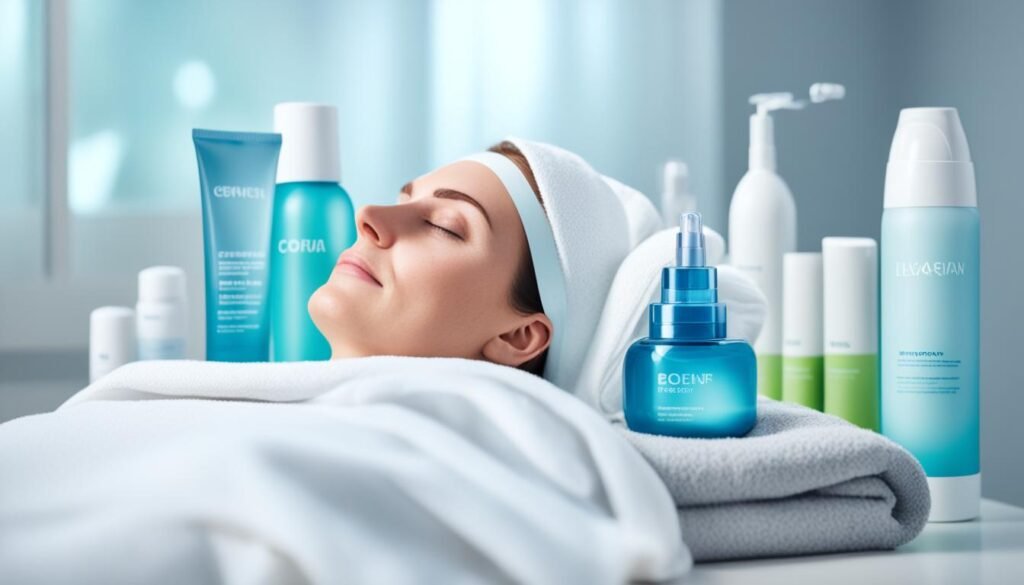
Recovery time is a crucial consideration when undergoing laser skin resurfacing. The duration of recovery varies depending on the specific laser treatment used. Here’s a breakdown of the recovery time for different types of laser resurfacing:
CO2 Laser Resurfacing
CO2 laser resurfacing is a highly effective treatment for wrinkles, scars, and other skin conditions. However, it typically requires a longer recovery period compared to other laser treatments. Patients should expect a recovery time of up to two weeks after CO2 laser resurfacing.
Erbium Laser Resurfacing
Erbium laser resurfacing is designed to target superficial and moderately deep lines and wrinkles. This treatment generally has a shorter recovery time compared to CO2 laser resurfacing, typically requiring one full week for a complete recovery.
Fractional Laser Resurfacing
Fractional laser resurfacing is a popular option for skin rejuvenation as it reduces healing time and minimizes side effects. Patients can expect a recovery time of about one week after fractional laser resurfacing.
During the recovery period, it is important to follow post-treatment care instructions provided by your healthcare professional to optimize healing. Sun exposure should be strictly avoided as it can interfere with the healing process and potentially lead to complications.
Tips for a Smooth Recovery
Recovering after laser skin treatment is a crucial phase in achieving optimal results. By following a few key tips, you can facilitate a smooth and efficient recovery process. Here are some essential tips to help you manage any side effects and promote faster healing:
Elevate Your Head
While resting or sleeping, elevate your head with an extra pillow. This will help reduce swelling and promote proper circulation, aiding in the healing process.
Use Ice Packs
Applying ice packs to the treated areas can significantly reduce swelling, redness, and discomfort. Wrap the ice packs in a clean cloth and gently apply them for short intervals, following your healthcare provider’s recommendations.
Avoid Smoking
It is important to refrain from smoking during the recovery period. Smoking can impede the healing process by restricting blood flow and delaying skin regeneration. By avoiding smoking, you can promote faster recovery and minimize the risk of complications.
Follow Your Skincare Routine
Your healthcare provider will provide recommendations for a specific skincare routine to follow after laser treatment. This may include using gentle cleansers, moisturizers, and specialty creams or ointments. By adhering to this routine, you can provide your skin with the necessary hydration and nourishment for faster recovery.
Apply Sunscreen
Protecting your skin from the sun is crucial during the recovery period. The treated areas may be more sensitive to sunlight, and exposure can lead to hyperpigmentation and other complications. Apply a broad-spectrum sunscreen with at least SPF 30 daily, ensuring complete coverage of the treated areas.
Don’t Scratch or Pick at Crusts
While the treated areas heal, it is crucial to resist the temptation to scratch or pick at any crusts or scabs that may form. This can disrupt the healing process and increase the risk of infection or scarring. Allow the crusts to naturally fall off, and follow your healthcare provider’s instructions regarding caring for the treated areas.
Avoid Sun Exposure
During the recovery period and even beyond, it is important to avoid excessive sun exposure. Ultraviolet (UV) rays can damage the healing skin and cause pigmentation changes. Whenever you are outside, protect the treated areas with clothing, hats, and sunscreen.
By implementing these tips, you can enhance your laser skin treatment recovery and reduce the risk of complications. As with any medical procedure, it is essential to follow your healthcare provider’s guidance and consult them if you have any concerns or questions throughout the recovery process.
Complications and Risks of Laser Skin Resurfacing
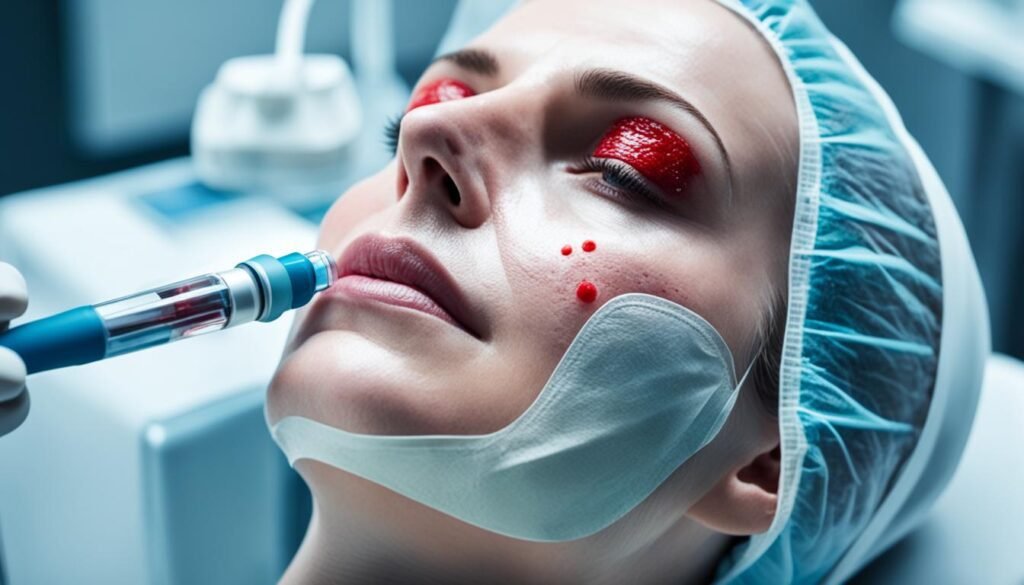
While complications are rare, laser skin resurfacing does carry some risks. It is important to be aware of these potential complications and discuss them with your doctor before undergoing the procedure. By understanding the risks, you can make an informed decision about whether laser skin resurfacing is the right choice for you.
Possible Complications:
- Acne flares
- Bacterial infection
- Cold sore reactivation
- Hyperpigmentation
- Milia
- Prolonged redness
- Scarring
- Swelling
While these complications are rare, it is essential to follow all post-treatment care instructions provided by your doctor to minimize the likelihood of experiencing any of these risks. By diligently adhering to the recommended aftercare, you can promote proper healing and reduce the chances of complications.
Remember, laser skin resurfacing is a medical procedure, and it’s crucial to entrust your treatment to an experienced and qualified professional. They can assess your individual risk factors and guide you through the process to ensure the best possible outcome.
By understanding the risks, you can make an informed decision about whether laser skin resurfacing is the right choice for you.
Camouflaging Pink or Red Skin After Laser Resurfacing
Once the treated areas have healed, makeup can be used to help neutralize any pink or red skin. Using green-based makeup is particularly effective at toning down redness. It is essential to choose oil-free makeup to avoid clogging pores and to ensure that the skin can breathe properly during the healing process.
Green-based makeup works by counteracting the red tones in the skin. The green pigment helps to neutralize the redness, creating a more even skin tone. When applying makeup to camouflaging pink or red skin after laser resurfacing, start with a moisturized and well-prepped face. This will provide a smooth base for the makeup and help it blend seamlessly.
Makeup tips for post-laser resurfacing:
- Choose a green-based color corrector or concealer. Look for products labeled specifically for redness or rosacea.
- Apply a small amount of the green-based product to the areas with pink or red skin. Use gentle patting or dabbing motions to blend the product into the skin.
- Allow the green-based product to settle on the skin for a minute or two before moving on to the next step.
- Apply foundation or tinted moisturizer that matches your natural skin tone over the green-based product. Blend well to create a seamless finish.
- Finish off with a light dusting of translucent powder to set the makeup and ensure long-lasting coverage.
Remember to clean your makeup brushes regularly and avoid sharing them with others to maintain good hygiene and prevent any potential infections. If you have any concerns or questions about the use of makeup after laser resurfacing, consult with your dermatologist or skincare professional for personalized advice.
Using the right makeup techniques and products can help you confidently navigate the healing process and camouflage any remaining pink or red skin after laser resurfacing. Keep in mind that makeup is meant to enhance your natural beauty, so embrace your journey to healthier, rejuvenated skin.
Overview of Laser Resurfacing
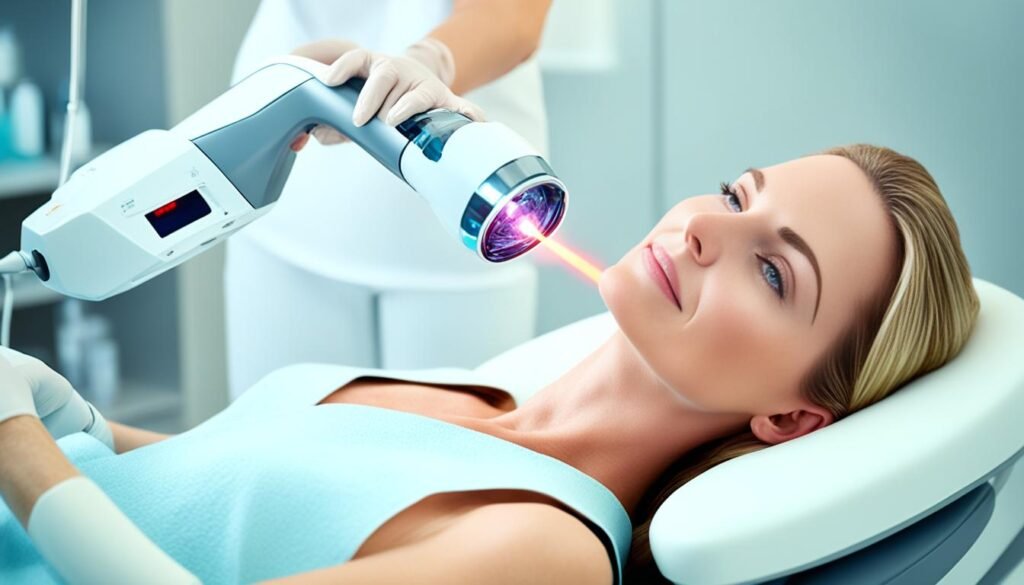
Laser resurfacing is a popular facial rejuvenation procedure that utilizes advanced laser technology to improve the appearance of the skin and address minor cosmetic issues. This procedure is highly effective in treating fine lines, wrinkles, acne scars, age spots, and other skin imperfections.
There are primarily two types of laser resurfacing procedures: ablative and nonablative. Each type offers unique benefits and outcomes.
Ablative Laser Resurfacing
Ablative laser resurfacing involves the removal of the outer layer of skin through the application of laser energy. This process promotes the production of collagen, which helps to tighten and smoothen the skin. This procedure is typically more aggressive and provides more significant results.
Nonablative Laser Resurfacing
Nonablative laser resurfacing is a less invasive option that targets the underlying layers of the skin without removing the outermost layer. This procedure stimulates collagen production and improves the overall texture and tone of the skin. Nonablative laser resurfacing often requires multiple sessions to achieve optimal results and is associated with minimal downtime.
Fractional Laser Resurfacing
Fractional laser resurfacing is a revolutionary technique that combines the benefits of both ablative and nonablative procedures. During this treatment, the laser delivers targeted beams of light to fractional areas of the skin, leaving surrounding skin untouched. This approach leads to faster healing and reduced downtime, making it a popular choice for individuals seeking minimal discomfort and a quicker recovery.
To better understand the differences between these laser resurfacing treatments, refer to the table below:
| Laser Resurfacing Type | Description | Recovery Time |
|---|---|---|
| Ablative | Removes outer layer of skin, stimulates collagen production | Longer recovery time compared to nonablative |
| Nonablative | Targets deeper layers of skin without removing the outer layer | Minimal downtime, multiple sessions may be required |
| Fractional | Leaves tiny untreated areas, reduces recovery time and side effects | Quick recovery, minimal discomfort |
Laser resurfacing procedures can be tailored to each individual’s specific needs and desired outcomes. Consulting with a qualified dermatologist or plastic surgeon can help determine the most suitable approach and treatment plan.
Benefits and Risks of Laser Resurfacing
Laser resurfacing offers a range of benefits, making it a popular choice for individuals looking to improve the appearance of their skin. By targeting various skin concerns, laser resurfacing can effectively minimize fine lines, age spots, sun-damaged skin, and mild to moderate acne scars.
However, it’s important to note that laser resurfacing is not suitable for everyone. Certain medical conditions, such as immune system disorders or uncontrolled diabetes, may make individuals ineligible for the procedure. Additionally, those with a history of keloid scars or a tendency to develop cold sores may need to avoid laser resurfacing to prevent potential complications.
Individuals with darker skin tones may also need to exercise caution when considering laser resurfacing. The procedure can sometimes result in changes in pigmentation, leading to hyperpigmentation or hypopigmentation. Consulting with a doctor or dermatologist is crucial to determine the best course of action for those with darker skin.
Pregnant or breastfeeding individuals should also seek medical advice before opting for laser resurfacing, as the effects of the procedure on developing fetuses or infants are not yet fully understood.
| Benefits of Laser Resurfacing | Risks of Laser Resurfacing |
|---|---|
|
|
Prioritizing open communication with a healthcare professional is essential, as they can provide personalized advice based on your unique circumstances and guide you in making informed decisions regarding laser resurfacing.
Remember, the decision to undergo laser resurfacing should always be made with careful consideration of the potential benefits and risks, taking into account your individual needs and circumstances.
Preparing for Laser Resurfacing
Before undergoing laser resurfacing, proper preparation is essential to ensure optimal results and minimize potential risks. By following these pre-treatment guidelines, you can enhance your skin’s ability to heal and recover effectively.
Avoid Tanning and Sun Exposure
To prepare for laser resurfacing, it is crucial to avoid tanning beds, sunbathing, or excessive sun exposure. Sunburned skin is more prone to complications during the treatment and can lead to longer recovery times. Therefore, make sure to protect your skin by diligently using broad-spectrum sunscreen with a minimum SPF of 30.
Be Mindful of Medications
Certain medications can increase your skin’s sensitivity to light, making you more susceptible to adverse side effects. It is essential to inform your healthcare provider about any medications or supplements you are taking to determine if any adjustments need to be made before the procedure.
If you have a history of herpes or shingles, your doctor may prescribe antiviral medication prior to laser resurfacing. This precaution helps prevent flare-ups and ensures a smoother recovery process.
Application of Topical Retinoids
Your healthcare provider may advise you to apply a topical retinoid, such as tretinoin, on your skin before the laser resurfacing procedure. Topical retinoids can enhance the effectiveness of the treatment and promote faster healing.
Quit Smoking
Smoking can impair blood circulation, leading to delayed wound healing and an increased risk of complications. It is recommended to quit smoking at least two weeks before and after laser resurfacing to optimize the healing process and achieve the best outcomes.
By following these pre-treatment steps and consulting with your healthcare provider, you can prepare for laser resurfacing effectively. Taking proactive measures ensures a smoother recovery and enhances the overall results of the procedure.
Conclusion
Recovery after laser skin treatment is a crucial aspect of the overall process. Following post-treatment care instructions, managing side effects, and taking preventive measures can help ensure a smoother and faster recovery. While complications are rare, it is important to be aware of the possible risks and consult with a healthcare professional before undergoing laser resurfacing. With proper care and patience, individuals can enhance their skin’s appearance and achieve the desired results.
FAQ
What are some tips for a smooth recovery after laser skin treatment?
To facilitate a smooth recovery after laser skin treatment, you can elevate your head with an extra pillow at night, use ice packs to reduce swelling, and refrain from smoking. Following a skincare routine recommended by your doctor, such as using moisturizer and applying sunscreen, can aid in faster recovery. It is also important to avoid scratching or picking at crusts and to avoid sun exposure during the recovery period.
What are the complications and risks of laser skin resurfacing?
While complications are rare, laser skin resurfacing carries a few risks. These can include acne flares, bacterial infection, cold sore reactivation, hyperpigmentation, milia, prolonged redness, scarring, and swelling. It is important to discuss these risks with your doctor before undergoing the procedure and to follow all post-treatment care instructions to minimize the likelihood of complications.
How can I camouflage pink or red skin after laser resurfacing?
Once the treated areas have healed, you can use makeup to help neutralize any pink or red skin. Green-based makeup is particularly effective at toning down redness. It is important to choose oil-free makeup to avoid clogging pores and to ensure that the skin can breathe properly during the healing process.
What are the types of laser resurfacing?
There are three main types of laser resurfacing: CO2 laser resurfacing, erbium laser resurfacing, and fractional laser resurfacing. CO2 laser resurfacing uses pulsed light energy to remove thin layers of skin and has been effective in treating wrinkles, scars, and other skin conditions. Erbium laser resurfacing targets superficial and moderately deep lines and wrinkles and has fewer side effects than CO2 lasers. Fractional laser resurfacing delivers narrow columns of laser light to minimize skin injury and reduce healing time.
How long is the recovery time for different laser treatments?
The recovery time for laser skin resurfacing varies depending on the treatment. CO2 laser resurfacing typically requires up to two weeks of recovery time, while erbium laser resurfacing usually requires one full week. Fractional laser resurfacing may also require one full week of recovery. It is important to follow post-treatment care instructions and avoid sun exposure during the recovery period.
What are the benefits and risks of laser resurfacing?
Laser resurfacing can provide benefits such as improving the appearance of fine lines, age spots, sun-damaged skin, and mild to moderate acne scars. However, it is not suitable for everyone. Individuals with certain medical conditions, a history of keloid scars, or who are prone to cold sores may need to avoid laser resurfacing. Additionally, those with darker skin tones or who are pregnant or breastfeeding should consult with their doctor before considering the procedure.
How should I prepare for laser resurfacing?
Before undergoing laser resurfacing, it is important to avoid tanning or sun exposure, as well as certain medications that can cause photosensitivity. If you have a history of herpes or shingles, your doctor may prescribe antiviral medication to prevent flare-ups. You may also be instructed to apply a topical retinoid on your skin prior to the procedure. It is also advised to stop smoking at least two weeks before and after treatment to optimize healing.
What is laser resurfacing?
Laser resurfacing is a facial rejuvenation procedure that uses lasers to improve the appearance of the skin and treat minor facial flaws. There are two main types of laser resurfacing: ablative and nonablative. Ablative laser resurfacing removes the outer layer of skin and heats the underlying skin to stimulate collagen production, resulting in smoother and tighter skin. Nonablative laser resurfacing is a less aggressive approach that stimulates collagen growth without removing the outer layer of skin. Fractional laser resurfacing involves leaving small untreated areas of skin, reducing recovery time and side effects.