Did you know that laser skin treatment is one of the most sought-after procedures for improving skin appearance? Whether you’re looking to reduce fine lines, treat hyperpigmentation, or improve overall texture, laser skin resurfacing can make a significant difference. However, to ensure optimal results and a smooth recovery process, proper skin preparation is crucial.
Preparing your skin before laser treatment can enhance the effectiveness of the procedure and minimize potential side effects. By following a few do’s and don’ts, you can fully prepare your skin and maximize the benefits of laser skin treatment.
Key Takeaways:
- Proper preparation is essential for achieving optimal results in laser skin treatment.
- Follow the skincare guidelines provided by your healthcare professional.
- Avoid exfoliating and using certain skincare products before treatment.
- Consult your doctor about avoiding blood thinners and sunless tanning before the procedure.
- Alcohol and smoking should be avoided, as they can cause inflammation and hinder the healing process.
Understanding Laser Skin Resurfacing
Laser skin resurfacing is a cosmetic procedure that utilizes advanced laser techniques to enhance the overall texture and appearance of the skin. By targeting specific areas of concern, such as wrinkles, sun damage, and scars, laser skin resurfacing can provide dramatic results and rejuvenate your skin.
This groundbreaking laser technique involves the use of short, direct pulsating beams of light to precisely remove the damaged outer layer of the skin. As the laser penetrates the skin’s surface, it stimulates the growth of new collagen fibers. Collagen is a vital protein responsible for maintaining the skin’s structure and elasticity.
The process of stimulating collagen fibers through laser skin resurfacing helps to achieve numerous benefits. By encouraging collagen production, this technique promotes smoother, firmer, and younger-looking skin. Improved collagen levels can also help reduce the appearance of fine lines, wrinkles, and uneven skin texture.
When the collagen fibers are activated during the laser skin resurfacing procedure, it can result in a significant improvement in the overall health and appearance of the skin.
By understanding the intricacies of laser skin resurfacing and its impact on collagen fibers, you can make informed decisions about your skincare journey and better prepare for the treatment. Whether you are seeking to address signs of aging, acne scars, or sun damage, laser skin resurfacing can offer a transformative solution for achieving the flawless skin you desire.
Do’s and Don’ts of Skin Preparation
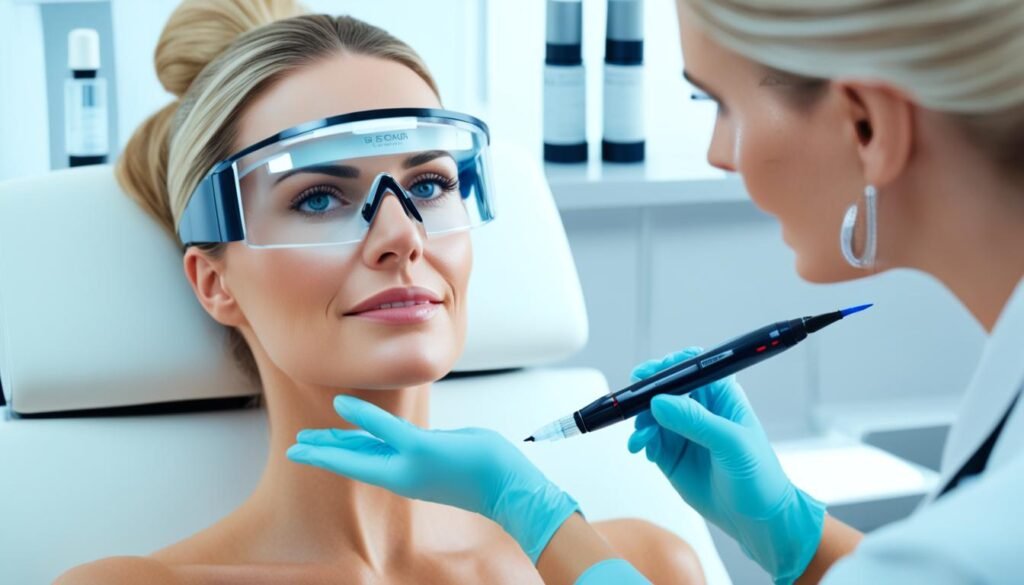
Proper skin preparation is crucial before undergoing laser skin treatment. By following these do’s and don’ts, you can ensure that your skin is ready for the procedure and minimize any potential complications or side effects.
Do:
- Avoid exfoliating your skin for about one week before the treatment. Exfoliation can make your skin more sensitive and prone to irritation during the laser treatment.
- Temporarily stop using retinoid creams, glycolic acid, salicylic acid, or lactic acid treatments as part of your daily skincare routine. These products can increase skin sensitivity and interfere with the laser treatment process.
- Ask your doctor if you should avoid blood thinners such as aspirin, ibuprofen, vitamin E, or fish oils. These medications can affect the clotting process and increase the risk of bruising or bleeding during the treatment.
Don’t:
- Apply sunless tanning creams or visit tanning spas before the laser treatment. The active ingredients in these products can interfere with the effectiveness of the laser and cause uneven results.
- Use alcohol-based products or smoke cigarettes before the treatment. Alcohol and smoking can cause inflammation in the skin and delay the healing process. In addition, alcohol acts as a blood thinner, increasing the risk of bleeding during the treatment.
Following these guidelines will help ensure that your skin is in the best possible condition for laser treatment, leading to optimal results and a smoother recovery.
| Do | Don’t |
|---|---|
| Avoid exfoliating your skin for about one week before the treatment. | Apply sunless tanning creams or visit tanning spas before the treatment. |
| Temporarily stop using retinoid creams, glycolic acid, salicylic acid, or lactic acid treatments. | Use alcohol-based products or smoke cigarettes before the treatment. |
| Ask your doctor if you should avoid blood thinners such as aspirin, ibuprofen, vitamin E, or fish oils. |
Benefits of Laser Skin Resurfacing
Laser skin resurfacing offers a range of benefits for the skin, making it a popular choice for individuals looking to improve their skin’s appearance and texture. By understanding these benefits, you can better appreciate the potential outcomes of laser skin resurfacing treatment.
Improved Appearance of Hyperpigmentation
Laser skin resurfacing is highly effective in improving the appearance of hyperpigmentation, which can be caused by factors such as sun exposure, acne, and aging. The precision of laser technology allows targeted treatment of the affected areas, reducing the appearance of dark spots and evening out skin tone.
Reduction of Lines and Wrinkles
One of the key benefits of laser skin resurfacing is its ability to reduce lines and wrinkles. The procedure stimulates collagen production in the skin, which helps plump up and firm the skin, resulting in a reduction in the appearance of fine lines and wrinkles. As new collagen is formed, the skin becomes smoother and more youthful-looking.
Improvement in Skin Texture
Laser skin resurfacing also offers significant improvements in skin texture. The treatment helps fill in surface depressions, such as acne scars or areas of uneven texture, and smooths out irregularities. This leads to a more even and refined skin surface, enhancing its overall texture and creating a more youthful appearance.
By undergoing laser skin resurfacing, individuals can enjoy the benefits of improved hyperpigmentation, reduced lines and wrinkles, and smoother skin texture. These results can lead to increased self-confidence and a rejuvenated appearance.
Types of Laser Resurfacing
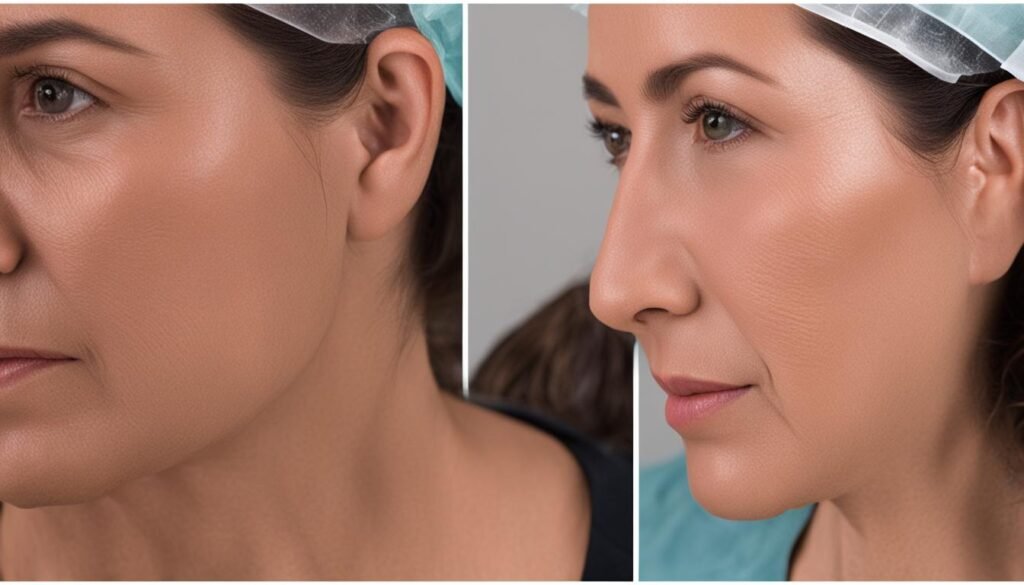
There are different types of laser resurfacing treatments available, each with its own benefits and applications. Understanding the differences between these treatments can help you make an informed decision about which one is best suited to address your specific skin concerns.
CO2 Laser Resurfacing
CO2 laser resurfacing is a popular treatment that utilizes carbon dioxide lasers to remove thin layers of skin. This procedure is effective for treating a range of skin concerns, including wrinkles, scars, and other imperfections. The CO2 laser delivers precise results by vaporizing the outer layers of damaged skin, stimulating collagen production, and promoting the growth of healthy, new skin cells.
Erbium Laser Resurfacing
Erbium laser resurfacing is a gentle yet effective treatment designed to target superficial and moderately deep lines and wrinkles. This procedure uses erbium lasers that emit high-energy light to precisely remove damaged skin cells. Erbium laser resurfacing provides significant improvements in skin texture and tone while minimizing the risk of heat damage to surrounding tissues.
Fractional Laser Resurfacing
Fractional laser resurfacing is a revolutionary treatment that delivers laser light through narrow columns, leaving much of the surrounding skin unaffected. This approach allows for controlled heat delivery to specific areas, stimulating collagen production and remodeling. Fractional laser resurfacing can effectively improve skin texture, tighten sagging skin, and reduce the appearance of fine lines and wrinkles.
Choosing the right type of laser resurfacing treatment depends on various factors, including your skin type, specific concerns, and desired results. It is essential to consult with a qualified dermatologist or cosmetic surgeon who can assess your skin and recommend the most suitable approach for your needs.
| Treatment | Benefits |
|---|---|
| CO2 Laser Resurfacing | – Effective for wrinkles, scars, and skin conditions – Stimulates collagen production – Promotes the growth of healthy skin cells |
| Erbium Laser Resurfacing | – Targets superficial and moderately deep lines – Minimizes risk of heat damage to surrounding tissues – Improves skin texture and tone |
| Fractional Laser Resurfacing | – Tightens sagging skin – Reduces fine lines and wrinkles – Improves skin texture |
What to Expect During and After Treatment
Undergoing a laser resurfacing procedure is an effective way to improve the appearance of your skin. During the treatment, the areas to be treated will be numbed with a local anesthetic to ensure your comfort. The lasers will then be used to remove the damaged skin, targeting specific areas for rejuvenation.
Following the laser resurfacing procedure, the treated areas will be dressed to protect them during the initial healing process. Your healthcare provider will provide you with detailed instructions for post-treatment care to ensure optimal healing and results.
It’s important to note that recovery time can vary depending on the type of laser resurfacing used. While some individuals may experience minimal downtime, others may require a longer recovery period. It is normal to notice redness, swelling, and some discomfort in the treated areas immediately after the treatment.
To assist in the healing process, it is essential to follow the post-treatment care instructions provided by your healthcare provider. This may include keeping the treated areas clean, applying any prescribed ointments or creams, and avoiding direct sunlight to prevent complications and promote proper healing.
Proper post-treatment care is crucial for the success of your laser resurfacing procedure. It will help to minimize any potential side effects and ensure that you achieve the desired results. Remember to follow all instructions provided by your healthcare provider and reach out to them if you have any questions or concerns during your recovery process.
| What to Expect During and After Treatment | Recovery Time | Post-Treatment Care |
|---|---|---|
| – Areas will be numbed with a local anesthetic. | – Recovery time varies depending on the type of laser resurfacing. | – Follow post-treatment care instructions provided by your healthcare provider. |
| – Lasers will be used to remove damaged skin. | – Normal to experience redness, swelling, and discomfort. | – Keep treated areas clean and apply prescribed ointments or creams. |
| – Treated areas will be dressed to protect them during healing. | – Follow proper post-treatment care for optimal healing. | – Avoid direct sunlight and reach out to your healthcare provider with any concerns. |
Laser Skin Tightening Treatment
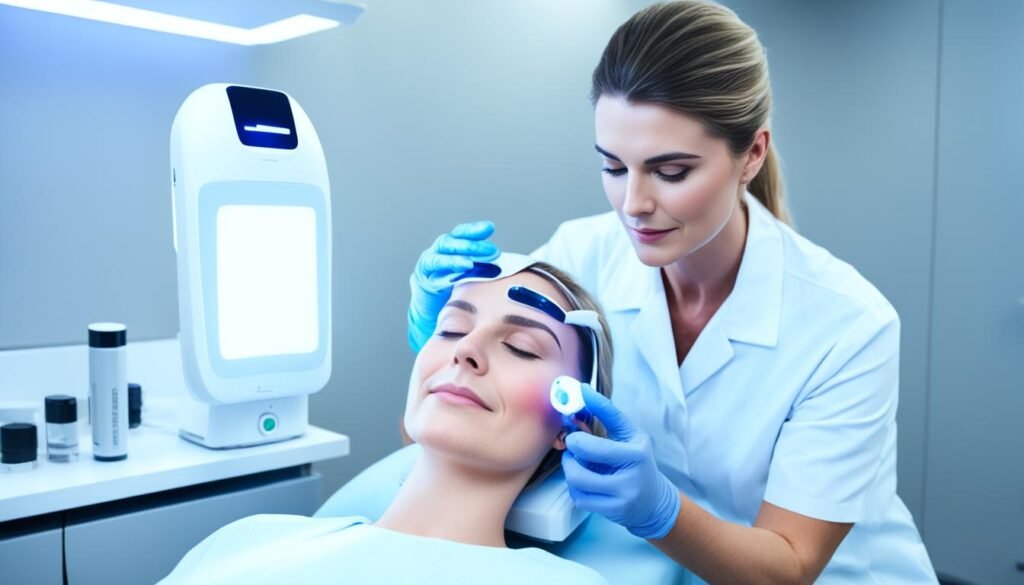
Laser skin tightening is a popular laser treatment aimed at improving the tightness and firmness of the skin. Before undergoing this treatment, it’s crucial to follow the guidelines provided by your laser technician to ensure the best possible outcome and minimize potential risks.
First and foremost, it’s important to have clean skin before the treatment. Make sure to thoroughly cleanse your face and remove any makeup or skincare products. This will allow the laser to penetrate the skin effectively and deliver optimal results.
In addition to clean skin, it’s essential to avoid sun exposure before and after the treatment. Sun damage can interfere with the healing process and increase the risk of complications. Therefore, it’s recommended to use broad-spectrum sunscreen with a high SPF to protect your skin from harmful UV rays.
Furthermore, it’s crucial to refrain from using topical products that can cause photosensitivity. Certain skincare ingredients such as retinol, alpha hydroxy acids (AHAs), and beta hydroxy acids (BHAs) can make your skin more sensitive to light. Consult with your laser technician or dermatologist to determine which products to avoid and when it’s safe to resume their use.
Lastly, make sure to follow any medication guidelines provided by your laser technician. Some medications can increase the risk of complications during laser skin tightening treatment, so it’s important to disclose any medications you’re taking and follow the given instructions.
By following these treatment guidelines and preparing your skin properly, you can maximize the effectiveness of laser skin tightening and achieve the desired results.
What to Expect During Laser Skin Tightening
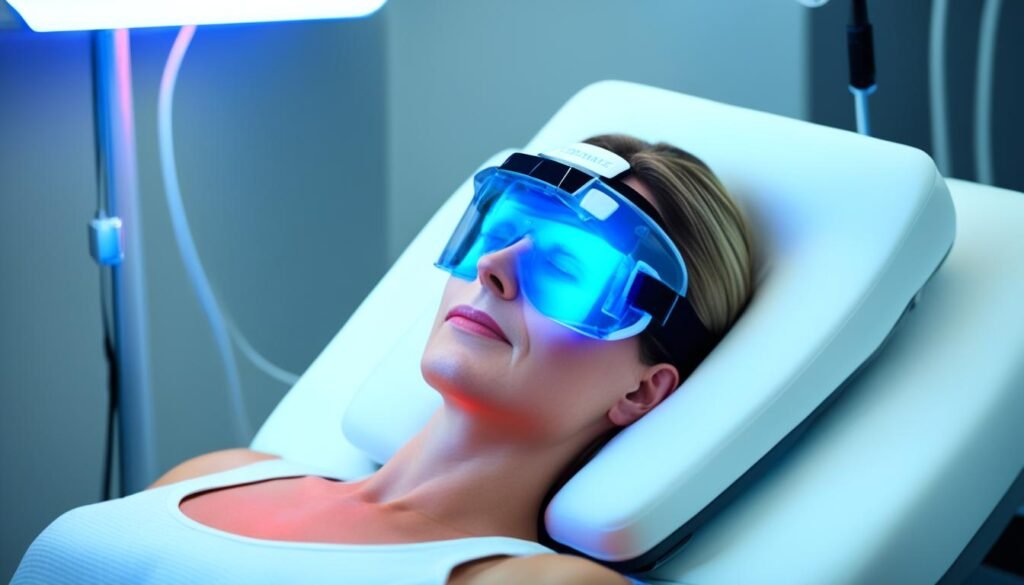
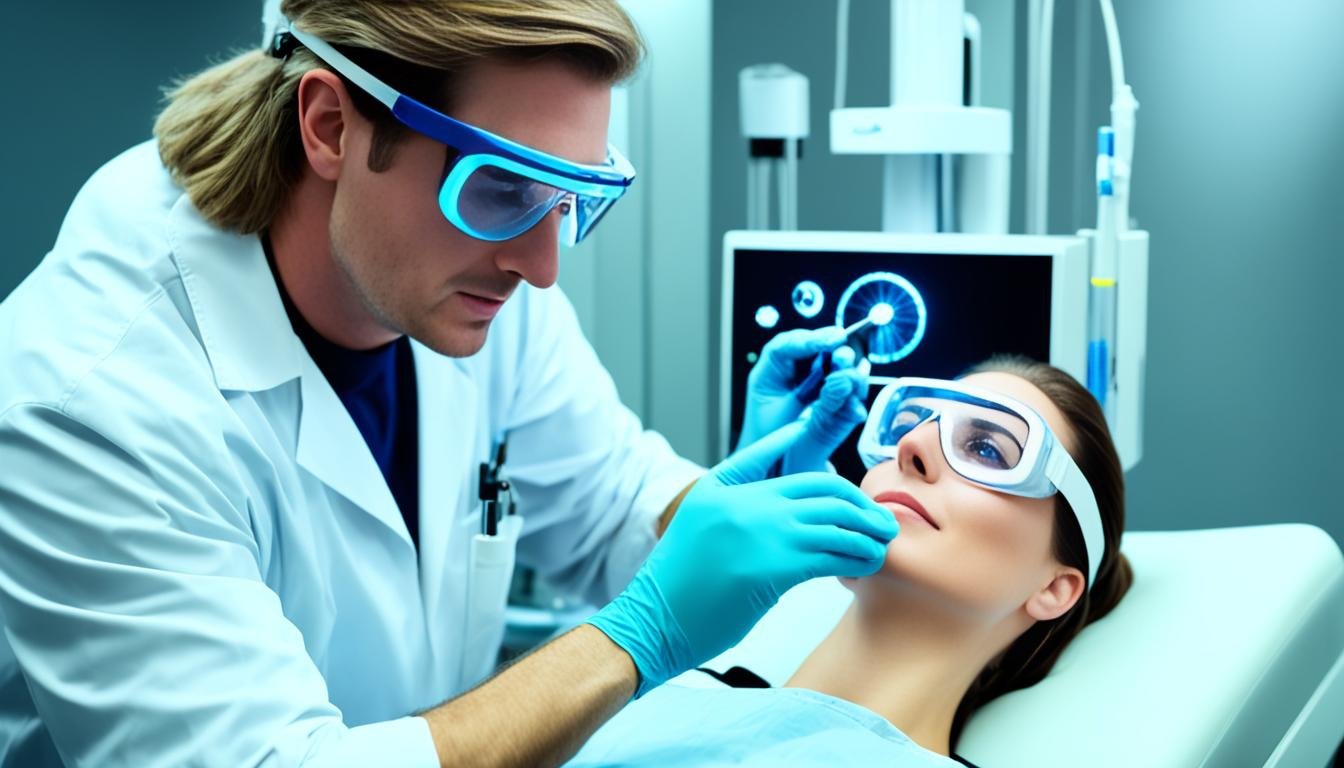
During your laser skin tightening appointment, I will take the time to understand your treatment desires and prepare the specific area that will undergo the procedure. Your safety is of utmost importance, which is why I will provide you with protective eyewear to ensure your eyes are shielded from the laser.
The treatment itself utilizes advanced laser technology to stimulate the production of collagen in your skin. This collagen production is what leads to tighter, smoother skin, reducing the appearance of fine lines and wrinkles. I will guide you through the entire process, ensuring that you are comfortable and well-informed.
With laser skin tightening, you can expect a non-invasive procedure that allows you to achieve noticeable results without the need for surgery or lengthy recovery time. The treatment area and intensity can be adjusted to meet your specific needs and desired outcomes.
| TREATMENT BENEFITS | EXPECTED RESULTS |
|---|---|
| Improved skin firmness and tightness | Tighter, smoother skin |
| Reduction of fine lines and wrinkles | Youthful, rejuvenated appearance |
| Enhanced facial contours | Improved definition and symmetry |
During the procedure, you may experience a warm sensation or mild discomfort. However, the majority of individuals find the treatment to be well-tolerated and experience little to no downtime. It is normal to have some redness or temporary swelling immediately after the procedure, but this will subside over time.
Following the laser skin tightening treatment, you will be provided with instructions for post-treatment care to optimize your results. This may include avoiding direct sun exposure, using sunblock regularly, and refraining from using certain topical products that can cause photo-sensitivity.
If you have any questions or concerns before, during, or after the procedure, please do not hesitate to reach out. Your comfort and satisfaction are my top priorities, and together, we can achieve beautiful, youthful-looking skin.
Post-Treatment Care for Laser Skin Tightening
After laser skin tightening treatment, it is common to experience some redness and swelling in the treated area. Proper post-treatment care is crucial for optimizing healing and achieving desired results. Here are some essential instructions to follow:
1. Avoid Excessive Heat and Sun Exposure
To ensure proper healing, it is important to avoid excessive heat, such as hot showers, saunas, and steam rooms. Additionally, protect your skin from the sun’s harmful rays by wearing broad-spectrum sunscreen with a high SPF, even when indoors.
2. Use Topical Products with Caution
Refrain from using topical products that can cause photosensitivity, such as retinoids, exfoliants, and acids. These products can potentially irritate the treated skin and prolong the recovery process. Consult your laser technician or skincare professional for guidance on suitable products for post-treatment care.
3. Follow Your Laser Technician’s Instructions
Each individual’s post-treatment care may vary slightly depending on the specific laser skin tightening procedure. It is crucial to follow the instructions provided by your laser technician to ensure optimal results. They will provide personalized guidelines on skincare routine, medications, and any additional precautions specific to your treatment.
Proper post-treatment care is crucial for optimal healing and results after laser skin tightening. Following these instructions will help minimize redness and swelling while promoting healthy and rejuvenated skin.
| Things to Do | Things to Avoid |
|---|---|
|
|
Frequently Asked Questions About Laser Skin Tightening
Laser skin tightening is a commonly asked about procedure. Here are some frequently asked questions and answers:
-
Is there downtime or recovery time after laser skin tightening?
No, there is usually no downtime, and a person can return to work or apply makeup immediately after the procedure.
-
How long do the results of laser skin tightening last?
The results can last for years due to the production of new collagen. Continued sun exposure can affect the longevity of the results.
-
Can laser skin tightening be used on the face and body?
Yes, laser skin tightening can be used on various body areas to improve skin quality and reduce signs of aging.
-
How many treatments are typically needed for laser skin tightening?
Clinical studies suggest that 4-6 treatments spaced 4 weeks apart are effective in producing significant results.
By addressing these common questions, individuals considering laser skin tightening can gain a better understanding of the procedure.
Conclusion
Proper preparation for laser skin treatment is essential for achieving optimal results and a smooth recovery process. By following the do’s and don’ts, understanding the procedure, and adhering to post-treatment care instructions, I can enhance the effectiveness of laser skin treatments and maintain my healthy, rejuvenated skin.
If I have any concerns or questions, it is important to consult with my healthcare provider or laser technician for personalized advice. They can provide me with the guidance and support I need throughout the process. I should also remember to protect my skin from sun damage by wearing sunscreen and avoiding prolonged sun exposure.
Maintaining a comprehensive skincare regimen is crucial for ensuring long-lasting results. I should continue to use high-quality skincare products that are suitable for my skin type and condition. By taking care of my skin on a daily basis, I can prolong the benefits of my laser skin treatment and enjoy healthy, glowing skin.
FAQ
How should I prepare my skin before laser skin treatment?
Before undergoing laser skin treatment, it is important to avoid exfoliating your skin for about one week before the treatment and temporarily stop using retinoid creams, glycolic acid, salicylic acid, or lactic acid treatments. You should also ask your doctor if you should avoid blood thinners such as aspirin, ibuprofen, vitamin E, or fish oils. Additionally, avoid applying sunless tanning creams or visiting tanning spas before the treatment and avoid alcohol and smoking, as they can cause inflammation in the skin and act as blood thinners.
What are the benefits of laser skin resurfacing?
Laser skin resurfacing can improve the appearance of hyperpigmentation, reduce lines and wrinkles, and improve skin texture. It achieves these results by removing the damaged outer layer of skin and stimulating collagen production, resulting in smoother, firmer, and younger-looking skin.
What are the different types of laser resurfacing?
There are three main types of laser resurfacing treatments available: CO2 laser resurfacing, erbium laser resurfacing, and fractional laser resurfacing. CO2 laser resurfacing is effective for treating wrinkles, scars, and other skin conditions, while erbium laser resurfacing is designed to remove superficial and moderately deep lines and wrinkles. Fractional laser resurfacing tightens the skin and improves texture by delivering laser light through narrow columns, leaving much of the skin unaffected.
What should I expect during and after laser skin resurfacing?
During laser skin resurfacing, the areas to be treated are numbed with a local anesthetic, and the lasers are used to remove the damaged skin. After the procedure, the treated areas are dressed, and you will receive instructions for post-treatment care. Recovery time can vary depending on the type of laser resurfacing used, and it is normal to experience redness, swelling, and some discomfort after the treatment. Proper post-treatment care is essential for optimal healing and results.
How should I prepare for laser skin tightening treatment?
Before undergoing laser skin tightening treatment, you should ensure that your skin is clean and avoid sun exposure. It is important to use broad-spectrum sunblock and refrain from using topical products that can cause photosensitivity. You should also follow any prescribed medication guidelines provided by your laser technician.
What should I expect during laser skin tightening treatment?
During a laser skin tightening appointment, your technician will discuss your treatment desires and prepare the area to be treated. Protective eyewear will be provided to ensure safety. The treatment involves the use of laser technology to stimulate collagen production, resulting in tighter and smoother skin. Your technician will guide you through the process to ensure a comfortable experience.
How should I care for my skin after laser skin tightening treatment?
After laser skin tightening treatment, it is normal to experience redness and swelling in the treated area. Proper post-treatment care is crucial for optimal healing and results. This includes avoiding excessive heat and sun exposure, using broad-spectrum sunblock, and refraining from using topical products that can cause photosensitivity. It is important to follow the instructions provided by your laser technician and consult them with any concerns or questions.
What are some frequently asked questions about laser skin tightening?
Some commonly asked questions about laser skin tightening include: Is there downtime or recovery time after the treatment? How long do the results last? Can laser skin tightening be used on the face and body? How many treatments are typically needed? It is important to consult with your healthcare provider or laser technician for personalized answers to these questions.