Did you know that the anti-aging market is projected to reach $119.6 billion by 2030? That’s because more and more people are seeking non-invasive facial rejuvenation treatments to combat the signs of aging. From non-surgical facelifts to natural anti-aging remedies, there is a wide range of non-surgical facial solutions available that can help you maintain your youthful appearance without going under the knife. Say goodbye to wrinkles, sagging skin, and dull complexion as we explore the most effective options for facial rejuvenation without surgery.
Key Takeaways:
- Non-surgical anti-aging facial solutions are in high demand, with the market projected to reach $119.6 billion by 2030.
- There are various options available, including retinoids, antioxidants, hyaluronic acid, lasers, microneedling, platelet-rich plasma, Botox, fillers, and chemical peels.
- A solid skincare routine, including cleanser, toner, moisturizer, and sun protection, is essential for maintaining healthy, age-defying skin.
- Non-surgical treatments can effectively reduce fine lines and wrinkles, improve skin texture, add volume, and stimulate collagen production.
- By incorporating non-surgical anti-aging facial solutions and a comprehensive skincare regimen, you can achieve a more youthful and rejuvenated appearance.
Retinoids
Retinoids, derivatives of vitamin A, are highly effective for improving skin health and addressing signs of aging. They work by increasing cell turnover and stimulating collagen production, which helps to reduce wrinkles, fine lines, and other visible signs of aging.
There are different types of retinoids available, each with its own set of benefits. Prescription retinoids, such as tretinoin (Retin-A), are the most potent and can deliver significant results. However, they may also cause side effects such as redness, peeling, and dryness. It is important to use prescription retinoids under the guidance of a dermatologist.
If you prefer over-the-counter options, you can consider using retinol, an over-the-counter retinoid. Retinol is less likely to cause side effects compared to prescription retinoids, although it may be less potent in its effects. It is still a valuable ingredient for promoting skin cell turnover and collagen production, resulting in smoother and firmer skin.
“Retinoids are an essential part of any anti-aging skincare routine due to their ability to accelerate cell turnover and stimulate collagen production,” says Dr. Emily Johnson, a board-certified dermatologist. “However, it is crucial to start with a lower concentration and gradually increase usage to minimize potential irritation.”
When using retinoids, it is important to be consistent and patient. Results may take several weeks to become noticeable, but with continued use, you can expect to see improvements in your skin’s texture, tone, and overall appearance.
To incorporate retinoids into your skincare routine, start by using them every other night, gradually increasing the frequency as your skin becomes accustomed. It is also essential to wear sunscreen during the day when using retinoids, as they can increase your skin’s sensitivity to the sun.
Benefits of Retinoids:
- Increased cell turnover for smoother skin
- Stimulated collagen production for improved elasticity
- Reduced appearance of wrinkles and fine lines
- Improvement in skin texture and tone
- Enhanced overall skin health and radiance
Whether you choose a prescription retinoid or an over-the-counter retinol, incorporating these powerful ingredients into your skincare routine can help you achieve a more youthful and radiant complexion.
Antioxidants

Antioxidants play a crucial role in protecting the skin from damage caused by free radicals. These unstable molecules can lead to wrinkles and aging, making antioxidants an essential component of any anti-aging skincare routine. Among the most effective antioxidants are vitamins C and E, which offer numerous benefits for the skin.
Vitamin C provides protection from damage caused by UV radiation and pollution, making it especially valuable in combatting signs of sun damage. It helps to neutralize free radicals, reduce inflammation, and promote collagen synthesis, resulting in a more youthful and radiant complexion. Incorporating vitamin C into your skincare routine can help address pigmentation issues, improve skin texture, and enhance overall skin health.
Vitamin E, on the other hand, helps to keep the skin hydrated and maintain its natural moisture balance. It is a powerful antioxidant that protects the skin from oxidative stress and environmental aggressors, preventing the breakdown of collagen and elastin fibers. By keeping the skin’s moisture levels intact, vitamin E promotes a soft, smooth, and supple complexion.
In addition to vitamins C and E, other sources of antioxidants include green tea and resveratrol. Green tea contains a high concentration of polyphenols, which have antioxidant and anti-inflammatory properties. These compounds help to protect the skin against free radicals and reduce signs of aging.
Resveratrol, found in grapes and red wine, is another potent antioxidant that has been found to have anti-aging effects on the skin. It protects the skin against oxidative stress, encourages collagen production, and helps to reduce inflammation. Studies have shown that resveratrol may also have photoprotective properties, making it a valuable ingredient in sun protection products.
The Benefits of Antioxidants:
- Protection against free radicals
- Reduction in oxidative stress
- Enhanced collagen production
- Improved skin texture
- Reduced inflammation
- Prevention of signs of aging
“Antioxidants are essential for maintaining healthy and youthful-looking skin. Incorporating vitamins C and E, green tea, and resveratrol into your skincare routine can provide significant benefits and protection against the damaging effects of free radicals.”
Hyaluronic Acid
Hyaluronic acid is a vital component of the skin, responsible for its hydration and plumpness. As we age, our natural levels of hyaluronic acid decline, leading to drier and less supple skin, as well as the formation of wrinkles. However, there are effective ways to supplement hyaluronic acid and restore the youthful appearance of the skin.
One popular method is through hyaluronic acid injections, which are performed by trained professionals. These injections directly target areas with wrinkles or volume loss, providing an immediate plumping effect. The hyaluronic acid molecules attract and hold onto water, resulting in increased skin hydration and improved plumpness. These injections are commonly used to smooth out wrinkles, restore lost facial volume, and enhance facial contours.
Another option for hyaluronic acid supplementation is through the use of topical products. Skincare products containing hyaluronic acid can be applied directly to the skin, allowing the molecules to penetrate the deeper layers and provide hydration from within. This helps to improve the skin’s moisture levels, resulting in a more supple and youthful appearance. Additionally, topical hyaluronic acid products offer the added benefit of its anti-inflammatory properties, which can soothe and calm irritated skin.
One of the notable advantages of hyaluronic acid is its ability to bind and retain water, enhancing skin hydration and reducing the appearance of fine lines and wrinkles. By replenishing the skin’s hyaluronic acid levels, both through injections and topical products, individuals can achieve a more youthful and rejuvenated complexion, with improved skin texture and plumpness.
Hyaluronic Acid Benefits:
- Deep hydration for the skin
- Plumps up the skin, reducing the appearance of wrinkles
- Enhances facial contours and restores lost volume
- Anti-inflammatory properties soothe and calm irritated skin
“Hyaluronic acid is an incredibly versatile ingredient that can significantly improve the appearance and health of the skin. Its hydrating and plumping effects make it a popular choice for non-surgical anti-aging treatments.” – Dr. Emily Johnson, Dermatologist
| Advantages of Hyaluronic Acid | Disadvantages of Hyaluronic Acid |
|---|---|
|
|
Lasers
Lasers are a powerful tool in the world of non-surgical anti-aging facial solutions. These devices use concentrated beams of light to target specific areas of the skin, offering numerous benefits for collagen production and skin cell regeneration.
One of the most popular laser treatments is laser resurfacing, which involves the removal of the outermost layers of skin to reduce facial lines and acne scars. By removing damaged skin, laser resurfacing stimulates the growth of new skin cells, resulting in a smoother, more youthful appearance.
Laser treatments can also be used for other purposes such as addressing varicose veins. Lasers can effectively target and reduce the appearance of varicose veins, providing a non-surgical alternative to traditional treatments.
Another application of lasers is laser toning, which helps improve the overall tone and texture of the skin. Laser toning works by stimulating collagen production, which is essential for maintaining youthful-looking skin. The increased collagen helps to plump the skin, reducing the appearance of fine lines and wrinkles and improving overall skin firmness.
With their ability to stimulate collagen production and promote skin cell regeneration, lasers offer an effective non-surgical solution for individuals seeking to rejuvenate their skin and combat the signs of aging.
| Treatment | Benefits |
|---|---|
| Laser resurfacing | – Reduction of facial lines and acne scars – Stimulates the growth of new skin cells |
| Varicose vein treatment | – Targets and reduces the appearance of varicose veins |
| Laser toning | – Stimulates collagen production – Improves skin tone and texture – Reduces fine lines and wrinkles |
Microneedling
Microneedling is a minimally invasive treatment that can help improve the appearance of aging and photoaged skin. This procedure involves the use of tiny needles to create controlled skin injuries, stimulating the production of collagen and elastin.
Collagen is an essential protein that gives our skin its structure and elasticity. As we age, our bodies produce less collagen, leading to the formation of fine lines, wrinkles, and sagging skin. Microneedling helps to counteract this by promoting collagen synthesis, which can result in smoother, firmer, and more youthful-looking skin.
The benefits of microneedling are not limited to the face. This treatment can also be performed on the neck, chest, and hands, areas that are prone to showing signs of aging. Additionally, microneedling has been found to be effective in improving the appearance of acne scars and hyperpigmentation.
One of the advantages of microneedling is its minimal downtime. While the skin may appear slightly red and feel sensitive immediately after the procedure, these effects usually subside within a few days. It is important to follow post-treatment instructions provided by your dermatologist or skincare professional to ensure optimal healing and results.
It is worth noting that microneedling can be combined with other skincare treatments to further enhance its benefits. For example, the use of serums or growth factors during or after microneedling can penetrate deeper into the skin, maximizing their effectiveness.
The Process of Microneedling:
- Before the procedure, a numbing cream may be applied to minimize any discomfort.
- The skincare professional will then use a handheld device with fine needles to create controlled injuries on the skin’s surface.
- These micro-injuries stimulate the body’s natural healing response, triggering collagen production.
- Following the procedure, the skin may appear slightly red and feel sensitive, similar to a mild sunburn.
- Over time, as the skin heals, the benefits of increased collagen synthesis become more apparent, resulting in improved skin texture and a more youthful appearance.
It is important to seek professional advice before considering microneedling, as the procedure may not be suitable for everyone. Your dermatologist or skincare professional can assess your individual needs and provide guidance on the best course of treatment.
Overall, microneedling is a minimally invasive and effective treatment option for individuals looking to improve the appearance of aging and photoaged skin. By stimulating collagen synthesis, this procedure can help reduce fine lines, wrinkles, acne scars, and hyperpigmentation, leading to smoother and more youthful-looking skin.
Platelet-Rich Plasma
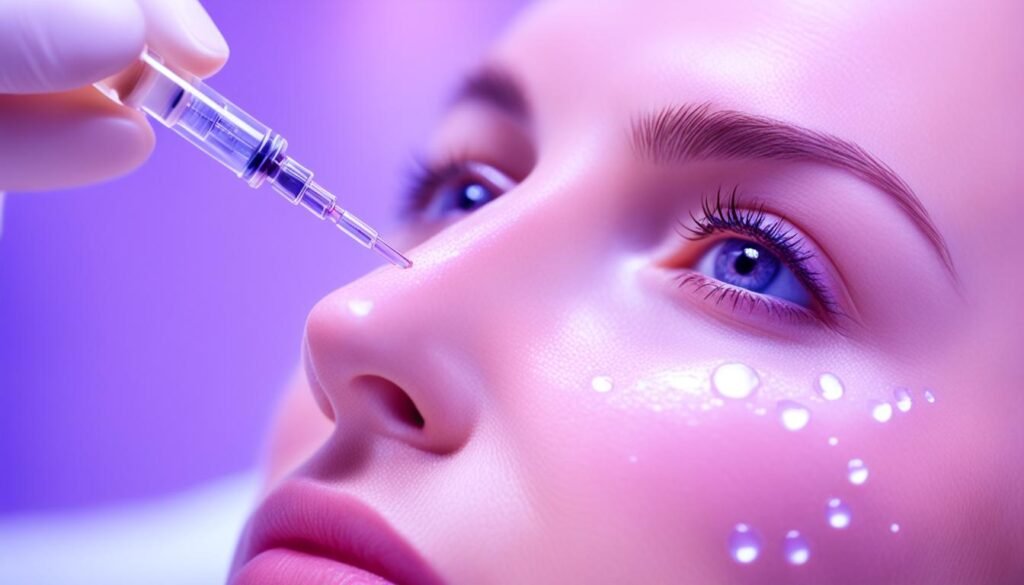
Platelet-rich plasma (PRP) is a non-surgical treatment that utilizes the patient’s own blood to improve the appearance of the skin. This innovative procedure harnesses the power of growth factors and nutrients found in the platelets to stimulate collagen formation and promote skin cell regeneration.
During a PRP treatment, a small amount of blood is drawn from the patient, typically from the arm. The blood is then placed in a centrifuge, where it is spun to separate the platelet-rich plasma from the rest of the blood components. The concentrated PRP is then carefully injected into targeted areas of the skin.
Once injected, the growth factors in PRP work to increase collagen production, which plays a crucial role in maintaining skin elasticity, firmness, and texture. Collagen formation helps to reduce the appearance of wrinkles, fine lines, and other signs of aging, resulting in a smoother and more youthful complexion.
Furthermore, PRP treatment also stimulates skin cell regeneration, promoting the turnover of damaged or aging cells and replacing them with fresh, healthy ones. This process helps to improve overall skin tone and texture, leaving the skin looking rejuvenated and revitalized.
Although individual results may vary, most patients begin to notice improvements in their skin texture within a few months of undergoing PRP treatment. The full benefits of the procedure typically develop over time as collagen continues to be produced and the skin’s regeneration process progresses.
PRP injections are commonly used to target various skin concerns, including fine lines, wrinkles, acne scars, sun damage, and uneven skin tone. The procedure can be performed on different areas of the face and body, such as the cheeks, under-eye area, neck, and hands.
PRP is considered a safe and minimally invasive treatment, as it utilizes the patient’s own blood, reducing the risk of adverse reactions or complications. However, it is important to consult with a qualified and experienced medical professional to determine if PRP is suitable for your specific skin concerns and goals.
Benefits of Platelet-Rich Plasma:
- Stimulates collagen formation
- Promotes skin cell regeneration
- Improves skin texture and tone
- Reduces the appearance of wrinkles and fine lines
- Minimizes acne scars and sun damage
- Safe and minimally invasive
| Benefits | Procedure | Results |
|---|---|---|
| Stimulates collagen formation | PRP injections | Noticeable within a few months |
| Promotes skin cell regeneration | PRP injections | Progresses over time |
| Improves skin texture and tone | PRP injections | Visible improvements |
Botox and Fillers
When it comes to non-surgical anti-aging treatments, Botox and fillers have become go-to options for many individuals seeking to rejuvenate their appearance. These cosmetic procedures offer effective solutions for addressing fine lines, wrinkles, and volume loss, providing noticeable results without the need for invasive surgery.
Botox: Botox and its alternative, Dysport, are injectables that work by temporarily relaxing the muscles responsible for facial expressions. By doing so, they help smooth out dynamic wrinkles, such as crow’s feet and forehead lines. The procedure involves targeted injections of Botox or Dysport into specific facial muscles, resulting in a more youthful and refreshed appearance.
Dermal Fillers: Dermal fillers are another popular non-surgical option for facial enhancement. These injectables use substances like hyaluronic acid, collagen, or synthetic materials to restore volume, fill in wrinkles, and improve overall skin texture. Hyaluronic acid fillers, for example, can replenish lost volume and stimulate collagen production, delivering natural-looking results that can last for several months.
By combining Botox and dermal fillers, individuals can target multiple signs of aging simultaneously, achieving a harmonious and rejuvenated appearance. Whether it’s softening fine lines, filling in deep wrinkles, restoring facial volume, or enhancing contours, these non-surgical treatments offer personalized solutions tailored to individual needs and desired outcomes.
The Benefits of Botox and Fillers:
- Smooth Out Fine Lines and Wrinkles: Botox and fillers are highly effective in reducing the appearance of fine lines and wrinkles, giving the skin a smoother and more youthful look.
- Restore Facial Volume: Fillers can replenish lost volume in areas of the face that have experienced volume loss due to aging, providing a more youthful and rejuvenated appearance.
- Enhance Facial Contours: By strategically placing fillers, it is possible to enhance and define facial features, such as the cheeks, lips, chin, and jawline.
- Minimally Invasive and Convenient: Botox and fillers are non-surgical treatments that can be performed in a short amount of time, allowing individuals to resume their daily activities with minimal downtime.
- Longer-Lasting Results: While Botox offers temporary results lasting several months, some dermal fillers can provide longer-lasting effects, making them an attractive option for those seeking a more enduring solution.
Conclusion
Non-Surgical Anti-Aging Facial Solutions offer effective options for individuals looking to maintain a youthful appearance without undergoing invasive procedures. With a wide range of treatments available, including retinoids, antioxidants, lasers, and fillers, there are numerous non-surgical alternatives to choose from. However, it’s important to remember that achieving and maintaining a youthful appearance goes beyond these treatments alone; a solid skincare routine is essential.
Incorporating a thorough skincare routine consisting of a cleanser, toner, moisturizer, and sun protection can significantly contribute to maintaining healthy, age-defying skin. The combination of non-surgical treatments and a good skincare routine allows individuals to successfully combat the signs of aging and achieve a more youthful appearance.
By considering Non-Surgical Anti-Aging Facial Solutions and implementing a dedicated skincare routine, individuals can take proactive steps towards rejuvenating their skin and maintaining a youthful look. With the wide range of treatments available, personalized options can be tailored to each individual’s unique needs and goals. Embracing these effective non-surgical solutions and committing to a consistent skincare routine will help individuals maintain their youthful appearance for years to come.
FAQ
What are some non-surgical anti-aging facial solutions?
Non-surgical anti-aging facial solutions include retinoids, antioxidants, hyaluronic acid, lasers, microneedling, platelet-rich plasma, Botox, fillers, and chemical peels.
What are retinoids and how do they work?
Retinoids are derivatives of vitamin A that increase cell turnover and stimulate collagen production in the skin. They can be prescription strength, like tretinoin (Retin-A), or available over-the-counter, like retinol.
How do antioxidants benefit the skin?
Antioxidants protect the skin from damage caused by free radicals, which can lead to wrinkles and aging. Vitamins C and E, green tea, and resveratrol are effective sources of antioxidants.
What is the role of hyaluronic acid in non-surgical anti-aging treatments?
Hyaluronic acid is a natural substance that provides hydration and plumpness to the skin. As we age, our levels of hyaluronic acid decline, leading to drier skin and wrinkles. It can be supplemented through injections or topical products.
How do lasers help with anti-aging?
Lasers use concentrated beams of light to stimulate collagen production and skin cell regeneration. Laser resurfacing is a popular procedure that reduces facial lines and acne scars, improves varicose veins, and enhances skin tone and texture.
What is microneedling and what can it treat?
Microneedling is a minimally invasive treatment that uses tiny needles to create controlled skin injuries, stimulating collagen synthesis and improving aging and photoaged skin. It can treat fine lines, wrinkles, acne scars, and hyperpigmentation.
How does platelet-rich plasma improve the appearance of the skin?
Platelet-rich plasma (PRP) contains growth factors and nutrients that stimulate collagen formation and skin cell regeneration. When injected into the skin, PRP increases collagen production and improves skin texture.
How do Botox and fillers help with anti-aging?
Botox and Dysport temporarily paralyze muscles to reduce fine lines and wrinkles. Dermal fillers, such as hyaluronic acid, collagen, and synthetic materials, fill in wrinkles, add volume, and improve skin texture.
Are non-surgical anti-aging facial solutions effective?
Yes, non-surgical anti-aging facial solutions can be effective in maintaining a youthful appearance. They offer a wide range of treatments that can be combined with a solid skincare routine for optimal results.