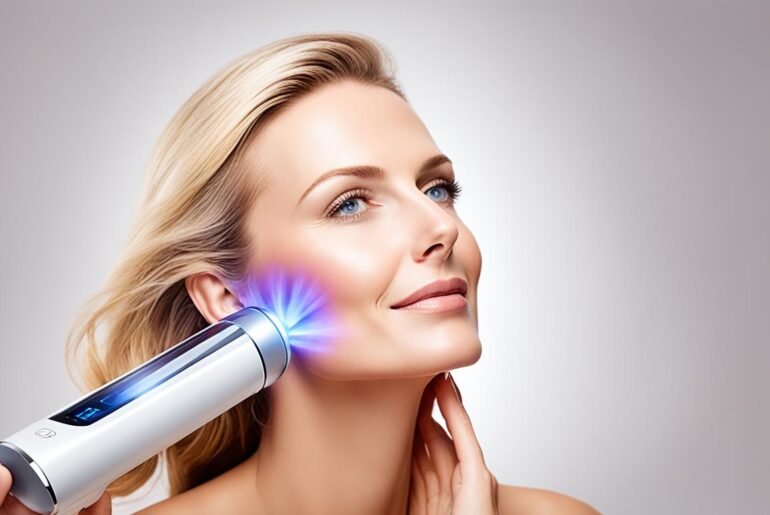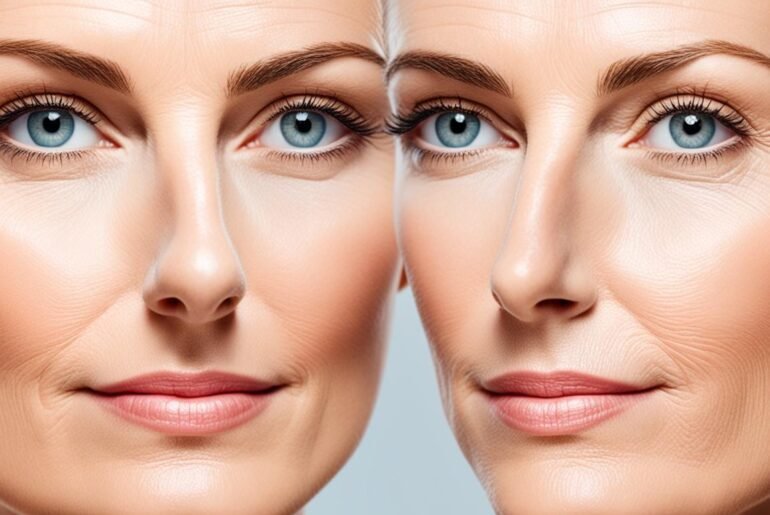
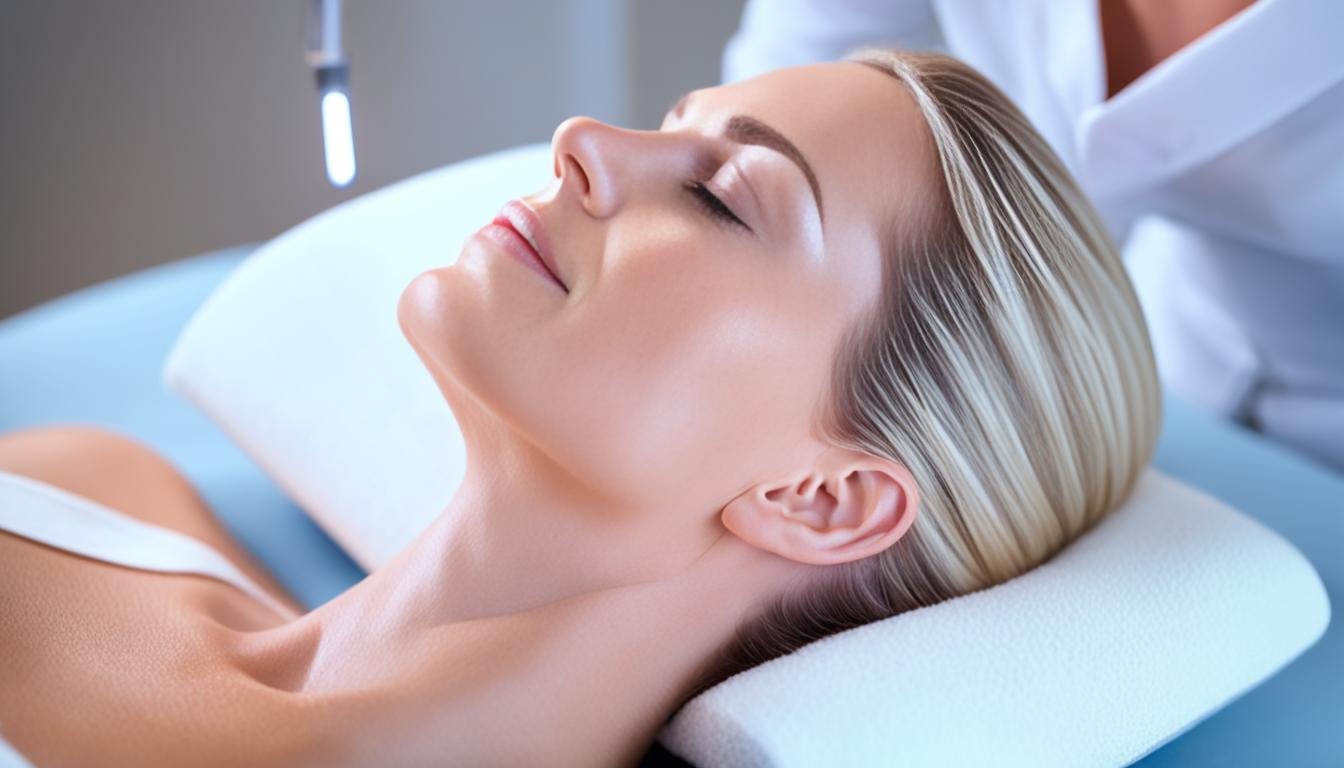
Did you know that non-invasive laser skin treatments have revolutionized the field of cosmetic procedures? With their advanced technology and remarkable results, these treatments have become a go-to choice for individuals seeking rejuvenation without the need for surgery. Laser skin rejuvenation, laser skin resurfacing, and skin tightening treatments are just a few of the non-surgical options available, offering an effective solution for various skin concerns.
Non-invasive laser skin treatments provide a safe and efficient way to target specific skin issues and restore a youthful appearance. Whether you’re looking to reduce wrinkles, scars, age spots, or simply improve the overall texture and tone of your skin, these treatments can help you achieve your goals.
Let’s uncover the key benefits of non-invasive laser skin treatments, delve into different techniques like laser skin resurfacing and chemical peels, explore other options like microdermabrasion and dermabrasion, and discuss important considerations when choosing a provider. Additionally, we’ll explore the world of non-surgical facial rejuvenation and discover how combining various treatments can enhance your results.
Key Takeaways:
- Non-invasive laser skin treatments offer a safe and effective alternative to surgical procedures for skin rejuvenation.
- These treatments can improve skin texture, reduce wrinkles and scars, and create a more even complexion.
- Options like laser skin resurfacing, chemical peels, microdermabrasion, and dermabrasion provide targeted solutions for different skin concerns.
- When choosing a provider, ensure they are qualified, experienced, and licensed for the specific treatments.
- Non-surgical facial rejuvenation encompasses a range of options, including injectable fillers, neurotoxins, and skin tightening treatments.
Key Benefits of Non-Invasive Laser Skin Treatments
When it comes to achieving healthy, radiant skin, non-invasive laser skin treatments offer numerous benefits. These advanced procedures are designed to address common skin concerns such as texture, wrinkles, scars, blemishes, and collagen production. Here are some key advantages of non-invasive laser skin treatments:
- Improved Skin Texture: Non-invasive laser treatments can effectively improve skin texture by removing dead skin cells and stimulating collagen production. This helps in creating a smoother, more youthful-looking complexion.
- Reduced Wrinkles and Fine Lines: By promoting collagen growth and smoothing out skin irregularities, non-invasive laser treatments can significantly reduce the appearance of wrinkles and fine lines.
- Diminished Scars and Blemishes: Whether it’s acne scars or other skin imperfections, non-invasive laser treatments can target and reduce their visibility, resulting in a more even and flawless complexion.
- Stimulated Collagen Production: Laser therapy stimulates collagen production in the skin. Collagen is responsible for maintaining skin elasticity and plumpness, and its production decreases with age. By promoting collagen growth, non-invasive laser treatments can help restore a more youthful appearance.
“Non-invasive laser skin treatments provide a safe and effective alternative to more invasive procedures, offering multiple benefits for various skin concerns.”
With these remarkable benefits, non-invasive laser skin treatments have become an increasingly popular choice for individuals seeking a non-surgical approach to skin rejuvenation. By utilizing advanced laser technology, these treatments offer effective solutions for improving skin texture, reducing wrinkles and scars, and enhancing collagen production.
Next, we’ll dive deeper into the process of laser skin resurfacing and its different techniques.
Laser Skin Resurfacing Techniques
There are several techniques used in non-invasive laser skin treatments, including:
- Ablative Laser Resurfacing
- Non-Ablative Laser Resurfacing
- Carbon Dioxide (CO2) Laser
- Intense Pulsed Light (IPL) Photofacial
Each technique offers specific benefits and targets different skin concerns. By understanding these techniques, you can make an informed decision about which non-invasive laser treatment is best suited for your skin.
| Laser Skin Resurfacing Technique | Benefits |
|---|---|
| Ablative Laser Resurfacing | – Removes outer layers of skin – Targets deep wrinkles and scars |
| Non-Ablative Laser Resurfacing | – Targets deeper layers without removing outer layers of skin – Minimal downtime |
| Carbon Dioxide (CO2) Laser | – Precise and controlled treatment – Effective for deep wrinkles and scars – Stimulates collagen production |
| Intense Pulsed Light (IPL) Photofacial | – Targets pigmentation issues and redness – Improves overall skin tone |
As you can see, each technique offers unique advantages depending on your specific skin concerns. By consulting with a qualified provider, you can determine the most suitable non-invasive laser skin treatment for your needs.
Understanding Laser Skin Resurfacing
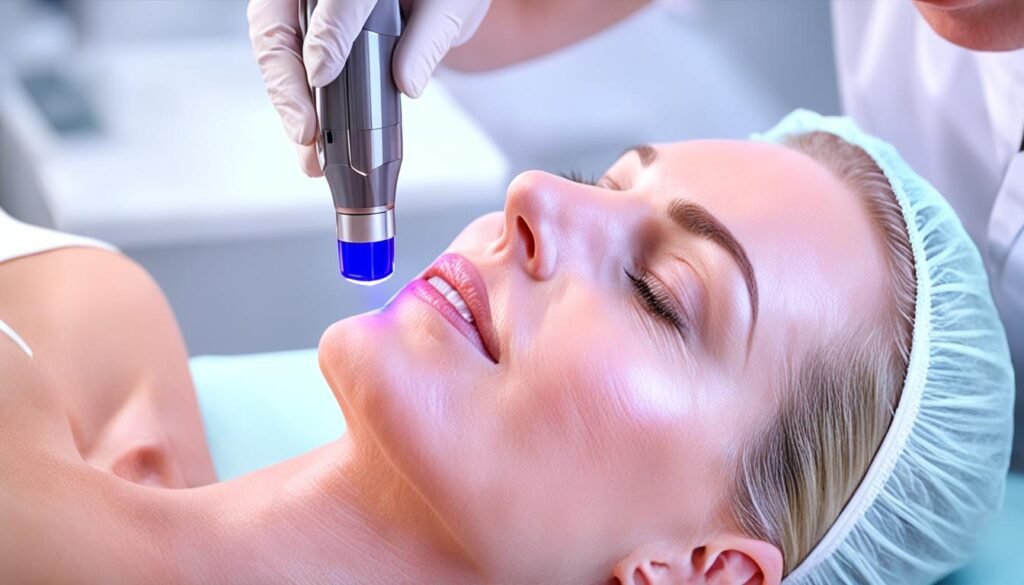
Laser skin resurfacing is a widely used technique in non-invasive laser skin treatments, offering impressive results for various skin concerns. This procedure involves the use of laser technology to rejuvenate and revitalize the skin, targeting specific imperfections and promoting a smoother, more youthful complexion.
There are two primary types of laser skin resurfacing: ablative and non-ablative. Understanding the differences between these two methods can help individuals make informed decisions about which treatment option is most suitable for their needs.
Ablative Laser Skin Resurfacing
Ablative laser skin resurfacing is a more aggressive approach that involves the removal of the outer layers of the skin. This process activates the body’s natural healing response, stimulating collagen production and promoting the growth of fresh, healthy skin cells. Ablative treatments are effective for addressing deep wrinkles, severe sun damage, and scars.
This image depicts the carbon dioxide laser, commonly used in ablative laser skin resurfacing.
Non-Ablative Laser Skin Resurfacing
Non-ablative laser skin resurfacing, on the other hand, targets the deeper layers of the skin without removing the outer layers. This method delivers laser energy that stimulates collagen production and tightens the skin, resulting in improved texture and tone. Non-ablative treatments are suitable for individuals with mild to moderate skin concerns and require little to no downtime.
Common Techniques and Treatments
In laser skin resurfacing treatments, various techniques and devices are used to achieve the desired results. Carbon dioxide lasers, which emit short, pulsed beams of light, are commonly employed in ablative resurfacing procedures. Additionally, photofacials, which utilize intense pulsed light (IPL), can effectively target skin discoloration and stimulate collagen production.
Benefits and Considerations
Laser skin resurfacing treatments offer numerous benefits, including:
- Reduction of fine lines and wrinkles
- Improvement in skin texture and tone
- Softening of acne scars and other facial blemishes
- Stimulation of collagen production for long-lasting results
However, it is important to note that laser skin resurfacing may not be suitable for everyone. Individuals with certain medical conditions, such as active skin infections or sensitivity to light, may need to explore alternative treatment options.
In conclusion, laser skin resurfacing is a versatile and effective non-invasive treatment option for addressing a wide range of skin concerns. By understanding the distinctions between ablative and non-ablative techniques and the benefits of different laser devices, individuals can make informed decisions about their skin rejuvenation journey.
Chemical Peels for Skin Resurfacing
Chemical peels are a highly effective option for skin resurfacing, offering a range of benefits for those seeking to improve the appearance of their skin. These treatments involve the application of a chemical solution that causes the outer layers of skin to peel away, revealing a smoother and younger-looking complexion.
One of the key advantages of chemical peels is their ability to address specific skin concerns such as fine lines, acne scars, and uneven skin tone. By removing the damaged outer layers of skin, chemical peels can significantly reduce the appearance of these imperfections, leaving you with a more even and radiant complexion.
Chemical peels come in various strengths, ranging from mild to deep peels. Lighter peels typically target the outermost layers of the skin, addressing superficial concerns and offering subtle improvements. On the other hand, deep peels penetrate deeper into the skin, providing more dramatic results and targeting advanced signs of aging.
Whether you choose a mild or deep peel, it’s crucial to consult with a qualified professional who can assess your skin’s condition and recommend the most appropriate treatment for your specific needs. With the right chemical peel, you can achieve smoother, more youthful-looking skin and regain your confidence.
The Benefits of Chemical Peels:
- Reduces fine lines and wrinkles
- Diminishes acne scars
- Improves skin tone and texture
- Evens out skin discoloration
- Stimulates collagen production
Chemical peels are a versatile and effective option for skin resurfacing, offering a wide range of benefits. Whether you want to reduce the appearance of fine lines, fade acne scars, improve skin tone, or achieve a smoother complexion, a chemical peel can help you achieve your goals.
Is a Chemical Peel Right for You?
“Chemical peels are a highly customizable treatment, suitable for a wide range of individuals seeking to improve their skin’s appearance. From individuals with mild signs of aging to those with more advanced concerns, there is a chemical peel tailored to meet your specific needs. Consult with a qualified professional to determine whether a chemical peel is the right choice for you.”
It’s important to keep in mind that chemical peels may require multiple treatments to achieve optimal results, and it’s essential to follow the aftercare instructions provided by your skincare professional to promote proper healing and minimize any potential side effects.
Chemical peels offer a safe and effective solution for skin resurfacing, helping you achieve a smoother and more youthful complexion. Consult with a qualified professional to determine if a chemical peel is the right choice for you and embark on your journey to rejuvenated skin.
Microdermabrasion and Dermabrasion
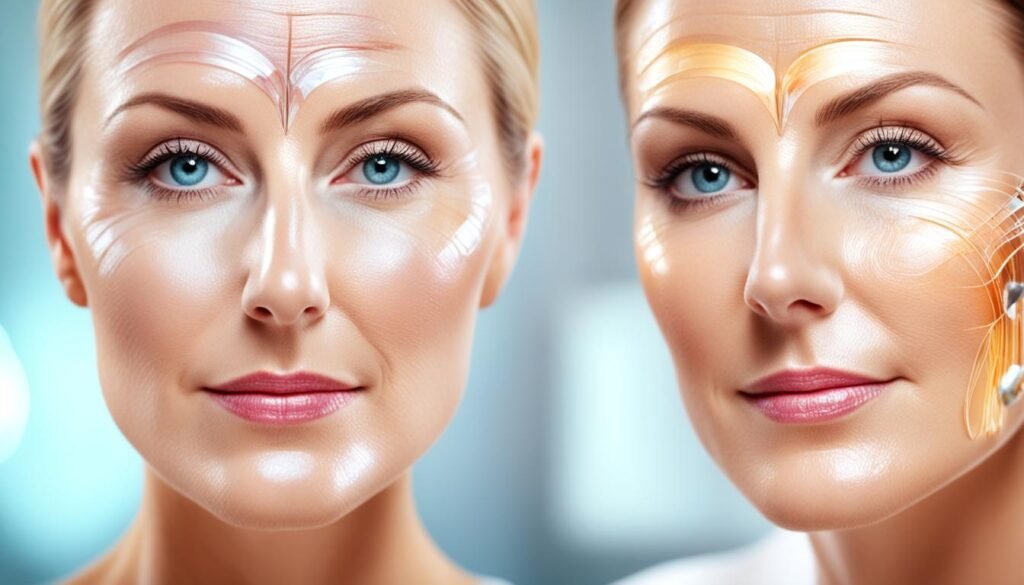
In non-invasive laser skin treatments, microdermabrasion and dermabrasion are exfoliation techniques that effectively improve skin texture and promote skin rejuvenation. These treatments offer different levels of intensity, allowing individuals to choose the option that best suits their specific needs and concerns.
Microdermabrasion involves gently removing the outermost layer of skin using a handheld device. This technique uses fine crystals or a diamond-tipped wand to exfoliate the skin and reveal a smoother, more youthful complexion. Microdermabrasion is less intensive compared to dermabrasion, making it suitable for individuals with milder skin issues or those looking for a gentle exfoliation treatment.
Dermabrasion, on the other hand, is a more intensive process that removes several layers of skin using a rotating brush or diamond-tipped burr. This technique is particularly beneficial for addressing deeper skin imperfections such as scars, wrinkles, and pigmentation irregularities. Dermabrasion is typically performed by a qualified dermatologist or aesthetic professional.
Both microdermabrasion and dermabrasion are effective in improving skin texture and promoting skin rejuvenation. By exfoliating the skin, these treatments stimulate collagen production, which helps to reduce the appearance of fine lines, wrinkles, and other signs of aging. They also encourage the turnover of new skin cells, resulting in a smoother and more radiant complexion.
Differences Between Microdermabrasion and Dermabrasion
While both microdermabrasion and dermabrasion are exfoliation techniques, they differ in terms of intensity, depth of treatment, and the specific skin concerns they address. Here’s a comparison of these two procedures:
| Microdermabrasion | Dermabrasion |
|---|---|
| Gentle exfoliation of the outermost layer of skin | Removal of several layers of skin |
| Suitable for individuals with mild skin concerns | Effective for deeper skin imperfections |
| Performed with a handheld device | Performed by a qualified professional |
| No downtime, minimal side effects | Requires downtime for healing and recovery |
Both microdermabrasion and dermabrasion have their unique advantages and considerations. It’s essential to consult with a skincare professional to determine the most suitable option based on your skin type, concerns, and treatment goals.
Image: Microdermabrasion and dermabrasion are exfoliation techniques used in non-invasive laser skin treatments.
Microneedling and IPL Photorejuvenation
Microneedling and IPL photorejuvenation are two additional options for non-invasive laser skin treatments. These innovative procedures offer effective solutions for various skin concerns, including collagen production, pigmentation issues, and redness.
First, let’s explore microneedling. This treatment utilizes a device equipped with tiny needles that create controlled micro-injuries to the skin’s surface. These micro-injuries stimulate the production of collagen and elastin, essential proteins that enhance skin texture and firmness. As a result, microneedling can improve the appearance of fine lines, wrinkles, and scars, providing smoother and more youthful-looking skin.
On the other hand, IPL photorejuvenation targets specific pigmentation issues and redness using intense pulsed light technology. The light energy penetrates the skin, breaking down melanin and hemoglobin responsible for pigmentation irregularities and redness. IPL photorejuvenation can effectively treat sunspots, freckles, vascular lesions, and rosacea, resulting in a more even skin tone.
“Microneedling and IPL photorejuvenation are versatile treatments that can address various concerns and deliver noticeable improvements in the skin’s appearance.”
Both microneedling and IPL photorejuvenation stimulate the skin’s natural healing process, triggering the production of new collagen and promoting cellular turnover. This rejuvenates the skin and leads to a fresher, more radiant complexion.
The following table illustrates the key features and benefits of microneedling and IPL photorejuvenation:
| Microneedling | IPL Photorejuvenation |
|---|---|
| Stimulates collagen production | Targets pigmentation issues and redness |
| Improves skin texture and firmness | Reduces sunspots, freckles, and vascular lesions |
| Reduces fine lines and wrinkles | Treats rosacea and uneven skin tone |
By understanding the unique benefits and capabilities of microneedling and IPL photorejuvenation, individuals can make informed decisions about which treatment is best suited to their specific skin concerns.
Choosing a Provider for Skin Resurfacing Treatments
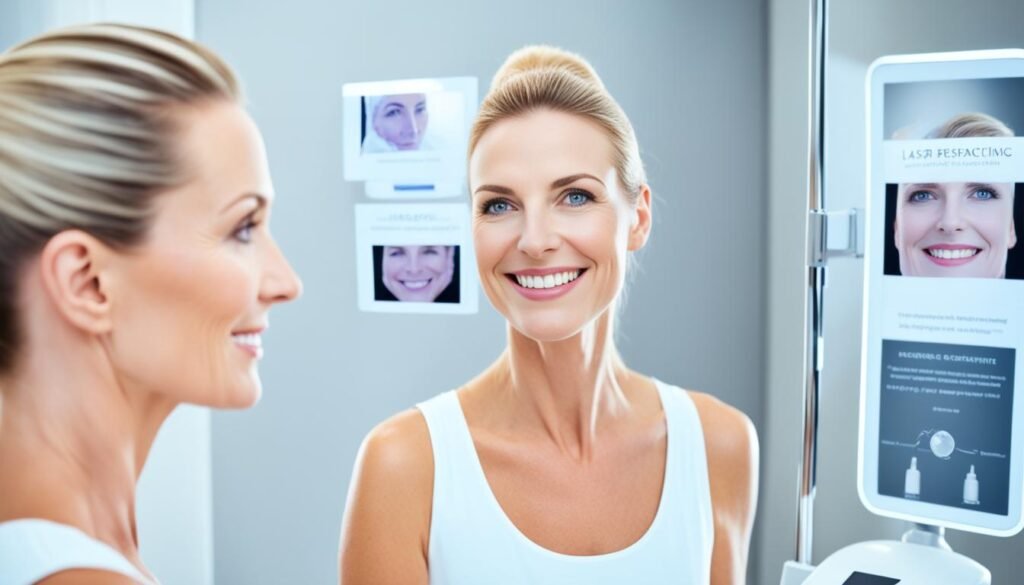
When considering skin resurfacing treatments, it is essential to select a qualified provider who can deliver safe and effective results. The expertise and experience of your chosen provider will significantly impact the outcome of your treatment.
Deep chemical peels and certain ablative laser treatments require the expertise of a board-certified cosmetic surgeon. These invasive procedures involve more significant risk and complexity, necessitating the knowledge and skills of a highly trained medical professional.
On the other hand, other skin resurfacing treatments can be performed by a licensed aesthetician or registered nurse under the supervision of a qualified cosmetic surgeon. These professionals are trained to administer non-invasive treatments with precision and attention to detail.
When selecting a provider for skin resurfacing treatments, consider the following factors:
- Qualifications: Ensure that the provider is board-certified as a cosmetic surgeon or possesses the necessary license for non-invasive treatments.
- Experience: Choose a provider with extensive experience in performing the specific skin resurfacing treatments you are considering.
- Results: Look for before and after photos of previous patients to assess the provider’s ability to deliver desirable outcomes.
- Reviews: Read testimonials and reviews from other patients to gain insights into their experiences and satisfaction with the provider’s services.
By conducting proper research and selecting a reputable provider, you can have confidence in the safety and effectiveness of your skin resurfacing treatment.
| Provider Qualifications | Experience | Results | Reviews |
|---|---|---|---|
| Board-certified Cosmetic Surgeon | Extensive experience in performing skin resurfacing treatments | Demonstrable before and after photos | Positive testimonials and reviews |
| Licensed Aesthetician/Registered Nurse | Specialized training in non-invasive treatments | N/A | N/A |
Non-Surgical Facial Rejuvenation Options
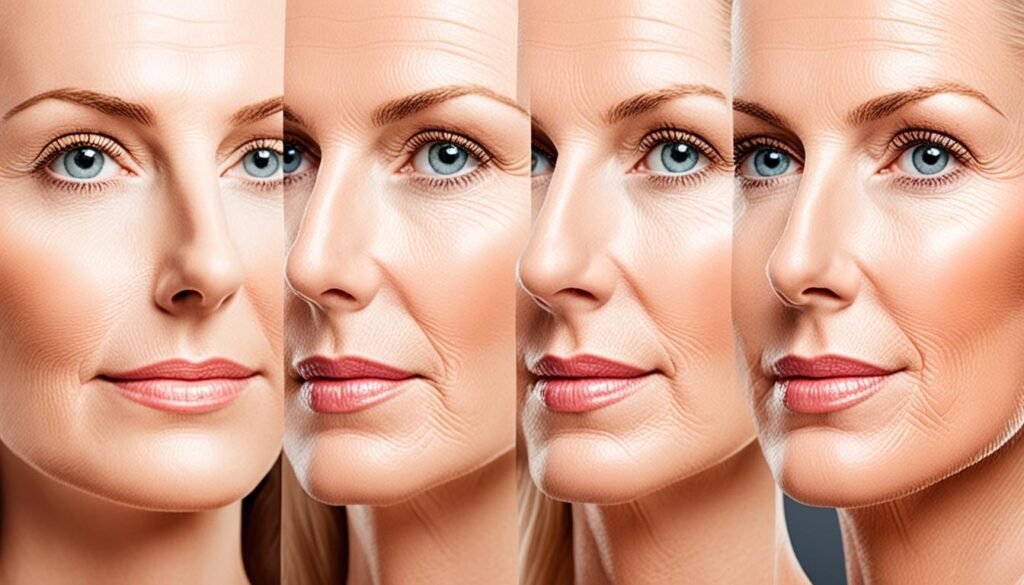
Non-surgical facial rejuvenation provides a diverse range of options beyond traditional skin resurfacing treatments. These innovative techniques offer effective alternatives for individuals seeking to enhance their appearance without the need for invasive procedures. Among the most popular options for non-surgical facial rejuvenation are injectable fillers, neurotoxins, and skin tightening treatments. Many cosmetic surgeons combine these treatments to achieve optimal and long-lasting results based on each patient’s unique needs and goals. It is crucial to consult with a qualified provider to determine the most suitable combination of treatments for your desired outcome.
Injectable fillers are a versatile solution for addressing various facial concerns. These fillers consist of substances such as hyaluronic acid, calcium hydroxylapatite, or poly-L-lactic acid, which are injected into specific areas to restore lost volume, diminish the appearance of wrinkles and fine lines, and enhance facial contours.
Neurotoxins such as Botox or Dysport are utilized to relax facial muscles and reduce the appearance of dynamic wrinkles, such as crow’s feet, frown lines, and forehead lines. By blocking nerve signals, neurotoxins temporarily paralyze the targeted muscles, resulting in a smoother and more youthful complexion.
Skin tightening treatments utilize various technologies to stimulate collagen production and promote firmness and elasticity in the skin. These treatments can improve the appearance of sagging skin, fine lines, and wrinkles, providing a more youthful and rejuvenated look.
Combining these non-surgical facial rejuvenation treatments allows for comprehensive and customized results. The injectable fillers restore volume and smooth out wrinkles, neurotoxins relax facial muscles to minimize dynamic wrinkles, and skin tightening treatments enhance skin tightness and elasticity. By tailoring the treatment plan to each patient’s unique needs, cosmetic surgeons can achieve natural-looking results that help individuals regain their confidence and achieve a more refreshed appearance.
Facial rejuvenation can be a significant step towards achieving the desired aesthetic outcomes. However, it is essential to consult with a qualified provider and discuss your goals and expectations thoroughly before proceeding with any treatment plan. A skilled cosmetic surgeon or licensed aesthetician can assess your facial structure, skin condition, and individual needs to devise a personalized approach that best suits you. Together, you can explore the possibilities of non-surgical facial rejuvenation and create a treatment plan that delivers the desired results for a more youthful and revitalized appearance.
Conclusion
Non-invasive laser skin treatments are a game-changer when it comes to rejuvenating your skin without the need for surgery. These procedures offer a multitude of benefits, including improved skin texture, reduced wrinkles, scars, and blemishes, and a more even complexion. With the guidance of a qualified provider, achieving radiant and youthful-looking skin has never been easier.
One of the greatest advantages of non-invasive laser skin treatments is their safety. Unlike surgical procedures, there are no incisions or prolonged downtime involved. These treatments are performed with state-of-the-art laser technology, carefully targeting specific concerns while leaving surrounding tissues unharmed. This ensures minimal discomfort and side effects, making them suitable for a wide range of individuals.
Furthermore, the effectiveness of non-invasive laser skin treatments is remarkable. The targeted laser energy stimulates collagen production, which is essential for maintaining a youthful appearance. As collagen levels increase, the skin becomes more plump, firm, and resilient, visibly reducing the signs of aging. Whether you’re looking to tackle fine lines, acne scars, or uneven skin tone, these procedures can deliver remarkable and long-lasting results.
FAQ
What are non-invasive laser skin treatments?
Non-invasive laser skin treatments are procedures that rejuvenate and tighten the skin using laser technology without the need for surgery. These treatments target specific concerns such as wrinkles, scars, age spots, and discoloration to improve the appearance of the skin.
What are the benefits of non-invasive laser skin treatments?
Non-invasive laser skin treatments offer several benefits. They can improve skin texture by removing dead skin cells and stimulating collagen production. These treatments also reduce the appearance of wrinkles and fine lines and can be effective in reducing scars and blemishes, resulting in a more even complexion.
What is laser skin resurfacing?
Laser skin resurfacing is a technique used in non-invasive laser skin treatments. There are two main types: ablative and non-ablative. Ablative lasers remove the outer layers of skin, while non-ablative lasers target deeper layers without removing the outer layers. Carbon dioxide lasers and photofacials are commonly used in laser resurfacing treatments.
What are chemical peels?
Chemical peels are another option for skin resurfacing. They involve applying a chemical solution that causes the outer layers of skin to peel away, revealing a smoother and younger-looking complexion. Chemical peels can reduce or remove fine lines, acne scars, and uneven skin tone.
What are microdermabrasion and dermabrasion?
Microdermabrasion and dermabrasion are exfoliation techniques used in non-invasive laser skin treatments. Microdermabrasion gently removes the outermost layer of skin, while dermabrasion is a more intensive process that removes several layers. Both treatments improve skin texture and promote skin rejuvenation.
What is microneedling and IPL photorejuvenation?
Microneedling uses tiny needles to stimulate collagen production and improve skin texture, while IPL photorejuvenation uses intense pulsed light to target pigmentation issues, redness, and overall skin tone. Both treatments provide significant improvements in the appearance of the skin.
How do I choose a provider for skin resurfacing treatments?
When considering skin resurfacing treatments, it is important to choose a qualified provider. Deep chemical peels and certain ablative laser treatments should only be performed by a board-certified cosmetic surgeon, while other treatments can be safely done by a licensed aesthetician or registered nurse. It is essential to ensure that the provider is licensed, works under the supervision of a qualified cosmetic surgeon, and has experience performing the specific treatments you are considering.
What are the options for non-surgical facial rejuvenation?
Non-surgical facial rejuvenation offers a wide range of options beyond skin resurfacing treatments. These include injectable fillers, neurotoxins, and skin tightening treatments. Many cosmetic surgeons combine different treatments to achieve optimal and long-lasting results. It is important to discuss your goals and expectations with a qualified provider to determine which combination of treatments is right for you.
Are non-invasive laser skin treatments safe and effective?
Yes, non-invasive laser skin treatments provide a safe and effective alternative to surgical procedures for skin rejuvenation. These treatments offer various benefits, including improved skin texture, reduced wrinkles, scars, and blemishes, and a more even complexion. With the guidance of a qualified provider, you can achieve radiant and youthful-looking skin without the need for invasive cosmetic procedures.