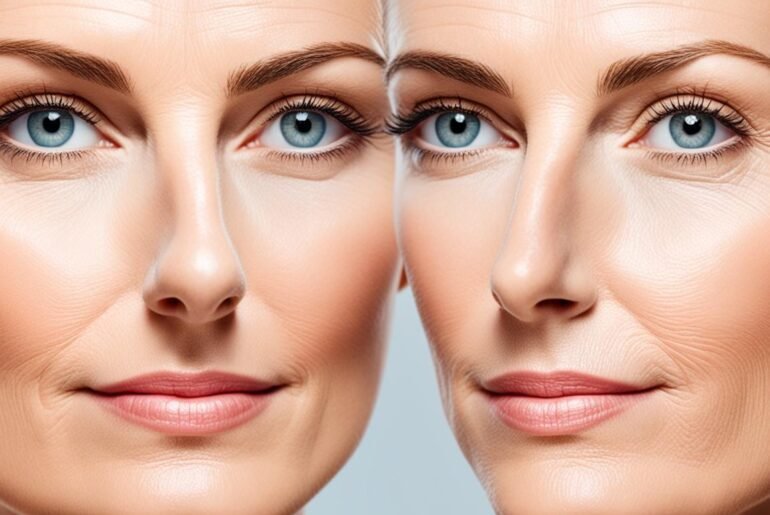
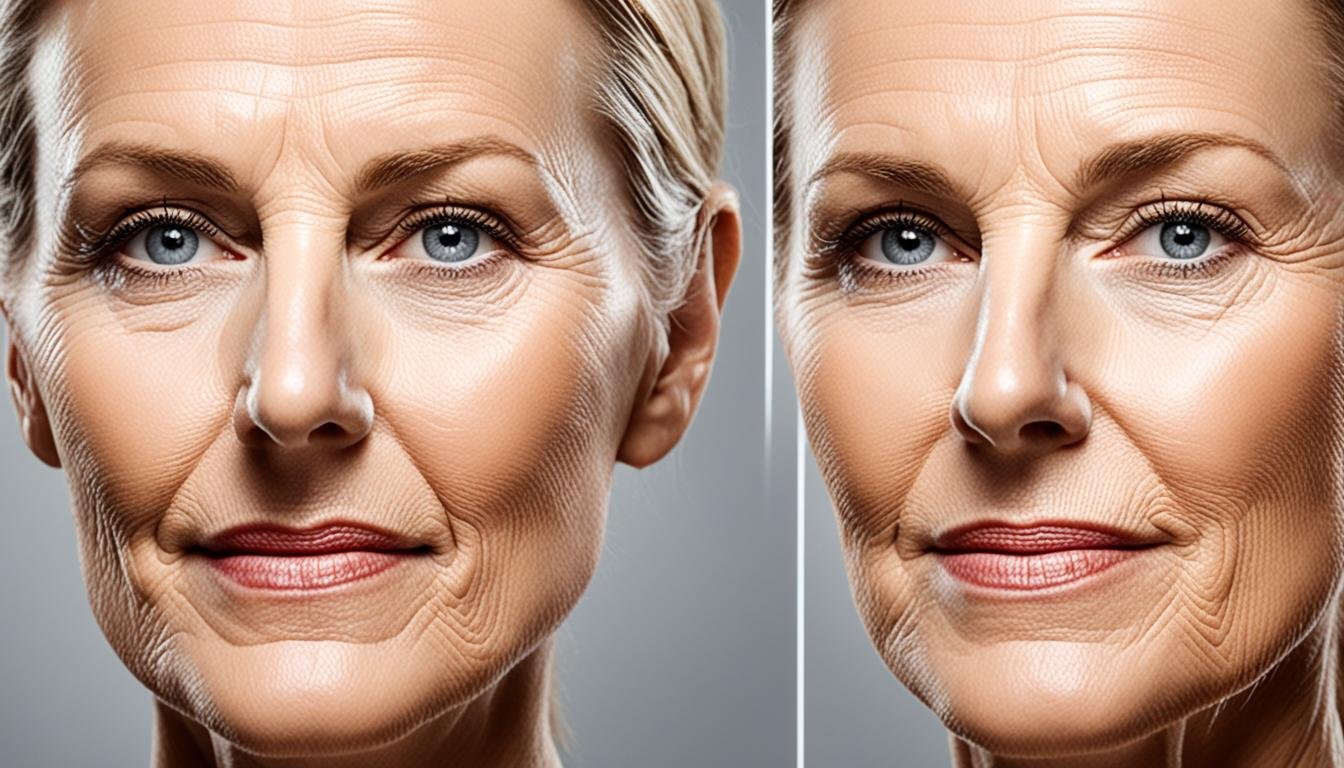
Did you know that fine lines and wrinkles are not just signs of aging, but can also be caused by factors such as sun damage and genetic predispositions? It’s a startling fact that highlights the prevalence and impact of these skin concerns on our appearance and self-confidence.
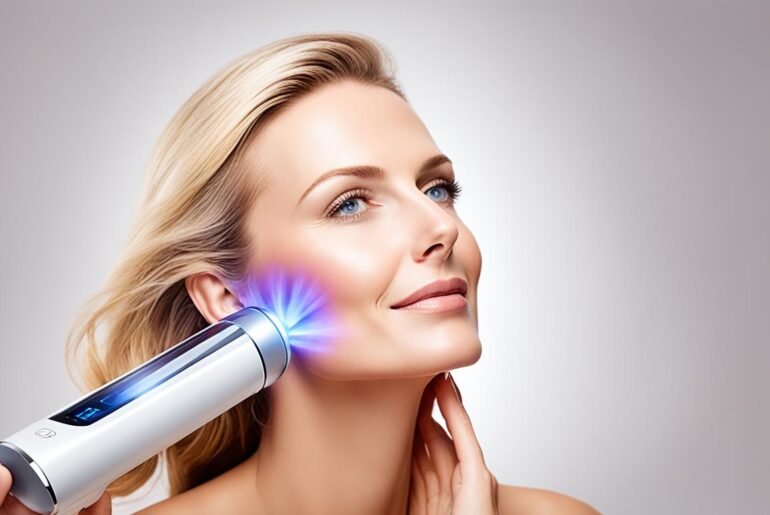
If you’re looking for a non-invasive, advanced skincare solution to combat these signs of aging, laser treatment for fine lines and wrinkles might be the answer. This innovative procedure known as laser skin resurfacing can effectively stimulate the growth of new skin cells, resulting in a tighter, more youthful appearance.
Are you ready to discover how laser treatment can help you achieve smoother and more radiant skin? Let’s dive into the world of laser resurfacing for fine lines and wrinkles, exploring its types, benefits, risks, cost, and more.
Key Takeaways:
- Laser treatment for fine lines and wrinkles is a popular non-invasive solution for achieving youthful and radiant skin.
- The procedure stimulates the growth of new skin cells, resulting in a tighter and more youthful appearance.
- There are different types of lasers available for laser resurfacing, each with its own benefits and considerations.
- Proper preparation, consultation, and post-treatment care are essential for maximizing the benefits and minimizing the risks of laser treatment.
- The cost of laser treatment for fine lines and wrinkles varies and is typically not covered by insurance.
Types of Laser Resurfacing for Fine Lines and Wrinkles
Laser resurfacing for fine lines and wrinkles can be performed using different types of lasers. Each type has its own benefits and considerations, so it’s important to consult with a dermatologist to determine the most appropriate option for your specific needs.
CO2 laser resurfacing: This well-established method effectively treats wrinkles, scars, and other skin conditions. The newest version, known as fractionated CO2 laser resurfacing, minimizes heat damage and allows for faster recovery time.
Erbium laser resurfacing: Designed for superficial and moderately deep lines and wrinkles, erbium laser resurfacing offers minimal injury to surrounding tissue and shorter recovery time compared to CO2 laser resurfacing.
Neodymium Yag laser: This laser is a suitable option for individuals with darker skin tones, as it bypasses the melanin in the upper layers of the skin.
Pulse-dye lasers: Also known as vascular lasers, pulse-dye lasers are used to address skin issues related to blood vessels, such as redness, hyperpigmentation, and broken capillaries.
“Laser resurfacing offers a range of options to address fine lines and wrinkles, from the well-established CO2 laser resurfacing to the more targeted Neodymium Yag laser. By consulting with a dermatologist, you can determine the most suitable laser treatment for your skin type and specific concerns.”
To provide a clear overview of the different types of laser resurfacing, refer to the table below:
| Laser Resurfacing | Benefits | Considerations |
|---|---|---|
| CO2 Laser Resurfacing | Effectively treats wrinkles, scars, and other skin conditions | Longer recovery time compared to other laser resurfacing options |
| Erbium Laser Resurfacing | Minimal injury to surrounding tissue | Designed for superficial and moderately deep lines and wrinkles |
| Neodymium Yag Laser | Suitable for individuals with darker skin tones | Bypasses melanin in the upper layers of the skin |
| Pulse-Dye Lasers | Addresses skin issues related to blood vessels | Targets redness, hyperpigmentation, and broken capillaries |
Laser Resurfacing Procedure and Recovery
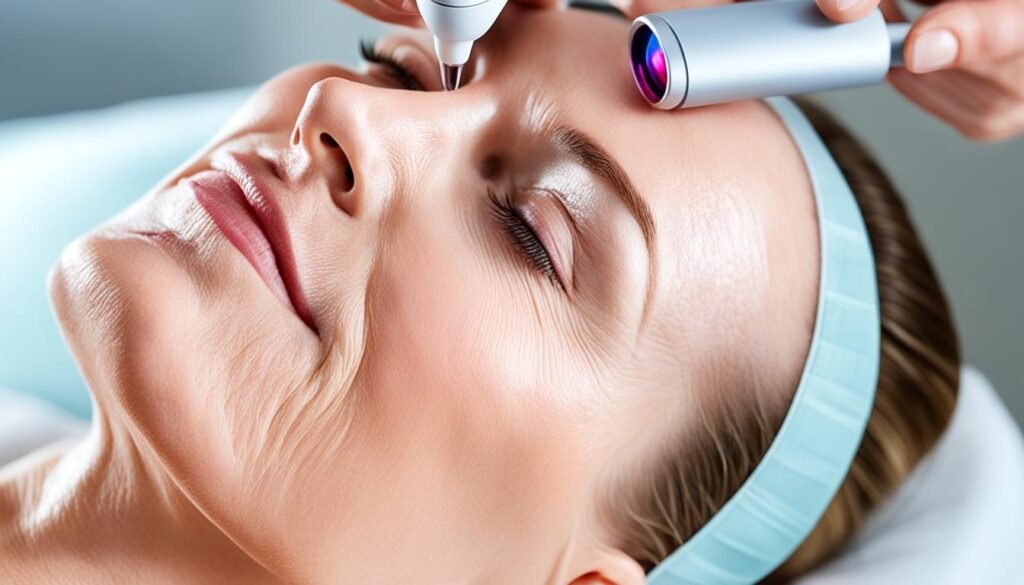
When it comes to addressing fine lines and wrinkles, laser resurfacing is a popular procedure that can help achieve smoother and more youthful-looking skin. In this section, we will explore the laser resurfacing procedure, recovery process, and post-treatment care to ensure optimal results.
The laser resurfacing procedure is typically performed by a plastic surgeon or dermatologist on an outpatient basis. Local anesthesia is used for small treatment areas, while general anesthesia may be preferred for full-face treatments. The duration of the procedure can vary depending on the size of the treated area, ranging from 30 minutes to 2 hours.
After the laser resurfacing procedure, the treated areas are bandaged, and post-treatment care instructions are provided. It’s crucial to follow these instructions diligently to promote proper healing and achieve the desired results. Here are some essential post-treatment care guidelines:
- Clean the treated areas multiple times a day using a gentle cleanser recommended by your dermatologist.
- Apply the prescribed ointments or creams to prevent scab formation and promote healing.
- Use cool compresses or ice packs to reduce swelling and discomfort.
- Avoid picking or scratching the treated areas to prevent infection and scarring.
- Avoid sun exposure and wear sunscreen with a high SPF to protect the healing skin.
- Moisturize the treated areas regularly to keep the skin hydrated and promote recovery.
- Use oil-free makeup if necessary and as approved by your dermatologist.
During the recovery period, it’s common to experience itching, stinging, and peeling of the skin. This can last anywhere from 10 to 21 days, depending on the individual and the extent of the laser resurfacing treatment. It’s important to be patient and allow the skin to heal naturally.
Note: The image below illustrates the laser resurfacing procedure and the subsequent recovery period.
Following the post-treatment care instructions and maintaining a healthy skincare routine will contribute to a smooth and successful recovery. It’s essential to attend any follow-up appointments scheduled by your dermatologist to monitor the healing progress and address any concerns.
In the next section, we will explore the benefits and risks of laser treatment for fine lines and wrinkles, providing a comprehensive overview to help you make an informed decision about this procedure.
Benefits and Risks of Laser Treatment for Fine Lines and Wrinkles
Laser treatment for fine lines and wrinkles offers numerous benefits for individuals looking to achieve smoother, more youthful skin. This non-invasive procedure has gained popularity as an effective solution for improving skin texture, reducing the appearance of wrinkles and scars, and overall rejuvenation.
One of the key benefits of laser treatment is its ability to be customized to target specific areas of concern or the entire face. This allows for personalized results that address individual needs and desired outcomes.
However, it’s important to be aware of the potential risks associated with laser treatment for fine lines and wrinkles. While the procedure is generally safe, there are certain risks that should be considered and minimized. These risks include burns, scarring, changes in skin pigmentation, reactivation of cold sores, and bacterial infections.
To minimize the risks of laser treatment, it is crucial to choose a reputable and experienced dermatologist or healthcare professional. They will have the expertise to accurately assess your needs, provide appropriate pre- and post-treatment care instructions, and address any concerns or medical conditions.
“Laser treatment for fine lines and wrinkles offers customization and personalized results, but it’s essential to be aware of the potential risks. Consulting with a reputable dermatologist and following proper care instructions can minimize these risks and ensure optimal outcomes.”
A thorough consultation and evaluation should be conducted before undergoing laser treatment to determine its suitability for your specific needs and manage expectations accordingly.
Overall, laser treatment for fine lines and wrinkles provides a range of benefits while acknowledging the potential risks involved. By choosing an experienced professional and following recommended care instructions, individuals can achieve smoother, more youthful skin with confidence.
Cost of Laser Treatment for Fine Lines and Wrinkles
The cost of laser treatment for fine lines and wrinkles can vary depending on several factors. These factors include the type of laser used, the extent of the treatment area, and the location of the procedure. When considering the cost of laser treatment, it’s important to remember that most medical insurance companies consider it a cosmetic procedure and do not provide coverage.
In 2020, the average cost for ablative laser skin resurfacing was around $2,509, while non-ablative laser resurfacing averaged about $1,445, according to the American Society of Plastic Surgeons.
It is advisable to discuss the specific costs and insurance coverage with your healthcare provider prior to undergoing the procedure. While insurance typically does not cover laser treatment for fine lines and wrinkles, there may be exceptions for cases involving scar modification or removal of precancerous growths.
Many doctors offer financing options to make laser treatment more affordable for patients, so it’s worth inquiring about potential payment plans or financing arrangements.
Photorejuvenation with Laser Therapy for Wrinkle Reduction
Laser therapy, also known as photorejuvenation, offers an effective method of reducing wrinkles and achieving more youthful skin. By stimulating cell turnover and collagen production, laser therapy helps to exfoliate damaged or discolored skin cells, resulting in a reduction in wrinkles and improvement in skin texture.
The longevity of the results can vary depending on factors such as the individual’s skin type, age, lifestyle, and ongoing skincare routine. Some individuals may experience long-lasting results that can endure for up to 10 years, while others may require periodic maintenance treatments to sustain the desired outcomes. It’s important to discuss the expected longevity of the results with the dermatologist during the consultation to set realistic expectations and determine the need for future treatments.
| Factors Affecting Laser Treatment Longevity | Recommendations for Prolonging Results |
|---|---|
| 1. Skin Type | – Follow a suitable skincare regimen for your skin type – Protect your skin from sun damage with broad-spectrum sunscreen |
| 2. Age | – Prioritize a healthy lifestyle with a balanced diet and regular exercise – Incorporate anti-aging skincare products into your routine |
| 3. Lifestyle | – Minimize exposure to environmental factors that accelerate skin aging – Avoid smoking and excessive alcohol consumption |
| 4. Skincare Routine | – Adhere to a consistent skincare regimen recommended by your dermatologist – Use products containing ingredients that promote collagen production |
“I have undergone laser therapy for wrinkles and the results have been remarkable. Not only did I experience a significant reduction in my wrinkles, but my skin also feels smoother and firmer. The long-lasting effects have exceeded my expectations, and I highly recommend this treatment for anyone looking to achieve a more youthful appearance.” – Sarah, laser therapy patient
For optimal results and safety, it is essential to consult with a qualified dermatologist or skin specialist who can assess your individual needs and provide personalized recommendations for laser therapy.
Preparing for Laser Skin Resurfacing

Achieving the best possible outcomes from laser skin resurfacing requires proper preparation. Before undergoing the procedure, it’s important to follow specific pre-treatment instructions to optimize safety and effectiveness.
Avoid Sun Exposure
For at least four weeks leading up to the laser skin resurfacing treatment, it is crucial to avoid tanning and heavy sun exposure. Exposure to sunlight can increase the risk of complications during and after the procedure. Protect your skin by using a broad-spectrum sunscreen daily and wearing protective clothing, such as hats and sunglasses, when going outdoors.
Medication Considerations
Some medications, such as certain antibiotics, can cause photosensitivity and increase the risk of adverse reactions during laser treatment. It is important to inform your healthcare provider about any medications you are currently taking, including over-the-counter drugs and supplements. Your dermatologist may recommend stopping certain medications at least 72 hours before the treatment to reduce the risk of complications.
Topical Retinoid Application
Depending on your skin type and specific concerns, your dermatologist may recommend applying a topical retinoid to your skin for about four weeks before the laser skin resurfacing procedure. This helps to prepare the skin, improve its texture, and enhance the overall results of the treatment.
If you have a history of herpes or shingles outbreaks, your dermatologist may prescribe antiviral medication to prevent flare-ups during and after the laser skin resurfacing procedure. This precautionary measure helps minimize the risk of complications and ensures a smoother recovery process.
By following these pre-treatment instructions, you can optimize the safety and effectiveness of laser skin resurfacing. Proper preparation sets the stage for achieving the best possible results and helps ensure a smoother recovery process.
What to Expect During and After Laser Skin Resurfacing
During the laser skin resurfacing procedure, the treatment areas are numbed with a local anesthetic to ensure your comfort. This outpatient procedure is typically performed by a skilled dermatologist. The duration of the procedure will depend on the size of the treated area, ranging from a few minutes to a couple of hours.
After the procedure, nonstick dressings will be applied to the treated areas to protect the skin and aid in the healing process. Here’s what you can expect during the recovery process:
- Swelling: It is common to experience some swelling in the treated areas immediately after the procedure. This swelling will typically peak within the first 24 to 48 hours and gradually subside over the next few days.
- Redness: Your skin may appear red or slightly pink in the treated areas. This is a normal part of the healing process and should begin to fade within a week.
- Itching: As your skin heals, you may experience mild itching. It is important to resist the urge to scratch and instead follow your dermatologist’s instructions for post-treatment care.
Within about five to seven days, the top layer of your skin will begin to peel, revealing smoother and younger-looking skin underneath. Your dermatologist will provide you with specific post-treatment care instructions, which may include:
- Cleansing the treated areas multiple times a day with a gentle cleanser recommended by your dermatologist.
- Applying prescribed ointments or creams to promote healing and prevent infection.
- Using sunscreen with a high SPF to protect your skin from harmful UV rays.
Over time, any residual redness will fade, and your skin will fully heal. The specific recovery process and expected outcomes may vary depending on the individual and the type of laser treatment performed. Your dermatologist will schedule a follow-up appointment to monitor your healing progress and address any concerns you may have.
Comparison of Laser Resurfacing Techniques

When considering laser resurfacing for fine lines and wrinkles, it is important to understand the differences between the various techniques. CO2 laser resurfacing is a well-established method that is effective for treating wrinkles and scars, but it may require longer recovery time. Erbium laser resurfacing, on the other hand, offers a gentler approach with minimal injury to surrounding tissue and shorter recovery time.
Fractionated laser resurfacing, such as fractional CO2 laser treatment, targets only a fraction of the skin at a time, reducing downtime and the risk of complications. This technique allows for precise treatment and quicker healing. By creating tiny columns of laser energy, fractionated laser resurfacing stimulates the production of collagen and enhances the growth of new skin cells.
CO2 Laser Resurfacing:
- Effective for treating wrinkles and scars
- Longer recovery time
- Can produce significant results
Erbium Laser Resurfacing:
- Gentler approach with minimal injury to surrounding tissue
- Shorter recovery time
- Well-suited for superficial and moderately deep lines and wrinkles
Fractionated Laser Resurfacing (e.g., Fractional CO2 Laser Treatment):
- Targets a fraction of the skin at a time
- Reduces downtime and risk of complications
- Stimulates collagen production and new skin cell growth
Each technique has its own advantages and considerations depending on the individual’s skin type, desired results, and recovery preferences. To determine the most suitable option for achieving the desired outcomes, it is recommended to consult with a dermatologist who can assess your needs and provide personalized recommendations.
Conclusion
In conclusion, laser treatment for fine lines and wrinkles is a highly effective non-invasive solution for achieving rejuvenated skin. With various types of laser resurfacing techniques available, including CO2, erbium, Neodymium Yag, and pulse-dye lasers, individuals can address specific concerns and tailor their treatment to accommodate different skin types. It is crucial to properly prepare for the procedure, consult with a dermatologist, and diligently follow post-treatment care instructions to maximize the benefits and minimize risks associated with laser treatment.
While the cost of laser treatment for fine lines and wrinkles may vary, it is essential to discuss pricing and insurance coverage options with your healthcare provider. By understanding the process, managing expectations, and considering potential outcomes, individuals can make informed decisions and embark on a journey to achieve smoother, more youthful-looking skin.
In summary, laser treatment for fine lines and wrinkles offers a safe and effective path to skin rejuvenation. By choosing the appropriate laser technique, preparing adequately, and adhering to post-treatment care instructions, individuals can enjoy the long-lasting benefits of this non-invasive procedure. Consult with a dermatologist to explore the best laser treatment option for your specific needs and begin your journey to healthier, more youthful skin today.
FAQ
What is laser treatment for fine lines and wrinkles?
Laser treatment for fine lines and wrinkles, also known as laser skin resurfacing, is a non-invasive procedure that removes skin layer by layer with precision to stimulate the growth of new skin cells and achieve a tighter and more youthful appearance.
What skin concerns can laser treatment for fine lines and wrinkles address?
Laser treatment for fine lines and wrinkles is effective for addressing shallow scars, age spots, sun-damaged skin, and enlarged oil glands.
Who is not a suitable candidate for laser treatment for fine lines and wrinkles?
Laser treatment may not be suitable for individuals with excessive or sagging skin, deep wrinkles, active acne, or a weakened immune system.
What are the different types of lasers used for laser resurfacing?
The different types of lasers used for laser resurfacing include CO2, erbium, Neodymium Yag, and pulse-dye lasers.
How is laser resurfacing performed?
Laser resurfacing is typically performed on an outpatient basis using local or general anesthesia, depending on the size of the treated area. The duration of the procedure varies, and post-treatment care instructions are provided.
What are the benefits and risks of laser treatment for fine lines and wrinkles?
The benefits of laser treatment include improved skin texture, reduction in the appearance of wrinkles and scars, and overall rejuvenation. However, there are risks such as burns, scarring, changes in skin pigmentation, reactivation of cold sores, and bacterial infections.
How much does laser treatment for fine lines and wrinkles cost?
The cost of laser treatment varies based on factors such as the type of laser used, the treated area’s extent, and the location of the procedure. In 2020, average costs for ablative and non-ablative laser resurfacing were around $2,509 and $1,445, respectively.
How long do the results of laser therapy for wrinkles last?
The longevity of laser therapy results varies, with some individuals experiencing results that last up to 10 years. Maintenance treatments may be necessary for others to sustain the desired outcomes.
How should one prepare for laser skin resurfacing?
Preparing for laser skin resurfacing involves avoiding sun exposure, using sunscreen, refraining from certain medications, and following specific pre-treatment instructions provided by the dermatologist.
What can one expect during and after laser skin resurfacing?
During laser skin resurfacing, the treatment areas are numbed, and the procedure is usually performed on an outpatient basis. Afterward, there may be swelling, redness, and itching, followed by skin peeling and gradual healing.
What are the differences between types of laser resurfacing techniques?
CO2 laser resurfacing is effective but requires longer recovery time, while erbium laser resurfacing offers minimal injury to surrounding tissue and shorter recovery time. Fractionated laser resurfacing targets only a fraction of the skin at a time, reducing downtime and the risk of complications.