Did you know that over 90% of skin aging is caused by sun damage? Sun exposure can lead to fine lines, wrinkles, dark spots, and uneven skin tone, making us look older than we really are. But there’s good news! Laser skin treatments offer a highly effective solution for reversing the signs of sun damage and rejuvenating our skin.
With the advancement of laser technology, there are now various non-invasive options available that can provide impressive results without significant downtime. In this article, I’ll walk you through the different types of laser skin treatments for sun damaged skin and explain how they can help you achieve a more youthful and radiant complexion.
Key Takeaways:
- Laser skin treatments are a popular and effective way to rejuvenate sun damaged skin.
- They can address fine lines, wrinkles, dark spots, and uneven skin tone.
- Advancements in laser technology have led to non-invasive options with minimal downtime.
- There are different types of lasers, including ablative, non-ablative, fractionated, CO2, erbium, PicoSure, pulsed dye, and intense pulsed light lasers.
- Choosing the right laser treatment depends on factors like skin condition, treatment goals, and professional expertise.
Understanding Sun Damage and Its Effects on the Skin
Sun damage is a common skin concern caused by the harmful effects of UV radiation from the sun. Continuous exposure to these harmful rays can have detrimental effects on our skin, leading to various issues such as collagen breakdown, pigmentation problems, sun spots, and even an increased risk of skin cancer.
UV radiation from the sun penetrates the skin and damages the collagen fibers, which are responsible for maintaining the skin’s firmness and elasticity. As collagen breaks down, the skin loses its ability to retain moisture and becomes saggy, leading to the formation of fine lines, wrinkles, and aging skin.
In addition to collagen breakdown, excessive sun exposure can also result in pigmentation problems. The sun’s rays stimulate the production of melanin, the pigment responsible for giving color to our skin. Over time, this can lead to the appearance of sun spots and an uneven skin tone. These pigmentation issues can make the skin look dull and aged.
Furthermore, prolonged sun exposure increases the risk of developing skin cancer. The damage caused by UV radiation can lead to genetic mutations in our skin cells, causing them to grow out of control and form cancerous tumors. Skin cancer is a serious condition that requires prompt medical attention.
“Sun damage can have long-lasting effects on the skin, causing it to age prematurely and increasing the risk of skin cancer.”
Fortunately, there are effective treatments available to reverse the effects of sun damage and restore a healthy and youthful complexion. Laser skin treatments, in particular, have gained popularity for their ability to target specific concerns caused by sun damage.
| Effects of Sun Damage | Treatment Options |
|---|---|
| Collagen breakdown | Laser skin resurfacing, laser therapy |
| Pigmentation problems | Laser skin rejuvenation, intense pulsed light therapy |
| Sun spots | PicoSure laser, pulsed dye laser |
| Skin cancer | Medical intervention and treatment |
Laser skin treatments can help stimulate collagen production, reduce the appearance of pigmentation problems, and address other concerns caused by sun damage. By specifically targeting damaged areas, these treatments promote cellular regeneration and can lead to a more youthful, even-toned complexion. It is important to consult with a qualified healthcare professional to determine the most suitable laser treatment for your unique needs and ensure the best possible results.
In the next section, we will explore the different types of laser treatments available for sun damaged skin and their respective benefits.
Types of Laser Treatments for Sun Damaged Skin
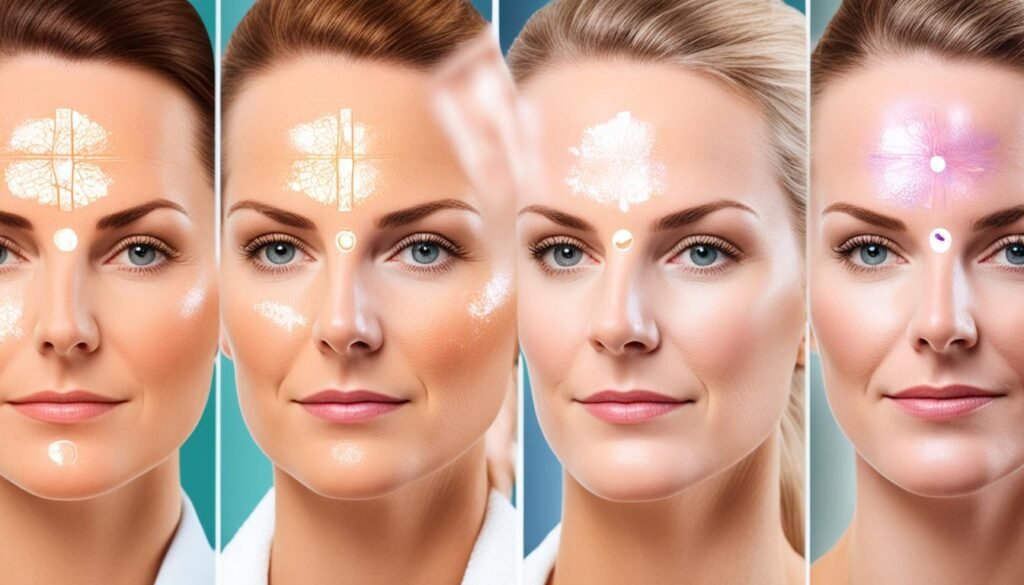
When it comes to treating sun damaged skin, there are several types of laser treatments available. These treatments target specific skin concerns and vary in their approach and effectiveness. Let’s explore the different types of laser treatments for sun damaged skin:
Ablative Lasers
Ablative lasers, such as the CO2 laser and the erbium laser, are commonly used for skin resurfacing. They work by vaporizing the superficial layer of skin cells, creating controlled wounds that stimulate collagen production and promote skin rejuvenation. Ablative lasers are effective in reducing wrinkles, fine lines, and age spots. However, they require a longer recovery period and often have more downtime compared to other laser treatments.
Non-Ablative Lasers
Non-ablative lasers, like the PicoSure laser and the pulsed dye laser, target deeper layers of the skin without damaging the surface. These lasers work by breaking apart pigmented cells and stimulating collagen production. Non-ablative lasers are effective in improving skin texture, reducing pigmentation issues, and minimizing the appearance of wrinkles. They usually have a shorter recovery period and minimal downtime.
Fractionated Lasers
Fractionated lasers use a technique that creates microscopic columns of injury in the skin, leaving healthy tissue in between. This fractional approach allows for quicker healing and reduces downtime compared to traditional ablative lasers. Fractionated lasers are beneficial for improving skin texture, reducing scars, and addressing pigmentation concerns.
Intense Pulsed Light (IPL) Therapy
Intense pulsed light (IPL) therapy utilizes broad-spectrum light to target various skin concerns, including sun damage and pigmentation issues. IPL treatments can improve the appearance of sun spots, fine lines, and vascular lesions. This non-invasive treatment option is suitable for individuals with lighter skin tones.
Here is a table summarizing the different types of laser treatments for sun damaged skin:
| Laser Treatment | Description | Targeted Concerns | Recovery Time |
|---|---|---|---|
| Ablative Lasers (CO2, Erbium) | Vaporize superficial skin cells, stimulating collagen production | Wrinkles, fine lines, age spots | Longer recovery, more downtime |
| Non-Ablative Lasers (PicoSure, Pulsed Dye) | Target deeper layers of the skin, stimulate collagen production | Skin texture, pigmentation issues, wrinkles | Shorter recovery, minimal downtime |
| Fractionated Lasers | Create microscopic cuts between columns of healthy tissue | Scars, skin texture, pigmentation concerns | Quicker healing, reduced downtime |
| Intense Pulsed Light (IPL) Therapy | Uses broad-spectrum light to target sun damage and pigmentation issues | Sun spots, vascular lesions, fine lines | Minimal recovery, suitable for lighter skin tones |
Each type of laser treatment has its own benefits and considerations. The choice of laser treatment depends on an individual’s specific needs, skin condition, and desired outcome. It’s essential to consult with a qualified healthcare professional to determine the most suitable laser treatment for sun damaged skin.
What to Expect During Laser Skin Treatments
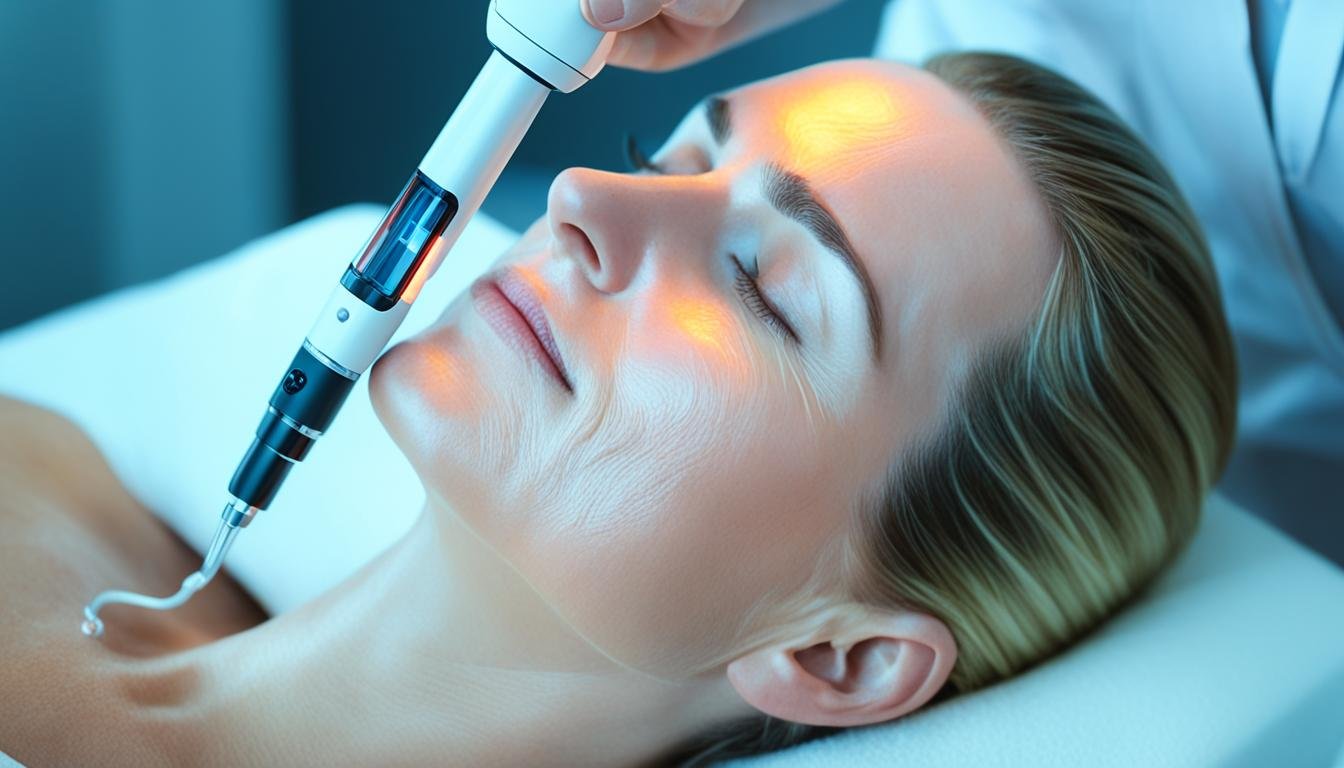
Laser skin treatments are a common procedure performed by qualified dermatologists or skincare professionals. During the treatment process, several factors come into play, including anesthesia, pain level, duration, and potential side effects.
Treatment Process
Before starting the laser skin treatment, a topical or local anesthesia may be applied to minimize any discomfort. This ensures a more comfortable experience for the patient during the procedure. The anesthesia options will be discussed with the healthcare professional, who will recommend the most appropriate type for the specific treatment being performed.
Pain Level
The pain level experienced during laser skin treatments is generally mild. Patients may feel a sensation similar to the snapping of a rubber band against the skin. Any discomfort can be managed with the use of anesthetic creams or cooling techniques. Individual pain tolerance may also vary.
Duration
The duration of laser skin treatments depends on the specific laser being used and the area being treated. Treatments can range from a few minutes to over an hour. Your healthcare professional will provide an estimate of the treatment duration during the initial consultation.
Side Effects
After a laser skin treatment, patients may experience some common side effects, including redness, swelling, or tenderness in the treated area. These side effects typically subside within a few days. In rare cases, more severe side effects may occur, such as blistering or changes in skin pigmentation. It is important to discuss potential side effects with your healthcare professional before undergoing the procedure.
Below is a table summarizing the treatment process, pain level, duration, and potential side effects of laser skin treatments:
| Treatment Process | Pain Level | Duration | Side Effects |
|---|---|---|---|
| Anesthesia may be applied to minimize discomfort | Mild, similar to a rubber band snapping against the skin | Varies depending on the specific laser and treatment area | Common side effects include redness, swelling, and tenderness. Rare side effects may include blistering or changes in pigmentation. |
Please note that the specific details of your laser skin treatment experience may vary depending on your individual circumstances and the recommendations of your healthcare professional.
Recovery and Aftercare

The healing process and aftercare following laser skin treatments are crucial for achieving optimal results and maintaining the health of your skin. The recovery period after treatment can vary depending on the type and intensity of the laser used.
Ablative lasers, such as CO2 and erbium lasers, create controlled wounds on the skin’s surface to stimulate collagen production and skin rejuvenation. As a result, they typically require a longer downtime for the wounds to heal.
In contrast, non-ablative lasers and fractionated lasers target deeper layers of the skin without causing significant damage to the surface. These treatments have shorter recovery periods, allowing you to return to your daily activities sooner.
During the healing process, it is essential to follow the aftercare instructions provided by your healthcare professional. This may include:
- Cleaning the treated area gently with a mild cleanser
- Applying ointments or moisturizers recommended by your healthcare professional to keep the skin hydrated and promote healing
- Avoiding direct sun exposure and using a broad-spectrum sunscreen with SPF 30 or higher to protect your skin from harmful UV rays
- Maintaining a consistent skincare routine to nourish and protect your skin
Following these aftercare guidelines will help ensure a smooth healing process and optimize the results of your laser skin treatment.
Benefits and Results of Laser Skin Treatments
Laser skin treatments offer a multitude of benefits for those seeking to rejuvenate and restore their sun damaged skin. These treatments stimulate collagen production, leading to improved skin texture, reduced wrinkles, and restored firmness and elasticity.
By targeting pigmentation issues such as sun spots and uneven skin tone, laser treatments can also create a more even and radiant complexion. The results of laser skin treatments are long-lasting, providing patients with lasting improvements in the overall health and appearance of their skin.
To emphasize further, laser skin treatments can:
- Rejuvenate the skin, enhancing its youthful glow
- Improve skin texture, leaving it smoother and more refined
- Reduce the appearance of wrinkles and fine lines
- Evens out skin tone, minimizing pigmentation issues
- Provide long-lasting results that can be maintained with periodic maintenance sessions
These results can greatly enhance one’s confidence and overall well-being, allowing individuals to feel more comfortable and satisfied with their appearance.
“Laser skin treatments are a game-changer in the field of dermatology. The ability to effectively target and treat a variety of skin concerns makes them one of the most sought-after procedures for achieving smoother, brighter, and more youthful-looking skin.”
In the journey towards achieving revitalized skin, laser treatments offer a safe and reliable solution. By promoting collagen production and addressing specific skin issues, laser skin treatments empower individuals to regain control over their appearance and enjoy the benefits of healthy, rejuvenated skin.
Choosing the Right Laser Treatment for Sun Damaged Skin
When it comes to addressing sun damaged skin, choosing the right laser treatment is crucial. There are several factors to consider, including your specific skin condition and treatment goals. Consulting with a qualified healthcare professional who specializes in laser treatments is essential in determining the most suitable option for you. They have the expertise and knowledge to assess your skin type, medical history, and previous treatments, ensuring a personalized approach to your laser treatment journey.
A comprehensive evaluation by the healthcare professional will help determine the best course of action for your unique needs. This includes considering any special considerations for darker skin types, as they may be more prone to pigmentation changes or other adverse effects. By tailoring the laser treatment to your individual circumstances, the healthcare professional can optimize outcomes and minimize potential risks.
| Factors to Consider | Description |
|---|---|
| Skin Condition | Evaluate the specific concerns and areas of sun damage on your skin to determine the most appropriate laser treatment. |
| Treatment Goals | Discuss your desired outcomes with the healthcare professional to ensure the laser treatment aligns with your expectations. |
| Expertise of the Healthcare Professional | Choose a healthcare professional who specializes in laser treatments and has a proven track record of successful outcomes. |
| Skin Type | Consider your skin type, as different lasers may be more suitable for certain skin types and pigmentations. |
| Medical History | Provide your healthcare professional with your complete medical history to ensure the laser treatment is safe and effective for you. |
By taking these factors into account, you can make an informed decision about the right laser treatment for your sun damaged skin. With the guidance of a qualified healthcare professional, you can embark on a laser treatment journey that will help rejuvenate and restore your skin, achieving a healthier and more radiant complexion.
Safety and Considerations
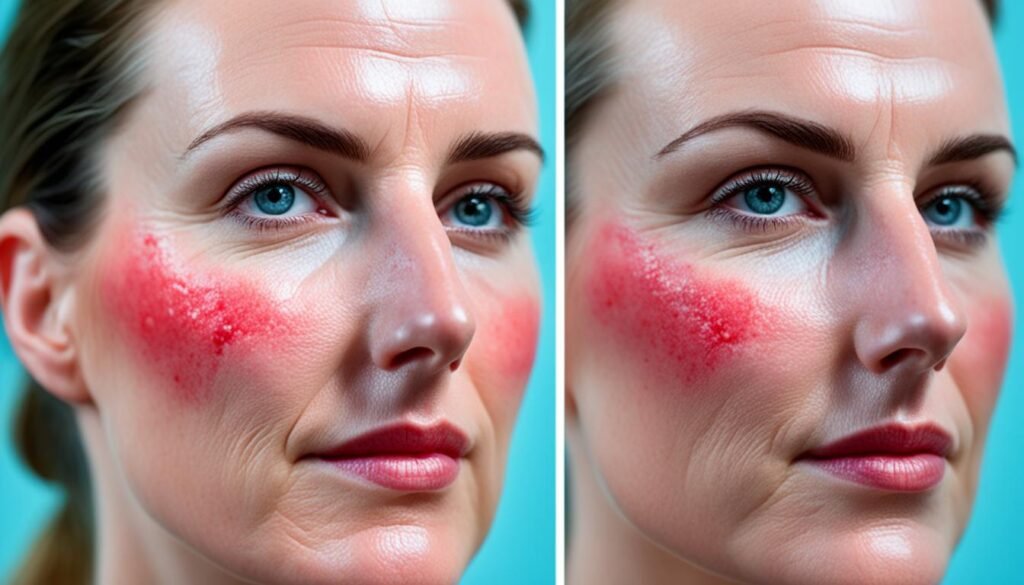
When considering laser skin treatments for sun damaged skin, it is important to understand the potential risks and side effects that may be associated with these procedures. While these treatments are generally safe when performed by qualified healthcare professionals, it is crucial to be aware of the following considerations:
Potential Risks:
- Redness and Swelling: After laser skin treatments, it is common to experience temporary redness and swelling in the treatment area. These effects typically subside within a few days.
- Temporary Hyperpigmentation: Some individuals may experience temporary darkening of the treated skin, known as hyperpigmentation. This usually fades over time.
- Scarring: In rare cases, laser treatments may cause scarring. It is important to choose a reputable healthcare professional with experience in performing laser treatments to minimize this risk.
Qualified Healthcare Professionals:
To ensure the safety and efficacy of laser skin treatments, it is crucial to seek the expertise of qualified healthcare professionals. Dermatologists and skincare specialists who have received proper training and certification in laser procedures are equipped to perform these treatments safely and effectively.
Post-Treatment Care:
Following the completion of a laser skin treatment, it is important to adhere to the post-treatment care instructions provided by the healthcare professional. These instructions may include specific guidelines for cleansing and moisturizing the treated area, as well as recommendations for sun protection and avoiding certain skincare products or activities. By following these instructions, you can minimize the risk of complications and promote optimal healing and results.
It is also essential to disclose any relevant medical history, medications, or allergies to your healthcare professional. This information will help ensure that the laser treatment is tailored to your specific needs and will enhance both its safety and efficacy.
When undergoing laser skin treatments, prioritizing safety and working with qualified healthcare professionals is key to achieving the desired results. By understanding and following the necessary considerations and post-treatment care instructions, individuals can undergo these procedures with confidence, knowing they are in capable hands.
Combination Treatments and Maintenance
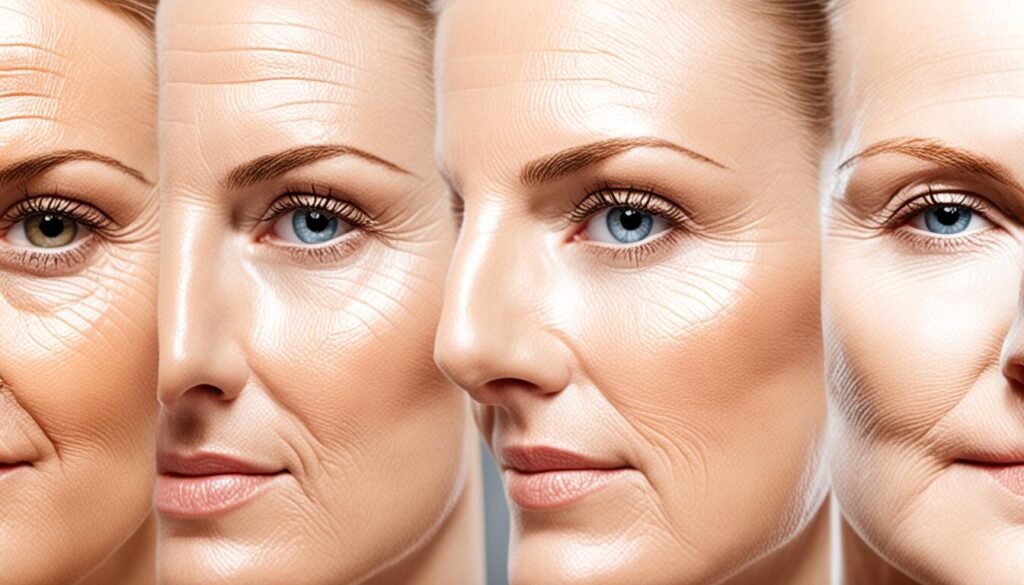
In some cases, achieving optimal results in sun damaged skin requires a combination of laser treatments and other procedures or skincare products. These complementary approaches can enhance the effectiveness of laser treatments and provide comprehensive care for the skin.
One option that may be recommended is the use of chemical peels in conjunction with laser treatments. Chemical peels involve the application of a specialized solution to exfoliate the skin, revealing a fresh, renewed complexion. When combined with laser treatments, chemical peels can further improve skin texture, reduce the appearance of fine lines, and enhance the overall results.
Microneedling is another popular treatment that can be combined with lasers. This procedure involves creating tiny punctures in the skin to stimulate collagen production and promote skin rejuvenation. When used in conjunction with laser treatments, microneedling can enhance collagen synthesis, leading to improved skin texture and a more youthful appearance.
It is also important to incorporate a skincare regimen tailored to the individual’s specific needs and the recommendations of the healthcare professional. This may include the use of topical creams and serums that contain ingredients known for their restorative and rejuvenating properties. These products can help maintain the results achieved through laser treatments and provide ongoing benefits for the skin.
Regular maintenance sessions, as advised by the healthcare professional, are essential for sustaining the desired outcome and minimizing the effects of future sun damage. These sessions can help maintain the optimal health and appearance of the skin, ensuring long-lasting results.
Conclusion
The use of laser skin treatments for sun damaged skin provides a highly effective solution to reverse the signs of aging and improve overall skin health. With the advancement of laser technology, there are now various non-invasive options available that deliver impressive results without extensive downtime.
By consulting with a qualified healthcare professional, individuals can undergo laser skin rejuvenation and resurfacing treatments tailored to their specific needs. These treatments effectively address concerns such as wrinkles, pigmentation problems, and uneven skin texture, resulting in a more youthful and radiant complexion.
To ensure long-lasting results, proper post-treatment care and maintenance are crucial. Following a professional skincare regimen and protecting the skin from further sun damage through the use of sunscreen are essential. With the right approach, laser skin treatments can help individuals achieve healthier and more rejuvenated skin, boosting their confidence and enhancing their overall appearance.
FAQ
What is sun damage and how does it affect the skin?
Sun damage refers to the harmful effects of UV radiation from the sun on the skin. It can lead to collagen breakdown, pigmentation problems, fine lines, wrinkles, and an increased risk of skin cancer.
What types of laser treatments are available for sun damaged skin?
There are various types of laser treatments for sun damaged skin, including ablative lasers (CO2 laser, erbium laser), non-ablative lasers (PicoSure laser, pulsed dye laser), fractionated lasers, and intense pulsed light (IPL) therapy.
What happens during laser skin treatments?
During laser skin treatments, laser energy is delivered to the skin to stimulate collagen production and target specific skin concerns. Depending on the treatment, anesthesia may be used, and mild side effects like redness and swelling may occur temporarily.
What is the recovery like after laser skin treatments?
The recovery period after laser skin treatments varies depending on the intensity of the treatment. Ablative lasers have longer downtime, while non-ablative lasers and fractionated lasers have shorter recovery periods. Proper aftercare, including sun protection and skincare, is essential during the healing process.
What are the benefits of laser skin treatments for sun damaged skin?
Laser skin treatments can improve skin texture, reduce wrinkles, even out skin tone, minimize pigmentation problems, and rejuvenate the skin. The results are long-lasting, and maintenance sessions may be recommended for optimal outcomes.
How do I choose the right laser treatment for my sun damaged skin?
It is important to consult with a qualified healthcare professional who can assess your skin condition and treatment goals. Factors such as your skin type, medical history, and previous treatments will be considered to determine the most suitable laser treatment for you.
Are laser skin treatments for sun damaged skin safe?
Laser skin treatments are generally safe when performed by qualified healthcare professionals. However, there are potential risks and side effects, such as redness, swelling, temporary hyperpigmentation, and scarring. Following post-treatment care instructions is crucial to minimize the risk of complications.
Can laser treatments be combined with other procedures or skincare products?
Yes, in some cases, a combination of laser treatments with other procedures or skincare products may be recommended to achieve optimal results. This may include chemical peels, microneedling, or the use of topical creams and serums.
How long do the results of laser skin treatments last?
The results of laser skin treatments are long-lasting. However, maintenance sessions and a consistent skincare regimen may be necessary to sustain the desired outcome and minimize future sun damage.
Are laser skin treatments effective for improving sun damaged skin?
Yes, laser skin treatments are highly effective for improving sun damaged skin. They can reverse the signs of aging, improve skin texture and tone, reduce wrinkles and pigmentation problems, and restore a more youthful and radiant complexion.