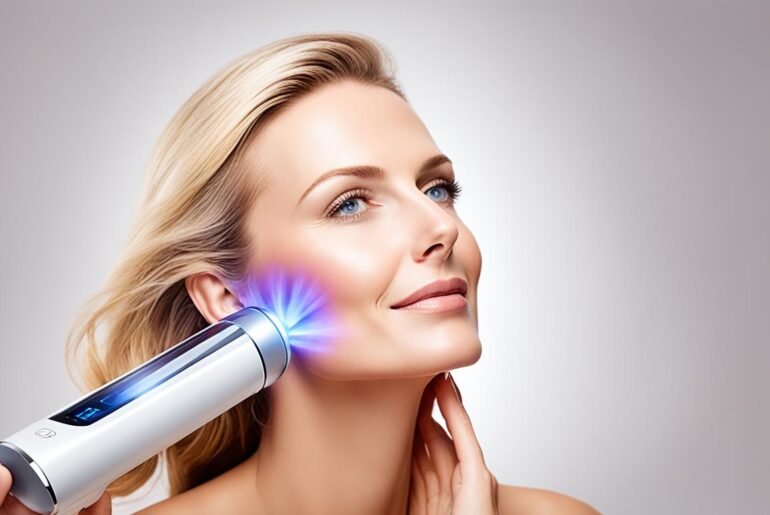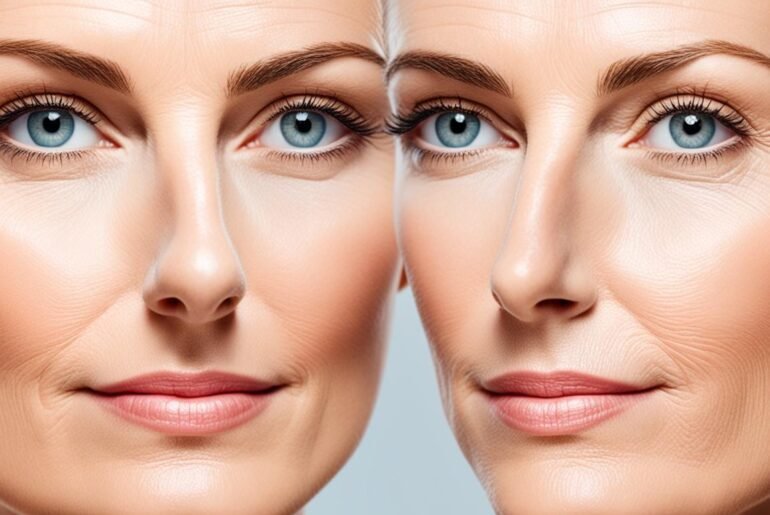

Did you know that laser skin treatments offer a range of options for achieving smoother, more youthful-looking skin? From reducing wrinkles and scars to improving skin texture and rejuvenating the complexion, laser therapy has become a popular non-surgical solution for addressing various skin concerns. With advanced techniques like laser skin resurfacing, you can now achieve remarkable results without invasive procedures or extensive downtime.
Key Takeaways:
- Laser skin treatments provide an effective solution for smoothening and rejuvenating the skin.
- With laser skin resurfacing, you can target wrinkles, scars, and other skin imperfections.
- Different types of lasers cater to specific skin concerns and individual skin types.
- Candidates for laser skin resurfacing should consider factors such as skin tone and specific skin conditions.
- Post-procedure care, including sun protection and moisturization, is crucial for optimal results.
Types of Laser Skin Treatments
Laser skin resurfacing offers a range of treatment options to address various skin concerns. Different types of lasers are used to target specific skin issues and deliver effective results.
CO2 Laser Resurfacing
CO2 laser resurfacing is a popular method that focuses on removing thin layers of skin, promoting collagen production, and reducing the appearance of wrinkles, scars, and other imperfections. This treatment can help improve skin texture and tone.
Erbium Laser Resurfacing
Erbium laser resurfacing is designed to address superficial to moderately deep lines and wrinkles. It gently removes damaged skin cells, stimulates collagen production, and helps in achieving smoother, more youthful-looking skin.
Neodymium Yag Laser
Neodymium Yag laser is an excellent option for individuals with darker skin tones. This laser targets specific skin concerns, such as pigmentation issues and acne scars, while minimizing the risk of post-inflammatory hyperpigmentation.
Pulse-Dye Lasers
Pulse-dye lasers are commonly used to treat skin issues related to blood vessels. These lasers deliver targeted energy to effectively reduce the appearance of vascular lesions, redness, and rosacea, resulting in a more even complexion.
Fractional Lasers
Fractional lasers work by targeting specific areas of the skin, leaving surrounding tissues unaffected. This treatment encourages the growth of new skin cells, reducing the appearance of wrinkles, hyperpigmentation, and acne scars. It is a versatile option that can be customized to each individual’s needs.
IPL (Intense Pulsed Light)
IPL treatments use light energy to target specific colors in the skin, such as brown spots or redness, without damaging the surrounding tissues. This non-invasive procedure is effective in treating a range of skin concerns, including sun damage, hyperpigmentation, and vascular issues.
Each type of laser treatment has its own set of benefits and considerations. To determine the most suitable laser treatment for your unique skin concerns, consult with a qualified dermatologist who can provide expert guidance.
Candidates for Laser Skin Resurfacing
Laser skin resurfacing is an effective treatment for individuals with various skin concerns. It can address a wide range of issues, including fine lines, wrinkles, acne scars, sun-damaged skin, and birthmarks. However, several factors may affect a person’s candidacy for this procedure.
Firstly, individuals with excessive or sagging skin may not be ideal candidates for laser skin resurfacing. In such cases, other alternative treatments like surgical procedures might be more suitable. Additionally, people with deep wrinkles or active acne may not achieve the desired results from laser resurfacing alone.
Pregnant or breastfeeding women are usually advised to postpone laser treatments, as the effects of the procedure on the fetus or infant are not yet fully known. Similarly, individuals with a weakened immune system may also be advised against laser skin resurfacing due to the potential risk of complications.
Moreover, skin tone can play a role in determining candidacy. People with deeper skin tones may have a higher risk of hyperpigmentation or hypopigmentation after laser treatments. It’s crucial to consult with a dermatologist who will evaluate your specific skin concerns and determine if laser resurfacing is the appropriate treatment option.
The Fitzpatrick scale, a classification system used to assess skin types, can help determine the risk of skin damage and skin cancer. The scale considers factors such as skin’s reaction to sunlight, tendency to tan or burn, and genetic background. By assessing your skin type on the Fitzpatrick scale, a dermatologist can consider the risk of skin cancer and tailor the treatment accordingly.
Ultimately, a thorough evaluation performed by a qualified dermatologist is necessary to determine if laser skin resurfacing is the right option for you. They will consider your specific skin concerns, medical history, and individual characteristics to devise a personalized treatment plan that aligns with your goals and minimizes potential risks.
The Laser Skin Resurfacing Procedure
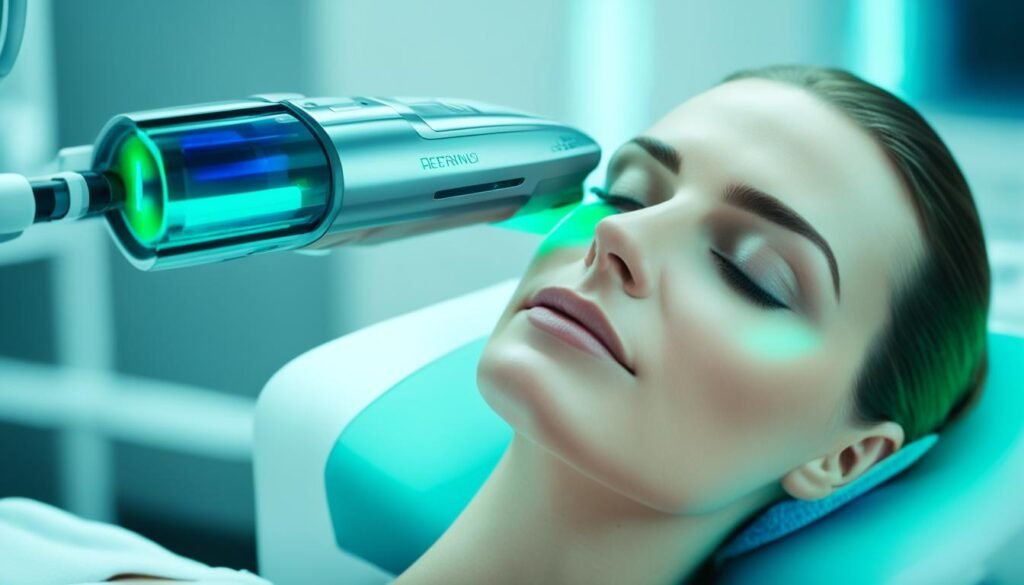
Laser resurfacing is a highly effective outpatient procedure used to improve the appearance of the skin. It can be performed under local anesthesia or general anesthesia, depending on the extent of the treatment and individual preferences.
The procedure involves the use of a laser to precisely remove layers of damaged or problematic skin. This allows for the promotion of new skin cell growth and the stimulation of collagen production, resulting in smoother, more youthful-looking skin.
After the laser skin resurfacing procedure, the treated areas are carefully bandaged to protect the skin and facilitate the healing process. The post-procedure care instructions provided by the dermatologist are crucial for optimizing results and minimizing complications. This may include cleaning the treated areas, applying topical ointments or creams, and avoiding direct sunlight.
The recovery time following laser skin resurfacing varies depending on the individual’s skin type, the extent of the treatment, and the specific laser used. Typically, it takes around 7 to 10 days for the outer layers of the skin to heal and regenerate. However, it may take several weeks for full recovery and for the final results to become apparent.
Laser resurfacing offers significant benefits, including the reduction of wrinkles, fine lines, acne scars, and sun damage. It also improves skin tone and texture, resulting in a more youthful and rejuvenated appearance.
Advantages of Laser Skin Resurfacing:
- Reduces wrinkles and fine lines
- Improves skin texture and tone
- Minimizes the appearance of acne scars and other facial scars
- Diminishes age spots and sun damage
- Stimulates collagen production for firmer, more youthful skin
“Laser resurfacing is a highly precise and effective procedure that can address a wide range of skin concerns. With the use of advanced laser technology, dermatologists can tailor the treatment to meet the unique needs of each patient, resulting in customizable and exceptional outcomes.” – Dr. Sarah Johnson, Board-certified Dermatologist
Post-Procedure Recovery and Side Effects
After undergoing laser skin resurfacing, it is essential to understand the post-procedure recovery process and potential side effects. While laser treatments offer numerous benefits for skin rejuvenation, it is vital to be prepared for the temporary changes and take appropriate measures for a smooth recovery.
Common Side Effects
Following laser skin resurfacing, there are a few common side effects that individuals may experience:
- Swelling: It is normal for the treated area to swell for the first few days after the procedure. This swelling gradually subsides as the skin heals.
- Itching: Itching may occur as the skin recovers. Avoid scratching or rubbing the treated area to prevent any irritation or potential complications.
- Peeling: The treated skin may peel off as part of the healing process. This is a natural occurrence as the old skin makes way for newer, healthier skin cells.
- Skin Lightening: Temporary lightening of the skin in the treated area is common. This lightening occurs due to the removal of the outermost layer of the skin and usually resolves within a few weeks.
Protecting Your Skin
During the recovery period, it is crucial to protect your skin from further damage and ensure optimal healing:
- Sun Protection: Avoid direct sun exposure and use broad-spectrum sunscreen with a high SPF to shield your skin from harmful UV rays. This helps prevent complications and ensures the best results.
- Moisturization: Keeping your skin moisturized is essential during the recovery process. Use gentle, non-irritating moisturizers recommended by your dermatologist to maintain proper hydration and prevent dryness.
Recovery Timeline
The duration of recovery varies depending on the individual and the specific laser treatment. In general, it takes approximately 10 to 21 days for the skin to fully heal. During this time, it is important to follow the post-procedure care instructions provided by your dermatologist.
Possible Risks
While laser skin resurfacing is a safe procedure, there are potential risks that you should be aware of:
- Burns: In rare cases, laser treatments may cause burns. It is crucial to choose an experienced and qualified dermatologist to minimize the risk of this complication.
- Scarring: Although uncommon, scarring may occur after laser skin resurfacing. Adhering to the post-procedure care instructions and proper wound care can significantly reduce this risk.
- Changes in Skin Pigmentation: Laser treatments can sometimes lead to temporary or permanent changes in skin pigmentation. This may include areas of hyperpigmentation or hypopigmentation. Your dermatologist will discuss these risks with you before the procedure.
- Reactivating Herpes Cold Sores: If you have a history of cold sores, laser treatments may stimulate the reactivation of the herpes virus. Inform your dermatologist if you have a history of cold sores to minimize the risk.
- Bacterial Infection: Although rare, there is a small risk of developing a bacterial infection after laser skin resurfacing. Proper wound care and hygiene practices can help prevent this complication.
Understanding the post-procedure recovery process and potential side effects is crucial when considering laser skin resurfacing. By following the recommended aftercare instructions and consulting with a qualified dermatologist, you can minimize risks and maximize the benefits of this innovative procedure.
Benefits and Results of Laser Skin Resurfacing
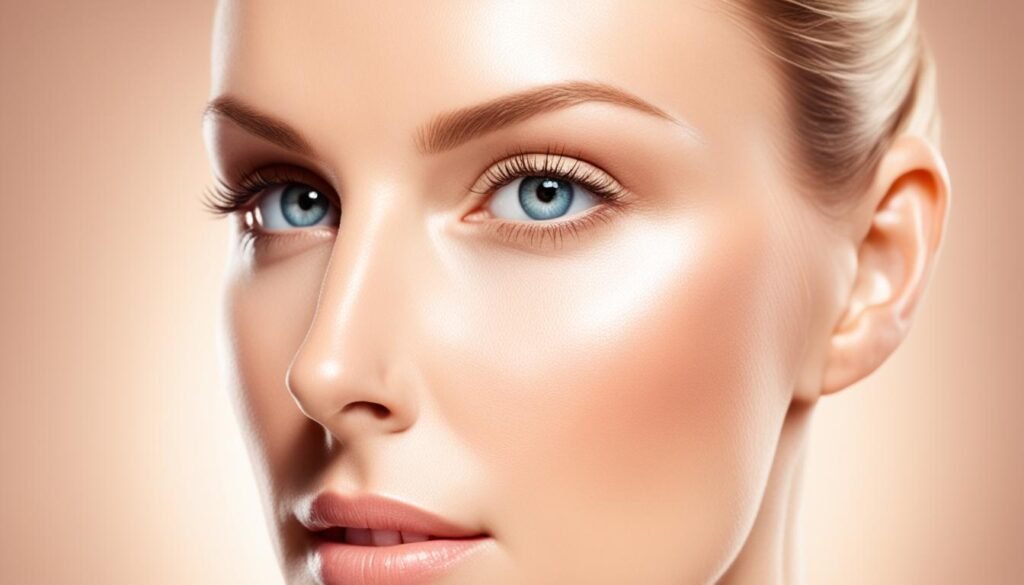
Laser skin resurfacing offers a range of benefits to improve the appearance of your skin. This non-surgical treatment can effectively target skin concerns such as wrinkles, scars, and pigmentation issues. By undergoing laser skin resurfacing, you can enjoy the following advantages:
- Skin Improvement: Laser skin resurfacing can significantly enhance the overall quality and appearance of your skin.
- Wrinkle Reduction: This treatment effectively reduces the appearance of fine lines and wrinkles, helping you achieve smoother and more youthful-looking skin.
- Scar Reduction: Laser skin resurfacing can minimize the visibility of scars, including acne scars, surgical scars, and other types of scars.
- Pigmentation Improvement: If you have pigmentation issues such as sunspots, age spots, or uneven skin tone, laser skin resurfacing can help improve your skin’s pigmentation and achieve a more even complexion.
- Skin Texture Enhancement: Laser skin resurfacing can improve your skin’s texture by reducing roughness, unevenness, and other irregularities, resulting in smoother and more refined skin.
It is essential to have realistic expectations when considering laser skin resurfacing. While this treatment can provide significant improvements, the results may vary depending on individual factors such as skin type and the specific skin concerns being addressed. It is crucial to consult with a qualified dermatologist who can evaluate your unique needs and provide personalized recommendations. Additionally, following the post-procedure care instructions provided by your dermatologist will help optimize your results and ensure a smooth recovery process.
Cost and Insurance Coverage for Laser Skin Resurfacing
The cost of laser skin resurfacing can vary based on factors such as the type of laser used and the extent of the treatment. On average, laser skin resurfacing can range from $1000 to $5000 per session. However, this is just an estimate, and the actual cost can be higher or lower depending on various factors.
Insurance coverage for laser skin resurfacing is often limited as it is considered a cosmetic procedure. Most insurance companies do not cover the expenses related to cosmetic treatments unless they are deemed medically necessary. However, there may be exceptions for specific cases such as scar modification or removal of precancerous growths.
It is essential to consult with your dermatologist and insurance provider to understand the costs and coverage options specific to your situation. They can provide you with detailed information regarding insurance policies and whether any procedures may qualify for coverage.
Although insurance coverage may be limited, many doctors offer financing options to make laser skin resurfacing more affordable. By offering payment plans and financing options, they aim to provide patients with a range of choices to fit their budget.
Financing Options for Laser Skin Resurfacing
When it comes to financing options, you may find the following opportunities available:
- Payment Plans: Many clinics offer payment plans that allow you to pay for the treatment in installments. This can help alleviate the financial burden by spreading out the cost over time.
- Medical Credit Cards: Some patients opt for medical credit cards, which are specifically designed to cover medical expenses. These cards typically offer low or no-interest financing options for a certain period. It’s important to review the terms and conditions associated with these cards before deciding.
- Third-Party Financing: Some healthcare financing companies specialize in providing loans specifically for cosmetic procedures. These companies offer flexible repayment options and competitive interest rates.
When considering financing options, it’s crucial to assess your individual financial situation and choose the option that best suits your needs. Take the time to understand the terms and conditions, interest rates, and repayment schedules associated with each option.
While the cost of laser skin resurfacing may seem daunting, it’s important to remember that the procedure can provide significant benefits and yield long-lasting results. The key is to weigh the potential benefits against the cost and explore financing options to make the procedure accessible for you.
Keep in mind that the cost and insurance coverage for laser skin resurfacing can vary depending on your location and specific circumstances. Consulting with a dermatologist who specializes in laser treatments can provide you with accurate cost estimates and guide you through the financial aspects of the procedure.
AviClear Laser Treatment for Acne

Acne can be a frustrating skin condition that affects many individuals. If you’ve been struggling with acne, you’ll be glad to know that there is an FDA-approved treatment called AviClear that specifically targets this condition. With AviClear, you can say goodbye to mild, moderate, and even severe acne.
AviClear works by targeting the sebaceous glands in the skin, which are responsible for oil production. By reducing oil production and inflammation, AviClear helps to control acne and prevent future breakouts. The treatment is designed to be effective without causing harm to the surrounding tissues.
Whether you’re dealing with cystic acne, hormonal acne, or any other type of acne, AviClear can provide relief. Its FDA-approved status ensures that it has undergone rigorous testing and meets stringent quality standards.
If you’re tired of dealing with acne and want a proven treatment option, consider AviClear. Consult with a dermatologist to determine if AviClear is the right choice for your specific acne concerns. Take control of your skin and regain your confidence with AviClear.
Microdermabrasion for Skin Improvement
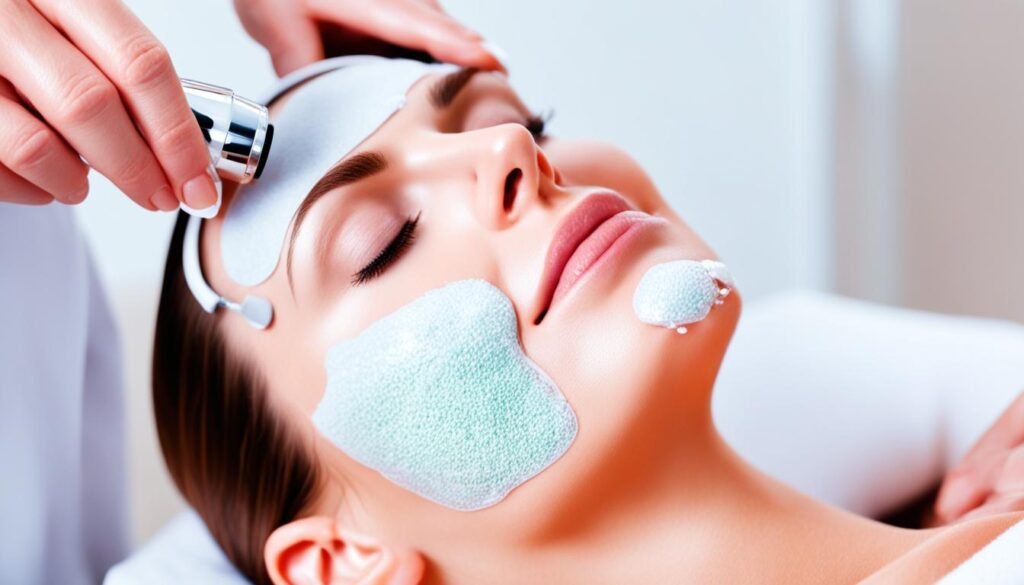
Microdermabrasion is a non-laser resurfacing treatment that has gained popularity as an effective method to improve various skin concerns. By exfoliating the outermost layer of the skin, microdermabrasion helps to address issues such as hyperpigmentation, scarring, enlarged pores, and facial lines. This treatment is suitable for all skin types, providing a gentle yet effective solution to enhance the overall appearance and texture of the skin.
Unlike laser treatments that use focused beams of light, microdermabrasion utilizes a handheld device with a diamond-tipped or crystal-covered wand to manually exfoliate the skin’s surface. By removing dead skin cells, microdermabrasion stimulates the production of new, healthier skin cells, resulting in a smoother and more radiant complexion.
One of the key advantages of microdermabrasion is its minimal downtime. Unlike more invasive treatments, microdermabrasion does not require extensive recovery time, allowing individuals to resume their regular activities immediately after the procedure. This makes it a convenient option for individuals with busy lifestyles who still want to improve their skin without any significant interruption.
The procedure itself is relatively quick and straightforward. A trained professional will gently glide the microdermabrasion device across the skin, carefully removing the outer layer to reveal fresher skin underneath. The duration of the procedure may vary depending on the specific areas being treated and the extent of the skin concerns.
| Benefits of Microdermabrasion | Results of Microdermabrasion |
|---|---|
|
|
While microdermabrasion can provide significant improvements to the skin, it is important to note that multiple sessions may be required to achieve optimal results. The number of sessions will depend on the individual’s specific skin concerns and desired outcome.
“Microdermabrasion is a safe and effective treatment for individuals seeking to improve their skin’s overall appearance. By gently exfoliating the skin and addressing various concerns such as hyperpigmentation, scarring, and facial lines, microdermabrasion can help individuals achieve a smoother and more youthful complexion.”
To determine if microdermabrasion is the right treatment for you, it is recommended to consult with a skincare professional or dermatologist. They will evaluate your skin condition and develop a customized treatment plan tailored to your specific needs and goals. With regular treatments and proper skincare maintenance, microdermabrasion can be a valuable addition to your skincare routine, helping you achieve the skin you desire.
Microneedling for Collagen Production
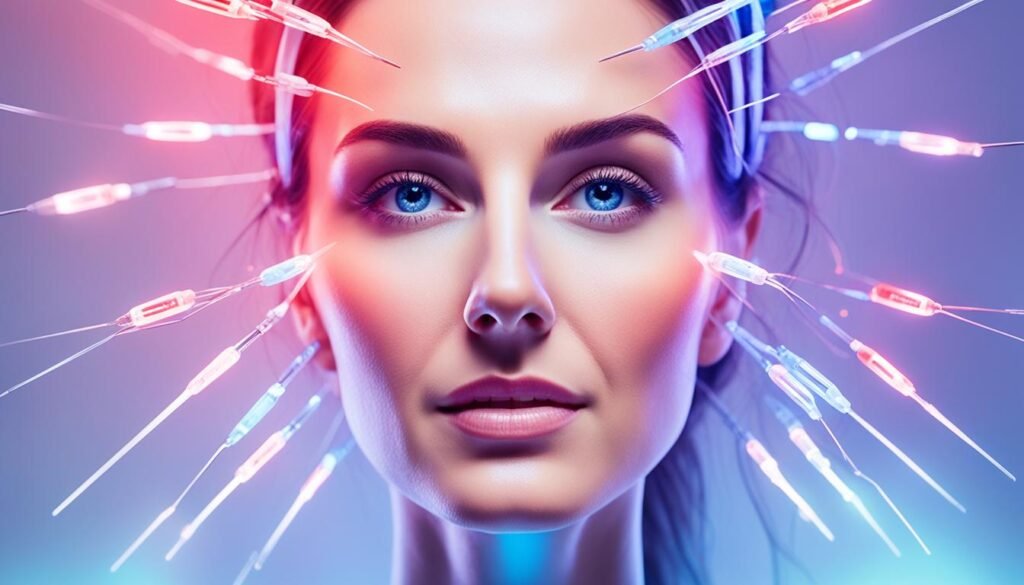
Microneedling is a highly effective treatment that utilizes the power of micro-injuries to stimulate collagen production and improve skin texture. By creating controlled punctures in the skin’s surface, microneedling triggers the body’s natural healing response, leading to the production of new collagen and elastin fibers.
This innovative procedure offers many benefits, including the reduction of fine lines, wrinkles, enlarged pores, and age-related skin damage. Microneedling can also be effective in minimizing the appearance of rosacea, hyperpigmentation, and acne scars.
One popular microneedling device used by dermatologists and skincare professionals is the SkinPen. This FDA-approved device features fine, sterile needles that create precise micro-injuries in the skin, allowing for controlled collagen induction therapy.
Here are some key advantages of microneedling:
- Stimulates collagen production, resulting in firmer and more youthful skin.
- Improves skin texture and overall smoothness.
- Reduces the appearance of fine lines and wrinkles.
- Minimizes the size of enlarged pores.
- Helps fade hyperpigmentation and age spots.
The Microneedling Process
The microneedling procedure begins with the application of a topical numbing cream to ensure a comfortable experience. The SkinPen device is then gently glided over the skin, creating microscopic punctures that activate the body’s natural healing process.
During the treatment, a serum or growth factor solution may be applied to the skin to enhance the effects of collagen induction therapy. This allows for deeper penetration of beneficial nutrients and maximizes the results of the treatment.
Following the procedure, patients may experience mild redness and sensitivity, similar to a sunburn. However, these side effects typically subside within a few days, and most individuals can resume their daily activities immediately after the treatment.
To achieve optimal results, multiple microneedling sessions are usually recommended, spaced several weeks apart. This allows for the gradual improvement and rejuvenation of the skin over time.
| Benefits of Microneedling | Results of Microneedling |
|---|---|
|
|
Overall, microneedling is a safe and effective treatment option for individuals looking to improve their skin’s appearance and texture. Consult with a qualified dermatologist or skincare professional to determine if microneedling is right for you.
Fraxel DUAL and Clear + Brilliant Laser Treatments

When it comes to laser treatments for skin rejuvenation, Fraxel DUAL and Clear + Brilliant stand out as effective options. These advanced laser treatments target common skin concerns such as sun damage, age spots, and skin aging. They are designed to improve skin texture and restore a more youthful appearance.
Fraxel DUAL Laser Treatment
Fraxel DUAL is a powerful laser treatment that delivers remarkable results. It works by targeting specific zones of the skin, penetrating deep into the dermis to stimulate collagen production. This encourages cellular turnover and the growth of new, healthy skin cells. With its precision and versatility, Fraxel DUAL can effectively address a range of skin concerns:
- Reduce sun damage
- Improve the appearance of age spots
- Smoothen acne scars
- Treat actinic keratoses
One of the key advantages of Fraxel DUAL is its relatively faster recovery time compared to other laser treatments. This means less downtime for patients, allowing them to quickly resume their daily activities.
Clear + Brilliant Laser Treatment

Clear + Brilliant is a milder laser treatment that is suitable for individuals looking to address early signs of skin aging and sun damage. It is a gentle yet effective option that targets specific areas of the skin, stimulating collagen production and improving skin texture.
Clear + Brilliant is particularly beneficial for:
- Reducing the appearance of fine lines and wrinkles
- Improving skin tone and texture
- Enhancing overall skin radiance
Multiple sessions may be required for optimal results with Clear + Brilliant, as the treatment works gradually to improve the skin over time.
Both Fraxel DUAL and Clear + Brilliant laser treatments offer patients the opportunity to achieve smoother, more youthful-looking skin. However, as with any medical procedure, it is important to consult with a qualified dermatologist to determine which treatment is best suited to individual needs and goals.
Conclusion
Laser skin treatments provide a wide range of options for addressing common skin concerns, including wrinkles, scars, and pigmentation issues. By evaluating individual factors such as skin type, specific concerns, and desired results, dermatologists can determine the most suitable laser treatment for each patient. It is crucial to consult with a dermatologist to receive personalized advice and create realistic expectations about the results.
Whether it’s laser skin resurfacing, microdermabrasion, or microneedling, these treatment options can help rejuvenate the skin and restore a smoother, more youthful appearance. Laser skin treatments offer customized solutions for each individual, allowing a targeted approach to tackle specific skin concerns.
When considering laser skin treatments, it’s important to remember that results may vary from person to person. The effectiveness of the treatment depends on the severity of the skin concern and other individual factors. Prior to undergoing any laser treatment, it’s essential to undergo a thorough evaluation by a dermatologist to ensure that the selected treatment option is appropriate for your skin type and specific concerns. With the right treatment plan and proper aftercare, laser skin treatments can provide noticeable improvements in skin texture, tone, and overall rejuvenation.
FAQ
What is laser skin resurfacing?
Laser skin resurfacing is a procedure that can help improve the appearance of the skin by reducing wrinkles, scars, and other imperfections. It can be done with different types of lasers, such as CO2 laser, erbium laser, neodymium Yag laser, pulse-dye lasers, fractional lasers, and IPL.
What are the different types of laser skin treatments?
The different types of laser skin treatments include CO2 laser resurfacing, erbium laser resurfacing, neodymium Yag laser, pulse-dye lasers, fractional lasers, and IPL. Each type of laser treatment has its own benefits and considerations.
Who are the ideal candidates for laser skin resurfacing?
Candidates for laser skin resurfacing include individuals with fine lines, wrinkles, acne scars, sun-damaged skin, and birthmarks. However, certain factors may affect candidacy, such as excessive or sagging skin, deep wrinkles, active acne, pregnancy or breastfeeding, a weakened immune system, and deeper skin tone.
What is involved in the laser skin resurfacing procedure?
Laser skin resurfacing is an outpatient procedure that can be done with local anesthesia or general anesthesia, depending on the extent of the treatment. The procedure involves the use of lasers to remove layers of skin or target specific areas.
What are the common side effects and recovery process after laser skin resurfacing?
Common side effects after laser skin resurfacing include swelling, itching, and peeling. The skin may also appear lighter temporarily. Recovery time varies depending on the individual and the type of laser treatment.
What are the benefits and results of laser skin resurfacing?
Laser skin resurfacing can improve the appearance of the skin by reducing wrinkles, scars, and pigmentation issues. It can also enhance skin texture and overall skin quality. The results may vary depending on the individual and the specific skin concern.
How much does laser skin resurfacing cost and is it covered by insurance?
The average cost of laser skin resurfacing varies depending on the type of laser and the extent of the treatment. Insurance coverage for laser skin resurfacing is limited as it is considered a cosmetic procedure. However, there may be exceptions for specific cases. It is important to consult with the doctor and the insurance company to understand the costs and coverage options.
What is AviClear and how does it work for acne treatment?
AviClear is an FDA-approved laser treatment specifically designed to improve mild, moderate, and severe acne. It targets the sebaceous glands in the skin, reducing oil production and inflammation, without causing harm to surrounding tissues.
What is microdermabrasion and how does it improve the skin?
Microdermabrasion is a non-laser resurfacing treatment that exfoliates the skin to improve hyperpigmentation, scarring, enlarged pores, and facial lines. It is suitable for all skin types and requires little to no downtime.
What is microneedling and how does it stimulate collagen production?
Microneedling is a treatment that uses tiny needles to create micro-injuries on the skin, stimulating collagen production and improving skin texture. It can be used to reduce fine lines, wrinkles, enlarged pores, age-related damage, and rosacea. SkinPen is a specific microneedling device commonly used for this treatment.
What are Fraxel DUAL and Clear + Brilliant laser treatments?
Fraxel DUAL is a laser treatment that targets specific zones of the skin to treat sun damage, acne scars, age spots, and actinic keratoses. Clear + Brilliant is a milder laser treatment that improves sun damage, age-related skin concerns, and skin texture.
What should I take into consideration before opting for laser skin treatments?
Before opting for laser skin treatments, it is important to have an individual evaluation with a dermatologist to determine the most suitable laser treatment. Realistic expectations should be set regarding the results.