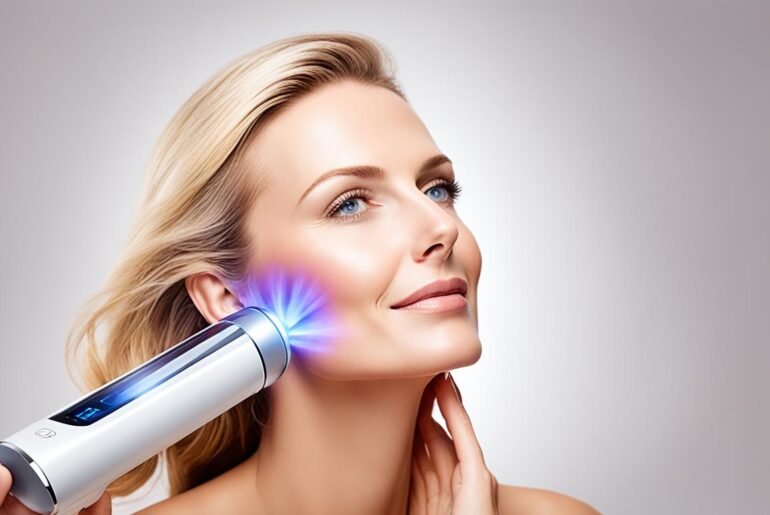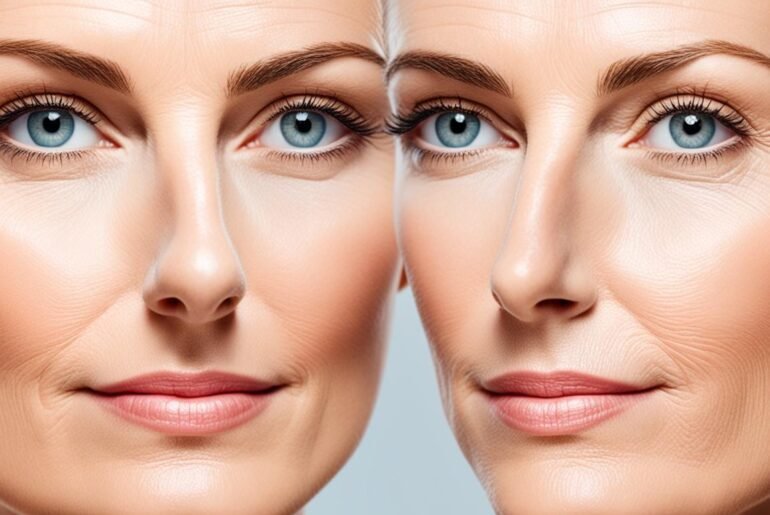
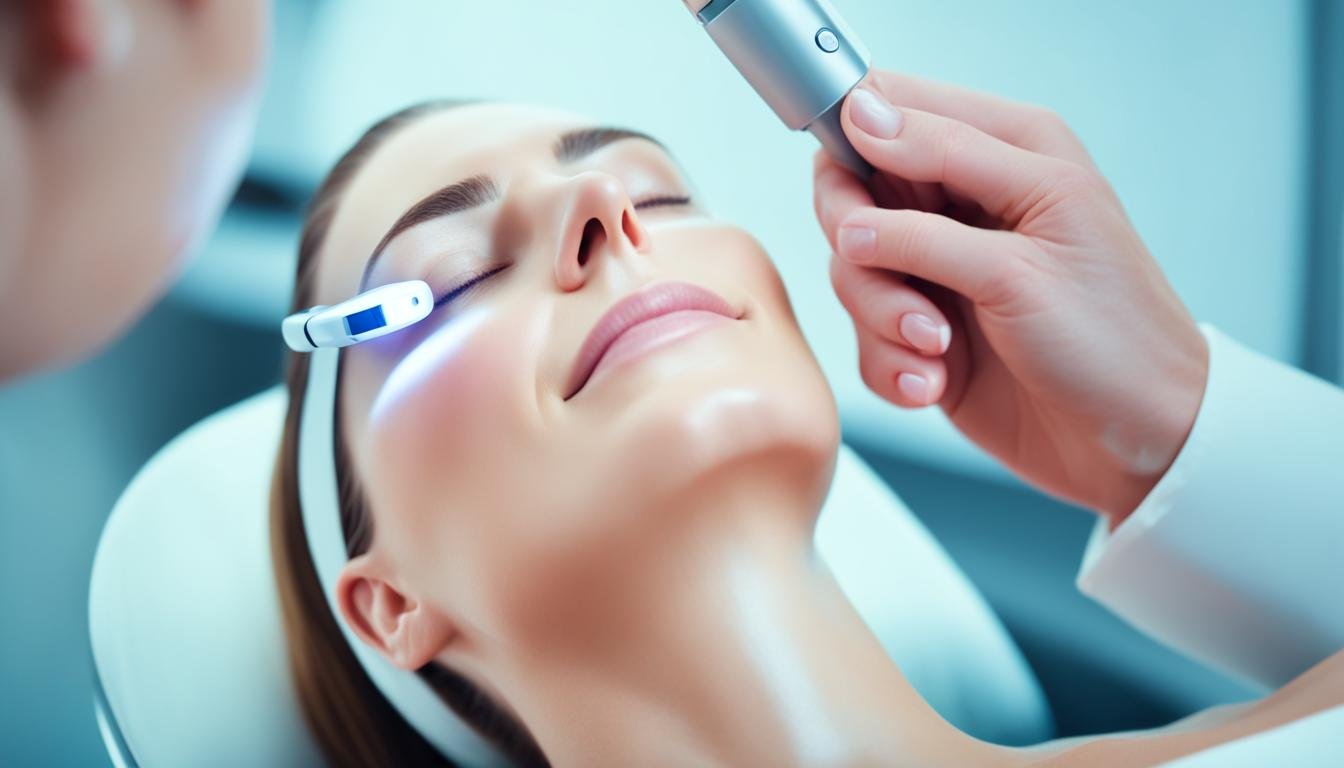
Did you know that laser technology is revolutionizing the field of facial cosmetic surgery? With its non-invasive approach and remarkable results, laser skin treatments have become a go-to solution for those seeking a non-surgical face lift. From skin rejuvenation to facial tightening, laser technology offers a range of options for individuals looking to achieve a more youthful appearance without going under the knife.
Key Takeaways:
- Laser skin treatments provide non-invasive options for face lifting and rejuvenation.
- These treatments utilize advanced laser technologies to target specific skin issues and stimulate collagen growth.
- Advantages of laser technology include shorter recovery time and lower cost compared to traditional facelift surgery.
- There are different types of laser facial technologies available, such as CO2 laser, erbium laser, neodymium YAG laser, and more.
- Laser skin resurfacing can be an effective solution for fine lines, wrinkles, acne scars, and sun-damaged skin.
Advantages of Laser Technology for Face Lifts
Laser technology offers several advantages for face lifts. The use of laser treatments provides non-invasive options, which means that patients can enjoy the benefits of a face lift without undergoing traditional surgery. This minimizes the risks and complications associated with invasive procedures. Additionally, laser treatments offer a shorter recovery time compared to surgical face lifts. Most laser treatments are non-invasive and require little to no downtime, allowing patients to return to their normal activities sooner.
Another significant advantage of laser technology is its cost-effectiveness. Laser treatments are generally more affordable than surgical procedures. Since laser treatments can be performed by a single professional in a clinic setting, there is no need for an operating facility, which further reduces costs. The cost savings make laser face lifts accessible to a wider range of individuals seeking face rejuvenation.
“Laser technology offers non-invasive, shorter recovery time, and lower cost options for face lifts, making it an attractive choice for those seeking facial rejuvenation.”
Overall, the advantages of laser technology for face lifts are evident in its non-invasive nature, shorter recovery time, and lower cost compared to traditional surgical procedures. Laser treatments provide a safe and effective alternative for individuals looking to enhance their appearance and achieve a more youthful look.
Types of Laser Facial Technologies
When it comes to skin rejuvenation and face lifting, there are various types of laser facial technologies available. These advanced treatments offer effective solutions for targeting specific skin issues and achieving desired results. Let’s explore some of the key laser technologies used in the field:
1. CO2 Laser
The CO2 laser is widely recognized for its ability to address wrinkles, scars, and other skin imperfections. It works by removing thin layers of damaged skin and promoting collagen production, resulting in smoother, rejuvenated skin.
2. Erbium Laser
The erbium laser is another popular laser resurfacing option. It can effectively target fine lines, age spots, and acne scars by gently removing the damaged outer layers of the skin. This laser is often preferred for its precision and ability to minimize downtime.
3. Neodymium YAG Laser
Designed to cater to darker skin tones, the neodymium YAG laser is an effective choice for skin rejuvenation. It can address a wide range of concerns, including pigmentation issues, sun damage, and fine lines without causing excessive damage to the skin.
4. Pulse-Dye Lasers
Pulse-dye lasers are often used to treat skin issues related to blood vessels, such as vascular birthmarks and redness caused by rosacea. These lasers emit a concentrated beam of light that targets the blood vessels without damaging the surrounding skin.
5. Fractional Lasers
Fractional lasers work by delivering tiny, controlled columns of laser energy to the skin, stimulating collagen production and targeting specific skin blemishes and imperfections. These lasers are commonly used for treating acne scars, sun-damaged skin, and uneven skin texture.
6. IPL (Intense Pulsed Light)
IPL treatments use broad-spectrum light to target various skin concerns, including pigmentation issues, sunspots, and fine lines. This non-invasive treatment is known for its versatility and effectiveness in rejuvenating the skin.
Each laser facial technology has its own strengths and benefits, allowing medical professionals to tailor the treatment to individual patients’ needs and skin conditions. Combining these technologies with the expertise of skilled practitioners can help achieve remarkable results in skin rejuvenation and face lifting.
| Laser Technology | Main Applications |
|---|---|
| CO2 Laser | Wrinkles, scars, skin imperfections |
| Erbium Laser | Fine lines, age spots, acne scars |
| Neodymium YAG Laser | Pigmentation issues, sun damage, fine lines |
| Pulse-Dye Lasers | Vascular birthmarks, rosacea |
| Fractional Lasers | Acne scars, sun-damaged skin, uneven texture |
| IPL (Intense Pulsed Light) | Pigmentation issues, sunspots, fine lines |
Candidates for Laser Skin Resurfacing
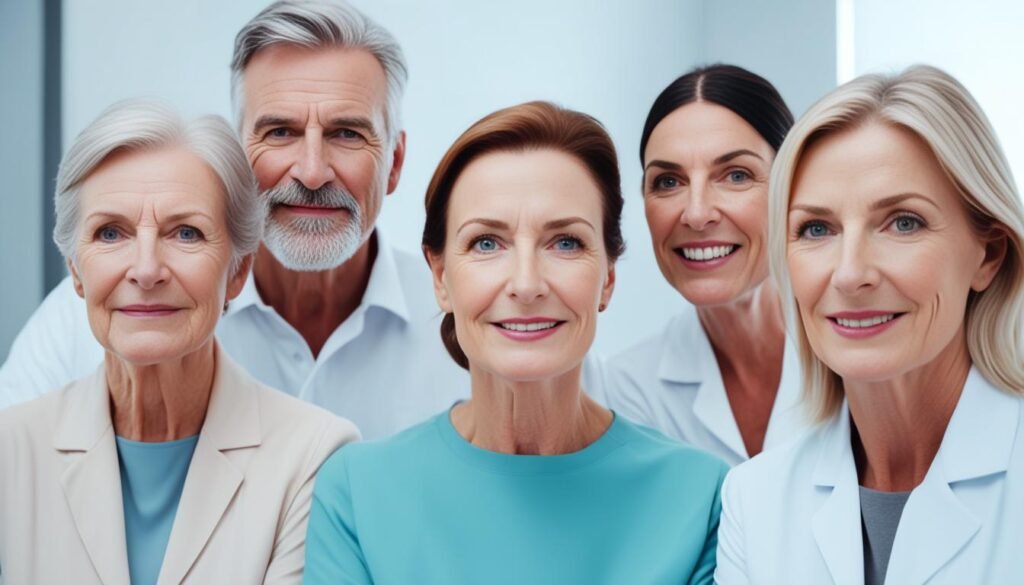
Laser skin resurfacing is a highly effective treatment for addressing various skin concerns, including fine lines, wrinkles, acne scars, sun-damaged skin, birthmarks, and enlarged oil glands. However, it is essential to determine if you are an ideal candidate for this procedure.
Fine Lines and Wrinkles
If you have fine lines and wrinkles on your face, laser skin resurfacing can help rejuvenate your skin and reduce the appearance of these signs of aging.
Acne Scars
Individuals with shallow acne scars can benefit from laser skin resurfacing, as it promotes collagen production, smoothes the skin’s texture, and minimizes the appearance of scars.
Sun-Damaged Skin
Excessive sun exposure can lead to sun-damaged skin, characterized by pigmentation irregularities, rough texture, and uneven tone. Laser skin resurfacing can help restore a more youthful and even complexion.
Birthmarks
Laser skin resurfacing can also aid in reducing the appearance of birthmarks, enhancing your skin’s texture and tone.
Enlarged Oil Glands
If you struggle with enlarged oil glands, laser skin resurfacing can target these areas and reduce oil production, resulting in a smoother and more refined complexion.
It is important to consult with a professional to assess your eligibility for laser skin resurfacing.
While laser skin resurfacing offers numerous benefits, it is not suitable for everyone. Individuals with excessive or sagging skin, deep wrinkles, active acne, or weakened immune systems may not be suitable candidates for this treatment. Additionally, individuals with darker skin tones may have specific considerations and potential risks associated with laser resurfacing treatments.
By seeking a consultation with a qualified professional, you can determine if laser skin resurfacing is the right choice for achieving your desired results.
How Laser Skin Resurfacing Works
Laser skin resurfacing is an effective procedure that utilizes laser energy to address various skin concerns and promote new collagen growth. By removing damaged skin layers, this treatment helps improve skin texture, reduce wrinkles, and enhance overall skin tone and appearance.
The procedure involves the use of different types of lasers, each targeting specific skin issues and providing distinct results. Let’s take a closer look at some of the commonly used lasers in this procedure:
CO2 Fractional Laser: This laser emits short pulses of high-energy light, targeting deep layers of the skin. It is effective for treating deep wrinkles, scars, and uneven pigmentation.
Erbium Laser: This laser is gentler than CO2 lasers and is often used to treat superficial wrinkles, sun damage, and minor skin imperfections.
Neodymium YAG Laser: Particularly suitable for individuals with darker skin tones, this laser improves skin texture, reduces pigmentation issues, and stimulates collagen production.
Pulse-Dye Lasers: These lasers target blood vessels and are commonly used to treat vascular conditions, such as rosacea and port-wine stains.
Fractional Lasers: These lasers create tiny, controlled micro-injuries in the skin to stimulate collagen production and improve skin texture. They are effective for treating fine lines, mild acne scars, and age spots.
IPL (Intense Pulsed Light): Although not a laser, IPL uses broad-spectrum light to target specific skin concerns, such as pigmentation irregularities and redness.
The actual procedure is typically performed by a skilled plastic surgeon or dermatologist. Depending on the extent of the treatment and individual preferences, local anesthesia or sedation may be administered for optimal comfort during the procedure.
During the treatment, the laser emits precise beams of light that are absorbed by the skin. This process removes damaged skin cells layer by layer, encouraging the growth of new, healthier skin. It also stimulates the production of collagen, a crucial protein that provides firmness and elasticity to the skin.
By harnessing the power of laser energy, this procedure offers significant rejuvenation benefits and can help individuals achieve smoother, younger-looking skin.
Recovery and Aftercare for Laser Skin Resurfacing
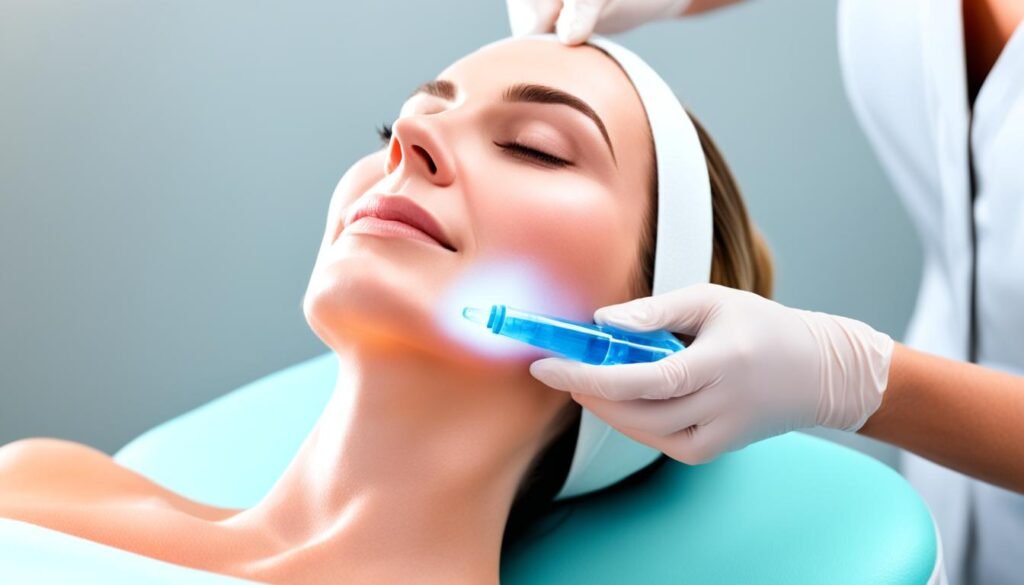
After undergoing laser skin resurfacing, it is important to follow a proper recovery and aftercare routine to ensure optimal healing and minimize potential risks. The recovery time can vary depending on factors such as the individual’s skin type and the type of laser used in the procedure.
During the initial days after the treatment, it is common to experience itching or stinging sensations in the treated area. This is a normal part of the healing process and can be managed with prescribed medications or over-the-counter remedies recommended by your healthcare provider.
Swelling and redness are also common side effects of laser skin resurfacing. To reduce swelling, applying cool compresses to the treated area can provide relief. It is crucial to avoid scratching or rubbing the skin, as this can lead to complications such as infections or scarring.
Quote: “Proper aftercare is crucial to promote healing and minimize potential risks. It is important to protect the treated skin from sun exposure, as it can significantly impact the healing process and potentially cause complications.”
One of the key aspects of aftercare is sun protection. The treated skin is more susceptible to sun damage during the recovery period. It is recommended to apply a broad-spectrum sunscreen with at least SPF 30 or higher every day, even if you are not directly exposed to the sun. Wearing wide-brimmed hats and protective clothing can also provide additional protection.
Moisturizing the treated area is another essential step in the aftercare routine. Keeping the skin hydrated can aid in the healing process and minimize dryness or flakiness. It is recommended to use a gentle moisturizer recommended by your healthcare provider.
Important aftercare tips:
- Avoid direct sun exposure and use a broad-spectrum sunscreen with at least SPF 30
- Apply cool compresses to reduce swelling
- Avoid scratching or rubbing the treated skin
- Follow the prescribed medications or remedies provided by your healthcare provider
- Moisturize the treated area regularly
- Keep follow-up appointments with your healthcare provider to monitor progress and address any concerns
While laser skin resurfacing is generally safe and effective, it is important to be aware of potential risks. These can include burns, scarring, changes in pigmentation, and reactivating cold sores. Following the recommended aftercare routine and closely following your healthcare provider’s instructions can help minimize these risks.
Potential Risks of Laser Skin Resurfacing
| Risks | Details |
|---|---|
| Burns | Excessive heat from the laser can cause burns, which may result in discomfort, pain, or scarring. |
| Scarring | In rare cases, laser skin resurfacing may lead to the formation of scars, which can be permanent. |
| Changes in Pigmentation | The treated area may experience temporary or permanent changes in skin color, such as hyperpigmentation or hypopigmentation. |
| Cold Sore Reactivation | If you have a history of cold sores, laser skin resurfacing may trigger their recurrence. |
By following the recommended recovery and aftercare guidelines, you can help ensure a smooth healing process and achieve optimal results from your laser skin resurfacing procedure.
Results and Longevity of Laser Skin Resurfacing
The results achieved through laser skin resurfacing can vary depending on multiple factors, including the individual’s skin type, the specific laser used, and the targeted skin concerns. Understanding the potential outcomes and longevity of the treatment is crucial for managing expectations and making informed decisions.
Individualized Results
Every person’s skin has unique characteristics and responds differently to laser treatments. The effectiveness of laser skin resurfacing can vary based on factors such as skin elasticity, texture, and the severity of the targeted issues.
When discussing the desired results with your doctor, it’s essential to communicate your expectations clearly, including what areas of the face you want to improve and the specific concerns you hope to address.
By tailoring the treatment to your individual needs, the aesthetic professional can provide personalized recommendations and set realistic expectations for the outcome.
Types of Lasers and Their Longevity
There are different types of lasers used in skin resurfacing procedures, each with its own benefits and longevity. One commonly used laser is the CO2 laser.
The CO2 laser, known for its precision and ability to penetrate deeper layers of the skin, can provide noticeable results that may last up to five years. This laser stimulates collagen production, which helps improve skin texture, reduce wrinkles, and promote a more youthful appearance.
Other lasers, such as erbium laser, neodymium YAG laser, pulse-dye lasers, fractional lasers, and IPL, can also yield significant improvements in skin tone, texture, and overall rejuvenation. The longevity of results may vary depending on the specific laser used and individual factors.
Maintenance Treatments
While laser skin resurfacing can deliver long-lasting results, it’s important to note that maintenance treatments may be necessary to sustain the effects over time. The need for maintenance treatments will largely depend on factors such as the individual’s age, skin condition, and lifestyle habits.
Regular sessions of laser treatments or alternative procedures can help prolong the results achieved through initial resurfacing. These follow-up treatments can effectively address new signs of aging, maintain collagen production, and further enhance the youthful appearance of the skin.
Comparison with Traditional Facelift Surgery
When deciding between laser skin resurfacing and traditional facelift surgery, it’s important to consider the differences in longevity. While laser treatments can provide noticeable improvements, traditional surgical facelift procedures often offer longer-lasting results.
Facelift surgery involves tightening and repositioning the underlying facial tissues, resulting in more significant and comprehensive changes to the overall facial structure.
However, surgical facelifts require a longer recovery period and entail higher costs compared to laser treatments. The decision between these options should be made after a thorough consultation with a qualified plastic surgeon, weighing both the desired results and the associated factors of each procedure.
| Pros and Cons | |
|---|---|
| Laser Skin Resurfacing | Traditional Facelift Surgery |
|
|
Ultimately, the choice between laser skin resurfacing and traditional facelift surgery depends on individual goals, concerns, and preferences. Consulting with a skilled professional will help determine the most suitable approach to achieve the desired outcomes.
Cost of Laser Skin Resurfacing

When considering laser skin resurfacing, one important factor to consider is the cost. The overall cost of the procedure can vary depending on factors such as the location of the clinic, the type of laser used, and any additional procedures included in the treatment plan.
According to the American Society of Plastic Surgeons, the average cost for ablative laser skin resurfacing was about $2,509, while non-ablative laser skin resurfacing was around $1,445 in 2020.
It’s worth noting that insurance coverage for laser skin resurfacing is generally limited to specific medical indications. Therefore, it’s important to consult with your doctor and insurance provider to understand the costs involved and explore any insurance coverage options that may be available.
If the cost of laser skin resurfacing is a concern, there may be financing options available to help you manage the expenses. Some clinics offer flexible payment plans or financing options that allow you to pay for the treatment over time. Be sure to inquire about these options during your consultation.
Average Cost of Laser Skin Resurfacing Procedures:
| Procedure | Average Cost |
|---|---|
| Ablative Laser Skin Resurfacing | $2,509 |
| Non-Ablative Laser Skin Resurfacing | $1,445 |
It’s important to note that these costs are average figures and may vary depending on individual cases and specific treatment plans. The best way to get an accurate estimate for laser skin resurfacing is to schedule a consultation with a qualified professional who can assess your needs and provide you with a personalized cost estimate.
Laser Lift for Facial Skin Tightening
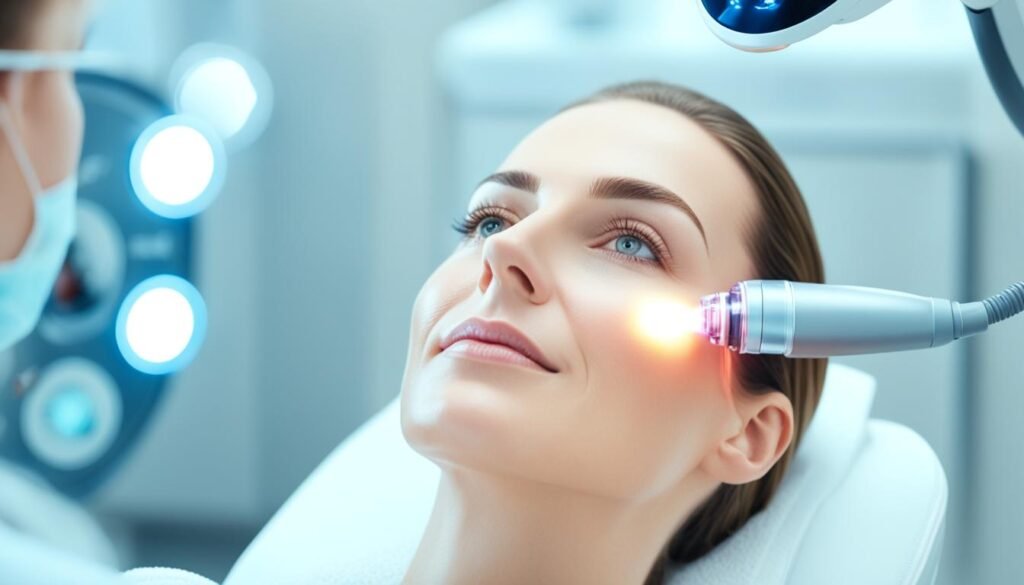
The Laser Lift, also known as LazerLift, is a minimally-invasive procedure that focuses on skin tightening and facial rejuvenation. It lifts the facial skin, restores firmness and youthfulness to the chin area, and smooths wrinkles. The procedure typically takes around 30-45 minutes and can provide a dramatic improvement in appearance, reducing the signs of aging by 10-20 years.
| Benefits of Laser Lift for Facial Skin Tightening | Procedure Details |
|---|---|
|
|
“The Laser Lift is a revolutionary procedure that provides remarkable results with minimal downtime. It is a great option for individuals looking to achieve a more youthful appearance without undergoing invasive surgery.” – Dr. Jennifer Smith, Board-Certified Plastic Surgeon
The Laser Lift Procedure
The Laser Lift procedure utilizes advanced laser technology to tighten the skin and stimulate collagen growth. The laser energy targets specific areas, such as the chin and jawline, to restore firmness and reduce sagging. It is a precise and effective treatment that delivers immediate and long-lasting results.
During the procedure:
- The skin is cleansed and numbed to ensure comfort throughout the process.
- A small incision is made, allowing the laser fiber to be inserted.
- The laser is then applied to the target areas, delivering energy to stimulate collagen production.
- The skin is tightened and smoothed, enhancing facial contours and reducing the signs of aging.
After the procedure, patients can typically return to their daily activities immediately with minimal downtime. The results continue to improve over time as collagen production increases, providing a natural and youthful appearance.
Benefits of Laser Lift
The Laser Lift offers numerous benefits for individuals seeking facial skin tightening and rejuvenation:
- Minimally-invasive: The procedure is performed using small incisions, resulting in minimal scarring and a faster recovery time compared to traditional surgical methods.
- Skin tightening: The laser energy stimulates collagen production, tightening the skin and restoring its elasticity and firmness.
- Facial rejuvenation: The Laser Lift reduces wrinkles, fine lines, and sagging skin, resulting in a more youthful and refreshed appearance.
The Laser Lift is a safe and effective option for achieving facial skin tightening and rejuvenation without the need for invasive surgery. It is crucial to consult with a qualified professional to determine if the Laser Lift is the right procedure for individual needs and desired results.
How Laser Lift Works
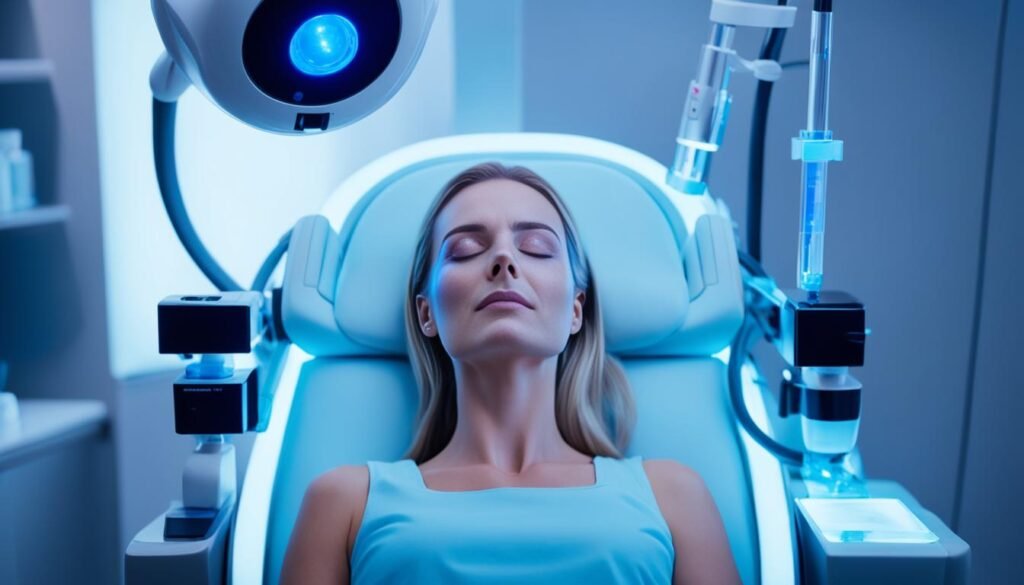
The Laser Lift procedure utilizes advanced laser technology, specifically the PrecisionTx side-firing laser fiber. This fiber is used to tighten the skin by stimulating collagen growth. Unlike traditional facelift procedures, Laser Lift is minimally-invasive, resulting in near-zero recovery time. The benefits of the procedure are immediate, providing a tighter chin and face without the need for surgery.
Laser Lift is a groundbreaking technique that harnesses the power of laser energy to achieve remarkable facial rejuvenation. The PrecisionTx laser fiber targets the underlying layers of the skin, precisely delivering energy to stimulate collagen production. Collagen, a protein responsible for the skin’s structure and elasticity, diminishes with age. By encouraging new collagen growth, Laser Lift helps tighten and firm the skin, resulting in a more youthful appearance.
This minimally-invasive procedure offers numerous advantages over traditional facelift surgery. As it does not involve surgical incisions, Laser Lift eliminates the risks associated with anesthesia, scarring, and lengthy downtime. The procedure is performed under local anesthesia, ensuring maximum comfort for patients without the need for general sedation.
The immediate benefits of Laser Lift are truly remarkable. Patients can expect to see a tighter chin and face immediately after the procedure, with continuous improvement in the following weeks as collagen production continues. The outcomes are natural-looking and provide long-lasting results, with patients enjoying a more youthful and rejuvenated appearance.
Laser Lift is a game-changer in the world of facial rejuvenation, offering patients a minimally-invasive alternative to traditional facelift surgery. The precision and effectiveness of the PrecisionTx laser fiber make it a powerful tool for achieving skin tightening and collagen stimulation. With near-zero recovery time and immediate benefits, Laser Lift provides an excellent option for individuals seeking a non-surgical facelift procedure.
Combining Laser Lift with CO2 Laser
Combining Laser Lift with CO2 Fractional Laser treatment is an innovative approach in facial rejuvenation, often referred to as a “No-Cut Face-lift” or “Laser Face-lift.” This combination treatment offers a powerful solution for those seeking a non-surgical alternative to traditional facelift procedures.
The CO2 Fractional Laser works externally to smooth and tighten the skin, addressing concerns such as fine lines, wrinkles, and uneven texture. It uses targeted laser technology to stimulate collagen production and promote skin renewal, leading to a more youthful visage.
Simultaneously, the Laser Lift treatment targets the deeper layers of the skin, providing internal skin tightening. By utilizing state-of-the-art PrecisionTx laser fiber, this minimally-invasive procedure stimulates collagen growth from within, resulting in a firmer and more lifted appearance.
By combining these two highly effective treatments, patients can enjoy a comprehensive and harmonious rejuvenation of their facial features. The CO2 Fractional Laser and Laser Lift work hand-in-hand to create a dramatic difference in the overall appearance, offering complete correction without the need for major surgery.
With the combined power of the CO2 Fractional Laser and Laser Lift, patients can achieve remarkable results. The CO2 Fractional Laser improves the skin’s texture and tone, while the Laser Lift tightens and lifts sagging skin, producing a natural and youthful outcome.
This innovative combination treatment allows individuals to avoid the risks and downtime associated with traditional surgical facelift procedures. Furthermore, it provides a more affordable alternative to surgery, making facial rejuvenation accessible to a wider range of individuals.
To determine if the combination of Laser Lift with CO2 Fractional Laser is right for you, it is essential to consult with a board-certified professional. They can assess your unique needs and goals, creating a customized treatment plan that will help you achieve the most satisfying and long-lasting results.
Conclusion
Laser skin treatments offer a wide range of non-invasive options for face lifting and rejuvenation. These cutting-edge treatments utilize advanced laser technologies to target specific skin issues, stimulate collagen growth, and tighten the skin, resulting in a more youthful appearance. The advantages of laser skin treatments include shorter recovery time and lower cost when compared to traditional facelift surgery.
By consulting with a qualified professional, individuals can determine the most suitable laser treatment for their individual needs and desired results. Whether it’s laser resurfacing, laser facial rejuvenation, or the innovative Laser Lift procedure, these non-invasive options offer transformative results and improved confidence in one’s appearance.
With laser skin treatments, individuals can achieve a refreshed and revitalized look without the need for extensive surgery or downtime. By harnessing the power of laser technology, these treatments provide immediate benefits, tightening and rejuvenating the skin to restore a youthful glow. Say goodbye to wrinkles, sagging skin, and other visible signs of aging, and embrace the non-invasive path to a more youthful, vibrant, and confident you.
FAQ
What are the advantages of laser technology for face lifts?
Laser technology offers advantages such as shorter recovery time and lower cost compared to traditional facelift procedures. Laser treatments are non-invasive and require minimal downtime.
What types of laser facial technologies are available?
There are various types of laser facial technologies, including CO2 laser, erbium laser, neodymium YAG laser, pulse-dye lasers, fractional lasers, and IPL. Each type targets specific skin issues and provides desired results.
Who are suitable candidates for laser skin resurfacing?
Laser skin resurfacing is suitable for individuals with fine lines, wrinkles, shallow acne scars, sun-damaged skin, birthmarks, and enlarged oil glands. However, individuals with excessive or sagging skin, deep wrinkles, active acne, weakened immune systems, or darker skin tones may not be suitable candidates due to specific considerations and potential risks.
How does laser skin resurfacing work?
Laser skin resurfacing works by using laser energy to remove skin layers and stimulate new collagen growth. Different types of lasers are used to target specific skin issues and provide the desired results. The procedure is typically performed by a plastic surgeon or dermatologist and may require local anesthesia or sedation.
What is the recovery and aftercare for laser skin resurfacing?
The recovery time for laser skin resurfacing varies, and it is common to experience itching, stinging, swelling, and redness for several days after the procedure. Cool compresses and prescribed medications can help manage these symptoms. It is important to protect the treated skin from the sun and use a broad-spectrum sunscreen. Proper aftercare, including moisturizing, can promote healing and minimize potential risks.
What are the results and longevity of laser skin resurfacing?
The results of laser skin resurfacing can vary depending on the individual, the type of laser used, and the targeted skin issues. Some lasers can provide measurable results for up to five years, but regular maintenance treatments may be recommended. Traditional facelift surgery is considered to have longer-lasting results compared to laser treatments.
What is the cost of laser skin resurfacing?
The cost of laser skin resurfacing can vary depending on factors such as location, type of laser used, and additional procedures included. The average cost for ablative laser skin resurfacing was about $2,509, while non-ablative laser skin resurfacing was around $1,445 in 2020. Insurance coverage for laser skin resurfacing is generally limited to specific medical indications, so consulting with the doctor and insurance provider is advisable.
What is the Laser Lift for facial skin tightening?
The Laser Lift, also known as LazerLift, is a minimally-invasive procedure that focuses on skin tightening and facial rejuvenation. It lifts the facial skin, restores firmness and youthfulness to the chin area, and smooths wrinkles. The procedure provides a dramatic improvement in appearance, reducing the signs of aging by 10-20 years.
How does Laser Lift work?
The Laser Lift procedure utilizes advanced laser technology, specifically the PrecisionTx side-firing laser fiber. This fiber is used to tighten the skin by stimulating collagen growth. Unlike traditional facelift procedures, Laser Lift is minimally-invasive, resulting in near-zero recovery time. The benefits of the procedure are immediate, providing a tighter chin and face without surgery.
Can Laser Lift be combined with CO2 laser?
Yes, combining Laser Lift with CO2 Fractional Laser treatment is often referred to as a “No-Cut Face-lift” or “Laser Face-lift.” This combination treatment offers a powerful solution for facial rejuvenation without the need for traditional surgical procedures. The CO2 Fractional Laser smooths and tightens the skin from the outside, while the Laser Lift tightens the skin from the inside, creating a dramatic difference in appearance.
What are the non-invasive options for face lifting and rejuvenation?
Laser skin treatments offer non-invasive options for face lifting and rejuvenation. These treatments utilize advanced laser technologies to target specific skin issues, stimulate collagen growth, and tighten the skin. They provide advantages such as shorter recovery time, lower cost compared to traditional facelift surgery, and immediate benefits. Consulting with a qualified professional is important to determine the most suitable laser treatment for individual needs and desired results.