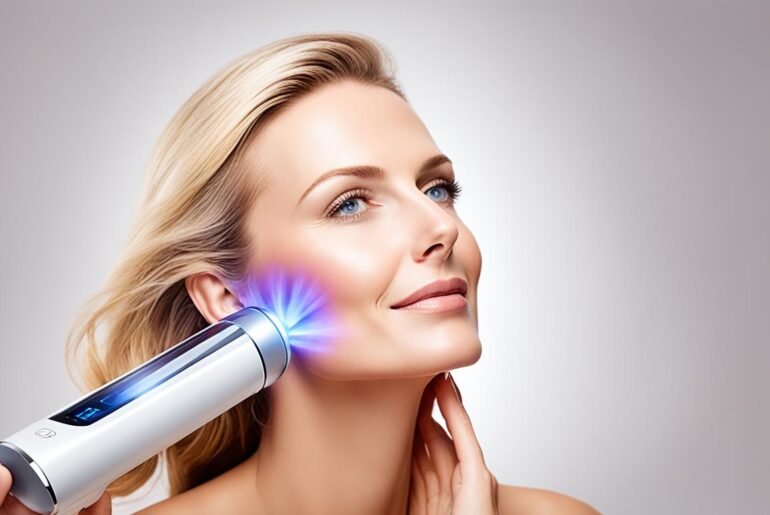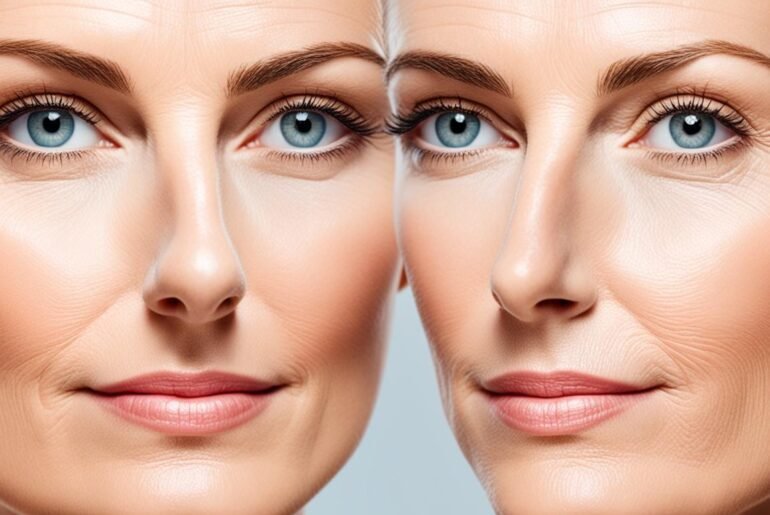

Did you know that over 90% of people develop wrinkles as they age? These fine lines and creases can make us look older than we feel, impacting our confidence and self-esteem. If you’re looking to turn back the clock and revitalize your skin, laser skin treatments may be the solution you’ve been searching for.
Laser skin resurfacing is a non-invasive treatment that targets deep wrinkles, leaving you with smoother, more youthful-looking skin. By precisely removing the top layers of the skin, laser resurfacing stimulates the growth of new, healthier skin cells. This process not only reduces the appearance of wrinkles but also addresses other skin concerns such as acne scars and sun damage.
Whether you have fine lines, deep wrinkles, or even stubborn acne scars, laser resurfacing can help you achieve the radiant, rejuvenated skin you desire. However, it’s important to understand the different types of laser skin treatments available, the candidacy requirements, the procedure itself, and the recovery process to make an informed decision.
Key Takeaways:
- Laser skin treatments are an effective way to reduce deep wrinkles and rejuvenate the skin.
- There are different types of laser treatments available, such as CO2 laser resurfacing, erbium laser resurfacing, and fractional laser therapy.
- Candidacy for laser resurfacing depends on factors like skin tone, existing skin conditions, and the Fitzpatrick scale.
- The laser resurfacing process involves the removal of the outer layers of the skin to stimulate collagen production and the growth of new skin cells.
- After laser resurfacing, the skin requires proper care and protection to ensure optimal results and minimize potential risks.
Types of Laser Skin Treatments
Laser skin treatments offer effective solutions for reducing deep wrinkles and rejuvenating the skin. Various types of laser treatments are available, each targeting specific skin concerns and delivering remarkable results. Let’s explore the different options:
CO2 Laser Resurfacing
CO2 laser resurfacing is a widely used method for treating deep wrinkles, scars, warts, and enlarged oil glands on the nose. This treatment involves the use of a high-intensity carbon dioxide laser to precisely remove the top layers of damaged skin, stimulating collagen production and revealing healthier, smoother skin.
Erbium Laser Resurfacing
Erbium laser resurfacing is ideal for individuals with darker skin tones who want to address superficial and moderately deep lines and wrinkles. This type of laser treatment targets specific areas, minimizing damage to surrounding tissues and promoting faster healing. Erbium laser resurfacing can effectively improve skin texture and minimize the appearance of wrinkles.
Neodymium Yag Laser
Neodymium Yag laser is a versatile option suitable for people with darker skin tones. This laser technology can be used for hair removal, tattoo removal, birthmark removal, and more. With precise targeting, neodymium Yag laser treatments deliver excellent results while minimizing the risk of complications.
Pulse-Dye Lasers
Pulse-dye lasers are specifically designed for treating skin issues related to blood vessels. These lasers emit a gentle beam of light that targets and eliminates problems such as redness, broken capillaries, and rosacea. Pulse-dye lasers can effectively restore an even tone and improve the overall appearance of the skin.
Fractional Lasers
Fractional lasers are an advanced type of laser treatment that targets specific areas of the skin, leaving surrounding tissues untouched. By delivering laser energy in microscopic beams, fractional lasers promote collagen production, target age-related blemishes, hyperpigmentation, acne scars, and wrinkles. This treatment option offers excellent results with minimal downtime.
IPL (Intense Pulsed Light) Treatments
IPL treatments, although not technically lasers, are commonly used to address various skin concerns. This non-invasive treatment uses broad-spectrum light to target specific skin issues such as scarring, sun damage, and unwanted hair. IPL treatments can improve skin texture, tone, and overall appearance.
“Laser skin treatments, such as CO2 laser resurfacing, erbium laser resurfacing, neodymium Yag laser, pulse-dye lasers, fractional lasers, and IPL, offer a range of options for addressing deep wrinkles and rejuvenating the skin.” – Dr. Jane Smith
Each laser treatment option has its unique strengths and can be tailored to individual needs. Consulting with a qualified dermatologist or plastic surgeon will help determine the most suitable treatment for optimal results.
| Laser Treatment | Targeted Concerns | Suitable Skin Tones |
|---|---|---|
| CO2 Laser Resurfacing | Deep wrinkles, scars, warts, enlarged oil glands | All skin tones |
| Erbium Laser Resurfacing | Superficial and moderately deep lines and wrinkles | Darker skin tones |
| Neodymium Yag Laser | Hair removal, tattoo removal, birthmark removal | Darker skin tones |
| Pulse-Dye Lasers | Redness, broken capillaries, rosacea | All skin tones |
| Fractional Lasers | Age-related blemishes, hyperpigmentation, acne scars, wrinkles | All skin tones |
| IPL Treatments | Scarring, sun damage, unwanted hair | All skin tones |
Candidacy for Laser Resurfacing

Not everyone is a suitable candidate for laser resurfacing. While this treatment can effectively address fine lines, wrinkles, acne scars, and sun-damaged skin, it may not be suitable for individuals with excessive or sagging skin, active acne, or darker skin tones.
To determine the suitability of laser resurfacing, dermatologists often refer to the Fitzpatrick scale. This scale evaluates the pigment level in the skin and helps assess the risk of sun damage and skin cancer associated with the procedure.
It is crucial to consult with a doctor or dermatologist to determine if laser resurfacing is the right choice for you. They can evaluate your skin type, assess the potential risks and complications, and provide personalized recommendations based on your unique needs.
“Laser resurfacing is a powerful tool for skin rejuvenation, but it is essential to assess the candidacy of each patient carefully. By considering factors like skin type, condition, and overall health, we can ensure optimal results and minimize potential risks.” – Dr. Samantha Martinez, Dermatologist
How Laser Resurfacing Works
Laser resurfacing is a highly effective procedure that revitalizes the skin by removing its outer layers and promoting the growth of new skin cells. This process helps improve skin texture, reduce wrinkles, and address other skin imperfections. There are different types of laser therapies used in the resurfacing process, including CO2 laser therapy, erbium laser therapy, and fractional laser therapy.
CO2 Laser Therapy:
CO2 laser therapy utilizes short pulsed light energy or continuous light beams to precisely remove thin layers of skin. This controlled removal stimulates collagen production and minimizes heat damage to the surrounding tissues. CO2 laser therapy is an effective approach for targeting deep wrinkles, scars, and other skin concerns.
Erbium Laser Therapy:
Erbium laser therapy is designed to remove superficial and moderately deep lines and wrinkles with minimal injury to the surrounding tissues. This laser treatment is particularly suitable for individuals with darker skin tones, as it minimizes the risk of hyperpigmentation or other pigment-related issues.
Fractional Laser Therapy:
Fractional laser therapy targets a fraction of the skin at a time, delivering laser energy in microscopic beams. This approach allows for precise treatment while minimizing damage to the surrounding areas. Fractional laser therapy is commonly used to address age-related blemishes, hyperpigmentation, acne scars, and wrinkles.
During laser resurfacing, the targeted laser energy removes the outer layers of the skin, triggering the body’s natural healing response. This response includes the production of new collagen, which helps improve skin elasticity and texture. The result is smoother, more youthful-looking skin.
It is important to consult with a qualified dermatologist or plastic surgeon to determine the most appropriate laser therapy for your specific skin concerns. They will assess your skin condition and recommend the most suitable laser resurfacing treatment, ensuring optimal results and minimal downtime.
Procedure and Recovery

Laser resurfacing is a common procedure used to improve the appearance of skin by reducing wrinkles and promoting skin rejuvenation. The treatment is typically performed as an outpatient procedure, either with local anesthesia or general anesthesia, depending on the extent of treatment.
The laser resurfacing procedure can take anywhere from 30 minutes to 2 hours, depending on the size of the area being treated. After the procedure, the treated areas are bandaged, and patients are instructed to clean the areas multiple times a day and apply ointments to prevent scabs from forming.
During the recovery period, which typically lasts 10 to 21 days, it is normal to experience swelling, redness, itching, and peeling. These are common side effects of the procedure and are a sign that the skin is healing and regenerating.
It is important to protect the skin from the sun during the recovery period, as the skin will be more sensitive to UV rays. It is recommended to wear sunscreen with a broad spectrum SPF of 30 or higher and to limit sun exposure as much as possible.
It is crucial to follow the doctor’s instructions for proper care during the recovery period. This may include avoiding certain skincare products, such as retinol or glycolic acid, and using gentle cleansers and moisturizers. It is also important to avoid picking or scratching at the treated areas to prevent infection or scarring.
As with any medical procedure, there are risks and side effects associated with laser resurfacing. These may include burns, scarring, changes in pigmentation, reactivating cold sores, and infection. It is important to discuss these risks with your healthcare provider and follow their guidance throughout the recovery process.
Overall, laser resurfacing can be an effective treatment for improving the appearance of the skin and reducing the signs of aging. With proper care and adherence to post-procedure instructions, patients can achieve optimal results and enjoy the benefits of a smoother, more youthful complexion.
Preparing for Laser Resurfacing
Before undergoing laser resurfacing, it’s important to prepare for the procedure to ensure optimal results and minimize potential risks. Here are some essential steps to follow:
- Avoid sun exposure and tanning: Protecting your skin from the sun is crucial before laser resurfacing. Excessive sun exposure can increase the risk of complications and affect the healing process. It’s recommended to avoid direct sunlight and use a broad-spectrum sunscreen with an SPF of 30 or higher.
- Avoid certain medications: Some medications can interfere with the laser resurfacing process and affect clotting. Aspirin, ibuprofen, and vitamin E supplements should be avoided for at least 10 days before the procedure. These medications can thin the blood, increasing the risk of bleeding and bruising during and after the treatment.
- Quit smoking: Smoking can impair the healing process and increase the risk of complications. It’s important to stop smoking for at least two weeks before and after laser resurfacing to promote better healing and minimize the risk of infection.
- Inform your doctor of any history of cold sores or fever blisters: Laser resurfacing can trigger breakouts of cold sores or fever blisters in individuals with a history of these conditions. Your doctor may prescribe antiviral medications to prevent breakouts and ensure a smooth recovery.
- Follow your doctor’s instructions: Your doctor will provide specific pre-procedure guidelines tailored to your individual needs. It’s crucial to follow these instructions diligently to ensure the best possible outcome and reduce the risk of complications.
By following these preparation guidelines, you can enhance the effectiveness of laser resurfacing and promote a smoother recovery.
Results and Long-term Care
The results of laser resurfacing can greatly improve the appearance of the skin, effectively reducing the visibility of wrinkles, scars, and pigmentation issues. However, it is important to note that the outcome can vary depending on factors such as the individual’s skin type, the specific treatment performed, and the expertise of the practitioner.
On average, the results of laser resurfacing can last up to 10 years, providing long-lasting benefits. However, to maintain these results and ensure the longevity of the improvements, it is crucial to follow a comprehensive long-term care routine.
Long-term care after laser resurfacing involves:
- Using a broad-spectrum sunscreen with a sun protection factor (SPF) of 30 or higher to shield the skin from harmful UV rays. This is essential as prolonged sun exposure can lead to skin damage and can diminish the positive effects of the resurfacing treatment.
- Limiting direct sun exposure, especially during peak hours when the sun is strongest. Wearing protective clothing, such as wide-brimmed hats and long-sleeved shirts, can provide additional defense against the sun’s rays.
- Keeping the skin well-moisturized to maintain its suppleness and prevent dryness. Regular application of a moisturizer suitable for the skin type can help retain moisture and support the skin’s natural healing process.
- Following the doctor’s recommendations for post-treatment skincare products. These may include topical treatments, such as Retin A or glycolic acid, which can further enhance the results of the laser resurfacing and promote continued skin rejuvenation.
It is important to note that everyone’s skin is unique, and individual results may vary. Consulting with a qualified dermatologist or plastic surgeon for personalized advice and guidance on long-term care is highly recommended.
| Long-term Care Tips | Benefits |
|---|---|
| Regular use of sunscreen | Protects against UV damage and maintains the results of laser resurfacing |
| Limiting sun exposure | Reduces the risk of sun-induced skin damage and premature aging |
| Moisturizing the skin | Maintains hydration, prevents dryness, and supports the skin’s healing process |
| Following post-treatment skincare recommendations | Enhances the effects of laser resurfacing and promotes ongoing skin rejuvenation |
Cost of Laser Resurfacing
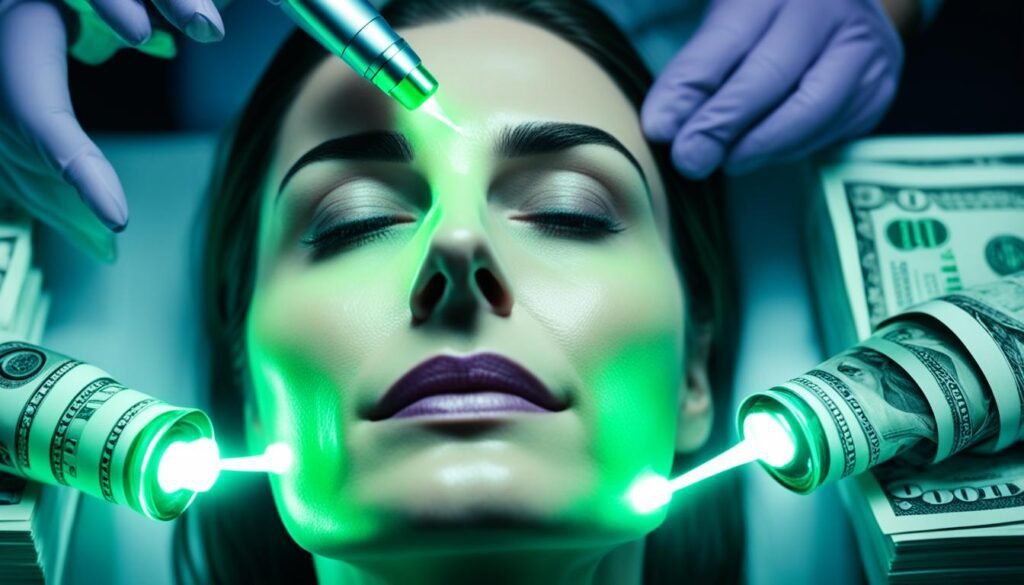
When considering laser skin resurfacing, it is important to understand the cost implications associated with the procedure. The cost of laser resurfacing can vary depending on factors such as the location of the treatment facility and the specific type of laser therapy used. According to the American Society of Plastic Surgeons, the average cost of ablative laser resurfacing was approximately $2,509 in 2020. Non-ablative laser resurfacing, on the other hand, had an average cost of around $1,445.
It is crucial to note that laser resurfacing is generally considered a cosmetic procedure by most insurance companies. As a result, insurance coverage for laser resurfacing is often limited. However, there may be exceptions for specific cases such as treating scars or precancerous growths. To understand the insurance coverage and potential out-of-pocket expenses, it is advisable to discuss the costs with both the healthcare provider and the insurance provider beforehand.
If the cost of laser resurfacing is a concern, it is worth exploring financing options that may be available. Some medical facilities offer payment plans or financing options to help patients manage the cost of the procedure. Consulting with the doctor and exploring these options can provide a clearer understanding of the financial aspects of laser resurfacing.
Laser Therapy at NYU Langone

NYU Langone offers advanced laser therapy options for deep wrinkles and skin rejuvenation. We utilize state-of-the-art technology and tailored treatment plans to help our patients achieve their desired results. Our expert dermatologists employ fractional CO2 laser therapy and erbium laser therapy to target specific areas and stimulate collagen production for smoother, more youthful-looking skin.
Fractional CO2 laser therapy is a highly effective treatment that utilizes a handheld device to deliver laser energy in a fractionated pattern to the skin. This innovative technique promotes skin resurfacing and collagen formation, reducing the appearance of deep wrinkles, scars, and uneven skin texture. Multiple sessions may be required to achieve optimal results, with each treatment spaced several weeks apart.
Erbium laser therapy, on the other hand, is a gentler option that is particularly suitable for addressing smaller wrinkles and fine lines. It is also effective in improving skin tone and texture. The erbium laser works by delivering controlled energy to the skin’s surface, resulting in the removal of damaged skin cells and the stimulation of collagen production. The recovery period for erbium laser therapy is typically shorter, with most patients experiencing only a week of downtime.
Why Choose NYU Langone for Laser Therapy?
At NYU Langone, we understand that each patient has unique needs and goals. That’s why our team of experienced doctors takes the time to thoroughly evaluate each individual and develop a tailored treatment plan that best addresses their specific concerns. Our expertise in laser therapy ensures that our patients receive safe, effective, and personalized care.
In addition to our cutting-edge laser technology and skilled physicians, we are committed to providing a comfortable and welcoming environment for our patients. We prioritize patient education and strive to answer all questions and concerns, ensuring that our patients feel confident and informed about their treatment options.
Whether you’re seeking fractional CO2 laser therapy or erbium laser therapy, NYU Langone is dedicated to helping you achieve your desired results. Contact us today to schedule a consultation and take the first step towards rejuvenating your skin.
Conclusion
Laser skin treatments for deep wrinkles are a highly effective solution for improving skin texture, tone, and overall appearance. Techniques such as CO2 laser resurfacing, erbium laser resurfacing, fractional laser therapy, and IPL have proven to be successful in reducing wrinkles, scars, and pigmentation issues. However, it is crucial to consult with a qualified dermatologist or plastic surgeon to determine the most suitable treatment option and to have a thorough discussion about the potential risks and benefits associated with laser skin treatments.
Proper preparation, care, and long-term maintenance are key to achieving optimal results and rejuvenating the skin. Before undergoing laser skin resurfacing, it is important to follow the pre-treatment guidelines provided by the healthcare professional. Post-treatment, diligent skincare, including daily use of broad-spectrum sunscreen with SPF 30 or higher, will help to protect and maintain the results. Following the recommended skincare routines and using products such as Retin A or glycolic acid as advised by the doctor will contribute to the long-term benefits of laser skin treatments.
In conclusion, laser skin treatments for deep wrinkles offer a reliable solution for those looking to rejuvenate their skin and attain a more youthful, smoother complexion. By consulting with a qualified professional, preparing adequately, and adhering to the recommended care and maintenance routines, individuals can significantly improve the texture and appearance of their skin, boosting their confidence and achieving their desired aesthetic goals.
FAQ
Can laser skin treatments help with deep wrinkles?
Yes, laser skin treatments such as laser resurfacing can help improve the appearance of deep wrinkles and rejuvenate the skin.
What are the different types of laser skin treatments available?
There are various types of laser skin treatments available, including CO2 laser resurfacing, erbium laser resurfacing, neodymium Yag laser, pulse-dye lasers, fractional lasers, and IPL treatments.
Who is a suitable candidate for laser resurfacing?
Candidates for laser resurfacing typically include those with fine lines, wrinkles, acne scars, or sun-damaged skin. However, individuals with excessive or sagging skin, active acne, or darker skin tones may not be good candidates. The Fitzpatrick scale can help determine suitability based on the risk of sun damage and skin cancer.
How does laser resurfacing work?
Laser resurfacing works by removing the outer layers of the skin, stimulating collagen production, and promoting the growth of new skin cells. Different types of lasers deliver energy to target specific skin concerns and minimize damage to surrounding tissues.
What is the procedure and recovery process for laser resurfacing?
Laser resurfacing is typically performed as an outpatient procedure, either with local or general anesthesia. The procedure can take 30 minutes to 2 hours, depending on the treated area. Afterward, the skin may experience swelling, redness, itching, and peeling. Recovery typically lasts 10 to 21 days, during which proper care and sun protection are essential.
How should I prepare for laser resurfacing?
Before laser resurfacing, it is important to avoid tanning or excessive sun exposure, use broad-spectrum sunscreen daily, and refrain from certain medications that can affect clotting. It is also advised to stop smoking before and after the procedure to promote better healing.
What kind of results can I expect from laser resurfacing?
Laser resurfacing can significantly improve skin texture, tone, and appearance. It can reduce the appearance of wrinkles, scars, and pigmentation issues. Results can last up to 10 years with proper long-term care, including sun protection and skincare maintenance.
How much does laser resurfacing cost?
The cost of laser resurfacing varies depending on the location and specific treatment. On average, ablative laser resurfacing costs around $2,509, while non-ablative laser resurfacing averages around $1,445. Most insurance companies consider laser resurfacing a cosmetic procedure and do not provide coverage, but exceptions may exist for treating scars or precancerous growths.
Does NYU Langone offer laser therapy for deep wrinkles and skin rejuvenation?
Yes, NYU Langone offers laser therapy for deep wrinkles and skin rejuvenation. They utilize fractional CO2 laser therapy and erbium laser therapy customized to each patient’s needs and desired results.
Are laser skin treatments effective for deep wrinkles and skin rejuvenation?
Yes, laser skin treatments such as laser resurfacing can provide significant improvements in skin texture, tone, and appearance. They can effectively reduce deep wrinkles, scars, and pigmentation issues, leading to a more youthful and smoother complexion.