Did you know that age spots affect a staggering 90% of people over the age of 60?
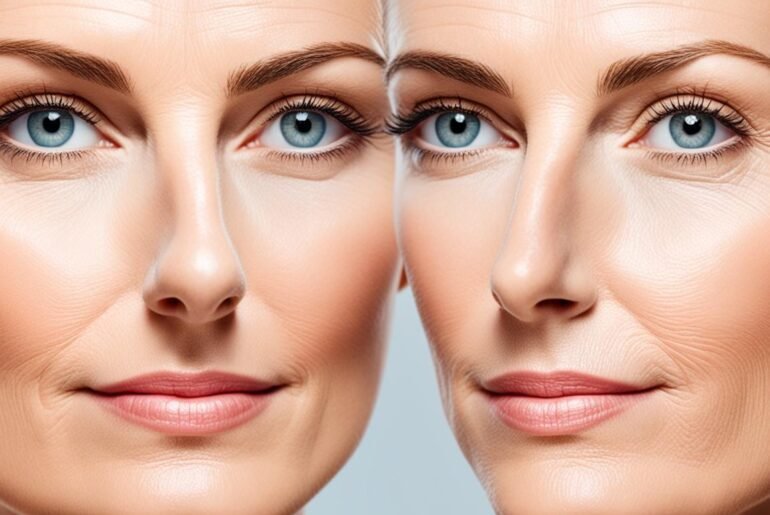
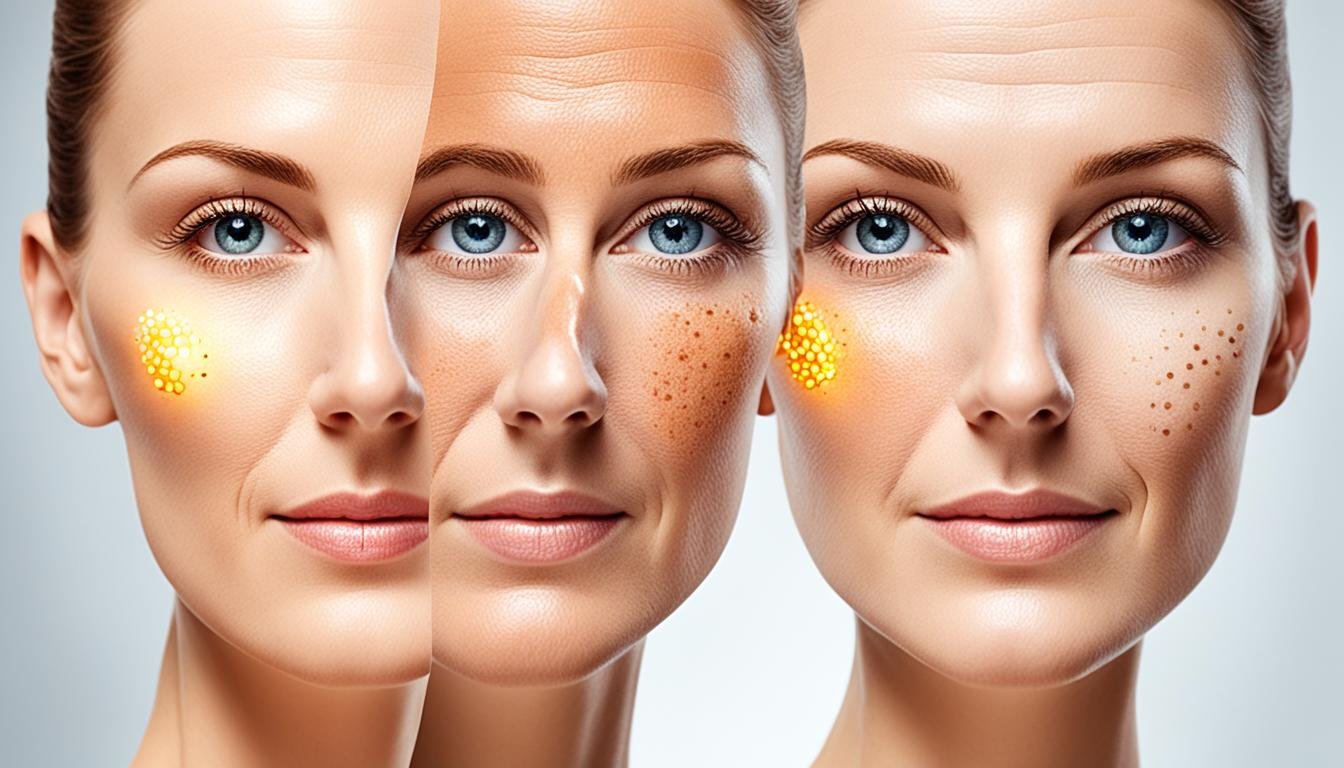
Age spots, also known as liver spots or sunspots, can be a frustrating and noticeable sign of aging. These dark patches of skin commonly appear on the face, hands, shoulders, and other areas exposed to the sun. Fortunately, there are advanced laser skin treatments available to effectively diminish the appearance of age spots and rejuvenate your complexion.
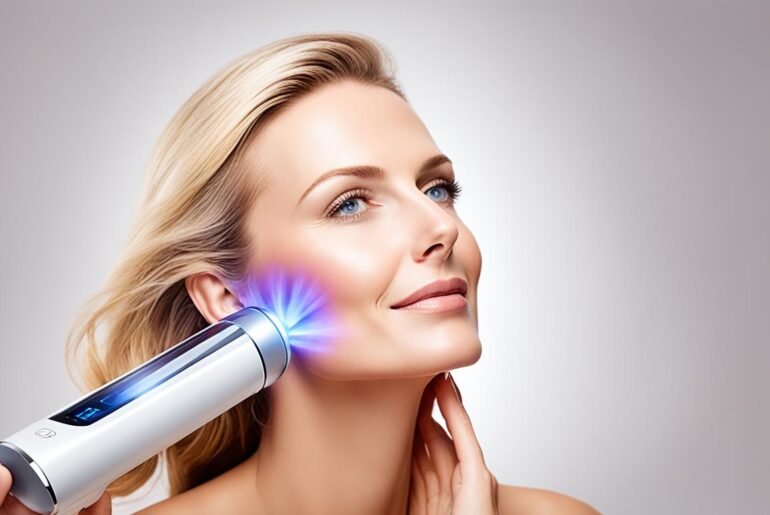
Laser therapy is a popular option for age spot removal as it precisely targets the excess pigmentation in the skin, leaving behind a clear and revitalized complexion. By harnessing the power of laser technology, dermatologists can help fade dark spots and restore a more youthful appearance.
In this comprehensive guide, we will explore various laser skin treatments for age spots, discuss other treatment options, and provide essential tips to maintain long-lasting results. Whether you’re bothered by a few age spots or struggling with widespread hyperpigmentation, laser treatments can help you achieve the flawless complexion you desire.
Key Takeaways:
- Laser skin treatments offer effective solutions for age spot removal and skin rejuvenation.
- Laser therapy targets excess pigmentation and helps fade age spots, revealing a more youthful complexion.
- Other treatment options, such as creams, cryosurgery, and microdermabrasion, are also available for age spot reduction.
- Regardless of the treatment chosen, it is crucial to protect the skin from sun exposure to prevent age spot recurrence.
- Consulting with a board-certified dermatologist is essential for personalized treatment and long-lasting results.
Creams and Lotions for Age Spots
Age spots can be effectively treated with creams and lotions, providing a non-invasive and affordable option for age spot reduction. Many over-the-counter products claim to fade age spots, but it is important to consult with a board-certified dermatologist before starting any treatment. By seeking professional advice, you can ensure that the spots are indeed age spots and not another skin condition or even skin cancer.
In some cases, a prescription-strength cream may be necessary to effectively fade age spots. These creams contain specialized ingredients that target pigmentation and promote skin cell turnover. Following the recommended application guidelines and being patient are crucial, as results may take weeks or months to appear.
Consulting with a Dermatologist
I highly recommend consulting with a board-certified dermatologist to determine the most suitable age spot treatment creams or lotions. A dermatologist can evaluate your skin condition, recommend the best products, and provide personalized treatment advice tailored to your specific needs.
During the consultation, your dermatologist will carefully examine your skin and ensure that the chosen creams or lotions are appropriate for your age spots. They may even prescribe a prescription-strength cream for more effective and targeted treatment.
By working closely with a dermatologist, you can have peace of mind knowing that you are using the right products and following a customized treatment plan that is safe and effective for your unique skin concerns.
Comparison of Age Spot Treatment Creams and Lotions
| Product | Key Ingredients | Benefits | Usage | Price Range |
|---|---|---|---|---|
| Product A | Vitamin C, Retinol | Improves skin tone, reduces pigmentation | Apply a small amount twice daily | $20-$30 |
| Product B | Hydroquinone, Kojic Acid | Lightens and fades age spots | Apply once daily after cleansing | $30-$40 |
| Product C | Alpha Hydroxy Acids, Niacinamide | Exfoliates and brightens the skin | Apply a thin layer nightly | $40-$50 |
Note: The table above provides a brief comparison of popular age spot treatment creams and lotions based on their key ingredients, benefits, recommended usage, and price range. It is important to consult with a dermatologist before choosing a specific product to ensure its suitability for your unique skin type and condition.
Remember, age spot treatment creams and lotions require consistent and regular use to achieve the desired results. It is important to be patient and persistent in your skincare routine, as fading of age spots may take time.
Always follow the instructions provided by the manufacturer and consult with your dermatologist if you have any concerns or questions.
Laser Treatment for Age Spots
Laser treatment is a popular and effective option for removing age spots. This procedure involves using a laser to target the excess pigmentation in the skin, breaking it up and allowing the body to naturally eliminate it. Laser treatments can offer quicker and longer-lasting results compared to creams and lotions.
There are different types of lasers that can be used for age spot treatment:
- Ruby lasers
- nd:YAG lasers
- Fraxel lasers
- PicoSure lasers
- PicoPlus lasers
Each laser has its own unique properties and benefits. To determine the most suitable option for your specific needs, it’s important to consult with a dermatologist. They will assess your skin and recommend the laser that will provide the best results for you.
During laser treatments, the excess pigmentation in the skin may temporarily darken or form a crust. However, these side effects tend to fade quickly. Laser treatment effectively targets and removes age spots, helping to achieve a more even and youthful complexion.
Quote:
I chose laser treatment for my age spots, and I’m thrilled with the results. The laser effectively targeted the pigmentation, and I noticed a significant improvement in the appearance of my skin. It offered a quicker and more long-lasting solution compared to creams and lotions. I highly recommend consulting with a dermatologist to explore laser treatment options for age spots.
Cryosurgery for Age Spots
In the quest for smoother, more youthful-looking skin, cryosurgery offers a highly effective treatment option for age spots. This innovative procedure involves freezing the age spots with liquid nitrogen, stimulating a gradual fading process and promoting a more even skin tone.
Procedure:
- The dermatologist applies liquid nitrogen to the age spots using a specialized instrument.
- The freezing temperature causes the excess pigmentation to break up and disperse over time.
- As the treated area heals, new, regenerated skin cells replace the faded age spots, resulting in a clearer complexion.
Cryosurgery is a relatively quick and well-tolerated procedure, typically performed in an outpatient setting. While some discomfort may be experienced during the treatment, it is generally tolerable for most individuals.
Temporary Side Effects:
- Pain
- Blistering
- Redness
- Swelling
To minimize the risk of permanent side effects, such as darkening of the age spot, lightening of the surrounding skin, or scarring, it is crucial to have cryosurgery performed by a board-certified dermatologist.
Cryosurgery for age spots has been proven to be highly effective in achieving long-lasting results. However, it is important to note that multiple treatment sessions may be necessary for optimal outcomes, depending on the severity and depth of the age spots.
| Treatment Benefits | Potential Risks | Downtime |
|---|---|---|
|
|
|
Expert Quote:
“Cryosurgery offers a safe and effective method for removing age spots. By freezing the pigmented areas, we can gradually fade the spots and achieve a more balanced complexion.”
– Dr. Olivia Reynolds, Board-Certified Dermatologist
If you’re considering cryosurgery for age spots, consult with a trusted dermatologist to determine if this treatment is suitable for you. They will assess your skin condition, discuss potential risks and benefits, and design a personalized treatment plan tailored to your specific needs.
Microdermabrasion for Age Spots
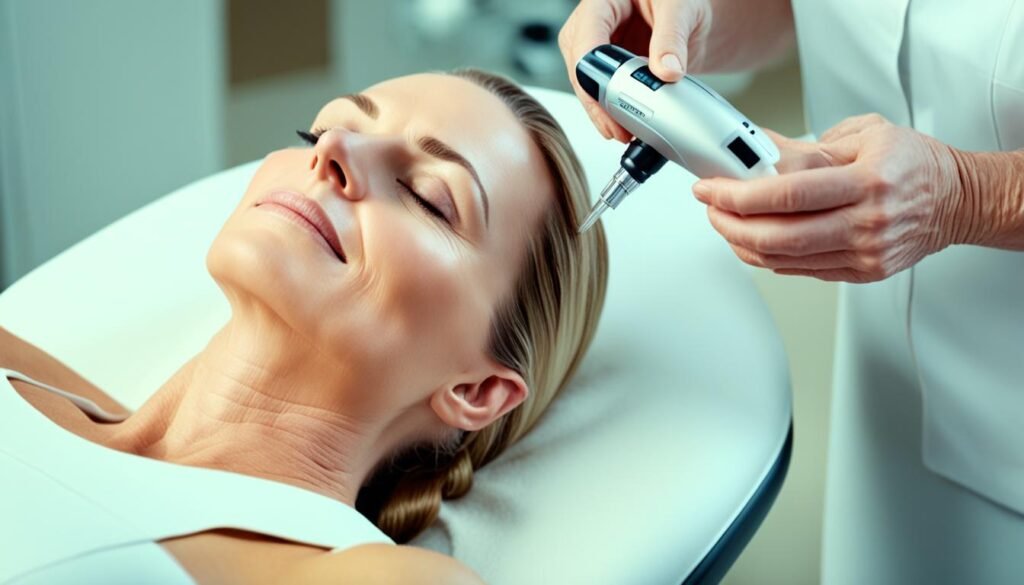
Microdermabrasion is a skin smoothing procedure that can effectively fade age spots and promote the growth of healthier skin cells. Using a specialized tool, the top layer of the skin is gently exfoliated, helping to reduce the appearance of age spots and improving the overall texture of the skin. Studies have shown that microdermabrasion, especially when combined with a chemical peel, can yield impressive results in diminishing age spots.
Some patients have experienced complete disappearance of their age spots after undergoing a series of microdermabrasion treatments. The procedure is relatively safe, with minimal downtime and temporary side effects. After microdermabrasion, mild inflammation and temporary flaky skin may occur, but these effects typically subside within a few days or weeks.
A chemical peel is often used in conjunction with microdermabrasion to treat age spots, particularly on the hands. Chemical peels work by removing the top layers of the skin, revealing fresher and more even-toned skin underneath. While chemical peels may cause temporary redness, swelling, and peeling of the skin, these effects generally resolve within a few weeks.
To enhance the understanding of microdermabrasion and chemical peels for age spots, here is a comparison table showcasing their benefits and considerations:
| Microdermabrasion | Chemical Peel |
|---|---|
| Gently exfoliates the skin to fade age spots | Removes top layers of skin for a more even skin tone |
| Stimulates the growth of new, healthier skin cells | Reveals fresher and more youthful-looking skin |
| Mild inflammation and flaky skin may occur temporarily | Temporary redness, swelling, and peeling of the skin may occur |
| Some patients have seen complete disappearance of age spots | Improvement in the appearance of age spots |
Both microdermabrasion and chemical peels are effective treatments for age spots, and the choice between them depends on individual preferences and the recommendation of a board-certified dermatologist. Consultation with a dermatologist is crucial to determine the most suitable procedure based on skin type, severity of age spots, and desired outcomes.
Sun Protection After Age Spot Treatment
Regardless of the treatment option chosen, it is crucial to protect the skin from sun exposure after treating age spots. Sun protection plays a vital role in preventing age spots from returning and maintaining the results of the treatment.
Dermatologists recommend the following sun protection measures:
- Seek Shade: Avoid direct sunlight, especially during peak hours when the sun’s rays are strongest.
- Wear Sun-Protective Clothing: Opt for long-sleeve shirts, pants, wide-brimmed hats, and sunglasses to shield the skin from harmful UV rays.
- Apply Sunscreen: Use a broad-spectrum sunscreen with a minimum SPF of 30 or higher. Apply it to all exposed skin, including the face, neck, hands, and any other treated areas. Reapply sunscreen every two hours or more frequently if sweating or swimming.
- Consider UV Protection Clothing: Clothing with an ultraviolet protection factor (UPF) label offers an additional layer of defense against the sun’s rays.
By following these sun protection measures, you can prolong the fading of age spots and reduce the risk of new spots from forming.
Here’s a table summarizing the recommended sun protection measures:
| Sun Protection Measures | Description |
|---|---|
| Seek Shade | Avoid direct sunlight and seek shade, especially during peak hours. |
| Wear Sun-Protective Clothing | Choose long-sleeve shirts, pants, wide-brimmed hats, and sunglasses. |
| Apply Sunscreen | Use broad-spectrum sunscreen with SPF 30 or higher on all exposed skin, and reapply regularly. |
| Consider UV Protection Clothing | Opt for clothing labeled with UPF for enhanced sun protection. |
Protecting your skin from the sun is an essential step in maintaining the results of age spot treatment and preventing their recurrence.
Choosing the Right Treatment with a Dermatologist
With numerous treatment options available for age spots, it can be challenging to determine the most suitable choice. Consulting with a board-certified dermatologist is essential to receive expert advice and guidance. A dermatologist will evaluate your individual needs, thoroughly examine your skin, and provide a personalized treatment plan tailored to address your specific concerns. They will be able to determine whether creams, laser treatments, cryosurgery, microdermabrasion, or chemical peels would be the most effective option for your age spots. Working with a dermatologist ensures that the treatment is safe and the best possible outcome is achieved.
Long-Lasting Results and Maintenance
Laser treatments and other procedures for age spots can deliver transformative and long-lasting results, providing a solution to the pesky pigmentation that can mar your complexion. The elimination of certain types of pigmentation can be permanent, giving you renewed confidence and a more youthful appearance. However, maintaining these results requires a commitment to effective skincare habits and diligent sun protection.
To maximize the longevity of your age spot treatment, it is crucial to establish a regular skincare routine. This routine should include gentle cleansing to remove impurities and excess oil, followed by moisturizing to hydrate and nourish your skin. Incorporating products with active ingredients, such as antioxidants and brightening agents, can further enhance the appearance of your skin and prevent the formation of new age spots.
In some cases, additional treatment sessions may be necessary to achieve the desired level of improvement. Your dermatologist will assess your progress and recommend any further procedures that may be required. However, it’s important to note that maintenance procedures are generally unlikely, as laser treatments and other procedures offer significant and long-lasting results.
| Skincare Routine for Age Spot Maintenance | Sun Protection for Long-Lasting Results |
|---|---|
|
|
By following a consistent skincare routine and practicing diligent sun protection, you can enjoy the long-lasting results of your age spot treatment. These maintenance procedures help to prolong the fading of existing age spots and prevent the development of new ones, allowing you to maintain a clear and radiant complexion.
Note: Results may vary depending on individual skin type, age spot severity, and compliance with post-treatment care.
Conclusion
Laser skin treatments provide highly effective solutions for reducing age spots and rejuvenating the skin. While creams and lotions can offer some benefits, laser therapy and other procedures tend to deliver faster and longer-lasting results. To determine the most appropriate treatment option for your specific needs and preferences, it is essential to consult with a board-certified dermatologist.
Sun protection plays a vital role in maintaining the results of age spot treatments. By incorporating a comprehensive skincare routine and following professional guidance, individuals can achieve a clearer complexion and a more youthful appearance. Advanced skin care solutions, such as laser treatments, offer innovative options for those seeking to improve the overall texture and tone of their skin.
To achieve a clearer, more youthful-looking complexion, it is essential to prioritize regular sun protection, including the use of broad-spectrum sunscreen with a high SPF, seeking shade, and wearing sun-protective clothing. Incorporating advanced skin care solutions, under the guidance of a board-certified dermatologist, can help you achieve your desired results and maintain them for the long term.
FAQ
What are laser skin treatments?
Laser skin treatments are procedures that use laser therapy to target pigmentation in the skin, such as age spots. These treatments can rejuvenate the complexion and reduce the appearance of dark spots.
Are creams and lotions effective for age spots?
Creams and lotions can be options for fading age spots, but they require consistent and long-term application to see results. It is best to consult with a dermatologist before starting any treatment.
How does laser treatment work for age spots?
Laser treatment for age spots involves using a laser to break up the excess pigmentation in the skin, allowing the body to naturally eliminate it. Different types of lasers can be used depending on individual needs and preferences.
What is cryosurgery for age spots?
Cryosurgery is a treatment that freezes age spots with liquid nitrogen, causing them to fade gradually and leading to a more even skin tone.
What is microdermabrasion and how does it help with age spots?
Microdermabrasion is a procedure that gently exfoliates the top layer of the skin, helping to smooth away age spots and stimulate the growth of new, healthier skin cells.
How important is sun protection after age spot treatment?
Sun protection is crucial after age spot treatment to prevent their recurrence. It is recommended to seek shade, wear sun-protective clothing, and use sunscreen with a broad-spectrum protection of SPF 30 or higher.
How can a dermatologist help in choosing the right treatment for age spots?
Dermatologists can evaluate individual needs, perform a thorough skin examination, and provide a personalized treatment plan for age spots. They can determine the most suitable option for each person.
Do laser skin treatments offer long-lasting results?
Laser skin treatments can offer long-lasting results, with some types of pigmentation being permanently eliminated. However, good skincare habits and sun protection are essential to maintain these results.
What are some advanced skin care solutions to achieve a clearer complexion?
Following a regular skincare routine that includes gentle cleansing, moisturizing, and using products with active ingredients can enhance the appearance of the skin. Consulting with a dermatologist can help in determining the best options for individual needs.