Did you know that laser skin treatment and chemical peels are two of the most sought-after non-surgical treatments in dermatology services?
When it comes to skin rejuvenation, these aesthetic treatments have proven to be effective in improving skin texture, reducing fine lines, and addressing various skin imperfections. However, understanding the differences between laser skin treatment and chemical peels is crucial in determining which procedure is best suited for your needs.
Key Takeaways:
- Laser skin treatment and chemical peels are popular non-surgical procedures for skin rejuvenation.
- Laser treatments use focused light beams to target specific skin concerns and stimulate collagen production.
- Chemical peels involve the application of a chemical solution to remove the top layers of the skin and reveal fresher, healthier skin.
- Factors such as skin type, treatment goals, and downtime should be considered when choosing between laser skin treatment and chemical peels.
- Laser treatments offer faster results and precision targeting, while chemical peels offer versatility and customization.
Understanding Laser Skin Treatment
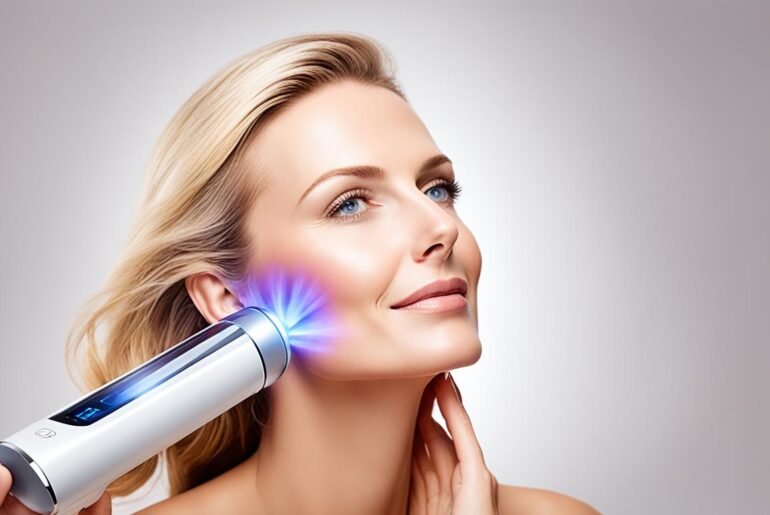
Laser skin treatment is a highly effective procedure that utilizes focused light beams to target specific skin concerns. It is commonly used for skin resurfacing, which helps to enhance the texture and tone of the skin, minimize the appearance of fine lines and wrinkles, and stimulate collagen production.
Laser treatments are renowned for their precision, allowing dermatologists to target specific areas of the skin with remarkable accuracy. This makes laser skin treatment an excellent choice for addressing a wide range of concerns, including acne scars, pigmentation issues, and uneven skin tone.
The benefits of laser skin treatment extend beyond superficial improvements. The controlled heat generated by the laser beams also triggers the production of collagen, a vital protein that keeps the skin firm and youthful. By stimulating collagen production, laser treatments help to promote facial rejuvenation and improve the overall quality of the skin.
The results of laser skin treatment can be seen in as little as three to five days, making it a popular choice for individuals seeking quick and noticeable improvements. The visible changes in the skin continue to evolve over subsequent weeks and months as collagen production increases, leading to long-lasting effects.
Exploring Chemical Peels

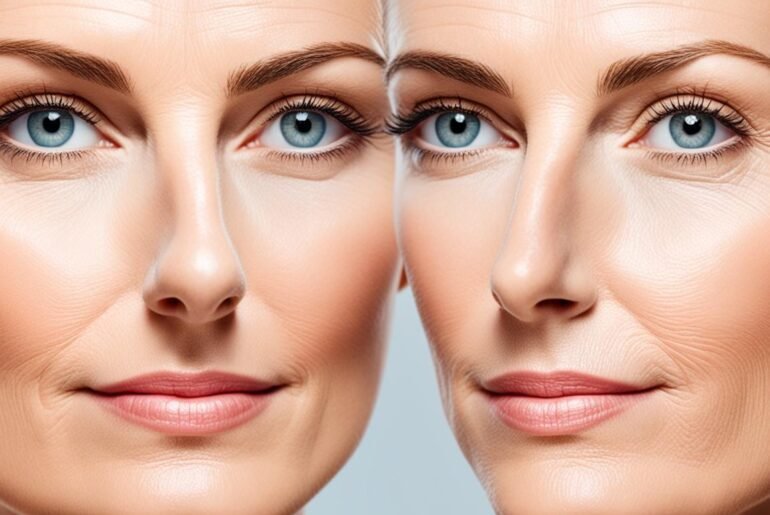
Chemical peels are a popular skincare procedure that involves the application of a chemical solution to the skin. These peels effectively remove the top layers of the skin, revealing fresher and healthier skin underneath. They are particularly useful for treating various skin imperfections such as fine lines, rough texture, and discoloration.
One of the advantages of chemical peels is their ability to rejuvenate the entire appearance of the face. Unlike laser treatments that target specific areas, chemical peels are typically applied to the entire face at once. This makes them a versatile option for addressing multiple skin concerns and achieving an overall improvement in skin texture and tone.
Chemical peels also offer customization, allowing different types of peels to address specific skin concerns and types. There are different levels of strength and ingredients available, including superficial peels, medium peels, and deep peels. This flexibility enables skincare professionals to tailor the treatment to meet individual needs.
While the results of chemical peels may take longer to become noticeable compared to laser treatments, they offer gradual and long-lasting improvements. The process of skin renewal and collagen production continues even after the peel is applied, leading to ongoing improvements in skin texture, fine lines, and discoloration over time.
| Benefits of Chemical Peels | Drawbacks of Chemical Peels |
|---|---|
|
|
Overall, chemical peels are a versatile and effective option for addressing a wide range of skin imperfections. They provide gradual and long-lasting improvements in skin texture, fine lines, and discoloration. However, it’s important to consider the potential side effects and the need for multiple sessions when deciding on this skincare procedure.
Factors to Consider
When deciding between laser skin treatment and chemical peels, several factors should be taken into consideration:
Skin Types
Understanding your skin type is crucial in determining which treatment option is best for you. Laser treatments are generally more suitable for individuals with deeper concerns such as wrinkles and pigmentation issues. On the other hand, chemical peels can be tailored to different skin types, making them more versatile. Whether you have oily, dry, combination, or sensitive skin, consulting with a dermatologist can help guide you towards the most suitable treatment.
Treatment Goals
Consider your treatment goals and desired level of improvement. Laser treatments can provide more targeted and precise results, making them ideal for addressing specific concerns. Chemical peels, on the other hand, offer broader facial rejuvenation and can improve overall skin texture and tone. Think about the specific areas you want to target and the level of improvement you are hoping to achieve.
Peel Ingredients
Chemical peels come in various strengths and formulations, each designed to address different skin concerns. The ingredients used in a peel can vary, with common options including glycolic acid, salicylic acid, and trichloroacetic acid. Consult with a skincare professional to determine which ingredients are best suited for your skin type and concerns.
Cost
Cost is an important factor to consider when choosing between laser treatment and chemical peels. Laser treatments are generally more expensive due to the advanced technology involved and the need for multiple sessions. Chemical peels are typically more affordable, making them a cost-effective option for individuals on a budget. However, it’s important to keep in mind that the cost can vary depending on the specific treatment and location.
Downtime
Another key consideration is the downtime associated with each treatment option. Laser treatments often require minimal downtime, with most individuals able to resume their daily activities immediately after the procedure. Chemical peels, however, can result in more noticeable peeling and redness, requiring a few days of downtime. Depending on your lifestyle and commitments, consider how much downtime you can afford and plan accordingly.
By evaluating these factors and consulting with a skincare professional, you can make an informed decision on whether laser skin treatment or chemical peels are the right choice for your specific needs.
Timeline of Results
In the journey to achieve optimal skin rejuvenation, it is essential to consider the timeline of results when choosing between laser treatment and chemical peels. These two popular skincare procedures offer distinct pathways to a more youthful and radiant appearance.
When it comes to timelines, laser treatments typically show faster visible improvements compared to chemical peels. The targeted nature of laser treatments allows for precise and efficient results, with noticeable changes often appearing as early as three to five days after treatment.
However, it’s important to understand that the full effects of laser treatment may continue to evolve over time. As collagen production is stimulated, the skin’s texture, tone, and overall appearance can progress in the following weeks and months.
In contrast, chemical peels may require multiple sessions to achieve the desired outcomes. The gradual improvements associated with chemical peels may become noticeable over time as the skin’s imperfections are gradually addressed.
Comparing the timeline of results for laser treatment and chemical peels:
| Laser Treatment | Chemical Peels |
|---|---|
| Visible improvements in 3-5 days | Gradual improvements over multiple sessions |
| Continued development of results over weeks and months | Progressive enhancement as sessions progress |
Ultimately, the timeline of results plays a significant role in determining which approach aligns better with your skincare goals and expectations. If you are seeking quicker visible improvements, laser treatment may offer the satisfaction you desire. However, if you prefer a gradual refinement process that allows for adjustments and customization, chemical peels could be the ideal choice.
Choosing between laser treatment and chemical peels requires careful consideration of the timeline, your skincare goals, and the expertise of a qualified dermatologist or skincare professional.
Suitability for Different Skin Types
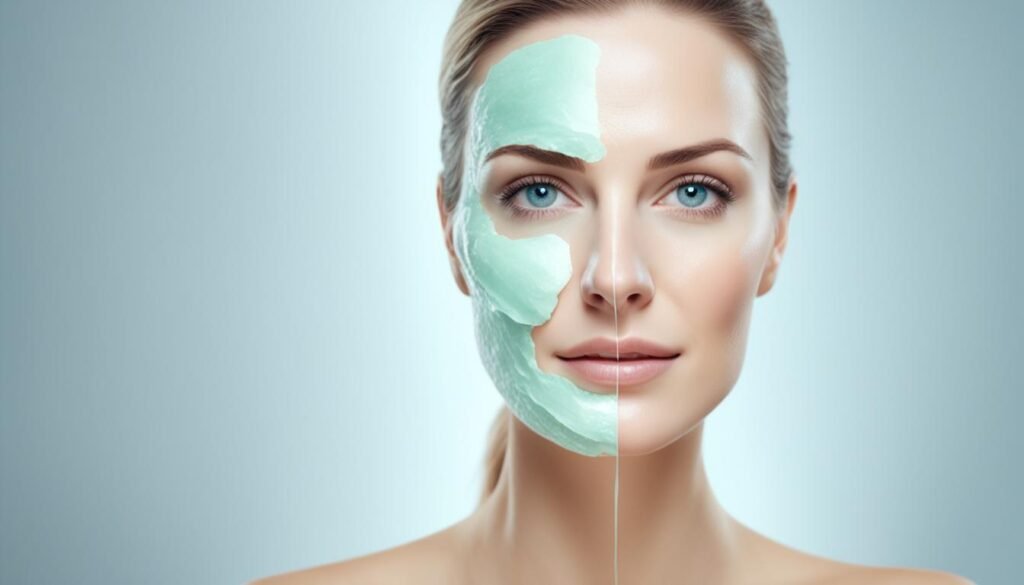
When considering skin treatments such as laser treatment and chemical peels, it’s important to take into account your skin type. Different skin types may have varying reactions and sensitivities to these procedures. Let’s explore the suitability of laser treatment and chemical peels for different skin types.
Laser Treatment and Skin Tone
Laser treatments have traditionally been more suitable for individuals with fair skin tones due to the reduced risk of discoloration or damage. However, advancements in laser technology have made it safer for individuals with darker skin tones to undergo laser treatments.
Laser treatment targets specific concerns and can effectively address issues like pigmentation, acne scars, and uneven skin tone. While laser treatment can be a viable option for individuals with fair skin, it’s crucial to consult with a qualified dermatologist or skincare professional to determine the suitability and safety of laser treatments for individuals with darker skin tones.
Laser Treatment and Sensitive Skin
Individuals with sensitive skin or a tendency to scar may need to explore alternative options to laser treatment. Laser treatments can cause temporary side effects such as redness, swelling, and mild discomfort, which may be more pronounced in individuals with sensitive skin.
If you have sensitive skin, it’s essential to discuss your concerns with a skincare professional to determine the best course of action. They may recommend alternative treatments or customized laser modalities that are better suited for sensitive skin.
The Versatility of Chemical Peels
Chemical peels provide more versatility when it comes to the treatment of different skin types. They can be customized to suit a variety of skin tones, including sensitive skin. Mild chemical peels, such as glycolic acid peels, can be universally administered to improve the appearance of all skin tones.
Chemical peels work by applying a chemical solution to the skin, which helps remove the top layers and reveal fresher, healthier skin underneath. By choosing the appropriate peel ingredients and concentrations, skincare professionals can tailor chemical peels to address specific concerns while minimizing the risk of adverse reactions.
However, it’s still crucial to consult with a skincare professional to determine the most suitable type of chemical peel for your skin type and concerns. They can conduct a thorough analysis and recommend the best chemical peel for optimal results.
Benefits of Laser Treatment and Chemical Peels by Skin Type
| Fair Skin | Dark Skin | Sensitive Skin | |
|---|---|---|---|
| Laser Treatment | Effective, reduced risk of discoloration or damage | Advancements in technology have made it safer, consult with a professional | May cause more pronounced temporary side effects, consider alternative options |
| Chemical Peels | Provides versatility and customization | Can be tailored to suit different skin tones | Offers mild peels suitable for sensitive skin |
Consulting with a qualified skincare professional is essential to determine the most suitable treatment option for your unique skin type. They can assess your skin’s condition, discuss your concerns, and recommend the best course of action to achieve optimal results.
Frequency of Treatment
The number of sessions required for laser treatment and chemical peels can vary depending on the specific concerns being addressed and the desired level of improvement. Both treatments may require multiple sessions to achieve optimal results.
Laser Treatment
Laser resurfacing typically involves a series of four or more sessions. The exact number of sessions will depend on factors such as the severity of the skin concerns and the individual’s response to the treatment. Each session is usually spaced about a month apart to allow the skin to heal and regenerate effectively.
Chemical Peels
Chemical peels may also require multiple sessions to achieve the desired results. The frequency of the sessions can vary depending on the treatment goals and the specific peel ingredients used. Some individuals may see noticeable improvements with just one session, while others may require a series of treatments.
The duration of the results also differs between laser treatments and chemical peels. Laser treatments can provide long-lasting results, with effects that can last several years with proper skincare maintenance. On the other hand, the results of chemical peels are typically more temporary, lasting for shorter periods of time.
When considering laser treatment or chemical peels, it’s important to consult with a qualified dermatologist or skincare professional who can assess your specific needs and provide personalized recommendations on the number of sessions and treatment frequency that will best achieve your skincare goals.
Benefits and Drawbacks
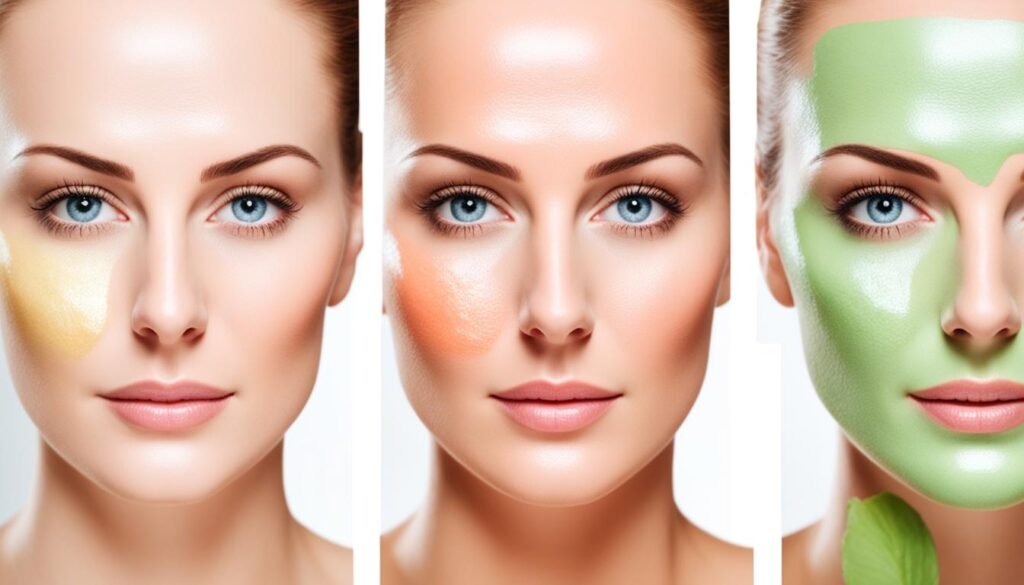
Both laser treatment and chemical peels offer their own set of benefits and drawbacks. Let’s take a closer look at what each option brings to the table:
Benefits of Laser Treatment
- Precision: Laser treatments are known for their precision in targeting specific areas of concern, such as acne scars or pigmentation issues.
- Collagen Stimulation: Laser treatments have the potential to stimulate collagen production, which can improve overall skin texture and elasticity.
- Faster Results: Laser treatments tend to deliver faster results compared to chemical peels, with visible improvements often seen within a few days.
- Long-lasting Improvements: The effects of laser treatment can last for several years, providing long-term improvements to the skin’s appearance.
Drawbacks of Laser Treatment
- Cost: Laser treatments can be more expensive compared to chemical peels, especially if multiple sessions are required.
- Multiple Sessions: Depending on the specific concerns, laser treatments may require multiple sessions to achieve the desired results.
Benefits of Chemical Peels
- Versatility and Customization: Chemical peels offer the ability to address a wide range of skin concerns, as they can be tailored to different skin types and needs.
- Affordability: Chemical peels are generally more affordable compared to laser treatments.
Drawbacks of Chemical Peels
- More Sessions: Achieving the desired results with chemical peels may require more sessions compared to laser treatments.
Overall, the choice between laser treatment and chemical peels will depend on your specific skin concerns, budget, and desired results. It’s important to consult with a qualified dermatologist or skincare professional to determine which option is best suited for you. Remember, each person’s skin is unique, and a personalized approach is crucial for achieving optimal skincare outcomes.
Conclusion
When considering the best option for skin rejuvenation, laser skin treatment and chemical peels are two popular choices to address your skincare needs. Each procedure has its own unique advantages and considerations.
Laser treatments are renowned for their precision and ability to target specific skin concerns. They offer faster results compared to chemical peels, with visible improvements often seen within a few days. Laser treatments also have the added benefit of stimulating collagen production, which aids in long-term skin rejuvenation.
On the other hand, chemical peels provide versatility and customization to suit different skin types and concerns. They can address a wide range of skin imperfections, including fine lines, rough texture, and discoloration. Although the results of chemical peels may take longer to become noticeable, they can provide gradual, long-lasting improvements over time.
Ultimately, the best option for you will depend on your specific skin concerns, treatment goals, skin type, and budget. It is crucial to consult with a qualified dermatologist or skincare professional who can assess your individual needs and guide you in making an informed decision.
FAQ
What is laser skin treatment?
Laser skin treatment involves using focused light beams to target specific skin concerns, such as improving texture and tone, reducing fine lines and wrinkles, and stimulating collagen production.
What are chemical peels?
Chemical peels involve applying a chemical solution to the skin to remove the top layers and reveal fresher, healthier skin underneath. They are effective for treating superficial skin concerns like fine lines, rough texture, and discoloration.
How do laser treatments and chemical peels differ?
Laser treatments are known for their precision and ability to target specific areas, making them effective for treating acne scars, pigmentation issues, and uneven skin tone. Chemical peels offer versatility and can be tailored to different skin types.
Which treatment is more suitable for my skin type?
Laser treatments are generally more suitable for deeper concerns like wrinkles and pigmentation, while chemical peels can be customized to suit different skin types, including sensitive skin.
How long does it take to see results from laser treatments and chemical peels?
Laser treatments can show visible improvements in as little as three to five days, while chemical peels may require multiple sessions to achieve gradual improvements over time.
Are laser treatments or chemical peels better for sensitive skin?
Laser treatments may not be suitable for individuals with sensitive skin or a tendency to scar. Chemical peels, on the other hand, can be tailored to suit sensitive skin.
How many sessions are required for laser treatments and chemical peels?
Laser resurfacing typically requires a series of four or more sessions, while chemical peels may also require multiple sessions, depending on the treatment goals and ingredients used.
What are the benefits and drawbacks of laser treatments and chemical peels?
Laser treatments offer precision, faster results, and long-lasting improvements, but they can be more expensive and require multiple sessions. Chemical peels offer versatility, customization, and affordability but may also require multiple sessions to achieve desired results.
How do I choose between laser skin treatment and chemical peels?
The best option depends on your specific skin concerns, treatment goals, skin type, and cost. Consulting with a qualified dermatologist or skincare professional is recommended to determine the most suitable treatment for you.