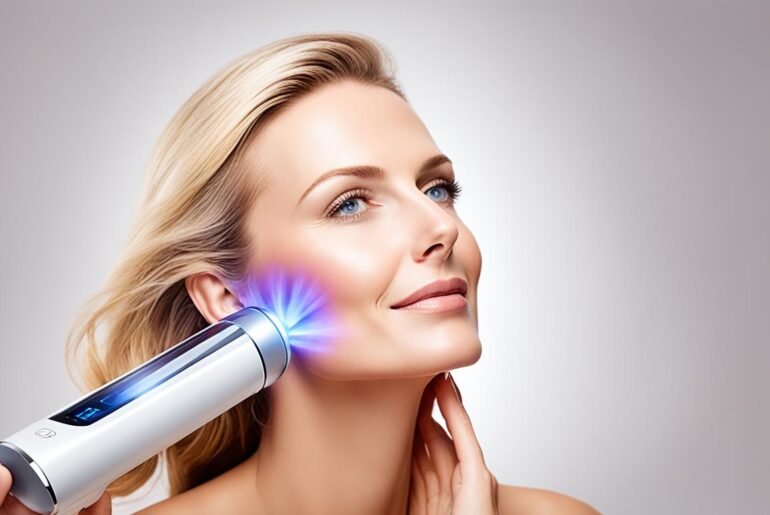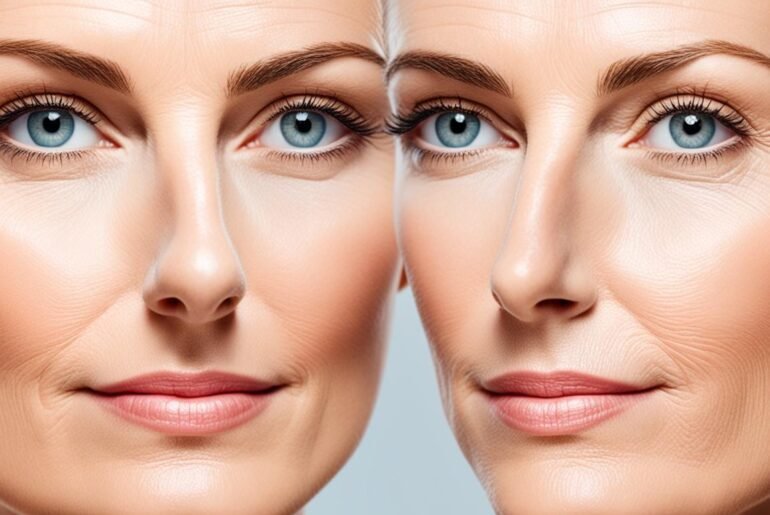
Did you know that over 74% of adults aged 45 and above are concerned about the signs of aging on their skin? Wrinkles, lines, and uneven pigmentation can have a significant impact on our self-esteem and overall confidence. But there’s good news – laser skin treatment offers a revolutionary solution for rejuvenating aged skin without the need for surgery or invasive procedures.
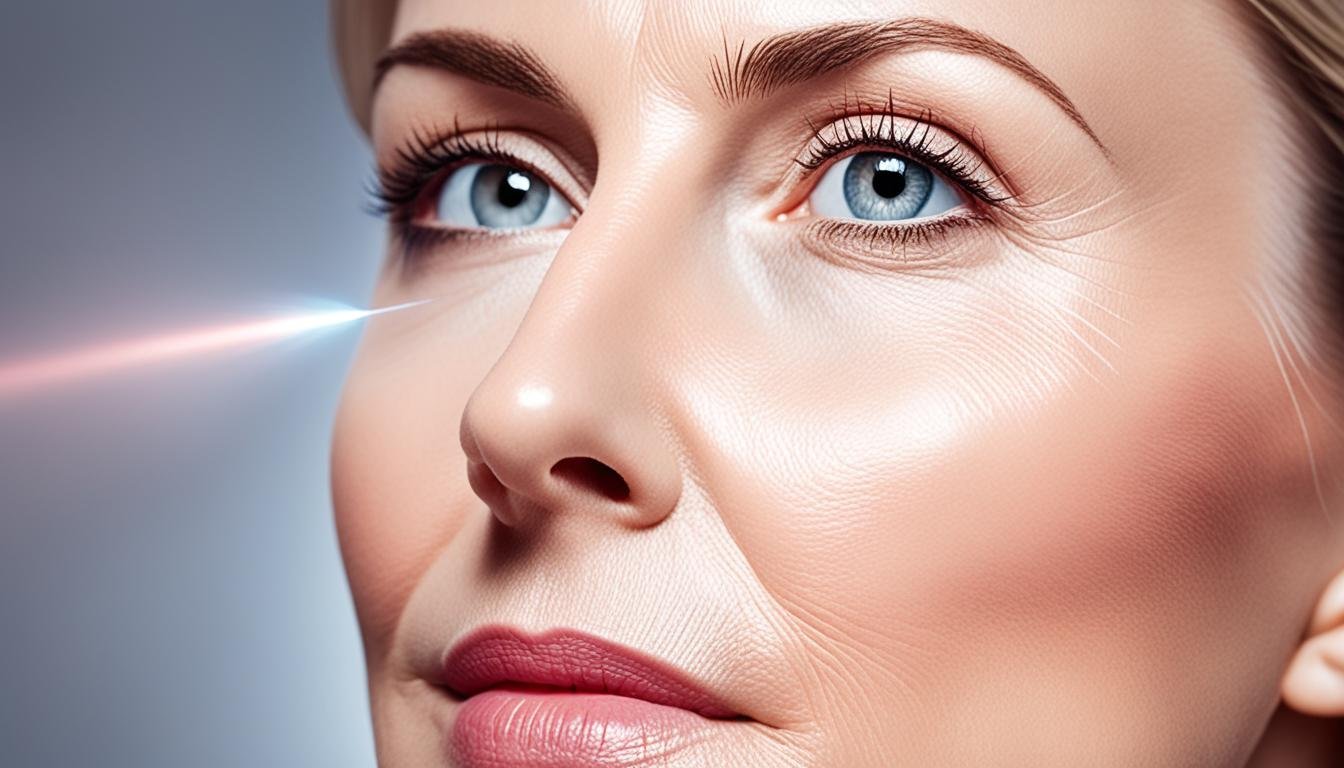
Laser therapy, also known as photorejuvenation, uses high-energy beams of light to stimulate collagen production, exfoliate damaged or discolored skin cells, and promote cell turnover. This non-surgical approach can effectively minimize the appearance of deep wrinkles, lines, and uneven pigmentation on the face, hands, chest, and neck, giving you a more youthful and radiant complexion.
Are you ready to turn back the clock and achieve smoother, tighter, and younger-looking skin? Let’s dive deeper into the world of laser skin treatment and explore the various techniques and benefits it offers.
Key Takeaways:
- Laser skin treatment is a non-surgical solution for aging skin.
- It uses high-energy beams of light to stimulate collagen production and exfoliate damaged skin cells.
- This treatment can minimize the appearance of wrinkles, lines, and uneven pigmentation.
- Results can last up to 10 years.
- Consulting with a qualified dermatologist or skin specialist is crucial to determine the most suitable laser treatment plan.
Fractional CO2 Laser Therapy
Fractional CO2 laser therapy is an advanced laser skin treatment that utilizes high-energy beams of light to stimulate collagen production, resulting in significant improvements in skin appearance. This innovative therapy specifically targets a fraction of the skin at a time, minimizing damage to surrounding tissues and enhancing the treatment’s effectiveness and safety.
Commonly used to address deep wrinkles, lines, and uneven pigmentation, fractional CO2 laser therapy offers remarkable results in skin rejuvenation. By stimulating collagen production, the treatment helps to restore elasticity and firmness, leaving the skin looking smoother, tighter, and more youthful.
The procedure is typically performed in multiple sessions, with each session lasting between 30 minutes to 2 hours, depending on the size of the treatment area and the individual’s specific needs. During each session, the laser is used to deliver controlled energy into the targeted skin, stimulating collagen production and promoting cellular renewal.
While fractional CO2 laser therapy is highly effective, it is essential to be aware of potential side effects. Temporary redness, swelling, and itching may be experienced immediately after the treatment, but these typically subside within a few days. It is crucial to follow post-treatment care instructions provided by dermatologists or skin specialists, including protecting the treated area from sun exposure and keeping the skin well-moisturized.
The skin usually heals within one month, and the results of fractional CO2 laser therapy can last for years, making it a long-lasting solution for achieving smoother, firmer, and more youthful-looking skin.
Erbium Laser Therapy
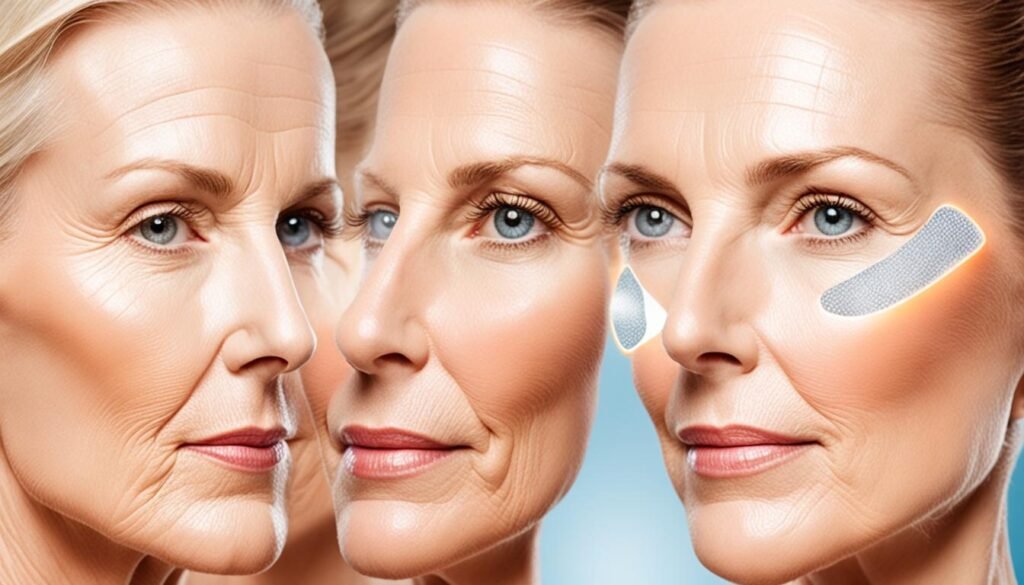
Erbium laser therapy is a highly sought-after laser treatment for those looking to address smaller wrinkles and lines. This procedure involves the use of the erbium laser, which gently removes damaged surface layers of the skin. The result is skin that appears smoother, brighter, and more youthful.
Compared to CO2 laser therapy, erbium laser therapy is considered gentler. It is typically recommended for individuals who have minor skin concerns and are seeking a less aggressive treatment option. While CO2 laser therapy offers more powerful results, erbium laser therapy provides excellent outcomes with reduced recovery time and a lower risk of side effects.
Typically, multiple treatments are required to achieve the desired results with erbium laser therapy. It’s important to note that the number of treatments may vary depending on individual needs and preferences. Each session is spaced apart to allow for optimal healing and skin rejuvenation.
Following erbium laser therapy, there may be mild side effects such as temporary scarring, changes in skin color, or infection. However, these risks are generally minimal and can be managed with proper care and post-treatment instructions from your dermatologist or skin specialist.
Benefits of Erbium Laser Therapy
Erbium laser therapy offers several benefits for individuals seeking laser skin rejuvenation and tightening. These include:
- Reduction of smaller wrinkles and lines
- Improved skin texture and tone
- Enhanced overall skin brightness and radiance
- Less downtime compared to CO2 laser therapy
- Reduced risk of side effects
The results of erbium laser therapy are often visible within two months, with the skin healing within approximately one week after each treatment. Regular sessions and proper post-treatment care can help maintain the desired outcome, providing long-lasting skin rejuvenation and tightening effects.
Expert Quote
“Erbium laser therapy is an effective and versatile option for individuals seeking to address smaller wrinkles and achieve smoother, brighter skin. With its gentler approach and reduced recovery time, it offers a great solution for those looking for noticeable results without the need for more invasive treatments.” – Dr. Amanda Johnson, Dermatologist
| Erbium Laser Therapy Benefits | Erbium Laser Therapy Side Effects |
|---|---|
|
|
Dermabrasion
Dermabrasion is a highly effective technique used to reverse skin aging and rejuvenate the skin. This procedure involves gently scraping away damaged layers of the skin, resulting in a smoother and brighter complexion. With dermabrasion, you can significantly reduce the appearance of wrinkles, lines, and age spots, giving your skin a more youthful and radiant look.
The dermabrasion procedure typically takes between 30 minutes to 2 hours, depending on the size of the treatment area. After undergoing dermabrasion, it is common for the skin to experience slight bleeding and remain tender and red for several days. However, these side effects are temporary and subside as the skin begins to heal.
The healing process after dermabrasion usually takes around 10 to 14 days, during which the skin gradually regains its normal appearance. After about two months, you will begin to see noticeable improvements, and the results can often last for a year or more.
It is important to note that dermabrasion does come with certain risks and side effects. While scarring, changes in skin color, and infection are possible, following your dermatologist’s post-treatment care instructions can help minimize these risks and ensure a successful outcome.
My Recommendation:
If you’re looking for an effective anti-aging treatment that can reverse the signs of skin aging, dermabrasion is a fantastic option. It provides remarkable results in reducing wrinkles, lines, and age spots, leading to younger-looking and more vibrant skin.
Dermabrasion Procedure Overview:
| Procedure | Duration | Recovery Time | Results | Side Effects |
|---|---|---|---|---|
| Dermabrasion | 30 minutes to 2 hours | 10 to 14 days | Visible after 2 months | Scarring, changes in skin color, infection |
Post-Treatment Care
After undergoing laser skin treatment, it is crucial to follow proper post-treatment care instructions to ensure optimal healing and results. Taking care of the treated area is essential for maintaining the benefits of laser resurfacing, laser therapy for aging skin, and achieving overall skin rejuvenation.
Here are some key steps to keep in mind:
- Clean the area: Gently clean the treated area multiple times a day using a mild cleanser or as instructed by your dermatologist.
- Apply ointment: Use a prescribed ointment or moisturizer to prevent scabs from forming and keep the skin hydrated. Follow the recommended application guidelines provided by your skincare professional.
- Avoid sun exposure: Protect the treated area from direct sunlight, as it can lead to unwanted pigmentation changes and slow down the healing process. Cover the area with clothing or use a broad-spectrum sunscreen with at least SPF 30.
During the post-treatment phase, it is normal to experience some side effects, including swelling, itching, and peeling of the skin. These symptoms typically subside within a week, but it is important to consult your dermatologist if they persist or worsen.
To further enhance your post-treatment care routine:
- Use oil-free makeup: If you wish to apply makeup, opt for oil-free, non-comedogenic products that won’t clog pores or irritate the healing skin.
- Keep the new skin moisturized: Apply a gentle, non-irritating moisturizer to the treated area to help maintain hydration and promote skin healing.
Following these post-treatment care instructions can help maximize the results of laser skin treatment and contribute to a smoother, more radiant complexion.
What to Expect
After undergoing laser skin treatment, there are certain things you can expect during the healing process. It’s important to be aware of these expectations to ensure a successful recovery and achieve optimal results.
1. Swelling and Discomfort
It is normal to experience swelling in the treated area for the first 24 to 48 hours after the laser skin treatment. The level of swelling can vary depending on the individual and the specific treatment performed. Along with swelling, you may also experience some discomfort, such as itching or stinging in the treated area. This discomfort usually subsides within 12 to 72 hours.
2. Peeling of Old Skin
After approximately five to seven days, the old skin in the treated area may start to peel off. This is a natural part of the healing process and indicates that the new skin underneath is emerging. It is important to resist the urge to pick or scrub at the peeling skin to prevent any damage or scarring.
3. Healing Time
The healing process after laser skin treatment typically takes 10 to 21 days, depending on the size and location of the treated area. It is important to follow your healthcare professional’s instructions for post-treatment care to ensure proper healing. This may include keeping the treated area clean, applying prescribed ointments or creams, and avoiding excessive sun exposure.
4. Sun Protection and Moisturization
During the healing process, it is crucial to protect your skin from the sun’s harmful rays. Avoid sun exposure as much as possible and always apply a broad-spectrum sunscreen with SPF 30 or higher when going outside. Additionally, keeping the new skin moisturized can promote healing and prevent dryness, flakiness, or tightness.
5. Long-Term Results
The long-term results of laser skin treatment can vary depending on various factors, including the type of treatment performed, individual skin characteristics, and proper post-treatment care. In general, laser therapy for aging skin offers skin rejuvenation and can help reverse the signs of aging, such as wrinkles, lines, and uneven skin tone. However, it’s important to maintain a healthy lifestyle, protect your skin from sun damage, and follow a personalized skincare routine to enhance and extend the results of your laser skin treatment.
Summary
In summary, after undergoing laser skin treatment, you can expect temporary swelling and discomfort, followed by peeling of the old skin. The healing process typically takes 10 to 21 days, during which it is essential to protect your skin from the sun and keep it well-moisturized. With proper care and patience, laser therapy for aging skin can yield long-term skin age reversal and rejuvenation.
Laser Skin Rejuvenation in Different Skin Types
Laser skin rejuvenation is a versatile treatment that can be performed on individuals with different skin types, including both lighter and darker skin tones. However, it is crucial to understand that the settings and techniques may vary depending on each person’s skin type and condition. Tailoring laser therapy to address the specific needs of each individual ensures safe and effective treatment.
When it comes to advanced laser skin treatment, such as laser therapy for aging skin, it is essential to consult with a qualified dermatologist or skin specialist. Their expertise and knowledge of various laser treatment options will help determine the most appropriate laser therapy plan for different skin types.
Benefits and Risks of Laser Skin Treatment
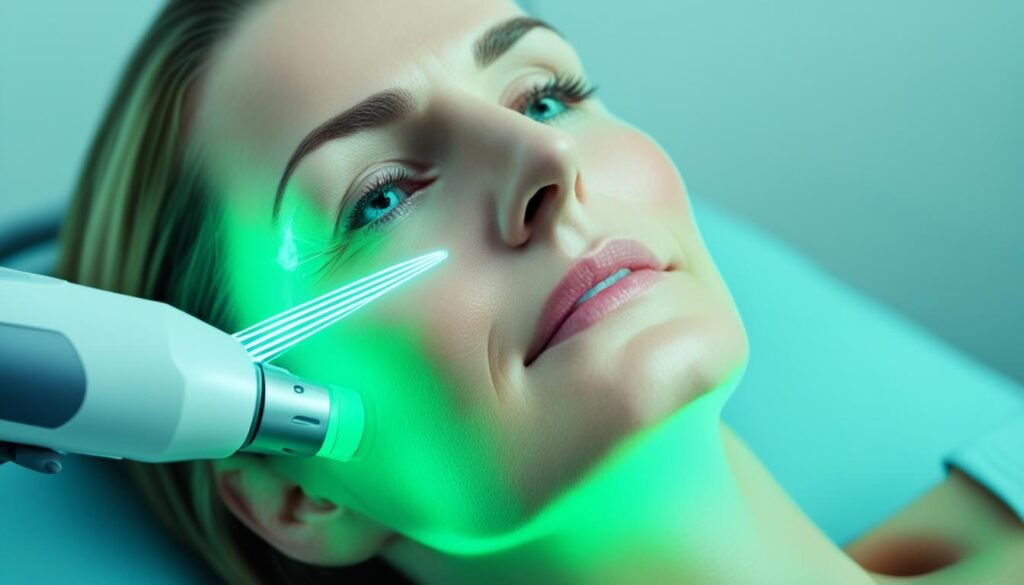
Laser skin treatment offers a wide range of benefits for individuals looking to improve the appearance of their skin. By undergoing advanced laser skin treatment, such as laser skin rejuvenation or laser therapy for aging skin, you can effectively minimize the appearance of wrinkles, lines, and uneven pigmentation. This non-surgical approach utilizes advanced laser technology to stimulate collagen production, resulting in a more youthful and rejuvenated look.
The Benefits of Laser Skin Treatment
- Reduction of wrinkles, lines, and uneven pigmentation
- Improvement of skin texture and tone
- Long-lasting results
- Achievement of a more youthful and radiant appearance
| Benefits of Laser Skin Treatment |
| Reduction of wrinkles, lines, and uneven pigmentation |
| Improvement of skin texture and tone |
| Long-lasting results |
| Achievement of a more youthful and radiant appearance |
The Risks of Laser Skin Treatment
While laser skin treatment offers significant benefits, it is important to be aware of the potential risks and side effects. These may include:
- Permanent light or dark spots
- Burns
- Infection
- Scarring
- Changes in skin color
It is crucial to work with a qualified and experienced dermatologist who specializes in laser skin treatment to minimize these risks. They can assess your specific needs, recommend suitable treatment options, and ensure a safe and successful outcome.
“Laser skin treatment offers remarkable benefits for improving the appearance of aging skin. However, it is essential to understand and discuss the potential risks with a knowledgeable professional.” – Dr. Elizabeth Johnson, Dermatologist
By understanding both the benefits and risks associated with laser skin treatment, you can make an informed decision about whether it is the right choice for you. Consult with a trusted dermatologist to explore your options and determine the best approach to achieve your desired results.
The Science Behind Laser Skin Treatment
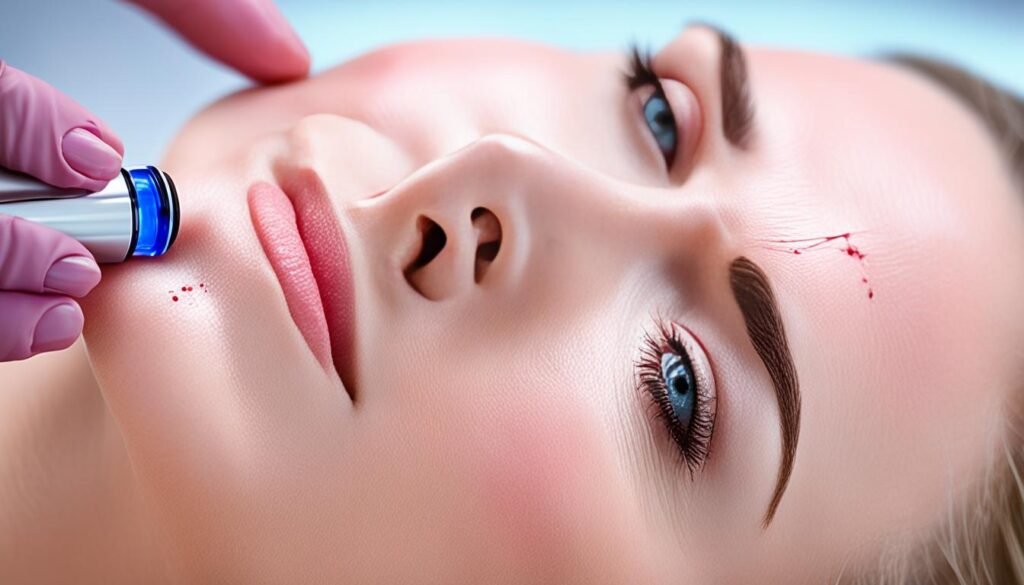
Laser skin treatment is a groundbreaking method that utilizes advanced laser technology to rejuvenate and revitalize aging skin. By targeting specific skin concerns, such as wrinkles, lines, and uneven pigmentation, laser treatment can effectively provide a more youthful and radiant appearance. Understanding the science behind this innovative procedure can help individuals make informed decisions about undergoing advanced laser skin treatment.
The primary mechanism of laser skin treatment involves stimulating collagen production and exfoliating damaged or discolored skin cells. Collagen, a protein that provides structural support to the skin, diminishes with age, resulting in the formation of wrinkles and sagging skin. Laser therapy works by emitting high-energy beams of light that penetrate the upper layers of the skin. These beams precisely target the desired areas, triggering a healing response within the skin.
The laser’s energy stimulates the production of new collagen, which helps to tighten and firm the skin. By exfoliating the damaged or discolored skin cells, laser treatment reveals fresher, healthier skin beneath. This process leads to a reduction in the appearance of wrinkles, lines, and uneven pigmentation, resulting in smoother, younger-looking skin.
New technologies and techniques are constantly being developed to enhance the effectiveness of laser skin treatment. From fractional CO2 laser therapy to erbium laser therapy, advancements in laser technology have revolutionized the field of dermatology. These innovations aim to provide individuals with even more precise and tailored treatment options, ensuring maximum results and minimal downtime.
Benefits of Laser Skin Treatment
Laser skin treatment offers several benefits:
- Reduces the appearance of wrinkles, lines, and uneven pigmentation
- Improves skin texture and tone
- Stimulates collagen production for firmer and tighter skin
- Reveals fresh, healthy skin by exfoliating damaged cells
- Provides long-lasting results
Risks of Laser Skin Treatment
While laser skin treatment is generally safe and effective, it is important to be aware of potential risks and side effects. These may include:
- Temporary redness and swelling
- Itching or stinging sensation
- Temporary changes in skin color
- Light or dark spots
- Scarring
- Burns
- Infection
Consulting with a qualified dermatologist or skin specialist is crucial to minimize these risks and ensure a safe treatment experience.
I have been amazed by the transformative effects of laser skin treatment. The science behind it is truly remarkable. Through the stimulation of collagen production and the exfoliation of damaged cells, laser therapy has provided countless individuals with renewed confidence and a more youthful appearance.
To sum up, the science behind laser skin treatment involves the stimulation of collagen production and the exfoliation of damaged or discolored skin cells. Through advances in laser technology, individuals can now benefit from enhanced treatment options that offer remarkable results. By understanding the science behind this innovative procedure, individuals can make informed decisions about pursuing advanced laser skin treatment as part of their anti-aging skincare regimen.
Conclusion
Laser skin treatment offers a highly effective and popular solution for addressing the signs of aging skin. Whether you opt for fractional CO2 laser therapy, erbium laser therapy, or dermabrasion, laser treatment can significantly reduce the appearance of wrinkles, lines, and uneven pigmentation. By stimulating collagen production and promoting cell turnover, laser therapy rejuvenates the skin, leaving it looking younger and more refreshed.
However, it’s important to be aware of the potential risks associated with laser skin treatment and take proper care of the treated area post-procedure. Consulting with a qualified dermatologist or skin specialist is crucial for designing a personalized laser treatment plan and achieving optimal results.
With laser skin rejuvenation, you can regain a more youthful and vibrant complexion. Say goodbye to signs of aging and hello to smoother, more radiant skin. Take the first step towards rejuvenation by exploring the laser therapy options for aging skin and consulting with a trusted professional to discover the best solution for your specific needs.
FAQ
What is laser therapy for aged skin?
Laser therapy, also known as photorejuvenation, is an effective method of diminishing wrinkles and achieving younger-looking skin. It uses high-energy beams of light to stimulate cell turnover, exfoliate damaged or discolored skin cells, and stimulate collagen production. This treatment can minimize the appearance of deep wrinkles, lines, and uneven pigmentation. Laser therapy is commonly used on the face, hands, chest, and neck. Results can last up to 10 years.
How does fractional CO2 laser therapy work?
Fractional CO2 laser therapy uses high-energy beams of light to stimulate collagen production and improve the appearance of the skin. It targets a fraction of the skin at a time, minimizing damage to the surrounding tissues. This treatment is commonly used to minimize the appearance of deep wrinkles, lines, and uneven pigmentation. Fractional CO2 laser therapy is performed in multiple sessions, with each session lasting 30 minutes to 2 hours. Side effects may include temporary redness, swelling, and itching. The skin typically heals within one month, and the results can last for years.
What is erbium laser therapy?
Erbium laser therapy is a gentler laser treatment that is commonly used for smaller wrinkles and lines. It works by removing damaged surface layers of the skin, resulting in smoother and brighter skin. Erbium laser therapy is less powerful than CO2 laser therapy, requiring multiple treatments to achieve desired results. The recovery time and risk of side effects are reduced compared to CO2 laser therapy. The skin usually heals within one week, and results can be seen after two months. Side effects may include scarring, changes in skin color, and infection.
What is dermabrasion?
Dermabrasion is a technique used to remove damaged layers of skin by gently scraping them away. It results in smoother and brighter skin with fewer wrinkles, lines, and age spots. The procedure typically takes 30 minutes to 2 hours, depending on the size of the area being treated. After dermabrasion, the skin may bleed slightly and remain tender and red for several days. It usually takes 10 to 14 days for the skin to completely heal. Results can be seen after two months, and they often last for one year or more. Side effects may include scarring, changes in skin color, and infection.
How should I care for my skin after laser treatment?
After laser skin treatment, it is important to take proper care of the treated area to ensure optimal healing and results. This may include cleaning the area multiple times a day, applying ointment to prevent scabs, and avoiding sun exposure. Swelling, itching, and peeling of the skin are common after laser treatment and usually subside within a week. It is recommended to use oil-free makeup, avoid sun exposure, and keep the new skin well-moisturized. Following these post-treatment care instructions can help maintain the results of the laser skin treatment.
What should I expect after laser skin treatment?
After laser skin treatment, it is normal to experience swelling for the first 24 to 48 hours. The treated area may also itch or sting for 12 to 72 hours, and the old skin may start peeling off after five to seven days. The healing process typically takes 10 to 21 days, depending on the size and location of the treated area. During the healing process, it is important to avoid sun exposure, use sunscreen, and keep the new skin moisturized. Following these guidelines will help ensure a successful recovery and optimal results.
Can laser skin treatment be performed on different skin types?
Laser skin rejuvenation can be performed on different skin types, including lighter and darker skin tones. However, it is important to note that the settings and technique may vary depending on the individual’s skin type and condition. Laser therapy should be tailored to each person’s specific needs to ensure safe and effective treatment. Consulting with a qualified dermatologist or skin specialist is essential for determining the most appropriate laser treatment plan for different skin types.
What are the benefits and risks of laser skin treatment?
Laser skin treatment offers numerous benefits, including the reduction of wrinkles, lines, and uneven pigmentation, as well as the improvement of skin texture and tone. It can provide long-lasting results and help achieve a more youthful appearance. However, it is important to be aware of the potential risks and side effects associated with laser therapy. These may include permanent light or dark spots, burns, infection, scarring, and changes in skin color. Working with a qualified and experienced dermatologist can help minimize these risks and ensure a safe and successful treatment.
How does laser skin treatment work?
Laser skin treatment works by stimulating collagen production and exfoliating damaged or discolored skin cells. This process helps to reduce the appearance of wrinkles, lines, and uneven pigmentation, resulting in smoother and younger-looking skin. The beams of light emitted by the laser penetrate the upper layers of the skin, triggering a healing response and promoting the production of new collagen. This rejuvenates the skin from within and improves its overall texture and elasticity. The science behind laser skin treatment is constantly evolving, with new technologies and techniques being developed to enhance its effectiveness.
Is laser skin treatment effective for aging skin?
Laser skin treatment is a highly effective and popular option for treating aged skin. Whether using fractional CO2 laser therapy, erbium laser therapy, or dermabrasion, laser treatment can help minimize the appearance of wrinkles, lines, and uneven pigmentation. It stimulates collagen production and promotes cell turnover, resulting in younger-looking and rejuvenated skin. However, it is important to understand the potential risks and properly care for the treated area after the procedure. Consulting with a qualified dermatologist or skin specialist is essential for determining the most suitable laser treatment plan and achieving optimal results.