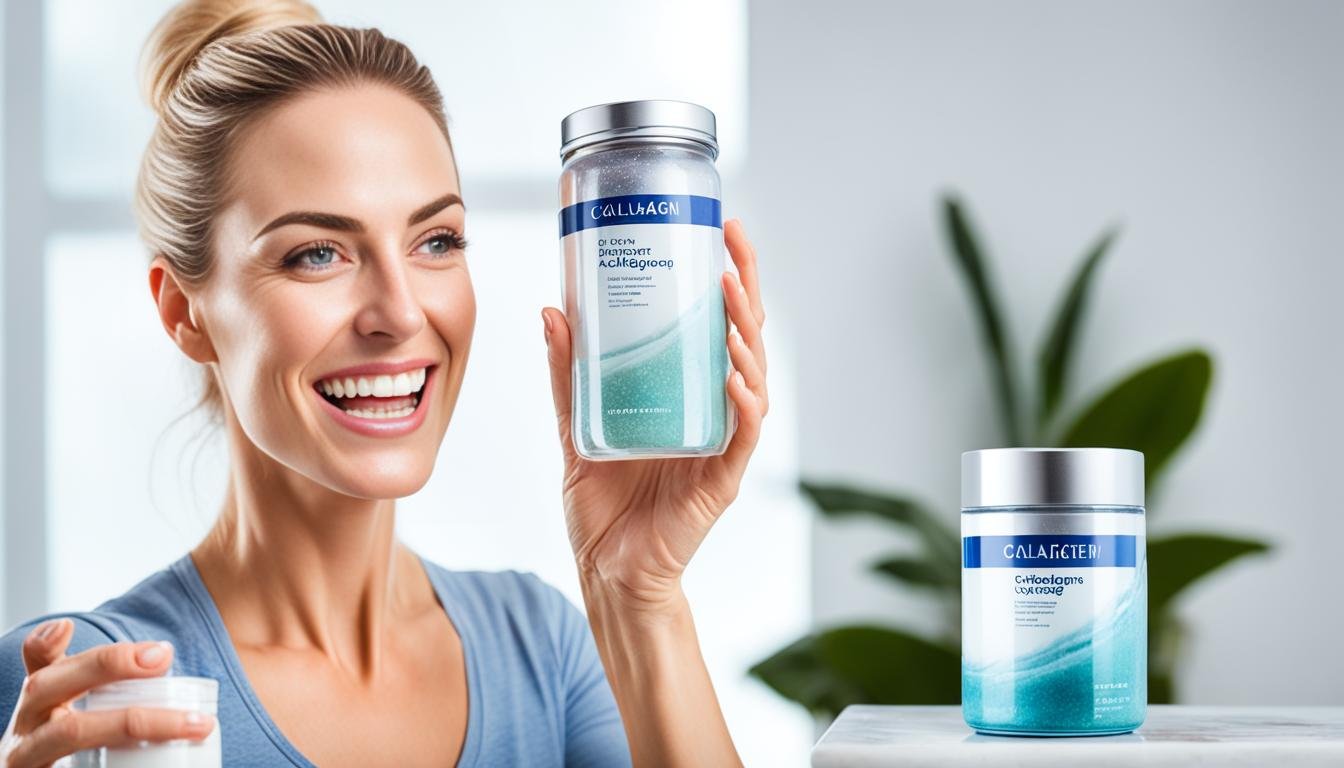
Did you know that collagen is the most abundant protein in our bodies, making up about one-third of our total protein content? It plays a crucial role in maintaining the firmness, elasticity, and overall health of our skin. However, as we age, our natural collagen production decreases, leading to drier, more wrinkled skin.
Collagen supplements have gained popularity as a potential solution for improving skin texture. Many people believe that these supplements can restore youthfulness and rejuvenate the skin. But what does the science say? Is there solid evidence to support the claims? Let’s explore the fascinating world of collagen supplements and their impact on skin texture.
Key Takeaways:
- Collagen is the main structural protein in the skin, responsible for its firmness and elasticity. As we age, our collagen production decreases, leading to skin aging symptoms.
- Collagen supplements are often promoted as a way to improve skin texture, but scientific evidence supporting their effectiveness is limited.
- Collagen supplements are mostly absorbed by the digestive system, and it is uncertain if they can effectively reach the skin to have a significant impact.
- When considering collagen supplements, it’s important to manage expectations and explore alternative options such as dermatological procedures and topical treatments.
- Collagen research is ongoing, and new advancements in skincare are emerging, promising more targeted approaches to improving skin texture.
The Role of Collagen in Skin Aging
As we age, the production of collagen in our skin naturally declines. This decrease in collagen production has a significant impact on the skin’s firmness and elasticity, leading to age-related changes such as wrinkles and sagging skin. Environmental factors, including sun exposure, smoking, and pollution, can expedite the breakdown of collagen, accelerating the visible signs of skin aging.
Collagen is a vital protein that provides structural support to the skin. It is responsible for maintaining its resilience and suppleness. When collagen levels deplete, the skin becomes more susceptible to damage and loses its ability to bounce back, resulting in the formation of fine lines, deep wrinkles, and a general loss of firmness.
Not only does collagen decline with age, but the quality of collagen fibers and the extracellular matrix also undergo changes. Fibroblast function, which is responsible for producing collagen, decreases, leading to reduced collagen synthesis. Additionally, the content of glycosaminoglycans, which provide moisture and support to the skin, declines, further exacerbating the aging process.
“As we age, the decline in collagen production and alterations in the structure of collagen fibers contribute to the visible signs of skin aging.”
Understanding the role of collagen in skin aging is crucial in developing effective skincare strategies. By supporting collagen production and protecting existing collagen fibers, it’s possible to slow down the aging process and maintain a youthful appearance.
Age-Related Changes in Collagen
As we age, several changes occur in the collagen structure and composition. These changes include:
- Increased fragmentation of collagen fibers
- Reduced synthesis of new collagen
- Alterations in the cross-linking of collagen fibers
- Decreased collagen turnover
All these factors contribute to a decline in skin quality, resulting in wrinkles, sagging, and diminished elasticity.
Collagen and Skin Aging: Environmental Factors
In addition to aging-related changes in collagen, environmental factors can accelerate the breakdown of collagen in the skin. Harmful UV radiation from the sun is one of the primary culprits in collagen degradation, leading to premature aging. Smoking and exposure to pollution also contribute to the breakdown of collagen and exacerbate the aging process.
Protecting Collagen and Maintaining Skin Health
To mitigate the impact of collagen decline on skin aging, it’s essential to take proactive measures to protect collagen and support its production. This includes:
- Using broad-spectrum sunscreen to shield the skin from harmful UV rays
- Quitting smoking and reducing exposure to pollution
- Implementing a skincare routine that includes products with collagen-boosting ingredients such as retinol and vitamin C
- Eating a balanced diet rich in nutrients that support collagen production, such as vitamin C, zinc, and omega-3 fatty acids
- Engaging in a healthy lifestyle, including regular exercise and stress management
By adopting these lifestyle changes and incorporating collagen-supporting skincare products into our routine, we can help minimize the visible signs of skin aging and maintain a youthful complexion.
The Potential Benefits of Collagen Supplements for Skin Texture
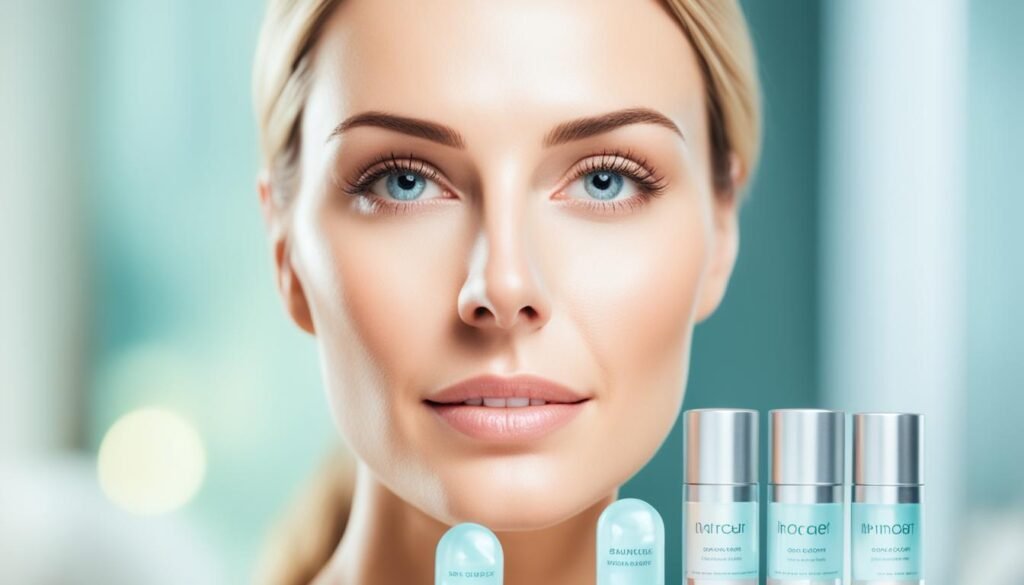
Collagen supplements have gained popularity for their potential benefits in improving skin texture, with claims of increased hydration, improved elasticity, reduced wrinkles, and even promoting hair and nail growth. However, it’s important to approach these claims with caution.
Research supporting the effectiveness of collagen supplements in achieving these benefits is limited and often influenced by the interests of supplement manufacturers. While some studies suggest positive results, it’s crucial to consider the quality and independence of these studies.
One key consideration is the absorption of collagen supplements by the gastrointestinal tract. Most collagen supplements are taken orally, and it’s unclear whether sufficient amounts reach the skin to have a significant impact. Although collagen is a crucial component of the skin, the relationship between oral supplementation and skin texture improvement is still not fully understood.
To illustrate, let’s take a closer look at the potential benefits of collagen supplements for skin hydration, improved elasticity, and reducing wrinkles:
- Skin Hydration: Some proponents claim that collagen supplements can help hydrate the skin, improving its moisture levels. However, the evidence supporting this claim is limited and inconclusive.
- Improved Elasticity: Collagen is known for its role in maintaining skin elasticity. While collagen supplements may contribute to collagen production in the body, the extent to which they improve skin elasticity is still uncertain.
- Reduced Wrinkles: Collagen supplements are often marketed as a solution for reducing wrinkles. However, the effectiveness of collagen supplements in diminishing wrinkles is not well-established, and their impact may vary depending on individual factors.
It’s important to note that individual responses to collagen supplements can differ, and results may vary. While some individuals may experience positive changes in their skin texture with collagen supplementation, others may not notice any significant improvements.
The Importance of a Holistic Approach
When considering collagen supplements for improving skin texture, it’s essential to take a holistic approach to skincare. While collagen is an important component, other factors also play a crucial role in maintaining healthy skin texture.
These factors can include proper skincare routines, protection against sun damage, a balanced diet rich in essential nutrients, regular exercise, stress management, and adequate hydration. Combining these factors with collagen supplements, if desired, may yield better overall results.
“Skin texture improvement is a complex process that involves various factors. While collagen supplements may play a role, a holistic approach to skincare is key.”
The Safety of Collagen Supplements
When considering collagen supplements, it’s important to understand their safety profile and potential risks. Overall, collagen supplements are considered safe for most individuals, with minimal side effects reported. However, it’s crucial to be cautious when selecting a supplement and to be aware of the potential side effects and risks associated with their use.
Some common side effects of collagen supplements may include:
- Headaches
- Lightheadedness
- Diarrhea
These side effects are generally mild and temporary. However, if you experience any severe or persistent symptoms, it is important to consult a healthcare professional.
It is also important to note that the collagen supplement industry is not well regulated. This means that there can be variations in product quality, accuracy of labeling, and potential contamination. To ensure safety, it is recommended to choose collagen supplements from reputable brands and manufacturers that adhere to good manufacturing practices.
Furthermore, individuals with food allergies should exercise caution when considering collagen supplements. Collagen supplements are often derived from animal sources, such as bovine or fish collagen. This can pose a risk for individuals with specific food allergies. If you have known allergies to these animal sources, it’s important to read product labels carefully and consult with a healthcare professional before starting any collagen supplement regimen.
While collagen supplements are generally considered safe, it is always recommended to consult with a healthcare professional before incorporating any new supplement into your routine. They can provide personalized advice based on your specific health needs and help you make an informed decision.
How to Take Collagen Supplements
Collagen supplements come in different forms, offering various options for consumption. These forms include powders, capsules, and gummies. Choosing the right form depends on personal preference and convenience.
When it comes to collagen powder, it can be easily incorporated into your daily routine. One of the most popular ways to consume collagen powder is by adding it to protein shakes, coffee, or smoothies. This allows for a seamless integration of collagen supplements into your existing dietary habits.
For those who prefer the convenience of capsules, collagen supplements are available in this form as well. Simply follow the manufacturer’s instructions on the recommended dosage and take the capsules with a glass of water or other beverage.
Gummies offer another fun and tasty option for consuming collagen supplements. These chewable supplements provide a convenient and enjoyable way to incorporate collagen into your daily routine. However, it’s important to note that gummies may contain additional ingredients and sugars, so be mindful of the overall nutritional content.
It is crucial to follow the recommended dosage guidelines provided by the manufacturer or consult with a healthcare professional. The optimal dosage of collagen supplements can vary depending on the product and individual needs. Typically, daily dosage ranges from 2.5 to 15 grams per day.
As with any dietary supplement, it’s important to consider the cost of collagen supplements. Daily supplementation can add up over time, so it’s essential to find a balance between the desired benefits and budget. It’s also important to remember that results may vary, and there are no guaranteed outcomes.
| Form | Benefits | Drawbacks |
|---|---|---|
| Powder | – Versatile: Can be added to various beverages and foods – Easy to adjust dosage |
– May have a distinct taste – Requires mixing or blending |
| Capsules | – Convenient and portable – Easy to track dosage |
– May be difficult to swallow – Limited dosage flexibility |
| Gummies | – Tasty and enjoyable – Easy to consume |
– May contain additional ingredients and sugars – Limited dosage flexibility |
Alternative Options for Improving Skin Texture

While collagen supplements are popular for their potential skin benefits, there are alternative options worth considering. These alternatives focus on stimulating collagen production, utilizing topical treatments, and adopting specific lifestyle factors to maintain overall skin health.
Dermatological Procedures for Stimulating Collagen Production
One effective option for improving skin texture is through dermatological procedures that stimulate collagen production. Microneedling, for example, involves the use of tiny needles to create controlled micro-injuries in the skin, triggering the body’s natural healing response and promoting collagen synthesis. This procedure can help reduce wrinkles, fine lines, and improve overall skin texture.
Topical Treatments for Collagen Production
Another alternative to collagen supplements is the use of topical treatments that contain vitamin A-based compounds, such as retinol or retinoids. These compounds have been proven to promote collagen production and improve skin texture by increasing cell turnover and stimulating collagen synthesis. However, it’s essential to consult with a dermatologist to find the most suitable and effective products for your skin.
Lifestyle Factors for Maintaining Skin Health
Besides procedures and topical treatments, maintaining skin health through lifestyle factors is crucial. Protecting the skin from environmental hazards like sun exposure, pollution, and cigarette smoke can prevent collagen breakdown and skin damage. Additionally, staying hydrated by drinking an adequate amount of water and using topical antioxidants can support collagen production and maintain skin elasticity.
The Importance of a Comprehensive Approach
While collagen supplements may offer some benefits, it’s important to approach improving skin texture holistically. A combination of dermatological procedures, topical treatments, and healthy lifestyle habits can provide more effective and long-lasting results. By addressing collagen production from multiple angles, individuals can optimize their skin health and achieve the desired skin texture.
The Science Behind Collagen Supplements
https://www.youtube.com/watch?v=aGm4nKqiTvU
Scientific studies on collagen supplements have provided mixed results regarding their effects on skin texture. Some studies suggest a limited improvement in skin parameters, but it’s important to remain cautious as many of these studies are sponsored by supplement manufacturers. The absorption of collagen supplements and their impact on skin hydration and elasticity are still subjects of ongoing research.
While some scientific studies have indicated positive effects of collagen supplements on skin parameters, it’s crucial to consider the limitations of these studies. The efficacy of collagen supplements for improving skin texture is still a matter of debate among experts in the field. Further unbiased research is needed to determine the true effectiveness of collagen supplements on skin parameters.
Collagen Peptides and Skin Aging
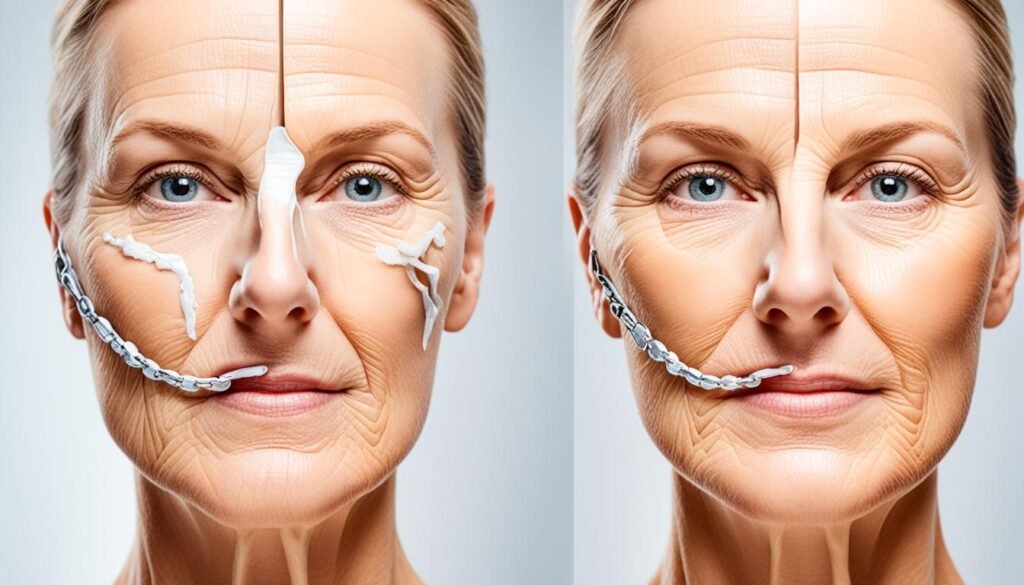
Collagen peptides, derived from hydrolyzed collagen, have gained attention in studies investigating their impact on skin aging. These studies have shown promising results, indicating that collagen peptides can improve skin moisture, enhance elasticity, and reduce signs of aging.
Research suggests that incorporating collagen peptides into our skincare routine may offer several benefits for skin properties. Increased skin moisture helps combat dryness and promotes a more supple complexion. Enhanced elasticity contributes to firmer, more resilient skin, reducing the appearance of fine lines and wrinkles. Additionally, collagen peptides may support the natural regeneration of skin cells, supporting a youthful and vibrant complexion.
However, it is important to note that the existing research on the effects of collagen peptides on skin aging is limited, and further studies are necessary to fully understand their potential benefits and mechanisms of action.
The Science Behind Collagen Peptides
The positive effects of collagen peptides on skin aging can be attributed to their bioavailability and ability to stimulate collagen synthesis. When consumed or applied topically, collagen peptides are broken down into smaller peptides that can be readily absorbed by the body. These peptides then stimulate fibroblast cells in the skin to produce more collagen, enhancing the skin’s overall structure and appearance.
“Collagen peptides have shown great potential in improving skin properties, providing valuable support for healthy, youthful-looking skin.”
Ongoing research on collagen peptides aims to delve deeper into their effects on various skin parameters and their potential as a skincare intervention. By understanding the mechanisms behind collagen peptides’ positive influence on skin aging, scientists can develop more targeted and evidence-based approaches to improving skin texture and reducing the signs of aging.
Summary:
Collagen peptides derived from hydrolyzed collagen have shown promise in studies examining their impact on skin aging. These peptides can improve skin moisture, enhance elasticity, and reduce signs of aging. However, more research is needed to fully understand their potential benefits and mechanisms of action. Nevertheless, collagen peptides offer exciting possibilities in the realm of skincare and may play a role in maintaining a youthful and radiant complexion.
The Need for Well-designed Studies
Despite the popularity of collagen supplements, research in this area is still relatively limited and often lacks high-quality, unbiased studies. Many studies are small, sponsored by supplement manufacturers, and have conflicting results. Well-designed, independent studies are needed to determine the true effectiveness and safety of collagen supplements for improving skin texture.
“Well-designed, independent studies are needed to determine the true effectiveness and safety of collagen supplements for improving skin texture.”
Collagen supplements have gained significant attention for their potential benefits in improving skin texture. However, it is crucial to acknowledge the limitations of existing studies and the importance of unbiased research.
Unfortunately, many studies in this field are sponsored by supplement manufacturers, which may introduce biases and conflicts of interest. As a result, the available evidence is often inconclusive and conflicting.
To truly understand the potential impact of collagen supplements on skin texture, well-designed studies are necessary. These studies need to be conducted independently, without the influence of financial interests or preconceived outcomes.
Well-designed studies would involve larger sample sizes, longer durations, and placebo-controlled designs to provide more reliable and accurate results. Additionally, objective measures such as skin biopsies, imaging techniques, and standardized assessments should be utilized to assess improvements in skin texture objectively.
By conducting unbiased research, we can better evaluate the true effectiveness and safety of collagen supplements. This not only helps consumers make informed decisions but also contributes to the advancement of skincare science.
It is important to recognize that while collagen supplements may hold promise, they are not a magic solution for improving skin texture. Our understanding of their effects is still evolving, and without unbiased research, it becomes challenging to separate marketing claims from scientifically proven benefits.
Ultimately, consumers should approach collagen supplements with a critical mindset and carefully evaluate the available evidence. Consulting with healthcare professionals and considering alternative strategies for maintaining skin health, such as dermatological procedures and topical treatments, can provide a more comprehensive approach to achieving smoother skin texture.
Consumer Considerations and Takeaways
When considering collagen supplements, it’s crucial to manage expectations and understand that results may take several months to become noticeable, if at all. The effectiveness of collagen supplements for improving skin texture varies from person to person, and some individuals may not see the desired outcomes despite regular use. It is important to remember that skin health is influenced by various factors, and relying solely on collagen supplements may not provide the desired results.
To ensure that you choose a reputable collagen supplement, it is recommended to do thorough research and consider factors such as product quality, manufacturing practices, and customer reviews. Additionally, consulting with a healthcare professional before incorporating collagen supplements into your routine is essential, especially if you have any pre-existing skin conditions or medical concerns.
While collagen supplements have gained popularity, alternative strategies for maintaining skin health should also be explored. Dermatological procedures performed by qualified professionals, such as microneedling or laser therapy, have shown efficacy in stimulating collagen production and improving skin texture. Topical treatments containing ingredients like retinol or hyaluronic acid can also support collagen synthesis and promote skin hydration.
Furthermore, adopting a healthy lifestyle can have a positive impact on skin health. Practicing sun protection, maintaining a balanced diet rich in antioxidants, staying hydrated, and managing stress levels can contribute to overall skin health and help support collagen production naturally.
Remember, collagen supplements are not a magical solution for perfect skin. It is important to manage expectations and explore alternative strategies to achieve and maintain healthy skin.
| Considerations | Collagen Supplements | Alternative Strategies |
|---|---|---|
| Effectiveness | Results may vary and may take time to become noticeable | Dermatological procedures and topical treatments have shown efficacy in improving skin texture |
| Product Selection | Choose reputable brands with high-quality collagen supplements | Select products with proven ingredients and positive customer reviews |
| Consultation | Consult with a healthcare professional before starting collagen supplementation | Seek advice from dermatologists for personalized skincare recommendations |
| Diversify Approach | Don’t rely solely on collagen supplements for skin health | Adopt a holistic approach with a balanced diet, sun protection, and stress management |
The Future of Collagen Research

Collagen research is an ever-evolving field, with ongoing studies aimed at providing a deeper understanding of the effects of collagen supplements on skin texture. As scientists delve further into the subject, emerging trends in collagen-related skincare are beginning to take shape, including the exploration of collagen-derived peptides, advancements in delivery systems, and the investigation of other bioactive compounds for improving skin health.
One of the exciting areas of ongoing research is the utilization of collagen-derived peptides. These peptides are broken down from collagen molecules and have demonstrated potential benefits for skin properties. Studies have shown that collagen peptides can enhance skin moisture, improve elasticity, and reduce signs of aging. Incorporating these peptides in skincare formulations has gained momentum, as they hold promise in promoting healthier and more youthful-looking skin.
“The exploration of alternative bioactive compounds is also gaining traction in collagen-related skincare research. Ingredients such as antioxidants, hyaluronic acid, and retinol are being studied for their potential to support collagen production, improve skin texture, and combat the signs of aging,” explains Dr. Jane Matthews, a dermatologist and skincare expert.
Advancements in delivery systems are also shaping the future of collagen-related skincare. Researchers are focusing on developing innovative delivery methods that can enhance the absorption and activity of collagen and other bioactive compounds in the skin. These advancements aim to maximize the efficacy of skincare products and provide users with visible improvements in skin texture and appearance.
To summarize, ongoing research in the field of collagen supplements continues to shed light on their potential benefits for improving skin texture. As scientific understanding expands, we can expect more evidence-based approaches to skincare that leverage collagen-derived peptides, innovative delivery systems, and other bioactive compounds. These advancements have the potential to revolutionize the way we approach skincare and help us achieve healthier, more youthful-looking skin.
Conclusion
After examining the available scientific evidence, it is clear that collagen supplements have gained popularity as a means to improve skin texture. However, it must be acknowledged that the effectiveness of these supplements is still limited and often biased. While collagen supplements are primarily absorbed by the digestive system, their actual benefits for enhancing skin texture remain uncertain.
As a consumer, it is essential to approach collagen supplements with caution and manage expectations. It is wise to consider alternative options that have a more substantial scientific basis, such as dermatological procedures like microneedling or topical treatments containing vitamin A-based compounds. Additionally, maintaining healthy lifestyle habits, including protecting the skin from environmental hazards, staying hydrated, and using topical antioxidants, can contribute to skin health and texture.
Collagen research is an ongoing field, and it continues to evolve with new trends and advancements. While we await further comprehensive insights into the effects of collagen supplements on skin texture, it is crucial to remain informed and vigilant. Ultimately, achieving smoother skin texture may require a holistic approach that encompasses various strategies beyond collagen supplementation.
FAQ
Can collagen supplements improve skin texture?
While collagen supplements have been marketed as a way to improve skin texture, the scientific evidence supporting their effectiveness is limited. The benefits of collagen supplements for skin texture remain uncertain.
What role does collagen play in skin aging?
Collagen is the main structural protein in the skin, responsible for its firmness and elasticity. As we age, our natural collagen production decreases, leading to a loss of firmness and the development of wrinkles and sagging skin.
Are there any potential benefits of collagen supplements for skin texture?
Some proponents claim that collagen supplements can hydrate the skin, improve elasticity, reduce wrinkles, and promote hair and nail growth. However, research supporting these claims is limited and often sponsored by supplement manufacturers.
Are collagen supplements safe to consume?
Collagen supplements are generally considered safe with minimal side effects such as headaches, lightheadedness, and diarrhea. However, it’s important to be cautious when choosing a supplement, as the industry is not well regulated, and there have been issues with inaccurate labeling and contamination.
How should collagen supplements be taken?
Collagen supplements are available in various forms such as powder, capsules, and gummies. The recommended dosage can vary, and it’s essential to follow the manufacturer’s instructions. Collagen powder can be easily added to protein shakes, coffee, or smoothies.
What are alternative options for improving skin texture?
Dermatological procedures like microneedling can stimulate collagen production, while topical treatments containing vitamin A-based compounds have shown promising results. Additionally, protecting the skin from environmental hazards and using topical antioxidants can help maintain skin health.
What does the science say about collagen supplements?
Scientific studies on collagen supplements have shown mixed results. Some studies suggest limited improvement in skin texture, but it’s important to note that these studies are often sponsored by supplement manufacturers. The absorption and effects of collagen supplements on skin parameters are still subjects of ongoing research.
What are collagen peptides, and how do they affect skin aging?
Collagen peptides, derived from hydrolyzed collagen, have shown improved skin moisture, elasticity, and reduced signs of aging in some studies. However, more research is needed to fully understand their benefits and mechanisms of action on skin properties.
Why is well-designed research on collagen supplements important?
Despite the popularity of collagen supplements, research in this area is still relatively limited and often lacks high-quality, unbiased studies. Well-designed, independent research is needed to determine the true effectiveness and safety of collagen supplements for improving skin texture.
What should consumers consider when using collagen supplements?
When considering collagen supplements, it’s crucial to manage expectations and understand that results may take several months to become noticeable, if at all. It’s also important to select a reputable supplement, consult with a healthcare professional, and explore alternative strategies for maintaining skin health.
What does the future of collagen research look like?
Collagen research is continuously evolving, with ongoing studies aiming to provide more comprehensive insights into the effects of collagen supplements on skin texture. Emerging trends include collagen-derived peptides, advancements in delivery systems, and the exploration of other bioactive compounds for skin health.