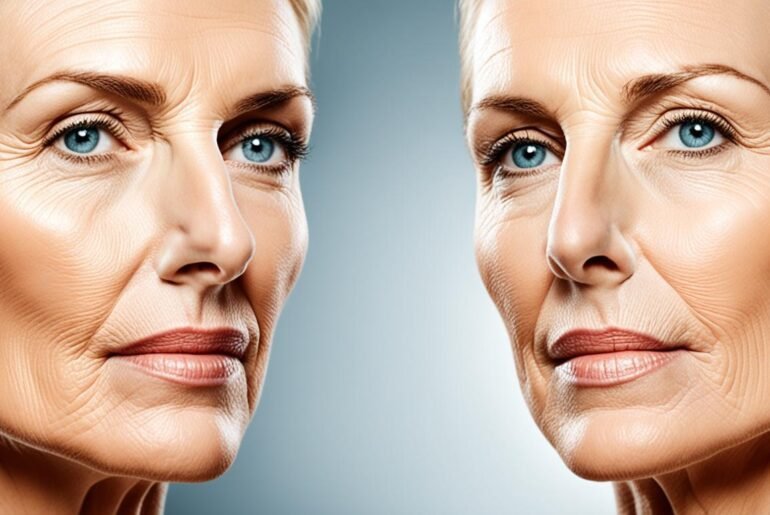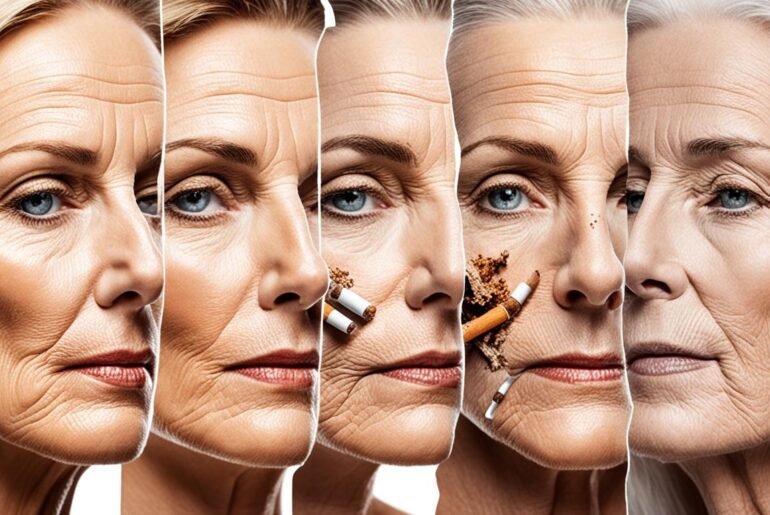
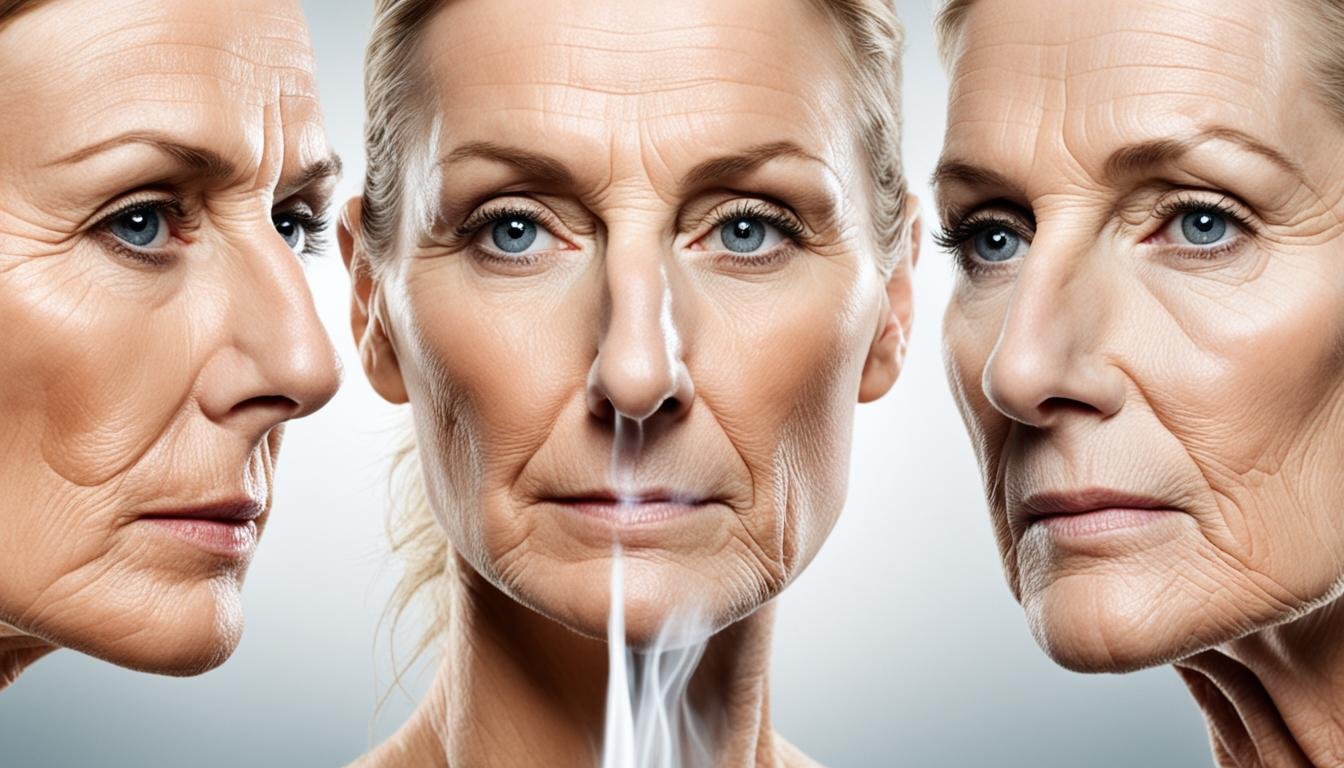
Did you know that secondhand smoke can have a profound effect on your skin aging? It’s not just the direct smokers who are at risk – those exposed to secondhand smoke can experience accelerated skin aging as well. The harmful components in secondhand smoke can lead to collagen loss, wrinkles, and overall premature aging of the skin.
When we think about the detrimental effects of secondhand smoke, we often focus on its impact on our respiratory system. However, the damaging effects of secondhand smoke on our skin are often overlooked. Whether you’re spending time around smokers or living in a smoky environment, the consequences of secondhand smoke exposure are real and can have long-term effects on your skin health.
In this article, I will explore the link between secondhand smoke and skin aging, the specific mechanisms through which secondhand smoke affects the skin, and provide you with tips on how to protect your skin from the harmful effects of secondhand smoke.
Key Takeaways:
- Exposure to secondhand smoke can lead to accelerated skin aging, causing collagen loss and the development of wrinkles.
- The harmful components in secondhand smoke can cause oxidative stress, inflammation, and damage to collagen and elastin fibers in the skin.
- Using skincare products that stimulate collagen production and neutralize free radicals can help protect your skin from the damaging effects of secondhand smoke.
- Quitting smoking and avoiding secondhand smoke are crucial for maintaining healthy, youthful skin.
- Sun protection is essential in preventing further damage from both UV radiation and secondhand smoke.
Why is Secondhand Smoke More Dangerous than Firsthand Smoke?
Secondhand smoke is considered more dangerous than firsthand smoke due to the higher concentration of harmful components. The levels of nicotine, tar, nitric oxide, and carbon monoxide are at least twice as high in secondhand smoke compared to firsthand smoke. This is because there is no filter at the end of the cigarette, resulting in more concentrated toxins.
When someone smokes a cigarette, they inhale the smoke directly, allowing some of the harmful components to be filtered out by the cigarette itself. However, when another person is exposed to secondhand smoke, they breathe in the smoke that has already been exhaled by the smoker, as well as the smoke that wafts from the burning cigarette. As a result, the concentration of chemicals in secondhand smoke is much higher.
Here is a comparison table that illustrates the difference in the levels of chemicals in secondhand smoke versus firsthand smoke:
| Chemical | Secondhand Smoke | Firsthand Smoke |
|---|---|---|
| Nicotine | Higher concentration | Lower concentration |
| Tar | Higher concentration | Lower concentration |
| Nitric Oxide | Higher concentration | Lower concentration |
| Carbon Monoxide | Higher concentration | Lower concentration |
This table clearly demonstrates the higher concentration of these harmful components in secondhand smoke. The increased levels of nicotine, tar, nitric oxide, and carbon monoxide make secondhand smoke more dangerous to individuals who are exposed to it, even in smaller amounts.
It is important to note that the impact of these chemicals and their higher concentration in secondhand smoke can have serious health implications. Secondhand smoke has been linked to various health problems such as respiratory issues, heart disease, and even cancer.
Therefore, it is crucial to prioritize creating smoke-free environments to protect the health and well-being of everyone, especially those who are most vulnerable to the harmful effects of secondhand smoke.
The Impact of Secondhand Smoke on Collagen
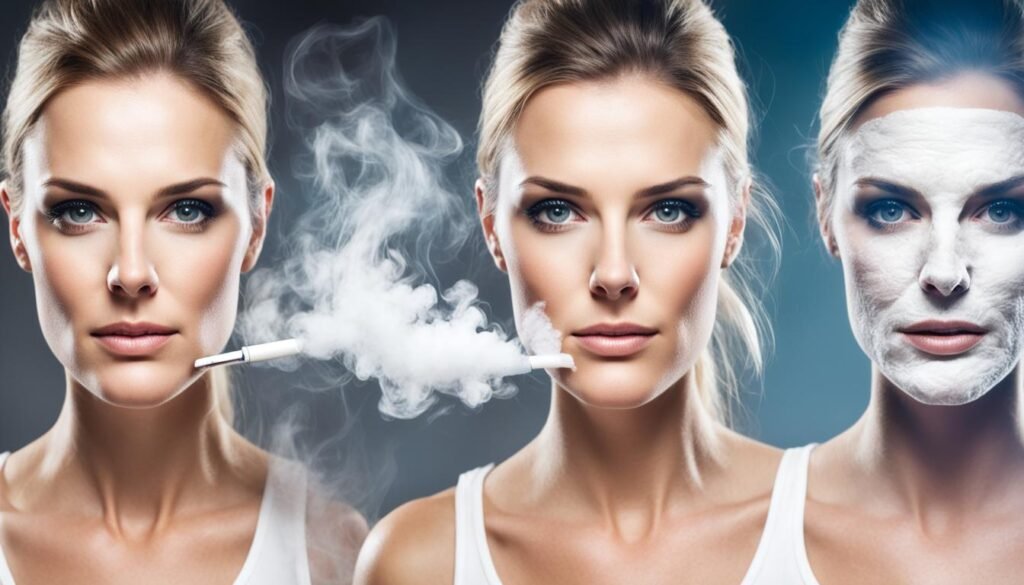
Collagen, the crucial protein responsible for maintaining skin elasticity and firmness, is significantly affected by secondhand smoke. The harmful components present in secondhand smoke trigger the activation of collagen-destroying enzymes known as matrix metalloproteinases (MMPs). These enzymes become more active in the presence of tobacco smoke, leading to the breakdown and loss of collagen in the skin.
“The increased enzyme activity caused by secondhand smoke results in the breakdown and loss of collagen, leading to increased wrinkling and visible signs of aging.”
This degradation of collagen fibers manifests as wrinkles and other visible signs of skin aging. Moreover, secondhand smoke can interfere with the production of new collagen, further exacerbating the skin aging process. The negative impact of secondhand smoke on collagen contributes to the accelerated development of aging skin.
To better understand the effects of secondhand smoke on collagen production, refer to the table below:
| Effects of Secondhand Smoke on Collagen Production | Summary |
|---|---|
| Increased activity of collagen-destroying enzymes (MMPs) | Leads to breakdown and loss of collagen fibers |
| Interference with collagen production | Exacerbates the aging process and reduces skin elasticity |
| Accelerated development of wrinkles | Visible signs of premature skin aging |
As seen in the table, secondhand smoke can have detrimental effects on collagen production and maintenance, contributing to the aging of the skin.
Tips to Prevent Skin Damage from Secondhand Smoke
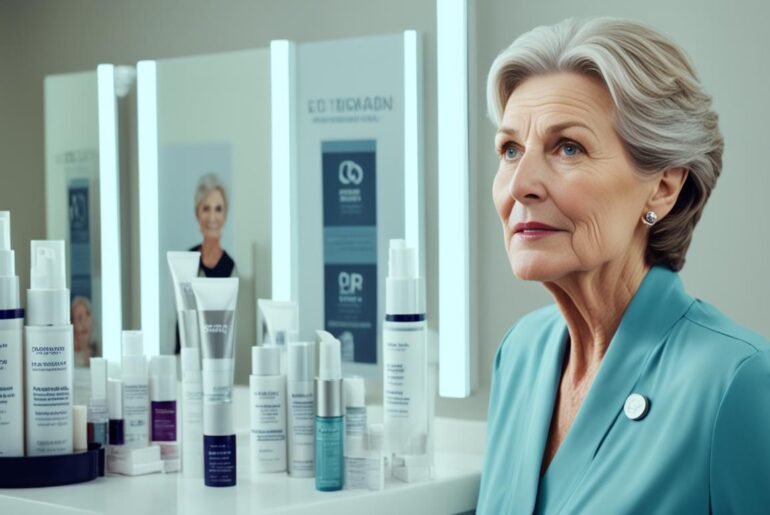
To protect your skin from the damaging effects of secondhand smoke, it is essential to incorporate targeted skincare products into your routine. These products can help stimulate collagen production, neutralize free radicals, and maintain the overall health of your skin.
Stimulate Collagen Production
Collagen is a key protein that gives your skin its structure and elasticity. Secondhand smoke can contribute to the loss of collagen, leading to premature aging and wrinkling. To counteract this, look for skincare products that contain peptides such as Caprooyl Tetrapeptide and Matrixyl 300. These powerful ingredients can help stimulate the formation of new collagen, keeping your skin plump and youthful.
Neutralize Free Radicals
Secondhand smoke contains harmful free radicals that can damage your skin cells and accelerate the aging process. Combat these free radicals by using skincare products enriched with ingredients like White Tea Extract (2%-5%). White Tea Extract is known for its antioxidant properties, which can help neutralize free radicals and protect your skin from smoke-induced damage.
Replace Lost Vitamins
Exposure to secondhand smoke can deplete your skin of essential vitamins. Look for skincare products that contain Vitamins C and E. Vitamin C helps brighten the skin and promotes collagen production, while Vitamin E nourishes and hydrates, restoring vital nutrients lost due to smoke exposure. Incorporating these vitamins into your skincare routine can help counteract the damaging effects of secondhand smoke.
Improve Circulation and Glow
Using products that stimulate blood flow can improve circulation and give your skin a healthy glow. Look for ingredients like ginseng, peppermint, or rosemary in your skincare products. These natural extracts can help increase blood flow to the skin, promoting a radiant complexion despite exposure to secondhand smoke.
Protect with Sunscreen
Even if you’re indoors, it’s crucial to wear sunscreen daily to protect your skin from harmful UV rays. UV radiation can penetrate through windows and contribute to skin damage. Apply a broad-spectrum sunscreen with a high SPF every day, rain or shine, indoors or outdoors. This will provide an extra layer of protection against the detrimental effects of both sunlight and secondhand smoke.
By incorporating these tips into your skincare routine, you can minimize the potential damage caused by secondhand smoke. Remember to stimulate collagen production, neutralize free radicals, replace lost vitamins, improve circulation, and protect your skin with sunscreen. Consistency is key, so make these practices a part of your daily skincare regimen for optimal results.
The Connection Between Secondhand Smoke and Skin Pigmentation
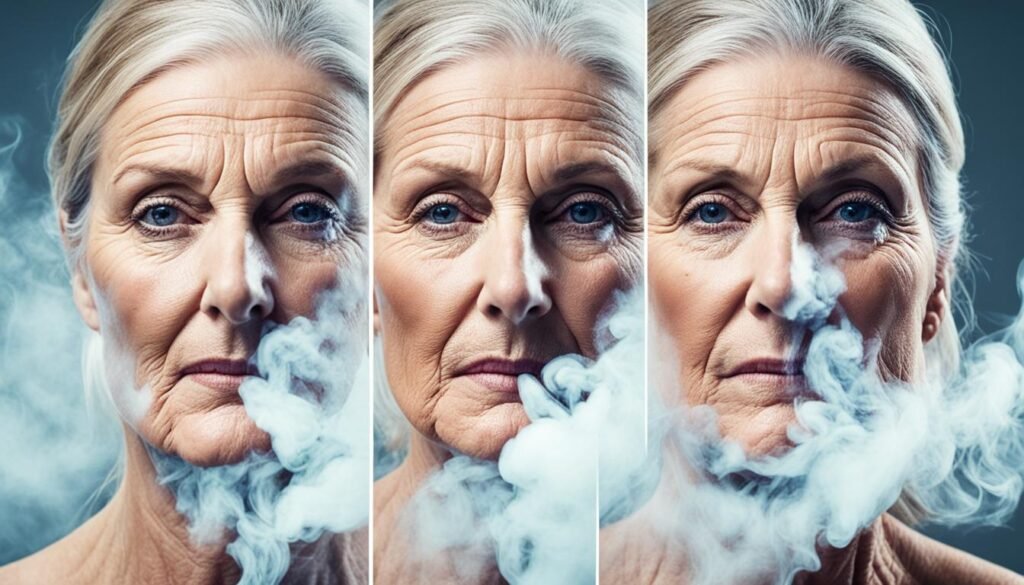
Smoking, including exposure to secondhand smoke, has been associated with changes in skin pigmentation. Studies have shown a correlation between smoking and an increase in oral melanin pigmentation.
The exact mechanism behind this is not fully understood, but it is believed to be related to the oxidative stress caused by tobacco smoke.
Smoking cessation has been found to improve skin color, indicating that the effects of smoking on skin pigmentation are reversible.
“The connection between smoking and changes in skin pigmentation is supported by scientific research. Exposure to tobacco smoke can lead to an increase in melanin production in the oral cavity, resulting in darker pigmentation. While the exact mechanism is not yet fully understood, it is hypothesized that the oxidative stress caused by smoking triggers melanocytes to produce more melanin.”
Effects of Secondhand Smoke on Skin Texture and Elasticity
Exposure to secondhand smoke can have detrimental effects on the texture and elasticity of the skin. Research has shown that both smokers and individuals exposed to secondhand smoke tend to have thinner epidermal layers compared to non-smokers. This can result in a rougher skin texture, making it difficult for the skin to appear smooth and supple.
The loss of elasticity is another common effect of secondhand smoke on the skin. The harmful chemicals present in secondhand smoke can contribute to the breakdown of collagen and elastin fibers, which are responsible for maintaining the skin’s firmness and elasticity. As a result, the skin may become saggy and less resilient, leading to a decrease in overall skin quality.
To illustrate the impact of secondhand smoke on skin texture and elasticity, we can refer to the following table:
| Non-Smokers | Smokers | Secondhand Smoke Exposed Individuals | |
|---|---|---|---|
| Epidermal Layer Thickness | Normal | Thinner | Thinner |
| Elasticity | High | Reduced | Reduced |
| Texture | Smooth | Rough | Rough |
The table clearly highlights the changes in skin texture and elasticity observed in non-smokers, smokers, and individuals exposed to secondhand smoke. These findings emphasize the need to protect the skin from the harmful effects of secondhand smoke and promote a healthy lifestyle.
To maintain optimal skin health and counteract the effects of secondhand smoke, individuals should consider the following measures:
- Adopt a thorough skincare routine that includes cleansing, exfoliating, moisturizing, and protecting the skin from UV radiation.
- Use skincare products containing ingredients that promote collagen production and boost skin elasticity, such as retinol, peptides, and hyaluronic acid.
- Avoid exposure to secondhand smoke and create smoke-free environments in homes and workplaces.
- Eat a balanced diet rich in antioxidants to help neutralize the damaging effects of free radicals.
- Stay hydrated by drinking an adequate amount of water daily.
- Avoid excessive sun exposure and always wear sunscreen with a high SPF to shield the skin from both UV rays and secondhand smoke.
By taking these steps, individuals can help mitigate the negative impact of secondhand smoke on their skin texture and elasticity, promoting a healthier and more youthful appearance.
The Role of Smoking in Skin Aging
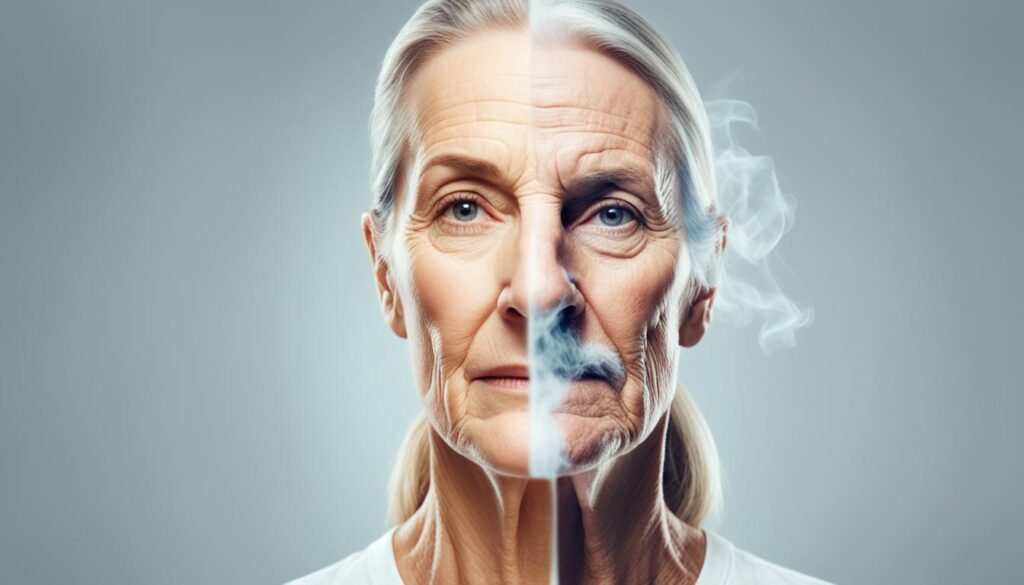
Smoking, both firsthand and secondhand, has a detrimental impact on skin health, accelerating the aging process. The chemicals present in tobacco smoke lead to oxidative stress, inflammation, and damage to vital components of the skin, such as collagen and elastin fibers. This damage manifests as increased wrinkles, sagging, and an uneven skin tone, contributing to premature aging. Smokers are more prone to developing wrinkles at a younger age compared to non-smokers, highlighting the aging-accelerating effects of smoking.
Moreover, smoking is linked to an increased risk of non-melanoma skin cancers, further underscoring the harmful impact of tobacco smoke on skin health. The carcinogenic properties of smoking can lead to the development of these cancers, which can be both physically and emotionally distressing.
Quitting smoking is essential in slowing down the aging process and improving overall skin health. By eliminating exposure to the harmful chemicals in tobacco smoke, individuals can mitigate damage and allow the skin to repair and heal. It is never too late to quit smoking and start prioritizing skin health.
Protecting the skin from the damaging effects of smoking is crucial. Using sunscreen with broad-spectrum protection and a high sun protection factor (SPF) is essential, as UV radiation can exacerbate the harmful impact of tobacco smoke on the skin. Applying sunscreen daily, rain or shine, indoors or outdoors, provides a barrier against harmful UV rays, preventing further skin damage.
Additionally, adopting a comprehensive skincare routine can help combat the effects of smoking on the skin. Using products that stimulate collagen production, such as those containing peptides like Caprooyl Tetrapeptide and Matrixyl 3000, can help restore elasticity and firmness. Antioxidant-rich ingredients like White Tea Extract neutralize free radicals caused by smoke, protecting the skin from further damage. Vitamins C and E are also beneficial in replenishing lost nutrients and maintaining skin hydration.
“Quitting smoking is essential in slowing down the aging process and improving overall skin health.”
The Effects of Smoking on Skin Health:
- Accelerates the aging process
- Increases wrinkles and sagging
- Causes an uneven skin tone
- Enhances the risk of non-melanoma skin cancers
Protecting the skin from smoke damage and maintaining skin health should be a priority for all individuals, regardless of whether they are smokers or exposed to secondhand smoke. By quitting smoking, practicing sun protection, and following a skincare routine designed to combat the effects of smoking, individuals can preserve their skin’s youthfulness and vitality.
The Relationship Between Secondhand Smoke and Acne
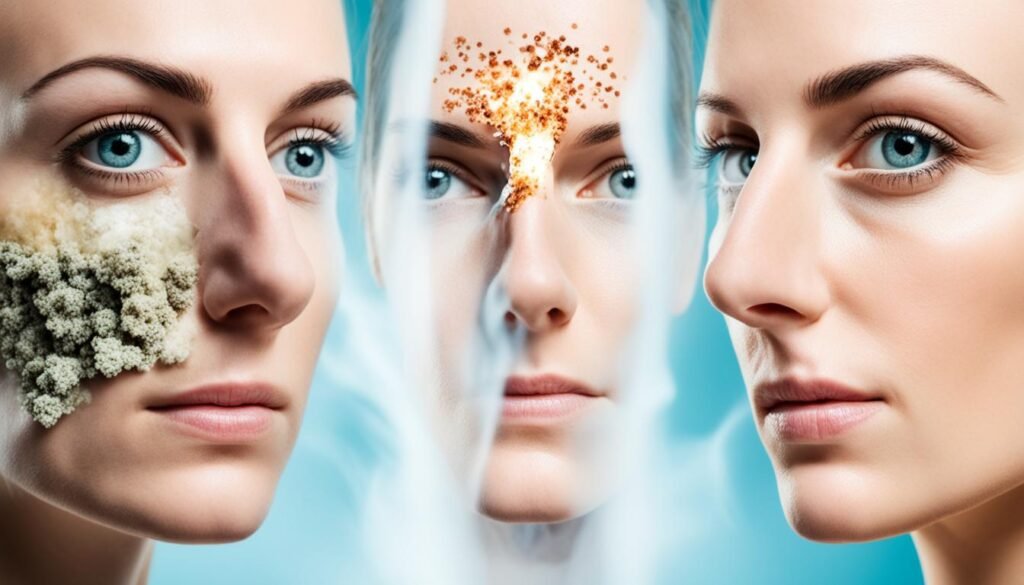
There is evidence suggesting a link between secondhand smoke and acne. Smoking, including exposure to secondhand smoke, has been found to be associated with an increased prevalence of acne. The exact mechanisms behind this association are not well understood, but it is believed to be related to the effects of tobacco smoke on sebaceous glands and hormonal imbalances. Quitting smoking and avoiding exposure to secondhand smoke may help improve acne symptoms.
While the direct relationship between secondhand smoke and acne is not fully established, research has shown that exposure to tobacco smoke can affect sebum production, inflammation, and hormonal regulation, all of which are known to contribute to the development and exacerbation of acne. Sebaceous glands, which produce sebum, are highly sensitive to smoking-induced changes, leading to increased oil production and clogged pores that can result in acne formation.
Additionally, tobacco smoke contains numerous toxic chemicals that can irritate and inflame the skin, making it more susceptible to breakouts. These chemicals can disrupt the delicate balance of hormones in the body, further aggravating acne symptoms.
It’s important to note that quitting smoking and avoiding exposure to secondhand smoke can have multiple benefits for overall health and well-being, including the improvement of acne symptoms.
The Impact of Secondhand Smoke on Sebaceous Glands
Sebaceous glands are responsible for producing sebum, an oily substance that helps lubricate and protect the skin. When exposed to tobacco smoke, these glands can become overactive, leading to increased sebum production. Excess sebum can clog pores, creating an ideal environment for acne-causing bacteria to thrive. This can result in the formation of blackheads, whiteheads, and pimples.
Smoking-Induced Inflammation and Acne
Inflammation plays a crucial role in the development and progression of acne. Secondhand smoke contains inflammatory compounds that can trigger an immune response in the skin, leading to redness, swelling, and the formation of painful, cystic acne. Inflammation can also disrupt the normal healing process of acne lesions, prolonging their lifespan and increasing the risk of scarring.
Hormonal Imbalances and Acne
Smoking, both firsthand and secondhand, has been shown to disrupt hormone levels in the body. This disruption can lead to an imbalance of hormones that regulate sebum production, such as testosterone and estrogen. Imbalances in these hormones can contribute to the development of acne. Furthermore, tobacco smoke can impair the liver’s ability to metabolize hormones effectively, further aggravating acne symptoms.
| Effects of Secondhand Smoke on Acne | Possible Mechanisms |
|---|---|
| Increased sebum production | Stimulation of sebaceous glands |
| Inflammation | Presence of inflammatory compounds in tobacco smoke |
| Hormonal imbalances | Disruption of hormone regulation and metabolism |
Quitting smoking and minimizing exposure to secondhand smoke can help improve acne symptoms by reducing the harmful effects of tobacco smoke on sebaceous glands, inflammation, and hormonal regulation. It is also essential to maintain a healthy skincare routine that includes gentle cleansing, exfoliation, and the use of non-comedogenic, acne-fighting products.
The Effect of Secondhand Smoke on Skin Blood Flow
Exposure to secondhand smoke can have a detrimental effect on skin blood flow. Research has shown that both smoking and being exposed to secondhand smoke can result in vasoconstriction, causing a reduction in blood flow to the skin.
This decrease in blood flow can have various negative consequences for skin health. When blood flow is compromised, the delivery of vital oxygen and nutrients to the skin becomes impaired. This can lead to poor skin health and an increased risk of various skin conditions.
Furthermore, reduced blood flow can hinder the skin’s ability to heal wounds effectively. When blood flow is restricted, the healing process slows down, prolonging the recovery time for injuries.
To maintain optimal skin health, it is crucial to prioritize circulation. Regular exercise plays a significant role in improving blood flow throughout the body, including the skin. Engaging in activities such as cardiovascular exercises, yoga, or even brisk walks can enhance circulation and promote healthier skin.
Sun Protection as a Defense Against Secondhand Smoke Damage
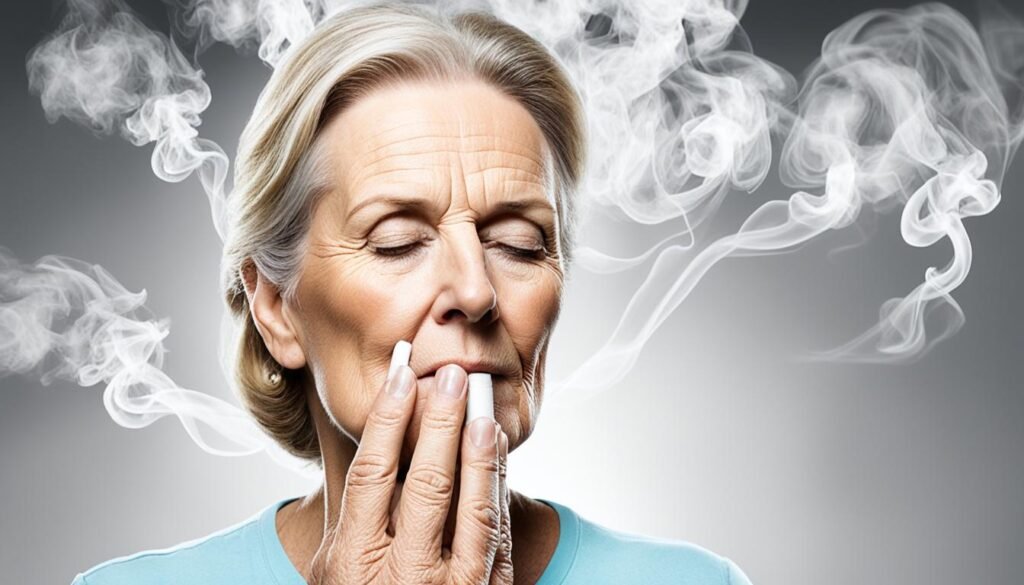
Sun protection is crucial for defending the skin against damage caused by secondhand smoke. Even when indoors or not directly exposed to the sun, UV radiation can still penetrate through windows and contribute to skin aging. Therefore, wearing sunscreen with broad-spectrum protection and a high SPF should be a daily habit.
Zinc Oxide, found in certain sunscreens, provides broad-spectrum coverage and is highly recommended for protection against harmful UV rays. Additionally, using a mineral powder sunscreen can provide extra protection and help prevent wrinkles and sun damage.
Conclusion
In conclusion, the impact of secondhand smoke on skin aging is significant and undeniable. The harmful components present in secondhand smoke can lead to collagen loss, increased wrinkles, and overall premature aging of the skin. Exposure to secondhand smoke can cause oxidative stress, inflammation, and damage to essential proteins like collagen and elastin, which are responsible for maintaining skin elasticity and firmness.
To protect your skin from the damaging effects of secondhand smoke, it is crucial to take proactive measures. Using skincare products that stimulate collagen production, neutralize free radicals, and improve circulation can help mitigate the negative impact. Additionally, quitting smoking and avoiding exposure to secondhand smoke are essential for maintaining healthy skin.
Furthermore, practicing sun protection is vital in preventing further damage from both UV radiation and secondhand smoke. Applying sunscreen with broad-spectrum protection and a high SPF should be a daily habit, even when indoors or not directly exposed to sunlight. Zinc Oxide, found in certain sunscreens, can provide excellent coverage against harmful UV rays. Investing in mineral powder sunscreen can also offer additional protection, preventing wrinkles and sun damage.
To preserve the health and appearance of your skin, it is crucial to be proactive in minimizing secondhand smoke exposure and implementing effective skincare habits. By doing so, you can help prevent collagen loss, premature aging, and the development of other skin-related issues.
FAQ
How does secondhand smoke impact skin aging?
Secondhand smoke has been linked to premature skin aging, leading to collagen loss, increased wrinkles, and overall accelerated skin aging.
Why is secondhand smoke more dangerous than firsthand smoke?
Secondhand smoke contains higher concentrations of harmful components, such as nicotine, tar, nitric oxide, and carbon monoxide, compared to firsthand smoke.
What is the impact of secondhand smoke on collagen?
Secondhand smoke can lead to collagen loss in the skin. Collagen-destroying enzymes become more active when exposed to tobacco smoke, resulting in the breakdown and loss of collagen in the skin.
How can I prevent skin damage from secondhand smoke?
Using skin care products that stimulate collagen production, neutralize free radicals from smoke, and improve circulation can help protect the skin from the damaging effects of secondhand smoke. Additionally, applying sunscreen daily is essential for preventing further damage from both UV radiation and secondhand smoke.
What is the connection between secondhand smoke and skin pigmentation?
Smoking, including exposure to secondhand smoke, has been associated with an increase in oral melanin pigmentation. Quitting smoking can help improve skin color, indicating that the effects of smoking on skin pigmentation are reversible.
How does secondhand smoke impact skin texture and elasticity?
Secondhand smoke can contribute to thinner epidermal layers and loss of elasticity in the skin, resulting in a rougher texture and sagging.
What role does smoking play in skin aging?
Smoking, both firsthand and secondhand, accelerates the skin aging process. The chemicals in tobacco smoke cause oxidative stress, inflammation, and damage to collagen and elastin fibers, leading to increased wrinkles, sagging, and overall premature aging. Smoking is also associated with a higher risk of non-melanoma skin cancers.
Is there a link between secondhand smoke and acne?
Smoking and exposure to secondhand smoke have been found to be associated with an increased prevalence of acne. Quitting smoking and avoiding exposure to secondhand smoke may help improve acne symptoms.
How does secondhand smoke affect skin blood flow?
Smoking and exposure to secondhand smoke can lead to vasoconstriction, reducing blood flow to the skin. This can result in poor skin health, decreased oxygen and nutrient delivery, and impaired wound healing.
How does sun protection defend against secondhand smoke damage?
Sunscreen is crucial in protecting the skin from damage caused by both UV radiation and secondhand smoke. Even when indoors or not directly exposed to the sun, UV radiation can still penetrate through windows. Zinc Oxide, found in certain sunscreens, provides broad-spectrum coverage and is highly recommended for protection against harmful UV rays.
What is the overall impact of secondhand smoke on skin aging?
Secondhand smoke accelerates the skin aging process by causing oxidative stress, inflammation, and damage to collagen and elastin fibers. This leads to increased wrinkles, sagging, uneven skin tone, and overall premature aging. Quitting smoking and avoiding exposure to secondhand smoke can help slow down the aging process and improve skin health.