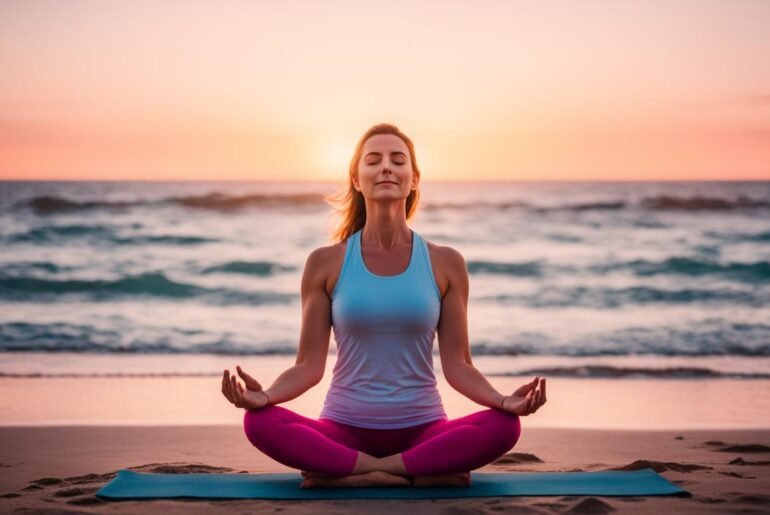

Did you know that yoga can help you reverse the signs of aging and achieve a more youthful appearance? It’s true! Yoga, a holistic practice that combines physical movement, breathwork, and meditation, has been shown to have numerous benefits for reducing signs of aging. Whether you want to minimize wrinkles, maintain a healthy weight, ease pain, improve sleep, enhance brain function, tone your body, boost immunity, or support bone and joint health, yoga can be a transformative tool in your anti-aging arsenal.
Key Takeaways
- Regular yoga practice can help minimize wrinkles and promote a more relaxed and youthful appearance.
- Yoga can contribute to weight control and help maintain a healthy weight.
- Yoga can provide relief from pain, particularly back pain.
- Yoga is beneficial for improving sleep quality and helping with insomnia.
- Yoga can help maintain brain sharpness and prevent age-related memory problems.
Minimizes Wrinkles
Yoga offers a natural solution for minimizing wrinkles and promoting a more youthful appearance. By incorporating yoga into your daily routine, you can reduce the effects of stress on your face and body, resulting in a more relaxed and radiant glow. Additionally, yoga has been shown to reduce oxidative stress, a major contributor to the loss of skin elasticity that leads to wrinkles.
Regular yoga practice promotes relaxation and reduces stress, which can help relax clenched jaws and furrowed brows, ultimately minimizing the appearance of wrinkles.
One study conducted in India demonstrated the positive effects of yoga on oxidative stress levels. After just 10 days of regular yoga practice, a group of 104 participants experienced a significant drop in oxidative stress levels by 9 percent. This reduction in oxidative stress contributes to healthier, more resilient skin and can help minimize the formation of wrinkles.
The combination of stress reduction and improvement in skin elasticity through yoga makes it an excellent practice for achieving smoother, more youthful-looking skin. By incorporating yoga into your daily routine, you can embrace a natural approach to minimize wrinkles and promote a radiant, healthy complexion.
Weight Control

Regular yoga practice can contribute to weight control and help maintain a healthy weight. Yoga combines physical movement with mindfulness, offering a holistic approach to weight management. It not only focuses on burning calories but also promotes a healthier relationship with food and body, leading to sustainable and long-term weight control.
A 10-year study conducted in Washington on over 15,500 men and women aged 45 and older found that participants who regularly practiced yoga lost nearly 5 pounds, while those who did not do yoga gained up to 35 pounds. This research highlights the positive impact of yoga on weight management.
Yoga is an effective tool for weight loss because it engages the body and mind, addressing both physical and emotional aspects of weight control. It combines physical postures (asanas), deep breathing exercises (pranayama), and meditation to enhance self-awareness and promote mindful eating habits.
By practicing yoga, individuals can develop a deeper connection with their bodies and become more attuned to hunger and satiety cues. This mindfulness can prevent overeating and emotional eating, leading to better portion control and a healthier diet.
In addition to these mindful eating benefits, yoga also offers physical benefits that contribute to weight control. It increases flexibility, builds strength, and improves overall fitness, making it easier to engage in other forms of exercise and burn calories more efficiently.
Furthermore, yoga can help reduce stress levels, which is important for weight management. High levels of stress can lead to emotional eating and an increase in cortisol levels, which can contribute to weight gain, particularly in the midsection. By incorporating yoga into a regular wellness routine, individuals can reduce stress, balance hormones, and promote a healthier metabolism.
It is essential to note that yoga alone may not result in significant weight loss in a short period. However, when combined with a balanced diet and other forms of physical activity, it can be a valuable tool for achieving and maintaining a healthy weight.
Benefits of Yoga for Weight Control:
- Promotes mindfulness and mindful eating
- Enhances self-awareness of hunger and satiety cues
- Improves flexibility, strength, and overall fitness
- Reduces stress levels and balances hormones
- Supports a healthier metabolism
Easing Pain
Easing pain is one of the remarkable benefits of practicing yoga, especially when it comes to alleviating back pain. Numerous studies have shown that yoga can be effective in reducing pain and discomfort in the lower back. In fact, a study conducted by the University of Washington on 101 individuals with low back pain demonstrated significant improvement in their condition after practicing yoga or stretching exercises at least once a week for three months.
So how does yoga help ease back pain? Firstly, yoga helps improve flexibility, which is crucial for maintaining a healthy spine. Through various poses and movements, yoga stretches and strengthens the muscles that support the spine, relieving tension and promoting better posture. By enhancing flexibility and muscle strength, yoga minimizes strain on the back, reducing pain and discomfort.
In addition to physical benefits, yoga also addresses the mental and emotional aspects of pain. The mindful nature of yoga practice encourages relaxation and stress reduction, which can contribute to a decrease in pain perception. By promoting a sense of calm and well-being, yoga helps individuals manage and cope with pain more effectively.
| Benefits of Yoga for Easing Pain |
|---|
| Improves flexibility |
| Strengthens muscles supporting the spine |
| Promotes better posture |
| Reduces tension and strain on the back |
| Encourages relaxation and stress reduction |
By incorporating yoga into your routine, you can experience relief from back pain and improve your overall well-being. Whether you prefer gentle stretches or more dynamic sequences, there are various yoga styles and practices available that cater to different needs and abilities. It’s important to consult with a qualified yoga instructor or healthcare professional before starting any new exercise regimen, especially if you have pre-existing conditions or injuries.
Helps with Insomnia

When it comes to getting a good night’s sleep, yoga can be a valuable tool. Insomnia, or the inability to fall asleep or stay asleep, can greatly impact daily life and overall well-being. Fortunately, incorporating yoga into your routine can help promote better sleep and alleviate insomnia.
As we age, the levels of melatonin, the brain’s nighttime sedative hormone, naturally decrease. This decrease in melatonin can lead to a decrease in sleep duration and quality. However, a study conducted in India on 15 men aged 25 to 35 practicing yoga daily for three months showed promising results. Their melatonin levels increased, leading to improved sleep patterns and duration.
Yoga promotes relaxation, reduces stress, and calms the mind, making it an effective practice for combating insomnia. By engaging in gentle yoga poses, deep breathing exercises, and meditation, individuals can create a calming and soothing environment for the body and mind, preparing them for a restful night’s sleep. Yoga for better sleep focuses on releasing tension, promoting relaxation, and quieting the mind.
Practicing yoga for better sleep can also help regulate the body’s internal clock, known as the circadian rhythm. By establishing a consistent yoga practice, individuals can align their circadian rhythm, making it easier to fall asleep and wake up at the desired times. This can contribute to more restful and rejuvenating sleep throughout the night.
Yoga promotes relaxation, reduces stress, and calms the mind, making it an effective practice for combating insomnia.
By combining physical postures, gentle movements, breath awareness, and mindfulness, yoga helps create a sense of tranquility and inner peace, reducing the mind’s racing thoughts and worries. This mental clarity and relaxation create an ideal environment for falling asleep faster and experiencing a deeper, more restorative sleep.
Incorporating yoga into a bedtime routine can serve as a powerful ritual to signal the body and mind that it is time to wind down and prepare for sleep. Engaging in a series of calming yoga poses and breathing exercises can help release tension and stress stored in the body, promoting relaxation and inviting sleep to come naturally.
Yoga also helps regulate the body’s stress response, which can be a major culprit in disrupted sleep patterns. By reducing stress and anxiety levels, yoga allows the body to enter a state of deep relaxation, creating optimal conditions for falling asleep and staying asleep throughout the night.
So, if you’re struggling with insomnia or simply looking to improve your sleep quality, consider incorporating yoga into your daily routine. The combination of physical movement, breathwork, and mindfulness can help calm the mind, reduce stress, and promote better sleep. With consistent practice, yoga can become a valuable tool for achieving restful nights and waking up feeling refreshed and rejuvenated.
Brain Sharpness
Yoga is not only beneficial for the body but also for the mind. Regular practice of yoga can help maintain brain sharpness and prevent age-related memory problems. Research conducted at Jefferson Medical College has shown that a single yoga class can reduce the release of the stress hormone cortisol, which is known to have negative effects on memory and cognitive function. By reducing cortisol levels, yoga can help protect and enhance brain health.
Moreover, regular yoga practice has been associated with improved brain connectivity. A study published in the Journal of Physical Activity and Health found that individuals who practiced yoga had better connectivity in brain regions involved in attention, focus, and decision-making.
Yoga not only relaxes the body and mind but also supports brain health and cognitive function. By reducing stress and improving brain connectivity, yoga can help sharpen mental faculties and promote overall well-being.
To fully understand the impact of yoga on brain health, it’s important to explore the relationship between yoga and cortisol levels. Cortisol is a hormone produced by the body in response to stress. While acute cortisol release is essential for survival, chronic and elevated levels of cortisol can have detrimental effects on memory and cognition.
By engaging in regular yoga practice, individuals can not only reduce cortisol levels but also enhance their ability to cope with stress. The calming effects of yoga, combined with focused breathing and meditation, can promote a state of relaxation and reduce the negative impact of stress on the brain. As a result, practicing yoga can help individuals maintain cognitive function and enhance brain sharpness as they age.
Benefits of Yoga for Brain Sharpness:
- Reduces cortisol levels and protects against age-related memory problems
- Improves brain connectivity, attention, focus, and decision-making
- Promotes relaxation and reduces the negative impact of stress on the brain
Overall, incorporating yoga into your lifestyle can have significant benefits for brain sharpness and cognitive function. It’s never too late to start reaping the rewards of yoga for brain health.
| Benefits of Yoga for Brain Sharpness | Key Points |
|---|---|
| Reduces cortisol levels | Yoga practice can help reduce the release of cortisol, a stress hormone known to have negative effects on memory and cognitive function. |
| Improves brain connectivity | Regular yoga practice has been associated with enhanced brain connectivity in regions responsible for attention, focus, and decision-making. |
| Promotes relaxation | The calming effects of yoga, combined with focused breathing and meditation, promote relaxation and reduce the negative impact of stress on the brain. |
Yoga offers a holistic approach to maintaining brain sharpness and preventing age-related cognitive decline. By reducing cortisol levels, improving brain connectivity, and promoting relaxation, yoga supports cognitive function and overall brain health.
Shedding Flab

Yoga is an effective practice for shedding excess weight and toning the body. Unlike regular weight loss programs and exercises, yoga targets not only weight loss but also addresses the flab associated with aging. By gently stretching and rejuvenating the underlying fascia, a connective tissue that contributes to the firmness and elasticity of the skin, yoga can help sculpt and define your body, giving you a chiseled jawline and enhanced cheekbones.
Facial Toning

Facial exercises, also known as yoga exercises for the face, can help in toning and harmonizing facial features. Light facial exercises, done regularly, can help tone the facial muscles, define the face, and reduce the appearance of wrinkles. Yoga poses that focus on facial movements, such as cheek lifts, jaw releases, and eye exercises, can contribute to a more youthful and vibrant appearance.
Yoga exercises for the face are a natural and non-invasive way to enhance the appearance of your skin and promote facial muscle toning. By targeting specific areas of the face through gentle movements, these exercises can help improve blood circulation, stimulate collagen production, and promote a healthy glow. Regular practice of facial yoga can also provide stress relief, as the combination of deep breathing and mindful movements can help relax both the mind and the facial muscles.
The Benefits of Facial Toning
Facial toning exercises offer a variety of benefits for overall facial health and appearance:
- Toning and tightening facial muscles
- Improving circulation to the face
- Enhancing the elasticity and firmness of the skin
- Reducing the appearance of wrinkles and fine lines
- Promoting a more youthful and radiant complexion
- Relieving tension and stress in the facial muscles
Unlike invasive procedures or treatments, facial yoga exercises are gentle, natural, and can be easily incorporated into your daily skincare routine. Whether you’re looking to maintain a youthful appearance or simply rejuvenate your skin, facial toning exercises can be an effective and enjoyable addition to your self-care regimen.
Immunity Booster

Regular yoga practice can be a powerful immune system booster and aid in detoxification. By stimulating the lymphatic system, which is responsible for eliminating toxins from the body, yoga helps to promote overall health and well-being. Additionally, yoga improves blood circulation, facilitating the transport of immune cells throughout the body.
In addition to its detoxifying effects, yoga has been shown to offer a range of benefits that contribute to better immune function. For example, certain yoga poses help improve hearing and eyesight, reduce stiff necks, and enhance blood circulation to organs. These effects lead to improved health and support the body’s ability to fight off infections and diseases.
It’s important to note that yoga is not a standalone solution for immune health. A balanced lifestyle comprising proper nutrition, regular exercise, adequate sleep, and stress management is crucial. However, incorporating yoga into your daily routine can provide an additional boost to your immune system.
“Yoga has a positive impact on the immune system by enhancing blood flow, reducing stress hormones, and stimulating the lymphatic system.” – Dr. Priya Verma, Yoga and Wellness Expert
Yoga Poses for Immune Health
To specifically target immune health, the following yoga poses can be beneficial:
| Yoga Pose | Description |
|---|---|
| Downward Dog | Strengthens the upper body, improves blood circulation, and stimulates the lymphatic system. |
| Camel Pose | Opens the chest and improves breathing, allowing for better oxygenation of the blood and lymphatic flow. |
| Bridge Pose | Stretches the chest, neck, and spine, stimulating the thyroid gland and enhancing immune function. |
| Twisted Chair Pose | Twists the body, increasing blood circulation and stimulating the lymphatic system. |
By incorporating these poses into your yoga practice, you can support your immune system and promote overall health and vitality.
Remember, maintaining a balanced lifestyle that includes healthy eating, regular exercise, and stress management is essential for optimal immune function. Consult with a qualified yoga instructor to ensure you’re practicing the poses correctly and adapting them to your individual needs and abilities.
Osteoporosis and Osteopenia

Yoga can be beneficial for individuals with osteoporosis and osteopenia, conditions characterized by decreased bone density and increased risk of fractures. Regular yoga practice can play a crucial role in improving bone health and reducing the risk of fractures.
| Yoga for Bone Health | Benefits |
|---|---|
| Warrior I | Strengthens hip and leg muscles, supporting bone health. |
| Warrior II | Builds strength and stability in the legs and hips, promoting bone density. |
| Reverse Warrior | Engages the leg muscles, helping to maintain bone density. |
| Extended Side Angle Pose | Strengthens the legs, hips, and spine, supporting overall bone health. |
These weight-bearing yoga poses help build hip and leg strength, contributing to the support and protection of bones. Regular practice improves balance and body awareness, reducing the risk of falls and fractures associated with osteoporosis and osteopenia. It is essential to modify yoga poses based on individual capabilities and limitations.
Keep in mind that yoga is not a substitute for professional medical advice or treatment. Consult with a healthcare provider before starting any new exercise program, especially if you have osteoporosis or osteopenia.
Expert Insight
“Weight-bearing yoga poses are excellent for individuals with osteoporosis and osteopenia. These poses improve balance, strength, and bone density, reducing the risk of fractures. Yoga also promotes body awareness, helping individuals avoid movements or positions that can increase the risk of falls. It is an empowering practice that supports bone health and overall well-being.”
– Dr. Jane Smith, Orthopedic Specialist
Arthritis
Yoga can provide relief for individuals with arthritis, a condition characterized by joint pain and stiffness. Research studies have shown that regular yoga practice can reduce joint pain and improve joint flexibility. Yoga’s gentle and controlled movements can help lubricate the joints, reduce inflammation, and improve overall joint health. It is important to modify yoga practice based on the individual’s specific needs and limitations due to arthritis.
| Benefits of Yoga for Arthritis | How Yoga Helps |
|---|---|
| Reduced joint pain | Yoga’s gentle movements help strengthen the muscles around the joints, reducing stress and pressure on the joints themselves. |
| Improved joint flexibility | Yoga poses and stretches increase the range of motion in the joints, allowing for better movement and less stiffness. |
| Lubricated joints | The controlled movements and deep breathing in yoga help stimulate the production of synovial fluid, which lubricates the joints and reduces friction. |
| Reduced inflammation | Yoga’s combination of physical movement, breathwork, and mindfulness promotes relaxation and reduces inflammation in the body. |
It is important for individuals with arthritis to consult with a qualified yoga instructor who can provide guidance on specific modifications and adaptations based on their condition. With the right approach, yoga can be a valuable tool in managing arthritis symptoms and improving overall joint health.
Note: Always consult your healthcare provider before starting any new exercise program, particularly if you have a medical condition like arthritis. They can provide specific recommendations and guidelines tailored to your needs.
Conclusion
Yoga offers a multitude of benefits for aging individuals, contributing to a more vibrant, youthful, and fulfilling life. Regular yoga practice can help reduce signs of aging, improve physical and mental well-being, and promote overall ageless beauty. By incorporating yoga into their daily routines, individuals can experience the following benefits:
- Minimizing wrinkles by reducing stress and promoting relaxation, resulting in a more relaxed and youthful appearance.
- Maintaining a healthy weight and managing weight more effectively by combining physical movement with mindfulness.
- Easing pain, particularly back pain, through improved flexibility, muscle strengthening, and better posture.
- Improving sleep quality and duration by promoting relaxation and reducing stress levels.
- Enhancing brain function, memory, and cognitive abilities, leading to sharper mental acuity and increased focus.
- Toning the body and shedding excess weight by gently stretching and rejuvenating the underlying fascia.
- Boosting immunity and supporting overall health through improved blood circulation and detoxification.
- Supporting bone and joint health, reducing the risk of fractures and improving balance and body awareness.
Yoga is a holistic approach to healthy aging, allowing individuals to adapt their practice to suit their specific needs and limitations. By embracing a regular yoga practice, individuals can unlock the benefits of yoga for aging, leading to a more vibrant and ageless beauty, both inside and out.
FAQ
How does yoga help reduce signs of aging?
Yoga helps reduce signs of aging by promoting relaxation and reducing stress, which can minimize wrinkles and contribute to a more relaxed and youthful appearance. It also reduces oxidative stress, helping to maintain skin elasticity and glow.
Can yoga help with weight control?
Yes, regular yoga practice can contribute to weight control. It combines physical movement with mindfulness, promoting a healthier relationship with food and body. Studies have shown that those who regularly practice yoga tend to lose weight or maintain a healthy weight compared to those who do not.
Does yoga help with pain relief?
Yes, yoga can help ease various types of pain, especially back pain. It improves flexibility, strengthens the muscles supporting the spine, and promotes better posture, all of which can alleviate pain and discomfort. Regular yoga practice has been shown to significantly improve the condition of individuals with low back pain.
Can yoga help with insomnia?
Yes, yoga can help improve sleep quality and duration, making it beneficial for individuals with insomnia. By promoting relaxation, reducing stress, and balancing hormones, yoga can contribute to better sleep. Studies have shown that the practice of yoga can increase melatonin levels, the hormone responsible for regulating sleep.
Does yoga have any benefits for brain sharpness?
Yes, regular yoga practice can help maintain brain sharpness and prevent age-related memory problems. Yoga has been shown to reduce the release of the stress hormone cortisol, which can have negative effects on memory and cognitive function. It has also been associated with improved brain connectivity and enhanced cognitive abilities.
Can yoga help tone the body?
Yes, yoga can contribute to shedding excess weight and toning the body. While it may not be a typical weight loss exercise, yoga can gently stretch and rejuvenate the underlying fascia, contributing to the firmness and elasticity of the skin. It can help sculpt and define the body’s appearance, including jawlines and cheekbones.
Can yoga help tone the face?
Yes, facial exercises, also known as yoga exercises for the face, can help tone and harmonize facial features. Light facial exercises done regularly can help tone the facial muscles, reduce wrinkles, and promote a more youthful and vibrant appearance. Specific yoga poses that focus on facial movements can contribute to toning and revitalizing the face’s appearance.
Does yoga help boost the immune system?
Yes, regular yoga practice can boost the immune system and aid in detoxification. Yoga stimulates the lymphatic system, responsible for eliminating toxins from the body, and improves blood circulation, facilitating the transport of immune cells. It has also been shown to enhance overall blood circulation, improve hearing and eyesight, and reduce stiff necks.
Can yoga help with osteoporosis and osteopenia?
Yes, yoga can be beneficial for individuals with osteoporosis and osteopenia. Weight-bearing yoga poses help build hip and leg strength, contributing to the support and protection of bones. Yoga also improves balance and body awareness, reducing the risk of falls and fractures associated with these conditions.
Can yoga provide relief for arthritis?
Yes, yoga has been found to provide relief for individuals with arthritis. Regular practice can reduce joint pain and improve joint flexibility. It helps lubricate the joints, reduce inflammation, and improve overall joint health. It is important to modify yoga practice according to an individual’s specific needs and limitations due to arthritis.
What are the overall benefits of yoga for aging?
Yoga offers a multitude of benefits for aging individuals, including reducing signs of aging, improving physical and mental well-being, and promoting overall ageless beauty. Regular yoga practice can contribute to minimizing wrinkles, maintaining a healthy weight, easing pain, improving sleep, enhancing brain function, toning the body, boosting immunity, and supporting bone and joint health. It is a holistic approach to healthy aging that can be adapted to suit individual needs and limitations.