Did you know that Botox is one of the most popular cosmetic treatments worldwide, with over 7 million procedures performed in the United States alone in 2019?[1] Whether you’re considering Botox for its anti-aging effects or to enhance your appearance, understanding the ideal frequency for Botox injections is essential.
Key Takeaways:
- The frequency of Botox treatments depends on individual factors such as age and wrinkle severity.
- On average, Botox lasts for around four months, but this can vary.
- For preventive treatment in your twenties, scheduling a treatment every 12 weeks may be considered, while for maintenance, injections every 12-16 weeks are usually sufficient.
- Consulting with a medical professional is key in determining the ideal frequency for Botox treatments.
Now, let’s dive deeper into the topic and explore how Botox works, the factors that influence its frequency, and the best timing for optimal results.
Sources:
[1] American Society of Plastic Surgeons. (2020). 2019 Plastic Surgery Statistics Report. Retrieved from https://www.plasticsurgery.org/documents/News/Statistics/2019/plastic-surgery-statistics-full-report-2019.pdf.
How Botox Works
https://www.youtube.com/watch?v=LTq3-ZeH-mQ
Botox is a highly effective neurotoxin used for wrinkle reduction and is widely known for its ability to temporarily smooth out fine lines and wrinkles on the face. But have you ever wondered how exactly Botox works its magic? Let’s take a closer look at the mechanism of Botox.
At its core, Botox is composed of a neurotoxin called botulinum toxin type A, which is produced by the bacterium called Clostridium botulinum. When injected into specific areas of the face, Botox targets the muscles responsible for causing wrinkles and fine lines. The neurotoxin works by blocking the release of acetylcholine, a chemical that is vital for muscle contraction. By preventing the nerves from sending signals to the muscles to contract, Botox effectively relaxes the treated muscles, resulting in a smoother, more youthful appearance.
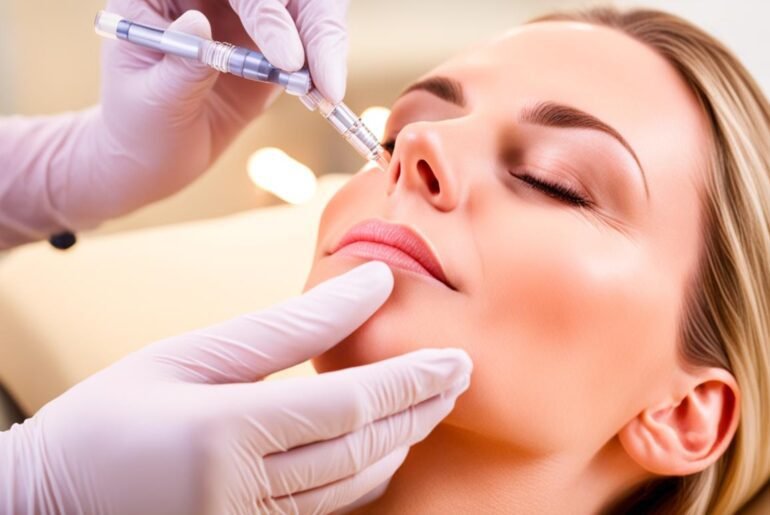
The procedure itself is quick and virtually painless. A small amount of Botox is injected into the targeted muscle using a fine needle. There may be some minimal discomfort or a slight stinging sensation, but it dissipates quickly. Botox injections do not make the face look flat or expressionless. In fact, when administered correctly, Botox allows you to maintain natural facial expressions while reducing the appearance of wrinkles.
It’s important to note that the effects of Botox are temporary and typically last for about three to four months. To maintain optimal results, regular treatments are recommended. The precise dosage and injection sites for Botox will vary depending on your individual needs and desired outcomes. Consulting with a skilled healthcare professional will ensure that you receive personalized treatment tailored to your specific concerns.
Now that we understand the science behind Botox, let’s explore the frequency at which Botox treatments are typically recommended in the next section.
Botox Frequency
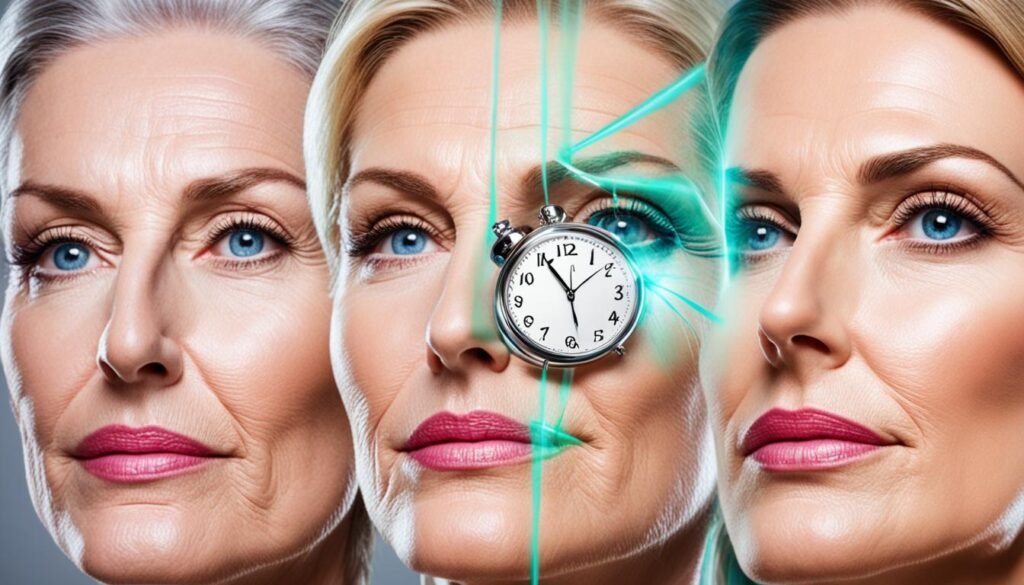
When it comes to Botox injections, the frequency of treatments can vary depending on individual factors such as age, severity of wrinkles, and the duration of results. On average, the effects of Botox last for approximately four months. However, it is important to note that each patient’s experience with Botox may differ.
For those seeking preventive treatment, it is typically recommended to schedule Botox injections every 12 weeks. This proactive approach helps to maintain a youthful appearance and prevent the formation of new wrinkles.
For those already undergoing Botox treatment for maintenance purposes, injections every 12 to 16 weeks are usually sufficient. This interval allows for the sustained reduction of wrinkles and fine lines while minimizing the frequency of injections.
It’s crucial to work closely with a qualified healthcare professional who can assess your individual needs and develop a personalized Botox treatment plan. Their expertise will ensure that the frequency of injections aligns with your desired results and helps you achieve optimal outcomes.
| Frequency | Purpose |
|---|---|
| Every 12 weeks | Preventive treatment to maintain a youthful appearance and prevent new wrinkle formation. |
| Every 12-16 weeks | Maintenance treatment to reduce the appearance of wrinkles and fine lines. |
Good Candidates for Botox
Botox is a safe and effective treatment for individuals who have moderate-to-severe dynamic wrinkles caused by muscular contraction. Ideal candidates for Botox injections are those looking to reduce the appearance of wrinkles on specific areas of the face.
Here are some common conditions that make individuals suitable candidates for Botox treatment:
- Forehead wrinkles: Botox can help smooth out the horizontal lines that appear on the forehead when raising the eyebrows.
- Crow’s feet: Botox can effectively reduce the fine lines and wrinkles that form around the eyes due to smiling and squinting.
- Smoker’s lines: Botox can soften the vertical lines that appear around the lips, often associated with smoking or purse-string movements of the mouth.
- Frown lines: Botox can minimize the vertical lines that form between the eyebrows, known as glabellar lines or “elevens.”
It is important for potential candidates to be in good overall health and to inform the provider of any specific allergies, skin infections near injection sites, or other medical conditions. An experienced medical professional will assess the individual’s suitability for Botox and provide personalized treatment recommendations.
| Conditions | Wrinkles Suitable for Botox Injections |
|---|---|
| Forehead wrinkles | Horizontal lines on the forehead when raising the eyebrows |
| Crow’s feet | Fine lines and wrinkles around the eyes due to smiling and squinting |
| Smoker’s lines | Vertical lines around the lips, often associated with smoking or purse-string movements of the mouth |
| Frown lines | Vertical lines between the eyebrows, known as glabellar lines or “elevens” |
When to Start Botox

The ideal time to start Botox varies for each individual. Some providers recommend starting Botox when the skin begins to lose elasticity and fine lines start to form in areas that move a lot. Genetics, skincare routine, and sun exposure can also influence when Botox may be needed. A skin care consultation with a provider can help determine the best time to start Botox.
Factors Affecting the Timing of Botox:
- Genetics: The natural aging process and genetic factors can impact when wrinkles and fine lines start appearing.
- Skincare Routine: Proper skincare, including regular moisturizing and sun protection, can help delay the onset of visible signs of aging.
- Sun Exposure: Prolonged and unprotected sun exposure can accelerate skin damage and contribute to premature aging.
- Skin Elasticity: When the skin loses its elasticity and becomes less resilient, it may be an indication that Botox treatments could be beneficial.
Preventive Botox: Delaying the Aging Process
“Starting Botox treatments early can help prevent the formation of deep wrinkles and maintain a youthful appearance.”– Dr. Elizabeth Taylor, Dermatologist
Preventive Botox, also known as early Botox treatment, involves using Botox injections to prevent the onset of wrinkles before they become deeply etched into the skin. By targeting the overactive muscles that cause dynamic wrinkles, early Botox treatment can help delay the aging process and keep the skin smooth and youthful-looking for longer.
Benefits of Early Botox Treatment:
| Benefits | Description |
|---|---|
| Wrinkle Prevention | Early Botox treatment can help prevent the formation of deep wrinkles, preserving a more youthful appearance. |
| Natural Results | Starting Botox early allows for more subtle and natural-looking results, as it works to maintain the skin’s natural elasticity. |
| Proactive Aging | By addressing the signs of aging early, you can approach the process proactively and maintain a youthful look for longer. |
It’s important to consult with a qualified provider for an individualized assessment of when to start Botox. They can evaluate your unique concerns, skin condition, and goals to determine the most appropriate timing for preventative Botox treatments.
Duration of Botox Results
The duration of Botox results varies from person to person, depending on several factors. Studies have shown that the effects of Botox typically last for around 120 days, which is approximately four months. However, it’s important to note that this timeframe is not fixed and can vary based on individual characteristics and circumstances.
One of the key factors that influence the longevity of Botox injections is the specific muscles being treated. Some areas of the face may retain the effects of Botox longer than others. Additionally, the dosage of Botox administered can also play a role in determining how long the results will last.
It’s worth mentioning that lifestyle choices and habits can also impact how quickly Botox is processed and pushed out of the body. Regular exercise and increased blood flow, for example, may contribute to a faster metabolism of the Botox solution, potentially leading to a shorter duration of effects.
To determine the optimal timing for Botox injections, it’s essential to consult with a qualified medical professional who can evaluate your specific needs and recommend a personalized treatment plan.
Summary of Duration:
| Factors | Average Duration |
|---|---|
| Individual variation | Approximately four months (120 days) |
| Specific muscles being treated | Can vary |
| Dosage of Botox administered | Can influence duration |
| Lifestyle and habits | May affect processing and longevity |
What Happens When Botox Wears Off
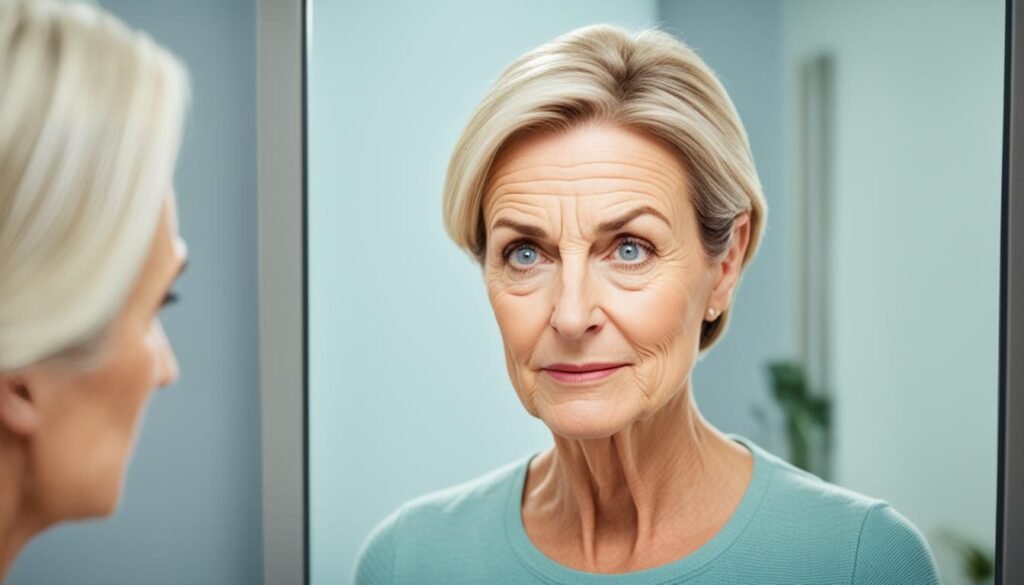
When Botox wears off, the effects gradually diminish as the nerves in the treated area begin to form new endings. This allows the affected muscles to slowly regain their ability to contract, leading to the reoccurrence of wrinkles on the skin.
Botox is a temporary solution for wrinkle reduction, and its effects typically last for around four months. As the neurotoxin wears off, the muscles responsible for fine lines and wrinkles gradually regain their movement.
It is important to be aware of the signs indicating that Botox is wearing off. These may include the return of muscle movement in the treated areas, the reappearance of facial expressions that were temporarily diminished, and the reoccurrence of wrinkles and lines on the skin.
Monitoring these signs can help individuals schedule their next Botox treatment accordingly, ensuring continuous wrinkle reduction and maintaining a more youthful appearance.
“The effects of Botox wear off over time as the treated muscles regain their ability to contract. Being proactive and scheduling regular Botox treatments can help maintain the desired results and minimize the reoccurrence of wrinkles.”
| Effects of Wearing Off Botox | Reoccurrence of Wrinkles After Botox |
|---|---|
| Gradual return of muscle movement in treated areas | Formation of new wrinkles and fine lines |
| Reappearance of facial expressions | Loss of smooth and youthful appearance |
| Diminished wrinkle reduction | Increased visibility of dynamic wrinkles |
How Often Should You Get Botox?
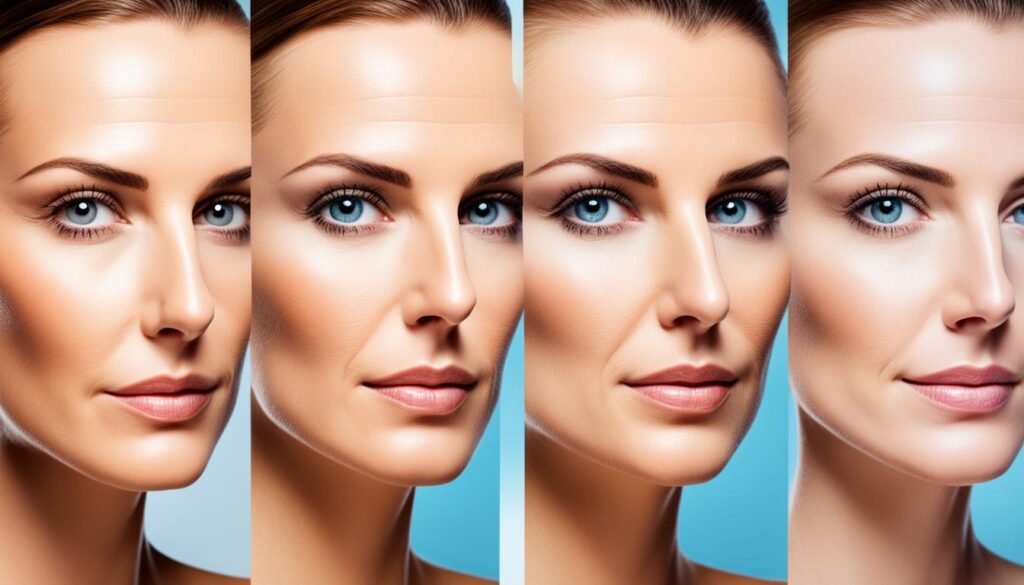
The frequency of Botox injections is personalized to each individual. After a few treatments, the patient’s response to Botox can be assessed to determine the optimal timing for future injections. Most patients schedule Botox injections every three to four months. Frequent Botox use may weaken facial muscles over time, allowing for longer intervals between treatments.
It is important to consult with a qualified medical professional who specializes in cosmetic treatments to determine the recommended frequency for your specific needs. They will consider factors such as your age, wrinkle severity, and desired outcome. By following a personalized schedule, you can maintain the effects of Botox and achieve the desired facial rejuvenation results.
Remember, Botox is not a permanent solution, and the duration of its effects varies from person to person. Regular maintenance treatments are necessary to sustain the desired results. By adhering to the appropriate injection schedule recommended by your medical professional, you can ensure that you consistently enjoy the benefits of Botox and maintain a youthful appearance.
The Benefits of Following an Optimal Botox Injection Schedule:
- Consistent wrinkle reduction: Regular injections help to consistently relax facial muscles and minimize the formation of new wrinkles.
- Lasting results: By sticking to an optimal Botox injection schedule, you can prolong the effects of each treatment and enjoy a smoother, more youthful appearance.
- Preventive action: Regular Botox injections can prevent the deepening of existing wrinkles and delay the onset of new ones.
- Minimal downtime: Botox injections are quick, non-surgical procedures. By following a regular injection schedule, you can maintain your appearance without significant interruption to your daily routine.
Consult with a qualified medical professional to determine the appropriate frequency for your Botox injections and ensure the best outcomes for your individual needs and goals.
Conclusion
In conclusion, the frequency of Botox injections is highly individualized and depends on various factors such as age, wrinkle severity, and the duration of results desired. On average, Botox treatments last around four months, providing temporary relief from wrinkles and fine lines. To maintain optimal results, preventive treatments are typically scheduled every 12 weeks, while maintenance treatments are recommended every 12-16 weeks.
It is crucial to start Botox at the right time and follow a personalized schedule to achieve and maintain youthful-looking skin without overdoing it. Consulting with a medical professional is key in determining the ideal frequency for Botox treatments based on your specific needs and goals. They will be able to assess your individual factors and guide you towards the most effective treatment plan.
By understanding the recommended frequency and properly timing your Botox injections, you can enjoy the long-lasting benefits of smoother, more youthful skin. Remember, consistency is key when it comes to Botox treatments, so be sure to follow the schedule identified by your healthcare provider to achieve optimal results and keep your skin looking its best.
FAQ
How often should you get Botox?
The frequency of Botox treatments varies depending on factors such as age, wrinkle severity, and individual response. On average, Botox lasts for around four months, but this can vary. For preventive treatment, injections every 12 weeks may be considered, while for maintenance, injections every 12-16 weeks are usually sufficient.
How does Botox work?
Botox is a neurotoxin that acts as a local paralytic. It targets and relaxes the muscles responsible for wrinkles and fine lines. The injections are done in specific areas to prevent muscle contraction. Botox injections are quick, painless, and do not make the face flat or expressionless, allowing for maintained facial expressions while preventing wrinkles from forming.
Who are good candidates for Botox?
Botox is suitable for individuals with moderate-to-severe dynamic wrinkles caused by muscular contraction. It can target wrinkles on the forehead, around the eyes (crow’s feet), around the lips (smoker’s lines), and around the mouth (frown lines). It is important to be in good health and inform the provider of any specific allergies, skin infections near injection sites, or other medical conditions.
When is the right time to start Botox treatments?
The ideal time to start Botox varies for each individual. Some providers recommend starting Botox when the skin begins to lose elasticity and fine lines start to form in areas that move a lot. Genetics, skincare routine, and sun exposure can also influence when Botox may be needed. A skincare consultation with a provider can help determine the best time to start Botox.
How long do the effects of Botox last?
The duration of Botox results varies from person to person. Studies have shown that Botox effects last for around 120 days, or approximately four months. The longevity of results also depends on the specific muscles being treated and the dosage of Botox administered. Factors like regular exercise and increased blood flow may affect how quickly Botox is processed and pushed out.
What happens when Botox wears off?
When Botox wears off, the nerves in the treated area start to form new endings, and the affected muscles slowly begin to contract again. This can cause wrinkles to reappear on the skin. It is important to be aware of the signs indicating that Botox is wearing off to schedule the next treatment accordingly.
How often should you get Botox injections?
The frequency of Botox injections is personalized to each individual. After a few treatments, the patient’s response to Botox can be assessed to determine the optimal timing for future injections. Most patients schedule Botox injections every three to four months. Frequent Botox use may weaken facial muscles over time, allowing for longer intervals between treatments.