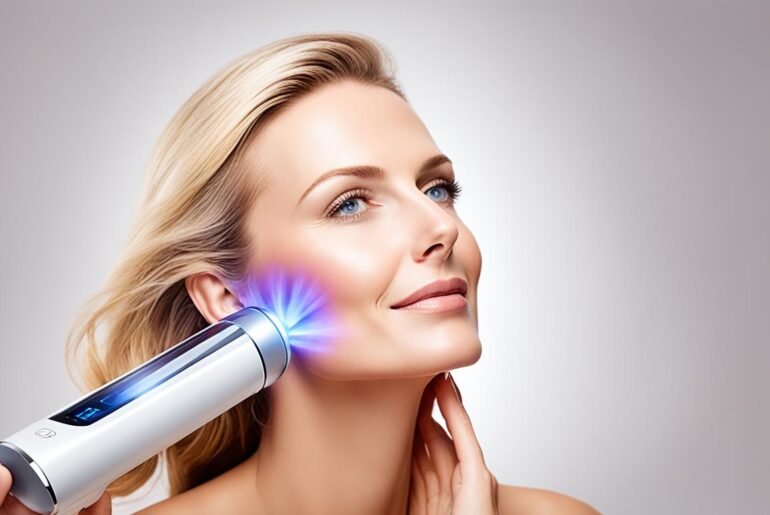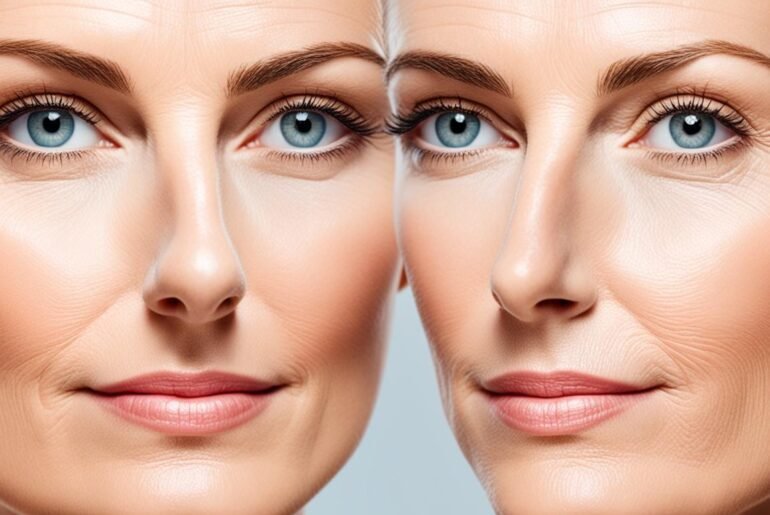
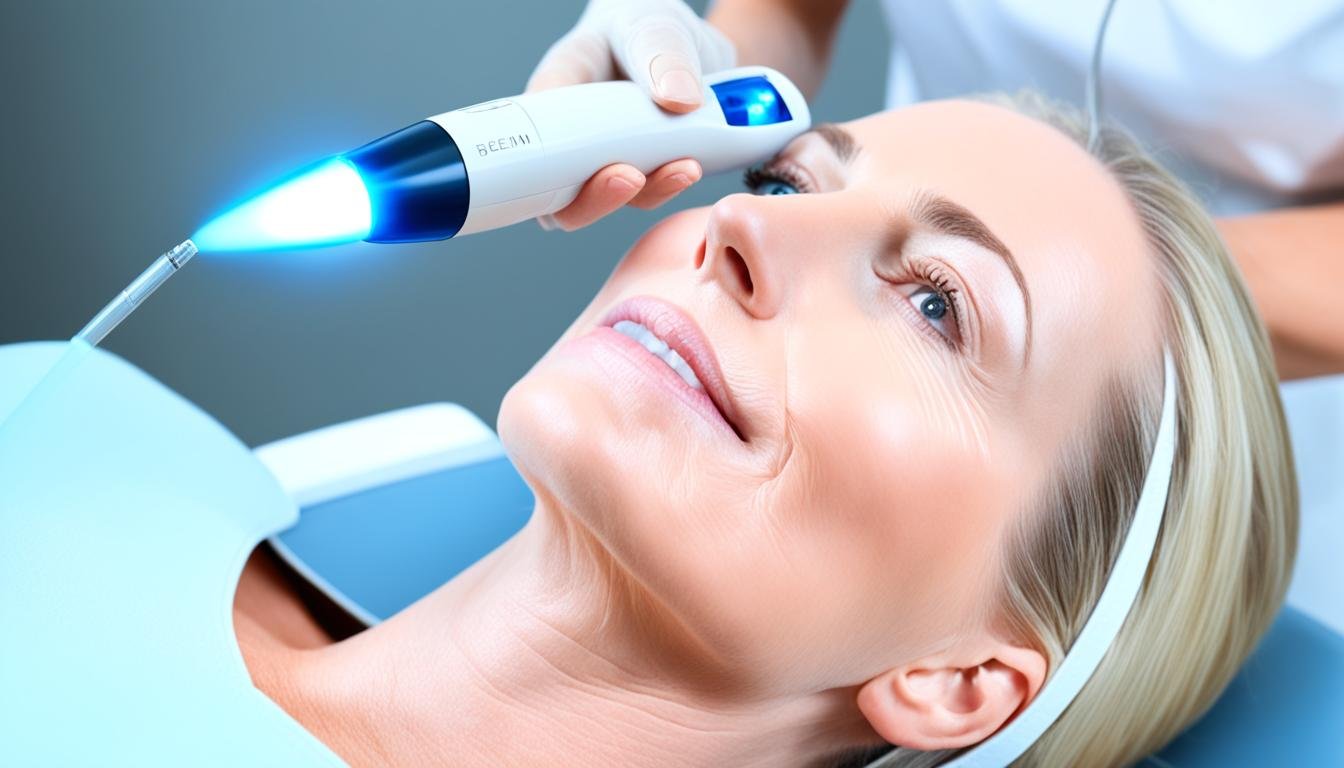
Did you know that laser skin treatments can yield impressive results in improving skin appearance? These treatments utilize advanced laser technology to target and address various skin concerns, such as fine lines, wrinkles, age spots, uneven skin tone, and acne scars. Laser resurfacing can be done using ablative or nonablative lasers, both of which stimulate collagen growth and enhance skin firmness and texture. The effectiveness of laser skin treatments is evidenced by the noticeable improvements individuals experience in their skin’s overall appearance.
Key Takeaways:
- Laser skin treatments are highly effective in improving skin appearance.
- These treatments utilize advanced laser technology to target various skin concerns.
- Laser resurfacing stimulates collagen growth and enhances skin firmness and texture.
- Many individuals experience noticeable improvements in their skin’s overall appearance after laser skin treatments.
- Stay tuned to learn more about the benefits, risks, and considerations of laser skin treatments.
Understanding Laser Resurfacing
Laser resurfacing is a facial rejuvenation procedure that utilizes advanced laser technology to enhance the appearance of the skin and address minor facial flaws. By targeting specific skin concerns, laser resurfacing can effectively improve skin texture, tone, and overall appearance.
There are two main types of laser resurfacing: ablative laser and nonablative laser. Let’s take a closer look at each:
Ablative Laser: Ablative lasers remove the outer layer of skin and heat the underlying layers, triggering the production of collagen. This process results in smoother, tighter skin and can address concerns such as fine lines, wrinkles, and acne scars.
Nonablative Laser: Nonablative lasers are less aggressive and have a shorter recovery time compared to ablative lasers. While they may produce less noticeable results, nonablative laser treatments are effective in targeting mild skin concerns and stimulating collagen growth.
In addition to ablative and nonablative lasers, fractional lasers are also commonly used in laser resurfacing procedures. These lasers create microscopic untreated areas throughout the treatment area, which helps reduce recovery time and minimize side effects.
Laser resurfacing treatments can be customized to suit individual needs and desired outcomes, and a qualified healthcare professional can determine the most suitable type of laser resurfacing based on a person’s specific skin concerns and expectations.
It’s important to note that the effectiveness and results of laser resurfacing may vary depending on factors such as the severity of the skin condition, the individual’s response to treatment, and proper post-treatment care.
To give you a better idea of the differences between ablative and nonablative lasers, here’s a comparison table:
| Laser Type | Procedure | Recovery Time | Results |
|---|---|---|---|
| Ablative Laser | Removes outer layer of skin and heats underlying layers | Longer recovery time | Visible improvement in fine lines, wrinkles, and acne scars |
| Nonablative Laser | Less aggressive treatment with shorter recovery time | Shorter recovery time | More subtle results for mild skin concerns |
Benefits of Laser Skin Treatments
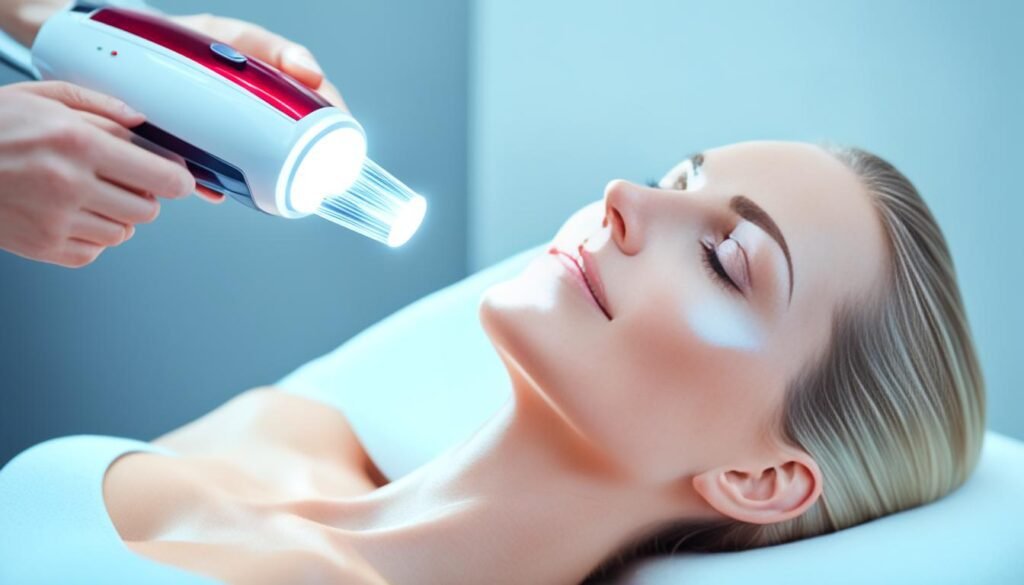
Laser skin treatments offer a range of benefits for individuals seeking to rejuvenate their skin. These advanced laser treatments provide non-surgical options for skin rejuvenation, allowing individuals to achieve a more youthful and refreshed appearance without undergoing invasive surgical procedures.
One of the key benefits of laser skin treatments is their effectiveness in reducing fine lines and wrinkles. Laser skin resurfacing stimulates collagen production, improving skin firmness and reducing the appearance of fine lines and wrinkles. This non-surgical skin rejuvenation technique can effectively target specific areas of concern, resulting in smoother and more youthful-looking skin.
Additionally, laser skin treatments can effectively improve skin tone and texture. The laser therapy targets pigmentation irregularities, such as age spots and sun-damaged skin, resulting in a more even skin tone. It also stimulates the growth of new, healthy skin cells, improving overall skin texture and reducing the appearance of scars and other skin imperfections.
Another significant benefit of laser skin treatments is that they often require little to no downtime. Unlike surgical procedures, laser treatments are non-invasive and typically do not require extended recovery periods. Individuals can expect minimal discomfort and can often resume their daily activities immediately after the procedure.
The use of advanced laser technologies allows for precise targeting of specific skin concerns. Dermatologists can customize laser skin therapy to address individual needs and develop personalized treatment plans. This individualized approach ensures that each patient receives the most effective and tailored treatment, optimizing results.
Let me present a table to summarize the benefits of laser skin treatments:
| Benefits of Laser Skin Treatments |
|---|
| Reduces fine lines and wrinkles |
| Improves skin tone and texture |
| Treats age spots and sun-damaged skin |
| Minimizes acne scars and other imperfections |
| Requires little to no downtime |
| Allows for precise targeting of specific concerns |
| Promotes individualized treatment plans |
Overall, laser skin treatments offer a wide range of benefits for individuals looking to improve their skin’s appearance. Whether it’s laser skin rejuvenation, laser skin resurfacing, or non-surgical skin rejuvenation, these advanced laser treatments provide effective solutions for various skin concerns. With minimal downtime and personalized treatment plans, laser skin therapy is an attractive option for those seeking a non-invasive approach to achieving youthful and radiant skin.
Risks and Side Effects of Laser Skin Treatments
Like any medical procedure, laser skin treatments carry potential risks and side effects. It is important for individuals considering these treatments to be aware of the possible complications involved. While laser skin treatments are generally safe and well-tolerated, there are certain risks that should be taken into consideration.
Common Side Effects
Common side effects of laser skin treatments include:
- Redness
- Swelling
- Itching
- Pain
These side effects are typically temporary and can last for several months. However, they often resolve on their own without any long-term effects.
Other Potential Side Effects
In addition to the common side effects mentioned above, laser resurfacing can also lead to other potential side effects, such as:
- Acne breakouts
- Infection
- Changes in skin color
Changes in skin color can manifest as hyperpigmentation (darker skin) or hypopigmentation (lighter skin). While these side effects are generally rare, they can occur, especially with ablative laser resurfacing.
Scarring
Scarring is a slight risk associated with laser resurfacing, particularly when using ablative lasers. However, advancements in laser technology have significantly reduced the likelihood of scarring. It is crucial to discuss any concerns about scarring with your doctor before undergoing laser skin treatments.
Consultation with a Healthcare Professional
Prior to undergoing laser skin treatments, it is essential to consult with a qualified healthcare professional. They will assess your medical history and discuss potential contraindications. This thorough evaluation will ensure that the procedure is safe and appropriate for your individual circumstances.
Determining Candidacy for Laser Skin Treatments
Not everyone is a suitable candidate for laser skin treatments. It’s important to consult with a healthcare professional to determine candidacy for laser skin treatments and discuss any potential contraindications.
There are several factors that may affect eligibility for laser resurfacing. The following conditions and factors may impact an individual’s suitability for the treatment:
- Previous Laser Resurfacing Treatments: Individuals who have undergone laser resurfacing treatments in the past may not be good candidates for additional treatments, depending on the timing between procedures and the individual’s response to previous treatments.
- Medical Conditions: Certain medical conditions, such as connective tissue or autoimmune diseases, weak immune systems, or a history of keloid scars, may make an individual ineligible for laser skin treatments. These conditions can interfere with the healing process and increase the risk of complications.
- Medication: Individuals who have taken the medication isotretinoin, typically used for the treatment of severe acne, may need to wait a specified period before undergoing laser skin treatments. Isotretinoin can affect the skin’s sensitivity and healing ability.
- Cold Sores and Herpes Outbreaks: If an individual has had recent outbreaks of cold sores or the herpes virus, they may be advised against laser resurfacing. The heat and trauma associated with the treatment can trigger the reactivation of the virus.
- Skin Tone and Tan: Darker skin tones and very tanned skin can be more prone to complications from laser skin treatments, such as changes in skin pigmentation. Special precautions and laser settings may be necessary for individuals with these skin types.
- Pregnancy and Breastfeeding: Laser skin treatments are generally not recommended for individuals who are pregnant or breastfeeding. The potential risks to the fetus or nursing child are not well-studied, so it’s best to postpone treatment until after pregnancy and breastfeeding.
It’s crucial to discuss any existing medical conditions, previous treatments, current medications, and recent outbreaks with a healthcare professional to determine the appropriateness of laser skin treatments. They will carefully assess your individual circumstances and guide you toward the safest and most effective treatment options.
By considering these factors and discussing your specific situation with a medical professional, you can determine whether laser skin treatments are a suitable choice for you.
| Factor | Impact on Candidacy |
|---|---|
| Previous Laser Resurfacing Treatments | May affect eligibility depending on timing and response to previous treatments |
| Medical Conditions | Certain conditions may make an individual ineligible for laser skin treatments |
| Medication | Isotretinoin usage may require a waiting period before undergoing laser treatments |
| Cold Sores and Herpes Outbreaks | Recent outbreaks may contraindicate laser resurfacing |
| Skin Tone and Tan | Special considerations may be needed for darker skin tones or very tanned skin |
| Pregnancy and Breastfeeding | Laser skin treatments are generally not recommended during pregnancy or lactation |
Consulting with a healthcare professional is crucial for determining candidacy for laser skin treatments and discussing any potential contraindications. They will carefully evaluate your unique circumstances and guide you in making an informed decision about laser resurfacing.
Preparing for Laser Skin Treatments
Prior to undergoing laser skin treatments, it is important to prepare accordingly. This may involve providing your doctor with a detailed medical history and discussing any current medications or supplements you are taking. Depending on the specific treatment and individual factors, pre-treatment medications, such as antiviral medications, may be prescribed to prevent infections or manage flare-ups of the herpes virus. It is also essential to avoid excessive sun exposure before the procedure, as it can cause hyperpigmentation. Sun protection and smoking cessation are also recommended to optimize the results and minimize the risk of complications.
| Preparing for Laser Skin Treatments |
|---|
| 1. Provide a detailed medical history |
| Discuss any current medications or supplements with your doctor |
| 2. Consider pre-treatment medications |
| Antiviral medications may be prescribed to prevent infections |
| 3. Protect your skin from excessive sun exposure |
| Excessive sun exposure can cause hyperpigmentation |
| 4. Use sun protection |
| Apply sunscreen and wear protective clothing to minimize sun damage |
| 5. Quit smoking |
| Smoking can interfere with the healing process and affect treatment outcomes |
The Laser Resurfacing Procedure
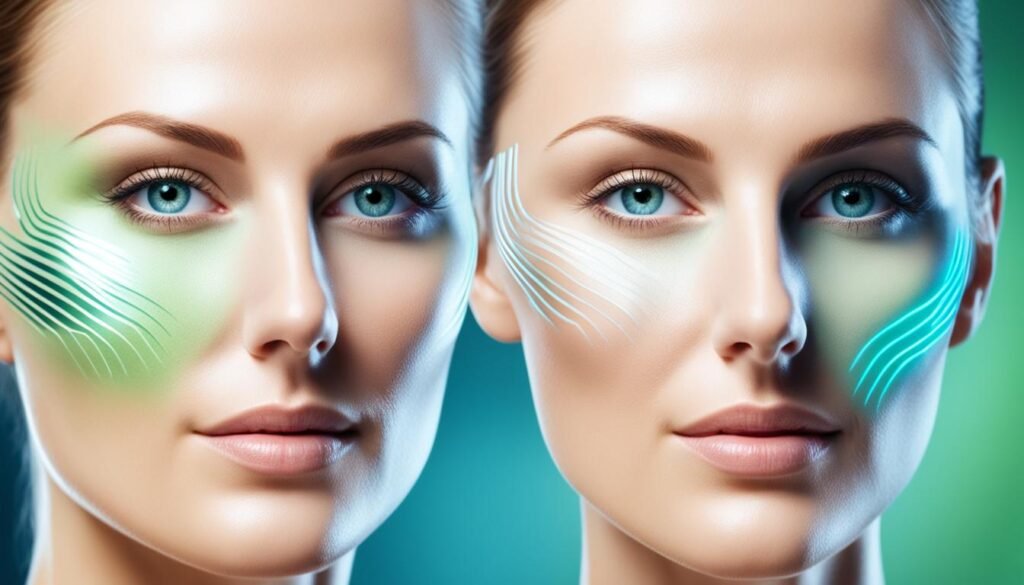
When it comes to laser resurfacing, there are different types of treatments available to address various skin concerns. The procedure itself can vary depending on the specific treatment being performed. Let’s take a closer look at three common types of laser resurfacing: ablative laser resurfacing, nonablative laser resurfacing, and fractional laser treatment.
Ablative Laser Resurfacing
Ablative laser resurfacing is a more aggressive approach that involves removing the outer layer of skin and heating the underlying layers to stimulate collagen production. This process helps to minimize the appearance of fine lines, wrinkles, and scars. While ablative laser resurfacing can provide noticeable results, it typically requires a longer recovery time compared to other treatments.
Nonablative Laser Resurfacing
Nonablative laser resurfacing is a less aggressive option that targets the deeper layers of the skin without removing the outer layer. This treatment stimulates collagen production and improves skin tone and texture. Nonablative laser resurfacing generally has a shorter recovery time, making it a popular choice for individuals seeking minimal downtime.
Fractional Laser Treatment
Fractional laser treatment is a unique approach that creates microscopic untreated areas throughout the treatment area, leaving surrounding skin intact. This allows for a faster recovery time and reduces the risk of side effects. Fractional lasers are often used to address fine lines, wrinkles, acne scars, and other skin imperfections.
Recovery time can vary depending on the type of laser resurfacing treatment performed. Ablative laser resurfacing typically requires one to two weeks for the skin to fully heal. Nonablative laser resurfacing may involve multiple treatments spread out over weeks or months, with minimal recovery time after each session. Fractional laser treatment also offers a shorter recovery time compared to traditional ablative methods.
Overall, the laser resurfacing procedure can be an effective way to improve the appearance of the skin by addressing various concerns. Consulting with a skincare professional will help determine the most suitable treatment option based on individual needs and desired outcomes.
Post-Treatment Care and Results
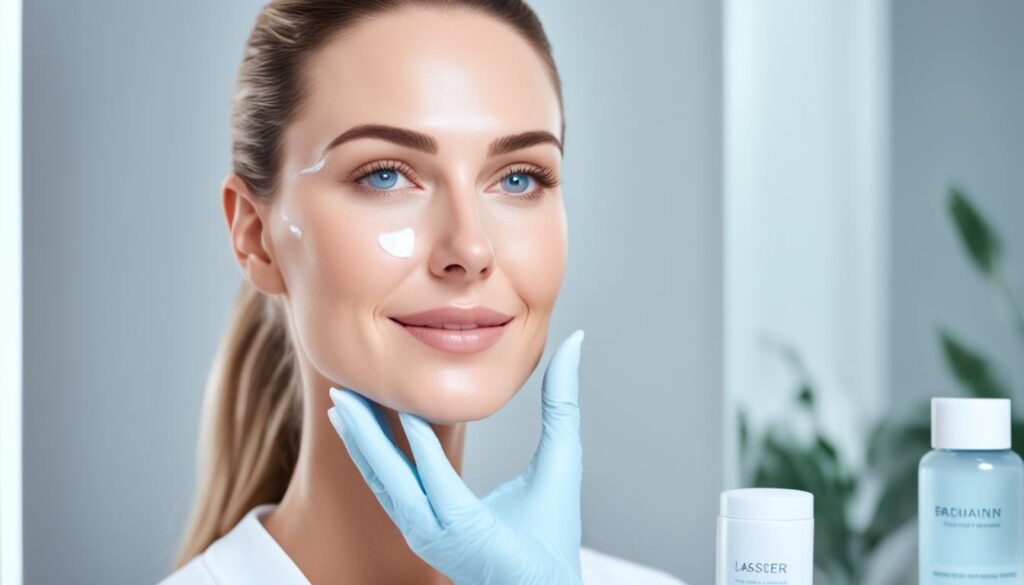
Proper post-treatment care is essential after laser skin treatments to ensure optimal results. Following the specific procedure, aftercare may involve the application of a thick ointment to promote healing and protect the treated skin. It is important to avoid irritants such as cosmetics during the healing process.
One of the most crucial aspects of post-treatment care is sun protection. The treated skin is sensitive and vulnerable to sun damage. Applying a broad-spectrum sunscreen with a high SPF daily and wearing protective clothing and accessories, such as hats and sunglasses, can help prevent new sun damage and maintain the results of the laser treatment.
It is common to experience temporary side effects after laser skin treatments, including swelling, itching, and stinging. These side effects typically resolve on their own within a few days or weeks, depending on the intensity of the treatment.
“Following the recommended post-treatment skincare routine is essential to maintain the results of the laser skin treatment and minimize the risk of new sun damage.”
The results of laser skin treatments can vary from individual to individual. However, many patients experience improvements in skin texture, tone, and overall appearance. Laser resurfacing can effectively reduce fine lines, wrinkles, acne scars, and hyperpigmentation.
For long-term effects, it is crucial to continue practicing good skincare habits. This includes regularly moisturizing the skin to keep it hydrated and healthy. Additionally, maintaining a consistent sun protection routine can help prevent premature aging and protect the skin from harmful UV rays.
Here is an illustrative table summarizing the common post-treatment care recommendations and the expected results of laser skin treatments:
| Post-Treatment Care | Expected Results |
|---|---|
| Apply a thick ointment | Improved skin texture |
| Avoid irritants such as cosmetics | Reduced fine lines and wrinkles |
| Use sun protection (sunscreen, protective clothing) | Lightened acne scars and hyperpigmentation |
| Moisturize regularly | Enhanced overall skin appearance |
Following these post-treatment care guidelines and maintaining a proper skincare routine can help patients achieve long-lasting, favorable laser resurfacing results and minimize the risk of new skin damage.
Next Steps: Maintaining Your Skin’s Health
Now that you understand the importance of post-treatment care and the potential results of laser skin treatments, it is essential to continue prioritizing your skin’s health. Consult with your healthcare professional to determine the best skincare routine and products suitable for your skin type and concerns. Remember to schedule regular follow-up appointments to monitor your skin’s progress and address any additional concerns.
Understanding Different Types of Laser Resurfacing
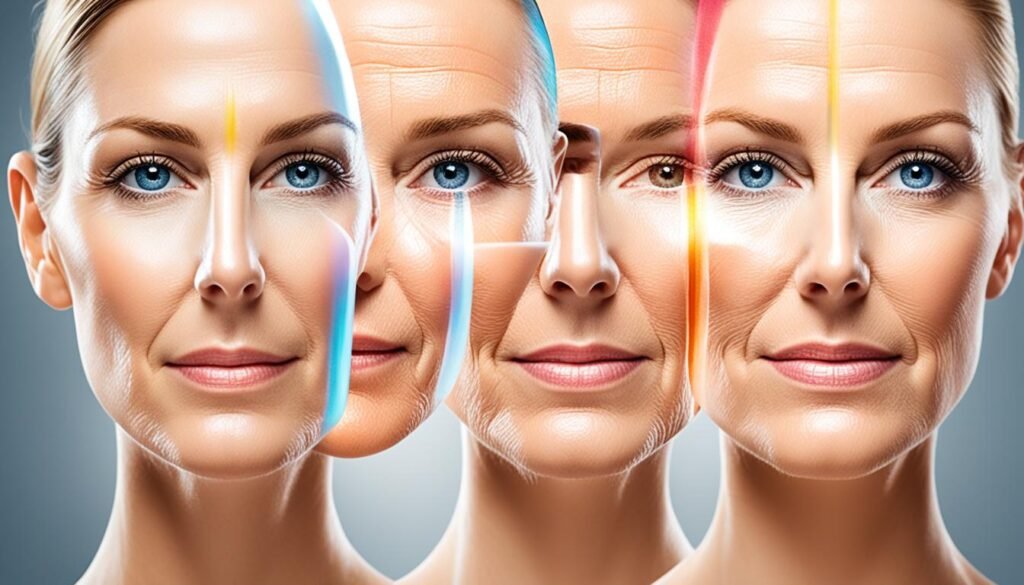
When it comes to laser resurfacing treatments, there are several different types available, each specifically targeting certain skin concerns. Let’s take a closer look at these different options:
CO2 Laser Resurfacing
CO2 laser resurfacing is a well-established treatment that has been used for years to address wrinkles, scars, warts, and other skin conditions. It works by removing layers of skin using short pulsed light energy, resulting in minimal heat damage.
Erbium Laser Resurfacing
Erbium laser resurfacing is specifically designed to target surface-level and moderately deep lines and wrinkles on the face, hands, neck, or chest. This treatment offers effective results with minimal downtime.
Neodymium Yag Laser
The Neodymium Yag laser is another option for laser resurfacing. It is commonly used for hair removal, tattoo removal, acne treatment, and addressing hyperpigmentation. This laser can effectively target these specific concerns.
Pulse-Dye Lasers
Pulse-dye lasers utilize a concentrated beam of light to target blood vessels, making them effective in treating vascular conditions such as rosacea and port-wine stains.
Fractional Lasers
Fractional lasers are known for creating microscopic untreated areas within the treatment area. This approach shortens recovery time and reduces side effects while still effectively addressing various skin concerns.
IPL (Intense Pulsed Light)
IPL, or intense pulsed light, is a popular laser option used for various skin concerns, including hair removal and treating pigmentation issues such as sunspots and age spots.
Understanding the different types of laser resurfacing treatments available allows individuals to choose the most suitable option for their specific skin concerns. Consulting with a qualified professional is key to determine the best approach and achieve optimal results.
| Laser Type | Primary Use |
|---|---|
| CO2 Laser | Treating wrinkles, scars, warts, and skin conditions |
| Erbium Laser | Addressing surface-level and moderately deep lines and wrinkles |
| Neodymium Yag Laser | Hair removal, tattoo removal, acne treatment, and pigmentation concerns |
| Pulse-Dye Lasers | Treating vascular conditions such as rosacea and port-wine stains |
| Fractional Lasers | Addressing various skin concerns, optimizing recovery time |
| IPL (Intense Pulsed Light) | Hair removal, treating pigmentation issues (sunspots, age spots) |
Choosing the Right Laser Treatment
When it comes to laser skin treatments, choosing the right one for your specific needs is essential. There are various factors to consider, including the specific skin concern you want to address and your skin type. To make an informed decision, it’s important to consult with a dermatologist or plastic surgeon who specializes in laser treatments.
One crucial factor to consider is your skin type, as different lasers are better suited for certain skin types. The Fitzpatrick Scale is often used to assess skin types and potential risks for specific treatments. This scale categorizes skin into six different types based on factors such as skin color, sun sensitivity, and likelihood of developing sunburn.
Here is a quick overview of the Fitzpatrick Scale:
- Skin Type I: Very fair skin that always burns and never tans.
- Skin Type II: Fair skin that burns easily and minimally tans.
- Skin Type III: Medium skin that burns moderately and tans gradually.
- Skin Type IV: Olive or light brown skin that burns minimally and tans easily.
- Skin Type V: Brown skin that rarely burns and tans easily and significantly.
- Skin Type VI: Dark brown or black skin that never burns and tans easily.
Based on your skin type and the specific concern you want to address, your dermatologist or plastic surgeon can recommend the most suitable laser treatment. For example, individuals with darker skin tones may be advised against certain laser treatments that can cause hyperpigmentation. Similarly, individuals with fair skin may need different laser options for optimal results.
Additionally, each type of laser treatment offers different benefits and considerations. Some lasers are more effective for treating wrinkles and fine lines, while others are better for targeting acne scars or pigmentation issues. By discussing your goals and concerns with your healthcare professional, they can guide you towards the most appropriate laser treatment.
Remember, finding the right laser treatment is a personalized process that requires expert advice. By consulting with a dermatologist or plastic surgeon and considering factors such as your skin type, you can make an informed decision and choose a laser treatment that will address your specific concerns effectively.
Potential Risks and Cost of Laser Skin Treatments
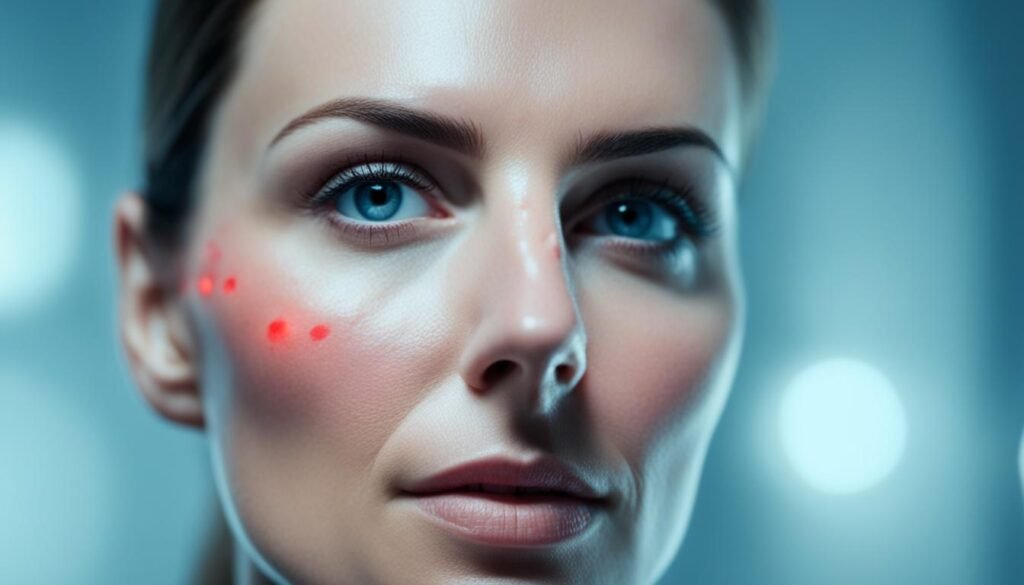
When opting for laser skin treatments, it’s essential to be aware of the potential risks associated with the procedure. While these treatments are generally safe and effective, there are certain risks that individuals should consider before undergoing the treatment. Some of the risks associated with laser skin treatments include:
- Burns: Although rare, laser skin treatments can carry the risk of burns, especially if the laser isn’t properly calibrated or if the skin reacts unexpectedly.
- Scarring: In some cases, laser resurfacing can lead to scarring, particularly with ablative laser treatments that involve removing the outer layer of skin.
- Changes in skin pigmentation: Laser treatments can sometimes cause changes in skin pigmentation, resulting in hyperpigmentation (darker skin) or hypopigmentation (lighter skin).
- Reactivating cold sores: If you have a history of cold sores or the herpes virus, laser skin treatments can potentially reactivate these conditions. Taking antiviral medication prior to the treatment can help minimize this risk.
- Bacterial infection: As with any skin procedure, there is a risk of bacterial infection. Following proper aftercare instructions can help lower this risk.
It is crucial to discuss these potential risks with a healthcare professional before undergoing laser skin treatments. They can evaluate your individual situation and provide personalized advice to minimize risks and ensure a successful outcome.
In addition to understanding the risks, it’s important to consider the cost of laser skin treatments. The cost can vary depending on several factors, including:
- The type of treatment: Different laser treatments have different costs associated with them. Ablative laser resurfacing tends to be more expensive than nonablative laser treatments.
- The size of the treatment area: Treating larger areas of the body will typically cost more than targeting specific smaller areas.
- The location of the provider: Prices can vary depending on where the treatment is being performed. Major metropolitan areas may have higher costs compared to smaller cities or towns.
To get an accurate estimate of the cost for laser skin treatments, it’s recommended to consult with a healthcare professional or a licensed provider. They can provide you with a detailed breakdown of the costs involved and discuss potential insurance coverage or financing options that may be available.
Conclusion
Summing up, laser skin treatments are a highly effective option for individuals seeking to enhance their skin’s appearance. These treatments provide a wide range of benefits such as reducing fine lines, improving skin tone and texture, and treating skin conditions like acne scars. While there are risks and potential side effects associated with laser skin treatments, careful preparation before the procedure and proper post-treatment care can help minimize these risks.
Laser skin treatments offer a non-surgical approach to skin rejuvenation, providing individuals with a convenient and customizable solution. Consulting with a healthcare professional is essential to determine eligibility for laser skin treatments, choose the appropriate procedure, and understand the potential outcomes and costs involved.
Overall, laser skin treatments have proven to be a valuable option for those looking to achieve significant improvements in their skin’s overall appearance. Whether targeting specific concerns or seeking a more youthful and refreshed look, laser skin treatments provide a safe and effective solution. With the guidance of a healthcare professional, individuals can confidently explore the possibilities that laser skin treatments offer for rejuvenating and revitalizing their skin.
FAQ
How effective are laser skin treatments?
Laser skin treatments can be highly effective in improving the appearance of the skin. Many individuals experience noticeable improvements in skin texture, tone, and overall appearance after undergoing laser skin treatments.
What is laser resurfacing?
Laser resurfacing is a facial rejuvenation procedure that uses lasers to improve the skin’s appearance and address minor facial flaws. It can be done using ablative or nonablative lasers, both of which stimulate collagen growth and enhance skin firmness and texture.
What are the benefits of laser skin treatments?
Laser skin treatments offer numerous benefits, such as reducing fine lines, improving skin tone and texture, and treating age spots, sun-damaged skin, and mild to moderate acne scars. They provide non-surgical options for skin rejuvenation and require minimal downtime.
What are the risks and side effects of laser skin treatments?
Common side effects of laser skin treatments include redness, swelling, itching, and pain, which can last for several months. Other potential risks include acne breakouts, infection, changes in skin color, and the slight risk of scarring.
Who is a suitable candidate for laser skin treatments?
Not everyone is a suitable candidate for laser skin treatments. Individuals who have taken isotretinoin, have certain medical conditions or weak immune systems, a history of keloid scars, or recent outbreaks of cold sores or the herpes virus may not be eligible. Darker skin tones, very tanned skin, and being pregnant or breastfeeding are also factors that may affect candidacy.
How should I prepare for laser skin treatments?
Prior to undergoing laser skin treatments, it is important to provide your doctor with a detailed medical history and discuss any current medications or supplements you are taking. Pre-treatment medications may be prescribed, and avoiding excessive sun exposure and practicing sun protection are crucial.
What does the laser resurfacing procedure involve?
The laser resurfacing procedure can vary depending on the type of treatment. Ablative laser resurfacing removes the outer layer of skin and heats the underlying layers to stimulate collagen production. Nonablative laser resurfacing is less aggressive and has a shorter recovery time. Fractional lasers create microscopic untreated areas to minimize side effects.
What should I do for post-treatment care and what results can I expect?
Proper post-treatment care is essential for optimal results. This may involve applying ointment, avoiding irritants, and using sun protection. Swelling, itching, and stinging are common side effects that typically resolve over time. Results from laser skin treatments can vary, but many individuals experience improvements in skin texture, tone, and overall appearance.
What are the different types of laser resurfacing?
There are several types of laser resurfacing treatments, including CO2 laser resurfacing, fractionated CO2 laser resurfacing, erbium laser resurfacing, neodymium Yag laser, pulse-dye lasers, fractional lasers, and IPL (intense pulsed light). Each targets specific skin concerns such as wrinkles, scars, warts, acne, and hyperpigmentation.
How do I choose the right laser treatment?
Selecting the right laser treatment depends on factors such as the specific skin concern being addressed and the individual’s skin type. Consultation with a dermatologist or plastic surgeon is crucial for determining the most suitable treatment option based on factors like the Fitzpatrick Scale rating.
What are the potential risks and costs of laser skin treatments?
Risks associated with laser skin treatments include burns, scarring, changes in skin pigmentation, cold sore reactivation, and bacterial infection. Costs vary based on factors like the type of treatment and the size of the treatment area, so it’s important to consult with a healthcare professional to understand potential insurance coverage and overall costs.