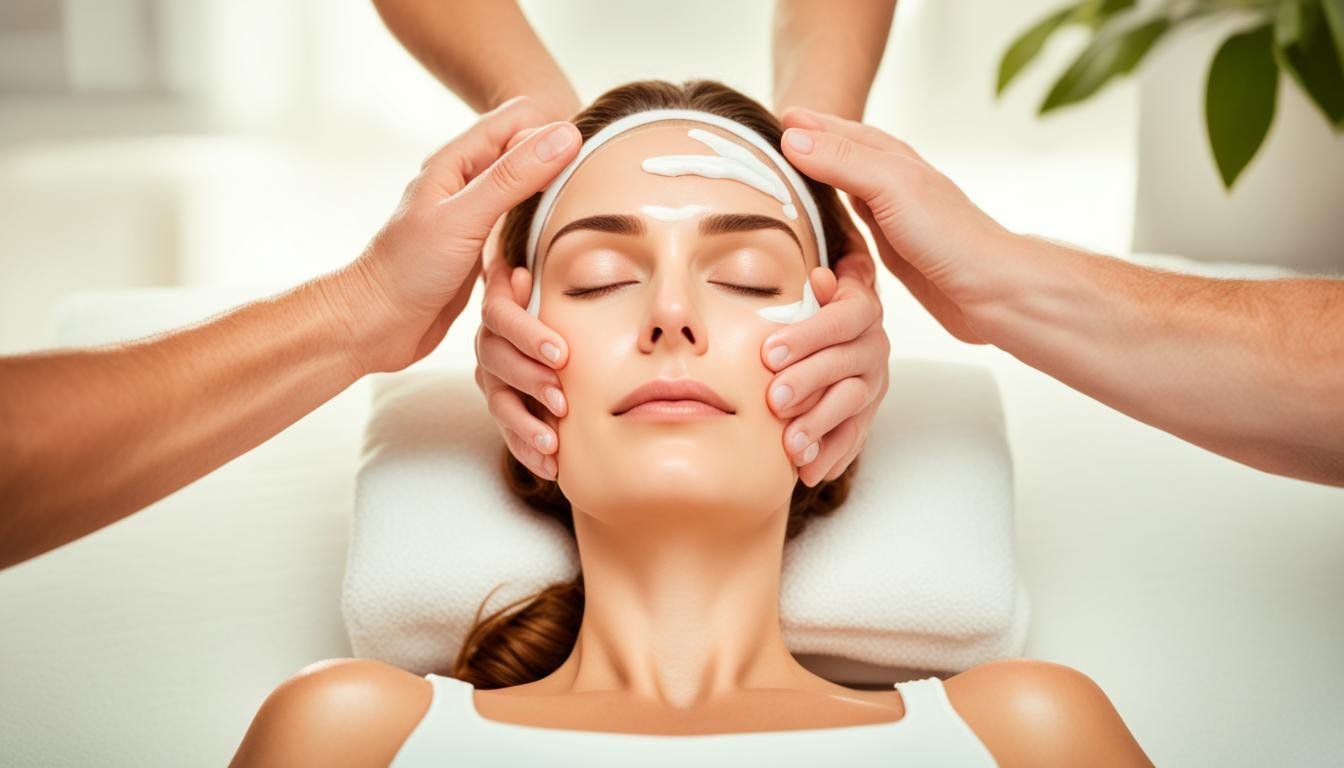
Did you know that the skin is the body’s largest organ and is constantly exposed to external factors that can accelerate the aging process? Over time, this exposure can lead to the formation of wrinkles, fine lines, and a loss of skin elasticity. However, there is a surprising technique that may help slow down these signs of aging: facial massage.
Key Takeaways:
- Facial massage is believed to have anti-aging benefits by improving blood flow, stimulating collagen production, and improving the appearance of the skin.
- There are various types of facial massage techniques, including Swedish, Shiatsu, Gua sha, and lymphatic drainage.
- Facial massage can be performed using a person’s hands or specialized tools such as face rollers, heated massagers, chilled massagers, or vibrating massagers.
- Incorporating facial massage into a skincare routine can promote a more youthful and rejuvenated complexion.
- It is important to consider individual skin type and needs when choosing facial massage techniques and products.
The Benefits of Facial Massage for Anti-Aging
Facial massage is believed to have several benefits for anti-aging. It can improve circulation, which may lead to better delivery of nutrients to the skin and improved skin plumpness. Additionally, facial massage can help release muscle tension, stimulate collagen production, and promote lymphatic drainage. These effects may reduce the appearance of fine lines and wrinkles, improve skin elasticity, and give the skin a more youthful and rejuvenated complexion.
Facial massage offers numerous benefits for maintaining youthful skin and fighting the signs of aging. The stimulation of blood flow during a facial massage helps to nourish the skin cells with essential nutrients and oxygen, promoting a healthier complexion. Improved circulation can also result in increased skin plumpness, enhancing the youthful appearance of the skin.
Furthermore, facial massage helps to relieve muscle tension, which can contribute to wrinkle formation and sagging skin. By releasing tension and promoting relaxation in the facial muscles, facial massage can help reduce the appearance of fine lines and wrinkles, giving the skin a smoother and more youthful look.
Another benefit of facial massage is its ability to stimulate collagen production. Collagen is a protein that provides structure and elasticity to the skin, and its production naturally declines as we age. By promoting collagen production through facial massage, the skin becomes firmer and more supple, diminishing the signs of aging.
In addition to promoting circulation and collagen production, facial massage can also assist in the drainage of lymphatic fluid. The lymphatic system helps remove waste and toxins from the body, and by stimulating lymphatic drainage through facial massage, the skin can appear less puffy and more toned. This can contribute to a more youthful and rejuvenated complexion.
Overall, regular facial massage can provide a wide range of benefits for anti-aging. It can improve circulation, stimulate collagen production, relieve muscle tension, and promote lymphatic drainage. These effects can lead to reduced fine lines and wrinkles, improved skin elasticity, and a more youthful appearance. By incorporating facial massage into your skincare routine, you can reap the rewards of this rejuvenating practice and maintain a youthful complexion.
Types of Facial Massage Techniques
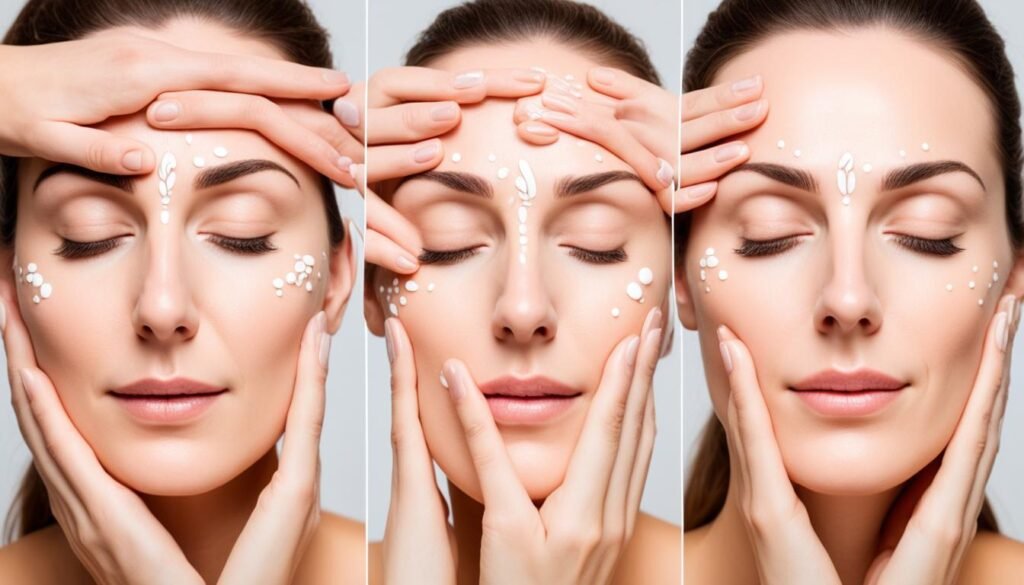
When it comes to preventing skin aging, there are several types of facial massage techniques that can be employed. Each technique offers unique benefits and can be tailored to individual preferences and needs.
1. Swedish Massage
Swedish massage is a gentle technique that uses light, long strokes to ease muscle tension. This technique helps improve blood circulation and can promote relaxation. When applied to the face, Swedish massage can stimulate collagen production and enhance the overall health and appearance of the skin.
2. Shiatsu Massage
Shiatsu massage involves applying pressure to specific points on the body, including the face. This technique is derived from Traditional Chinese Medicine and is believed to balance the body’s energy flow. Shiatsu massage can relieve muscle tension, improve circulation, and promote a sense of relaxation. By targeting specific acupressure points on the face, this technique can enhance the complexion and reduce the signs of aging.
3. Gua Sha Massage
Gua sha is a facial massage technique that utilizes a flat crystal tool to gently massage the face. This technique helps stimulate blood flow, relax facial muscles, and promote lymphatic drainage. By improving circulation and releasing tension, Gua sha massage can leave the skin looking tighter, smoother, and more youthful.
4. Lymphatic Drainage Massage
Lymphatic drainage massage focuses on moving lymph beneath the skin. This technique helps reduce puffiness, eliminate toxins, and promote a healthy complexion. By stimulating lymphatic flow, lymphatic drainage massage can improve the overall appearance of the skin and support its natural rejuvenation process.
By incorporating these facial massage techniques into your skincare routine, you can effectively prevent skin aging and promote a more youthful, radiant complexion.
| Technique | Benefits |
|---|---|
| Swedish Massage | Improves blood circulation and stimulates collagen production. |
| Shiatsu Massage | Relieves muscle tension, balances energy flow, and enhances complexion. |
| Gua Sha Massage | Improves blood flow, relaxes facial muscles, and tightens the skin. |
| Lymphatic Drainage Massage | Reduces puffiness, eliminates toxins, and supports skin rejuvenation. |
Tools and Oils for Facial Massage
Facial massage is a wonderful technique that can be performed using a person’s hands, but it can also be enhanced with the use of tools and oils. These additional elements can further elevate the massage experience and provide a range of benefits for the skin and senses.
Facial Massage Tools
There are various tools available to complement and amplify the effects of facial massage. These tools offer different sensations and can target specific areas of the face with precision. Here are some popular facial massage tools:
- Face Rollers: Face rollers, often made of jade or other gemstones, are designed to gently glide over the face, providing a cooling and soothing sensation. They can help improve circulation, reduce puffiness, and promote lymphatic drainage.
- Heated Massagers: Heated massagers use gentle warmth to relax facial muscles, stimulate blood flow, and enhance the absorption of facial oils or creams. They can create a spa-like experience and increase the effectiveness of the massage.
- Chilled Massagers: Chilled massagers, such as ice rollers or refrigerated facial globes, offer a cooling effect that can help reduce inflammation, tighten pores, and soothe irritated skin. They are particularly beneficial for people with sensitive or inflamed skin.
- Vibrating Massagers: Vibrating massagers provide a gentle vibration that penetrates the skin to stimulate blood circulation and promote relaxation. They can help relieve muscle tension and enhance the overall massage experience.
Each facial massage tool offers its own unique benefits, so individuals can choose the tool that aligns with their preferences and desired outcomes.
Facial Massage Oils
When performing facial massage, using a lotion or oil can help reduce friction on the skin, allowing hands or tools to glide smoothly across the face. Facial oils also provide nourishment and hydration for the skin, enhancing the overall benefits of the massage. When choosing facial massage oils, it is important to consider the individual’s skin type to ensure the best results. Here are some commonly used oils for facial massage:
Jojoba Oil: Suitable for all skin types, jojoba oil closely resembles the skin’s natural sebum. It is noncomedogenic, meaning it won’t clog pores, and is well-tolerated by most skin types. Jojoba oil is known for its moisturizing and balancing properties.
Sweet Almond Oil: Rich in vitamins A and E, sweet almond oil is hydrating and nourishing for the skin. It is easily absorbed and leaves the skin feeling soft and supple. This oil is particularly beneficial for dry or sensitive skin.
Argan Oil: Packed with antioxidants and essential fatty acids, argan oil is deeply moisturizing and rejuvenating. It can help improve skin elasticity and reduce the appearance of fine lines and wrinkles. Argan oil is beneficial for all skin types, including mature skin.
Coconut Oil: Coconut oil is highly moisturizing and has antibacterial properties that can help soothe and protect the skin. It is best suited for normal to dry skin types. However, individuals with acne-prone or oily skin may want to avoid using coconut oil as it can be comedogenic for some.
These are just a few examples of the many facial massage oils available. It’s important to choose oils that are compatible with the individual’s skin type and preferences. Patch testing is recommended for those with sensitive or reactive skin to ensure compatibility before applying the oil to the entire face.
The right tools and oils can enhance the facial massage experience, providing a deeper sense of relaxation and delivering greater benefits for the skin. Whether using face rollers, heated massagers, chilled massagers, or vibrating massagers, incorporating these tools can elevate your facial massage routine. Additionally, selecting the appropriate facial massage oil, such as jojoba oil, sweet almond oil, argan oil, or coconut oil, can nourish and pamper the skin even further.
Facial Massage Techniques for Aging Skin
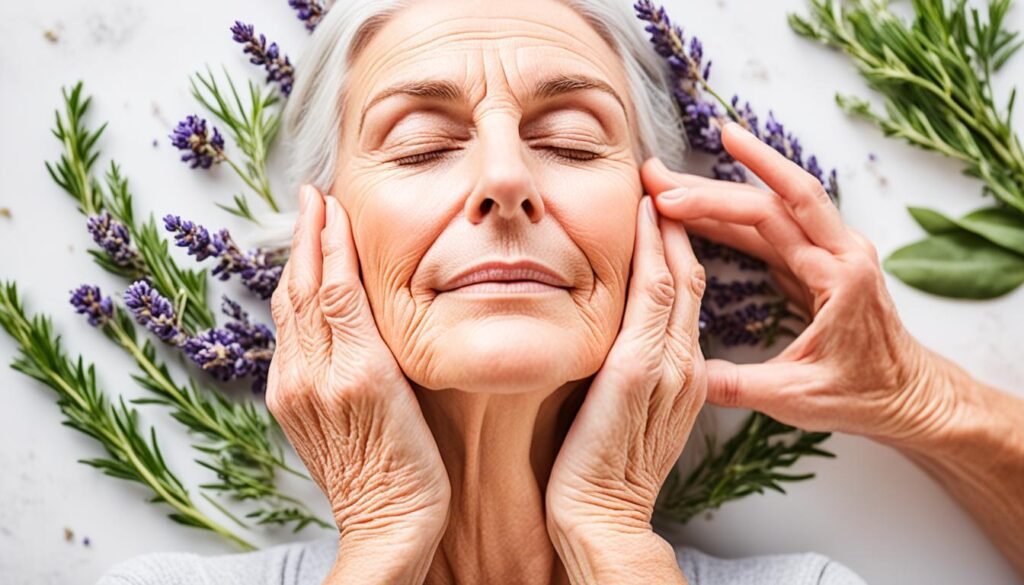
Facial massage is a versatile practice that can be customized to address specific concerns related to aging skin. By utilizing different techniques and tools, individuals can target areas prone to wrinkles and signs of aging, promoting a more youthful complexion. Incorporating regular facial massage into a skincare routine can be a natural and effective way to prevent wrinkle formation and maintain healthy, glowing skin.
Reducing Wrinkles with Facial Massage
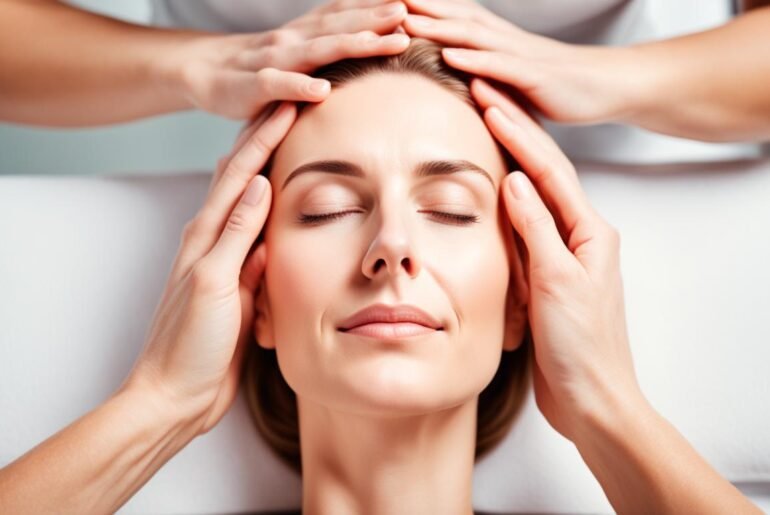
When it comes to reducing wrinkles, certain facial massage techniques can be particularly beneficial. By applying gentle pressure to the forehead and using the index fingers to target crow’s feet and fine lines around the eyes, individuals can stimulate blood flow and promote collagen production in these areas. This can help smooth out wrinkles and improve the overall appearance of the skin.
Enhancing Lymphatic Drainage and Reducing Puffiness
Facial massage techniques, such as using gua sha tools or jade rollers, offer additional benefits for aging skin. These tools can help improve lymphatic drainage, reduce puffiness, and promote a more defined facial contour. The gentle pressure and rolling motion of these tools help move excess fluid and toxins away from the face, resulting in a more toned and refreshed appearance.
Facial massage techniques, such as gua sha and jade rolling, can improve lymphatic drainage, reduce puffiness, and promote a more defined facial contour.
Incorporating Facial Massage into Your Skincare Routine
In order to maximize the benefits of facial massage for aging skin, it is recommended to incorporate it into a regular skincare routine. This can be done using clean hands or with the assistance of specialized tools. Starting with a clean and well-oiled face, massage techniques can be performed in gentle, upward strokes, focusing on target areas such as the forehead, cheeks, and around the eyes.
Facial massage, when done consistently, can help prevent wrinkle formation and promote a more youthful complexion over time. By taking a few minutes each day to perform facial massage, individuals can actively participate in their skincare routine and reap the benefits of natural wrinkle prevention.
Other Invasive Treatments for Skin Rejuvenation
While facial massage is a popular option for skin rejuvenation, there are other minimally-invasive treatments available that can also deliver impressive results. These treatments include face exercises and face yoga, microcurrent facials, high intensity focused ultrasound facials, and microneedling.
Face exercises and face yoga are techniques believed to stimulate collagen and elastin production in the skin, which can help improve its elasticity and overall appearance.
Microcurrent facials utilize small electrical currents to stimulate the muscles and skin, promoting toning and tightening effects. This treatment can also enhance cellular metabolism and collagen synthesis, resulting in a more youthful complexion.
High intensity focused ultrasound facials work by generating heat in the deeper layers of the skin, which stimulates cell repair and collagen production. This treatment is effective in reducing fine lines, wrinkles, and sagging skin.
Microneedling involves creating tiny punctures in the skin to stimulate collagen production. This treatment promotes skin rejuvenation and can help improve the appearance of acne scars, fine lines, and uneven texture.
These invasive treatments offer alternative approaches to achieving skin rejuvenation and can be tailored to individual needs and preferences. It is important to consult with a skincare professional or dermatologist to determine the most suitable treatment option based on specific skin concerns.
Implementing these treatments into a skincare routine can provide noticeable improvements. However, it is essential to understand the potential risks and benefits associated with each procedure and to follow proper guidelines to ensure optimum results and safety.
The Benefits and Risks of Facial Massage
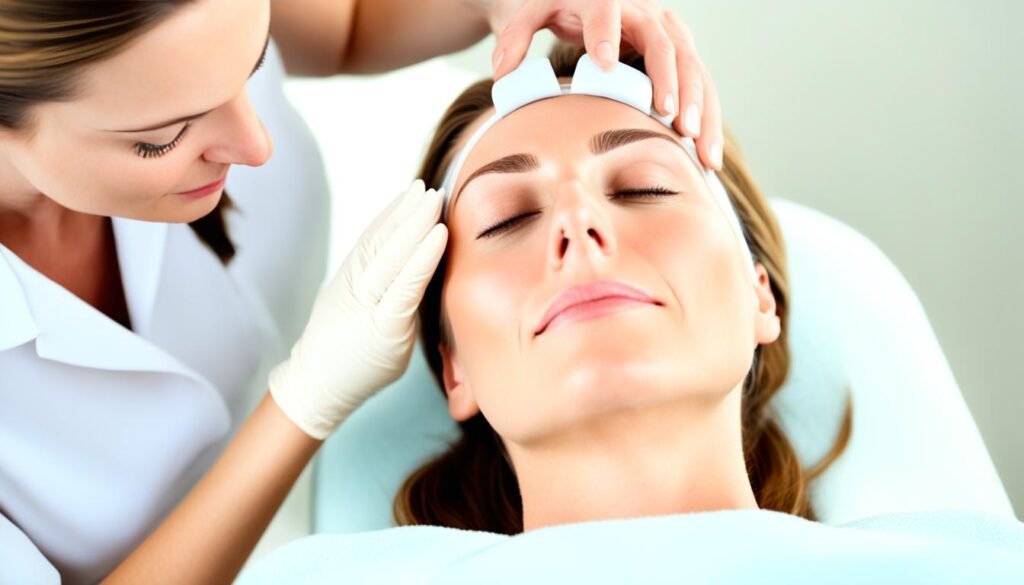
Facial massage offers several benefits that contribute to healthy and vibrant skin. Here are some of the key advantages:
- Improved circulation: Facial massage stimulates blood flow, which can enhance the delivery of oxygen and nutrients to the skin cells, promoting a healthy complexion.
- Increased collagen production: The gentle pressure applied during facial massage can stimulate collagen synthesis, helping to improve skin elasticity and reduce the appearance of wrinkles.
- Muscle relaxation: Facial massage techniques target specific facial muscles, relieving tension and promoting relaxation. This can help reduce the formation of wrinkles and promote a more youthful appearance.
- Promotes lymphatic drainage: Facial massage can aid in the removal of toxins and waste products from the skin by stimulating lymphatic drainage, resulting in a clearer and healthier complexion.
- Temporary skin lifting: Facial massage techniques, such as gentle upward strokes, can temporarily lift the skin, giving a firmer and more toned appearance.
While facial massage has numerous benefits, it is important to be aware of the potential risks:
- Reactions to skincare products: Some individuals may experience adverse reactions to the skincare products used during facial massage. It is essential to use products suitable for your skin type and to perform a patch test before applying them to your face.
- Irritation from excessive pressure: Applying too much pressure or using aggressive massage techniques can lead to skin irritation. It is crucial to use a gentle touch and adjust the pressure according to your comfort level.
- Pain and discomfort: Rough or aggressive facial massage techniques can cause pain and discomfort. It is advisable to communicate any discomfort to your massage therapist or adjust your technique if performing self-massage.
- Avoidance of recent injection or treatment areas: It is vital to avoid massaging areas that have recently received injections or other skin treatments to prevent complications or interference with the healing process. Always consult with your dermatologist or aesthetician about the appropriate time to resume facial massage after undergoing skin procedures.
By understanding the benefits and risks of facial massage, you can make informed decisions about incorporating it into your skincare routine. Ensure you use appropriate techniques, products, and pressure levels to optimize the benefits while minimizing any potential risks.
| Benefits of Facial Massage | Risks of Facial Massage |
|---|---|
| Improved circulation | Reactions to skincare products |
| Increased collagen production | Irritation from excessive pressure |
| Muscle relaxation | Pain and discomfort |
| Promotes lymphatic drainage | Avoidance of recent injection or treatment areas |
| Temporary skin lifting |
Incorporating Facial Massage into a Skincare Routine
Facial massage can be a beneficial addition to your regular skincare routine, providing anti-aging benefits and promoting overall skin health. By incorporating facial massage into your daily or weekly routine, you can enhance the effectiveness of your skincare products, improve circulation, and stimulate collagen production. Here are some tips on how to incorporate facial massage into your skincare routine:
- Cleanse your face: Start by thoroughly cleansing your face to remove any dirt, oil, or makeup. This will ensure that the massage is performed on clean skin, allowing for better product absorption and preventing any potential skin irritation.
- Choose the right products: Apply a facial oil, serum, or moisturizer that suits your skin type. This will provide a lubricating barrier between your fingers and the skin, preventing friction and allowing for smooth movements during the massage.
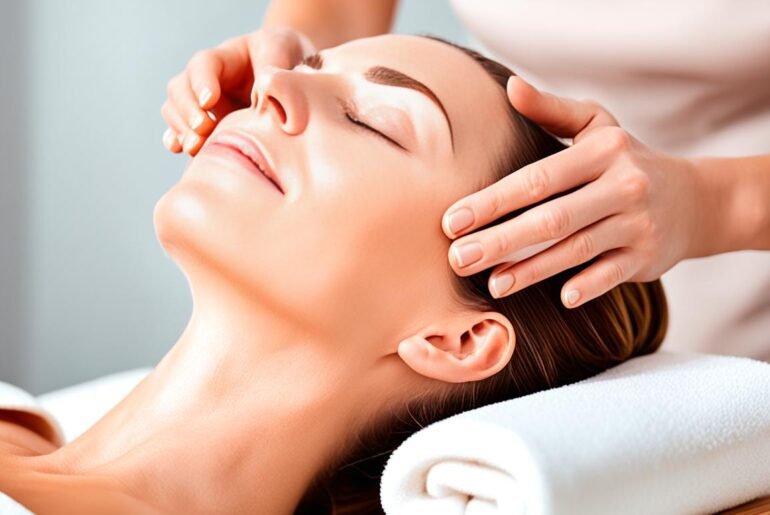
- Apply gentle pressure: Begin the massage by using your fingertips to apply gentle pressure to different areas of your face. Use upward strokes to help lift the skin and promote lymphatic drainage. Focus on areas prone to tension and wrinkles, such as the forehead, cheeks, and jawline.
- Use different massage techniques: Experiment with different massage techniques to target specific concerns. For example, you can use circular motions on the forehead to relieve tension and smooth out wrinkles. Gently knead the cheekbones to promote lymphatic drainage and reduce puffiness. You can also use tapping or pinching motions to invigorate the skin and improve circulation.
- Adjust the pressure according to your comfort level: Pay attention to your body’s response and adjust the pressure of the massage accordingly. Facial massage should be relaxing and enjoyable, not painful or uncomfortable. If you experience any discomfort or pain, lighten the pressure or discontinue the massage.
- Finish with a cool facial mist or mask: After the massage, apply a cool facial mist or mask to calm the skin and seal in the benefits of the massage. This will help to reduce any redness or inflammation and leave your skin feeling refreshed.
Remember, consistency is key when incorporating facial massage into your skincare routine. Aim to perform facial massage at least a few times a week to maintain healthy and youthful-looking skin. Adjust the frequency and duration of the massage based on your individual needs and preferences. By making facial massage a regular part of your skincare routine, you can enjoy the rejuvenating benefits it has to offer.
| Benefits of Incorporating Facial Massage into a Skincare Routine | How to Incorporate Facial Massage into your Skincare Routine |
|---|---|
| 1. Enhances blood circulation | 1. Start with a clean face |
| 2. Stimulates collagen production | 2. Choose the right products |
| 3. Improves product absorption | 3. Apply gentle pressure |
| 4. Promotes lymphatic drainage | 4. Use different massage techniques |
| 5. Relaxes facial muscles | 5. Adjust the pressure according to comfort |
| 6. Firms and tones the skin | 6. Finish with a cool facial mist or mask |
The Transformative Experience of Facial Massage
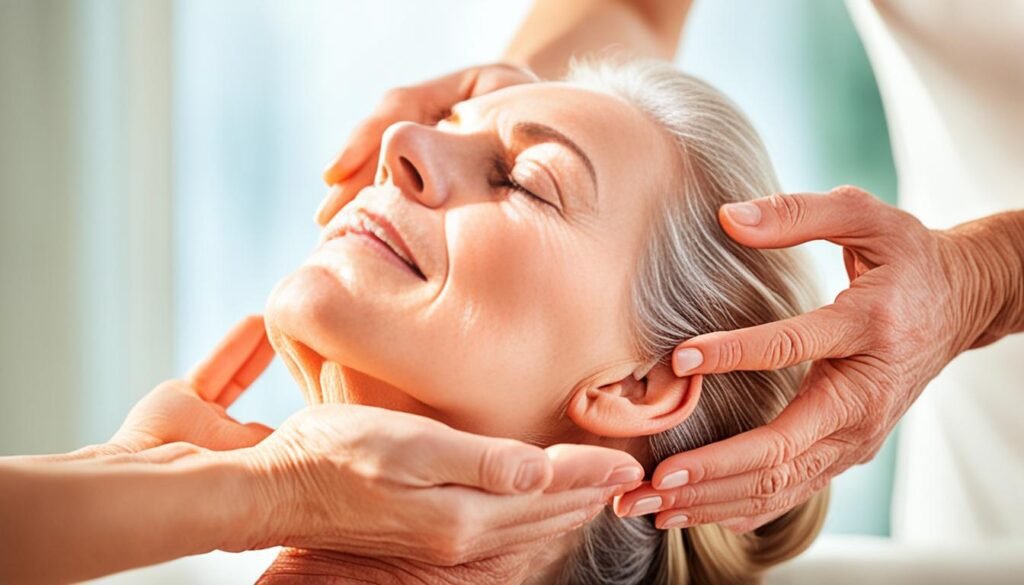
Incorporating facial massage into a daily routine can offer transformative results, both for the skin and mental well-being. Facial massage can improve overall luminance, sharpen the jawline, and provide a time of relaxation and self-care. By connecting with the skin and releasing tension, facial massage can provide a sense of empowerment and promote intrapersonal consciousness. The practice requires consistency and patience, as results are cumulative and build over time. Daily facial massage, even for a few minutes, can have a significant impact on the skin’s appearance and overall wellness.
| Benefits of Facial Massage for the Skin | Benefits of Facial Massage for Mental Well-being |
|---|---|
| Improves overall luminance | Provides relaxation and reduces stress |
| Sharpens the jawline | Promotes a sense of empowerment |
| Enhances skin plumpness and elasticity | Facilitates intrapersonal consciousness |
By incorporating facial massage into your daily routine, you can unlock the transformative power of this practice. Take a few minutes each day to connect with your skin, release tension, and provide the care it deserves. Not only will you see improvements in your skin’s appearance, but you’ll also experience the mental and emotional benefits of self-care.
Conclusion
Facial massage is a popular practice believed to have anti-aging benefits. While scientific evidence is limited, studies suggest that facial massage can improve blood flow, stimulate collagen production, and improve the appearance of the skin.
Incorporating facial massage techniques into a skincare routine can promote a more youthful and rejuvenated complexion. By using hands or specialized tools, such as face rollers or gua sha tools, individuals can tailor their facial massage to target specific concerns related to aging skin.
Additionally, other minimally-invasive treatments, such as microcurrent facials and microneedling, can be explored for skin rejuvenation. It is important to consider individual skin type and needs when choosing facial massage techniques and products. Overall, facial massage offers a transformative experience that promotes both physical and mental well-being.
FAQ
What are the benefits of facial massage for anti-aging?
Facial massage can improve blood flow, stimulate collagen production, and improve the appearance of the skin. It can reduce the appearance of fine lines and wrinkles, improve skin elasticity, and give the skin a more youthful and rejuvenated complexion.
What are the types of facial massage techniques?
Some popular facial massage techniques include Swedish, Shiatsu, Gua sha, and lymphatic drainage. Each technique offers unique benefits for anti-aging and can be tailored to individual preferences and needs.
What tools and oils can be used for facial massage?
Facial massage can be performed using a person’s hands or specialized tools such as face rollers, heated massagers, chilled massagers, or vibrating massagers. When choosing oils, it is important to consider the individual’s skin type. Noncomedogenic oils, such as jojoba oil, are suitable for people with acne-prone skin as they are less likely to block pores.
Are there specific facial massage techniques for aging skin?
Yes, certain techniques such as applying pressure to the forehead or using index fingers to target crow’s feet can help reduce the appearance of wrinkles. The use of gua sha tools or jade rollers can offer additional benefits, such as improved lymphatic drainage and reduced puffiness.
What are some other minimally-invasive treatments for skin rejuvenation?
Other treatments include face exercises and face yoga, microcurrent facials, high intensity focused ultrasound facials, and microneedling. These treatments can help increase collagen and elastin production, stimulate cell repair, and promote collagen production, respectively.
What are the benefits and risks of facial massage?
Facial massage offers benefits such as improved circulation, increased collagen production, and muscle relaxation. However, it carries risks such as reactions to skincare products, irritation with excessive pressure, and discomfort with aggressive techniques. It is important to use appropriate pressure and avoid areas that have recently received injections or treatments.
How can facial massage be incorporated into a skincare routine?
Facial massage can be performed daily or a few times a week, using appropriate techniques and tools. It is important to start with a clean and well-oiled face and adapt the frequency and pressure of the massage based on individual needs. Techniques can be tailored to target specific areas of concern.
What is the transformative experience of facial massage?
Facial massage not only improves the skin but also offers a time of relaxation and self-care. By connecting with the skin and releasing tension, facial massage can provide a sense of empowerment and promote intrapersonal consciousness. Daily facial massage, even for a few minutes, can have a significant impact on the skin’s appearance and overall wellness.
What is the conclusion for facial massage for skin aging prevention?
Facial massage is a popular practice believed to have anti-aging benefits. While scientific evidence is limited, studies suggest that it can improve blood flow, stimulate collagen production, and improve the appearance of the skin. By incorporating facial massage into a regular skincare routine, one can potentially prevent wrinkle formation and promote a more youthful complexion.