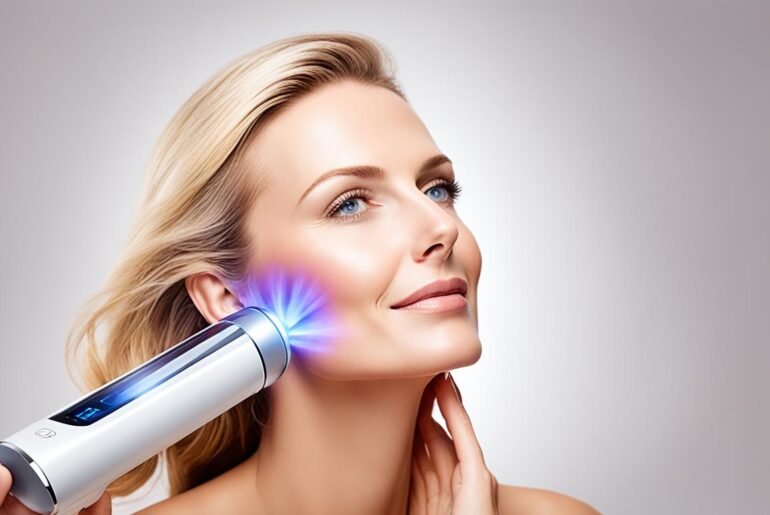

Did you know that laser skin treatments can provide significant benefits for your skin? Whether you’re looking to improve your complexion, reduce fine lines, or enhance skin firmness, laser resurfacing can help you achieve the results you desire. With advanced technology and skilled professionals, laser skincare has become a popular option for rejuvenating the skin and addressing various skin concerns.
Key Takeaways:
- Laser skin treatments offer numerous benefits for improving the appearance of the skin.
- These treatments can help reduce fine lines, improve complexion, and enhance skin firmness.
- Laser resurfacing is a popular option for rejuvenating the skin and treating various skin concerns.
- Advanced technology and skilled professionals ensure effective and safe laser skincare.
- Consulting with a qualified dermatologist or plastic surgeon is crucial to determine if laser skin treatment is right for you.
How Does Laser Skin Resurfacing Work?
Laser skin resurfacing is a popular treatment option for improving various skin concerns and achieving a more youthful appearance. The procedure harnesses the power of laser technology to deliver targeted effects on the skin, resulting in noticeable outcomes. Understanding how laser skin resurfacing works can help you make an informed decision about whether it’s the right treatment for you.
Ablative Laser Resurfacing
In ablative laser resurfacing, a high-energy laser beam is used to remove the outer layer of the skin, known as the epidermis. This process stimulates the production of new collagen, a protein that gives the skin its structure and elasticity. The laser also heats the underlying skin, further promoting collagen growth and tightening. Common types of lasers used for ablative resurfacing include carbon dioxide (CO2) lasers and erbium lasers.
Nonablative Laser Resurfacing
Nonablative laser resurfacing is a less invasive approach that stimulates collagen growth without removing the outer layer of skin. This technique delivers laser energy to the deeper layers of the skin, targeting specific areas of concern. The laser stimulates collagen production, which helps improve skin texture, reduce wrinkles, and minimize the appearance of scars. Nonablative laser resurfacing is often performed using fractional lasers, which deliver the laser energy in a pattern of microscopic columns. This allows for faster recovery and fewer side effects compared to traditional non-fractional lasers.
Laser Therapy Advantages
One of the main advantages of laser skin resurfacing is its ability to deliver precise and targeted treatment. The laser can be adjusted to penetrate specific depths of the skin, allowing for customization based on individual needs. The controlled thermal injury caused by the laser stimulates the body’s natural healing process and the production of new collagen, leading to improved skin texture, tone, and firmness.
Here is a table summarizing the effects and outcomes of laser skin resurfacing:
| Laser Resurfacing Effects | Laser Treatment Outcomes |
|---|---|
| Improvement in skin tone | Reduction of wrinkles and fine lines |
| Enhancement of skin texture | Minimization of scars and acne marks |
| Stimulation of collagen production | Increased skin firmness and elasticity |
It’s important to note that the specific outcomes and effects of laser resurfacing can vary depending on the individual and the type of laser used. To achieve optimal results, multiple treatment sessions may be required, spaced over several weeks or months.
“Laser skin resurfacing offers a powerful solution for addressing a range of skin concerns, from wrinkles and scars to uneven skin tone. By harnessing the benefits of laser technology, this treatment can help you achieve smoother, firmer, and more radiant skin. However, it’s crucial to consult with a qualified healthcare professional to determine the best approach and understand any potential risks or contraindications.”
Continue reading the article to learn more about the specific conditions laser resurfacing can treat and the different types of laser resurfacing techniques available.
What Can Laser Resurfacing Treat?
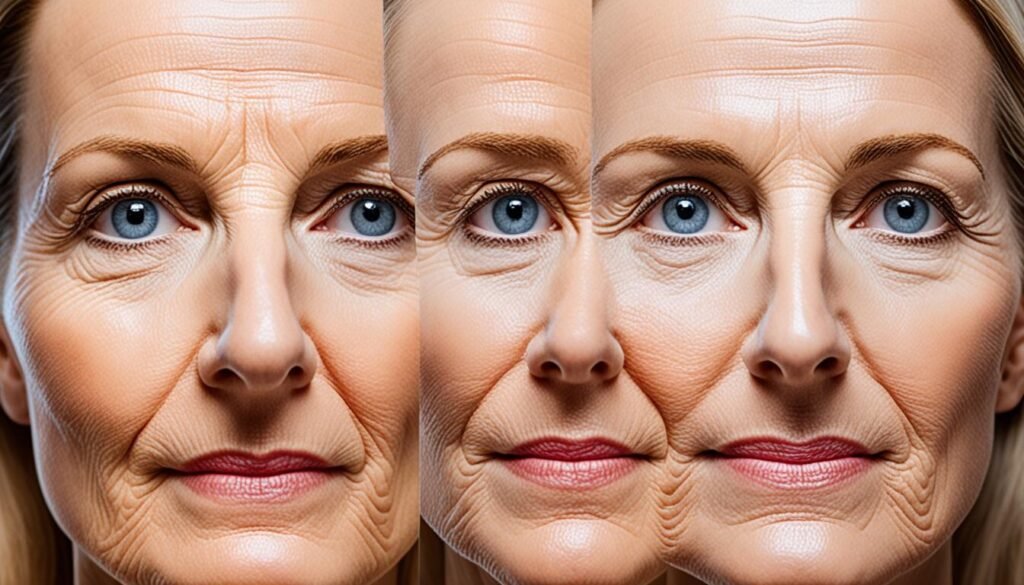
Laser resurfacing is a versatile treatment that can address various skin concerns and improve the overall appearance of the skin. Whether you’re dealing with fine wrinkles, age spots, uneven skin tone or texture, sun-damaged skin, or mild to moderate acne scars, laser resurfacing can provide effective results.
However, it’s important to keep in mind that laser resurfacing is not a solution for excessive or sagging skin. The treatment primarily focuses on rejuvenating the skin and tightening its appearance, resulting in a more youthful look.
When you opt for laser resurfacing, you can expect a range of benefits, including improved skin tone, reduced wrinkles, and a smoother texture. The treatment stimulates collagen production, which leads to tighter and firmer skin.
It’s crucial to have realistic expectations regarding the outcomes of laser resurfacing. While the treatment can yield remarkable results, individual outcomes may vary. Before undergoing laser resurfacing, it’s recommended to consult with a qualified healthcare professional who can assess your specific concerns and determine if this treatment is suitable for you.
Types of Laser Resurfacing
When it comes to laser resurfacing, there are various techniques available to address different skin concerns. Each technique offers unique benefits and targets specific skin conditions, allowing for personalized treatment approaches.
CO2 Laser Resurfacing:
CO2 laser resurfacing utilizes short-pulsed light energy to precisely remove thin layers of skin. This technique is highly effective in treating a range of skin concerns, including wrinkles, scars, warts, and other common skin conditions.
Erbium Laser Resurfacing:
Erbium laser resurfacing is specifically designed to target superficial and moderately deep lines and wrinkles. This technique is commonly used on areas such as the face, hands, neck, or chest, where fine lines and wrinkles tend to be more prominent.
Fractional Laser Resurfacing:
Fractional laser resurfacing delivers laser light in microscopic columns, leaving untreated tissue in between. This innovative technique allows for a shorter recovery time and reduced side effects compared to other methods. It is an effective treatment option for various skin concerns, including wrinkles, scars, and uneven skin tone.
Laser Resurfacing Procedure

Laser resurfacing is a safe and effective procedure that can help improve the appearance of your skin. Whether you’re looking to reduce wrinkles, eliminate acne scars, or even out your skin tone, laser resurfacing can provide impressive results. In this section, we will explore the details of the laser resurfacing procedure, the recovery process, and the long-term outcomes.
The Process
The laser resurfacing procedure is typically performed on an outpatient basis, meaning you can go home the same day. Local anesthesia or sedation may be used to ensure your comfort throughout the procedure. The specific technique used will depend on the type of laser resurfacing you and your doctor choose.
If you opt for ablative laser resurfacing, a high-energy laser will be used to remove the outer layer of your skin. This stimulates collagen production and triggers the skin’s natural healing process. Nonablative and fractional laser resurfacing, on the other hand, work by targeting the underlying layers of skin without removing the outer layer.
It’s important to note that nonablative and fractional laser resurfacing usually require multiple treatment sessions scheduled over several weeks or months to achieve the desired results.
Recovery and Results
After the laser resurfacing procedure, your skin will be raw, swollen, and itchy. The recovery time varies depending on the type of laser resurfacing performed. Ablative laser resurfacing may require a longer recovery time, typically ranging from two to four weeks. On the other hand, nonablative and fractional laser resurfacing have shorter recovery periods, usually around one week.
To help with the healing process, your doctor will provide you with specific aftercare instructions. This may include using medicated ointments, avoiding direct sun exposure, and taking special care to protect your skin. By following these instructions and maintaining a proper skincare routine, you can maximize the longevity of your results.
So, what kind of results can you expect from laser resurfacing? The outcomes vary depending on the specific concerns being treated, the type of laser resurfacing used, and individual factors. However, most individuals experience significant improvements in their skin’s tone, texture, and overall appearance.
Your Path to Radiant Skin
Laser resurfacing is a proven procedure that can help you achieve the skin you’ve always desired. While the recovery process may require patience and dedication, the long-lasting results are well worth it. Now that you understand the laser resurfacing procedure and what to expect during recovery, you can make an informed decision about whether this treatment is right for you.
Risks and Considerations
Laser resurfacing is a highly effective facial rejuvenation procedure, but like any medical treatment, it carries certain risks and potential side effects that should be considered. It is important to be aware of these risks and discuss them with your doctor before undergoing laser resurfacing.
One common side effect of laser resurfacing is redness, swelling, itching, and pain in the treated area. These symptoms can last for several months, but they are usually temporary and can be managed with proper care and medication.
Another consideration is the potential for acne worsening or the formation of temporary white bumps after laser resurfacing. This can occur when creams or bandages applied to the treated area cause clogged pores. It is important to follow post-procedure instructions carefully to minimize these effects.
In some cases, laser resurfacing can result in changes in skin color, such as hyperpigmentation (darkening of the skin) or hypopigmentation (lightening of the skin). These changes can be temporary or permanent and may be more likely to occur in people with darker skin tones.
Scarring is also a potential risk of laser resurfacing. While efforts are taken to minimize scarring, it is important to understand that any time the skin is wounded, there is a risk of scarring. Your doctor will discuss the likelihood of scarring based on your specific skin type and the extent of the procedure.
Individuals with certain medical conditions or skin types may be more prone to complications from laser resurfacing. It is crucial to disclose your complete medical history, including any previous cosmetic procedures or allergies, to your doctor before undergoing treatment.
To summarize, laser resurfacing risks include:
- Redness, swelling, itching, and pain
- Acne worsening or temporary white bumps
- Changes in skin color (hyperpigmentation or hypopigmentation)
- Possible scarring
- Complications for individuals with certain medical conditions or skin types
Quote
“It is important to have a thorough consultation with your doctor before pursuing laser resurfacing. Understanding the potential risks and complications can help you make an informed decision about whether this procedure is right for you.” – Dr. Emily Johnson, Board-Certified Dermatologist
Image:
Who Can Have Laser Resurfacing?

Laser resurfacing is a highly effective facial rejuvenation procedure that can address various skin concerns. However, it is important to note that not everyone is a suitable candidate for this treatment. Your doctor will assess your medical history and evaluate certain factors to determine if laser resurfacing is safe and appropriate for you. Here are some contraindications and considerations to keep in mind:
- A history of isotretinoin use: Laser resurfacing may not be recommended if you have recently taken isotretinoin, a medication used to treat severe acne. This is because isotretinoin can affect the healing process and increase the risk of scarring.
- Connective tissue or autoimmune diseases: Conditions such as lupus, scleroderma, or rheumatoid arthritis may increase the risk of complications during and after laser resurfacing. It is essential to discuss your medical history with your doctor.
- Weak immune system: If you have a weakened immune system due to conditions like HIV/AIDS or are taking immunosuppressive medications, you may not be an ideal candidate for laser resurfacing.
- Keloid scars: Individuals who are prone to developing keloid scars, which are raised, thickened scars, may have an increased risk of developing keloids after laser resurfacing.
- Radiation therapy to the face: Previous radiation therapy to the face can affect the healing process and increase the risk of complications during laser resurfacing.
- Previous laser resurfacing: If you have undergone laser resurfacing in the past, your doctor will consider the previous treatment’s outcomes and any potential risks associated with multiple procedures.
- Current cold sores or herpes outbreak: Active outbreaks of cold sores or herpes on or around the treatment area may increase the risk of spreading the infection during laser resurfacing.
- Dark skin tones: Laser resurfacing may not be suitable for individuals with dark skin tones because it can cause pigment changes and potentially lead to uneven skin tone.
- Pregnancy or breastfeeding: Women who are pregnant or breastfeeding are generally advised to avoid laser resurfacing due to potential risks to the developing fetus or the baby.
- Certain eyelid conditions: If you have certain eyelid conditions, such as dry eye syndrome or eyelid inflammation, laser resurfacing may not be recommended.
It is crucial to consult with your doctor to discuss your specific circumstances and determine if you are a suitable candidate for laser resurfacing. They will evaluate your medical history, examine your skin, and consider any contraindications to ensure your safety and the best possible outcomes.
Preparing for Laser Resurfacing
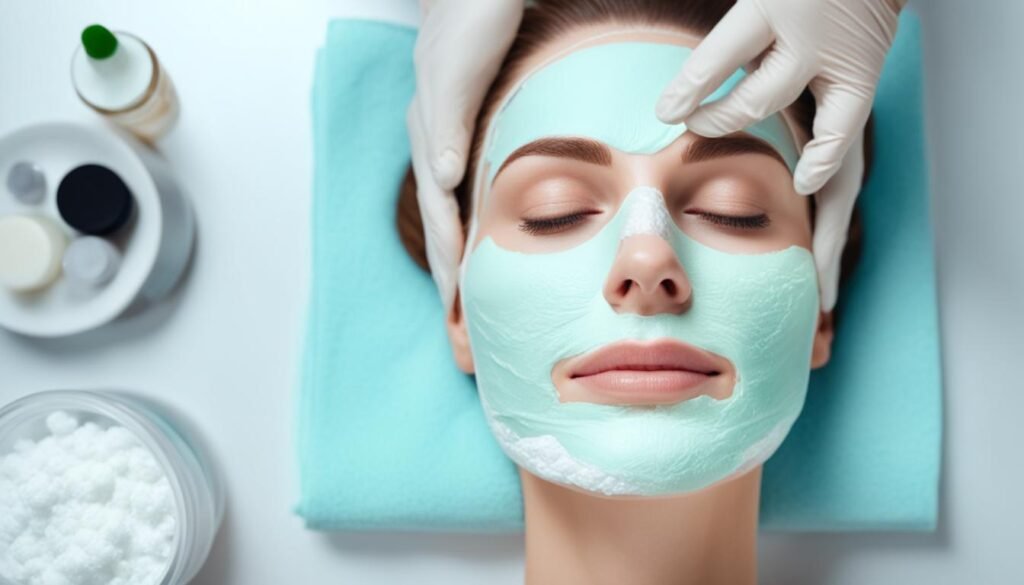
Before undergoing laser resurfacing, careful preparation is essential to ensure optimal results and reduce the risk of complications. Here are some important steps to take to prepare for your laser resurfacing procedure:
- Medical History Assessment: Your doctor will assess your medical history to determine if you are a suitable candidate for laser resurfacing. It is crucial to disclose any medications, allergies, or previous cosmetic procedures to ensure a safe and effective treatment.
- Physical Examination: A thorough physical examination will be conducted to evaluate the condition of your skin and identify any potential contraindications or risks.
- Discussion of Expectations: Your doctor will discuss your expectations, desired outcomes, and potential results to ensure realistic expectations are set.
- Medication Review: Inform your doctor about any medications you are currently taking, including prescription medications, over-the-counter drugs, and herbal supplements. Certain medications may need to be discontinued or adjusted to minimize the risk of complications during and after the procedure.
- Preventing Complications: Depending on the type of laser resurfacing and your individual circumstances, your doctor may prescribe medications to prevent complications, such as antiviral or antibiotic medications to reduce the risk of infection.
- Sun Protection: It is crucial to avoid direct sun exposure and sunburns before laser resurfacing. Sun exposure can increase the risk of complications and affect the results of the treatment. Your doctor may recommend wearing sunscreen and protective clothing or avoiding the sun altogether for a certain period before the procedure.
- Smoking Cessation: Smoking can impair the healing process and increase the risk of complications. Your doctor may advise you to stop smoking for a certain period before and after the procedure to optimize the results and minimize the risk of complications.
- Arranging Transportation: If your laser resurfacing procedure involves sedation, you may need to arrange for someone to drive you home after the treatment, as sedation can impair your ability to drive safely.
By following these pre-procedure instructions and closely collaborating with your doctor, you can ensure a smoother and safer laser resurfacing experience, ultimately leading to optimal outcomes and a faster recovery.
What to Expect During and After Laser Resurfacing

When undergoing laser resurfacing, it is important to understand what to expect during and after the procedure. The specific process and recovery time can vary depending on the type of laser resurfacing performed.
During the laser resurfacing procedure, you will typically receive local anesthesia or sedation as an outpatient. This helps to minimize any discomfort or pain during the treatment.
After the procedure, you can expect the treated skin to be raw, swollen, and itchy. These are normal reactions to the laser resurfacing and are part of the healing process. It is important to have realistic expectations and understand that it may take time for the skin to fully recover.
To promote optimal healing, proper post-procedure care is essential. This includes regularly cleaning the treated area, applying prescribed ointments or creams, and avoiding irritants such as harsh skincare products or excessive sun exposure.
Results from laser resurfacing are not immediate and can gradually improve over time. Collagen production is stimulated, leading to smoother skin, improved texture, and a reduction in wrinkles and scars. However, the final results may vary depending on individual factors such as skin condition and lifestyle.
Continued maintenance and sun protection are crucial to prolonging the results achieved through laser resurfacing. It is important to follow your doctor’s instructions carefully and attend all scheduled follow-up appointments. This allows your healthcare provider to monitor your progress and make any necessary adjustments to your skincare routine.
Conclusion
After careful consideration of the benefits and outcomes of laser skin resurfacing, it is evident that this procedure can significantly improve the appearance of the skin and address various skin concerns. From enhancing skin tone and texture to reducing the visibility of wrinkles and scars, laser resurfacing has proven to be an effective facial rejuvenation treatment.
However, to ensure optimal results and minimize potential risks, it is crucial to consult with a qualified dermatologist or plastic surgeon. They can evaluate your specific needs, discuss realistic expectations, and determine if laser resurfacing is suitable for you. In addition, they will address any potential contraindications or risks associated with the procedure.
By following pre-procedure preparation guidelines and adhering to post-treatment care instructions, you can maximize the benefits of laser resurfacing. With proper skincare maintenance and sun protection, the results of the procedure can last for years, rejuvenating your skin and boosting your self-confidence.
FAQ
What are the expected results from laser skin treatments?
Laser skin treatments can improve the skin’s appearance and treat minor facial flaws. The results can include improved skin tone, texture, and the reduction of wrinkles and scars.
How does laser skin resurfacing work?
Laser resurfacing works by either removing the outer layer of skin (ablative laser) or stimulating collagen growth (nonablative laser). This stimulates collagen production, resulting in smoother and tighter skin.
What skin concerns can laser resurfacing treat?
Laser resurfacing can be used to treat fine wrinkles, age spots, uneven skin tone or texture, sun-damaged skin, and mild to moderate acne scars. It can result in improved skin rejuvenation, tighter skin, and a more youthful appearance.
What are the types of laser resurfacing?
The types of laser resurfacing include CO2 laser resurfacing, erbium laser resurfacing, and fractional laser resurfacing.
What does the laser resurfacing procedure involve?
Laser resurfacing is typically done on an outpatient basis using local anesthesia or sedation. The procedure can involve the removal of the outer skin layer, stimulation of collagen growth, or delivering laser light in microscopic columns. Recovery time varies depending on the type of laser resurfacing performed.
What are the risks and considerations of laser resurfacing?
Laser resurfacing carries certain risks and potential side effects, including redness, swelling, itching, and pain in the treated area. There is also a risk of infection, changes in skin color, scarring, and complications in certain medical conditions or skin types. It is important to discuss any medical history and previous cosmetic procedures with your doctor.
Who is a suitable candidate for laser resurfacing?
Laser resurfacing may not be suitable for everyone. Contraindications may include a history of isotretinoin use, connective tissue or autoimmune diseases, weak immune system, keloid scars, radiation therapy to the face, current cold sores or herpes outbreak, dark skin tones, pregnancy or breastfeeding, and certain eyelid conditions. Consultation with a doctor is crucial to determine suitability.
How should I prepare for laser resurfacing?
Before laser resurfacing, your doctor will assess your medical history, perform a physical exam, and discuss your expectations. It is important to disclose any medications, allergies, or previous cosmetic procedures. Depending on the type of laser resurfacing, you may need to take medications to prevent complications, avoid sun exposure, stop smoking, and arrange for a ride home if sedation is involved.
What should I expect during and after laser resurfacing?
Laser resurfacing is typically performed on an outpatient basis using local anesthesia or sedation. After the procedure, the treated skin will be raw, swollen, and itchy. Proper post-procedure care, including cleaning, applying ointment, and avoiding irritants and sun exposure, is important for optimal healing. Results can gradually improve over time, with continued maintenance and sun protection.
What is the conclusion on laser skin resurfacing?
Laser skin resurfacing is a facial rejuvenation procedure that can improve the appearance of the skin and treat various skin concerns. It is important to consult with a qualified doctor to determine if laser resurfacing is the right treatment for your specific needs, and to discuss any potential risks or contraindications.