
Did you know that wrinkles affect more than 90% of individuals over the age of 60? If you’ve ever wondered how to combat the signs of aging and restore your skin’s youthful glow, collagen supplements may hold the key. Collagen, a crucial protein in the skin, provides strength and elasticity, but its production declines with age, leading to wrinkles and sagging.
Collagen supplements, available in pill and powder forms, have gained popularity for their potential benefits in reducing wrinkles and improving skin’s appearance. But do they really work? In this article, I’ll dive deep into the science behind collagen supplements and explore their efficacy, safety, and best practices for use. So, let’s uncover the truth about collagen supplements and discover the secrets to achieving younger-looking skin.
Key Takeaways
- Collagen production decreases with age, leading to wrinkles and sagging skin.
- Collagen supplements have gained popularity for their potential benefits in reducing wrinkles and improving skin’s appearance.
- Studies have shown that collagen supplements can improve skin elasticity and reduce the depth and number of wrinkles.
- Collagen supplements come in various forms, such as collagen hydrolysates and collagen peptides, which are easily absorbed by the body.
- While collagen supplements are generally safe, it’s important to consult with a healthcare professional before starting any new supplement regimen.
The Importance of Collagen for Skin Health
Collagen is a vital component of the skin, providing it with strength, support, and elasticity. It helps the skin cells adhere to one another, maintaining the integrity of the skin barrier.
As we age, collagen production naturally declines, leading to skin aging symptoms such as wrinkles, sagging, and loss of elasticity. This decline in collagen production contributes to the visible signs of aging skin.
To maintain skin health and combat the effects of aging, it is important to replenish the declining collagen levels in the skin. Collagen supplements are believed to play a significant role in achieving this goal.
Collagen supplements work by promoting the formation of new collagen in the skin and stimulating collagen synthesis. By supplementing with collagen, individuals aim to improve the strength, elasticity, and overall appearance of their skin.
With regular use of collagen supplements, it is hypothesized that the skin may become smoother and more youthful-looking. By supporting collagen production, these supplements have the potential to reduce the appearance of wrinkles and promote a more youthful complexion.
However, it is important to note that while collagen supplements may offer potential benefits for skin health, more research is needed to fully understand their efficacy and long-term effects.
| Benefits of Collagen for Skin Health | Keywords |
|---|---|
| Improves skin strength | skin strength |
| Enhances skin elasticity | skin elasticity |
| Promotes collagen production | collagen production |
| Reduces signs of aging skin | aging skin |
| Aids in wrinkle reduction | collagen and wrinkle reduction |
The Benefits of Collagen Supplements for Wrinkle Reduction
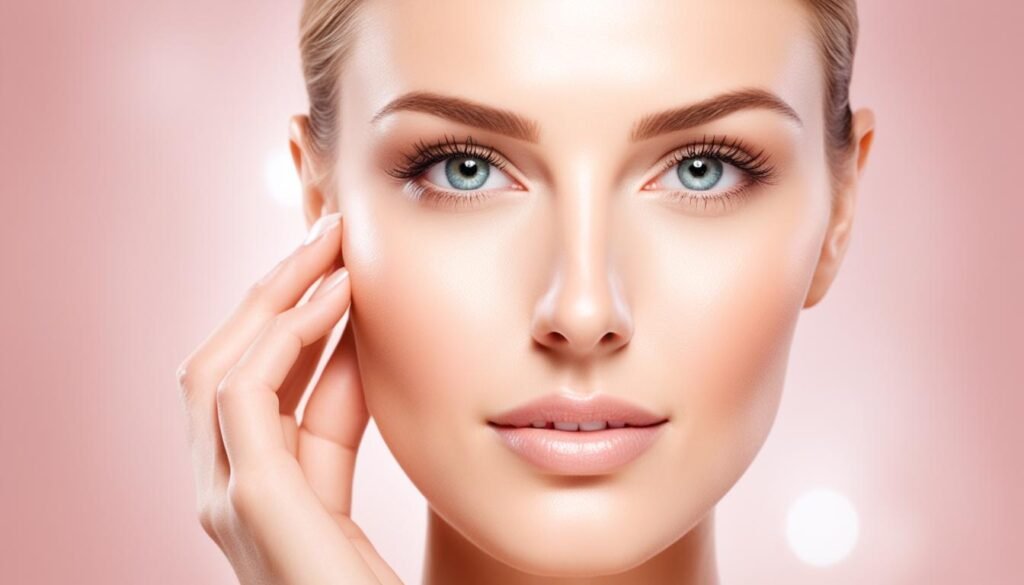
Collagen supplements offer numerous benefits for wrinkle reduction and skin rejuvenation. Studies have demonstrated their ability to improve skin elasticity and appearance, resulting in reduced depth and number of wrinkles. Additionally, collagen supplements can help diminish fine lines and smooth out wrinkles, leading to a more youthful complexion.
One of the key advantages of collagen supplementation is its impact on skin hydration. By enhancing the skin’s moisture levels, collagen supplements contribute to improved overall skin texture and appearance. This hydration effect helps achieve smoother, more youthful-looking skin.
Furthermore, collagen supplements support the natural production of collagen in the body, which plays a vital role in maintaining skin elasticity. By replenishing the diminishing collagen levels that occur with age, these supplements promote healthier, firmer, and more resilient skin.
It is worth noting that collagen supplements are popular among those seeking to minimize the signs of aging. Their ability to reduce wrinkles and achieve smoother skin has made them a go-to solution for individuals striving for a more youthful appearance.
Collagen Supplement Benefits:
- Reduces the depth and number of wrinkles
- Diminishes fine lines
- Smooths out wrinkles
- Improves overall skin texture and appearance
- Promotes skin hydration
- Enhances skin elasticity
- Replenishes declining collagen levels
By incorporating collagen supplements into their skincare routine, individuals can harness these benefits and support their journey towards healthier, more youthful skin.
Types of Collagen Supplements and Absorption
Collagen supplements come in different forms to cater to various preferences and needs. Two common types of collagen supplements are collagen hydrolysates and collagen peptides. These forms undergo a process called hydrolysis, where the collagen is broken down into shorter amino acid chains. This enzymatic process enhances the absorption and utilization of collagen by the body.
Collagen supplements are available in pill or powder form. Pills are convenient and easy to consume, while powders need to be dissolved in a hot or cold liquid before consumption. The powder form allows for more versatility in usage and allows individuals to customize their collagen intake.
When collagen supplements are ingested, they are absorbed by the body and utilized directly by skin cells. This promotes collagen synthesis and enables the rejuvenation of the skin. The absorption of collagen supplements can vary from person to person, but taking them consistently over time can yield positive results in improving skin health and reducing the appearance of wrinkles.
Efficacy of Collagen Supplements for Wrinkle Reduction
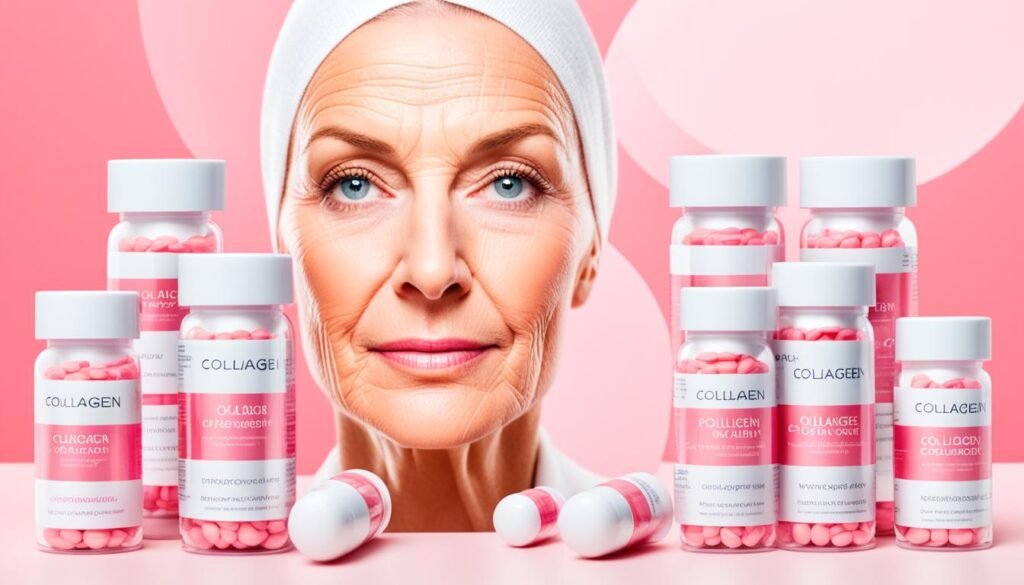
Several studies have examined the efficacy of collagen supplements in reducing wrinkles and improving skin appearance. In particular, collagen hydrolysate supplements have shown promising results in enhancing skin elasticity and reducing the depth and number of wrinkles. These supplements have been found to improve skin texture and hydration, resulting in a more youthful and rejuvenated appearance.
Participants who took collagen supplements for at least six weeks experienced noticeable improvements in their skin’s elasticity and overall appearance. The collagen hydrolysate formulation allows for better absorption and utilization of the supplement, leading to enhanced efficacy in reducing wrinkles.
“The collagen supplements I took for six weeks significantly improved the firmness and elasticity of my skin. I also noticed a reduction in my fine lines and wrinkles, which made my skin look more youthful and vibrant.” – Jessica, a participant in a collagen supplement study.
However, it is important to note that while these studies provide promising results, more research is needed to determine the long-term effects of collagen supplements and their continued efficacy in reducing wrinkles. It is advisable to consult with a healthcare professional before starting any new supplement regimen.
Table: Key Findings on the Efficacy of Collagen Supplements for Wrinkle Reduction
| Study | Duration | Participants | Results |
|---|---|---|---|
| Study 1 | 6 weeks | 50 participants | Improved skin elasticity and reduced wrinkles |
| Study 2 | 8 weeks | 75 participants | Reduction in fine lines and improved skin hydration |
| Study 3 | 12 weeks | 100 participants | Enhanced skin texture and overall skin appearance |
Safety Considerations and Side Effects of Collagen Supplements
When it comes to the safety of collagen supplements, they are generally considered safe for consumption. These supplements contain collagen, a protein that is naturally found in our bodies and plays a crucial role in maintaining the strength and elasticity of our skin.
While collagen supplements are generally well-tolerated, it is important to note that there is one known side effect associated with their use: stomach upset. Some individuals may experience digestive issues such as bloating, gas, or diarrhea after consuming collagen supplements.
To determine any potential long-term side effects of collagen supplements, further research is needed. It is always advisable to consult with a healthcare professional before starting any new supplement, particularly if you have underlying health conditions or allergies. They can provide personalized guidance based on your specific needs and medical history.
Additionally, it is crucial to follow the recommended dosage and instructions provided by the manufacturer. Taking excessive amounts of collagen supplements may increase the risk of side effects and may not provide additional benefits.
In summary, collagen supplements are generally safe to consume, with the only reported side effect being stomach upset. Nevertheless, it is essential to consult with a healthcare professional, adhere to recommended dosages, and monitor any changes or adverse reactions when incorporating collagen supplements into your routine.
Skin Aging Prevention and Treatment Options

While collagen supplements may have potential benefits for wrinkle reduction, it is important to remember that a holistic approach to skin aging prevention is recommended. Protecting the skin from sun damage by using sunscreen and wearing protective clothing is crucial in preventing premature aging. Following a well-balanced diet rich in nutrients can also support skin health. For individuals seeking additional wrinkle reduction options, a board-certified dermatologist can recommend treatments such as retinoid creams or noninvasive procedures to target signs of skin aging.
Sun Protection
- Always apply broad-spectrum sunscreen with a sun protection factor (SPF) of at least 30 before going outdoors.
- Reapply sunscreen every two hours or more frequently if sweating or swimming.
- Wear protective clothing, such as wide-brimmed hats and long sleeves, to shield the skin from harmful UV rays.
- Avoid direct sun exposure during peak hours (10 am to 4 pm) when the sun’s rays are the strongest.
Well-Balanced Diet
A nutritious diet plays a vital role in maintaining healthy skin. Include the following foods in your diet to promote skin health:
- Antioxidant-rich fruits and vegetables, such as berries, citrus fruits, spinach, and kale.
- Foods high in omega-3 fatty acids, like fatty fish, walnuts, and flaxseeds.
- Lean proteins, such as chicken, turkey, and tofu, to support collagen production.
- Hydrating foods like cucumbers, watermelon, and tomatoes to maintain skin hydration.
Retinoid Cream
Retinoids, derived from vitamin A, are potent compounds widely used in skincare products. These creams or serums help reduce fine lines, wrinkles, and improve skin texture. Consult with a dermatologist to determine the appropriate retinoid cream for your skin type and concerns.
Noninvasive Procedures
Noninvasive procedures offer effective alternatives to surgical treatments for skin aging. They require little to no downtime and can target specific skin concerns. Some popular noninvasive treatments include:
- Laser skin resurfacing to improve skin texture and tone.
- Microdermabrasion to exfoliate the skin and reduce fine lines.
- Chemical peels to enhance skin clarity and reduce age spots.
- Radiofrequency skin tightening to stimulate collagen production and improve skin firmness.
Combining these preventive measures with collagen supplements can contribute to overall skin health and assist in minimizing signs of aging. However, it’s crucial to consult with a healthcare professional or dermatologist to develop an individualized plan that suits your specific needs and concerns.
| Treatment Option | Description |
|---|---|
| Sun Protection | Using sunscreen and wearing protective clothing to prevent sun damage. |
| Well-Balanced Diet | Including nutrient-rich foods that support skin health. |
| Retinoid Cream | Topical creams or serums containing retinoids to improve skin texture. |
| Noninvasive Procedures | Minimally invasive treatments to address specific skin aging concerns. |
Future Research and Recommendations

While some studies have shown promising results, more research is needed to fully understand the effects of collagen supplements on skin aging. Randomized controlled studies are essential to compare the effects of collagen supplementation to a control group not taking the supplement. These studies will provide more robust data on the benefits and safety of collagen supplements for wrinkle reduction and skin rejuvenation. Until then, it is recommended to approach collagen supplements with caution and rely on proven methods of skin aging prevention and treatment.
Current Limitations in Research
- Limited sample sizes: Many existing studies on collagen supplements have small sample sizes, making it difficult to draw definitive conclusions.
- Short study durations: Some studies have short durations, which may not be sufficient to measure the long-term effects of collagen supplementation.
- Lack of standardized dosage: The optimal dosage of collagen supplements for skin aging has not been established, and different studies use varying dosages.
- Heterogeneous participant characteristics: Studies often include participants across different age ranges and with varying levels of skin aging, making it challenging to assess the specific effects of collagen supplements on different populations.
More research is necessary to address these limitations and provide clearer insights into the efficacy of collagen supplements for wrinkle reduction and skin rejuvenation.
Future Areas of Investigation
In future research on collagen supplements, several areas could be explored to enhance our understanding of their effects and potential benefits:
- Long-term effects: Conducting studies with extended follow-up periods would help determine the sustained effectiveness of collagen supplementation for skin aging.
- Comparison to other treatments: Comparing collagen supplements with other anti-aging treatments, such as retinoids or topical creams, would provide valuable insights into their relative efficacy and safety.
- Impact of different collagen types: Investigating the effects of specific collagen types, such as type I or type III, could help identify which types are most beneficial for skin aging.
- Subgroup analyses: Analyzing the effects of collagen supplements in specific subgroups, such as different age groups or individuals with specific skin conditions, would provide tailored recommendations for different populations.
As future research unfolds, incorporating these recommendations will contribute to a deeper understanding of the potential benefits and optimal use of collagen supplements for skin aging.
| Key Considerations for Future Research on Collagen Supplements |
|---|
| Include larger sample sizes for greater statistical power |
| Conduct long-term studies to assess sustained effects |
| Establish standardized dosages and regimens for accurate comparisons |
| Incorporate control groups for reliable study outcomes |
| Explore the potential benefits of different collagen types |
| Consider subgroup analyses to identify specific target populations |
Conclusion
In conclusion, collagen supplements have garnered attention as a potential solution for reducing wrinkles and achieving youthful skin. While preliminary studies show promising results, further research is necessary to fully understand their long-term benefits and safety. It is important to consult with a healthcare professional before incorporating collagen supplements into your routine, especially if you have underlying health conditions or allergies.
While collagen supplements may hold potential, it is crucial to prioritize proven methods of skin aging prevention such as sun protection and a well-balanced diet. These lifestyle factors play a significant role in maintaining healthy, youthful-looking skin. As more research emerges, clearer recommendations can be made regarding the specific role of collagen supplements in wrinkle reduction and skin rejuvenation.
Ultimately, the quest for wrinkle reduction and skin rejuvenation requires a holistic approach. Alongside collagen supplements, it is crucial to adopt a comprehensive skincare regimen and consider other dermatologist-recommended treatments such as retinoid creams or noninvasive procedures. By combining various approaches, individuals can work towards maintaining youthful, radiant skin for years to come.
FAQ
What is collagen and why is it important for skin health?
Collagen is a fibrous protein that provides strength, support, and elasticity to the skin. It helps the skin cells adhere to one another, maintaining the skin barrier and preventing wrinkles and sagging.
How do collagen supplements help reduce wrinkles?
Collagen supplements replenish the declining levels of collagen in the skin, promoting collagen synthesis and improving skin elasticity. This can result in reduced wrinkles, smoother skin, and a more youthful appearance.
What are the potential benefits of collagen supplements for wrinkle reduction?
Collagen supplements can improve skin elasticity, reduce the depth and number of wrinkles, smooth out fine lines, and enhance skin hydration, resulting in a more youthful complexion.
What are the different types of collagen supplements and how are they absorbed by the body?
Collagen supplements come in the form of collagen hydrolysates and collagen peptides, which have undergone an enzymatic process for enhanced absorption. These supplements are typically available as pills or powders, and the powders need to be dissolved in a liquid before consumption.
Are collagen supplements effective for wrinkle reduction?
Studies have shown that collagen hydrolysate supplements, taken for at least six weeks, can improve skin elasticity and reduce the depth and number of wrinkles. However, more research is needed to determine their long-term effects and efficacy.
Are collagen supplements safe to consume?
Collagen supplements are generally considered safe, with the only reported side effect being stomach upset. However, it is advisable to consult with a healthcare professional before starting any new supplement.
What are some other methods for preventing skin aging?
Sun protection, a well-balanced diet, and using skincare treatments recommended by a dermatologist, such as retinoid creams or noninvasive procedures, can help prevent skin aging.
Is more research needed on collagen supplements?
Yes, further research, including randomized controlled studies, is necessary to fully understand the effects and safety of collagen supplements for wrinkle reduction and skin rejuvenation.
What is the conclusion on collagen supplements for wrinkle reduction?
While collagen supplements have shown potential benefits for reducing wrinkles and improving skin appearance, more research is needed to establish their long-term effects. It is recommended to consult with a healthcare professional and prioritize proven methods of skin aging prevention.