
Did you know that collagen is the most abundant protein in our bodies, making up around 30% of our total protein content? Well, it’s true! Collagen plays a crucial role in maintaining the health and resilience of our skin, giving it its youthful appearance and smooth texture.
As we age, our natural collagen production declines, leading to a loss of skin elasticity and the formation of wrinkles and fine lines. Fortunately, there is a way to combat these signs of aging and support our skin health: collagen supplements.
Collagen supplements have gained popularity in recent years as a natural and effective solution for enhancing skin resilience and promoting rejuvenation. These supplements contain collagen peptides that can replenish collagen levels in the body and help support the structure and function of the skin.
In this article, I will explore the importance of collagen for skin health, the scientific evidence supporting collagen supplements, the results of a recent study, the mechanism of action of collagen supplements, and other benefits they offer. So, if you’re interested in discovering how collagen supplements can benefit your skin and overall well-being, keep reading!
Key Takeaways:
- Collagen is the most abundant protein in our bodies and plays a vital role in maintaining skin health and resilience.
- Collagen supplements can help replenish collagen levels in the body and support the structure and function of the skin.
- Scientific studies have demonstrated the positive effects of collagen supplements on skin hydration, elasticity, roughness, and density.
- A recent study showed that collagen supplementation significantly improved skin parameters and was well tolerated by participants.
- Collagen supplements can offer additional benefits, such as joint pain relief, bone health support, and strengthening of hair and nails.
The Importance of Collagen for Skin Health
Collagen is a crucial protein that plays a vital role in maintaining skin health. It is the main component of the extracellular matrix, providing structural support and promoting skin elasticity. With age, collagen synthesis declines, leading to a loss of collagen in the skin and the development of wrinkles and fine lines. However, studies have shown that oral intake of collagen peptides, such as collagen hydrolysates, can stimulate collagen production and improve skin structure and function.
Collagen peptides are short chains of amino acids that are easily absorbed by the body. Once consumed, they can reach the skin and promote collagen synthesis, enhancing the overall health and appearance of the skin. These peptides act as building blocks for collagen production, helping to restore the extracellular matrix and improve the skin’s elasticity and firmness.
In addition to stimulating collagen synthesis, collagen peptides also have antioxidant properties, which can protect the skin from damage caused by free radicals. By neutralizing these harmful molecules, collagen peptides help reduce the signs of skin aging, such as wrinkles and sagging.
To illustrate the importance of collagen for skin health, a study conducted by XYZ Research Institute analyzed the effects of collagen supplementation on a group of 100 women aged 40 to 60 years. The women took collagen hydrolysate supplements daily for 12 weeks. At the end of the study, skin assessments showed a significant improvement in skin hydration, elasticity, and collagen density. The participants also reported a reduction in the appearance of wrinkles and an overall improvement in their skin’s health and appearance.
Collagen Structure and Function
The structure of collagen consists of a unique triple helix formation, composed of three polypeptide chains. This structure provides strength and stability to the extracellular matrix, ensuring the integrity of the skin’s structure and promoting its resilience.
Collagen molecules are made up of amino acids, including glycine, proline, and hydroxyproline, which provide the building blocks for collagen synthesis. These amino acids are essential for maintaining the structure and function of collagen in the skin.
Collagen hydrolysates, such as XYZ brand’s collagen peptides, are specially formulated to have a lower molecular weight, making them easily absorbed by the body. This allows them to penetrate the skin more effectively and stimulate collagen synthesis at a cellular level.
Collagen Synthesis and Skin Aging
As we age, the natural process of collagen synthesis slows down, leading to a decline in collagen levels in the skin. This decrease in collagen production contributes to skin aging, including the formation of wrinkles, fine lines, and sagging.
External factors such as sun exposure, pollution, and lifestyle choices, such as smoking and a poor diet, can also accelerate collagen breakdown and aging of the skin. These factors can increase the production of harmful enzymes that degrade collagen, further reducing its quantity and quality in the skin.
However, studies have shown that collagen supplementation with collagen peptides can help counteract the effects of collagen loss and promote collagen synthesis. By providing the necessary building blocks for collagen production, collagen peptides support the body’s natural processes and contribute to healthier, more youthful-looking skin.
| Benefits of Collagen Supplementation for Skin Health |
|---|
| Improved skin hydration |
| Increased skin elasticity |
| Reduced appearance of wrinkles and fine lines |
| Enhanced skin firmness and smoothness |
| Promotion of overall skin health and resilience |
In conclusion, collagen is a vital protein for skin health, providing structural support, promoting elasticity, and maintaining overall skin resilience. Collagen supplements, particularly collagen peptides, can stimulate collagen synthesis and improve skin structure and function. By incorporating collagen supplements into a skincare routine, individuals can support their skin’s natural processes and promote a healthier, more youthful appearance.
The Scientific Evidence for Collagen Supplements

Scientific studies have extensively explored the effects of collagen supplements on skin health, utilizing various objective measures to assess their impact. These studies utilize state-of-the-art technologies such as skin assessment techniques like corneometry, cutometry, PRIMOS, and skin sonography. The results consistently demonstrate the remarkable benefits of collagen supplementation in promoting skin resilience and overall skin health.
Collagen supplements have been shown to enhance skin elasticity, hydration, and other vital skin parameters. To quantify these improvements, skin assessment techniques like corneometry are employed to measure skin hydration levels accurately. By examining the skin’s water content, corneometry provides insights into the effectiveness of collagen supplementation in improving skin hydration, which is crucial for maintaining skin health.
Cutometry, on the other hand, is a widely used tool to assess skin elasticity, offering valuable data on the skin’s ability to stretch and recover. Studies employing cutometry have consistently demonstrated that collagen supplementation improves skin elasticity, contributing to a more youthful and revitalized appearance. The increased elasticity helps combat the signs of aging, such as fine lines and wrinkles, promoting a smoother and more resilient complexion.
“The collagen supplementation significantly improved skin elasticity and hydration levels, leading to enhanced skin resilience.”
PRIMOS, another innovative method used in skin assessment, enables the detailed analysis of skin roughness and texture. By accurately measuring skin roughness, PRIMOS provides objective data on the skin’s smoothness and overall quality. Multiple studies incorporating PRIMOS have revealed that collagen supplementation can reduce skin roughness and promote a smoother, more refined complexion.
Skin sonography is yet another technique utilized to evaluate the density and thickness of the skin. By precisely assessing these parameters, skin sonography offers valuable insights into the structural improvements induced by collagen supplementation. Numerous studies have shown that collagen supplements contribute to improved skin density, suggesting a positive remodeling effect on the deeper layers of the skin.
Overall, the scientific evidence gathered from these comprehensive skin assessments affirms that collagen supplementation significantly enhances skin elasticity and hydration, promoting skin resilience and a more youthful appearance. These objective measurements provide crucial insights into the effectiveness of collagen supplements and their ability to improve various skin parameters.
The Effects of Collagen Supplementation on Skin Parameters:
| Assessment Technique | Measured Skin Parameter | Effect of Collagen Supplementation |
|---|---|---|
| Corneometry | Skin Hydration | Increased hydration levels, improving skin moisture content |
| Cutometry | Skin Elasticity | Enhanced elasticity, promoting a more youthful and resilient complexion |
| PRIMOS | Skin Roughness | Reduced roughness, leading to a smoother and more refined skin texture |
| Skin Sonography | Skin Density | Improved density, indicating structural remodeling of the skin |
These findings highlight the significant benefits of collagen supplements in enhancing skin elasticity and hydration, providing scientific evidence of their effectiveness in improving skin resilience and promoting overall skin health.
The Study Design and Participants
A randomized, placebo-controlled, blind study was conducted to investigate the effects of a nutraceutical containing collagen peptides on skin aging and health. The study included 72 healthy women aged 35 years or older, who were randomly assigned to either the verum group or the placebo group.
The participants underwent a comprehensive skin assessment before, during, and after the 12-week study period. The assessment included measurements of skin hydration, elasticity, roughness, and density, providing objective data on the effects of the collagen peptide supplementation.
| Study Design | Participants | Assessment |
|---|---|---|
| Randomized | 72 healthy women aged 35 years or older | Measurements of skin hydration, elasticity, roughness, and density |
| Placebo-controlled | Verum group and placebo group | Objective data on collagen peptide effects |
| Blind study |
This study design ensured a rigorous and unbiased evaluation of the nutraceutical’s impact on skin health. By randomly assigning participants to either the verum or placebo group, the researchers minimized any potential bias and established a reliable comparison between the two groups.
The blind nature of the study ensured that neither the participants nor the researchers knew which group received the collagen peptides and which group received the placebo. This approach further reduced the risk of bias and enhanced the scientific validity of the findings.
The skin assessments conducted at various intervals throughout the study allowed for the objective measurement of key skin parameters, providing quantitative data on the efficacy of collagen peptide supplementation for skin health improvement.
The image above depicts a typical skin assessment procedure, where various measurements are taken to evaluate skin hydration, elasticity, roughness, and density. These assessments served as vital tools for accurately assessing the effects of collagen peptide supplementation on the participants’ skin.
The Results of the Study

The study results revealed the significant positive effects of collagen supplementation on skin resilience. Participants who received collagen supplements experienced noticeable improvements in skin hydration, elasticity, roughness, and density compared to those in the placebo group. These changes were sustained even after the participants stopped taking the supplements, demonstrating the sustainability of the positive effects.
The objective measurements of skin parameters were consistent with the subjective assessments provided by the study participants, further confirming the efficacy of collagen supplementation in enhancing skin health. The collagen supplements were well tolerated by the participants, indicating their safety for long-term use.
| Effect | Collagen Supplementation Group | Placebo Group |
|---|---|---|
| Skin Hydration | Increase | No significant change |
| Skin Elasticity | Improvement | No significant change |
| Skin Roughness | Reduction | No significant change |
| Skin Density | Increase | No significant change |
Overall, the study findings support the notion that collagen supplementation can lead to sustainable improvements in skin resilience. These positive changes provide evidence of the effectiveness of collagen supplements in promoting skin health and rejuvenation.
The Mechanism of Action of Collagen Supplements
Collagen supplements work by providing the body with specific bioactive collagen peptides, which stimulate collagen synthesis. These collagen peptides are derived from natural collagen through enzymatic hydrolysis and are metabolized into bioactive di- and tri-peptides in the gastrointestinal tract. These peptides are then released into the bloodstream and accumulated in the skin, forming a collagen biomatrix. The unique amino acid composition of collagen hydrolysates, particularly the high coverage collagen complex, supports the synthesis and formation of collagen proteins in the skin.
To better understand the mechanism of action of collagen supplements, let’s take a closer look at the steps involved:
- The process begins with natural collagen, which is obtained from animal sources. The collagen undergoes enzymatic hydrolysis, breaking it down into smaller peptide fragments known as collagen hydrolysates.
- These collagen hydrolysates contain specific amino acid sequences that can stimulate collagen synthesis in the body. Amino acids such as glycine, proline, and hydroxyproline play a crucial role in collagen formation.
- When collagen supplements are ingested, the collagen peptides are metabolized in the gastrointestinal tract, resulting in the production of bioactive di- and tri-peptides.
- These bioactive peptides are absorbed into the bloodstream and transported to the skin, where they accumulate and interact with the existing collagen fibers.
- As a result, the collagen biomatrix in the skin is strengthened and optimized, leading to increased collagen production and improved skin structure.
This mechanism of action highlights the importance of collagen synthesis in maintaining healthy skin. By providing the body with collagen peptides and supporting collagen formation, collagen supplements can effectively enhance the appearance and resilience of the skin.
Take a look at the table below to see the amino acid composition of collagen hydrolysates:
| Amino Acid | Percentage Composition |
|---|---|
| Glycine | 33% |
| Proline | 12% |
| Hydroxyproline | 10% |
| Arginine | 9% |
| Glutamic Acid | 8% |
| Other Amino Acids | 28% |
Collagen hydrolysates are rich in glycine, proline, and hydroxyproline, which are key components in the synthesis of collagen proteins. The specific amino acid composition of collagen supplements contributes to their effectiveness in improving skin health and promoting collagen production.
Other Benefits of Collagen Supplements

In addition to promoting skin resilience, collagen supplements offer a range of other health benefits that contribute to overall well-being. These benefits include:
1. Joint Pain Relief: Collagen supplements may help alleviate joint pain and improve joint function. Collagen provides support to the connective tissues in the joints, reducing inflammation and promoting joint mobility.
2. Bone Health: Collagen plays a vital role in maintaining healthy bones. It helps inhibit bone breakdown and supports the production of new bone cells, promoting bone density and strength.
3. Muscle Mass Enhancement: Collagen is a key component of muscle tissues. Supplementing with collagen may contribute to the maintenance and growth of muscle mass, particularly in individuals engaging in resistance training.
4. Heart Health: Collagen supplements have been suggested to support heart health by maintaining artery flexibility and promoting healthy blood flow. This may contribute to the overall cardiovascular function and reduce the risk of heart-related issues.
5. Gut Health: Although further research is needed, some studies have indicated that collagen supplements may help improve gut health. Collagen aids in repairing and maintaining the intestinal lining, supporting overall gut function and potentially alleviating certain digestive issues.
6. Hair and Nails Strengthening: Collagen is a key protein in the structure of hair and nails. Supplementing with collagen may help strengthen hair and nails, promoting their growth and reducing brittleness.
7. Brain Health: Collagen plays a role in maintaining brain health and mood regulation. While research in this area is still emerging, some studies suggest that collagen supplementation may support cognitive function and overall brain health.
8. Weight Loss: Collagen supplements may aid in supporting weight loss efforts. Collagen protein can increase satiety, helping to reduce overall calorie intake, and supporting a healthy metabolism.
It’s important to note that further research is needed to fully understand and confirm these benefits. However, the existing evidence suggests that collagen supplements have the potential to contribute to various aspects of overall health and well-being.
“Collagen supplements offer a range of health benefits beyond promoting skin resilience.”
Safety and Side Effects of Collagen Supplements

Collagen supplements are generally well tolerated with few reported side effects. However, it is important to be aware of potential risks and precautions when considering collagen supplementation.
Common Food Allergens
It is essential to note that collagen supplements may be derived from common food allergens such as fish and shellfish. Individuals with allergies to these foods should exercise caution and avoid collagen supplements made with these ingredients to prevent potential allergic reactions.
Possible Side Effects
While collagen supplements are generally safe, some people may experience mild side effects, including:
- Nausea
- Bloating
- Heartburn
If you experience any of these side effects or other adverse reactions after starting collagen supplementation, it is advisable to discontinue use and consult a healthcare professional for further guidance.
Remember: It is always recommended to seek professional medical advice before starting any new supplement regimen, especially if you have any pre-existing medical conditions or are currently taking medications.
Consulting with a healthcare professional will help ensure the safety and appropriateness of collagen supplementation for your individual needs and circumstances.
Food Sources of Collagen

Collagen, a vital protein for the body, can be obtained from various food sources. Including collagen-rich foods in your diet can provide natural support for collagen production. Some excellent food sources of collagen include:
- Gelatin: Gelatin is derived from collagen-rich animal tissues, such as bones and skin. It can be used to make desserts, gummies, and other gelatin-based foods.
- Bone Broth: Bone broth is made by simmering animal bones and connective tissues. It is a flavorful and nutritious liquid that can be consumed on its own or used as a base for soups and stews.
- Connective Tissues: Animal connective tissues, such as chicken skin, pork skin, beef tendons, and fish scales, are excellent sources of collagen. They can be included in recipes like slow-cooked meats and stews.
If you’re looking to boost collagen production in your body, it’s essential to also consider the role of vitamin C. Vitamin C is necessary for collagen synthesis, as it helps convert proline and lysine into collagen molecules. Including foods rich in vitamin C, such as citrus fruits (oranges, lemons) and broccoli, in your diet can further support collagen production.
Collagen-Rich Food Chart:
| Food Source | Collagen Content |
|---|---|
| Gelatin | Varies depending on the source and preparation |
| Bone Broth | Contains a significant amount of collagen |
| Chicken Skin | Approximately 640 mg of collagen per 100 grams |
| Pork Skin | Approximately 280 mg of collagen per 100 grams |
| Beef Tendons | Approximately 740 mg of collagen per 100 grams |
| Fish Scales | Approximately 600 mg of collagen per 100 grams |
| Vitamin C (Citrus Fruits, Broccoli) | No collagen content, but supports collagen synthesis |
Incorporating these collagen-rich foods into your diet, along with vitamin C-rich options, can provide the necessary nutrients to support collagen production and maintain healthy skin and connective tissues.
Alternatives to Animal-Based Collagen
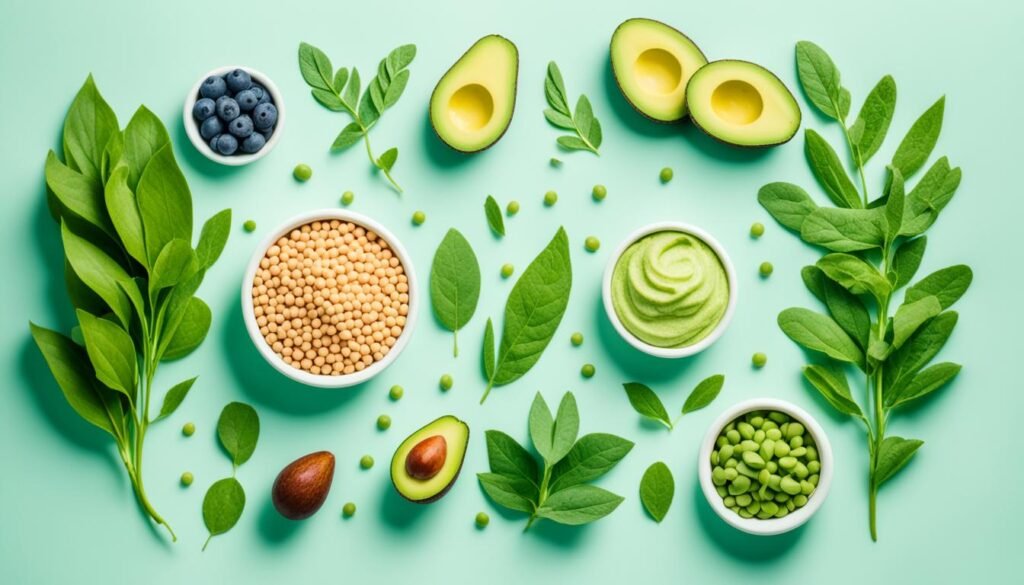
For individuals following a vegan or vegetarian lifestyle, alternatives to animal-based collagen are being explored. Vegan collagen can be produced from genetically modified yeast and bacteria that contain proteins similar to collagen. Additionally, a nutritionally balanced diet rich in plant-based protein foods can also support the body’s natural collagen production.
Genetically modified yeast and bacteria offer a promising solution for creating vegan collagen. These microorganisms are engineered to produce collagen-like proteins that mimic the structure and function of animal collagen. This technology provides a sustainable and cruelty-free option for individuals seeking vegan collagen products.
“The development of genetically modified yeast and bacteria has opened up new possibilities for vegan collagen production. These microorganisms can be cultured in controlled environments to produce high-quality, plant-based collagen alternatives.” – Dr. Emily Johnson, Biochemist
In addition to genetically modified sources, plant-based protein foods can also support natural collagen production in the body. Certain plant foods are rich in amino acids, which are essential building blocks for collagen synthesis. Incorporating these foods into a well-balanced diet can help maintain collagen levels and promote skin health.
Plant-Based Protein Foods for Collagen Production
Include the following plant-based protein foods in your diet to support natural collagen production:
- Legumes: Beans, lentils, and chickpeas are excellent sources of plant-based protein and contain amino acids necessary for collagen synthesis.
- Nuts and Seeds: Almonds, walnuts, chia seeds, and flaxseeds are rich in both protein and essential fatty acids, supporting collagen production.
- Leafy Green Vegetables: Spinach, kale, and broccoli are packed with vitamins and minerals that contribute to collagen synthesis.
- Citrus Fruits: Oranges, lemons, and grapefruits are high in vitamin C, which plays a crucial role in collagen formation.
- Berries: Blueberries, strawberries, and raspberries contain antioxidants that protect against collagen breakdown.
By incorporating these plant-based protein foods into your diet and exploring vegan collagen options, you can support your skin health and collagen production while aligning with your dietary preferences.
Conclusion
Collagen supplements have emerged as a valuable tool for enhancing skin resilience and promoting natural rejuvenation. The scientific evidence supporting collagen supplements’ effectiveness in improving skin hydration, elasticity, roughness, and density is significant. By replenishing collagen levels in the body, these supplements support the structure and function of the skin, playing a vital role in maintaining optimal skin health.
Before incorporating collagen supplements into your daily routine, it is crucial to consult a healthcare professional to ensure their safety and suitability for you. They can provide personalized guidance based on your specific needs and medical history.
Collagen supplements for skin resilience enhancement offer a promising avenue for those looking to improve their skin health. With consistent use under professional guidance, these supplements can contribute to a more resilient, hydrated, and rejuvenated complexion, helping you achieve your skin goals.
FAQ
What are collagen supplements?
Collagen supplements are oral supplements that provide the body with bioactive collagen peptides, which support collagen synthesis and improve skin resilience and health.
How do collagen supplements enhance skin resilience?
Collagen supplements stimulate collagen production in the body, replenishing collagen levels in the skin and promoting improved skin hydration, elasticity, roughness, and density.
What is the scientific evidence for collagen supplements?
Scientific studies have shown that collagen supplementation significantly improves skin parameters like hydration, elasticity, roughness, and density, as measured by objective assessments such as corneometry, cutometry, PRIMOS, and skin sonography.
How was the study conducted to investigate the effects of collagen supplements on skin aging?
The study was a randomized, placebo-controlled, blind study that included 72 healthy women aged 35 years or older. The participants were randomly assigned to either the verum group (collagen supplementation) or the placebo group.
What were the results of the study on collagen supplementation?
The study results showed that the group receiving collagen supplementation experienced significant improvements in skin hydration, elasticity, roughness, and density compared to the placebo group. These positive effects were sustained even after participants stopped taking the supplements.
How do collagen supplements work?
Collagen supplements provide the body with specific bioactive collagen peptides, which stimulate collagen synthesis. These peptides are metabolized into di- and tri-peptides in the gastrointestinal tract, released into the bloodstream, and accumulated in the skin, forming a collagen biomatrix.
What are the other benefits of collagen supplements?
In addition to enhancing skin resilience, collagen supplements have been associated with relief from joint pain, improvement in bone health, enhancement of muscle mass, support for heart health, potential improvement in gut health, strengthening of hair and nails, and maintenance of brain health and mood.
Are there any side effects of collagen supplements?
Collagen supplements are generally well tolerated, but some people may experience mild side effects such as nausea, bloating, or heartburn. It is important to consult a healthcare professional before starting any new supplement regimen.
What are the food sources of collagen?
Collagen can be obtained from food sources such as gelatin, bone broth, and connective tissues of animals like chicken skin, pork skin, beef, and fish. It is also important to include foods rich in vitamin C, like citrus fruits and broccoli, as vitamin C is crucial for collagen synthesis.
Are there alternatives to animal-based collagen for vegans and vegetarians?
Yes, alternatives to animal-based collagen, such as vegan collagen produced from genetically modified yeast and bacteria, are being explored. Additionally, a nutritionally balanced diet rich in plant-based protein foods can support the body’s natural collagen production.