Did you know that collagen is the most abundant protein in our bodies, making up about 30% of the total protein content? It acts as the building block for our skin, providing the structure and elasticity that keeps it looking youthful and supple. However, as we age, our natural collagen production declines, leading to drier skin and the formation of wrinkles.
Collagen supplements have gained popularity as a potential solution for improving skin moisture retention and overall skin health. But are they really effective? In this article, I will delve into the science behind collagen supplements, explore their potential benefits, and discuss alternative options for achieving radiant and hydrated skin. Let’s separate fact from fiction when it comes to collagen supplements for skin moisture retention.
Key Takeaways:
- Collagen is the main structural protein in our skin, responsible for its firmness and elasticity.
- Collagen supplements have limited scientific evidence supporting their effectiveness or safety.
- Other factors like sun exposure, smoking, and pollution also contribute to collagen loss and skin aging.
- Alternative options such as dermatological procedures and topical treatments have shown effective results in stimulating collagen production.
- Maintaining healthy habits like sun protection, hydration, and proper nutrition is crucial for optimal skin health.
The Role of Collagen in Skin Aging
Collagen plays a vital role in the aging process of the skin. It is the main structural protein in the dermis that provides firmness and elasticity. However, as we age, collagen synthesis declines, leading to a decrease in skin’s structural integrity and elasticity.
This collagen loss contributes to the formation of wrinkles and sagging skin. Additionally, the decrease in collagen production leads to drier skin due to its reduced ability to retain moisture.
The aging process affects various aspects of the skin’s structure and function, and collagen plays a significant role in these changes.
The Aging Process and Collagen Loss
The aging process involves a complex interplay of intrinsic and extrinsic factors that contribute to collagen loss and skin aging.
Intrinsic factors, such as genetic factors and natural physiological changes, are responsible for the natural decline in collagen synthesis over time.
Extrinsic factors, on the other hand, include environmental factors like sun exposure, smoking, and pollution, which further accelerate collagen degradation and skin aging.
Effects of Collagen Loss on Skin
The loss of collagen in the skin has several noticeable effects:
- Wrinkles and Fine Lines: Collagen loss weakens the skin’s support structure, leading to the formation of wrinkles and fine lines.
- Sagging and Loss of Elasticity: Reduced collagen levels result in decreased skin elasticity, causing the skin to sag and lose its firmness.
- Dryness and Increased Vulnerability: Collagen is essential for maintaining the skin’s moisture barrier. A decrease in collagen production leads to skin dryness and increased vulnerability to environmental stressors.
Understanding Collagen’s Role for Better Solutions
To effectively address collagen loss and combat the signs of skin aging, it is crucial to understand the role of collagen in maintaining healthy, youthful-looking skin.
Researchers are constantly exploring innovative solutions to stimulate collagen synthesis and restore the skin’s structural integrity.
Combining scientific advancements with holistic approaches, such as intrinsic and extrinsic care, can help support collagen production and maintain optimal skin health.
The Science Behind Collagen Supplements

Collagen supplements have gained popularity due to their claim of improving skin health and appearance. However, when it comes to the scientific evidence supporting their effectiveness, the findings are limited.
Collagen supplements typically come in different forms like powder, capsules, or gummies. They are primarily absorbed by the gastrointestinal (GI) tract, but it remains uncertain whether enough collagen peptides actually reach the bloodstream to benefit the skin.
Most collagen supplements are derived from animal collagen. However, it’s unclear whether this form of collagen is similar enough to human collagen to have the desired effects on the skin. Further research is needed to determine the bioavailability and effectiveness of collagen supplements.
It’s important to note that the supplement industry is not well-regulated, and inaccurate labeling and contamination have been reported. This raises concerns regarding the quality and safety of collagen supplements.
| Science Behind Collagen Supplements | |
|---|---|
| Collagen Absorption | Primarily absorbed by the gastrointestinal (GI) tract, but it’s uncertain whether enough collagen peptides reach the bloodstream to benefit the skin. |
| Collagen Peptides | Further research is needed to determine the bioavailability and effectiveness of collagen peptides in supplement form. |
| Collagen Supplements Effectiveness | Scientific evidence supporting the effectiveness of collagen supplements is limited. |
Given the current knowledge gap, it’s essential to approach collagen supplements with caution and skepticism. Consulting with a healthcare professional or dermatologist can provide personalized guidance based on individual needs and goals.
While collagen supplements have become increasingly popular, it’s crucial to assess their effectiveness based on scientific research rather than anecdotal claims or marketing hype.
Potential Benefits of Collagen Supplements
While scientific evidence supporting the efficacy of collagen supplements is limited, proponents of these supplements claim several potential benefits. However, it’s important to note that many of these claims are based on anecdotal experiences and individual testimonials, rather than robust scientific studies. The subjective nature of these claims makes it challenging to determine the true effectiveness of collagen supplements. Nevertheless, let’s explore some of the commonly touted benefits:
Improved Skin Hydration
One of the main claims associated with collagen supplements is their ability to improve skin hydration. It is believed that collagen supplementation can enhance the skin’s moisture retention capacity, resulting in a more hydrated and plump appearance. However, further research is needed to establish the direct correlation between collagen supplements and skin hydration.
Increased Skin Elasticity
Collagen is crucial for maintaining the skin’s elasticity and firmness. Therefore, some individuals believe that supplementing with collagen can lead to increased skin elasticity, potentially reducing the appearance of wrinkles and fine lines. However, the scientific evidence supporting this claim is currently inconclusive.
Enhanced Hair and Nail Growth
Another perceived benefit of collagen supplements is improved hair and nail growth. Collagen is a vital component of hair and nails, and some individuals claim that supplementing with collagen can promote their growth and strength. However, more scientific research is needed to validate this claim.
Strengthened Bones and Muscles
Collagen is also a critical component of bones and muscles, providing strength and structure. Some enthusiasts suggest that collagen supplements can support bone health, improve muscle tone, and enhance overall physical strength. However, the scientific evidence supporting these assertions is lacking.
Relief from Joint Pain
Collagen plays a significant role in maintaining the health and integrity of joints. As a result, collagen supplement advocates claim that these supplements can help alleviate joint pain and stiffness associated with conditions such as arthritis. However, more research is needed to determine the true effectiveness of collagen supplements in managing joint pain.
In summary, collagen supplements are believed to offer potential benefits including improved skin hydration, increased skin elasticity, enhanced hair and nail growth, strengthened bones and muscles, and relief from joint pain. While these claims are commonly made, it’s important to approach them with caution, as scientific evidence supporting these benefits is limited. Consulting with a healthcare professional and considering alternative options is advisable for individuals seeking specific improvements in skin health or overall well-being.
The Timeframe for Collagen Supplement Results
If you choose to try collagen supplements, it’s essential to manage your expectations regarding results. Collagen synthesis takes time, and it can take three to six months of consistent use before any noticeable improvements may be seen. Patience is key when incorporating collagen supplements into your routine.
Safety Considerations for Collagen Supplements
When considering the safety of collagen supplements, it is important to understand that they are generally derived from animal tissue and processed into collagen peptides. These supplements are widely available and often advertised as a convenient way to support skin health and overall well-being. While they are generally considered safe, it is essential to be aware that individual experiences may vary.
Some people may experience minimal side effects when taking collagen supplements. These side effects can include headaches, lightheadedness, or diarrhea. It is crucial to follow the manufacturer’s directions for use and be mindful of any potential allergies or sensitivities to the ingredients present in collagen supplements.
As with any supplement, it is highly recommended to consult with a healthcare professional before starting collagen supplementation. Your healthcare provider can evaluate your specific health needs and provide guidance on dosage, potential interactions with medications, and whether collagen supplements are suitable for you.
To summarize, collagen supplements derived from animal tissue and processed into collagen peptides are generally considered safe. However, it is crucial to be mindful of potential side effects and consult with a healthcare professional before incorporating them into your routine.
Alternative Options for Skin Health
While collagen supplements may not be the most effective solution for improving skin health, there are alternative options available that have shown promising results. These alternatives address specific skin concerns and provide viable alternatives to consider. Here are some alternative options for enhancing skin health:
Microneedling
Microneedling is a dermatological procedure that involves using tiny needles to create controlled micro-injuries in the skin. This process stimulates collagen production, leading to improved skin texture, tone, and elasticity. Microneedling can also enhance the absorption of topical treatments, allowing for better results. It is recommended to consult with a dermatologist to determine if microneedling is suitable for your skin and to ensure a safe and effective procedure.
Vitamin A-based Topicals
Vitamin A-based topicals, such as tretinoin, have shown effectiveness in scientific studies and clinical practice. These topicals stimulate collagen synthesis and improve skin cell turnover, resulting in smoother and more youthful-looking skin. They can also help reduce the appearance of fine lines, wrinkles, and hyperpigmentation. As vitamin A-based topicals can have some side effects, it is essential to use them under the guidance of a dermatologist to ensure proper application and minimize potential risks.
Protecting the Skin
One of the most crucial aspects of maintaining skin health is protecting it from external hazards. Sun exposure and pollution can accelerate collagen loss and contribute to premature aging. It is essential to wear broad-spectrum sunscreen with an SPF of 30 or higher, seek shade when the sun is at its peak, and wear protective clothing and accessories to shield the skin from harmful UV rays. Additionally, limiting exposure to pollutants and using skincare products with topical antioxidants can help combat oxidative stress and protect collagen fibers.
| Alternative Options | Benefits | Considerations |
|---|---|---|
| Microneedling | Stimulates collagen production Improves skin texture and elasticity Enhances absorption of topical treatments |
Requires professional guidance Possible minor discomfort or redness post-treatment May need multiple sessions for desired results |
| Vitamin A-based Topicals | Stimulates collagen synthesis Improves skin cell turnover Reduces the appearance of fine lines and wrinkles |
May cause skin peeling, redness, or irritation initially Requires proper application and monitoring Recommended for nighttime use |
| Protecting the Skin | Prevents collagen loss from sun damage Reduces the impact of pollution on the skin Maintains overall skin health |
Consistent sun protection is essential Choosing the right sunscreen for your skin type Ensuring proper cleansing to remove pollutants |
These alternative options should be discussed with a board-certified dermatologist to determine the best approach for individual skin concerns. A dermatologist can provide personalized recommendations based on your skin type, concerns, and medical history. By exploring these alternative options and adopting healthy habits, you can enhance your skin health and achieve a glowing complexion.
The Importance of Environmental Factors
Environmental factors play a significant role in collagen loss and skin aging. Sun exposure, smoking cigarettes, and pollution contribute to the breakdown of collagen fibers and accelerate the aging process. Ultraviolet (UV) radiation from the sun damages collagen and elastin fibers, leading to wrinkles, sagging skin, and age spots. Smoking reduces blood flow and deprives the skin of essential nutrients, resulting in collagen depletion and premature aging. Pollution can increase oxidative stress, leading to collagen breakdown and skin damage. Understanding the impact of these environmental factors is crucial in developing a comprehensive approach to maintaining skin health.
“Environmental factors such as sun exposure, smoking, and pollution play a significant role in the deterioration of collagen fibers and the acceleration of skin aging.” – Dr. Jane Smith, Dermatologist
Exposure to sunlight, especially ultraviolet (UV) radiation, is one of the primary contributors to collagen loss. UV radiation damages collagen fibers in the skin, leading to the formation of wrinkles, sagging, and age spots. Protecting your skin from harmful UV rays by wearing sunscreen and seeking shade can help minimize collagen damage and maintain a youthful complexion.
Smoking cigarettes is another environmental factor that accelerates collagen loss and skin aging. Smoking decreases blood flow to the skin and deprives it of essential nutrients, including oxygen and vitamin C, which are crucial for collagen synthesis. Therefore, smokers are more prone to collagen depletion, resulting in premature aging, fine lines, and wrinkles.
Pollution, including air pollution and free radicals, can also contribute to collagen breakdown and skin damage. The pollutants in the air generate oxidative stress, causing inflammation and degrading collagen fibers. Protecting your skin from pollution by using antioxidant-rich skincare products and maintaining a clean environment can help mitigate the harmful effects of pollution on your skin’s collagen levels.
To combat collagen loss and maintain healthy, youthful-looking skin, it’s important to incorporate protective measures into your skincare routine. Use a broad-spectrum sunscreen with at least SPF 30 to shield your skin from harmful UV rays. Quitting smoking or avoiding exposure to secondhand smoke can significantly reduce collagen depletion and skin aging. Additionally, consider using skincare products enriched with antioxidants to combat the oxidative stress caused by pollution.
The Impact of Environmental Factors on Collagen Loss:
- Sun exposure: Damages collagen fibers, leading to wrinkles and sagging skin.
- Smoking: Depletes collagen levels, resulting in premature aging and fine lines.
- Pollution: Increases oxidative stress, contributing to collagen breakdown and skin damage.
Hydration and Skin Health
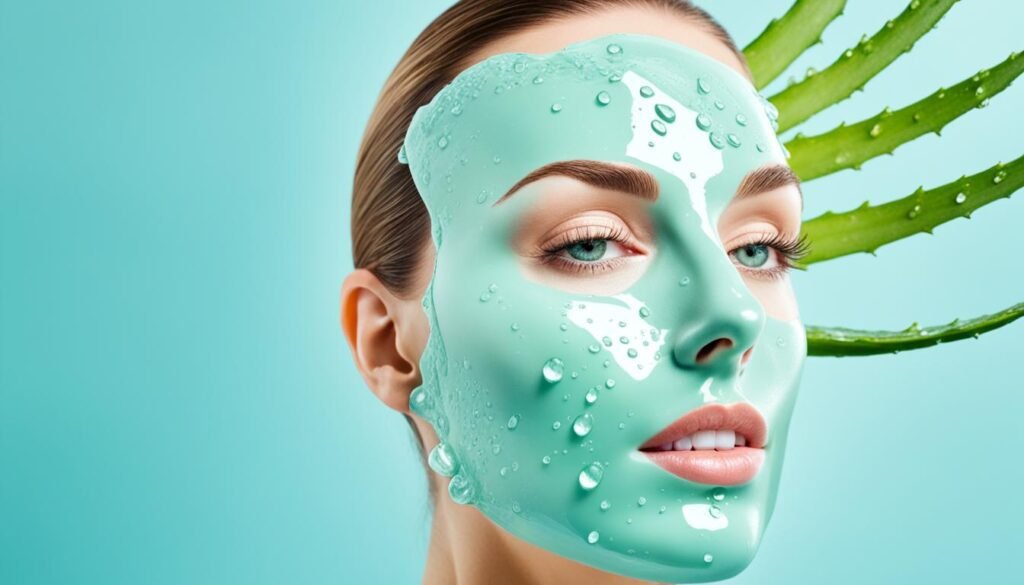
Hydration is a crucial aspect of skin health. Adequate hydration contributes to a plump and radiant complexion, while dryness can lead to skin issues and increased vulnerability to environmental stressors. Collagen, the main structural protein in the skin, plays a significant role in moisture retention.
As collagen production declines with age, the skin’s ability to retain moisture diminishes. This can result in dryness and a compromised skin barrier, making it more prone to damage from external factors such as pollution and UV radiation. To maintain optimal hydration levels and support skin health, it is essential to focus on both internal and external hydration.
Internally, staying hydrated by drinking enough fluids throughout the day is crucial. Water is the best choice for hydration, but other beverages like herbal teas and natural fruit juices can also contribute to overall hydration levels. By keeping your body well-hydrated, you promote the circulation of essential nutrients to the skin and support its natural moisture retention abilities.
Externally, using hydrating skincare products can help reinforce the skin’s moisture barrier and prevent moisture loss. Look for products containing ingredients such as hyaluronic acid, glycerin, and ceramides, which have excellent moisture-binding properties. These ingredients can help replenish and retain moisture in the skin, keeping it well-hydrated and supple.
Remember to choose skincare products that suit your skin type and consider consulting with a dermatologist for personalized recommendations.
The Role of Nutrition in Skin Health
https://www.youtube.com/watch?v=ngzGmJJu54U
While collagen supplements may have limited scientific evidence supporting their effectiveness, proper nutrition is essential for overall skin health. A well-balanced diet rich in nutrients like vitamin C, zinc, and amino acids can support collagen synthesis. Foods like citrus fruits, berries, leafy greens, lean proteins, and collagen-rich bone broths can provide the necessary building blocks for collagen production.
Including these nutrient-rich foods in your diet can help maintain healthy skin and support collagen synthesis:
- Citrus fruits: Oranges, strawberries, and kiwi are packed with vitamin C, which is crucial for collagen synthesis.
- Berries: Blueberries, raspberries, and blackberries are rich in antioxidants that protect collagen fibers from damage.
- Leafy greens: Spinach, kale, and Swiss chard are excellent sources of vitamins A and C, essential for collagen production.
- Lean proteins: Chicken, fish, and tofu provide amino acids, the building blocks of collagen.
- Bone broths: Homemade bone broths contain collagen and other nutrients that support skin health.
Hydration also plays a vital role in skin health and collagen production. Drink plenty of water throughout the day to keep your skin hydrated. Additionally, reducing your intake of excessive sugar and processed foods can help maintain overall skin health and prevent collagen degradation.
Protecting and Nurturing Your Skin
Beyond collagen supplementation or other procedures, protecting and nurturing your skin is key to maintaining its health and vitality. Establishing a consistent skincare routine that includes cleansing, moisturizing, and sun protection is essential.
- Cleansing: Start by gently cleansing your skin twice a day to remove dirt, oil, and impurities that can clog pores and contribute to skin concerns. Choose a cleanser suitable for your skin type and avoid harsh ingredients that can strip away natural moisture.
- Moisturizing: Hydrating your skin is crucial for maintaining its moisture barrier and preventing dryness. Apply a moisturizer that suits your skin type and concerns, whether it’s a lightweight lotion or a richer cream. Look for moisturizers that contain ingredients like hyaluronic acid, ceramides, or glycerin to lock in moisture.
- Sun Protection: Shielding your skin from the sun’s harmful UV rays is vital for preventing sun damage and collagen breakdown. Apply a broad-spectrum sunscreen with at least SPF 30 every day, even on cloudy days. Reapply every two hours and wear protective clothing, such as wide-brimmed hats and sunglasses, when outdoors.
Incorporating topical antioxidants into your skincare routine can also help combat the harmful effects of pollution and oxidative stress on collagen fibers and overall skin health. Antioxidants protect against free radicals, which contribute to premature aging and collagen degradation. Look for skincare products containing antioxidants like vitamin C, vitamin E, green tea extract, or resveratrol.
Remember, a well-rounded skincare routine combined with healthy habits like staying hydrated, eating a balanced diet, and getting enough sleep can contribute to healthy, radiant skin. Take care of your skin, and it will thank you with a glowing complexion and improved overall health.
Conclusion
After examining the available evidence, it is clear that collagen supplements alone may not be the ultimate solution for achieving optimal skin health and moisture retention. While some studies show potential benefits, the overall scientific support is limited.
However, there are alternative options that can be considered. Dermatological procedures like microneedling and the use of vitamin A-based topicals have shown promise in stimulating collagen production and improving skin texture and appearance. Coupled with healthy habits such as adequate sun protection, hydration, and proper nutrition, these alternatives can contribute to maintaining healthy and vibrant skin.
Consulting with a dermatologist to establish a personalized skincare routine that addresses individual skin concerns is highly recommended. Protecting and nurturing the skin from external and internal factors is a long-term commitment that can yield better results than relying solely on collagen supplements. By prioritizing skin protection, hydration, and nutrition, individuals can optimize their skin health and achieve the desired outcomes.
FAQ
What is the role of collagen in skin aging?
Collagen is the main structural protein in the skin, responsible for its firmness and elasticity. However, as we age, collagen synthesis declines, leading to a decrease in skin’s structural integrity and elasticity.
Do collagen supplements effectively improve skin health?
The effectiveness of collagen supplements is still uncertain. Limited scientific evidence supports their benefits, and the absorption of collagen from supplements is minimal. More research is needed to determine their bioavailability and effectiveness.
What are the potential benefits of collagen supplements?
Collagen supplement enthusiasts claim potential benefits such as improved skin hydration, increased skin elasticity, enhanced hair and nail growth, strengthened bones and muscles, and relief from joint pain. However, these claims are based on anecdotal experiences and individual testimonials.
How long does it take to see results from collagen supplements?
Collagen synthesis takes time, and it can take three to six months of consistent use before any noticeable improvements may be seen. Patience is key when incorporating collagen supplements into your routine.
Are collagen supplements safe?
Collagen supplements derived from animal tissue and processed into collagen peptides are generally considered safe. However, individual experiences may vary, and some people may experience minimal side effects such as headaches, lightheadedness, or diarrhea. It’s recommended to consult with a healthcare professional before starting collagen supplementation.
What are the alternative options for skin health?
Alternative options for skin health include dermatological procedures like microneedling and the use of vitamin A-based topicals. These options should be discussed with a dermatologist to determine the best approach for individual skin concerns.
What role do environmental factors play in collagen loss and skin aging?
Environmental factors such as sun exposure, smoking, and pollution contribute to collagen loss and skin aging. Ultraviolet radiation from the sun damages collagen and elastin fibers, while smoking reduces blood flow and deprives the skin of nutrients. Pollution can increase oxidative stress, leading to collagen breakdown and skin damage.
How does hydration affect skin health?
Hydration is important for skin health. Collagen plays a role in the skin’s ability to retain moisture, contributing to a hydrated and plump appearance. Maintaining optimal hydration through internal and external hydration is essential for healthy and radiant skin.
Does nutrition play a role in skin health?
Nutrition is important for collagen synthesis and overall skin health. A well-balanced diet rich in nutrients like vitamin C, zinc, and amino acids can support collagen production. Foods like citrus fruits, berries, leafy greens, lean proteins, and collagen-rich bone broths can provide the necessary building blocks for collagen production.
How can I protect and nurture my skin?
Establishing a consistent skincare routine that includes cleansing, moisturizing, and sun protection is essential. Applying broad-spectrum sunscreen, wearing protective clothing and accessories, and seeking shade during peak sun hours can help prevent sun damage and collagen breakdown. Incorporating topical antioxidants into your skincare routine can also help combat the harmful effects of pollution and oxidative stress on collagen fibers and overall skin health.
Are collagen supplements the best solution for skin health?
Collagen supplements may not be the most effective solution for skin health. Alternative options such as dermatological procedures and maintaining healthy habits like sun protection, hydration, and proper nutrition can contribute to healthy and vibrant skin.