
Did you know that collagen is the most abundant protein in our bodies, accounting for about a third of our total protein content? It plays a crucial role in maintaining the firmness and elasticity of our skin, keeping it smooth and youthful. However, as we age, our natural collagen production starts to decline, leading to wrinkles, sagging skin, and a loss of radiance.
As a result, collagen supplements have become increasingly popular as a potential solution for improving skin firmness and reducing the signs of aging. But are these supplements really effective? And are they safe?
Key Takeaways:
- Collagen is the main structural protein in our skin, responsible for its firmness and elasticity.
- Natural collagen production declines as we age, leading to wrinkles and sagging skin.
- Collagen supplements have gained popularity as a potential solution for improving skin firmness but there is limited scientific evidence to support their effectiveness.
- Before considering collagen supplements, it is important to understand the factors that contribute to collagen loss and explore alternative options for skin firming.
- Protecting the skin from environmental hazards and maintaining a healthy lifestyle are essential for maintaining skin health.
Understanding Collagen Loss in the Skin
Collagen is an essential protein found not only in our skin but also in our bones, tendons, and cartilage. It provides strength and structure to these tissues, keeping our skin firm and elastic.
However, as we age, collagen production naturally decreases, resulting in various signs of skin aging such as wrinkles, fine lines, and sagging skin. This loss of collagen can be attributed to both intrinsic and extrinsic factors.
Intrinsic factors include the natural aging process, where our bodies produce less collagen over time. This decline leads to the thinning of the skin and the loss of its youthful appearance and elasticity. These age-related changes are often accompanied by the breakdown of other key components of the skin, such as elastin and hyaluronic acid.
Extrinsic factors, on the other hand, accelerate the loss of collagen. Sun exposure is one of the primary external factors that contribute to collagen degradation. UV radiation damages collagen fibers, causing them to become weak and less supportive. Chronic exposure to the sun’s harmful UV rays not only breaks down collagen but also inhibits its production.
Smoking is another significant extrinsic factor that accelerates collagen loss. The chemicals present in cigarettes impede collagen synthesis and promote its breakdown. Smoking also reduces blood flow to the skin, depriving it of necessary oxygen and nutrients for collagen production.
Pollution is a modern-day environmental factor that negatively impacts collagen. Air pollution contains harmful particles that can penetrate the skin, triggering inflammation and oxidative stress. These pollutants contribute to the breakdown of collagen and the formation of free radicals that further damage the skin’s structural proteins.
To mitigate collagen loss and maintain youthful skin, it is vital to adopt preventive measures. Protecting the skin from excessive sun exposure by wearing sunscreen and seeking shade can help minimize collagen degradation. Avoiding smoking and reducing exposure to pollutants can also preserve collagen levels in the skin.
Understanding the factors that contribute to collagen loss can guide us in making informed decisions to slow down the aging process and maintain healthier, more resilient skin.
The Potential Benefits of Collagen Supplements
Collagen supplements have generated significant interest for their potential benefits in improving skin firmness. While the effectiveness of these supplements for skin firming is still a topic of debate, users have reported various positive effects on overall skin health.
Some potential benefits of collagen supplements include:
- Improved Skin Hydration: Collagen plays a crucial role in maintaining the skin’s moisture levels. Supplementing with collagen may help retain moisture, leading to hydrated and plump skin.
- Increased Skin Elasticity: Collagen is responsible for the skin’s elasticity and ability to bounce back. Consuming collagen supplements could potentially improve skin elasticity and reduce the appearance of fine lines and wrinkles.
- Enhanced Hair and Nail Growth: Collagen is also important for healthy hair and nail growth. Some users have reported improved hair and nail strength and growth after incorporating collagen supplements into their routine.
- Strengthened Bones and Muscles: Collagen is not only present in the skin but also in bones and muscles. Supplementing with collagen may support bone and muscle health, potentially improving strength and reducing the risk of age-related conditions such as osteoporosis.
- Reduced Joint Pain: Collagen is a vital component of cartilage, the cushioning material between joints. Some studies suggest that collagen supplements may help reduce joint pain and improve joint function in individuals with osteoarthritis.
It is important to note that more research is needed to fully understand and support these claims. While collagen supplements offer promising potential benefits, individual results may vary. It is recommended to consult with a healthcare professional before starting any supplement regimen to determine if collagen supplements are suitable for you.
Do Collagen Supplements Really Work?

When it comes to collagen supplements and their effectiveness, the evidence is limited. The majority of studies conducted on collagen supplements are sponsored by manufacturers, raising concerns about potential bias. Additionally, the supplement industry itself is not well-regulated, making it difficult to determine the quality and efficacy of products. So, do collagen supplements live up to the claims?
One challenge in assessing the effectiveness of collagen supplements is their absorption by the gastrointestinal tract. Only a small amount of ingested collagen reaches the target areas, such as the skin, hair, and nails. This means that the effects of collagen supplements may be minimal or even negligible.
Without sufficient scientific evidence, it’s crucial to approach collagen supplements with caution and consult with a healthcare professional.
While collagen supplements might not provide the dramatic results that some promises, it’s worth noting that individual experiences can vary. Some individuals may perceive improvements in their skin’s appearance and overall well-being after taking collagen supplements. However, it’s important to consider the placebo effect and individual differences in response.
Ultimately, the scientific literature does not yet provide conclusive evidence to support the widespread use of collagen supplements for specific skin benefits. To make an informed decision, it’s essential to rely on evidence-based science and consult with a healthcare professional who can provide personalized advice based on your individual needs and goals.
Safety Concerns of Collagen Supplements
When it comes to the safety of collagen supplements, it’s important to note that they are generally considered safe and well-tolerated. However, like any supplement, there may be potential side effects to be aware of. It is crucial to choose high-quality supplements from reputable brands and be cautious of potential allergens or contaminants.
While minimal side effects have been reported, some individuals may experience headaches, lightheadedness, or digestive issues such as diarrhea. These side effects are usually mild and temporary, but it’s essential to listen to your body and discontinue use if any adverse reactions occur.
If you have specific dietary restrictions or allergies, it is especially important to consult with a healthcare professional before incorporating collagen supplements into your routine. They can provide personalized guidance based on your individual needs and help prevent any potential complications.
It’s worth mentioning that collagen supplements are not regulated by the Food and Drug Administration (FDA) like prescription medications. This lack of regulation means that the quality and safety of these supplements may vary. Therefore, it’s crucial to do thorough research, read customer reviews, and choose supplements that have undergone third-party testing to ensure their quality and purity.
Here are some key points to consider when it comes to the safety of collagen supplements:
- Choose high-quality supplements from reputable brands
- Be aware of potential allergens or contaminants
- Monitor your body for any adverse reactions
- Consult with a healthcare professional, especially if you have dietary restrictions or allergies
“Safety should always be a top priority when considering any dietary supplement, including collagen supplements. It’s important to make informed decisions and consult with a healthcare professional to ensure that you are choosing the right supplements for your individual needs.”
How to Take Collagen Supplements
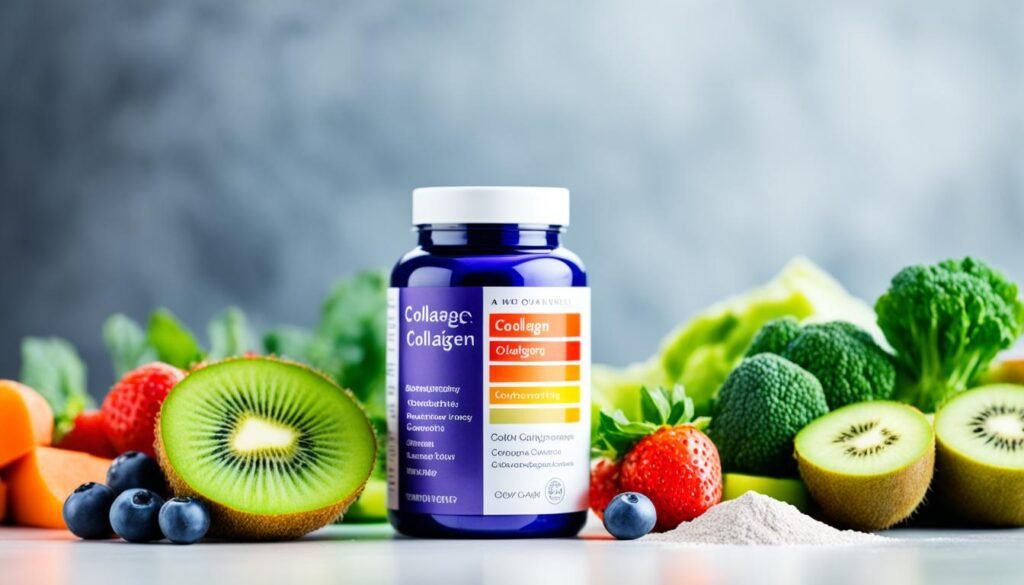
When it comes to taking collagen supplements, there are a few key factors to consider: the different forms available, the recommended dosage, and cost considerations.
1. Different Forms of Collagen Supplements
Collagen supplements come in various forms, including powders, capsules, and gummies. Each form has its own advantages and disadvantages, so it’s important to choose the one that suits you best.
“Collagen powders are versatile and can be easily incorporated into your favorite drinks and recipes. Capsules offer convenience, especially for those who are always on the go. Gummies provide a tasty and convenient option for those who prefer a more enjoyable way to consume their supplements.”
2. Collagen Supplement Dosage
The recommended dosage of collagen supplements can vary depending on factors such as age, lifestyle, and specific health needs. It is generally recommended to start with a lower dosage and gradually increase if needed. The typical range of collagen supplement dosage falls between 2.5 to 15 grams per day.
3. Cost Considerations
While collagen supplements can offer potential benefits for skin firmness and overall health, it’s essential to consider the cost implications. Daily intake of collagen supplements can be expensive, particularly if you opt for higher-end brands or a higher dosage. Make sure to factor in the cost when deciding on your collagen supplement routine.
To ensure you are taking collagen supplements correctly, always follow the manufacturer’s instructions and consult with a healthcare professional if you have any concerns or specific health conditions.
| Forms of Collagen Supplements | Advantages | Disadvantages |
|---|---|---|
| Powders | Versatile – can be easily incorporated into drinks and recipes | May have a slightly unpleasant taste or texture |
| Capsules | Convenient and easy to consume | May not be suitable for individuals who have difficulty swallowing pills |
| Gummies | Tasty and enjoyable to consume | May contain added sugars or artificial ingredients |
Alternative Options for Skin Firming
Although collagen supplements have gained popularity for skin firming, there are alternative options worth considering. These alternatives can provide effective results and contribute to overall skin health. Two notable options are microneedling and the use of vitamin A-based topicals.
Microneedling
Microneedling is a dermatological procedure that stimulates collagen production in the skin. During the procedure, a device with tiny needles is used to create micro-injuries in the skin’s surface. These micro-injuries trigger the body’s natural healing response, which includes the production of new collagen.
Research has shown that microneedling can improve skin firmness and texture, reduce the appearance of scars, and even out skin tone. It is a safe and effective treatment that can be done by a professional dermatologist or esthetician.
Vitamin A-Based Topicals
Vitamin A-based topicals, such as tretinoin, have also demonstrated effectiveness in improving skin firmness. These topicals work by increasing cell turnover and stimulating collagen synthesis. They can help reduce the appearance of fine lines and wrinkles, improve skin texture, and enhance overall skin tone.
It’s important to note that vitamin A-based topicals should be used as directed by a healthcare professional, as they may cause skin irritation and sensitivity. They should also be used in conjunction with proper sun protection, as they can increase the skin’s sensitivity to the sun.
Environmental Protection
In addition to considering these alternative options, protecting the skin from environmental hazards is crucial for maintaining skin health. Environmental factors such as sun exposure and pollutants can contribute to collagen loss and skin aging.
“Protecting the skin from external factors is just as important as using skincare products. Sun protection and avoiding pollutants can make a significant difference in skin health.” – Dr. Emily Johnson, Dermatologist
To protect the skin from the sun’s harmful rays, it is essential to use sunscreen with a high SPF, wear protective clothing, and seek shade whenever possible. Avoiding pollutants, such as cigarette smoke and air pollution, can also help prevent further damage to the skin.
| Environmental Protection Tips | Benefits |
|---|---|
| Apply sunscreen with SPF 30 or higher | Protects the skin from UV radiation |
| Wear protective clothing, including hats and sunglasses | Provides an additional physical barrier against the sun |
| Avoid smoking and secondhand smoke | Reduces exposure to harmful toxins |
| Limit exposure to air pollution | Minimizes damage caused by pollution particles |
By incorporating these alternative options and prioritizing environmental protection, individuals can take proactive steps towards maintaining and improving skin firmness and overall skin health.
The Importance of Environmental Protection

Preventing collagen loss requires taking proactive measures to protect your skin from environmental hazards. By incorporating sun protection, avoiding harmful pollutants, using topical antioxidants, and maintaining proper hydration, you can promote skin health and minimize collagen degradation.
Sun Protection
The sun’s ultraviolet (UV) rays are a major contributor to collagen breakdown. Consistently applying sunscreen with a high SPF, wearing protective clothing and hats when outdoors, and seeking shade during peak sun hours can help shield your skin from harmful UV radiation. Remember to reapply sunscreen every two hours, especially after sweating or swimming.
Avoiding Harmful Pollutants
Pollution, such as smoke, smog, and airborne particles, can also accelerate collagen loss and contribute to premature aging. Minimize exposure to pollutants by avoiding heavily congested areas and wearing a quality face mask when necessary. Additionally, make efforts to improve indoor air quality, such as using air purifiers and keeping windows closed during times of high pollution.
Topical Antioxidants
Topical antioxidants, such as vitamins C and E, can provide extra protection against the damaging effects of pollution. These antioxidants help neutralize free radicals, which are unstable molecules that can cause collagen degradation. Look for skincare products that contain these powerful antioxidants to enhance your skin’s defense against environmental stressors.
Hydration
Maintaining proper hydration is crucial for skin health and collagen production. Drinking an adequate amount of water throughout the day helps keep your skin moisturized and plump. Additionally, incorporating hydrating skincare products, such as moisturizers and serums, can further support skin hydration and resilience.
Protecting your skin from the sun, avoiding harmful pollutants, using topical antioxidants, and ensuring proper hydration are essential steps in preserving collagen and maintaining healthy, youthful-looking skin. By adopting these practices, you can safeguard your skin’s integrity and promote overall skin health.
The Role of Nutrition in Skin Health
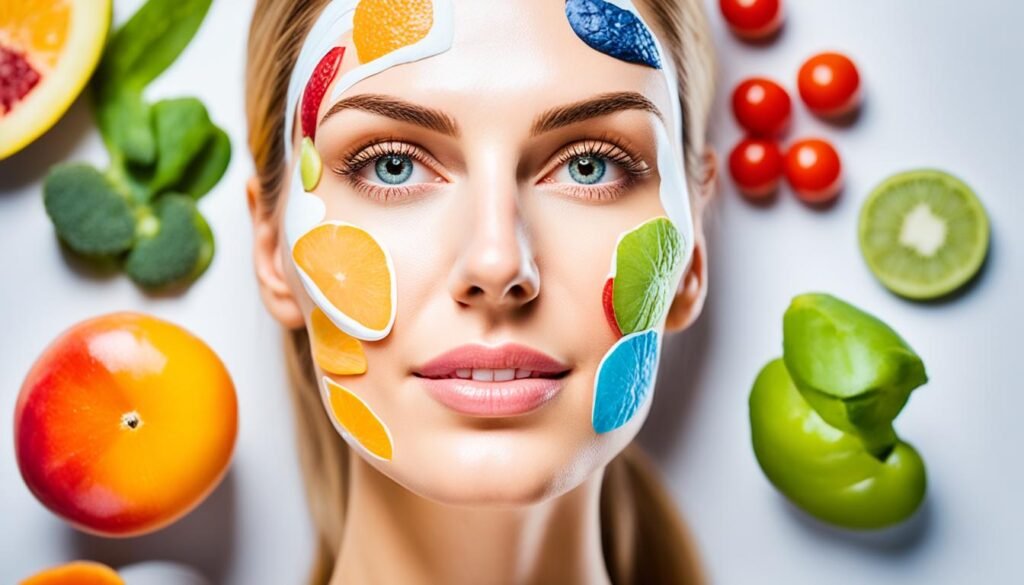
Proper nutrition plays a significant role in maintaining skin health. When it comes to promoting collagen synthesis and overall skin health, key amino acids such as glycine and proline are essential. These amino acids provide the necessary building blocks for collagen production, which is vital for maintaining skin firmness and elasticity.
Consuming collagen from natural sources can be beneficial for skin health. Sources like bone broth and marine collagen can provide the essential amino acids required for collagen synthesis. Including these collagen-rich foods in your diet can help support the health and appearance of your skin.
| Collagen Sources for Skin Health | Benefits |
|---|---|
| Bone Broth |
– High in glycine and proline – Supports collagen synthesis – Promotes skin elasticity |
| Marine Collagen |
– Contains essential amino acids – Enhances skin hydration – Supports collagen production |
While collagen supplementation has gained popularity in recent years, the effectiveness of oral collagen supplements in improving skin health is still a topic of debate. While some individuals report positive results, more scientific research is needed to fully understand the benefits and potential limitations of taking collagen supplements for skin health.
The Science Behind Collagen Synthesis
Collagen synthesis is a complex process that involves the production and organization of collagen fibers in the skin. Amino acids like glycine and proline, along with other essential nutrients, play a crucial role in this process. Providing the body with the necessary nutrients through a balanced diet can support optimal collagen synthesis and contribute to healthier, more youthful-looking skin.
The Science Behind Collagen and Skin Aging
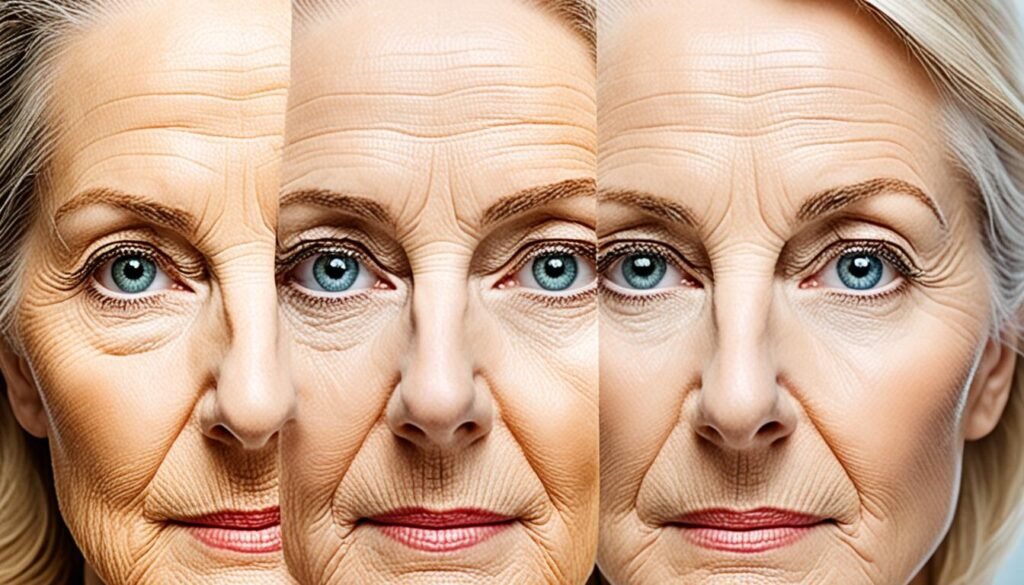
As we age, our skin undergoes a natural aging process that involves various changes in the extracellular matrix. Collagen, which is a key component of the extracellular matrix, plays a vital role in maintaining the firmness and elasticity of our skin. However, as we get older, collagen production decreases, leading to visible signs of aging such as wrinkles and reduced skin elasticity.
One of the factors contributing to the decline in collagen production is the alteration of gene expression. Gene expression refers to the process by which information from our genes is utilized to create proteins, including collagen. With age, certain genes involved in collagen synthesis may be downregulated, resulting in decreased collagen production.
Another important aspect of skin aging is the impairment of the skin barrier function. The skin barrier serves as a protective layer that prevents moisture loss and the entry of harmful substances. However, as we age, the skin barrier becomes weaker, leading to increased transepidermal water loss and susceptibility to environmental damage.
The understanding of these underlying mechanisms is crucial in developing effective strategies for skin firming and anti-aging. By targeting collagen production, gene expression, and skin barrier function, it is possible to develop interventions that can help improve the signs of skin aging and promote a more youthful appearance.
Key Factors Contributing to Skin Aging:
- Decreased collagen production
- Alterations in gene expression related to collagen synthesis
- Impairment of the skin barrier function
By addressing these key factors, it may be possible to slow down the aging process and maintain healthier, more youthful-looking skin.
| Factors | Effects |
|---|---|
| Decreased collagen production | – Wrinkles – Sagging skin |
| Alterations in gene expression | – Reduced collagen synthesis |
| Impairment of skin barrier function | – Increased transepidermal water loss – Susceptibility to environmental damage |
Clinical Studies on Collagen Supplements
Several clinical studies have investigated the effects of collagen supplementation on skin health. These studies have shown significant improvements in skin moisture, elasticity, and a reduction in visible signs of aging. Although the findings are promising, it is important to note that further research is necessary to establish the efficacy and long-term effects of collagen supplementation on skin firming.
Conclusion
After examining the potential benefits, effectiveness, and safety of collagen supplements for skin firming, it becomes clear that while they may not be the ultimate solution, they can offer some advantages for skin health. However, caution must be exercised due to the limited scientific evidence and safety concerns surrounding these supplements.
Alternative options such as dermatological procedures and topical treatments have also shown effectiveness in improving skin firmness. It is important to consider these alternatives and consult with a healthcare professional to determine the most suitable approach for your specific needs.
In addition to considering collagen supplements and alternative options, it is essential to prioritize environmental protection and maintain a well-rounded skincare routine. This includes protecting the skin from sun exposure, avoiding harmful pollutants, and incorporating topical antioxidants. These measures are crucial for maintaining healthy and youthful-looking skin.
Before starting any new supplement regimen, it is always advisable to consult with a healthcare professional. They can provide personalized advice based on your individual circumstances and guide you towards the most appropriate choices for maintaining skin health and firmness.
FAQ
Are collagen supplements effective for skin firming?
The effectiveness of collagen supplements for skin firming is still debated. While some users report improved skin hydration and elasticity, more research is needed to support these claims.
What are the potential benefits of collagen supplements?
Collagen supplements may offer benefits such as improved skin hydration, increased skin elasticity, enhanced hair and nail growth, strengthened bones and muscles, and reduced joint pain.
Do collagen supplements really work?
The scientific evidence supporting the effectiveness of collagen supplements is limited. Most studies are manufacturer-sponsored, and the supplement industry is not well-regulated. Consultation with a healthcare professional is recommended.
Are collagen supplements safe?
Collagen supplements are generally considered safe, with minimal reported side effects. However, it is important to choose high-quality supplements and be aware of potential allergens or contaminants. Consultation with a healthcare professional is advised.
How should I take collagen supplements?
Collagen supplements are available in various forms such as powders, capsules, and gummies. The recommended dosage can vary, typically ranging from 2.5 to 15 grams per day. Follow the manufacturer’s instructions for optimal use.
Are there alternative options for skin firming?
Yes, dermatological procedures like microneedling can stimulate collagen production, and topical treatments with vitamin A-based products have shown effectiveness in improving skin firmness. Protecting the skin from environmental hazards is also crucial.
How can I protect my skin from environmental hazards?
Protect your skin by consistently applying sunscreen, wearing protective clothing and hats when outdoors, and avoiding harmful pollutants. Topical antioxidants like vitamins C and E can provide additional protection, and staying hydrated is essential.
Does nutrition play a role in skin health?
Yes, proper nutrition is important for skin health. Amino acids like glycine and proline are crucial for collagen synthesis. Consuming collagen from natural sources like bone broth or marine collagen can provide the necessary building blocks for skin health.
What is the science behind collagen and skin aging?
The aging process of the skin involves changes in the extracellular matrix, including collagen. Decreased collagen production and alterations in gene expression contribute to visible signs of aging, such as wrinkles and reduced skin elasticity.
Have there been any clinical studies on collagen supplements?
Yes, several clinical studies have investigated the effects of collagen supplementation on skin health. These studies have shown improvements in skin moisture, elasticity, and decreased signs of aging. However, more research is needed for conclusive evidence.
What is the conclusion about collagen supplements for skin firming?
Collagen supplements may provide some benefits for skin health, but their effectiveness for skin firming is still debated. It is important to approach collagen supplements with caution, considering the limited scientific evidence and safety concerns. Alternative options and environmental protection are also essential for maintaining healthy skin.