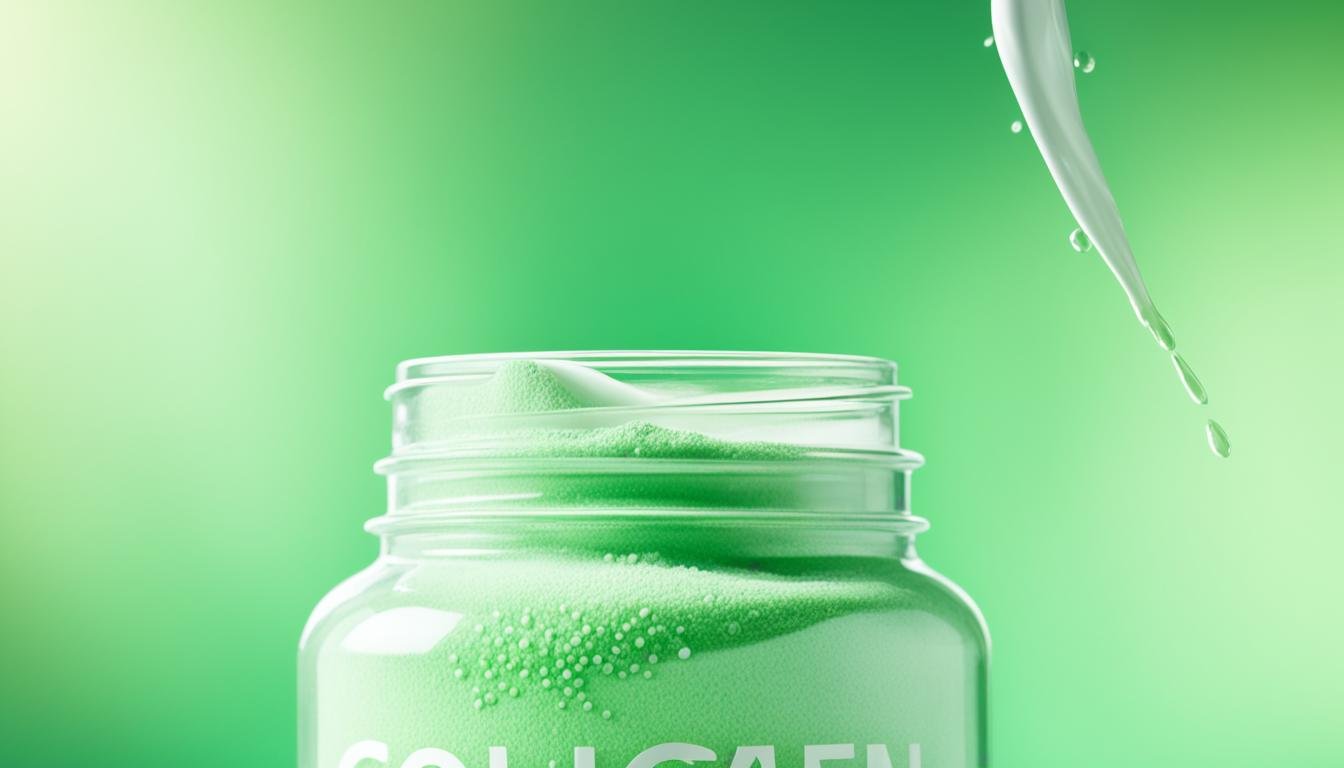
Did you know that collagen, the key protein responsible for maintaining the firmness and elasticity of your skin, declines with age? This decline in collagen levels can lead to the appearance of wrinkles, sagging skin, and a loss of youthful glow.
That’s where collagen supplements come in. These supplements, which can be easily incorporated into your skincare routine, aim to replenish your body’s natural collagen levels and combat the signs of aging. By adding collagen to your daily regimen, you can improve skin texture, firmness, and elasticity, resulting in a more youthful and radiant complexion.
Not only can collagen supplements work wonders for your skin, but they also offer a range of other benefits. From increased skin hydration to improved hair and nail growth, these supplements can help you achieve the overall youthful appearance you desire. However, it’s important to choose high-quality collagen supplements that are backed by scientific research and have a good safety profile.
Key Takeaways:
- Collagen is a crucial protein for maintaining the firmness and elasticity of your skin.
- Collagen supplements replenish your body’s natural collagen levels, improving skin texture, firmness, and elasticity.
- Collagen supplements offer additional benefits such as increased skin hydration and improved hair and nail growth.
- Choose high-quality collagen supplements backed by scientific research and consult with a healthcare professional.
- Incorporating collagen supplements into your skincare routine can help you achieve a more youthful and radiant complexion.
The Role of Collagen in Aging Skin
Collagen is the main structural protein in the skin and plays a crucial role in maintaining its firmness and elasticity. As we age, the production of collagen slows down, leading to wrinkles, sagging skin, and a loss of youthful appearance. By incorporating collagen supplements into your skincare routine, you can support collagen production and help counteract these signs of aging. Collagen helps improve skin texture, reduce the appearance of wrinkles and fine lines, and promote a more youthful complexion.
As the most abundant protein in the human body, collagen provides structural support to various tissues and organs. In the skin, collagen fibers form a network that supports the epidermis and gives it strength and elasticity. Over time, factors such as sun exposure, pollution, genetics, and lifestyle choices contribute to the breakdown of collagen, resulting in visible signs of aging.
Collagen supplements can help replenish the lost collagen and stimulate the body’s own collagen production. By increasing collagen levels in the skin, these supplements can improve skin elasticity, reduce the appearance of wrinkles and fine lines, and promote a more youthful and radiant complexion.
“Collagen supplements enable the skin to maintain its strength and elasticity, providing a more rejuvenated and youthful appearance.”
In addition to reducing the visible signs of aging, collagen supplements also offer other benefits for the skin. They can improve skin hydration, helping to plump and smooth the skin’s surface. Collagen supplements may also support the production of other proteins, such as elastin, which further enhance the skin’s elasticity.
When choosing collagen supplements, it’s important to look for high-quality products that are backed by scientific research and have a good safety profile. Consult with a healthcare professional to determine the appropriate dosage and frequency for your specific needs.
Remember, collagen supplements work best when used in conjunction with a comprehensive skincare routine that includes sunscreen, gentle cleansing, and moisturizing. By combining these measures, you can help maintain youthful, healthy skin and minimize the visible signs of aging.
The Benefits of Collagen Supplements for the Skin
Collagen supplements offer a range of benefits for the skin, including:
- Improved skin texture and smoothness
- Reduction in the appearance of wrinkles and fine lines
- Enhanced skin elasticity and firmness
- Increased skin hydration and plumpness
- Promotion of a youthful, radiant complexion
Comparison of Collagen Types and Sources
| Collagen Type | Source | Benefits |
|---|---|---|
| Type I | Bovine (cow) hides, fish scales | Promotes skin elasticity and hydration |
| Type II | Chicken cartilage | Supports joint health and flexibility |
| Type III | Pork skin, bovine (cow) hides | Enhances skin elasticity and firmness |
Incorporating collagen supplements as part of your skincare routine can have a significant impact on the health and appearance of your skin. With consistent use, you can experience the transformative effects of collagen for youthful, radiant skin.
Signs of Aging Skin
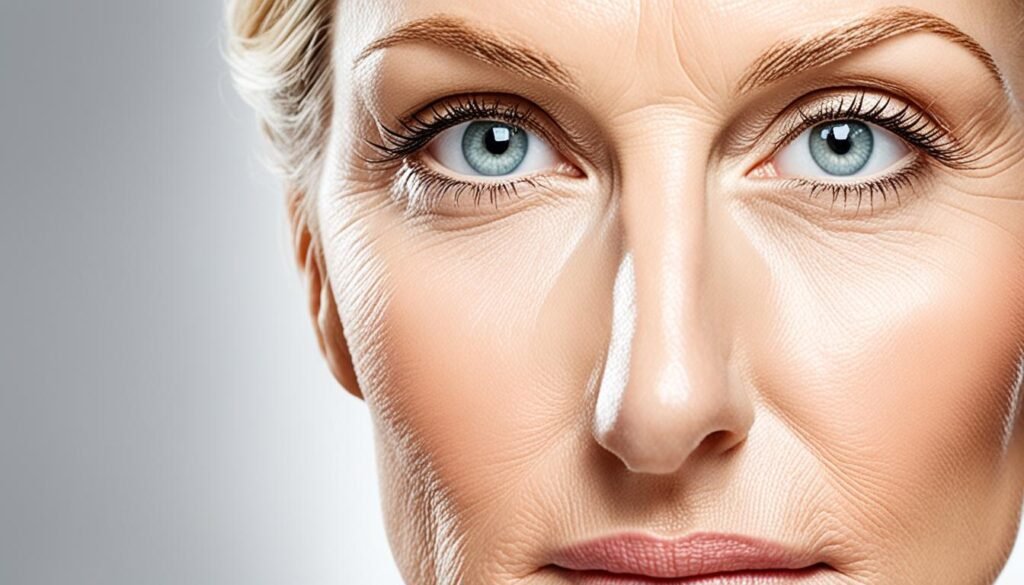
Aging skin undergoes various changes that can diminish its appearance and vitality. Understanding the signs of aging skin is crucial for implementing targeted skincare solutions. Common signs of aging skin include sagging, pigmentation, wrinkles and fine lines, dullness, reduced volume, and dryness. These visible manifestations are primarily attributed to a decline in collagen production, the loss of natural oils, slower cell turnover, and decreased moisture retention. Addressing these signs requires a comprehensive approach that focuses on replenishing collagen levels, improving skin firmness, enhancing texture, and restoring hydration.
The use of collagen supplements can play a significant role in tackling the aging process and revitalizing the skin’s youthful appearance. By replenishing collagen levels, these supplements aid in addressing sagging, reducing pigmentation, minimizing the appearance of wrinkles and fine lines, restoring radiance and volume, and alleviating dryness. Incorporating collagen supplements into your skincare routine can help counteract the signs of aging and promote a more vibrant and rejuvenated complexion.
| Signs of Aging Skin | Solutions |
|---|---|
| Sagging | Collagen supplements support skin firmness, improving elasticity and reducing sagging. |
| Pigmentation | Collagen supplements help to reduce pigmentation irregularities and promote a more even skin tone. |
| Wrinkles and Fine Lines | Collagen supplementation minimizes the appearance of wrinkles and fine lines, delivering a smoother complexion. |
| Dullness | By increasing collagen levels, supplements restore radiance to dull and lackluster skin. |
| Less Volume | Collagen supplements restore volume and fullness to areas affected by volume loss, such as the cheeks and lips. |
| Dryness | Increasing collagen levels helps improve skin hydration, alleviating dryness and promoting a more supple texture. |
Rejuvenating the Skin with Collagen Supplements
Collagen supplements provide a holistic approach to combating the signs of aging skin. By addressing the root cause of these signs, collagen supplements support the body in replenishing collagen levels and rejuvenating the skin. Remember to choose high-quality collagen supplements that are backed by scientific research and have a proven safety profile. Incorporating collagen supplements into your daily skincare routine can help you achieve a more youthful and radiant complexion.
Quotes:
“Collagen supplements have shown remarkable potential in improving skin firmness, reducing wrinkles, and restoring hydration, making them a valuable addition to any anti-aging skincare routine.” – Dr. Samantha Johnson, Dermatologist
Additional Tips for Aging Skin:
- Protect your skin from harmful UV rays by using sunscreen daily.
- Ensure your skincare routine includes moisturizers and serums that promote hydration and nourishment.
- Avoid excessive sun exposure and consider wearing protective clothing, hats, and sunglasses.
- Stay hydrated by drinking an adequate amount of water throughout the day.
- Consult with a dermatologist to determine the most suitable skincare regimen for your specific skin concerns.
How Collagen Skincare Works
Collagen skincare products, including creams and serums, play a vital role in enhancing the health and appearance of the skin. These products work by delivering collagen to the skin topically, providing numerous benefits for skin rejuvenation and anti-aging effects.
However, it’s important to understand that the whole collagen molecule itself is too large to penetrate the skin’s surface effectively. To overcome this challenge, skincare products often utilize hydrolyzed collagen, which is collagen that has been broken down into smaller fragments. These smaller fragments can be easily absorbed by the skin, allowing for better utilization and efficacy.
When applied to the skin, collagen creams and serums containing hydrolyzed collagen provide temporary improvements in skin hydration and texture. The smaller collagen fragments help to moisturize the skin, making it appear plumper and smoother. But it’s important to note that collagen skincare products do not stimulate the production of new collagen in the skin.
Collagen creams and serums can be particularly effective in improving the appearance of fine lines and wrinkles. By providing added hydration and support, these products can help diminish the visibility of these common signs of aging.
However, it’s crucial to note that collagen skincare products work primarily on the outermost layers of the skin and do not penetrate deep enough to have long-term effects on collagen synthesis. To truly support collagen production and maintain youthful skin, a holistic approach that includes both topical skincare products and internal supplementation may be necessary.
Here is an example of a table highlighting the benefits of collagen skincare:
| Benefits of Collagen Skincare |
|---|
| Improved skin hydration |
| Temporary improvement in skin texture |
| Reduced appearance of fine lines and wrinkles |
| Enhanced plumpness and firmness of the skin |
While collagen skincare products may not be a direct source of new collagen production, they can still provide valuable hydration and temporary improvements in the skin’s appearance.
The Effectiveness of Collagen Supplements
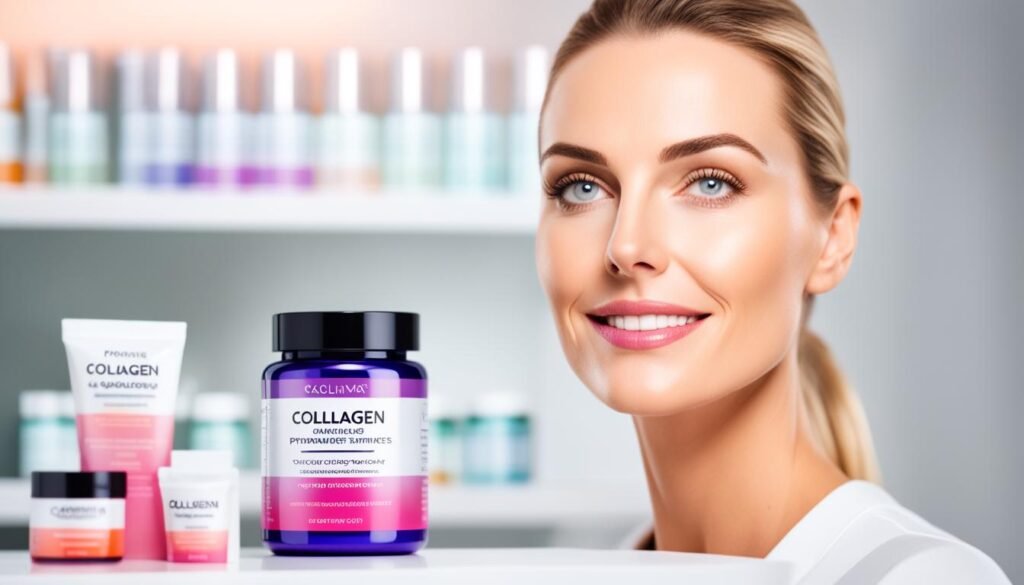
The effectiveness of collagen supplements is still a topic of debate in the scientific community. Limited studies have shown some improvement in skin texture with collagen supplements, but most of these studies are sponsored by manufacturers. It’s important to note that the supplement industry is not well-regulated, and there have been issues with inaccurate labeling and contamination. While collagen supplements may have some potential benefits, such as improved skin hydration and elasticity, it’s essential to choose high-quality supplements and consult with a healthcare professional before adding them to your routine.
There have been claims that collagen supplements can slow down the aging process and reduce wrinkles, but the evidence supporting these claims is not yet conclusive. Many of the studies conducted on collagen supplements have limitations, including small sample sizes and a lack of long-term follow-up. Therefore, more research is needed to determine the true effectiveness and benefits of collagen supplements.
“Limited studies have shown some improvement in skin texture with collagen supplements, but most of these studies are sponsored by manufacturers.”
When considering collagen supplements, it’s important to be cautious of marketing claims and carefully evaluate the quality and credibility of the product. Look for supplements that have undergone third-party testing to ensure purity and potency. Additionally, consult with a healthcare professional before incorporating collagen supplements into your routine, especially if you have any underlying health conditions or are taking other medications.
While collagen supplements may not be a guarantee for youthful skin, there are other lifestyle factors that can support collagen production and overall skin health. These include maintaining a balanced diet rich in protein, antioxidants, and essential nutrients, getting regular exercise, managing stress levels, and protecting the skin from excessive sun exposure.
Do Collagen Supplements Work for Everyone?
The effectiveness of collagen supplements can vary from person to person. Factors such as age, genetics, overall health, and lifestyle choices can influence how collagen supplements work for individuals. It’s important to manage expectations and understand that collagen supplements may not provide the same results for everyone.
Collagen Supplements Benefits
While the effectiveness of collagen supplements is still under debate, some potential benefits have been suggested:
- Improved skin hydration: Collagen plays a key role in maintaining skin moisture, and supplements may help improve hydration levels.
- Increase in skin elasticity: Collagen is responsible for the skin’s elasticity and firmness, and supplements may support elasticity.
- Support for hair and nail health: Collagen contributes to the strength and growth of hair and nails, and supplements may help improve their overall health.
It’s important to note that individual experiences and results may vary when it comes to collagen supplements. Some individuals may see noticeable improvements in their skin and overall well-being, while others may not experience the same benefits.
| Benefits of Collagen Supplements | Potential |
|---|---|
| Improved skin hydration | Possible |
| Increase in skin elasticity | Possible |
| Support for hair and nail health | Possible |
Other Ways to Support Collagen Production
Along with collagen supplements, there are other methods to support collagen production and maintain youthful skin. Procedures like microneedling can stimulate collagen production by creating microscopic injuries in the skin. Additionally, skincare ingredients such as retinoids, peptides, and vitamin C can help boost collagen synthesis. It’s important to incorporate these ingredients into your skincare routine to promote collagen production and protect existing collagen. Sunscreen is also crucial in preventing further collagen breakdown caused by sun damage.
Microneedling: Microneedling is a procedure that involves creating tiny punctures in the skin using a device called a dermaroller or a microneedling pen. These micro-injuries stimulate the production of collagen and elastin, leading to improved skin texture and firmness. Microneedling can also increase the absorption of topical skincare products, allowing ingredients like retinoids, peptides, and vitamin C to penetrate the skin more effectively.
Retinoids: Retinoids, such as retinol and prescription-strength retinoids like tretinoin, are powerful skincare ingredients that can stimulate collagen production. They work by increasing cell turnover and promoting the production of new collagen fibers. Incorporating retinoids into your skincare routine can help reduce the appearance of wrinkles and fine lines, improve skin firmness, and even out skin tone.
Peptides: Peptides are short chains of amino acids that can boost collagen production when applied topically. They work by signaling the skin to produce more collagen and elastin. Peptide-infused skincare products can help improve skin firmness, reduce the appearance of wrinkles, and promote a more youthful complexion.
Vitamin C: Vitamin C is a potent antioxidant that plays a crucial role in collagen synthesis. It helps convert proline, an amino acid, into collagen, promoting the production of new collagen fibers. Incorporating vitamin C into your skincare routine can help brighten the skin, reduce the appearance of fine lines and wrinkles, and protect against free radical damage.
Sunscreen: Sunscreen is an essential step in protecting the skin from harmful UV rays that can break down collagen and contribute to premature aging. Choose a broad-spectrum sunscreen with an SPF of 30 or higher and apply it generously to all exposed areas of your skin. Reapply every two hours, especially if you’re spending time outdoors.
Safety and Potential Side Effects of Collagen Supplements
Collagen supplements are generally considered safe when taken as directed. However, it’s important to keep in mind that the supplement industry is not well-regulated, and quality control can vary. Some potential side effects of collagen supplements may include headaches, lightheadedness, and diarrhea. It’s crucial to choose high-quality supplements from reputable manufacturers and consult with a healthcare professional before starting any new supplement regimen.
While collagen supplements offer potential benefits for skin health and anti-aging, it’s essential to be aware of the possible side effects. Headaches, lightheadedness, and digestive issues such as diarrhea are among the reported side effects of collagen supplements.
It’s important to note that individual reactions to collagen supplements can vary, and what works for one person may not work for another. Consulting with a healthcare professional can help determine if collagen supplementation is right for you and minimize the risk of adverse effects.
Choosing High-Quality Collagen Supplements
With the lack of regulation in the supplement industry, it’s crucial to prioritize quality when selecting collagen supplements. Look for reputable manufacturers that prioritize third-party testing and follow good manufacturing practices.
When choosing a collagen supplement, consider the following:
- Opt for collagen supplements derived from high-quality sources, such as bovine or marine collagen.
- Check for independent testing and certifications, such as NSF International or USP verification.
- Read customer reviews and testimonials to gauge the product’s efficacy and safety.
- Consult with a healthcare professional, especially if you have any underlying health conditions or are taking other medications.
Monitoring Your Body’s Response
Once you start taking collagen supplements, it’s important to pay attention to any changes or side effects you may experience. Keep track of how your body responds to the supplements and consult with a healthcare professional if you have any concerns.
“I always recommend my patients to choose collagen supplements from reputable manufacturers and consult with a healthcare professional before starting any new supplement. It’s important to monitor your body’s response and be aware of any potential side effects.”
— Dr. Emily Thompson, Dermatologist
Summary
Collagen supplements are generally safe when taken as directed, but it’s important to be aware of potential side effects. Choosing high-quality supplements from reputable manufacturers and consulting with a healthcare professional can help ensure your safety and minimize the risk of adverse reactions. Monitoring your body’s response and seeking medical guidance when needed is essential for a positive and safe collagen supplementation experience.
How to Incorporate Collagen Supplements into Your Skincare Routine
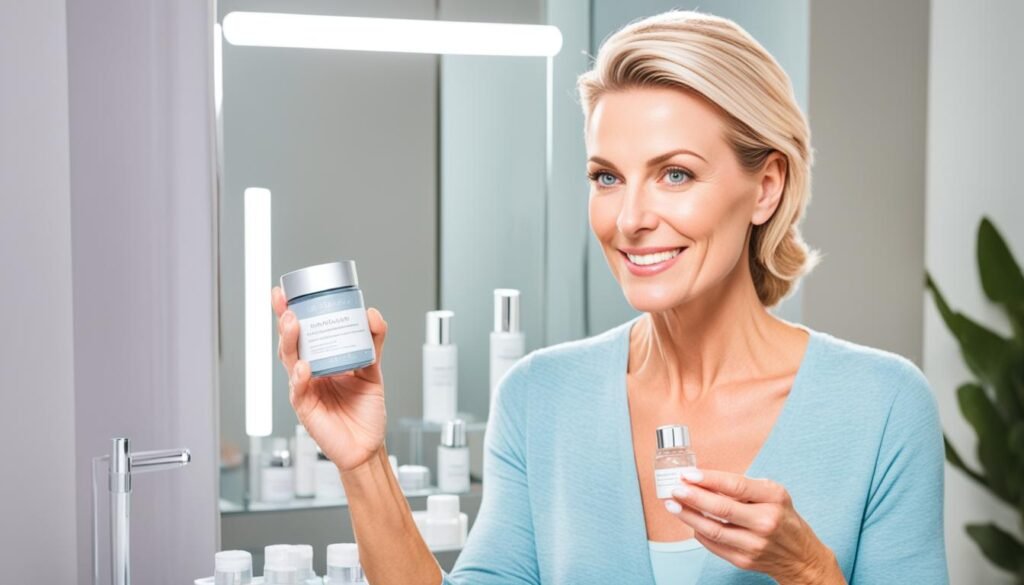
If you decide to incorporate collagen supplements into your skincare routine, it’s essential to follow the manufacturer’s instructions. Collagen supplements are available in powder, capsule, or gummy form. The recommended daily dosage may vary, typically ranging from 2.5 to 15 grams.
To take collagen supplements:
- Collagen Powder: Collagen powder can be easily added to beverages like protein shakes, coffee, or smoothies. Simply dissolve the recommended dosage in your favorite beverage and consume it daily.
- Collagen Capsules: Collagen capsules should be taken orally with water, following the recommended dosage on the packaging. It’s important to swallow the capsules whole and avoid chewing or crushing them.
- Collagen Gummies: Collagen gummies can be a convenient and tasty way to incorporate collagen supplements into your routine. Follow the recommended dosage on the packaging and enjoy the gummies as a daily treat.
Remember that collagen supplements can be a costly endeavor, so it’s important to evaluate the potential benefits and consider consulting with a healthcare professional before starting any new supplement regimen.
Conclusion
Collagen supplements can be a valuable addition to an anti-aging skincare routine, providing potential benefits such as improved skin hydration and texture. While the effectiveness of collagen supplements is still debated, incorporating them into your skincare routine may help support collagen production and maintain youthful skin. It is crucial to choose high-quality supplements from reputable brands, follow the recommended dosage, and consult with a healthcare professional before starting any new supplement regimen.
In addition to collagen supplements, other collagen-boosting techniques like microneedling and the use of skincare ingredients such as retinoids and vitamin C can further enhance collagen production. However, it is important to remember that maintaining overall skin health goes beyond supplements alone. Prioritizing sun protection, adequate hydration, and a balanced diet are essential for optimal skin health and anti-aging benefits.
Remember, while collagen supplements may show promise in improving skin hydration and texture, more research is needed to fully understand their impact. It is always best to make informed decisions and seek professional advice to tailor a skincare routine that suits your specific needs and goals.
FAQ
What are the benefits of collagen supplements for anti-aging skincare?
Collagen supplements can improve skin firmness, texture, and hydration, reducing the appearance of wrinkles and promoting a more youthful complexion. They can also support hair and nail growth, and provide joint pain relief.
How does collagen contribute to aging skin?
Collagen is a crucial protein for maintaining skin firmness and elasticity. As we age, collagen production declines, leading to wrinkles, sagging skin, and a loss of youthful appearance.
What are the signs of aging skin that collagen supplements can address?
Collagen supplements can help combat sagging, reduce pigmentation, minimize wrinkles and fine lines, restore radiance and volume to the skin, and alleviate dryness.
How do collagen skincare products work?
Collagen skincare products often contain hydrolyzed collagen, which can be absorbed by the skin more easily. These products can help moisturize the skin and improve its texture temporarily, but they may not stimulate the production of new collagen.
Are collagen supplements effective for anti-aging?
The effectiveness of collagen supplements is still debated in the scientific community. Limited studies have shown some improvement in skin texture, but more research is needed. It’s important to choose high-quality supplements and consult with a healthcare professional.
What are other methods to support collagen production?
Other methods to support collagen production include microneedling, using skincare ingredients like retinoids, peptides, and vitamin C, and protecting the skin from sun damage with sunscreen.
Are collagen supplements safe to take?
Collagen supplements are generally considered safe when taken as directed. However, quality control can vary in the supplement industry. It’s important to choose high-quality supplements from reputable manufacturers and consult with a healthcare professional.
How should I incorporate collagen supplements into my skincare routine?
Follow the manufacturer’s instructions for the recommended daily dosage. Collagen supplements are available in powder, capsule, or gummy form and can be added to beverages like protein shakes, coffee, or smoothies.
Should I consider collagen supplements for my skincare routine?
Collagen supplements can be a valuable addition to an anti-aging skincare routine, but their effectiveness is still debated. It’s important to choose high-quality supplements, follow the recommended dosage, and consult with a healthcare professional.
Note to the writer: Make sure to format the final text in markdown format.