Did you know that collagen production in our skin decreases by about 1% every year after the age of 20?1 This decline in collagen levels is one of the primary reasons why mature skin experiences a loss of elasticity, the formation of wrinkles, and sagging. However, there is a growing interest in collagen supplements and their potential effects on improving mature skin.
Collagen supplements, which come in various forms such as pills and powders, have been touted for their ability to enhance skin appearance and combat signs of aging. These supplements are believed to replenish collagen levels in the body and stimulate collagen production, leading to improved skin elasticity, reduced wrinkles, and increased firmness.
In this article, I will delve into the science behind collagen supplements, the potential effects on mature skin, safety considerations, and alternative measures for promoting skin health. By understanding the benefits and limitations of collagen supplements, you can make informed choices about your mature skin care regimen.
Key Takeaways:
- Collagen production decreases with age, leading to the formation of wrinkles and sagging skin.
- Collagen supplements are believed to improve skin elasticity and reduce signs of aging.
- Collagen supplements come in different forms, such as pills and powders.
- More research is needed to fully understand the long-term effects of collagen supplements on mature skin.
- Consult with a healthcare professional before starting any new supplement regimen.
Now, let’s dive deeper into the importance of collagen for healthy skin and explore the science behind collagen supplements.
The Importance of Collagen for Healthy Skin
The Importance of Collagen for Healthy Skin
Collagen plays a vital role in maintaining healthy skin. It is a protein that provides support and structure to the skin, contributing to its elasticity, firmness, and strength. As we age, our body’s natural collagen production decreases, leading to the appearance of wrinkles, fine lines, and sagging skin.
Collagen serves as the foundation for healthy skin, as it helps to maintain its structure and integrity. It is responsible for the smooth and youthful appearance of the skin. Without an adequate amount of collagen, the skin loses its elasticity, resulting in the formation of wrinkles and a loss of firmness.
Collagen supplementation has gained popularity as a way to counteract the effects of decreased collagen production and promote healthy, youthful-looking skin. By replenishing the levels of collagen in the body, these supplements can help improve skin elasticity, reduce the appearance of wrinkles, and enhance overall skin texture.
When collagen supplements are consumed, they provide the necessary building blocks for collagen synthesis in the skin. This stimulates the body’s natural collagen production process, leading to improved skin health and appearance.
The Role of Collagen in Maintaining Skin Elasticity and Strength
Collagen is essential for maintaining the elasticity and strength of the skin. It forms a network of fibers that provide structural support, keeping the skin firm and preventing the formation of wrinkles and sagging.
As collagen decreases with age, the skin becomes less resilient and loses its ability to bounce back, resulting in the visible signs of aging. Collagen supplements can help replenish the collagen levels in the skin, restoring its elasticity and firmness.
The Contribution of Collagen to Skin Strength and Resilience
Collagen is a key component of the skin’s extracellular matrix, which is responsible for maintaining its strength and resilience. It acts as a scaffold, providing support and structure to the skin cells.
Collagen supplements can strengthen the skin’s extracellular matrix by promoting collagen production. This, in turn, enhances the skin’s ability to withstand external stressors and maintain its integrity.
The Benefits of Collagen Supplementation for Mature Skin
Collagen supplementation offers numerous benefits for mature skin. The increased collagen levels provided by these supplements can result in:
- Improved skin texture
- Reduced appearance of wrinkles and fine lines
- Increased skin hydration
- Enhanced skin firmness
By promoting collagen production, collagen supplements contribute to the overall rejuvenation of mature skin, resulting in a more youthful and radiant appearance.
| Benefits of Collagen Supplementation for Mature Skin | Description |
|---|---|
| Improved skin texture | Collagen supplements can help improve the overall texture of mature skin, resulting in a smoother and more even-looking complexion. |
| Reduced appearance of wrinkles and fine lines | Collagen supplements can help diminish the appearance of wrinkles and fine lines, leading to a younger-looking complexion. |
| Increased skin hydration | Collagen supplements have been shown to improve skin hydration, leading to a plump and more moisturized complexion. |
| Enhanced skin firmness | Collagen supplements can help improve skin firmness, resulting in a more lifted and toned appearance. |
While collagen supplementation offers promising benefits for mature skin, it is important to note that individual results may vary. It is recommended to consult with a healthcare professional before starting any new supplement regimen to ensure it is suitable for your specific needs and health conditions.
The Science Behind Collagen Supplements
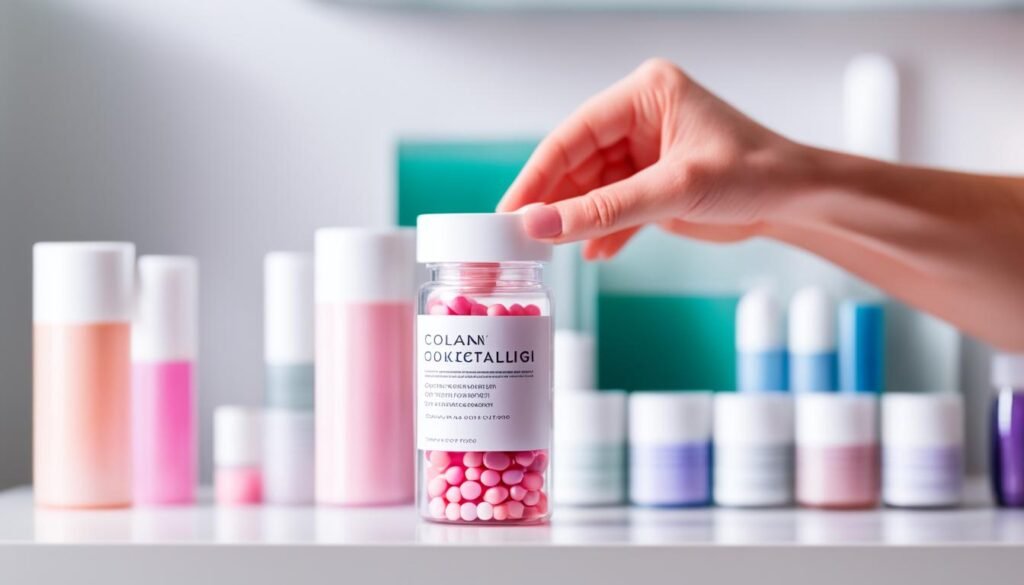
Collagen supplements come in different forms, including pill and powder forms. These supplements are typically derived from collagen hydrolysates, which are protein chains that can be absorbed by the body and used directly by the skin cells. Collagen peptides, the shorter amino acid chains derived from collagen hydrolysates, have been shown to have specific benefits for the skin.
When consumed, collagen supplements are broken down into these peptides, which can then stimulate collagen production in the skin. However, it is important to note that there are no studies comparing the different forms of collagen supplements, and more research is needed to determine if one form is better than another.
The science behind collagen supplements lies in their ability to provide the body with the building blocks it needs to produce collagen. Collagen is a vital protein for healthy skin, and its production naturally declines with age. By supplementing with collagen hydrolysates or peptides, individuals may enhance their skin’s collagen levels and potentially experience benefits such as improved skin elasticity and reduced signs of aging.
Collagen Hydrolysates and Skin Absorption
Collagen hydrolysates are broken down into smaller protein chains, making them easier for the body to absorb. This means that when taken orally as a supplement, collagen hydrolysates can be readily absorbed by the body and used by the skin cells. This absorption process allows the collagen to reach the deeper layers of the skin more effectively, potentially leading to enhanced skin health and appearance.
Collagen Peptides and Skin Benefits
Collagen peptides, as mentioned earlier, are the shorter amino acid chains derived from collagen hydrolysates. These peptides have been studied for their potential skin benefits. Research suggests that collagen peptides can stimulate collagen production in the skin, helping to improve skin elasticity, reduce the appearance of wrinkles, and promote a more youthful complexion.
Furthermore, collagen peptides may also enhance skin hydration and firmness, contributing to an overall improvement in skin health and appearance.
Collagen Supplements in Pill and Powder Forms
Collagen supplements are available in various forms, including pills and powders. These different forms provide individuals with options to choose the most convenient method of supplementation. Whether in pill or powder form, collagen supplements deliver collagen hydrolysates or peptides to the body, supporting the production of collagen in the skin.
While the effectiveness of each form may vary between individuals, both pill and powder forms can offer the potential benefits associated with collagen supplementation. It’s crucial to follow the recommended dosage and guidelines provided by the manufacturer to ensure optimal results.
The Effects of Collagen Supplements on Mature Skin
Research has shown that collagen supplements can have significant positive effects on mature skin. Several studies have demonstrated the remarkable improvements that can be achieved through collagen supplementation, including enhanced skin elasticity, reduction of wrinkles and fine lines, and increased skin hydration and firmness.
One study, conducted over a period of six weeks, found that participants who took collagen supplements experienced a noticeable improvement in skin elasticity. This improvement is crucial for mature skin, as it tends to lose its natural elasticity over time, leading to sagging and the formation of wrinkles. Collagen supplementation can help address these concerns and restore a more youthful appearance.
Additionally, collagen supplements have been shown to effectively reduce the visibility of wrinkles and fine lines. By replenishing collagen levels in the skin, these supplements promote a smoother and more youthful complexion, minimizing the signs of aging. This rejuvenating effect can significantly boost confidence and self-esteem.
Another benefit of collagen supplementation is increased skin hydration and firmness. Collagen plays a vital role in holding moisture in the skin, ensuring optimal hydration. When collagen levels decline with age, the skin becomes drier and prone to dullness. By supplementing with collagen, mature individuals can improve skin hydration and achieve a more vibrant and healthy appearance.
Collagen’s role in rejuvenating mature skin can be attributed to its ability to stimulate collagen production and replenish the levels of this essential protein in the skin. By providing the necessary building blocks, collagen supplements assist in the renewal and repair of aging skin, resulting in visible improvements.
While the effects of collagen supplements on mature skin have been promising in numerous studies, it is important to note that more research is needed to determine the long-term and sustainable benefits. However, the existing evidence suggests that collagen supplementation can be a valuable addition to a skincare routine for mature individuals looking to improve their skin’s elasticity, reduce wrinkles and fine lines, and achieve a more hydrated and firmer complexion.
| Study | Duration | Participants | Results |
|---|---|---|---|
| Study 1 | 6 weeks | 50 mature individuals | Improvement in skin elasticity |
| Study 2 | 8 weeks | 100 mature individuals | Reduction in wrinkles and fine lines |
| Study 3 | 12 weeks | 80 mature individuals | Increased skin hydration and firmness |
Evidence from these studies indicates that collagen supplements can be a valuable tool in combating the effects of aging on mature skin. However, it is always recommended to consult with a healthcare professional before starting any new supplement regimen or making significant changes to your skincare routine.
Ingredients to Look for in Collagen Supplements
When it comes to buying collagen supplements, it’s crucial to know which ingredients to look for. The right ingredients can make a significant difference in the effectiveness of the supplement and your overall experience. Here are the key ingredients to keep an eye out for:
- Collagen hydrolysate: This is a form of collagen that has undergone a process called hydrolyzation, which breaks down the collagen into smaller peptides. Collagen hydrolysate is highly bioavailable and easily absorbed by the body, making it an excellent choice for collagen supplements.
- Hydrolyzed collagen: Similar to collagen hydrolysate, hydrolyzed collagen has also undergone the hydrolyzation process. It contains collagen peptides that provide essential amino acids for the body to produce collagen naturally.
- Collagen peptides: These are short chains of amino acids derived from collagen hydrolysates. Collagen peptides are easily digestible and readily absorbed by the body, allowing them to reach the skin cells and promote collagen synthesis.
When purchasing a collagen supplement, carefully read the label to ensure that it contains these key ingredients. This ensures that you are getting a product that maximizes the benefits for your skin. Remember, the quality of the ingredients matters, so choose a reputable brand that prioritizes the use of these effective collagen ingredients.
The Hype Around Collagen Supplements
Collagen supplements have become increasingly popular in recent years, with many people touting them as the “fountain of youth” for achieving younger-looking skin. The hype surrounding these supplements is fueled by claims of their ability to slow down the skin aging process and improve overall skin appearance.
While there are some promising studies showing positive effects of collagen supplements on the skin, it’s important to approach these claims with caution. Many of the studies conducted so far have been small-scale and lacked control groups, making it difficult to draw definitive conclusions.
That being said, collagen is a key component of the skin and plays a crucial role in maintaining its elasticity and firmness. As we age, collagen production naturally declines, leading to the formation of wrinkles and sagging skin. The idea behind collagen supplements is that by replenishing the collagen levels in the body, it may help improve skin appearance and reduce the visible signs of aging.
“While collagen supplements have shown some promising results in improving skin elasticity, more research is needed to fully understand their long-term effects and overall impact on the skin aging process.” – Dr. Jessica Parker, Dermatologist
It’s important to note that collagen supplements may not work for everyone, and results can vary depending on factors such as age, overall health, and individual skin characteristics. Consulting with a healthcare professional, such as a dermatologist, before starting any new supplement regimen is highly recommended.
Claims of Collagen as the “Fountain of Youth”
The notion of collagen as the “fountain of youth” stems from its potential to improve skin elasticity and reduce the visible signs of aging. Some proponents of collagen supplements believe that consistent use can lead to younger-looking skin, with diminished wrinkles and a more radiant complexion.
While these claims are appealing, it’s important to approach them with a critical mindset. As mentioned earlier, the current scientific evidence on the effectiveness of collagen supplementation is limited, and more research is needed to validate these claims.
Collagen Supplements and Younger-Looking Skin
The desire for younger-looking skin is a common goal for many individuals. Collagen supplements have emerged as one of the potential solutions to achieve this desired outcome.
Based on the existing studies, collagen supplementation may have some positive effects on skin appearance, such as improved elasticity and decreased wrinkles. These benefits, if proven consistent and long-lasting, could contribute to a more youthful complexion.
Collagen’s Impact on the Skin Aging Process
The aging process significantly impacts the condition and appearance of the skin. Collagen, being a vital component of the skin’s structure, plays a role in this process.
As we age, collagen production naturally declines, leading to the loss of skin elasticity and the formation of wrinkles. Collagen supplements aim to counteract this decline by potentially increasing collagen levels in the body. This, in turn, may slow down the skin aging process and help maintain a more youthful appearance.
It’s important to note that more research is needed to fully understand collagen’s impact on the skin aging process and to establish its long-term effectiveness. Until then, it’s advisable to approach collagen supplements as one of many potential methods for supporting skin health and consult with a healthcare professional for personalized advice.
Potential Side Effects and Safety Considerations
When considering collagen supplements, it is important to be aware of potential side effects and prioritize safety. While collagen supplements are generally considered safe for most individuals, there are a few things to keep in mind.
Potential Side Effects
One known side effect of collagen supplements is stomach upset. Some individuals may experience digestive issues such as bloating, gas, or diarrhea when taking collagen supplements. It is recommended to start with a lower dosage and gradually increase as tolerated to minimize the risk of these side effects.
It is important to note that as collagen supplementation becomes more popular, other potential side effects may emerge. Since research in this area is still evolving, it is vital to stay informed and cautious.
Caution and Safety
Before starting any new supplement regimen, it is advisable to consult with a healthcare professional, especially if you have underlying health conditions or are currently taking other medications. They can evaluate your specific situation and provide personalized guidance.
Additionally, it is crucial to choose high-quality collagen supplements from reputable brands. Look for supplements that have undergone quality testing and adhere to good manufacturing practices (GMP). This can help ensure the safety and potency of the product you are consuming.
It is also important to follow the recommended dosage instructions provided by the manufacturer. Taking excessive amounts of collagen supplements may not necessarily yield better results and could increase the risk of potential side effects.
| Potential Side Effects of Collagen Supplements |
|---|
| Stomach upset (bloating, gas, diarrhea) |
It is always a good idea to consult with a healthcare professional before starting any new supplement regimen.
By being cautious and informed, you can make the best decisions for your health and well-being when considering collagen supplements.
Alternatives to Collagen Supplements for Skin Health

While collagen supplements may provide potential benefits for mature skin, there are alternative measures that can be taken to promote skin health and address the signs of aging. Here are some alternatives worth considering:
Sun Protection for Skin Health
Sun protection is crucial for maintaining overall skin health and preventing premature aging. Exposure to harmful UV rays can accelerate collagen breakdown and contribute to the formation of wrinkles and dark spots. Apply a broad-spectrum sunscreen with an SPF of 30 or higher daily, wear protective clothing, and seek shade during peak sun hours. Prioritizing sun protection can help preserve and protect your skin.
Balanced Diet for Skin Nourishment
A balanced diet rich in essential nutrients can nourish your skin from within and support its overall health. Include foods that are high in antioxidants, vitamins, and minerals, such as fruits, vegetables, lean proteins, nuts, and seeds. These nutrients play a vital role in promoting collagen production, protecting against free radicals, and maintaining skin elasticity. Drink plenty of water to stay hydrated, as adequate hydration is crucial for maintaining supple and plump skin.
Retinoid Creams and Noninvasive Procedures for Skin Rejuvenation
Retinoid creams, containing vitamin A derivatives like retinol, have been proven effective in reducing the appearance of wrinkles, fine lines, and age spots. These topical treatments can promote cell turnover, stimulate collagen production, and improve overall skin texture. Consult with a dermatologist to determine the appropriate retinoid cream for your skin type and concerns.
In addition to retinoid creams, various noninvasive procedures are available to rejuvenate the skin. These procedures may include chemical peels, microdermabrasion, laser resurfacing, or radiofrequency therapy. Each procedure has its own benefits and considerations, so it’s important to consult with a qualified skincare professional to determine the right option for your specific needs.
| Alternative | Description |
|---|---|
| Sun Protection | Use sunscreen daily and seek shade to protect skin from harmful UV rays. |
| Balanced Diet | Incorporate fruits, vegetables, lean proteins, and nuts/seeds for skin nourishment. |
| Retinoid Creams | Topical creams containing vitamin A derivatives to improve skin texture. |
| Noninvasive Procedures | Chemical peels, microdermabrasion, laser resurfacing, or radiofrequency therapy. |
Conclusion
After reviewing the available evidence, it can be concluded that collagen supplements show potential in improving the appearance of mature skin and reducing the signs of aging. Studies have revealed benefits such as improved skin elasticity, reduced wrinkles, and increased skin hydration and firmness. However, it is important to note that more research is needed to fully understand the long-term effects and sustainability of these improvements.
It is advised to exercise caution when considering collagen supplements and to consult with a healthcare professional before incorporating them into your skincare routine. While collagen supplements have gained popularity, it is crucial to remember that their effectiveness may vary for individuals, and results may not be guaranteed. Additionally, potential side effects such as stomach upset should be taken into consideration.
It is also important to explore other measures for maintaining healthy and youthful-looking skin. Practicing sun protection, such as using sunscreen and wearing protective clothing, is crucial in preventing UV damage, which is a major contributor to skin aging. Similarly, maintaining a balanced diet with nutrient-rich foods can provide the necessary nourishment for healthy skin. Consulting with a dermatologist can also help you explore other skin rejuvenation options, such as prescription retinoid creams or noninvasive procedures.
In conclusion, while collagen supplements offer potential benefits for mature skin, it is essential to approach them with caution and consider a holistic approach to skincare. More research is needed to fully understand the long-term effects of collagen supplementation, and individual results may vary. By combining collagen supplements with other measures like sun protection and a balanced diet, you can contribute to maintaining healthy and youthful-looking skin.
FAQ
What are the effects of collagen supplements on mature skin?
Collagen supplements are believed to improve skin’s appearance and reduce signs of aging by replenishing collagen levels in the body. They can enhance skin elasticity, reduce wrinkles, and increase firmness.
How does collagen contribute to healthy skin?
Collagen provides support and structure to the skin, maintaining elasticity and firmness. As collagen production decreases with age, wrinkles and sagging skin can occur. Collagen supplements aim to replenish collagen levels and improve skin health.
What is the science behind collagen supplements?
Collagen supplements come in pill and powder forms, typically derived from collagen hydrolysates. These protein chains are broken down into collagen peptides, which can be absorbed by the skin cells and stimulate collagen production.
What are the effects of collagen supplements on mature skin?
Studies have shown that collagen supplements can improve skin elasticity, reduce wrinkles, and increase hydration and firmness. However, more research is needed to fully understand the long-term effects and sustainability of these improvements.
What ingredients should I look for in collagen supplements?
Look for collagen hydrolysate, hydrolyzed collagen, or collagen peptides in the ingredient list. These forms of collagen can be readily absorbed by the body and used by the skin cells.
Is the hype around collagen supplements justified?
While there are some studies suggesting positive effects, more research is needed to fully understand the long-term impact of collagen supplementation. It is important to exercise caution and consult with a healthcare professional before starting any new supplement regimen.
Are there any potential side effects and safety considerations with collagen supplements?
Stomach upset is a known side effect of collagen supplements. It is also important to stay informed and cautious as other potential side effects may emerge. Consult with a healthcare professional before starting any new supplement regimen, especially if you have underlying health conditions or are taking other medications.
Are there alternatives to collagen supplements for skin health?
Yes, alternatives include sun protection to prevent UV damage, maintaining a balanced diet with nutrient-rich foods, and exploring other skin rejuvenation options such as prescription retinoid creams or noninvasive procedures.
What is the conclusion on collagen supplement effects on mature skin?
While collagen supplements may have some potential benefits, more research is needed to fully understand their long-term effects on mature skin. Caution should be exercised, and it is advisable to consult with a healthcare professional before starting any new supplement regimen.