Did you know that Botox and fillers are the top non-surgical anti-aging treatments for skin aging? These injectable treatments have revolutionized the world of skincare, providing effective solutions for wrinkles, skin rejuvenation, and facial contouring. The choice between Botox and fillers can make a significant difference in achieving smoother, more youthful-looking skin. Let’s explore the key differences, benefits, and considerations when it comes to these popular anti-aging options.
Key Takeaways:
- Botox and fillers are popular non-surgical anti-aging treatments for skin aging.
- Botox temporarily weakens or paralyzes muscles, targeting wrinkles caused by facial expressions.
- Fillers replenish lost volume and contour the face, addressing static wrinkles and enhancing facial features.
- Botox has additional non-cosmetic uses, such as reducing sweating and preventing teeth grinding.
- The effectiveness, cost, and selection of Botox or fillers depend on individual evaluation and skin concerns.
Botox: The Number One Choice for Dynamic Wrinkles
When it comes to addressing dynamic wrinkles caused by facial expressions, Botox is the go-to treatment. This highly effective injectable is specifically designed to target and reduce the appearance of wrinkles such as frown lines, crow’s feet, and the notorious “11s” between the eyebrows.
By temporarily weakening or paralyzing the underlying muscles, Botox softens the appearance of these lines, creating a smoother and more youthful facial expression. The results of Botox injections typically become noticeable within 2-10 days, making it a quick and efficient solution for dynamic wrinkles.
What sets Botox apart from other treatments is its versatility. Not only does it excel at reducing these common signs of aging, but it also has additional non-cosmetic uses. Botox is widely used for medical purposes, including treating conditions such as hyperhidrosis (excessive sweating) and preventing teeth grinding caused by temporomandibular joint disorder (TMJ).
“Botox is a highly effective treatment for dynamic wrinkles, such as frown lines and crow’s feet. Its ability to temporarily weaken or paralyze muscles allows for a smoother, more youthful appearance.”
It’s important to note that Botox should only be administered by qualified professionals in a safe and controlled environment to ensure optimal results.
How Botox Works
Botox, short for botulinum toxin, is a neurotoxic protein derived from the bacterium Clostridium botulinum. When injected into specific muscles, it blocks the release of a neurotransmitter called acetylcholine, which is responsible for muscle contractions. By inhibiting these contractions, Botox effectively reduces the appearance of dynamic wrinkles caused by repetitive facial movements.
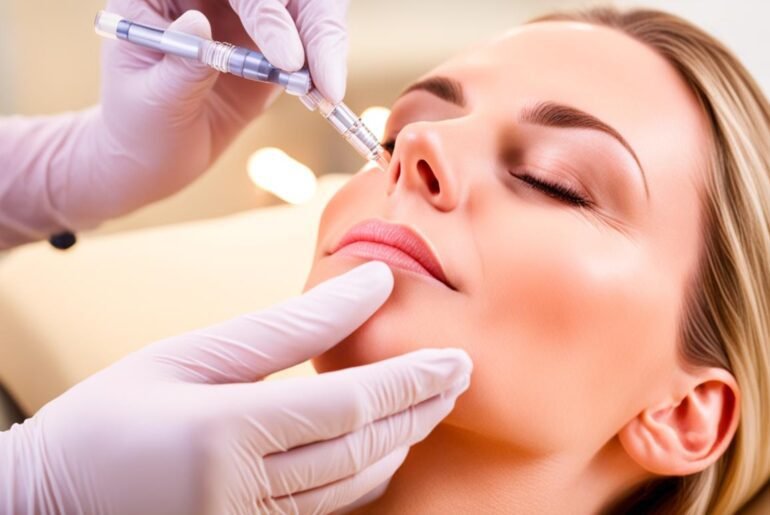
The treatment itself is relatively quick and involves minimal discomfort. A fine needle is used to inject the Botox solution directly into the targeted muscles. The number of injections required may vary depending on the treatment area and desired outcome.
Beyond Aesthetics: Non-Cosmetic Uses of Botox
While Botox is primarily known for its cosmetic benefits, its applications extend beyond wrinkle reduction. The ability to weaken or paralyze muscles can be harnessed for various therapeutic purposes. In addition to its use in treating hyperhidrosis and teeth grinding, Botox has shown promise in relieving chronic migraines, reducing gummy smiles, and even alleviating symptoms of depression. These non-cosmetic applications highlight the multifaceted nature of Botox as a versatile and effective treatment.
| Treatment | Benefits |
|---|---|
| Dynamic Wrinkles | Temporarily softens or removes frown lines, crow’s feet, and “11s” between eyebrows |
| Hyperhidrosis | Reduces excessive sweating |
| Teeth Grinding (TMJ) | Prevents teeth grinding caused by temporomandibular joint disorder |
| Chronic Migraines | Reduces the frequency and intensity of migraines |
| Gummy Smiles | Diminishes excessive gum exposure when smiling |
| Depression Symptoms | Potentially improves mood and alleviates symptoms |
Before considering any Botox treatment, it’s essential to consult with a qualified professional who can provide a thorough evaluation and discuss the potential risks and benefits of the procedure. This ensures that Botox is the appropriate choice for addressing specific concerns and achieving desired outcomes.
Next, let’s explore the role of fillers in restoring volume and contouring the face.
Fillers: Restoring Volume and Contouring the Face
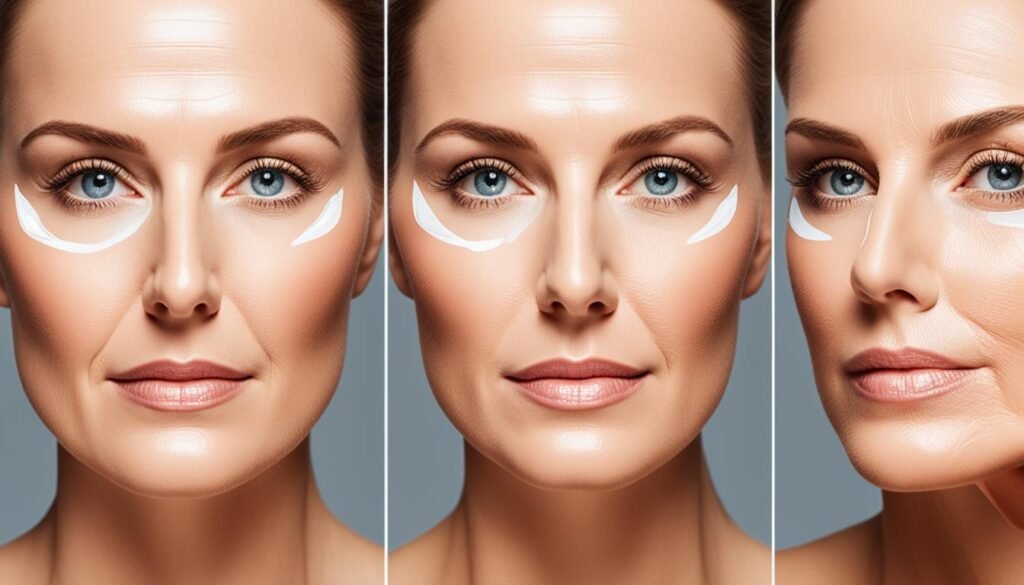
Fillers are an effective solution for addressing static wrinkles, which are wrinkles that are visible even when facial muscles are at rest. These innovative injectable treatments are specially designed to fill lines and restore lost volume, providing a more youthful and rejuvenated appearance.
Hyaluronic acid fillers, such as Restylane and Juvedérm, are commonly used to target folds and creases, while also contouring the face. Hyaluronic acid is a natural substance found in the body that helps maintain hydration and volume in the skin. By using hyaluronic acid fillers, we can replenish lost volume and achieve a smoother, more refined facial contour.
These fillers offer a range of benefits, including:
- Filling static wrinkles and facial lines
- Restoring lost volume
- Enhancing facial contours
The duration of the results varies depending on the specific filler used and individual skin concerns. Hyaluronic acid fillers typically last between 5 to 24 months, providing long-lasting improvements.
In addition to hyaluronic acid fillers, calcium fillers like Radiesse are also available. Calcium fillers are ideal for deep filling and can last up to 14 months, offering a durable solution for volume enhancement.
Compared to Botox, fillers provide a more immediate and visible result. They work by adding volume to specific areas, effectively smoothing out wrinkles and restoring a youthful appearance.
It is important to consult with a qualified professional to determine the most suitable filler and treatment plan based on individual needs and desired outcomes. The expertise of a board-certified plastic surgeon or dermatologist will ensure safe and effective results.
The Benefits and Complexities of Botox and Fillers
Botox and fillers offer a range of benefits that extend beyond wrinkle reduction, making them versatile treatments for various concerns. While Botox is primarily known for its cosmetic use in minimizing facial lines and wrinkles, it has several non-cosmetic applications as well.
Botox can be used to effectively reduce excessive sweating (hyperhidrosis) by temporarily blocking the signals from the nerves that stimulate the sweat glands. Additionally, it has shown promising results in treating bruxism, a condition characterized by teeth grinding and clenching. By injecting Botox into the masseter muscles, it can help relax the jaw and alleviate the symptoms of bruxism.
Research also suggests that Botox injections may have a positive impact on certain types of headaches, particularly chronic migraines. The neurotoxin is believed to block the release of specific pain chemicals in the brain, thus reducing the frequency and intensity of migraines in some individuals.
Furthermore, there is emerging evidence that Botox injections may have potential benefits in treating depression. Although more research is needed in this area, some studies have shown that Botox can help improve the symptoms of depression by temporarily inhibiting the facial muscles associated with negative emotions. This effect on facial expressions may positively influence an individual’s mood and overall well-being.
While fillers are primarily used for their aesthetic effects in restoring volume and contouring the face, they too can have psychological and emotional benefits. The impact of smooth, volumized skin can enhance self-confidence and improve one’s perception of their own attractiveness.
“The impact of both Botox and fillers on facial appearance and expressions is more complex than just improving aesthetics.”
When considering Botox and fillers, it is important to acknowledge the complexities they present and the importance of seeking treatment from qualified professionals. The assessment and administration of both Botox and fillers require a deep understanding of facial anatomy, injection techniques, and individualized treatment plans.
Remember, both Botox and fillers should only be administered by trained and experienced medical professionals to ensure safety, desired outcomes, and the avoidance of complications.
The Effectiveness of Botox and Fillers
When considering the effectiveness of Botox and fillers, it is important to understand that their effectiveness varies depending on the specific skin concerns and treatment goals.
Botox is commonly used preventatively to target fine lines and wrinkles before they become more pronounced. Many individuals in their mid-twenties opt for Botox as a preventative measure to delay the formation of wrinkles and improve their overall appearance. By temporarily weakening or paralyzing the muscles responsible for wrinkle formation, Botox effectively smooths out the skin and reduces the appearance of fine lines.
Fillers, on the other hand, are primarily used to address common treatment areas such as under the eyes, cheeks, and jawline. They are particularly effective in adding volume and enhancing facial contours. Whether it’s replenishing lost volume or contouring specific areas, fillers provide immediate results and can create a more youthful and refreshed appearance.
The choice between Botox and fillers ultimately depends on the area of concern and desired outcome. Botox is ideal for preventing and treating wrinkles caused by muscle movements, while fillers are best suited for adding volume and rejuvenating specific facial features. Consulting with a qualified professional will ensure that the appropriate treatment is selected to achieve optimal results.
| Treatment | Effectiveness | Preventative Use | Common Treatment Areas |
|---|---|---|---|
| Botox | Reduces appearance of fine lines and wrinkles | Yes | Frown lines, crow’s feet, “11s” |
| Fillers | Restores lost volume, enhances facial contours | No | Under eyes, cheeks, jawline |
Overall, both Botox and fillers are effective in addressing different cosmetic concerns. The decision to choose one over the other should be based on individual evaluation, specific skin concerns, and desired outcomes. It is important to consult with a qualified professional who can provide expert advice and guide you towards the most suitable treatment option.
Next, let’s explore the potential side effects of Botox and fillers to have a comprehensive understanding of these treatments.
Potential Side Effects of Botox and Fillers
https://www.youtube.com/watch?v=xA3IPelVtaA
The use of Botox and fillers for aesthetic purposes is generally safe and well-tolerated. However, as with any medical procedure, there are potential side effects to consider. It is important to be aware of these side effects and consult a qualified professional for a comprehensive understanding of the risks and benefits.
Common Side Effects
Common side effects of Botox and fillers include bruising and swelling at the injection site. These side effects are similar to those experienced with any type of injection and typically resolve within a few days. It is important to follow proper aftercare instructions provided by the healthcare professional to minimize these effects.
“I always advise my patients to expect some degree of bruising and swelling after Botox or filler injections. However, these side effects are usually mild and temporary, and they can be easily managed with ice packs and topical creams.” – Dr. Emily Thompson, Board-Certified Plastic Surgeon
Rare Side Effects
While rare, there is a potential risk of developing acne-like bumps under the skin after filler injections. This can occur when the filler material causes inflammation in the hair follicles, leading to the formation of small bumps. However, it is important to note that this complication is uncommon and can usually be treated with appropriate medical intervention.
Severe side effects such as vision problems or difficulty breathing are extremely rare and should be reported immediately to a board-certified injector. It is crucial to choose a qualified professional and follow their guidance to minimize the risk of complications.
Note: The side effects mentioned above are not an exhaustive list. It is essential to discuss all potential side effects with a qualified professional before undergoing any Botox or filler treatment.
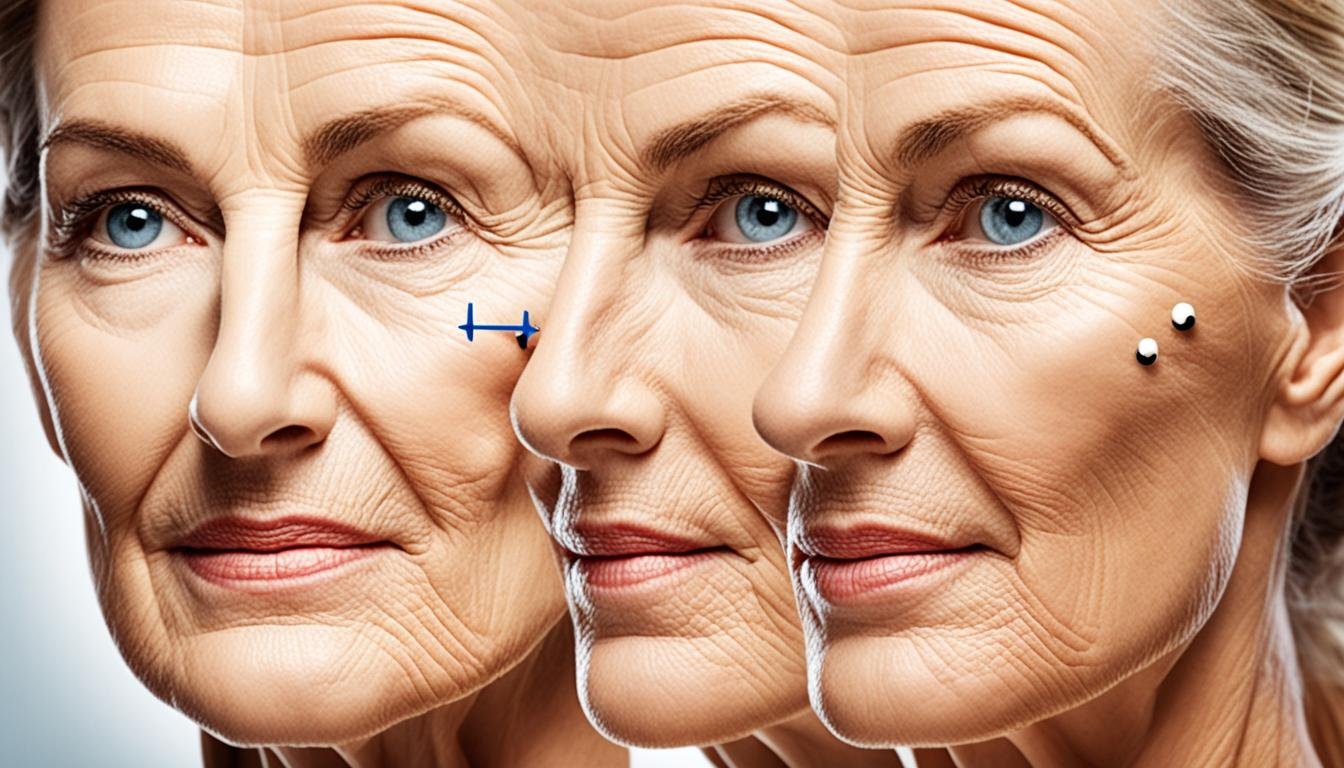
The image above exemplifies the potential side effect of acne-like bumps that may occur after filler injections. It is important to emphasize that this is a rare occurrence, and the image is for illustrative purposes only.
Cost Comparison: Botox vs Fillers
When considering Botox and fillers for skin rejuvenation, it’s essential to take into account the cost of these treatments. The average cost of Botox injections is $466, while the average cost of fillers ranges from $684 to $717, depending on the specific filler used. However, it’s important to note that these prices may vary based on various factors.
The cost of Botox and fillers can be influenced by the amount of product required for the desired results and the qualifications of the professional performing the procedure. Additionally, geographical location plays a role in the pricing, with bigger cities generally having higher prices compared to smaller towns.
To accurately determine the cost of Botox or fillers for your individual needs, it is recommended to consult with a qualified professional. They will assess your skin concerns and desired outcomes, providing you with an accurate estimate tailored to your specific situation.
| Treatment | Average Cost |
|---|---|
| Botox | $466 |
| Fillers | $684 – $717 |
As shown in the table above, Botox has a lower average cost compared to fillers. However, it’s important to remember that the effectiveness and longevity of the treatments should also be taken into consideration when evaluating their value for money.
Ultimately, the cost of Botox and fillers is a significant factor in the decision-making process. However, it is equally important to prioritize safety, expertise, and the potential results when selecting the most suitable treatment option.
Understanding the Differences: Botox vs Fillers
When considering wrinkle treatments, it’s essential to understand the differences between Botox and fillers. These two approaches have distinct mechanisms of action and goals, specifically targeting different aspects of the aging process.
Botox:
Botox, also known as Botulinum Toxin, is a neurotoxin that works by temporarily paralyzing muscles. It is primarily used to treat dynamic wrinkles, which are the wrinkles that form as a result of facial expressions. Common treatment areas include frown lines, crow’s feet, and the horizontal lines on the forehead. By blocking the signals from the nerves to the muscles, Botox reduces muscle activity, resulting in a smooth and youthful appearance. The effects typically last between 3-6 months, depending on individual factors.
Fillers:
Fillers, on the other hand, are gel-like substances that add volume and replenish lost volume in areas affected by static wrinkles. These wrinkles are present even when facial muscles are not contracting, and they are often caused by the loss of collagen and hyaluronic acid in the skin. Fillers work by injecting a substance, typically hyaluronic acid or calcium-based fillers, into the targeted areas. They can be used to enhance facial contours, fill in deep lines, and restore volume to areas such as the cheeks, lips, and under the eyes. The duration of the effects varies depending on the specific filler used, ranging from 5-24 months.
| Botox | Fillers |
|---|---|
| Paralyzes muscles | Adds volume and replenishes lost volume |
| Targets dynamic wrinkles caused by facial expressions | Addresses static wrinkles present even at rest |
| Common treatment areas: frown lines, crow’s feet, forehead lines | Common treatment areas: cheeks, lips, under-eye area |
| Effects last 3-6 months | Effects last 5-24 months |
Choosing the right treatment between Botox and fillers depends on individual needs and desired outcomes. Botox is the go-to option for addressing dynamic wrinkles, while fillers are ideal for volume enhancement and filling in deep lines. Consulting with a qualified professional will ensure a personalized treatment plan tailored to specific concerns.
Choosing the Right Treatment: Botox vs Fillers
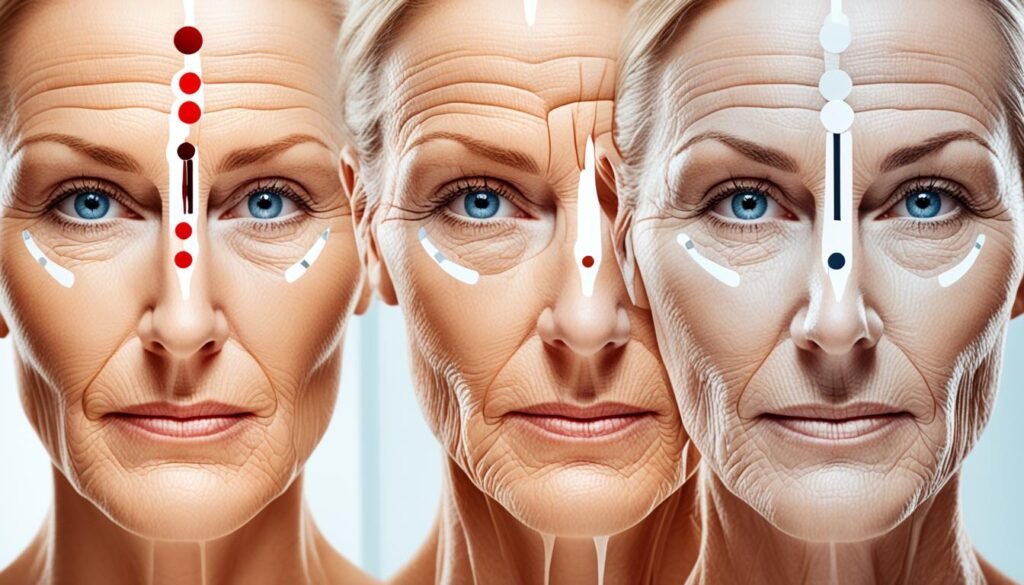
The choice between Botox and fillers requires careful consideration of individual evaluation and specific skin concerns. Consulting with a board-certified plastic surgeon or dermatologist is highly recommended to determine the best treatment option that aligns with your individual needs, desired outcomes, and budget.
These professionals possess the expertise to assess your skin and provide expert guidance on selecting the most suitable treatment. They will take into account factors such as the severity of your skin concerns, the areas you wish to target, and your overall aesthetic goals.
Before making a decision, it is crucial to conduct adequate research and gain a comprehensive understanding of the potential side effects associated with Botox and fillers. This will enable you to make an informed decision and weigh the benefits and risks associated with each treatment option.
Considerations for Treatment Selection:
- Evaluation of individual skin concerns and desired outcomes
- Consultation with a board-certified professional
- Understanding of potential side effects
- Budget constraints
“Choosing the right treatment between Botox and fillers is a highly personalized decision that should be based on a thorough evaluation of individual needs and expectations.”
| Treatment | Key Factors |
|---|---|
| Botox | – Ideal for dynamic wrinkles caused by facial expressions – Effective in treating frown lines, crow’s feet, and “11s” – Results in muscle paralysis to reduce wrinkle appearance – Typically lasts 3-6 months |
| Fillers | – Suitable for static wrinkles and volume loss – Addresses folds, creases, and deep lines – Enhances facial contours and replenishes lost volume – Durability ranges from 5-24 months |
Based on your individual evaluation and discussions with your chosen professional, you will be able to make an informed decision regarding the treatment that best suits your needs and budget. Remember, choosing the right treatment is an essential step towards achieving your desired results and maintaining healthy, youthful-looking skin.
Conclusion
When considering Botox vs fillers for skin aging, it is important to understand their differences and goals. Botox is primarily used for addressing dynamic wrinkles caused by facial expressions, such as frown lines and crow’s feet, while fillers are effective in treating static wrinkles and replenishing lost volume in areas like the cheeks and lips.
Both Botox and fillers have their own set of benefits, risks, and costs. Botox offers a temporary solution to smooth out wrinkles and lasts for around 3-6 months, while fillers provide more immediate results and can last anywhere between 5 to 24 months, depending on the type and thickness used.
Choosing the right treatment between Botox and fillers depends on individual evaluation, specific skin concerns, and desired outcomes. It is crucial to consult with a qualified professional, such as a board-certified plastic surgeon or dermatologist, who can assess the skin and provide expert guidance on the most suitable treatment option for optimal results in achieving smoother, more youthful-looking skin.
FAQ
What is the difference between Botox and fillers?
Botox is a neurotoxin that weakens or paralyzes muscles, while fillers are gel-like products that fill folds and replenish lost volume.
What areas can Botox be used for?
Botox is commonly used for frown lines, crow’s feet, and the “11s” between the eyebrows.
What are fillers used for?
Fillers are used for deep lines that are present even when facial muscles are not contracting, and to contour the face.
What are the non-cosmetic uses of Botox?
Botox can also be used to reduce sweating, prevent teeth grinding, and potentially lessen depression.
How long do Botox and fillers last?
Botox typically lasts 3-6 months, while fillers can last between 5-24 months, depending on the type.
What are the common side effects of Botox and fillers?
Common side effects include bruising, swelling, and in rare cases, acne-like bumps for fillers.
How much do Botox and fillers cost?
The average cost of Botox is $466, while the average cost of fillers ranges from $684 to $717 depending on the specific filler used.
What are the differences between Botox and fillers?
Botox temporarily paralyzes muscles to treat dynamic wrinkles, while fillers add volume and replenish lost volume to treat static wrinkles.
How do I choose between Botox and fillers?
It is recommended to consult with a qualified professional to determine the best treatment based on individual evaluation, specific skin concerns, and desired outcomes.