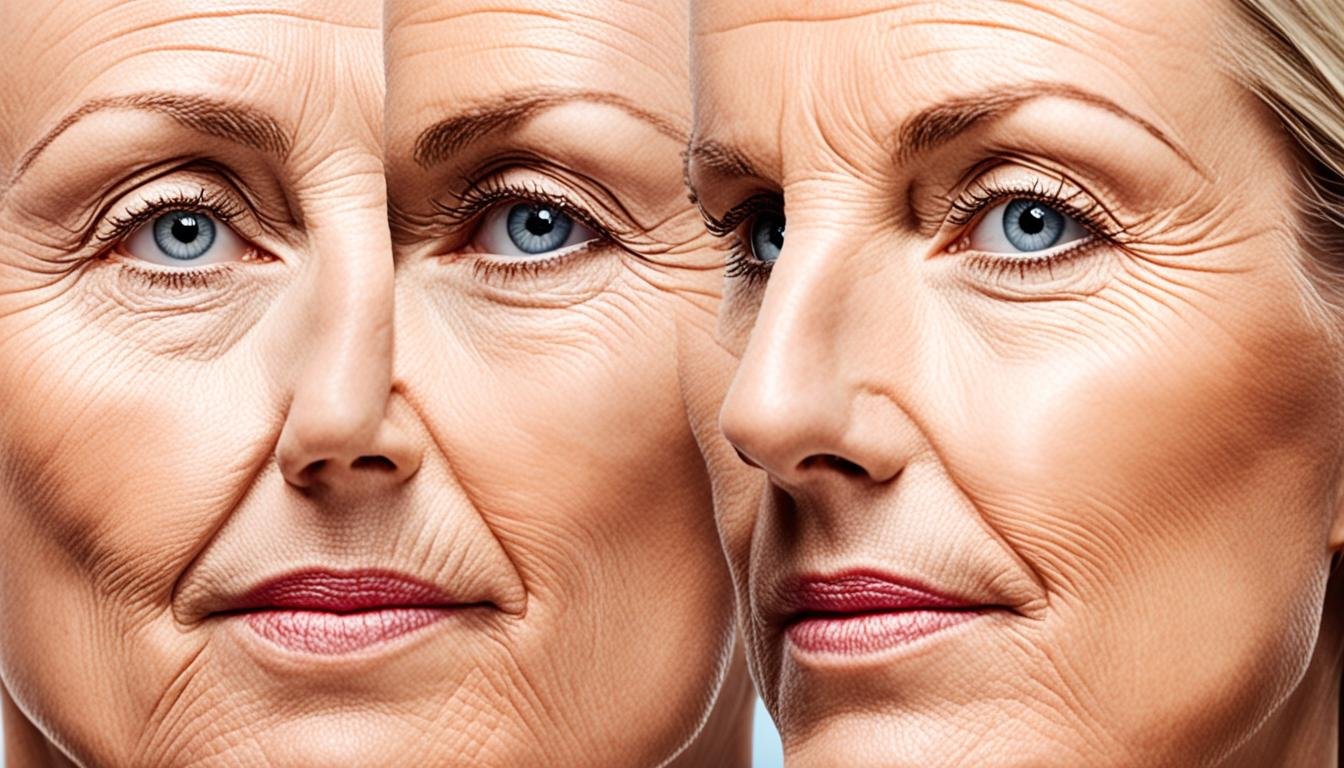
Did you know that crow’s feet, those fine lines that form around the eyes, can impact both men and women? They may appear earlier and deeper in men due to factors such as sun exposure and higher levels of matrix metalloproteinases (MMPs). While these wrinkles don’t have any physical effects on the body, they can affect your self-confidence. But worry not, because there’s a solution that can help you reduce the appearance of crow’s feet and achieve a more youthful look: Botox.
Key Takeaways:
- Botox is a non-surgical treatment for reducing the appearance of crow’s feet and fine lines.
- Crow’s feet are caused by the contraction of muscles around the eyes and can affect both men and women.
- Botox works by relaxing these muscles, resulting in smoother skin and reduced wrinkles.
- The dosage and cost of Botox treatment vary depending on individual factors.
- Consulting with a dermatologist will help you explore the best treatment options for your specific needs.
What are crow’s feet?
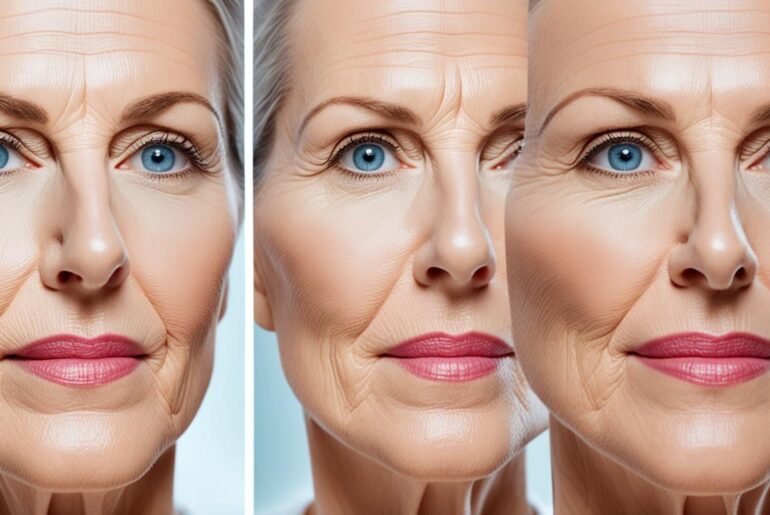
Crow’s feet, also known as lateral canthal lines or laugh lines, are fine lines and wrinkles that develop on the outer corners of the eyes. These wrinkles are caused by the contraction of tiny muscles in that area when you experience different emotions and facial expressions, such as laughter, stress, and sadness.
Sun exposure, lack of sunscreen use, diet, and genetics can contribute to the development of crow’s feet. The decrease in collagen and elastin, which are proteins that help the skin retain its plump and youthful appearance, also plays a role in the formation of these wrinkles.
While certain preventive measures like using sunscreen and facial moisturizers can help, aging is inevitable, and crow’s feet are a natural part of the aging process.
Factors that contribute to the development of crow’s feet:
- Sun exposure: Excessive exposure to the sun’s harmful ultraviolet (UV) rays can accelerate the aging process and lead to the formation of wrinkles, including crow’s feet.
- Genetics: The genes we inherit from our parents can influence how our skin ages and the likelihood of developing wrinkles.
- Collagen and elastin depletion: As we age, the production of collagen and elastin in the skin decreases, making it more prone to wrinkles.
- Facial expressions: Repeated muscle contractions from facial expressions, such as squinting and laughing, can contribute to the development of crow’s feet over time.
“Crow’s feet, also known as lateral canthal lines or laugh lines, are fine lines and wrinkles that develop on the outer corners of the eyes.”
The impact of crow’s feet on the body
The appearance of crow’s feet does not have any physical effects on the body. They are not painful and do not cause any harm.
“The presence of fine lines and wrinkles, including crow’s feet, can lead to feelings of insecurity about one’s appearance.”
For some individuals, the presence of crow’s feet can impact their self-confidence. Fine lines and wrinkles around the eyes, like crow’s feet, can make individuals feel self-conscious about their overall appearance. While crow’s feet are a natural part of aging and most people will develop them at some point in their lives, it is understandable that some individuals may seek treatment options to reduce their visibility.
It is important to remember that crow’s feet are a common phenomenon and do not indicate any underlying health issues.
However, for those who are unhappy with the appearance of crow’s feet, there are various treatment options available that can help reduce their visibility and restore self-confidence.
The Psychological Impact of Crow’s Feet
The presence of crow’s feet can impact an individual’s self-esteem and body image, particularly when it comes to their overall facial appearance. As fine lines and wrinkles become more noticeable, individuals may feel conscious of their aging process and perceive their appearance as less youthful or attractive.
Although crow’s feet may not have physical effects on the body, the psychological impact should not be underestimated. Many individuals strive to maintain a youthful appearance and take pride in their physical appearance. Therefore, seeking treatment options to reduce the visibility of crow’s feet is a valid concern that addresses one’s self-confidence and emotional well-being.
Treating crow’s feet with Botox
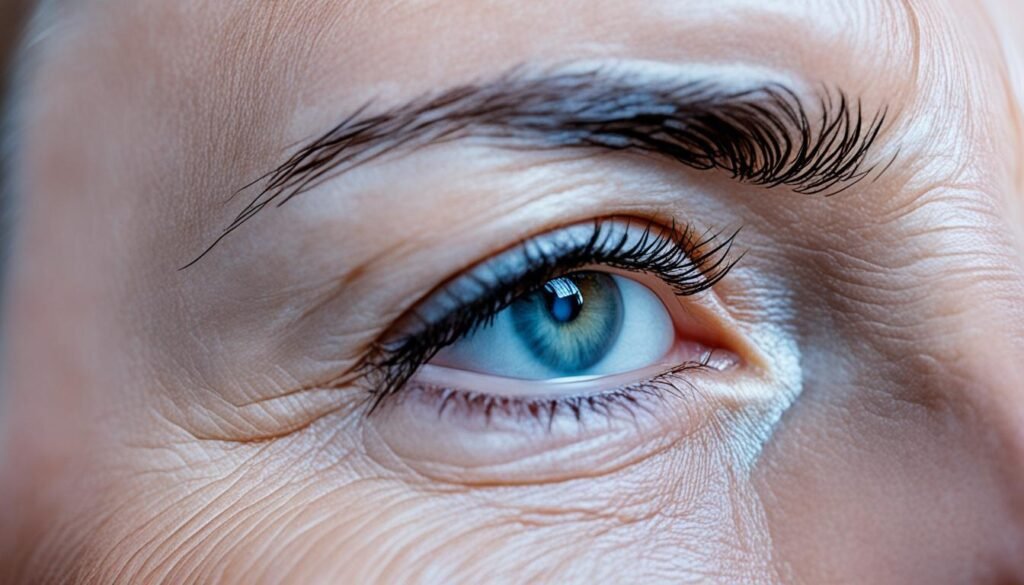
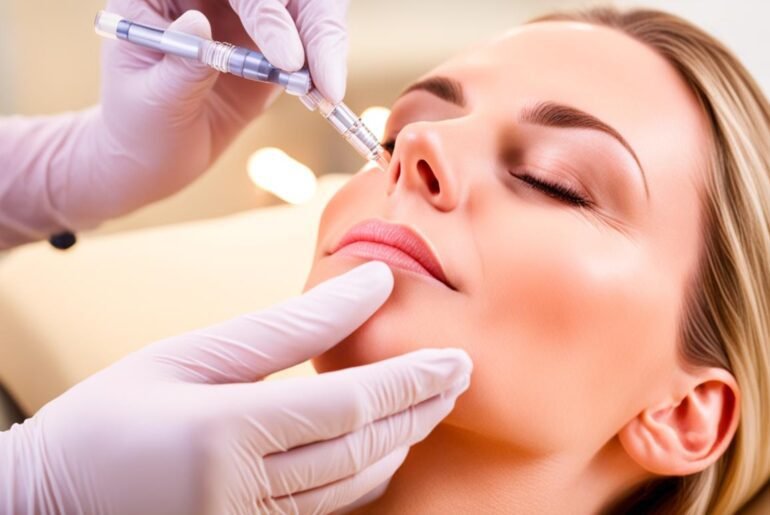
Botox is a popular and effective treatment option for reducing the appearance of crow’s feet. The procedure is relatively simple and typically takes less than 30 minutes to complete. During the treatment, a fine needle is used to inject Botox into the muscles around the eyes, which helps relax the muscles and smooth out the skin.
Botox is often the preferred method for treating crow’s feet due to its precise targeting of the specific muscles responsible for the wrinkles. The treatment temporarily paralyzes these muscles, preventing them from contracting and causing the formation of crow’s feet.
However, in some cases where the wrinkles are less severe, cosmetic surgeons may recommend alternative options, such as dermal fillers, chemical peels, or laser resurfacing. These treatments can also be effective in reducing the visibility of crow’s feet and achieving a more youthful look.
| Treatment Option | Description |
|---|---|
| Dermal Fillers | Injectable substances that add volume to the areas around the eyes, reducing wrinkles and restoring a more youthful appearance. |
| Chemical Peels | A chemical solution is applied to the skin, causing the top layers to peel off and revealing smoother, rejuvenated skin. |
| Laser Resurfacing | A laser is used to remove the outer layers of the skin, stimulating collagen production and improving skin texture. |
These alternative treatments can be tailored to suit individual needs and preferences, and a consultation with a qualified cosmetic surgeon can help determine the most suitable option for each patient.
Dr. Emily Thompson:
“Botox is a versatile treatment for crow’s feet, providing remarkable results with minimal downtime. However, it’s crucial to assess each patient’s unique needs and consider alternative treatments for less severe wrinkles, ensuring personalized care and achieving the best possible outcome.”
How Botox works for crow’s feet
Botox is an effective injectable treatment for reducing the appearance of crow’s feet, also known as lateral canthal lines, around the eyes. Made from the purified form of botulinum toxin type A, Botox is a safe and widely used cosmetic enhancement.
When injected into the muscles around the eyes, Botox works by blocking the nerve signals from the brain that cause muscle contractions. Specifically, it targets the orbicularis oculi muscles responsible for the formation of crow’s feet. By relaxing these muscles, Botox helps to smooth out the skin and reduce the visibility of wrinkles.
The process begins with the injection of Botox into specific points around the eyes. The treatment is relatively quick and usually takes less than 30 minutes to complete. Over the next few days, Botox gradually starts to take effect, with visible results becoming noticeable within three to five days.
As Botox limits muscle contractions, the appearance of crow’s feet is visibly reduced, giving the skin a smoother and more youthful look. The effects of Botox typically last for three to four months, after which additional treatments may be required to maintain the desired results.
| Botox for Crow’s Feet | |
|---|---|
|
In summary, Botox is an effective injectable treatment for crow’s feet. By blocking nerve signals and relaxing the orbicularis oculi muscles, Botox helps to reduce the appearance of crow’s feet and achieve a more youthful look. The treatment is safe and provides long-lasting results, making it a popular choice for individuals seeking to address crow’s feet and achieve facial rejuvenation.
Dosage and cost of Botox for crow’s feet
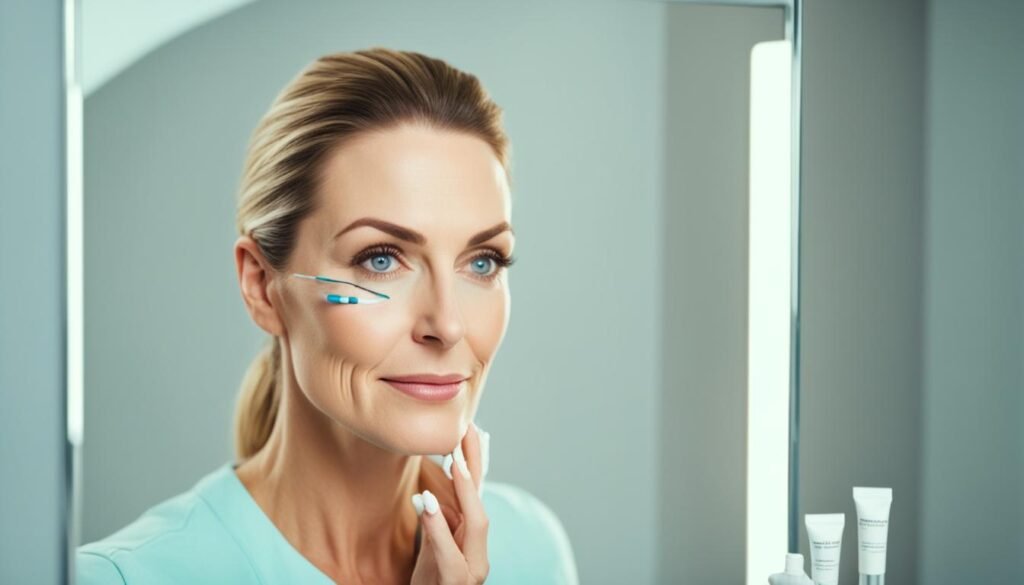
When it comes to treating crow’s feet with Botox, the dosage and cost are important factors to consider. The dosage of Botox for crow’s feet varies depending on the individual and the severity of the wrinkles. To achieve optimal results, it is generally recommended to use around 24 units of Botox, with 6 injections per eye. This dosage helps relax the muscles around the eyes and smooth out the skin, reducing the appearance of crow’s feet.
However, for those who are new to Botox or prefer a more conservative approach, a smaller dosage of around 10 units per eye can be used. This allows for a more natural-looking result, with minimal side effects.
Now, let’s talk about the cost of Botox injections for crow’s feet. The cost can vary depending on factors such as the provider’s experience and expertise, the geographic location, and any additional services included in the treatment. On average, the cost for Botox injections to treat crow’s feet is typically around $300 to $400 per session.
It’s important to keep in mind that Botox is an investment in your appearance and self-confidence. While the cost may seem significant, many individuals find that the results and improved self-esteem are well worth it.
| Treatment | Recommended Dosage | Cost per Session |
|---|---|---|
| Botox for crow’s feet | Around 24 units (6 injections per eye) | $300 – $400 |
Please note that the table above provides general information and the actual dosage and cost may vary based on individual needs and geographic location.
It’s essential to consult with a qualified dermatologist or cosmetic surgeon to determine the appropriate dosage and cost for your specific requirements. They will evaluate your unique facial anatomy, discuss your goals, and provide personalized recommendations to achieve the best results within your budget.
Candidates for Botox for crow’s feet
Botox is a widely recognized treatment for reducing the appearance of crow’s feet and achieving a more youthful look. However, not everyone is a suitable candidate for this procedure. It is crucial to consult with an experienced physician before undergoing Botox treatment to assess your eligibility and ensure your safety. The provider will carefully evaluate your unique facial anatomy and consider various factors to determine if Botox is the right option for you.
Who is a suitable candidate for Botox?
- Individuals with visible lines and wrinkles around the eyes, commonly known as crow’s feet
- Those who desire a non-surgical approach to facial rejuvenation
Botox is generally safe for most individuals, but certain conditions may affect your suitability for the treatment. Here are some factors that the provider will consider:
Underlying Health Conditions
If you have any significant underlying health conditions, particularly neurological or muscular diseases, the use of Botox may not be suitable. These conditions can impact the effectiveness and safety of the treatment. It is crucial to disclose your medical history to the physician during your consultation.
Allergies
If you have a known allergy to any ingredients in Botox, including the botulinum toxin type A protein, it is essential to inform your physician. Allergic reactions can range from mild to severe, and avoiding exposure to allergens is essential to your well-being.
Pregnancy and Breastfeeding
If you are currently pregnant or breastfeeding, it is generally recommended to avoid Botox treatment. Although research on the effects of Botox during pregnancy and breastfeeding is limited, as a precautionary measure, it is advisable to delay the procedure until after this period.
Note: The safety of Botox during pregnancy and breastfeeding has not been definitively established. Consult with your healthcare provider before making any decisions.
During your consultation, the provider will explain the potential risks and benefits of Botox treatment in detail. It is important to have an open and honest discussion about your expectations and concerns to ensure you make an informed decision.
Side effects and results of Botox for crow’s feet
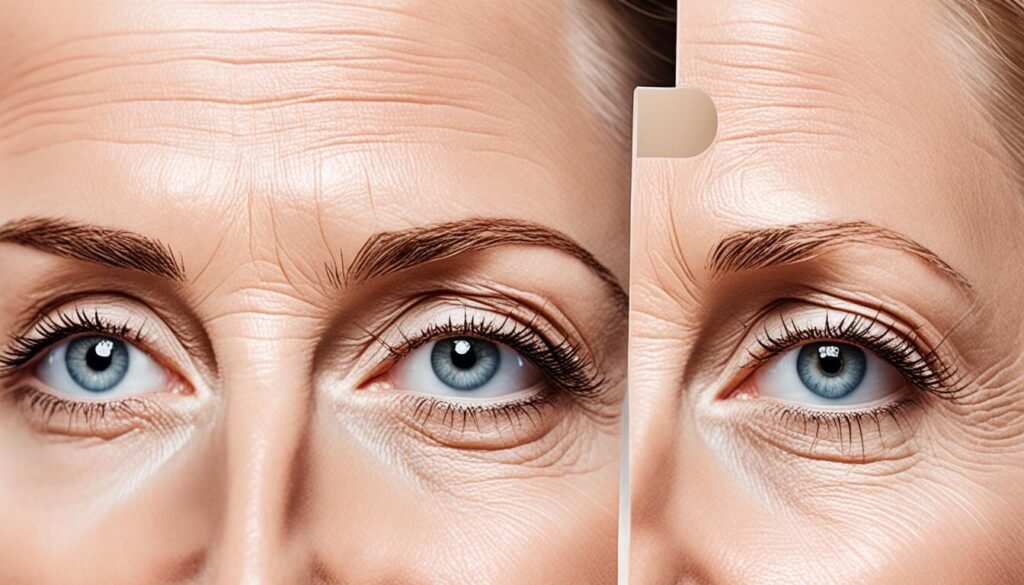
Like any cosmetic procedure, Botox for crow’s feet may have some side effects. While these side effects are generally mild and temporary, it is important to be aware of them.
Common side effects of Botox treatment for crow’s feet include:
- Bruising
- Swelling
- Redness at the injection site
These side effects typically subside within a few days as the skin heals. However, it is important to note that individual experiences may vary.
Less common side effects may include:
- Droopy eyelids
- Dryness around the eyes
- Crooked eyebrows
- Excessive tearing
These side effects are usually temporary and resolve within 48 hours. If you experience any persistent or concerning side effects, it is recommended to consult with your dermatologist.
When it comes to results, Botox treatment for crow’s feet takes time to show its full effects. It can take up to three days to see visible results after the treatment. The maximum benefits of Botox will be noticeable within two weeks.
The results of Botox treatment typically last for 3-4 months. However, individual results may vary, and some people may experience longer-lasting effects. To maintain the desired outcome, regular touch-up injections may be required.
The Side Effects of Botox for Crow’s Feet: A Closer Look
| Side Effects | Description |
|---|---|
| Bruising | Small bruises may occur at the injection site, but they typically fade within a few days. |
| Swelling | Slight swelling around the injection site is common and usually resolves on its own. |
| Redness | The skin around the injection area may appear red, but it should subside within a few days. |
| Droopy eyelids | In rare cases, Botox may cause temporary droopiness of the eyelids. This typically resolves within 48 hours. |
| Dryness | Some individuals may experience dryness around the eyes after Botox treatment. |
| Excessive tearing | Occasionally, Botox may cause excessive tearing, which is usually temporary. |
Botox alternatives for crow’s feet
While Botox is the most popular treatment option for reducing the appearance of crow’s feet, there are alternative methods available. Chemical peels, microneedling, dermal fillers, and laser treatments can also be effective in reducing wrinkles and achieving a more youthful look.
Chemical peels
Chemical peels involve the application of a chemical solution to the skin, which helps exfoliate and improve its texture.
Microneedling
Microneedling uses tiny needles to create microchannels in the skin, stimulating collagen production and improving its elasticity.
Dermal fillers
Dermal fillers can be used to add volume and fill in wrinkles, providing a smoother appearance.
Laser treatments
Laser treatments can remove the outer layer of skin cells and stimulate collagen production, reducing the visibility of crow’s feet.
| Treatment | Description |
|---|---|
| Chemical peels | Application of a chemical solution to exfoliate and improve skin texture |
| Microneedling | Use of tiny needles to stimulate collagen production and improve skin elasticity |
| Dermal fillers | Injection of fillers to add volume and fill in wrinkles |
| Laser treatments | Removal of outer layer of skin cells and stimulation of collagen production |
The importance of skincare for reducing crow’s feet
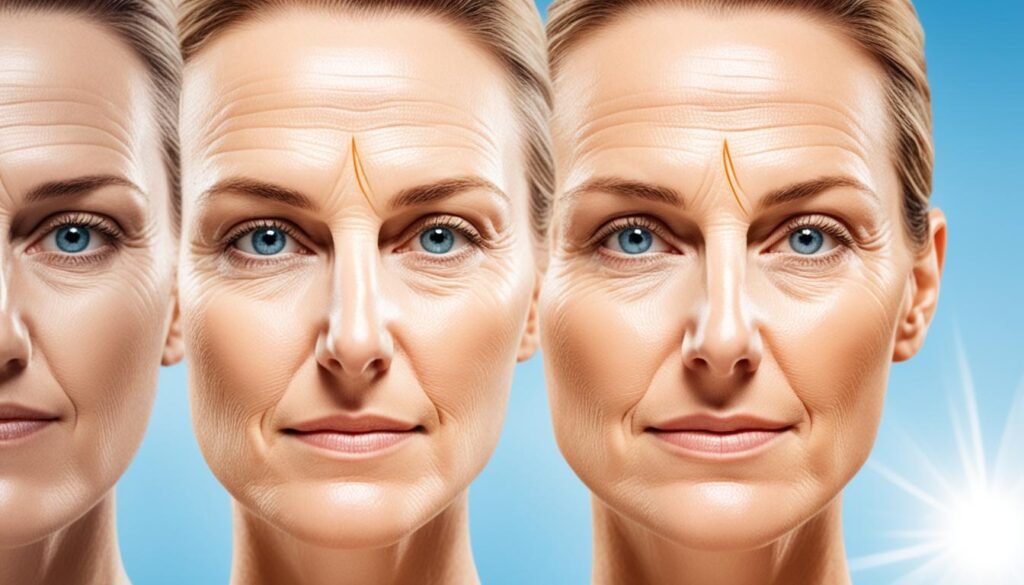
While aging is a natural part of life and the development of crow’s feet is inevitable, practicing good skincare can help reduce their appearance. There are several key factors to consider when it comes to skincare for crow’s feet prevention.
Sun Exposure
Sun exposure is one of the primary causes of premature aging and the formation of wrinkles, including crow’s feet. Protecting your skin from harmful UV rays is essential in maintaining its health and youthful appearance. Wear a broad-spectrum sunscreen with at least SPF 30 and make sure to reapply it every two hours, especially when spending time outdoors. Additionally, wearing protective hats and sunglasses can provide extra protection for the delicate skin around the eyes.
Healthy Lifestyle
A healthy lifestyle plays a significant role in maintaining the overall health and appearance of your skin. Avoiding smoking is crucial, as it can accelerate the aging process and contribute to the development of wrinkles. Eating a balanced diet rich in fruits, vegetables, and antioxidant-rich foods can also help promote healthier skin. Getting enough sleep and managing stress levels are equally important, as inadequate sleep and high stress levels can negatively impact the skin’s health and contribute to the formation of wrinkles.
Skin Hydration
Proper hydration is vital for maintaining the elasticity and suppleness of the skin. It is recommended to drink an adequate amount of water each day to keep your skin hydrated from within. Additionally, using hydrating skincare products can help replenish moisture and improve the texture of the skin, reducing the appearance of fine lines and wrinkles.
SPF Eye Cream
The delicate skin around the eyes is prone to damage from sun exposure and dehydration. Using a specialized SPF eye cream can provide targeted protection and moisturization for this sensitive area. Look for an eye cream with a broad-spectrum SPF to shield the skin from harmful UV rays while keeping it hydrated and nourished.
Quote:
“Skincare is not just about beauty but also about taking care of your skin’s health. By following a consistent and comprehensive skincare routine, you can reduce the appearance of crow’s feet and embrace a more youthful look.” – Dr. Emily Johnson, Dermatologist
| Skincare Tips for Crow’s Feet Prevention | |
|---|---|
| 1. Protect your skin from sun exposure | |
| 2. Follow a healthy lifestyle | |
| 3. Hydrate your skin | |
| 4. Use SPF eye cream |
By incorporating these skincare practices into your daily routine, you can help reduce the appearance of crow’s feet and maintain healthier, more youthful-looking skin.
Consultation with a dermatologist for crow’s feet treatment
If you are considering treatment for your crow’s feet, it is essential to consult with a qualified dermatologist. During the consultation, your dermatologist will evaluate your specific needs and concerns, discuss the available treatment options, and determine the appropriate dosage for your Botox treatment. They will also consider your facial anatomy to ensure natural-looking results and address any questions or concerns you may have.
| Treatment Options | Personalized Dosage | Facial Anatomy |
|---|---|---|
|
|
Consideration of your unique facial structure |
Conclusion
Botox is a highly effective and popular non-surgical treatment for reducing the appearance of crow’s feet and achieving a more youthful look. While crow’s feet are a natural part of the aging process and may not have any physical effects on the body, they can impact a person’s self-confidence and how they perceive their overall appearance.
By relaxing the muscles around the eyes, Botox helps to smooth out the skin and reduce the visibility of wrinkles. This non-invasive procedure provides a viable solution for individuals looking to rejuvenate their facial appearance without undergoing surgery. However, it is important to consult with an experienced dermatologist to determine if you are a suitable candidate for Botox treatment.
In addition to Botox, other non-surgical alternatives such as chemical peels, microneedling, dermal fillers, and laser treatments can also help reduce the visibility of crow’s feet. By practicing good skincare habits and protecting the skin from sun exposure, you can further enhance the effectiveness of these treatments and maintain overall skin health.
Consulting with a dermatologist will allow you to explore the best treatment options for your specific needs and goals. They will help develop a personalized treatment plan that targets your areas of concern and ensures optimal results in achieving a youthful and rejuvenated appearance.
FAQ
What are crow’s feet?
Crow’s feet, also known as lateral canthal lines or laugh lines, are fine lines and wrinkles that develop on the outer corners of the eyes. They are caused by the contraction of tiny muscles in that area when you experience different emotions and facial expressions, such as laughter, stress, and sadness. Sun exposure, lack of sunscreen use, diet, and genetics can contribute to the development of crow’s feet. The decrease in collagen and elastin, which are proteins that help the skin retain its plump and youthful appearance, also plays a role in the formation of these wrinkles.
What is the impact of crow’s feet on the body?
The appearance of crow’s feet does not have any physical effects on the body. They are not painful and do not cause any harm. However, for some individuals, the presence of fine lines and wrinkles, including crow’s feet, can lead to feelings of insecurity about their appearance. It is important to remember that crow’s feet are a natural part of aging and that most people will develop them at some point in their lives. However, for those who are unhappy with the appearance of crow’s feet, there are various treatment options available that can help reduce their visibility.
How does Botox work for treating crow’s feet?
Botox is a popular and effective treatment option for reducing the appearance of crow’s feet. The procedure is relatively simple and typically takes less than 30 minutes to complete. During the treatment, a fine needle is used to inject Botox into the muscles around the eyes, which helps relax the muscles and smooth out the skin. While Botox is often the preferred method for treating crow’s feet, some cosmetic surgeons may recommend alternative options such as dermal fillers, chemical peels, or laser resurfacing for less severe wrinkles. These treatments can also be effective in reducing the visibility of crow’s feet and achieving a more youthful look.
How does Botox work for crow’s feet?
Botox is an injectable treatment made from the purified form of botulinum toxin type A, a bacterium that is also responsible for causing botulism. However, when used in cosmetic treatments, Botox is safe and works by blocking the nerve signals from the brain to the facial muscles. In the case of crow’s feet, Botox is injected into the orbicularis oculi muscles around the eyes, which helps relax these muscles and limit their contractions. This relaxation of the muscles leads to smoother skin and a reduction in the appearance of crow’s feet.
What is the dosage and cost of Botox for crow’s feet?
The dosage of Botox for crow’s feet varies depending on the individual and the severity of the wrinkles. For optimal results, it is recommended to use around 24 units of Botox, with 6 injections per eye. However, beginners may start with a smaller dosage of around 10 units per eye to ensure natural-looking results with minimal side effects. The cost of Botox injections for crow’s feet can vary depending on factors such as the provider and location, but it is typically around $300 – $400 per session.
Who are suitable candidates for Botox for crow’s feet?
Botox for crow’s feet is generally safe and suitable for many individuals with visible lines and wrinkles around the eyes. However, it may not be suitable for those with underlying health conditions, neurological or muscular diseases, allergies to Botox ingredients, or those who are pregnant or breastfeeding. It is important to consult with an experienced physician before undergoing Botox treatment to determine if you are a good candidate. During the consultation, the provider will evaluate your unique facial anatomy and discuss the potential risks and benefits of the procedure.
What are the side effects and results of Botox for crow’s feet?
Like any cosmetic procedure, there are potential side effects associated with Botox for crow’s feet. Common side effects include small bruises, swelling, and redness at the injection site, which typically subside within a few days. Less common side effects may include droopy eyelids, dryness around the eyes, crooked eyebrows, and excessive tearing, but these usually resolve within 48 hours. It can take up to three days to see visible results after Botox treatment, and the full effects will be seen within two weeks. Results typically last for 3-4 months, and regular touch-up injections may be required to maintain the desired outcome.
What are the alternatives to Botox for treating crow’s feet?
While Botox is the most popular treatment option for reducing the appearance of crow’s feet, there are alternative methods available. Chemical peels, microneedling, dermal fillers, and laser treatments can also be effective in reducing wrinkles and achieving a more youthful look. Chemical peels involve the application of a chemical solution to the skin, which helps exfoliate and improve its texture. Microneedling uses tiny needles to create microchannels in the skin, stimulating collagen production and improving its elasticity. Dermal fillers can be used to add volume and fill in wrinkles, while laser treatments can remove the outer layer of skin cells and stimulate collagen production.
How can skincare help reduce crow’s feet?
While aging is a natural part of life and the development of crow’s feet is inevitable, practicing good skincare can help reduce their appearance. This includes protecting your skin from sun exposure by wearing sunscreen and using protective measures like hats and sunglasses. Additionally, maintaining a healthy lifestyle by avoiding smoking, eating a balanced diet, getting enough sleep, and managing stress can contribute to healthier skin. Using hydrating skincare products and applying SPF eye cream can also help keep the delicate skin around the eyes moisturized and protected.
Why is a consultation with a dermatologist important for crow’s feet treatment?
If you are considering treatment for your crow’s feet, it is essential to consult with a qualified dermatologist. During the consultation, your dermatologist will evaluate your specific needs and concerns, discuss the available treatment options, and determine the appropriate dosage for your Botox treatment. They will also consider your facial anatomy to ensure natural-looking results and address any questions or concerns you may have.