Did you know that Botox is a highly sought-after treatment for achieving smoother and more youthful-looking skin? As a popular non-surgical anti-aging solution, Botox injections have revolutionized the field of cosmetic skincare.
Key Takeaways:
- Botox is a non-surgical anti-aging treatment that targets specific facial muscles to reduce wrinkles and fine lines.
- The active ingredient in Botox, Botulinum toxin, acts as a neuromodulator, inhibiting muscle contractions and smoothing the skin.
- While Botox is FDA-approved for certain areas, it is commonly used off-label to address various other cosmetic concerns.
- In addition to its cosmetic uses, Botox has medical applications in treating migraines, hyperhidrosis, clenching, overactive bladder, and Reynaud’s disease.
- The duration of Botox results can range from two to six months, and adverse effects are rare when administered by a qualified professional.
How Botox Works for Anti-Aging
Botox, a popular anti-aging treatment, works by targeting the underlying mechanism of wrinkles and fine lines. Its mechanism of action involves blocking nerve signals that control muscle contractions.
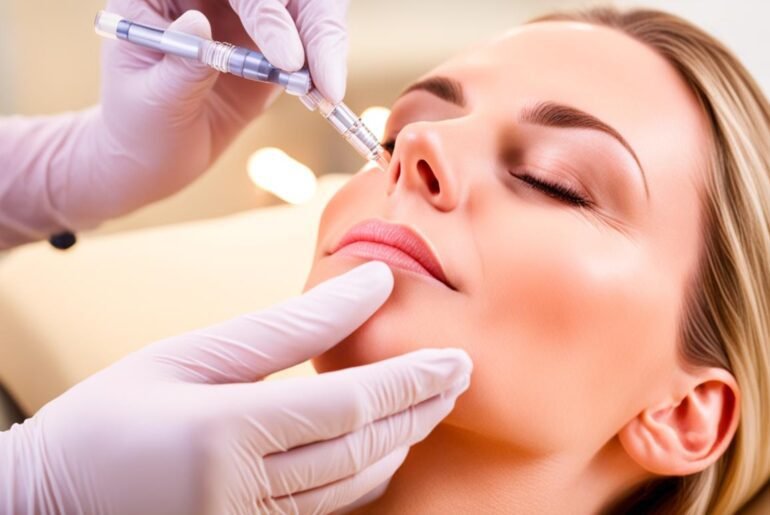
The active ingredient in Botox is Botulinum toxin, a neuromodulator that inhibits muscle activity. By injecting Botox into specific facial muscles, it temporarily paralyzes them, preventing excessive movement and reducing the appearance of wrinkles. Botox is commonly used to target forehead lines, frown lines between the eyebrows, and crow’s feet around the eyes.
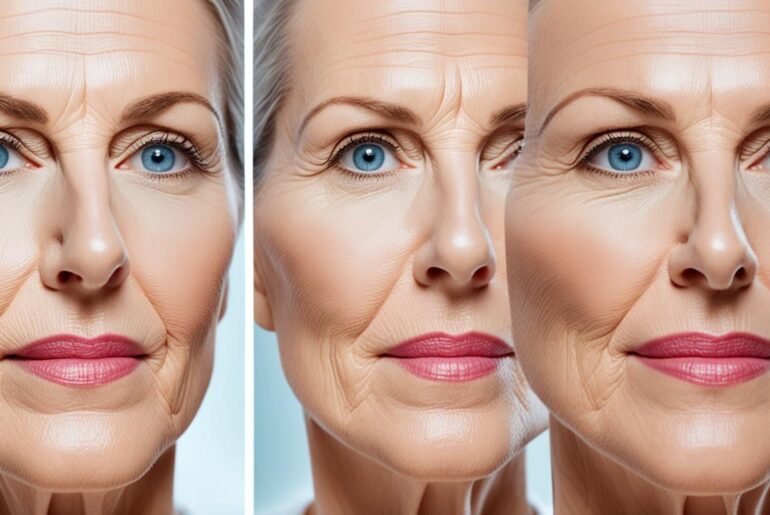
Through this targeted muscle relaxation, Botox injections prevent wrinkles from forming and can also soften existing wrinkles. By reducing muscle contraction, Botox provides a smoother and more youthful appearance. It is an effective way to prevent the signs of aging without the need for invasive procedures.
Studies have shown the safety and efficacy of Botox for wrinkle reduction and facial rejuvenation. It is a trusted option for those looking to enhance their appearance and prevent the formation of wrinkles. To fully understand the benefits and potential risks of Botox, consulting with a qualified professional is crucial.
In summary, Botox works by acting as a neuromodulator, targeting muscle contractions to prevent wrinkles and reduce fine lines. It is a minimally invasive treatment that provides effective anti-aging results for individuals seeking a youthful and refreshed appearance.
Areas of Application for Botox Injections
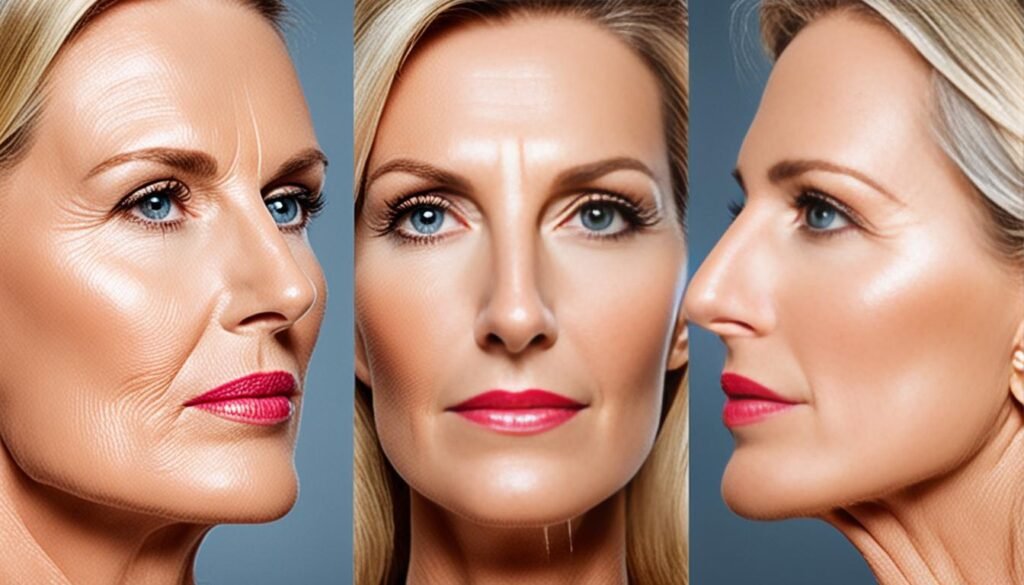
While Botox is FDA-approved for certain areas, such as forehead lines, frown lines, and crow’s feet, it is commonly used off-label for various other purposes. Botox can be injected to address a wide range of concerns and achieve desired aesthetic results. Some of the common treatment areas for Botox injections include:
- Forehead lines
- Frown lines between the eyebrows
- Crow’s feet around the eyes
- Bunny lines on the nose
- Peri-oral or lip lines
- Neck bands
- Jawline narrowing
- Gummy smile
- Facial imbalances
Botox injections in these areas can help smooth out wrinkles, reduce muscle movement, and improve overall facial symmetry. They provide a versatile treatment option that can be tailored to the individual’s specific needs and desired outcomes.
If you’re considering Botox, it’s essential to consult with a qualified practitioner who can assess your concerns and recommend the appropriate treatment plan. They will consider your unique facial anatomy and discuss the potential benefits and risks associated with Botox injections in the specific treatment areas.
Medical Uses of Botox
Botox, in addition to its cosmetic applications, has proven to be an effective treatment for various medical conditions. Migraines can be alleviated with Botox injections targeted at specific trigger points. For those suffering from excessive sweating, known as hyperhidrosis, Botox can provide relief when injected into areas such as the underarms and palms. Additionally, Botox injections into the masseter muscles can help reduce clenching and alleviate associated headaches.
Another medical use for Botox is in the treatment of overactive bladder. Urologists may administer Botox injections directly into the bladder to alleviate symptoms such as frequent urination and urgency. Furthermore, Botox has shown promise in improving blood flow and circulation in individuals with Reynaud’s disease by relaxing the muscles surrounding blood vessels.
“Botox injections can provide relief for migraines and hyperhidrosis, reduce clenching, and improve symptoms of overactive bladder and Reynaud’s disease.”
These medical applications of Botox demonstrate its versatility and effectiveness beyond its cosmetic use. However, it is crucial to consult with a qualified medical professional to discuss individual suitability and determine the most appropriate treatment plan.
Duration and Safety of Botox Injections
The duration of Botox results can vary depending on individual factors and the treatment area. Typically, the effects of Botox last between two to six months. If Botox injections are discontinued, the wrinkles and lines may reappear over time.
Botox is generally considered safe when administered by qualified professionals. Adverse effects are rare and usually not serious. The most common side effect is slight asymmetry, which can be corrected during a follow-up appointment. Allergic reactions and other complications are uncommon.
However, it is essential to choose a reputable practitioner to ensure safe and effective treatment.
“The safety of Botox injections has been extensively studied, and adverse effects are rare.”
In a study conducted by the American Society of Plastic Surgeons, it was found that Botox injections for cosmetic purposes are generally safe and have a low risk of complications. They reported that serious adverse effects are rare, occurring in less than 1% of cases.
It is important to note that risks and complications can arise if Botox injections are administered by inexperienced individuals or in unregulated settings. Choosing a qualified and experienced healthcare professional is crucial to ensure the safe and effective use of Botox.
During your consultation, your healthcare provider will evaluate your medical history, discuss potential risks and complications, and address any concerns you may have. By following their guidance and receiving treatment from a reputable practitioner, you can confidently enjoy the benefits of Botox with minimal risk.
Rare Complications and Adverse Effects
While rare, complications and adverse effects can occur with Botox injections. It is important to be aware of these possibilities and address any concerns with your healthcare provider. Some potential complications include:
- Nerve damage: In rare cases, Botox injections can cause temporary or permanent nerve damage. This can manifest as muscle weakness or paralysis in areas near the injection site.
- Systemic effects: Although extremely uncommon, there have been rare reports of Botox spreading to other areas of the body and causing unintended muscle weakness or other reactions.
- Allergic reactions: While uncommon, some individuals may experience an allergic reaction to Botox. Symptoms can include itching, rash, difficulty breathing, and swelling. If you have a history of allergies or allergic reactions, be sure to discuss this with your healthcare provider.
It is important to note that these complications are exceptionally rare. The vast majority of individuals who undergo Botox injections experience minimal side effects and enjoy the aesthetic benefits of the treatment.
“Botox injections are generally considered safe, with rare complications and adverse effects.”
Dr. Sophie Shotter, a leading aesthetic physician, emphasizes the overall safety of Botox injections. She states that complications are uncommon but may include temporary bruising, swelling, or redness at the injection site. These effects typically resolve on their own within a few days.
As with any medical procedure, it is essential to have realistic expectations and understand the potential risks. By choosing a qualified healthcare professional and discussing your concerns and medical history, you can ensure a safe and successful Botox treatment.
Combination with Other Anti-Aging Treatments
To ensure optimal results, it’s important to adopt a comprehensive approach to anti-aging skincare in combination with Botox injections. By incorporating additional treatments and practices into your daily routine, you can maximize the benefits of Botox and maintain youthful-looking skin.
Skincare optimization begins with simple yet vital steps such as starting your day with a gentle cleanser to remove impurities and allow for better product absorption. Applying an antioxidant serum enriched with vitamin C can help protect your skin from free radicals and promote collagen production.
One of the most crucial steps in any anti-aging skincare routine is wearing sunscreen daily. This not only helps prevent photoaging but also reduces the risk of skin cancer. Opt for a broad-spectrum, mineral-based sunscreen with an SPF of 30 or higher to shield your skin from harmful UV rays.
Another key component of an effective anti-aging regimen is incorporating retinol into your nighttime routine. Retinol, a form of vitamin A, stimulates cell turnover, reducing the appearance of fine lines and wrinkles over time. Start with a low concentration and gradually increase as your skin adjusts.
In some cases, combining Botox with dermal fillers can further enhance the anti-aging effects and prolong the results. Dermal fillers, composed of substances like hyaluronic acid, can restore volume and fill in deeper wrinkles or hollow areas. Consult with a qualified practitioner to determine if filler injections are appropriate for your specific needs.
By incorporating these additional elements into your skincare routine and considering complementary treatments like filler injections, you can adopt a comprehensive anti-aging approach that enhances and complements the results of Botox.
Understanding Preventative Botox
Preventative Botox involves the use of Botox or similar products to prevent the formation of lines and wrinkles before they become visible at rest. It is a proactive approach to wrinkle prevention, focusing on early intervention for ideal candidates. By addressing skincare conditions before they become more pronounced, preventative Botox can help individuals maintain smoother and younger-looking skin.
Unlike traditional Botox treatments that target existing wrinkles, preventative Botox aims to delay the development of deep or excessive expression lines. It is particularly beneficial for individuals who can foresee the potential for these lines based on familial traits or their own expressive faces. By starting Botox treatments at an appropriate time, it is possible to prevent the formation of wrinkles and maintain a more youthful appearance.
It is important to note that preventative Botox is not age-dependent but rather depends on the individual’s specific skin condition and the presence of visible lines. Each person’s skin ages differently, so there is no one-size-fits-all approach. Starting Botox treatments too early or too late may not produce the desired results. It is crucial to consult with a qualified practitioner who can assess the suitability of preventative Botox for each individual case.
When considering preventative Botox, it is essential to have realistic expectations and understand that it is a preventative measure, not a permanent solution. Regular maintenance sessions may be required to sustain the desired results. It is also worth noting that preventative Botox is not necessary for everyone, as some individuals may naturally age without significant line or wrinkle development.
By taking a proactive approach to skincare, individuals can actively address the signs of aging and maintain a more youthful appearance. Preventative Botox, when used appropriately, can be a valuable tool in the fight against wrinkles, providing early intervention and wrinkle prevention for ideal candidates.
Pros and Cons of Preventative Botox
When it comes to wrinkle prevention, preventative toxin injections can offer several benefits. By targeting the underlying cause of lines and wrinkles, these injections can help maintain a smoother, more youthful appearance. One of the advantages of preventative Botox is that when performed correctly, the results can be subtle and natural-looking.
However, it’s important to exercise caution with Botox treatments. Heavy or early use of Botox can lead to a frozen or distorted appearance over time, detracting from a natural look. Additionally, there is a lack of long-term research on the effects of preventative Botox, so it’s essential to weigh the potential risks and benefits.
Another consideration is the cost associated with ongoing Botox treatments. Preventative Botox requires maintenance injections to sustain the results, which can add up over time. This cost factor should be taken into account when deciding on a wrinkle prevention strategy.
Fortunately, there are alternative methods to consider for wrinkle prevention. Maintaining a healthy lifestyle and skincare routine can play a significant role in reducing the early signs of aging. Adequate hydration, sun protection, a balanced diet, and a good skincare regimen can all contribute to healthier, more youthful-looking skin.
FAQ
What is Botox and how does it work for anti-aging?
Botox is a type of cosmetic injection that temporarily paralyzes specific facial muscles, reducing wrinkles and fine lines. It works by blocking nerve signals to the injected muscles, inhibiting their contraction and resulting in smoother skin.
Where can Botox be used for anti-aging purposes?
Botox is FDA-approved for forehead lines, frown lines, and crow’s feet. However, it can also be used off-label to target bunny lines, peri-oral lines, lip lines, neck bands, and to improve the jawline and gummy smile.
Are there any medical uses for Botox?
Yes, Botox is used for migraines, hyperhidrosis (excessive sweating), clenching, overactive bladder, and Reynaud’s disease.
How long do the results of Botox injections last, and is it safe?
The effects usually last between two to six months. Botox is considered safe when administered by qualified professionals, and serious complications are rare. Minor side effects like slight asymmetry can be corrected during follow-up appointments.
Should Botox be combined with other anti-aging treatments?
Yes, a comprehensive anti-aging skincare regimen that includes daily sunscreen, antioxidant serum, and retinol can enhance the effects of Botox. Combining Botox with dermal fillers can also provide further rejuvenation and prolong the results.
What is preventative Botox and who is it suitable for?
Preventative Botox refers to using Botox to prevent the formation of lines and wrinkles before they become prominent. It is suitable for individuals with visible lines or those who foresee the development of deep expression lines based on familial traits. The suitability of preventative Botox should be assessed by a qualified practitioner.
What are the pros and cons of preventative Botox?
Preventative Botox can prevent lines and provide a youthful appearance when performed correctly. Results can be subtle and natural-looking. However, heavy and early use of Botox may lead to a frozen or distorted appearance over time. Long-term effects and cost considerations should also be taken into account. Alternatives such as maintaining a healthy lifestyle and skincare routine can help prevent wrinkle formation.