Did you know that regular yoga practice can not only help you stay fit and flexible, but also slow down the effects of aging? It’s true! Yoga has been hailed as a powerful tool for graceful aging, offering a myriad of benefits that go beyond physical fitness. From improving flexibility and balance to promoting better respiratory health and glowing skin, yoga can truly unlock the fountain of youth.
As we age, our bodies naturally undergo physical changes that can lead to stiffness, decreased mobility, and a loss of muscle tone. But the good news is that yoga can help counteract these effects, allowing you to age gracefully and maintain a youthful appearance. By incorporating certain yoga poses into your routine, you can defy the effects of time and cultivate a sense of overall well-being.
Key Takeaways:
- Regular yoga practice can slow down the effects of aging, helping you maintain flexibility, balance, and strength.
- Yoga promotes better respiratory health, increasing lung capacity and boosting the immune system.
- By reducing stress and improving blood circulation, yoga can enhance skin health and contribute to a youthful appearance.
- Yoga poses can help maintain healthy bones and muscles, preventing stiffness and loss of flexibility.
- Certain yoga poses have rejuvenating effects on the body and mind, promoting a youthful glow and a sense of well-being.
Yoga and Bone Health
Yoga is not only beneficial for flexibility and relaxation but also for improving bone strength and density. As we age, maintaining healthy bones becomes crucial to prevent conditions such as osteoporosis or fractures. Yoga can play a significant role in promoting bone health and overall well-being.
A study published in Topics in Geriatric Rehabilitation demonstrated the positive impact of yoga on bone density. Participants who practiced 12 specific yoga postures daily experienced improvements in their bone density levels. This suggests that regular yoga practice can contribute to maintaining strong and healthy bones as we age.
In addition to enhancing bone density, yoga also helps in maintaining flexibility, which is essential for preventing falls and injuries. Engaging in yoga poses that target bone health can not only strengthen bones but also improve balance and coordination, reducing the risk of accidents.
Here are some yoga poses that focus on bone health:
- Tree Pose: Strengthens the bones in the legs and improves balance
- Downward Facing Dog: Supports bone health in the arms and shoulders
- Bridge Pose: Stimulates the bones in the spine and hips
- Triangle Pose: Targets the bones in the legs and spine
- Warrior II Pose: Builds strength in the legs and improves bone density
By incorporating these yoga poses into your routine, you can enhance your bone health and reduce the risk of osteoporosis or bone-related injuries. Remember to practice yoga under the guidance of a qualified instructor and listen to your body’s limits to prevent any strain or injury.
The Benefits of Yoga for Bone Strength
In addition to improving bone density and flexibility, yoga offers several benefits for bone strength:
“Yoga poses that involve weight-bearing and resistance can stimulate the bones, promoting bone growth and strength. Furthermore, the practice of yoga helps to lengthen and strengthen the muscles, which in turn support and protect the bones, reducing the risk of fractures.”
Regular yoga practice can help you develop strong and healthy bones, supporting your overall musculoskeletal health. Start incorporating yoga into your fitness routine today to reap the many benefits it offers for bone health and strength.
| Yoga Poses for Bone Health | Benefits |
|---|---|
| Tree Pose | Strengthens legs and improves balance |
| Downward Facing Dog | Supports bone health in arms and shoulders |
| Bridge Pose | Stimulates the bones in the spine and hips |
| Triangle Pose | Targets bones in the legs and spine |
| Warrior II Pose | Builds strength in legs and improves bone density |
Yoga for Flexibility
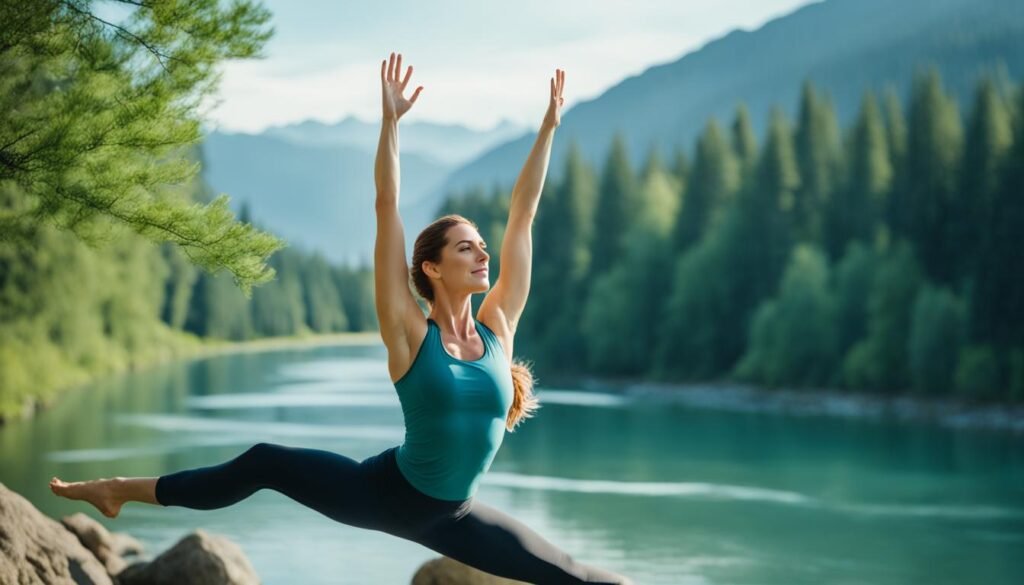
Yoga is an excellent practice for improving flexibility, which tends to decrease with age. By practicing different poses in yoga, you create space in your body, especially in your spine, improving nerve conduction to all the muscles in your body. This increased flexibility allows for greater mobility and ease in performing daily tasks.
Improving flexibility with yoga offers a range of benefits for overall well-being. Not only does it enhance physical performance and reduce the risk of injury, but it also promotes better posture and balance. The various yoga poses specifically designed to increase flexibility target different muscle groups, helping to stretch and lengthen tight muscles and improve joint mobility.
One of the main advantages of yoga for flexibility is its ability to improve the range of motion in your joints. Each yoga pose challenges your muscles and encourages them to lengthen, leading to increased flexibility over time. This increased range of motion can be especially beneficial for athletes, as it allows for better performance, decreased muscle soreness, and improved recovery.
In addition to physical benefits, yoga for flexibility also has a positive impact on mental and emotional well-being. The practice of yoga incorporates deep breathing and mindfulness, promoting relaxation and reducing stress levels. This mind-body connection helps to release tension and tightness in the muscles, further enhancing flexibility and promoting a sense of calm and ease.
By incorporating yoga poses specifically aimed at improving flexibility into your daily routine, you can experience the following benefits:
- Increased joint mobility and range of motion
- Enhanced athletic performance
- Reduced risk of injuries
- Better posture and balance
- Improved recovery and muscle soreness
- Release of tension and stress
Beginners can start with gentle stretches and gradually progress to more challenging poses as flexibility improves. It’s important to listen to your body and not push beyond your limits, as flexibility gains take time and patience. Remember, it’s not about achieving perfect poses, but rather embracing the journey and enjoying the process of becoming more flexible.
The Benefits of Yoga for Flexibility
Yoga is a powerful practice for improving flexibility, offering physical, mental, and emotional benefits. By incorporating yoga poses aimed at increasing flexibility, you can enhance joint mobility, reduce the risk of injuries, improve athletic performance, and experience a greater sense of relaxation and well-being.
To visualize the impact of yoga on flexibility, here is a table of commonly practiced yoga poses that target different muscle groups and promote improved flexibility:
| Yoga Pose | Main Muscle Group | Benefits |
|---|---|---|
| Forward Fold (Uttanasana) | Hamstrings, Lower Back, Calves | Stretches the backside of the body, enhances flexibility in the legs and spine |
| Downward-Facing Dog (Adho Mukha Svanasana) | Hamstrings, Shoulders, Upper Back | Lengthens and strengthens the back of the body, increases mobility in the shoulders and spine |
| Cobra Pose (Bhujangasana) | Core, Chest, Shoulders | Opens up the front of the body, stretches the abs, chest, and shoulders, improves spinal flexibility |
| Seated Forward Bend (Paschimottanasana) | Hamstrings, Spine | Targets the hamstrings and lower back, increases flexibility in the legs and spine |
| Bridge Pose (Setu Bandhasana) | Glutes, Hamstrings, Spine | Strengthens the glutes and hamstrings, improves flexibility in the spine and hips |
Yoga for Balance and Coordination
Yoga poses involve both the body and mind, making it an effective way to improve balance and coordination. By practicing transitions in yoga and staying fully attentive during different poses, you can maintain proper body alignment and improve balance as you age.
Yoga for Balance:
- Tree Pose
- Eagle Pose
- Warrior III Pose
- Dancer’s Pose
- Half Moon Pose
Benefits of Yoga for Balance:
- Enhances stability and equilibrium
- Strengthens muscles essential for balance
- Improves proprioception (awareness of body position in space)
- Reduces the risk of falls and injuries
- Promotes overall body coordination
“Yoga is not about touching your toes. It’s about what you learn on the way down.” – Judith Hanson Lasater
Many yoga poses focus on maintaining steady balance, such as Tree Pose and Eagle Pose. These poses require concentration, muscle engagement, and focus, helping to improve overall coordination. Through consistent practice, yoga can train the mind and body to work together, leading to enhanced balance and coordination in everyday activities.
| Yoga Pose | Description |
|---|---|
| Tree Pose (Vrksasana) | Stands on one leg with the other foot resting on the inner thigh or calf. Arms extended overhead with palms together. |
| Eagle Pose (Garudasana) | Wraps one leg around the other, with arms crossed at the elbows and palms pressed together. Balances on one leg. |
| Warrior III Pose (Virabhadrasana III) | Extends one leg back while keeping the torso parallel to the ground. Arms reach forward. |
| Dancer’s Pose (Natarajasana) | Stands on one leg while reaching the opposite arm forward to hold the foot behind the body. |
| Half Moon Pose (Ardha Chandrasana) | Balances on one leg while extending the other leg straight out to the side. One hand rests on the floor, with the other arm extended toward the ceiling. |
Yoga for Respiratory Health
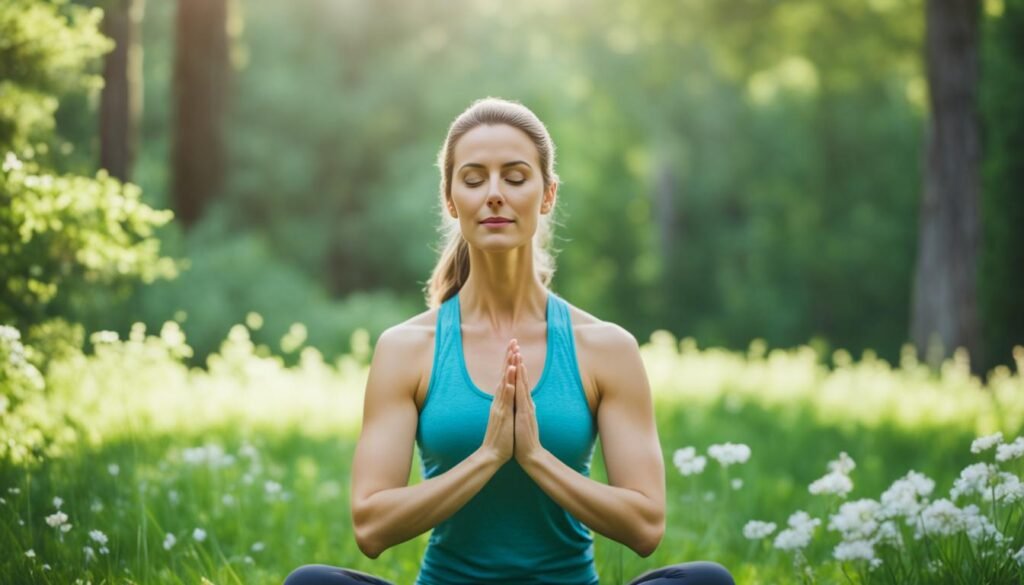
Yoga offers a range of benefits for respiratory health. The practice of yoga emphasizes proper breathing techniques, which can have a profound impact on the respiratory system.
One of the key components of yoga is pranayama, or yoga breathing exercises. By incorporating these exercises into your yoga practice, you can improve lung capacity and enhance overall respiratory function.
Deep breathing exercises in yoga help increase the capacity of the lungs, allowing them to take in more oxygen. This oxygen-rich air gets distributed to the cells in your body, supporting their optimal functioning. As a result, yoga can help improve energy levels and boost the immune system.
Pranayama exercises also focus on controlled breathing, which can be especially beneficial for individuals with respiratory conditions such as asthma or COPD. By practicing pranayama regularly, you can strengthen the respiratory muscles, bringing about a sense of calm and reducing the frequency and severity of respiratory symptoms.
Benefits of Yoga for Breathing:
- Improved lung capacity: By incorporating deep breathing exercises into your yoga practice, you can increase your lung capacity, allowing you to take in more oxygen with each breath.
- Enhanced respiratory function: Yoga promotes overall respiratory health by improving the efficiency of the lungs and enhancing the oxygenation of the body’s cells.
- Boosted immune system: The increased oxygen flow resulting from yoga breathing exercises can help strengthen the immune system, supporting overall health and wellness.
- Reduced respiratory symptoms: Individuals with respiratory conditions can benefit from yoga’s focus on controlled breathing, which can help alleviate symptoms and improve overall lung function.
By incorporating pranayama yoga into your regular yoga practice, you can improve your lung capacity, enhance respiratory function, and promote overall respiratory health.
Yoga for Strength and Muscle Tone
Yoga is not only about flexibility and relaxation. It is also a powerful practice for building strength and muscle tone. Through a combination of dynamic poses, holds, and flows, yoga challenges your muscles and helps you cultivate both physical and mental strength.
One of the key benefits of yoga for strength is the engagement of your muscles in isometric contractions. Poses like Plank, Chaturanga, and Chair Pose require you to hold your body weight, activating and strengthening your core, arms, and legs.
Ashtanga yoga, in particular, is known for its ability to enhance strength and flexibility. This vigorous style of yoga combines dynamic movements with controlled breathing, resulting in improved muscular endurance and stamina. The challenging sequences and transitions in Ashtanga yoga work your entire body, building both strength and flexibility simultaneously.
Along with building physical strength, yoga also promotes stability and balance. Many yoga poses require you to engage your core and activate small stabilizing muscles, which are often neglected in traditional strength training exercises.
By integrating yoga into your fitness routine, you can achieve a well-rounded workout that targets not only the superficial muscles but also the deep stabilizers. This holistic approach to strength training can help prevent injuries, improve overall body stability, and support better alignment.
Moreover, yoga for muscle tone goes beyond the physical aspect. It also strengthens your mental and emotional resilience. Yoga teaches you to stay present, breathe through discomfort, and overcome challenges on the mat. These mental qualities transfer to other areas of life, allowing you to approach obstacles with a sense of calm and confidence.
“Yoga is not about self-improvement, it’s about self-acceptance.”
Ultimately, yoga for strength and muscle tone brings both physical and mental benefits. By incorporating a variety of yoga poses that target different muscle groups, you can enhance your overall strength, cultivate a toned physique, and develop a resilient mindset.
Yoga for Skin Health

Regular practice of yoga offers a range of benefits for skin health. By incorporating yoga into your routine, you can achieve glowing, rejuvenated skin while minimizing the signs of aging.
One of the key ways yoga benefits the skin is by reducing the signs of stress. Stress can have negative effects on the skin, leading to breakouts, inflammation, and dullness. Yoga helps alleviate stress, promoting a calmer mind and healthier complexion.
Yoga also relaxes facial muscles, which can help reduce the appearance of wrinkles and fine lines. By practicing specific yoga poses targeting the face and neck, you can release tension and promote a more youthful, relaxed look.
Improved blood circulation is another significant benefit of yoga for skin health. When you engage in yoga, you stimulate blood flow throughout the body, delivering vital nutrients and oxygen to the skin cells. This increased blood circulation helps rejuvenate the skin, enhancing its overall appearance.
Regular yoga practice can also help maintain the elasticity and firmness of the skin. As we age, the skin naturally loses its elasticity, leading to sagging and wrinkles. However, by practicing yoga poses that focus on stretching and toning, you can support collagen production and promote skin firmness.
Notably, yoga promotes overall well-being, and radiant skin is often a reflection of inner health. By relieving stress, promoting relaxation, and boosting the body’s natural healing process, yoga can contribute to healthy, glowing skin from the inside out.
Remember, consistency is key when incorporating yoga into your skincare routine. Aim for regular practice to experience the full benefits and maintain your skin’s health and vitality.
The Benefits of Yoga for Skin Health:
- Reduces signs of stress on the skin
- Relaxes facial muscles and reduces wrinkles
- Improves blood circulation to deliver essential nutrients
- Maintains skin elasticity and firmness
- Promotes overall well-being and radiance
Yoga Poses for Musculoskeletal Health
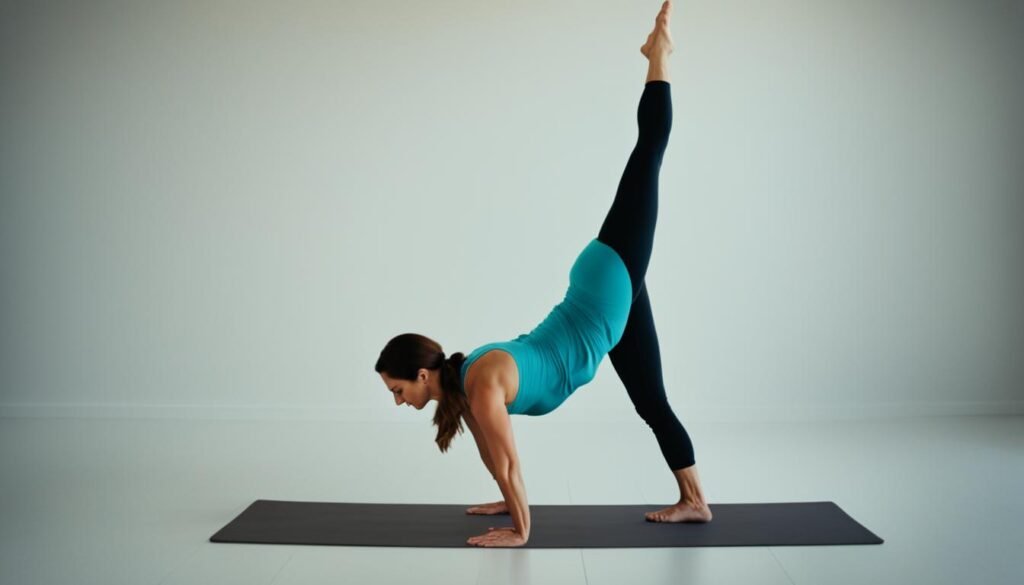
As we age, musculoskeletal issues become more common. It is essential to take proactive steps to maintain healthy bones and muscles, preventing problems such as stiffness, loss of flexibility, and a decline in bone density. Yoga poses offer an effective way to improve musculoskeletal health and keep your body strong and flexible.
Here are some yoga poses that can help improve musculoskeletal health:
- Tree Pose: This pose helps improve stability, balance, and leg strength. It also encourages proper alignment and strengthens the ankles, knees, and hips.
- Warrior Two Pose: This pose targets the legs, hips, and arms, improving lower body strength and stability. It also stretches the chest and shoulders, promoting good posture.
- Sphinx Pose: This gently backbending pose stretches the spine, chest, and shoulders. It helps relieve tension in the back and promotes healthy spine alignment.
- Downward Facing Dog: This pose stretches the entire body, including the arms, shoulders, hamstrings, calves, and arches of the feet. It helps strengthen the upper body and lengthen the spine.
- Plank Pose: This pose engages the core muscles, helping to strengthen the abdominal muscles, arms, shoulders, and spine. It also improves overall body stability.
- Boat Pose: This pose targets the abdominal muscles, hip flexors, and lower back. It strengthens the core and improves balance and posture.
- Half Lord of the Fishes: This twisting pose stretches the spine, shoulders, and hips. It improves spinal mobility and digestion while promoting healthy circulation.
By incorporating these yoga poses into your regular practice, you can enhance musculoskeletal health, support healthy bones and muscles, and prevent age-related issues. Remember to practice under the guidance of a qualified yoga instructor and choose variations that are suitable for your body.
Yoga Poses for a Youthful Appearance
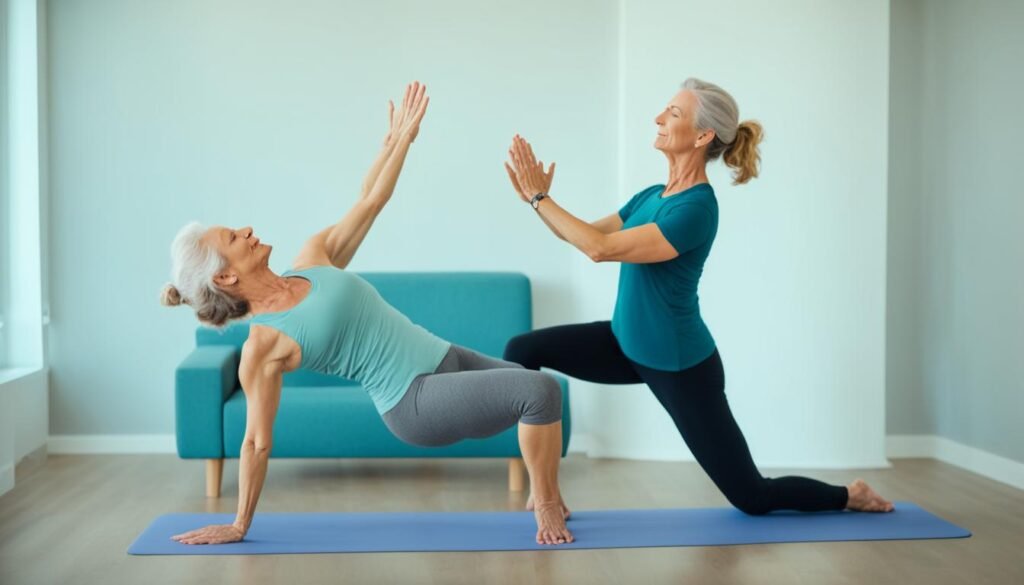
Certain yoga poses can contribute to a youthful appearance by promoting blood circulation, reducing stress, and improving overall well-being. These rejuvenating yoga poses can help you maintain a youthful glow, enhancing your beauty from the inside out.
Fish Pose
The Fish Pose, also known as Matsyasana, stretches the throat, neck, and chest, promoting a healthy thyroid and stimulating the facial muscles. This pose also helps reduce tension in the upper body and improves posture.
Camel Pose
The Camel Pose, or Ustrasana, opens up the chest and stretches the neck, providing a natural facelift effect. It also stimulates the digestive system and energizes the mind, promoting a radiant appearance.
Cobra Pose
Known as Bhujangasana, the Cobra Pose strengthens the spine and improves circulation, which can result in a more youthful complexion. This pose also stimulates the digestive system and helps relieve stress and fatigue.
Shoulder Stand
Salamba Sarvangasana, or the Shoulder Stand, increases blood flow to the face and scalp, promoting healthy hair growth and reducing the appearance of fine lines. It also stimulates the thyroid gland and improves digestion.
Legs-Up-The-Wall Pose
Also called Viparita Karani, the Legs-Up-The-Wall Pose improves blood circulation and relaxes the body, leading to a rejuvenating effect. This pose helps reduce swelling and puffiness in the legs and face, leaving you looking refreshed and revitalized.
By incorporating these yoga poses into your regular practice, you can enhance your natural beauty and maintain a youthful appearance. Remember to listen to your body and modify the poses as needed. Happy yoga-ing!
Conclusion
In conclusion, regular yoga practice offers a myriad of anti-aging benefits that can greatly enhance your overall well-being. By incorporating various yoga poses into your routine, you can experience improved flexibility, balance, strength, respiratory health, and skin health.
Yoga helps to maintain a youthful appearance by promoting blood circulation, reducing stress, and nourishing the skin with essential nutrients. It also plays a vital role in promoting graceful aging, allowing you to defy the effects of time and maintain a sense of vitality as you grow older.
Furthermore, yoga is not only a physical practice but also a mental and spiritual one. It cultivates a sense of mindfulness, helping you to stay present and navigate the challenges of aging with grace and resilience. The importance of regular yoga practice for healthy aging cannot be overstated, as it not only benefits your physical body but also nurtures your mental and emotional well-being.
FAQ
What are the best yoga poses for anti-aging?
Maintaining a feeling of youth, even as you age, requires a flexible spine. So in order to stay agile, forward bends, backbends, and twists should be a regular part of your practice.
How does yoga improve bone health?
Yoga improves bone strength, which is crucial for maintaining healthy bones as you age. A study published in Topics in Geriatric Rehabilitation showed that participants who did 12 specified yoga postures each day experienced improvements in their bone density. Yoga also helps in maintaining flexibility, which is important for preventing falls and injuries.
How does yoga enhance flexibility?
Yoga is an excellent practice for improving flexibility, which tends to decrease with age. By practicing different poses in yoga, you create space in your body, especially in your spine, improving nerve conduction to all the muscles in your body. This increased flexibility allows for greater mobility and ease in performing daily tasks.
Can yoga improve balance and coordination?
Yes, yoga poses involve both the body and mind, making it an effective way to improve balance and coordination. By practicing transitions in yoga and staying fully attentive during different poses, you can maintain proper body alignment and improve balance as you age.
How does yoga benefit respiratory health?
Yoga focuses on proper breathing techniques, which can have a positive impact on respiratory health. Deep breathing exercises in yoga increase the capacity of the lungs, provide more oxygen to the cells, and boost the immune system. This can help combat the loss of lung capacity that often occurs with age.
Does yoga help in building strength?
Yes, yoga not only improves the physical strength of the body but also enhances mental and emotional strength. The practice of yoga strengthens the muscles, protects the bones and joints from injury, and promotes overall body stability. Ashtanga yoga, in particular, is known for its ability to improve strength and flexibility.
How does yoga benefit skin health?
Yoga has been found to have positive effects on skin health. It helps reduce the signs of stress, relaxes facial muscles, and improves blood circulation, delivering essential nutrients to the skin cells. Regular practice of yoga can help maintain the elasticity and glow of the skin, minimizing the appearance of wrinkles and fine lines.
How does yoga contribute to musculoskeletal health?
As we age, musculoskeletal issues become more common. Yoga poses can help maintain healthy bones and muscles, preventing problems such as stiffness, loss of flexibility, and bone density decline. Tree Pose, Warrior Two Pose, Sphinx Pose, Downward Facing Dog, Plank Pose, Boat Pose, and Half Lord of the Fishes are some effective yoga poses for musculoskeletal health.
Can yoga help in achieving a youthful appearance?
Certain yoga poses can contribute to a youthful appearance by promoting blood circulation, reducing stress, and improving overall well-being. Poses like Fish Pose, Camel Pose, Cobra Pose, Shoulder Stand, and Legs-Up-The-Wall Pose are known for their rejuvenating effects on the body and mind, helping to maintain a youthful glow.
What are the overall benefits of yoga for anti-aging?
Yoga offers numerous benefits for anti-aging, including improved flexibility, balance, strength, respiratory health, and skin health. Regular practice of yoga can help maintain a youthful appearance and promote graceful aging. By incorporating various yoga poses into your routine, you can defy the effects of time and cultivate a sense of well-being.