Did you know that the timing of your laser skin treatments can significantly impact their effectiveness and safety?
When it comes to laser skin procedures, choosing the right time is crucial for achieving optimal results. The best time to have laser treatments is during the fall and winter months, when the sun is not too bright overhead.
Sun exposure and heat can increase the risk of side effects such as hyperpigmentation and hypopigmentation. By protecting the skin from the sun for 4-6 weeks before and after the treatment, you can minimize these risks and ensure the best possible outcome.
So, when is the best time to get laser skin treatments? Let’s explore why fall and winter are considered the ideal seasons for laser procedures.
Key Takeaways:
- The best time for laser skin treatments is during the fall and winter months.
- Sun exposure and heat increase the risk of side effects.
- Protect the skin from the sun for 4-6 weeks before and after the treatment.
- Fall and winter provide an optimal healing environment.
- Starting treatments in the fall allows for completion before spring, ensuring optimal results.
Why Fall and Winter Are Ideal for Laser Treatments
The best time to start laser skin treatments is during the fall and winter months. Choosing the right time for laser skin therapy is crucial for optimal results. Let’s explore why fall and winter are considered the optimal seasons for laser treatments.
One of the main reasons fall and winter are ideal for laser treatments is the reduced sun exposure. During these seasons, the days are shorter, allowing less direct sunlight on the skin. Sun exposure is a significant concern when it comes to laser treatments, as it can increase the risk of side effects such as hyperpigmentation and hypopigmentation. By opting for laser treatments in the fall or winter, you minimize the possibility of sun-related complications.
The cooler temperatures during fall and winter also create a better healing environment for laser-treated skin. The lower temperatures reduce the risk of irritation and help soothe the skin during the recovery process. Additionally, tanned skin does not respond well to lasers. Winter is the perfect time to undergo laser treatment as the skin has had sufficient time to fade any summer tan, making it more receptive to the laser energy.
Another benefit of laser treatments in winter is the hydrating boost they provide to dry skin. The cold weather can often leave our skin feeling dry and dehydrated. Laser treatments can help rejuvenate the skin and restore its natural hydration levels, giving you a healthy and glowing complexion.
Now that we understand why fall and winter are the optimal seasons for laser treatments, let’s explore the different types of laser treatments recommended during this time.
Recommended Laser Treatments for Fall and Winter
When it comes to fall and winter laser treatments, there are several options that can address various skin concerns and provide optimal results. Whether you want to improve skin texture, reduce unwanted hair, or enhance your overall skin tone, these recommended laser treatments are effective choices for the colder months.
Pearl and Pearl Fractional for Skin Resurfacing
Pearl and Pearl Fractional laser treatments are excellent options for skin resurfacing during fall and winter. These procedures utilize fractional laser technology to address fine lines, wrinkles, acne scars, and sun damage. By stimulating collagen production and promoting skin rejuvenation, Pearl and Pearl Fractional can help you achieve smoother, more youthful-looking skin.
Laser Hair Reduction for Long-lasting Hair Removal
If you’re tired of dealing with unwanted hair, fall and winter are ideal times for laser hair reduction treatments. This procedure targets hair follicles, damaging them to inhibit future hair growth. With multiple sessions, you can achieve long-lasting results and enjoy smooth, hair-free skin all year round.
IPL for Improving Skin Tone and Reducing Photodamage
IPL (Intense Pulsed Light) treatments are highly effective at improving skin tone, reducing photodamage, and diminishing the appearance of age spots and sunspots. Fall and winter are the perfect seasons to undergo IPL, as it can help repair any sun damage caused during the summer months and leave you with a more even, radiant complexion.
Chemical Peels for Skin Rejuvenation
Chemical peels can work wonders for rejuvenating your skin during fall and winter. By applying a solution to remove the top layer of dead skin cells, chemical peels promote the growth of new, healthier skin. This results in a refreshed, more youthful appearance. Talk to your skincare specialist to determine the type and strength of chemical peel that best suits your skin concerns.
Obaji Skincare Products for Enhanced Results
In conjunction with laser treatments, using Obaji skincare products can significantly enhance your results. Obaji offers a range of high-quality products formulated to target specific skin concerns, such as fine lines, hyperpigmentation, and uneven skin tone. Incorporating Obaji products into your skincare routine can help maintain and maximize the benefits of your laser treatments.
| Laser Treatment | Skin Concern |
|---|---|
| Pearl and Pearl Fractional | Skin resurfacing, fine lines, wrinkles, acne scars, sun damage |
| Laser Hair Reduction | Unwanted hair removal |
| IPL (Intense Pulsed Light) | Skin tone improvement, photodamage, age spots, sunspots |
| Chemical Peels | Skin rejuvenation, dead skin cell removal |
| Obaji Skincare Products | Enhancing laser treatment results |
Starting your laser treatment series in the fall allows for completion before spring, ensuring exciting results just in time for the warmer weather. Consult with your skincare specialist to determine the best laser treatments for your specific concerns and begin your journey to healthier, more radiant skin.
Benefits of Winter Laser Treatments
Winter laser treatments offer several advantages that make them an excellent choice for improving your skin. The colder temperatures and reduced sun exposure provide a comfortable environment for healing and minimize the risk of side effects. Let’s explore the key benefits of undergoing laser treatments during the winter season.
1. Minimize Sun Exposure
During laser treatment, it is crucial to protect the skin from sun exposure to prevent complications such as hyperpigmentation or hypopigmentation. Winter is an ideal time for laser procedures because the sun’s intensity is lower, allowing you to stay out of direct sunlight without feeling deprived of outdoor activities. This reduced sun exposure ensures a more controlled healing process, leading to optimal results.
2. Cooler Temperatures Aid Healing
The cool winter temperatures provide an optimal healing environment for laser-treated skin. Cold weather helps reduce redness, swelling, and discomfort, promoting faster recovery. Since you won’t be sweating as much during winter months, there is less risk of irritation or infection, allowing your skin to heal more efficiently.
3. Ideal for Tanned Skin
Winter is an excellent time for laser treatments if you have recently been exposed to the sun and have a tan. Tanned skin is less responsive to lasers as the increased melanin content can interfere with the laser’s targeting. By choosing winter for your laser skin treatments, you ensure that any residual tan has faded, allowing the laser to effectively target and treat your skin concerns.
4. Hydration Boost for Dry Skin
Winter months often bring dry, dehydrated skin. Laser treatments can provide a much-needed boost of hydration to combat the effects of cold winds and indoor heating. Laser procedures stimulate blood circulation, promoting nutrient delivery to the skin and triggering the production of collagen. This helps improve skin texture, tone, and overall hydration, leaving you with a vibrant and rejuvenated appearance.
With the benefits of reduced sun exposure, optimal healing conditions, improved efficacy on untanned skin, and added hydration, winter is a fantastic time to invest in laser treatments for your skin. Take advantage of the colder months to achieve the best results and welcome spring with fresh, vibrant skin.
When to Start Laser Treatments for the Skin

The age to start laser treatments depends on the specific concern being targeted. Conditions like port wine stains can be treated during infancy, acne scarring in teens, and superficial wrinkles as early as the 20s or 30s. It is important to consult with a skincare specialist to determine if a specific treatment is suitable for your condition and age.
Factors such as skin type and the time of year should also be considered when determining the right time for laser treatments. For example, laser treatments may be more effective on certain skin types, and the fall and winter months are often recommended for laser procedures due to reduced sun exposure and cooler temperatures.
By consulting with a skincare specialist, you can receive personalized advice on the best timing for your laser treatments, taking into account your specific needs, concerns, and skin characteristics.
Remember, determining the right time for laser treatments is crucial for achieving optimal results and ensuring the safety and effectiveness of the procedure.
| Concern | Recommended Age for Laser Treatments |
|---|---|
| Port Wine Stains | Infancy and early childhood |
| Acne Scarring | Teenage years |
| Superficial Wrinkles | 20s or 30s |
Considerations for Laser Treatments
Before undergoing laser treatments, it is crucial to take various factors into consideration to ensure the best possible results and minimize potential risks. Here are some key considerations:
- Medical Conditions: Any existing medical conditions that may affect wound healing should be discussed with a healthcare professional. Conditions such as diabetes, autoimmune disorders, or a history of keloid formation may require special attention.
- Recent Isotretinoin Use: If you have recently taken isotretinoin (Accutane), it is essential to inform your healthcare provider, as this medication can affect the skin’s healing process and increase the risk of complications.
- Infection or Inflammation: Active infection or inflammation in the area to be treated may interfere with the safety and effectiveness of laser treatments. It is advisable to postpone the procedure until the infection or inflammation subsides.
- Vitiligo History: Individuals with a history of vitiligo, a skin condition characterized by the loss of pigmentation, should consult with a dermatologist or laser specialist before undergoing laser treatments.
Having realistic expectations is also important when considering laser treatments. While significant improvements can be achieved, major changes may require multiple sessions. It is essential to discuss your goals and desired outcomes with your healthcare provider to set realistic expectations.
Another crucial consideration is your skin type. Different laser treatments are suitable for specific skin types and concerns. Your healthcare provider will assess your skin and recommend the most appropriate laser treatment based on your individual needs.
Lastly, the time of year can also impact the suitability of laser treatments. As discussed in Section 1, fall and winter are often considered the optimal time for laser skin treatments due to reduced sun exposure. However, it is essential to consult with your healthcare provider to determine the most suitable timing for your specific treatment.
Laser Treatments and Sun Exposure

Sun exposure is a crucial factor to consider when undergoing laser skin treatments. Both pre and post-treatment sun exposure can have a significant impact on the outcome and safety of the procedure. Sun exposure before or after laser treatments can increase the risk of side effects such as hyperpigmentation and hypopigmentation.
To ensure the best results and minimize potential complications, it is recommended to protect the skin from the sun for 4-6 weeks before and after the treatment. This includes avoiding prolonged sun exposure, wearing sunscreen with a high SPF, and using sun-protective clothing, such as hats and sunglasses.
It is important to note that laser treatments can make the skin more sensitive to the sun’s harmful rays. Therefore, maintaining sun protection practices even after the recommended timeframe is crucial to avoid any potential long-term damage or pigmentation issues.
By adhering to these sun protection guidelines, you can enhance the effectiveness of your laser treatments and ensure a safe and successful outcome.
Importance of Sun Protection after Laser Treatments
| Benefits of Sun Protection | Risks of Sun Exposure |
|---|---|
| – Minimizes the risk of hyperpigmentation | – Increased risk of hyperpigmentation |
| – Helps maintain the desired skin tone and texture | – Potential for hypopigmentation |
| – Preserves the longevity of treatment results | – Delayed healing and prolonged recovery |
| – Reduces the risk of long-term sun damage | – Enhanced risk of skin cancer |
Ensuring adequate sun protection after laser treatments is essential to safeguard both the investment you’ve made in your skin and your long-term skin health. By following these simple steps, you can enjoy the full benefits of your laser treatments and maintain a radiant and healthy complexion.
Laser Treatment Series
When it comes to laser treatments, some procedures require multiple sessions to achieve optimal results. Laser treatments like Pearl and Pearl Fractional are often performed as a series to ensure the best possible outcome. Similarly, procedures such as laser hair reduction and IPL (Intense Pulsed Light) also involve multiple sessions for maximum effectiveness.
The timing between each session can vary, typically ranging from 4 to 6 weeks. This interval allows for proper healing and allows the skin to recover before the next treatment. By spacing out the sessions, we can ensure that each treatment is most effective and has the desired impact.
Completing a laser treatment series is particularly beneficial when started in the fall. By initiating the series during autumn, it allows sufficient time to complete the sessions before spring arrives. This strategic timing ensures that you can fully enjoy the results of your laser treatments when the warmer weather arrives.
For those considering laser treatments, embarking on a series can provide the desired outcomes. Whether it’s achieving smoother, rejuvenated skin with Pearl or permanent hair reduction with laser hair treatments, completing the series allows for comprehensive and long-lasting results. Consult with a skincare specialist to determine which laser treatment series is suitable for your specific needs and skin concerns.
Laser Treatments for Different Skin Concerns
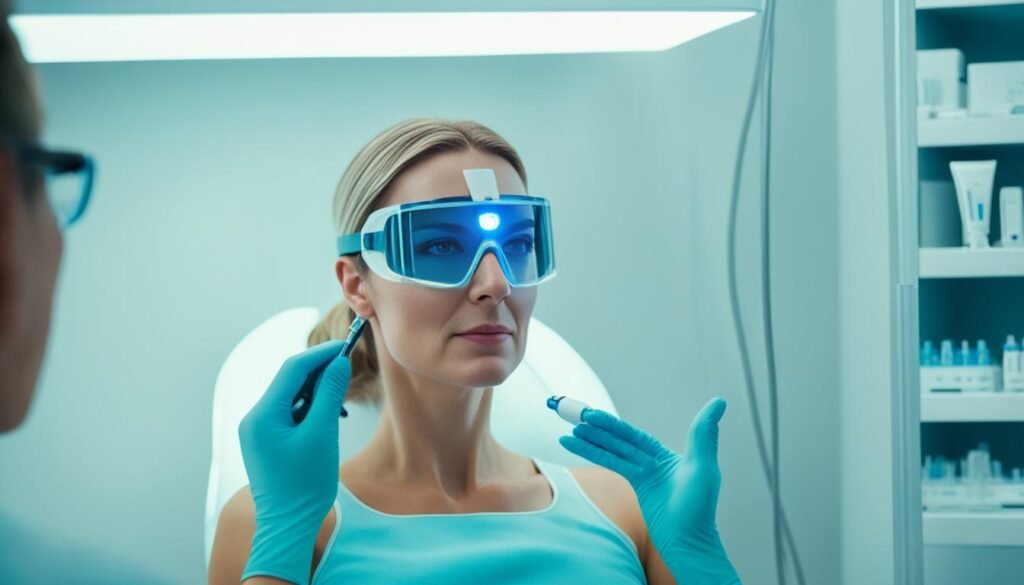
Laser treatments offer effective solutions for addressing various skin concerns, such as fine lines, wrinkles, sun damage, acne scars, and discoloration. These treatments harness the power of focused light energy to target specific areas of the skin, stimulating collagen production, improving texture, and enhancing overall complexion.
When it comes to tackling fine lines and wrinkles, laser resurfacing treatments are often recommended. These procedures use ablative lasers to remove the outer layers of damaged skin, revealing fresher, smoother skin underneath. This result is achieved by promoting collagen production, which helps to reduce the appearance of fine lines and wrinkles.
For those dealing with sun damage, laser treatments can be highly beneficial. Sun damage, such as brown spots, freckles, and uneven skin tone, can be effectively treated with laser technologies that specifically target pigmented areas. These lasers work by breaking down excess melanin, leading to a more even and radiant complexion.
Clear + Brilliant is an example of a gentle laser treatment suitable for individuals in their 20s or 30s who are concerned with early signs of aging, such as fine lines and mild sun damage. This treatment provides a gentle resurfacing effect, improving skin texture and tone while enhancing overall skin clarity.
Treatment Comparison for Different Skin Concerns
| Treatment | Skin Concerns Addressed | Recovery Time |
|---|---|---|
| Laser Resurfacing | Fine lines, wrinkles | 7-10 days |
| IPL Photofacial | Sun damage, discoloration | 1-3 days |
| Fraxel Laser | Acne scars, uneven texture | 7-10 days |
| Vascular Laser | Facial redness, broken blood vessels | 1-2 days |
It is important to consult with a qualified dermatologist or skincare specialist to determine the most suitable laser treatment for your specific skin concerns and goals. They will assess your skin condition, discuss treatment options, and create a personalized plan tailored to your needs.
Conclusion
Laser skin treatments offer a versatile solution for various skin concerns, such as fine lines, wrinkles, sun damage, acne scars, and discoloration. While these treatments can be done throughout the year, the fall and winter seasons are considered the optimal time due to reduced sun exposure and cooler temperatures.
With less sun overhead, there is a lower risk of side effects like hyperpigmentation and hypopigmentation, making fall and winter the ideal time to undergo laser treatments. The cooler temperatures also provide an optimal healing environment, ensuring a comfortable and effective treatment experience.
Starting laser treatments in the fall allows for completion before spring, so you can enjoy the best possible results when warmer weather arrives. However, it is crucial to consult with a skincare specialist to determine the right treatment and timing based on your individual needs and concerns. They can guide you on the most suitable laser treatment and create a personalized treatment plan.
Whether you want to address specific skin concerns or simply refresh your complexion, laser skin treatments offer a safe and effective way to achieve your desired results. Optimize your treatment experience and outcome by considering the fall and winter seasons and consulting with a skincare specialist for expert guidance.
FAQ
What is the best time for laser skin treatments?
The best time for laser skin treatments is during the fall and winter months when the sun is not too bright overhead. Fall and winter provide a better healing environment and reduce the risk of side effects like hyperpigmentation and hypopigmentation.
Why are fall and winter considered ideal for laser treatments?
Fall and winter are considered ideal for laser treatments because the days are shorter, allowing less sun exposure. The cooler temperatures provide a better healing environment and reduce the risk of irritation. Tanned skin also does not respond well to lasers, making winter the best time to undergo treatment.
What are some recommended laser treatments for fall and winter?
Some recommended laser treatments for fall and winter include Pearl and Pearl Fractional for skin resurfacing, laser hair reduction for long-lasting hair removal, and IPL for improving skin tone and reducing photodamage. Chemical peels and Obaji skincare products can also be beneficial during this time.
What are the benefits of winter laser treatments?
Winter laser treatments offer several benefits, such as the ability to stay out of the sun during the healing process. The cooler temperatures provide a comfortable environment for healing, while tanned skin is less responsive to lasers. Laser treatments in winter can also provide a hydrating boost to dry skin, stimulating circulation and promoting collagen production.
When is the best time to start laser treatments for the skin?
The timing to start laser treatments for the skin depends on the specific concern being targeted. Conditions like port wine stains can be treated during infancy, acne scarring in teens, and superficial wrinkles as early as the 20s or 30s. Consultation with a skincare specialist is essential to determine the right time based on individual needs and concerns.
What factors should be considered before undergoing laser treatments?
Several factors should be considered before undergoing laser treatments, including any medical conditions that may affect wound healing, history of keloid formation, recent isotretinoin use, active infection or inflammation in the treatment area, and vitiligo history. It is important to have realistic expectations and understand that major changes may require multiple sessions. Skin type and the time of year can also impact treatment options.
Can sun exposure affect laser treatments?
Yes, sun exposure before or after laser treatments can increase the risk of side effects such as hyperpigmentation and hypopigmentation. It is recommended to protect the skin from the sun for 4-6 weeks before and after the treatment. This includes avoiding prolonged sun exposure, wearing sunscreen, and using sun-protective clothing.
How many sessions are needed for laser treatments?
The number of sessions needed for laser treatments can vary depending on the specific treatment and concern being addressed. Some treatments, like Pearl and Pearl Fractional, are done as a series to achieve optimal results. The timing between sessions can range from 4-6 weeks. Starting the treatment series in the fall allows for completion before spring, ensuring the best possible results.
What skin concerns can laser treatments target?
Laser treatments can target various skin concerns, including fine lines, wrinkles, sun damage, acne scars, and discoloration. The recommended laser treatment will depend on the specific concern being addressed. The age of the individual and their skin type are also factors to consider when selecting the appropriate treatment.