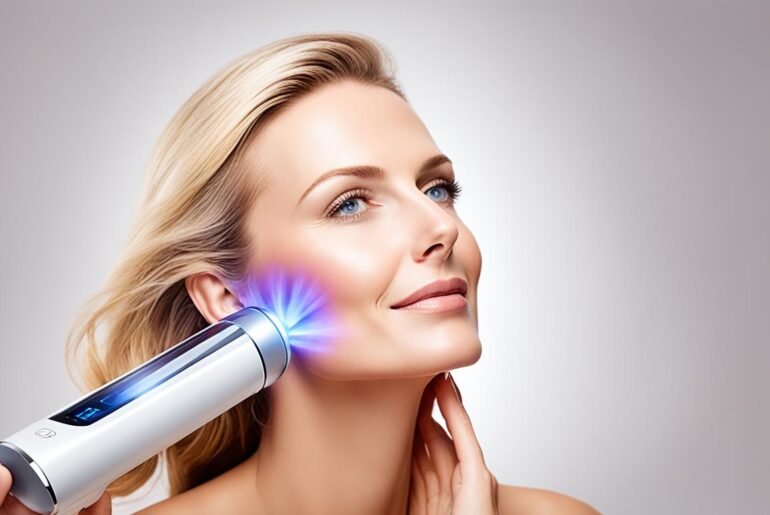
Did you know that laser skin treatments can provide remarkable benefits for a wide range of skin concerns? From acne and wrinkles to scars and pigmentation, laser skin resurfacing offers a precise and effective solution for rejuvenating your complexion. By removing skin layer by layer with precision, these treatments stimulate the growth of new skin cells, resulting in a tighter and younger-looking surface.
Choosing the right laser treatment for your specific needs is crucial, as different types of lasers offer unique advantages. Whether it’s CO2, erbium, neodymium Yag, or fractional lasers, each one is selected based on individual needs and skin types. Consulting with a dermatologist can help determine if you are a good candidate for laser resurfacing and provide you with a thorough understanding of the potential risks and benefits.
Key Takeaways:
- Laser skin treatments can effectively address various skin concerns, including acne, wrinkles, scars, and pigmentation.
- Different types of lasers, such as CO2, erbium, and neodymium Yag, offer unique advantages for personalized treatment.
- Consulting with a dermatologist is essential to determine if you are a good candidate for laser resurfacing and discuss potential risks and benefits.
- Laser skin treatments stimulate the growth of new skin cells, resulting in a tighter and younger-looking complexion.
- Understanding the different types of lasers and their suitability for different skin types is crucial for achieving optimal results.
Who Can Benefit from Laser Skin Treatments?
Laser skin treatments are highly beneficial for individuals who are dealing with various skin concerns that have not been effectively addressed by over-the-counter products. These treatments offer effective solutions for:
- Wrinkles: Laser skin treatments can reduce the appearance of fine lines and wrinkles, helping to smoothen and rejuvenate the skin.
- Age spots: If you have age spots or sun spots caused by prolonged sun exposure, laser treatments can target and lighten these pigmented areas.
- Acne scars: Whether you have mild or moderate acne scars, laser skin treatments can help improve their appearance, making the skin smoother and more even-toned.
- Uneven skin tone: Laser resurfacing can even out your skin tone by targeting areas of hyperpigmentation or discoloration, revealing a more balanced complexion.
- Sagging skin: Laser skin treatments can also improve the firmness and elasticity of sagging skin, providing a more youthful and lifted appearance.
However, it is important to note that the success of laser skin treatments depends on the expertise of the practitioner. It is crucial to choose a qualified dermatologist or plastic surgeon who has experience in performing laser resurfacing. Additionally, the effectiveness of the treatment may vary based on skin tone. To ensure the best results, it is recommended to consult with a physician or dermatologist who understands the different types of lasers and their effects on different skin tones.
Types of Laser Skin Treatments
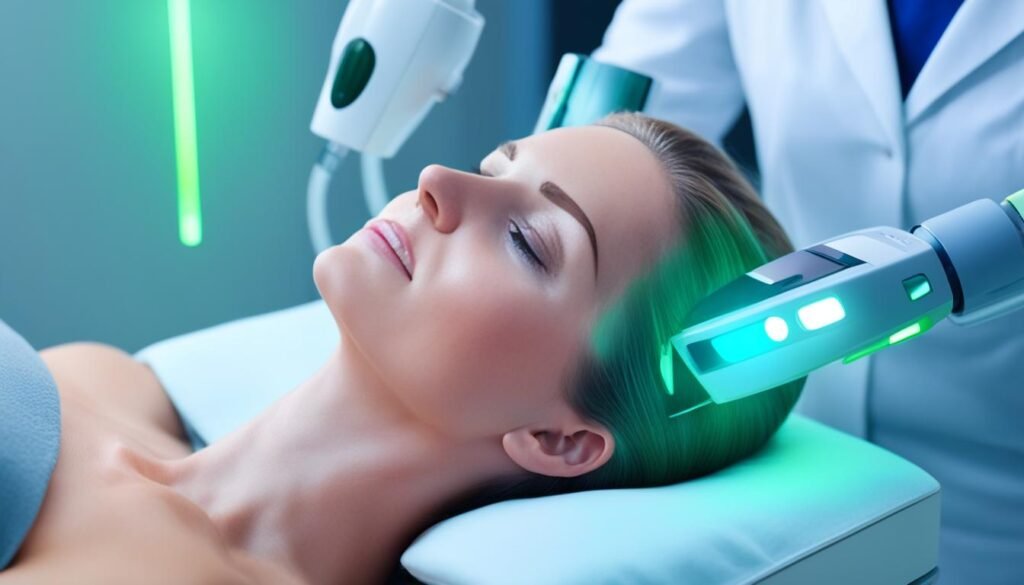
When it comes to laser skin treatments, there are several options available to address different skin concerns. Each type of treatment utilizes specific lasers to target and improve various skin conditions. Let’s explore some of the most common types:
CO2 Laser Resurfacing
CO2 laser resurfacing, also known as ultrapulse, is highly effective in treating wrinkles, scars, warts, and enlarged oil glands. This treatment removes thin layers of skin with minimal heat damage, resulting in smoother and rejuvenated skin.
Erbium Laser Resurfacing
For surface-level and moderately deep lines and wrinkles, erbium laser resurfacing is a popular choice. This treatment minimizes side effects such as swelling and redness while delivering excellent results in improving skin texture and tone.
Neodymium Yag Laser
Individuals with darker skin tones can benefit from neodymium Yag laser treatments. This laser is utilized for various purposes like hair removal, tattoo removal, birthmark removal, inflammatory acne treatment, hyperpigmentation reduction, and vascular reduction.
Pulse-Dye Lasers
Pulse-dye lasers are effective in treating skin issues related to blood vessels. They can address concerns such as redness, hyperpigmentation, broken capillaries, and rosacea, providing a more even and clearer complexion.
Fractional Lasers
Fractional lasers are ideal for targeting specific areas of the skin, treating age-related blemishes, hyperpigmentation, acne scars, and wrinkles. By stimulating collagen production and targeting specific skin concerns, fractional lasers can improve skin texture and tone.
IPL (Intense Pulsed Light)
Although not technically a laser, IPL is often used to treat similar skin issues. It utilizes light energy to target specific colors in the skin, making it effective for addressing various concerns such as pigmentation, redness, and vascular lesions.
As you can see, each type of laser skin treatment offers unique benefits and targets specific skin concerns. It’s important to consult with a dermatologist or skincare specialist to determine which type of laser treatment is best suited for your individual needs and desired outcomes.
Preparing for Laser Skin Treatments
Before undergoing laser skin treatments, it is important to adequately prepare your skin and follow certain guidelines. This ensures that the procedure is safe and effective for you. Here are some essential steps to take before your laser resurfacing treatment:
- Evaluation of Medical History: Your dermatologist will assess your medical history to determine if you are a suitable candidate for laser skin treatments. It is crucial to provide accurate information about any existing medical conditions, allergies, or previous skin treatments to minimize potential risks.
- Skin Preparation: On the day of the treatment, your skin will be thoroughly cleansed to remove any dirt, oils, or makeup. This helps create a clean surface for the laser to work effectively.
- Topical Anesthetic: Depending on the type of laser resurfacing being performed and your pain tolerance, a topical anesthetic may be applied to numb the treatment area. This helps minimize pain or discomfort during the procedure.
- Sun Exposure: It is advised to avoid excessive sun exposure in the weeks leading up to your laser treatment. Prolonged sun exposure can make your skin more sensitive and increase the risk of complications post-treatment. If you have unavoidable sun exposure, make sure to apply a broad-spectrum sunscreen with a high SPF to protect your skin.
- Smoking: It is highly recommended to quit smoking at least two weeks before and after the laser treatment. Smoking can negatively affect your skin’s healing process, increasing the risk of complications and delaying recovery time.
- Medication: Certain medications, such as aspirin or vitamin E, can affect blood clotting and increase the risk of bleeding during and after the procedure. Your doctor will advise you on which medications to avoid in the days leading up to your laser treatment.
- Antiviral Medication: If you are prone to cold sores or fever blisters, your doctor may prescribe antiviral medication to reduce the risk of outbreaks during the healing process. It is crucial to inform your doctor about any history of herpes infections.
By following these guidelines and preparing your skin adequately, you can optimize the results of your laser skin treatment and promote a smooth and successful recovery.
The Laser Skin Treatment Process
The laser skin treatment process varies depending on the type of laser used. There are three main types of laser skin treatments that are commonly performed: ablative laser resurfacing, nonablative laser resurfacing, and fractionated laser resurfacing.
Ablative laser resurfacing:
In ablative laser resurfacing, the outer layer of skin is removed, and the underlying skin is heated to stimulate collagen production. This procedure is more aggressive and is often used for more severe skin concerns such as deep wrinkles, scars, and sun damage. Ablative laser resurfacing typically requires only one treatment but may have a longer recovery time compared to nonablative laser treatments. Despite the longer recovery time, the results can be significant and long-lasting.
Nonablative laser resurfacing:
Nonablative laser resurfacing is a less aggressive option that targets the underlying layers of skin without removing the outer layer. This type of treatment stimulates collagen production and can help improve skin texture and tone. Nonablative laser resurfacing is typically more suitable for mild to moderate skin concerns such as fine lines, shallow scars, and uneven skin tone. Multiple treatment sessions may be needed to achieve the desired results, but the recovery time is generally shorter compared to ablative laser resurfacing.
Fractionated laser resurfacing:
Fractionated laser resurfacing is a newer technique that treats only a fraction of the skin at a time, leaving untreated tissue throughout the treatment area. This approach helps to speed up the healing process and reduce side effects. Fractionated lasers can be either ablative or nonablative and are used to target specific skin concerns such as wrinkles, acne scars, and pigmentation issues.
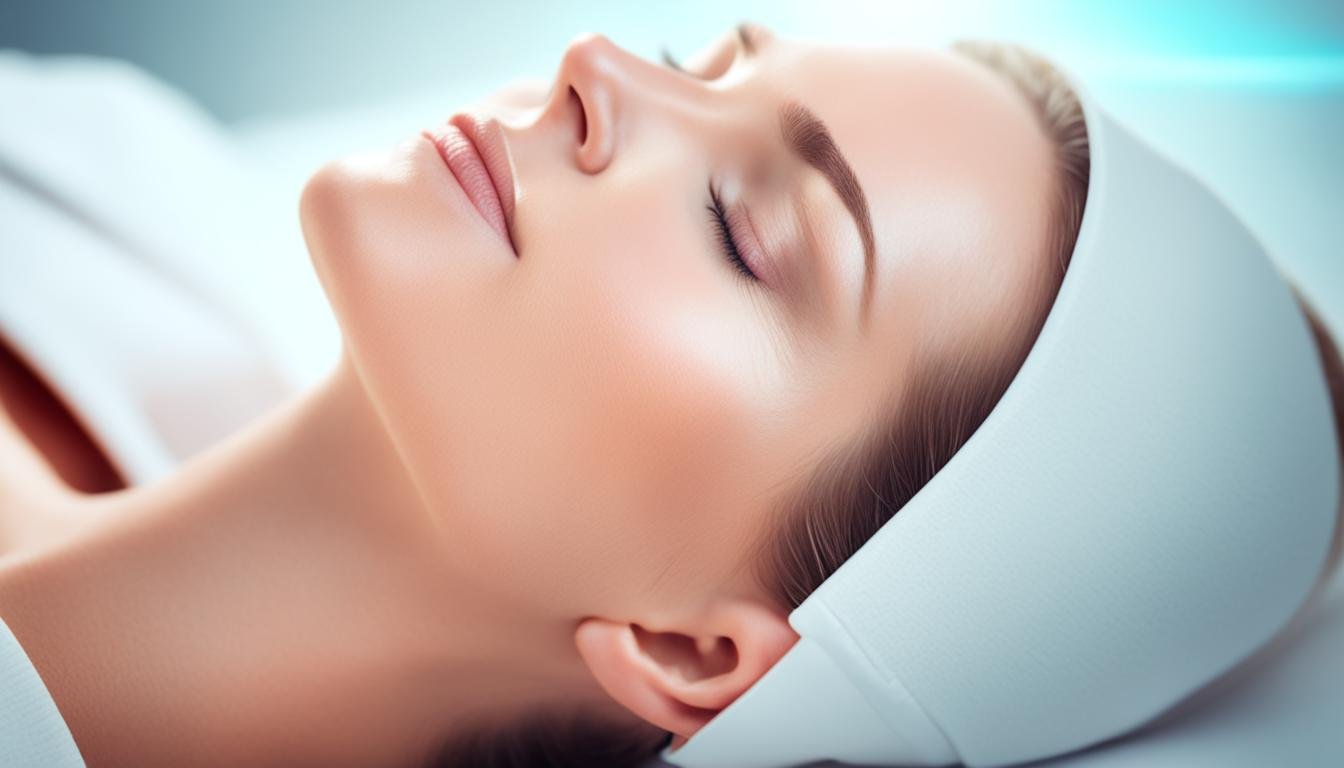
Before the laser skin treatment process begins, a topical anesthetic may be applied to numb the treated area and minimize any pain or discomfort. The practitioner will then move the laser slowly over the skin, delivering precise beams of light to the targeted areas. The entire procedure typically lasts between 30 minutes to two hours, depending on the size of the treatment area and the type of laser used.
After the laser skin treatment, the skin may appear raw, swollen, and itchy. This is a normal part of the healing process, and it’s important to follow proper care instructions provided by your dermatologist or plastic surgeon. The recovery time will vary depending on the type of laser treatment performed, ranging from a few days to several weeks. During the recovery period, it is important to protect the skin from sun exposure, avoid using harsh skincare products, and keep the skin moisturized to support the healing process.
Overall, the laser skin treatment process offers effective solutions for a variety of skin concerns. Whether you choose ablative laser resurfacing, nonablative laser resurfacing, or fractionated laser resurfacing, it’s important to consult with a qualified professional to determine the most suitable treatment option for you and to ensure optimal results.
Aftercare for Laser Skin Treatments
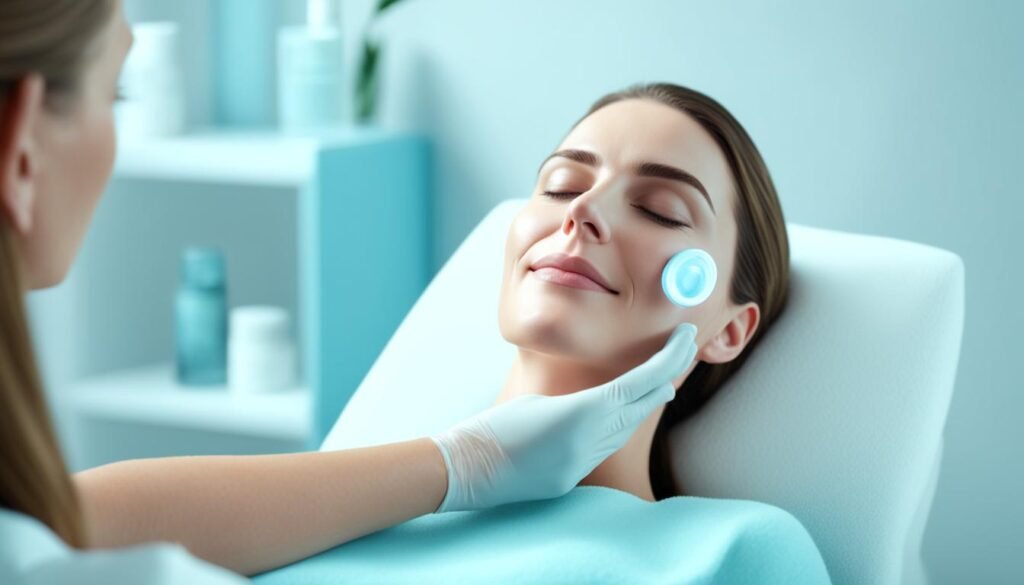
After undergoing laser skin treatments, proper aftercare is essential to ensure optimal healing and achieve the desired results. The healing process may vary depending on the extent of the treatment but typically takes anywhere from 3 to 10 days. During this time, it is normal for the skin to appear red, swollen, and slightly peeling.
To help reduce swelling and discomfort, you can apply ice packs to the treated area. This will provide a soothing effect and promote faster healing. However, make sure you wrap the ice pack in a thin towel or cloth to avoid direct contact with the skin.
One of the most crucial aspects of aftercare is protecting the treated skin from sun exposure. Sunscreen with a high SPF should be applied generously to the treated area before going outside. It is recommended to use a broad-spectrum sunscreen that provides protection against both UVA and UVB rays. Additionally, make sure to avoid prolonged sun exposure, especially during peak hours when the sun’s rays are the strongest.
Moisturizing the skin is also vital during the healing process. Keeping the skin well-hydrated helps promote healing and prevents excessive dryness or flakiness. Use a gentle moisturizer that is free of any harsh chemicals or fragrances. Follow the instructions provided by your dermatologist or skincare professional regarding the frequency and application technique.
It is important to note that certain skincare products may irritate the treated skin, so it is advisable to exercise caution. Avoid using products that contain strong active ingredients, such as retinol or exfoliating acids, until the skin has fully healed. Stick to gentle and soothing skincare products that are specifically formulated for sensitive or post-treatment skin.
“Proper aftercare is essential for the best results after laser skin treatments. This includes protecting the skin from sun exposure, moisturizing regularly, and avoiding irritating skincare products.”
By following these aftercare guidelines and considering any specific instructions provided by your dermatologist, you can help ensure a smooth healing process and achieve the best possible outcomes from your laser skin treatment.
Results and Benefits of Laser Skin Treatments
Laser skin treatments offer a wide range of results and benefits to those seeking to improve the appearance and quality of their skin. These treatments are highly effective in addressing common skin concerns and can provide transformative outcomes.
One of the key benefits of laser skin treatments is the stimulation of collagen production. Collagen is a vital protein that helps maintain the structure and elasticity of the skin. As we age, collagen production naturally decreases, leading to the formation of wrinkles and fine lines. Laser treatments can help reverse this process by promoting collagen synthesis, resulting in reduced wrinkles and improved skin texture and tone.
Another significant advantage of laser skin treatments is their ability to improve the appearance of scars. Whether caused by acne, surgery, or injuries, scars can be a source of self-consciousness for many individuals. Laser treatments can effectively reduce the visibility of scars by targeting the damaged tissue and promoting new skin cell growth. This can lead to smoother, more even-toned skin, improving both the appearance and confidence of the patient.
In addition to scar improvement, laser skin treatments are also highly effective in targeting discoloration issues such as age spots and uneven skin tone. The laser energy selectively targets the pigmented areas, breaking up the excess melanin and allowing the body’s natural healing processes to fade the discoloration. This results in a more harmonious and even complexion.
Furthermore, laser skin treatments can have a skin-tightening effect, leading to a more youthful and rejuvenated appearance. The heat generated by the laser stimulates the production of collagen and elastin fibers, which are crucial for maintaining firm and tight skin. As a result, patients may notice a visible improvement in skin tightness and a reduction in sagging skin.
The overall benefits of laser skin treatments include:
- Improved skin appearance
- Enhanced skin quality
- Reduced wrinkles and fine lines
- Improved scar appearance
- Treatment of discoloration issues
- Skin tightening and firming
Overall, laser skin treatments can provide remarkable results, improving various skin concerns and helping individuals achieve a more youthful and radiant complexion.
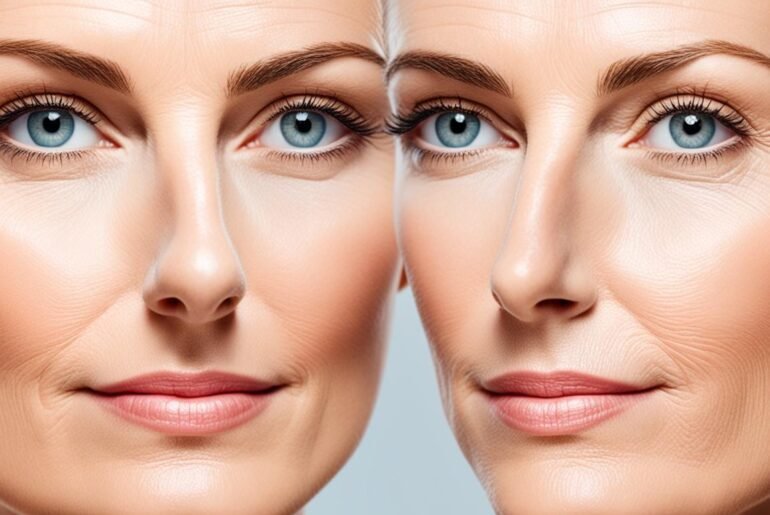
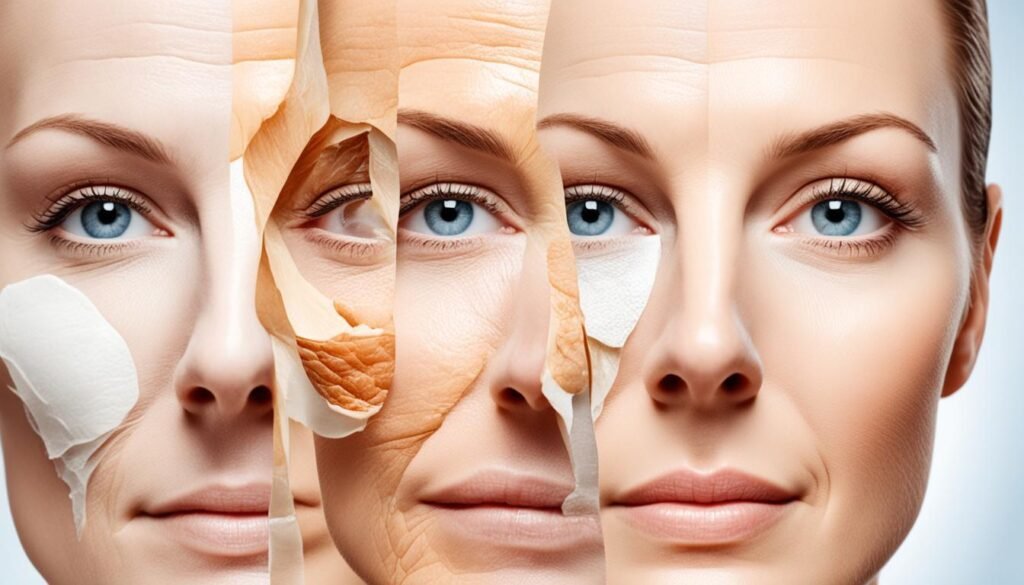
An example of improved skin appearance and tightening with laser skin treatments.
Risks and Side Effects of Laser Skin Treatments
While laser skin treatments can offer significant benefits, they also carry some risks and side effects. It is important to be aware of these potential complications before undergoing the procedure. By following precautions and providing a thorough medical history, you can help minimize these risks and ensure the best possible outcome.
Possible Risks and Side Effects
Burning: Laser treatments involve the use of intense heat, which can occasionally cause burning of the skin. This can lead to discomfort, pain, and potential damage if not properly addressed.
Scarring: In rare cases, laser skin treatments can result in scarring. This can occur if the treatment is too aggressive or if the skin does not heal properly. It’s important to choose a qualified and experienced dermatologist or plastic surgeon to minimize the risk of scarring.
Changes in Skin Color: Laser treatments can sometimes cause changes in skin color, either by darkening (hyperpigmentation) or lightening (hypopigmentation) the treated area. These changes may be temporary or permanent, depending on various factors such as skin type and the specific laser used.
Infection: Anytime the skin barrier is compromised, there is a risk of infection. Following proper aftercare instructions and maintaining good hygiene can help reduce this risk. Should infection occur, it is important to seek prompt medical attention.
Bumps: Some individuals may develop small, raised bumps or rashes after laser skin treatments. These can be temporary and resolve on their own, but in some cases, further medical intervention may be necessary.
Hyperpigmentation: Laser treatments can sometimes stimulate the production of melanin, resulting in temporary or prolonged hyperpigmentation. This can cause darkening of the treated area, which may require additional treatments to address.
Precautions and Preparation
Before undergoing laser skin treatments, it is crucial to follow all recommended precautions. Providing a thorough medical history to your dermatologist or plastic surgeon can help determine your candidacy for the procedure and identify any potential risk factors. Additionally, it is essential to choose a qualified professional who has experience and expertise in performing laser resurfacing.
Cost and Insurance Coverage for Laser Skin Treatments
When considering laser skin resurfacing, it is essential to understand the cost involved and the potential insurance coverage. The expense of laser skin resurfacing can vary based on factors such as the location and the extent of the treatment.
In 2020, the average cost of ablative laser skin resurfacing was approximately $2,509. Nonablative laser skin resurfacing, on the other hand, had an average cost of around $1,445.
It is important to note that most medical insurance companies do not cover laser skin resurfacing as it is regarded as a cosmetic procedure. However, there may be exceptions if the procedure is performed to modify scars or remove precancerous growths. To obtain accurate information about costs and potential coverage options, it is recommended to consult with both your doctor and insurance company.
If the cost of laser skin resurfacing is a concern, many doctors offer financing options for cosmetic procedures. These financing options can provide flexibility in managing the expense of the treatment over time, making it more accessible to individuals seeking cosmetic improvements.
I believe that by understanding the cost and insurance coverage for laser skin treatments, you can make informed decisions regarding your cosmetic goals. It is important to consider both the financial aspect and the potential benefits of the procedure before proceeding. Consulting with a qualified professional will help guide you in making the best choice for your skin and overall well-being.
Conclusion
Laser skin treatments offer numerous benefits for individuals seeking to improve their skin’s appearance and address concerns such as acne, wrinkles, scars, and pigmentation. These treatments provide personalized solutions, as different types of lasers cater to specific needs and skin types. Laser resurfacing can stimulate collagen production, reducing wrinkles and improving skin texture and tone. It is important, however, to weigh the potential benefits against the risks.
While laser skin treatments can yield significant results, they do carry certain risks. It is crucial to take proper precautions and choose a qualified professional to minimize potential complications. Properly preparing the skin, following aftercare instructions, and discussing your medical history with a dermatologist or plastic surgeon are essential steps in ensuring the best possible outcome.
If you are considering laser skin treatments, it is recommended to consult with a healthcare professional to determine if it is the right choice for you. They can assess your individual needs and discuss the potential benefits and risks involved. With proper guidance and care, laser skin treatments can help you achieve a more youthful, rejuvenated complexion.
FAQ
What are the benefits of laser skin treatments?
Laser skin treatments can improve the overall appearance and quality of the skin by reducing wrinkles, improving texture and tone, treating scars and discoloration, and tightening the skin for a more youthful look.
Who can benefit from laser skin treatments?
Laser skin treatments are suitable for individuals with various skin concerns, including wrinkles, age spots, acne scars, uneven skin tone, and sagging skin.
What are the different types of laser skin treatments?
There are several types of laser skin treatments available, including CO2 laser resurfacing, erbium laser resurfacing, neodymium Yag laser, pulse-dye lasers, fractional lasers, and IPL.
How should I prepare for laser skin treatments?
Before undergoing laser skin treatments, it is important to have a medical history assessment, prepare your skin, avoid sun exposure, quit smoking, and discontinue certain medications. Your doctor may also prescribe antiviral medication if necessary.
What is the process of laser skin treatments?
Laser skin treatments involve the use of a laser to remove skin layers or stimulate collagen production. The process varies depending on the type of laser used but generally requires the numbing of the treated area and moving the laser gradually over the skin.
What should I do for aftercare following laser skin treatments?
After laser skin treatments, it is important to protect the treated skin from sun exposure, moisturize regularly, avoid irritating skincare products, and follow any specific instructions provided by your dermatologist.
What are the results and benefits of laser skin treatments?
Laser skin treatments can significantly improve the appearance of the skin by reducing wrinkles, improving texture and tone, treating scars and discoloration, and tightening the skin for a more youthful and rejuvenated look.
What are the risks and side effects of laser skin treatments?
Risks and side effects of laser skin treatments may include burning, scarring, changes in skin color, infection, rash or bumps, and hyperpigmentation. Proper precautions and selecting a qualified professional can help minimize potential complications.
How much do laser skin treatments cost and are they covered by insurance?
The cost of laser skin treatments varies, but they are generally considered cosmetic procedures and are not covered by medical insurance. It is advised to consult with your doctor and insurance company to determine the costs and any potential coverage options.
What are the key points about laser skin treatments?
Laser skin treatments provide numerous benefits for various skin concerns, but they also carry risks. It is important to weigh the potential benefits against the risks, choose a qualified professional, and consult with a dermatologist or plastic surgeon to determine if laser skin treatments are right for you.