Did you know that the skin starts to age as early as age 25? That’s right, the signs of aging, such as fine lines, wrinkles, and dry patches, can start appearing in our mid-20s. But when is the best time to start using anti-aging skin care products to combat these effects? Let’s explore the appropriate age for incorporating these products into our skincare routine and discover the benefits of starting early.
Key Takeaways:
- It’s never too early or too late to start using anti-aging skin care products.
- Experts suggest incorporating good skin care habits as early as possible.
- The skin starts to age around age 25, making it a suitable time to introduce anti-aging products.
- Choosing the right products for your specific skin type is crucial.
- Applying sunscreen with at least SPF 30 daily is essential for protecting against harmful UV rays.
The Benefits of Starting Early
Research suggests that starting a good skincare routine in your 20s helps to prevent premature signs of aging and maintain a healthy complexion in the long run. By starting early, you can slow down the signs of aging and minimize future damage.
The use of sunscreen with at least SPF 30 is crucial in protecting your skin from harmful UV rays, which can accelerate the aging process. Additionally, incorporating active ingredients like retinol, hyaluronic acid, and vitamin C can be highly beneficial in preventing and reducing the appearance of fine lines, wrinkles, and discoloration.
Starting an anti-aging skincare routine from an early age allows you to take preventative measures and establish healthy habits that are easier to maintain as you age. It is more cost-effective to invest in quality skincare products and practices early on than to try reversing signs of aging later in life.
Preventing Premature Aging
Studies have shown that our skin starts to age around age 25, making it essential to prioritize anti-aging practices during our twenties. Taking care of your skin in your twenties can help delay the appearance of wrinkles, fine lines, and other signs of aging.
“Starting a skincare routine in your twenties is a proactive approach to prevent premature aging and maintain a youthful complexion.”
Slowing Down the Signs of Aging
Starting an anti-aging skincare routine in your twenties allows you to slow down the signs of aging and maintain healthier skin in the long term. Regular use of sunscreen, moisturizers, and products with anti-aging ingredients can help minimize future damage and keep your skin looking youthful.
Incorporating Anti-Aging Habits
Building a solid anti-aging skincare routine early in life sets a strong foundation for lifelong healthy skin habits. It becomes easier to incorporate essential products and practices, such as daily sunscreen application and the use of targeted anti-aging products, when you start at a younger age.
“Consistency and discipline are key to achieving long-term anti-aging benefits. Starting early ensures that you develop good habits that will benefit you over time.”
By starting early with a comprehensive anti-aging skincare routine, you can significantly improve the look and feel of your skin, prevent premature signs of aging, and enjoy a healthier, more youthful complexion well into the future.
The Importance of Sunscreen
When it comes to anti-aging skin care, one of the most crucial products you should never skip is sunscreen. It plays a vital role in protecting your skin from harmful UV rays that can contribute to premature aging. Regular and unprotected sun exposure can lead to the loss of elasticity in the skin, resulting in wrinkles, sunspots, and other signs of aging.
To delay skin aging and maintain a youthful appearance, it is recommended to start using sunscreen at a young age and make it a non-negotiable part of your daily skincare routine. Applying sunscreen with a minimum SPF 30 is essential, especially on your face, as it is more susceptible to sun damage. The Sun Protection Factor (SPF) indicates the level of protection against UV radiation, with higher SPF offering greater protection.
Starting early with sunscreen application has long-term benefits for both the health and appearance of your skin. The sun’s UV rays can penetrate through clouds and glass, so applying sunscreen is essential even on cloudy or indoor days. By consistently wearing sunscreen, you can significantly reduce the risk of developing many skin issues associated with aging, such as fine lines, wrinkles, age spots, and sagging skin.
It’s important to choose a broad-spectrum sunscreen that protects against both UVA and UVB rays. UVA rays can cause long-term damage and premature aging, while UVB rays are responsible for sunburns. Additionally, opt for a water-resistant formula to ensure protection even during outdoor activities or swimming.
Make it a habit to apply sunscreen generously to all exposed areas of your body at least 15 minutes before sun exposure. Reapply every two hours, or more frequently if you engage in activities that cause sweating or water contact. Remember that sunscreen is not only for summer days but should be used year-round, as UV rays are present even on cloudy or cold days.
By consistently using sunscreen, you can safeguard your skin against the detrimental effects of the sun and significantly slow down the aging process. Protecting your skin from UV damage is a proactive step towards maintaining a youthful, healthy complexion.
Key Anti-Aging Ingredients
When it comes to anti-aging skin care, there are several key ingredients that can help improve the appearance of the skin and slow down the signs of aging. Incorporating products containing these ingredients into your routine can yield optimal results. Here are some of the most effective anti-aging ingredients:
1. Retinoids (such as retinol)
Retinoids are derivatives of vitamin A and are known for their ability to stimulate collagen production. Collagen is a protein that provides structure to the skin, and as we age, its production slows down, leading to the formation of fine lines and wrinkles. By using products with retinoids, like retinol, you can promote collagen synthesis, resulting in smoother and more youthful-looking skin.
2. Hyaluronic Acid
Hyaluronic acid is a powerful hydrating ingredient that occurs naturally in the body. It has the ability to attract and hold onto water molecules, plumping the skin and improving moisture retention. As we age, our skin tends to lose moisture, leading to dryness, fine lines, and a dull complexion. Incorporating products with hyaluronic acid can help restore hydration and create a more supple and radiant appearance.
3. Vitamin C
Vitamin C is a potent antioxidant that offers multiple benefits for the skin. It helps to brighten the complexion, reduce the appearance of dark spots and hyperpigmentation, and protect the skin against environmental damage caused by free radicals. By incorporating products containing vitamin C into your routine, you can achieve a more even skin tone and a youthful glow.
These are just a few examples of key anti-aging ingredients that can make a significant difference in the appearance and health of your skin. Remember to choose products that target your specific skin concerns for optimal results.
Developing an Anti-Aging Skin Care Routine

Building an effective anti-aging skin care routine is crucial for maintaining a youthful and vibrant complexion. By incorporating key products and steps into your daily regimen, you can protect your skin from premature aging and address specific concerns. Here are the essential elements to include in your anti-aging skin care routine:
- Daily Sunscreen: Start your routine with a broad-spectrum sunscreen that offers at least SPF 30 protection. Apply it generously to your face and exposed skin to shield against harmful UV rays.
- Regular Exfoliation: Exfoliate your skin once or twice a week using products that contain retinol or alpha hydroxy acids (AHAs). These ingredients promote cell turnover, revealing smoother and younger-looking skin.
- Antioxidant Serum: Incorporate an antioxidant-rich serum, such as vitamin C or niacinamide, into your routine. These serums help fight free radicals, brighten the skin, and reduce the appearance of wrinkles.
- Daily Cleansing and Moisturizing: Cleanse your face twice a day to remove impurities and apply a nourishing moisturizer to keep your skin hydrated and supple.
- Regular Facials and Treatments: Consider scheduling regular facials or other skin care treatments to address specific concerns and enhance the effectiveness of your routine.
By following these steps, you can establish a comprehensive anti-aging skin care routine that protects, nourishes, and revitalizes your skin. It’s never too late to start taking care of your skin and prioritize its health and appearance.
Testimonials
“Since I started following a dedicated anti-aging skin care routine, I’ve noticed significant improvements in my skin’s texture and appearance. The daily sunscreen and antioxidant serum have made a noticeable difference in reducing fine lines and wrinkles.” – Sarah
“Exfoliating regularly with retinol-based products has truly transformed my skin. My complexion looks brighter, and my fine lines have become less pronounced. It’s never too early to start taking care of your skin!” – Jessica
| Product Name | Key Ingredients | Benefits |
|---|---|---|
| Retinol Serum | Retinol, Hyaluronic Acid | Stimulates collagen production, reduces wrinkles |
| Vitamin C Serum | Vitamin C, Antioxidants | Brightens skin, protects against free radicals |
| SPF 30 Sunscreen | Zinc Oxide, Titanium Dioxide | Protects against harmful UV rays, prevents photoaging |
Customizing Your Routine
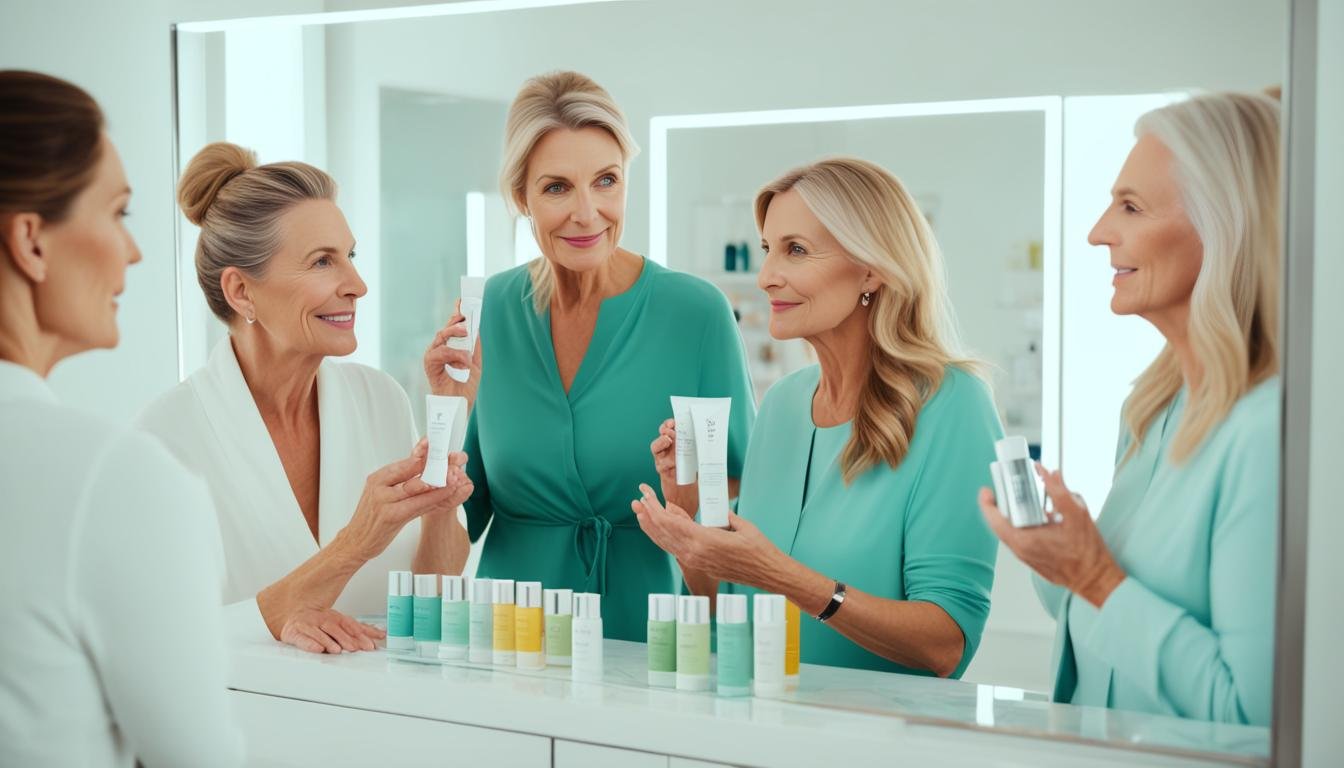
When it comes to anti-aging skincare, customization is key. Your skin is unique, and tailoring your routine to address your individual needs and concerns can yield the best results. By identifying specific skin issues, such as fine lines under the eyes or a family history of early wrinkles, you can choose products that target those areas and provide the most effective solutions.
Consulting with a skin care expert, such as a dermatologist or medical aesthetician, is a valuable step in customizing your routine. These professionals have in-depth knowledge of skincare and can offer personalized recommendations based on your skin type and goals. They can assess your skin, recommend specific products and treatments, and guide you in creating a comprehensive anti-aging skincare plan.
Expert Advice for Customizing Your Routine
“Every person’s skin is unique, and what works for one may not work for another. By consulting with a skin care expert, you can receive personalized guidance and recommendations to create a customized routine that meets your specific needs.”
Creating a customized anti-aging routine may involve incorporating different products and techniques. For example, if you’re concerned about fine lines and wrinkles, your dermatologist may recommend a retinol-based serum or cream. If hydration is a priority, they might suggest incorporating products with ingredients like hyaluronic acid or ceramides.
Additionally, an expert can advise you on the ideal order of product application and how to complement your routine with other treatments like facials or chemical peels. They can also help you navigate the wide array of skincare products available, selecting the ones that are most beneficial for your specific concerns.
Customizing Your Routine Checklist
Use the following checklist to customize your anti-aging skincare routine:
- Identify your specific skin concerns, such as fine lines, wrinkles, or age spots.
- Consult with a dermatologist or medical aesthetician to receive personalized recommendations.
- Choose products that target your specific concerns, such as retinol for fine lines or vitamin C for brightening.
- Consider incorporating other treatments, such as facials or chemical peels, to enhance the effectiveness of your routine.
Remember, customization allows you to address your unique skin needs and optimize the benefits of your anti-aging skincare products. Consulting with a skincare expert can provide valuable insights and ensure you’re making informed choices for the health and appearance of your skin.
Advanced Anti-Aging Techniques

While it’s important to establish a solid skincare routine with over-the-counter anti-aging products, there are advanced techniques offered by medical aestheticians that can take your anti-aging journey to the next level. These specialized treatments are designed to target specific skin concerns and provide more intensive results. If you’re looking for enhanced anti-aging benefits, here are some advanced techniques to consider:
- Hydrafacial: This non-invasive treatment uses a combination of cleansing, exfoliation, extraction, and hydration to rejuvenate and refresh the skin.
- LED Light Therapy: Utilizing different wavelengths of light, LED therapy stimulates collagen production, reduces inflammation, and improves overall skin texture and tone.
- Skin Microneedling: This procedure involves using tiny needles to create controlled micro-injuries in the skin, stimulating collagen and elastin production for smoother, firmer skin.
- IPL Photofacials: Intense Pulsed Light (IPL) therapy targets age spots, sun damage, and vascular issues, leaving the skin looking clearer and more even-toned.
- Lymphatic Face Massage: This specialized massage technique helps to improve lymphatic drainage, reducing puffiness and promoting a more sculpted facial appearance.
- Oxygen Therapy: By delivering pressurized oxygen to the skin, this treatment revitalizes and plumps the skin, giving it a healthy, youthful glow.
These advanced anti-aging techniques offer targeted solutions for specific skin concerns and can provide more dramatic results. It’s important to note that the decision to pursue these treatments should depend on individual goals, budget, and comfort with specialized procedures. Consulting with a qualified medical aesthetician can help determine the most suitable options for your unique needs.
Adding advanced anti-aging techniques to your skincare routine can help enhance the results of your daily efforts and address specific skin concerns in a more intensive way. However, it’s essential to remember that the foundation of any anti-aging regimen should still consist of a consistent and effective skincare routine using high-quality products.
Next, let’s explore the important role of moisturizers and sunscreen in maintaining a youthful complexion.
The Role of Moisturizers and Sunscreen
In maintaining a youthful appearance, moisturizers and sunscreen play vital roles in an anti-aging skincare routine. Hydration and protection are key to combating fine lines, wrinkles, and other signs of aging. Let’s explore why these two skincare staples are essential.
Moisturizers:
Moisturizers are essential for maintaining optimal skin hydration, preventing dryness, and reducing the appearance of fine lines and wrinkles. They work by replenishing lost moisture, improving elasticity, and promoting a smoother complexion.
Proper hydration is a fundamental aspect of any anti-aging routine. Moisturizers help lock in moisture, leaving the skin supple and youthful.
When choosing a moisturizer, look for ingredients like hyaluronic acid and glycerin. These hydrating agents penetrate the skin, attracting and retaining moisture, ultimately improving its overall moisture balance.
Sunscreen:
Sunscreen is an essential anti-aging product that protects the skin from harmful UV rays, minimizing the risk of premature aging and reducing the appearance of sunspots, fine lines, and wrinkles.
Regular sunscreen use is crucial in preventing further damage and preserving youthful-looking skin.
It is recommended to use a broad-spectrum sunscreen with a minimum SPF of 30, applying it generously to all exposed areas of the body. Reapplying every two hours while outdoors is essential for optimal protection.
Moisturizers and Sunscreen: A Dynamic Duo
Combining moisturizers with sunscreen provides a powerful defense against aging. Moisturizers create a protective barrier on the skin, locking in moisture, while sunscreen shields against damaging UV rays. Together, they work harmoniously to keep the skin hydrated, youthful, and shielded from environmental aggressors.
| Benefits of Moisturizers | Benefits of Sunscreen |
|---|---|
| • Hydrates and nourishes the skin • Reduces the appearance of fine lines and wrinkles • Improves skin elasticity • Enhances overall complexion |
• Protects against harmful UV rays • Prevents premature skin aging • Reduces the risk of sunspots and discoloration • Minimizes photoaging effects |
By incorporating both moisturizers and sunscreen into your daily skincare routine, you can ensure your skin stays hydrated, protected, and more resilient to the signs of aging.
Natural Remedies for Anti-Aging

Alongside traditional anti-aging products, incorporating natural remedies and ingredients into your skincare routine can help slow down the signs of aging. These natural remedies have been found to have various benefits for the skin, complementing and enhancing the effectiveness of anti-aging products.
Polyphenols for Skin Protection
Polyphenols, naturally occurring compounds found in plants, possess anti-inflammatory and antioxidant properties that can protect the skin from UV damage. These plant-based compounds, which include substances like green tea extract and grapeseed oil, can help reduce inflammation, fight free radicals, and promote overall skin health.
Aloe Vera for Collagen Boost
Aloe vera is a popular natural remedy known for its numerous health benefits. When applied topically, aloe vera has been shown to boost collagen production, reduce wrinkle depth, and improve the skin’s elasticity. It can also moisturize the skin and soothe any redness or irritation.
Jasmine Rice Extract for Skin Tightening
Jasmine rice extract is rich in antioxidants and has been found to have skin-tightening properties. Regular application of products containing jasmine rice extract can help reduce fine lines and wrinkles, improve skin elasticity, and lighten dark spots, resulting in a more youthful appearance.
Bee Products for Moisturizing and Anti-Aging
Bee products such as honey and royal jelly have long been used in skincare for their moisturizing and anti-aging properties. Honey is a natural humectant that helps retain moisture in the skin, keeping it hydrated and supple. Royal jelly, on the other hand, is rich in vitamins, minerals, and amino acids that promote collagen production, improve skin tone, and reduce the appearance of wrinkles.
Incorporating these natural remedies into your anti-aging skincare routine can provide additional nourishment and protection to your skin, enhancing the effectiveness of anti-aging products and helping you achieve a youthful and radiant complexion.
Lifestyle Factors for Healthy Skin

In addition to using anti-aging products, maintaining healthy lifestyle habits can contribute to overall skin health. By incorporating these practices into your daily routine, you can protect your skin from further damage and support its natural regeneration and rejuvenation processes.
Wear SPF Daily
Wearing sunscreen with a high SPF is crucial for protecting your skin from harmful UV rays. Apply sunscreen liberally to all exposed areas of skin, including the face, neck, and hands. This can help prevent premature aging and reduce the risk of skin cancer.
Avoid Excessive Sun Exposure and Tanning Beds
Limit your time in the sun, especially during peak hours when the sun’s rays are strongest. Remember to seek shade and wear protective clothing, such as hats and sunglasses, to minimize sun damage. Avoid using tanning beds altogether, as they can significantly increase your risk of developing skin cancer.
Quit Smoking
Smoking is not only detrimental to your overall health but also accelerates the aging process and damages your skin. Smoking restricts blood flow to the skin, resulting in a dull complexion, increased wrinkles, and a loss of elasticity. Quitting smoking can lead to improved skin health and a more youthful appearance.
Limit Alcohol Consumption
Excessive alcohol consumption can dehydrate your skin and contribute to inflammation, leading to premature aging. Limit your alcohol intake and drink plenty of water to stay hydrated, which helps maintain the elasticity and vitality of your skin.
Engage in Regular Exercise
Regular exercise promotes healthy circulation, which nourishes the skin and enhances its natural glow. Physical activity also helps reduce stress, which can have a positive impact on the overall health and appearance of your skin.
Follow a Balanced Diet
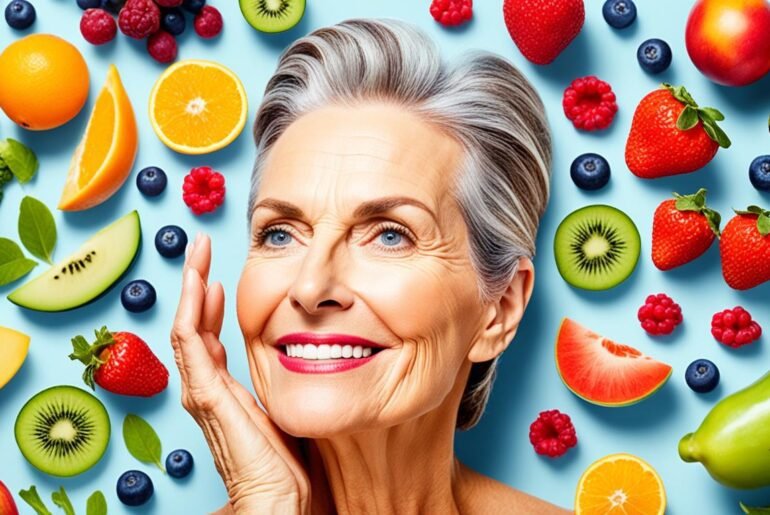
Eating a nutritious diet rich in fruits, vegetables, whole grains, and lean proteins can provide your skin with essential vitamins and minerals. Antioxidant-rich foods, such as berries and leafy greens, can help combat free radicals and protect your skin from environmental damage.
By incorporating these lifestyle factors into your daily routine, you can support your skin’s health and enhance the effectiveness of your anti-aging skincare products. Remember, it’s never too late to prioritize skin health and adopt healthy habits for a more youthful and radiant complexion.
Choosing the Right Ingredients
When it comes to anti-aging products, the market offers a wide range of options, each containing different active ingredients. To effectively combat the signs of aging, it is crucial to select products that are suitable for your skin type and address your specific concerns.
Some key ingredients that have been proven effective in anti-aging skincare include:
- Vitamin C: This antioxidant brightens the skin, protects against environmental damage, and stimulates collagen production.
- Hyaluronic acid: Known for its hydrating properties, it plumps the skin and improves moisture retention.
- Retinol: A form of vitamin A, it stimulates collagen production, reduces the appearance of fine lines and wrinkles, and improves skin texture.
- Alpha hydroxy acids (AHAs): These exfoliating agents remove dead skin cells, improve skin tone and texture, and promote a youthful radiance.
When incorporating anti-aging products into your skincare routine, it is advisable to start with milder strengths and gradually increase the concentration as you age. This allows your skin to adjust and minimizes the risk of potential irritation. Consulting with a dermatologist or skincare expert can provide personalized guidance on selecting the best ingredients for your skin and ensuring compatibility with other products in your routine.
Remember, choosing the right ingredients is an essential step in achieving optimal results and maintaining youthful, healthy-looking skin.
Time Frame for Results
When it comes to using anti-aging products, it’s important to remember that patience is key. Achieving noticeable improvements in the appearance of fine lines, wrinkles, and skin texture takes time and consistency.
On average, it can take several months of regular use before you start seeing the desired results. The effectiveness of anti-aging products depends on various factors, including the ingredients used, your skin type, and the specific concerns you’re targeting.
Consistency is crucial. It’s important to incorporate anti-aging products into your daily skincare routine and use them as directed. Skipping applications or using the products sporadically can delay or diminish the desired outcomes.
If you experience any unwanted side effects, such as dryness or irritation, it’s important to discontinue use and consult with a dermatologist. They can provide guidance on adjusting your routine or recommend alternative products that may better suit your skin’s needs.
Remember, achieving the desired results with anti-aging products takes time, but the commitment to your skincare routine will pay off in the long run, helping you maintain a youthful and healthy complexion.
Consultation with a Dermatologist

If you have concerns about your skin’s appearance or are unsure about the best anti-aging products for your specific needs, it is recommended to consult with a dermatologist. A dermatologist can assess your skin, provide personalized recommendations, and offer advanced treatments or procedures to target specific concerns. They can also guide you on how to incorporate anti-aging products into your skincare routine for optimal results.
When it comes to skincare, one size does not fit all. Every individual has unique skin types, concerns, and goals, and a dermatologist is a skincare expert who can provide expert advice tailored to your specific needs.
“Visiting a dermatologist can help you gain a better understanding of your skin and its needs. They can evaluate your skin type, examine any problem areas, and recommend appropriate products or treatments based on their expertise and knowledge.”
Whether you’re dealing with stubborn wrinkles, age spots, or skin texture irregularities, a dermatologist can offer medical-grade solutions and interventions that may not be available over the counter. They have access to a wide range of treatments, such as chemical peels, laser therapies, and injectables, that can effectively address specific concerns and provide more intensive results.
Benefits of Consulting with a Dermatologist
There are several benefits to consulting with a dermatologist when it comes to anti-aging skincare:
- Expert Evaluation: A dermatologist can thoroughly evaluate your skin, taking into account factors such as skin type, sensitivity, and existing concerns.
- Personalized Recommendations: Based on their evaluation, a dermatologist can recommend specific products, ingredients, and treatments that are most suitable for your skin’s unique needs.
- Access to Medical-Grade Treatments: Dermatologists have access to cutting-edge treatments and technologies that can address specific skin concerns with precision and effectiveness.
- Professional Guidance: A dermatologist can help you develop a customized skincare routine, providing step-by-step guidance on how to incorporate anti-aging products for optimal results.
Incorporating Anti-Aging Habits at Any Age
It’s never too late to start taking care of your skin and incorporating anti-aging habits into your daily routine. Whether you’re in your 20s or beyond, using anti-aging products and practicing healthy skincare habits can help improve the appearance and overall health of your skin.
As we age, our skin naturally goes through changes, such as dryness, age spots, and wrinkles. By adopting simple skincare habits, you can address these concerns and promote a more youthful-looking complexion.
One of the key habits to prioritize is moisturizing. Regularly applying a moisturizer suited for your skin type helps hydrate your skin and reduces the appearance of fine lines and wrinkles. Look for products with hydrating ingredients like hyaluronic acid and glycerin to lock in moisture and keep your skin supple.
Another essential habit is sunscreen use. Protecting your skin from harmful UV radiation is crucial to prevent further damage and delay the aging process. Opt for a broad-spectrum sunscreen with at least SPF 30 and apply it daily, even on cloudy days.
When it comes to choosing anti-aging products, look for those that contain key ingredients known for their anti-aging properties. Retinol, hyaluronic acid, and vitamin C are popular ingredients that can help improve the appearance of wrinkles, fine lines, and uneven skin tone. These ingredients work to stimulate collagen production, retain moisture, and protect against environmental damage.
Remember, it’s never too late to start incorporating these habits into your skincare routine. By consistently moisturizing, using sunscreen daily, and choosing products with effective anti-aging ingredients, you can help reverse some signs of aging and improve the overall health of your skin.
Consulting with a dermatologist can provide personalized guidance and recommendations based on your specific skin concerns and goals. They can help you customize an anti-aging routine that suits your needs and ensure compatibility with other products you may be using.
Conclusion
The decision of when to start using anti-aging skin care products is a personal one. While starting in your 20s is recommended for preventive purposes, it is never too late to begin incorporating these products and habits into your skincare routine. Consistency and patience are key when using anti-aging products, and consulting with a dermatologist can provide personalized guidance and recommendations.
Remember to prioritize sunscreen, choose products with effective ingredients, and maintain a healthy lifestyle for optimal skin health and anti-aging benefits. Whether you’re in your 20s or beyond, taking care of your skin can help minimize the signs of aging and keep your complexion looking youthful and radiant.
So, when should you start using anti-aging creams and products? The answer is – whenever you feel it’s the right time for you. Whether you’re concerned about fine lines, wrinkles, or other signs of aging, incorporating anti-aging products into your skincare routine can help address these concerns and promote overall skin health.
FAQ
At what age should I start using anti-aging skin care products?
It is never too early or too late to start using anti-aging skin care products. Good skin care habits should start as soon as we’re able to keep up with them, even starting from childhood. The skin starts to age around age 25, so discussions about adding anti-aging products to a skincare routine generally start around this time.
What are the benefits of starting an anti-aging routine early?
Research suggests that starting a good skincare routine in your 20s helps to prevent premature signs of aging and maintain a healthy complexion in the long run. By starting early, you can slow down the signs of aging and minimize future damage.
How important is sunscreen in anti-aging skincare?
Sunscreen is considered one of the most important anti-aging products. Regular, unprotected exposure to the sun contributes to the loss of elasticity in the skin and speeds up the aging process. It is recommended to wear sunscreen with at least SPF 30 daily, especially on the face, to delay skin aging and protect against UV rays.
What are some key anti-aging ingredients to look for?
Key ingredients found in anti-aging skin care products include retinoids (such as retinol), which stimulate collagen production and reduce the appearance of fine lines and wrinkles, hyaluronic acid, which plumps the skin and improves moisture retention, and vitamin C, which brightens the skin and protects against environmental damage.
How can I develop an effective anti-aging skin care routine?
Building an effective anti-aging skin care routine involves incorporating key products and steps such as daily use of sunscreen, regular exfoliation, the use of an antioxidant serum, daily cleansing and moisturizing, and the inclusion of regular facials and other skin care treatments.
How can I customize my anti-aging skin care routine?
It is important to customize your anti-aging skin care routine based on your individual needs and concerns. This involves identifying specific skin issues and choosing products that target those issues. Consulting with a skin care expert can help determine the most effective products and treatments for your skin type and goals.
What are some advanced anti-aging techniques?
Advanced anti-aging techniques offered by medical aestheticians include hydrafacial, LED light therapy, skin microneedling, IPL photofacials, lymphatic face massage, and oxygen therapy. These specialized treatments can target specific skin issues and provide more intensive results.
What is the role of moisturizers and sunscreen in anti-aging skin care?
Moisturizers play a crucial role in maintaining skin hydration and preventing dryness, while sunscreen provides protection against harmful UV rays. Both moisturizers and sunscreen should be used daily as part of an anti-aging skin care routine.
Are there natural remedies for anti-aging?
Natural remedies such as polyphenols found in plants, aloe vera, jasmine rice extract, and bee products like honey and royal jelly can complement and enhance the effectiveness of anti-aging products.
What lifestyle factors contribute to healthy skin?
Maintaining healthy lifestyle habits such as wearing SPF daily, avoiding excessive sun exposure, quitting smoking, limiting alcohol consumption, engaging in regular exercise, and following a balanced diet can contribute to overall skin health and anti-aging benefits.
How do I choose the right anti-aging ingredients?
It is important to choose products with effective ingredients based on your specific skin concerns. Consulting with a dermatologist or skincare expert can help determine the best ingredients for your skin and ensure compatibility with other products in your routine.
How long does it take to see results from using anti-aging products?
Results from using anti-aging products may take time and consistency. It can take several months of regular use before noticeable improvements are seen in the appearance of fine lines, wrinkles, and skin texture.
Should I consult with a dermatologist about my anti-aging skincare routine?
If you have concerns about your skin’s appearance or are unsure about the best anti-aging products for your specific needs, it is recommended to consult with a dermatologist. They can assess your skin, provide personalized recommendations, and offer advanced treatments or procedures to target specific concerns.
Is it ever too late to start an anti-aging skincare routine?
It’s never too late to adopt an anti-aging skincare routine. While starting early is beneficial, people of all ages can benefit from using anti-aging products and practicing healthy skincare habits.
When should I start using anti-aging products?
The decision of when to start using anti-aging skin care products is a personal one. While starting in your 20s is recommended for preventive purposes, it is never too late to begin incorporating these products and habits into your skincare routine.