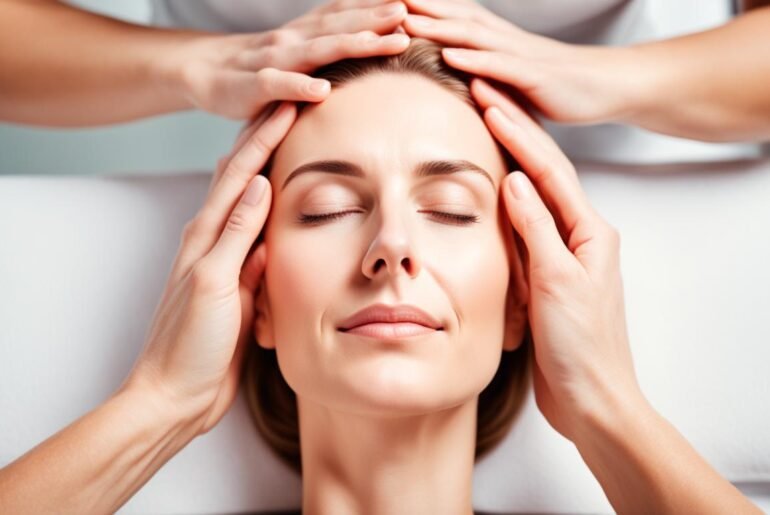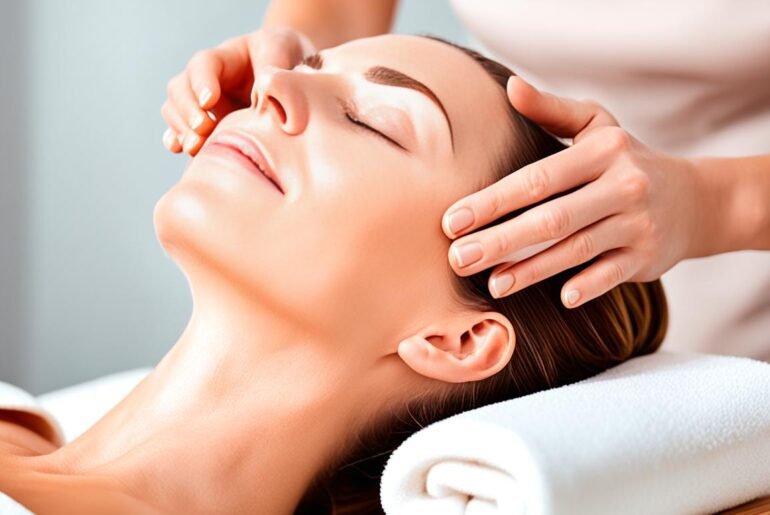
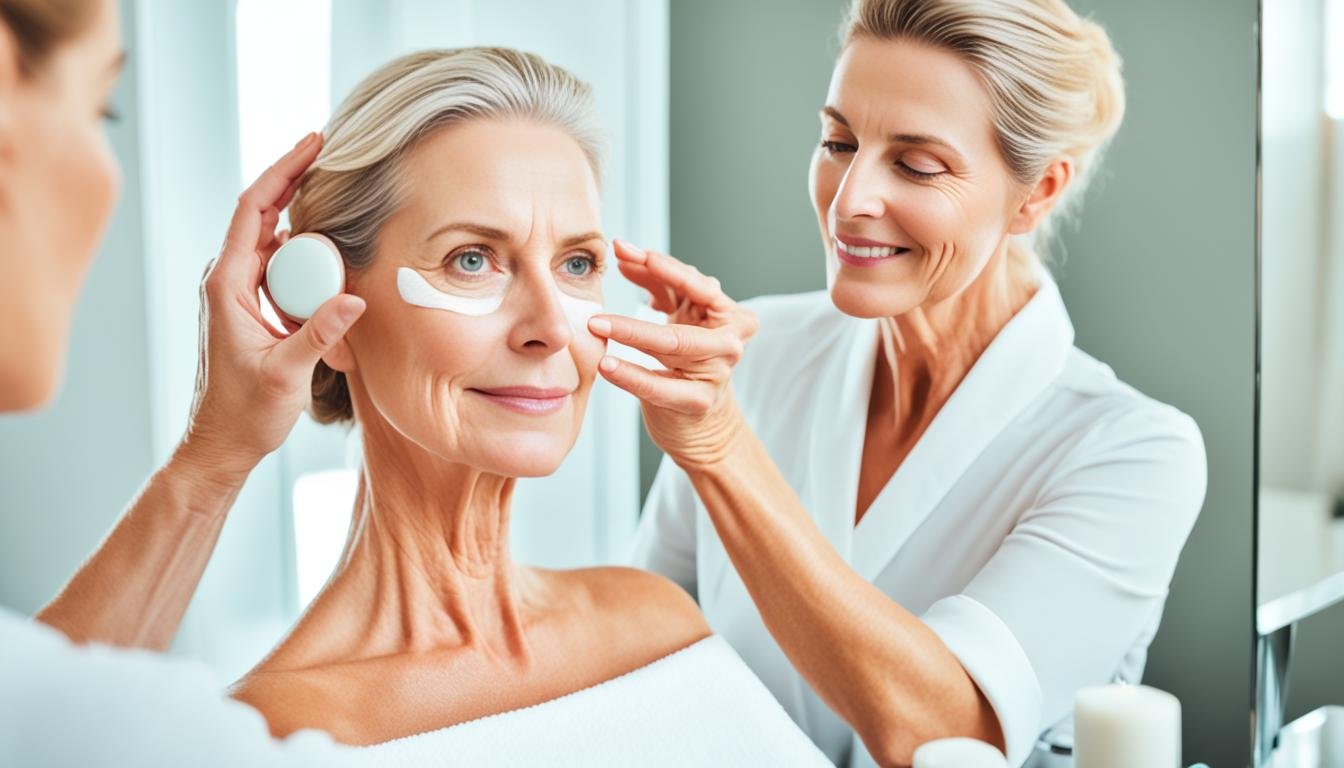
Did you know that facial massage can be a powerful tool in the fight against aging? It’s true! Incorporating anti-aging facial massage techniques into your skincare routine can produce remarkable results, both in the short term and in the long run.
Advocates of facial massage believe that it can not only temporarily plump the skin but also potentially produce long-term changes in appearance. Studies have even suggested that facial massage can improve blood flow, promote skin healing, and subjectively enhance the overall appearance of the skin.
However, while there is promising evidence, conclusive scientific proof is still lacking. More research is needed to fully understand the effects of facial massage on the visible signs of aging.
Key Takeaways:
- Facial massage is believed to temporarily plump the skin and potentially produce long-term changes in appearance.
- Studies suggest that facial massage might improve blood flow, promote skin healing, and subjectively improve the appearance of the skin.
- Conclusive scientific proof is lacking, and more research is needed to fully understand the effects of facial massage on the visible signs of aging.
- Incorporating regular facial massage into your skincare routine may contribute to a youthful complexion.
- Choose suitable facial oils and use gentle techniques for optimal results.
Does Facial Massage Really Work for Anti-Aging?
Facial massage has gained popularity as a potential anti-aging technique, with claims of wrinkle reduction, rejuvenation, and natural skin benefits. But does facial massage truly live up to these claims? Let’s explore the available evidence and understand the efficacy of this practice.
While some studies suggest that facial massage may help reduce the signs of aging, it’s important to note that the research conducted so far has its limitations. Many studies have small sample sizes, making it difficult to draw definitive conclusions.
For instance, a study focused on massage rollers found that the massaged area experienced improved blood flow, indicating a potential benefit of facial massage for wrinkle reduction. Another study using CT scans suggested that facial massage could enhance facial mobility and improve skin appearance.
However, it’s essential to acknowledge that this body of research is still in its early stages, and more comprehensive studies are needed to confirm these findings and determine the long-term effectiveness of facial massage for anti-aging benefits.
“While some studies indicate potential benefits of facial massage for anti-aging, further research is necessary to establish its long-term efficacy.”
Types of Facial Massage Techniques
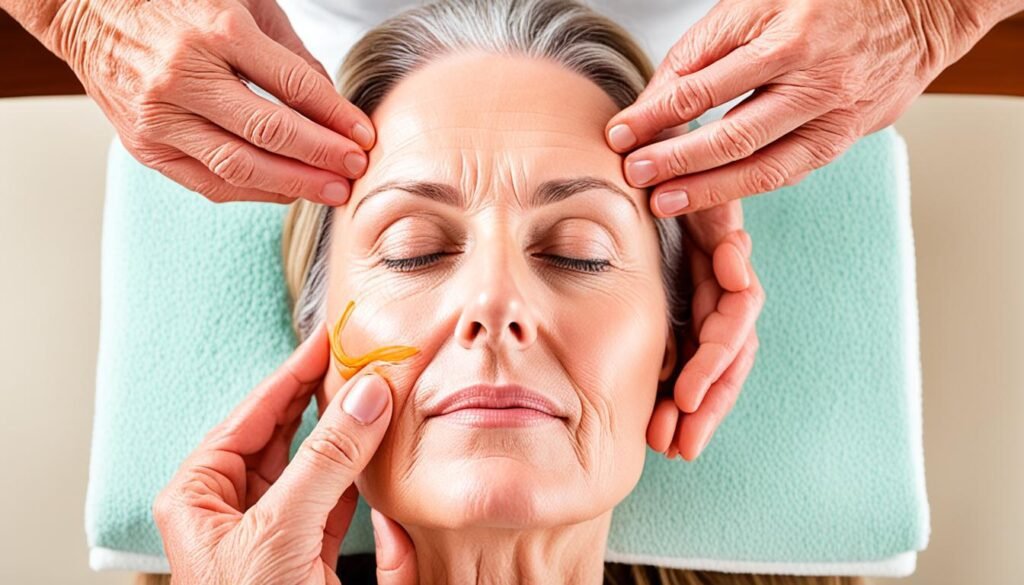
When it comes to facial massage, there are several techniques available to address different concerns and preferences. Whether you’re looking to alleviate muscle tension, stimulate blood flow, or improve lymphatic drainage, there’s a facial massage technique that suits your needs.
Swedish Facial Massage
Swedish facial massage is a gentle technique that uses light, long strokes to ease muscle tension in the face. By promoting relaxation and improving blood circulation, this technique can help reduce stress and enhance the overall appearance of the skin.
Shiatsu Facial Massage
Shiatsu facial massage involves applying pressure to specific points on the face. Similar to acupuncture, this technique aims to restore the balance of energy and promote a sense of well-being. By targeting acupressure points, Shiatsu facial massage can help relieve tension and stimulate blood flow.
Gua Sha Facial Massage
Gua sha facial massage utilizes a flat crystal tool, typically made of jade or rose quartz, to massage the face. The tool is gently scraped along the skin, helping to improve blood circulation, reduce puffiness, and promote a healthy glow. This technique is also believed to release muscle tension and aid in the absorption of skincare products.
Lymphatic Drainage Facial Massage
Lymphatic drainage facial massage focuses on stimulating the lymphatic system and eliminating toxins from the face. By using gentle, rhythmic movements, this technique aims to reduce puffiness, improve skin tone, and enhance the overall complexion. Lymphatic drainage facial massage can be particularly beneficial for those with fluid retention or a sluggish lymphatic system.
Each facial massage technique offers unique benefits and can be tailored to your individual preferences and needs. Whether you’re seeking relaxation, improved circulation, or targeted skincare benefits, incorporating one or more of these techniques into your self-care routine can help you achieve a rejuvenated and revitalized complexion.
Tools for At Home Facial Massage
When it comes to at-home facial massage, your hands are the primary tools that can work wonders for your skin. But if you want to enhance your massage experience, there are various massage tools available that can take your self-care routine to the next level.
- Face Rollers: Face rollers are popular tools that apply gentle pressure to the skin, promoting relaxation and improving blood circulation. They come in different materials, such as jade, rose quartz, or amethyst, each offering unique properties for your skin.
- Heated Massagers: Heated massagers provide warmth and relaxation during your facial massage. The gentle heat can help open up pores, allowing better absorption of skincare products and aiding in overall relaxation.
- Chilled Massagers: Chilled massagers offer a refreshing experience by providing a cool sensation to the skin. They can help reduce puffiness, tighten the skin temporarily, and awaken the senses.
- Vibrating Massagers: Vibrating massagers claim to provide a more intense massage experience by combining vibration technology with gentle pressure. They are designed to target specific areas and stimulate the muscles, promoting relaxation and rejuvenation.
It’s essential to note that while these tools can enhance your facial massage, scientific evidence specifically for their additional benefits is lacking. Choose tools that suit your needs and preferences, and enjoy the added relaxation and self-care they provide.
Remember, the most important tool you have for facial massage is your own hands. Don’t forget to use a lotion or oil to reduce friction and create a smooth glide as you massage your way to healthier, more radiant skin.
Step-by-Step Guide to At Home Facial Massage
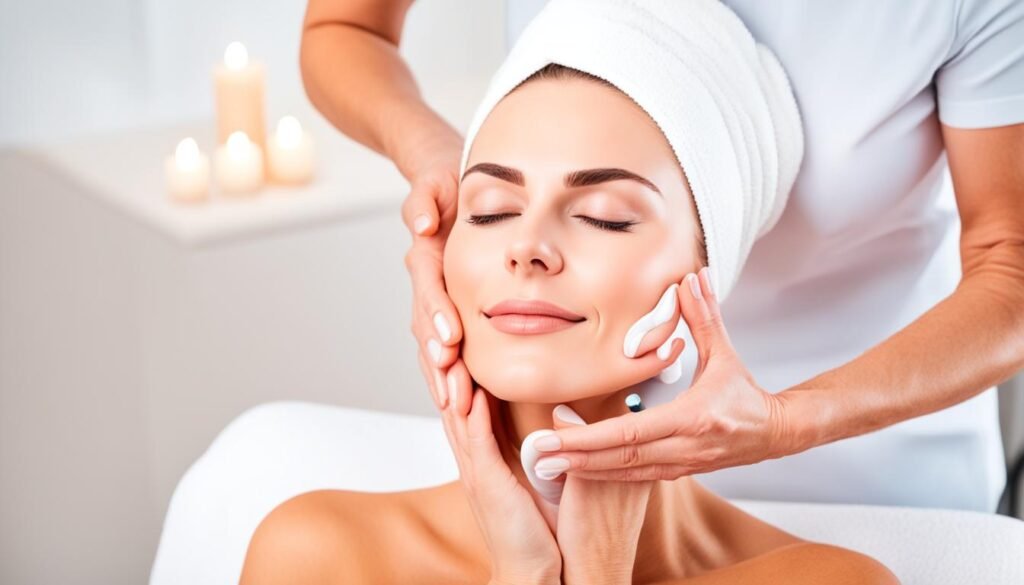
Facial massage is a relaxing and beneficial practice that you can easily incorporate into your skincare routine. By following these step-by-step instructions, you can learn how to do an anti-aging facial massage at home.
Step 1: Choose the Right Facial Oil
Before starting your facial massage, it’s important to select a facial oil that is suitable for your skin type. Look for a high-quality oil that hydrates and nourishes the skin without leaving a greasy residue. Some popular options include argan oil, jojoba oil, and rosehip oil. Warm up a small amount of the oil in your hands before applying it to your face and neck.
Step 2: Begin with Collarbone to Jaw Movements
Start your facial massage by gently moving your fingers from the collarbones upward toward the jawline. Use light pressure and smooth, sweeping motions. This helps to promote circulation and prepare the skin for the massage.
Step 3: Specific Movements for Different Areas of the Face
Next, focus on specific movements for different areas of your face:
- Chin: Use your fingertips to massage the chin area in circular motions. This helps to relax the muscles and reduce tension.
- Cheeks: Use upward and outward motions, starting from the center of your face and moving toward the temples. This helps to lift and firm the cheeks.
- Nose: Gently pinch along the sides of your nose, moving from the bridge to the tip. This can help improve blood flow and reduce puffiness.
- Brows: Use your fingertips to apply light pressure along the brow bone, moving from the inner corner to the outer corner. This helps to relieve tension and create a lifting effect.
Step 4: Finish with Light Upward Strokes
Finish your facial massage with light upward strokes. Starting from the neck, use your fingertips to gently glide up the face and towards the hairline. This movement helps to promote lymphatic drainage and leaves the skin feeling refreshed.
After the massage, you can choose to leave the facial oil on your skin or wash it off with a gentle cleanser. Remember, consistency is key for optimal results. Incorporate facial massage into your skincare routine regularly to maintain a healthy and youthful complexion.
In the next section, we will explore the risks and precautions to keep in mind when performing a facial massage.
Risks and Precautions of Facial Massage
Facial massage is generally safe and low risk. However, it is important to take certain precautions to ensure a positive experience. Here are some risks to be aware of and precautions to consider before incorporating facial massage into your skincare routine:
Risks of Facial Massage
- Sensitive skin: If you have sensitive skin, facial massage may cause irritation or redness. It is best to avoid excessive pressure or aggressive techniques in such cases.
- Inflamed rosacea: Facial massage can potentially aggravate inflamed rosacea, leading to increased redness and sensitivity. It is advisable to consult with a dermatologist before attempting facial massage if you have this condition.
- Active acne: Massage can spread bacteria and cause further breakouts in areas with active acne. It’s recommended to avoid massaging over active acne lesions.
- Sunburn: Massaging sunburned skin can worsen the condition and result in pain or discomfort. Wait until the sunburned skin has healed before performing facial massage.
Precautions for Facial Massage
- Moderate pressure: Apply gentle and moderate pressure during facial massage to avoid unnecessary strain or potential damage to the skin.
- Avoid strong actives: Refrain from using strong exfoliants, acids, or other potent skincare products immediately before or after facial massage. These products can increase skin sensitivity and irritation.
- Listen to your skin: Pay attention to how your skin reacts during the massage. If you experience any pain, discomfort, or negative reactions, it is essential to stop the massage immediately.
- Consult a professional: If you are unsure about facial massage or have any concerns, consult a dermatologist or esthetician who can provide guidance based on your specific needs and skin condition.
By being aware of the potential risks associated with facial massage and taking appropriate precautions, you can enjoy the benefits of this self-care practice with confidence and peace of mind.
Other Anti-Aging Methods to Consider
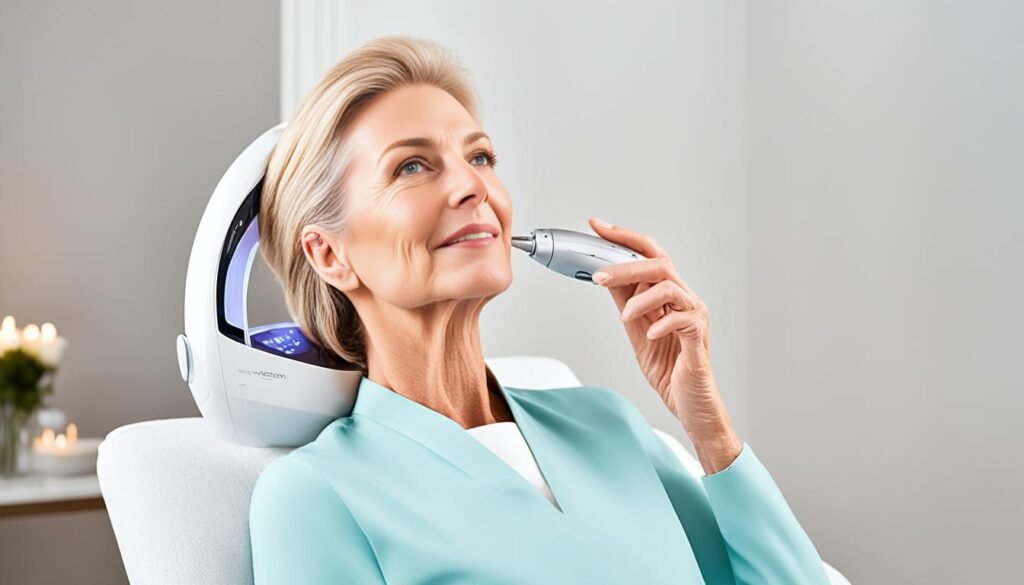
In addition to facial massage, there are other minimally-invasive treatments that may help with anti-aging. These treatments can be explored as complementary options to facial massage, providing a comprehensive approach to maintaining youthful skin and reducing the signs of aging. Here are some popular methods to consider:
Face Exercises
Face exercises, also known as facial yoga, aim to work out and tone the facial muscles. By targeting specific muscle groups, these exercises claim to lift and firm the face, reducing the appearance of wrinkles and sagging skin. Regular face exercises can potentially contribute to a more youthful facial appearance.
Microcurrent Facials
Microcurrent facials involve the use of low-level electrical currents to stimulate the facial muscles and promote collagen production. This non-invasive treatment can help improve muscle tone, tighten the skin, and reduce the appearance of fine lines and wrinkles. Microcurrent facials are typically performed by trained estheticians.
High-Intensity Focused Ultrasound Facial
High-intensity focused ultrasound (HIFU) facials utilize advanced technology to deliver targeted heat energy to the deeper layers of the skin. This heat stimulates collagen production, resulting in skin tightening and lifting effects. HIFU facials can be effective in reducing wrinkles and improving overall skin tone.
Microneedling
Microneedling, also known as collagen induction therapy, involves creating tiny punctures in the skin using a device with fine needles. These micro-injuries stimulate collagen production and promote skin rejuvenation. Microneedling can help reduce the appearance of fine lines, wrinkles, and scars, leading to a smoother and more youthful complexion.
These methods offer alternative ways to combat the signs of aging, complementing the benefits of facial massage. To achieve the best results, it’s advisable to consult with a skincare professional who can provide guidance on the most suitable approaches for your specific needs.
The Power of Touch in Face Massage
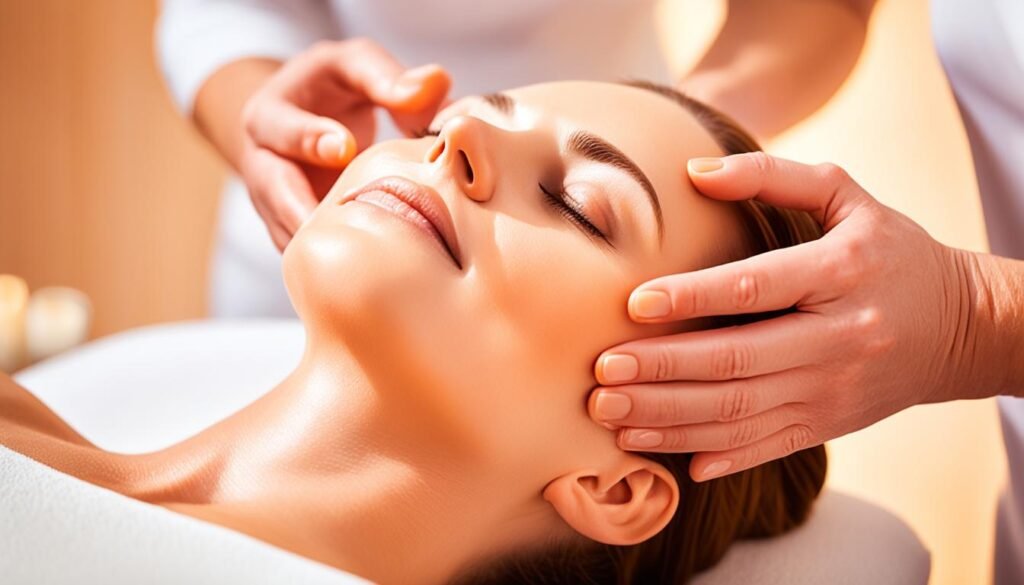
Face massage offers more than just potential skin benefits. It has significant emotional and physical advantages that can enhance overall well-being. Through the power of touch, face massage has been used for centuries as a natural way to support skin health and promote a youthful appearance.
One of the major benefits of face massage is its ability to relieve stress. The gentle touch and rhythmic movements can help release tension and promote relaxation. This can have a positive impact on not only the mind but also the body, as it reduces the production of stress hormones and enhances a sense of calm.
Another advantage of face massage is the improvement of blood flow to the skin. The manipulation of the face stimulates blood circulation, bringing essential oxygen and nutrients to the skin cells. This increased blood flow can contribute to a healthier complexion, promoting a natural glow and supporting skin healing processes.
In addition to emotional and physical benefits, face massage offers a moment of self-care and indulgence. Taking the time to slow down, connect with your body, and nurture your skin can have a profound impact on overall well-being. It can boost confidence, enhance self-esteem, and provide a sense of pampering and relaxation.
Incorporating face massage into your skincare routine can be a powerful tool for maintaining skin health and promoting a youthful appearance. Whether you choose to perform it yourself or seek the help of a professional, the power of touch in face massage offers a holistic approach to skincare that addresses both the outer and inner aspects of beauty.
Choosing the Right Facial Oil for Massage
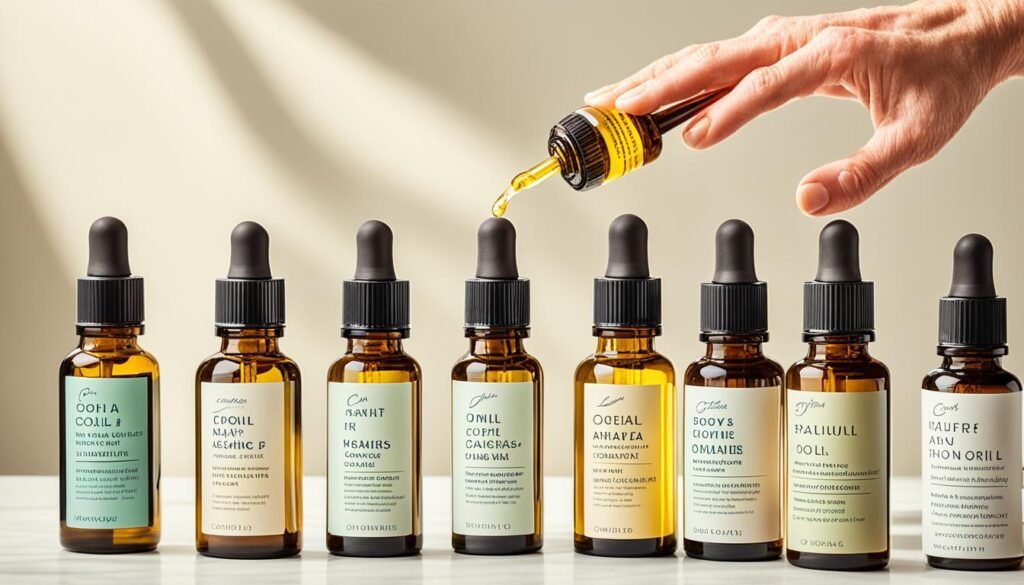
Selecting the right facial oil is crucial for an effective massage. A plant-based facial oil is a great choice, as it offers numerous benefits for the skin. Unlike mineral oils, which can clog pores, plant-based oils provide nourishment without compromising skin health. When choosing a facial oil for massage, consider your skin type and specific needs.
- For dry or mature skin, opt for heavier oils like argan oil, rosehip oil, or avocado oil. These oils provide deep hydration and help smooth fine lines and wrinkles.
- If you have oily or acne-prone skin, look for lighter, non-comedogenic oils such as jojoba oil, grapeseed oil, or tea tree oil. These oils moisturize the skin without clogging pores or causing breakouts.
- Sensitive skin types can benefit from gentle oils like chamomile oil, calendula oil, or apricot kernel oil. These oils have soothing properties that help calm and protect delicate skin.
The right facial oil will provide lubrication and nourishment for the massage, allowing for smooth movements and improved results. Remember to warm up the oil in your hands before applying it to your face and neck. Use gentle and even strokes during the massage, focusing on areas that need extra attention. Enjoy the relaxing benefits of the massage and let the plant-based facial oil pamper your skin.
| Facial Oil | Skin Type | Main Benefits |
|---|---|---|
| Argan oil | Dry or mature skin | Deep hydration and wrinkle reduction |
| Rosehip oil | Dry or mature skin | Moisturizing, brightening, and scar-reducing properties |
| Avocado oil | Dry or mature skin | Rich in fatty acids for intense hydration and anti-aging benefits |
| Jojoba oil | Oily or acne-prone skin | Lightweight, non-comedogenic, balances oil production |
| Grapeseed oil | Oily or acne-prone skin | Antibacterial properties, controls oiliness, and helps reduce breakouts |
| Tea tree oil | Oily or acne-prone skin | Anti-inflammatory, antimicrobial, and controls acne |
| Chamomile oil | Sensitive skin | Calming, soothing, and reduces redness |
| Calendula oil | Sensitive skin | Anti-inflammatory, promotes healing, and soothes irritation |
| Apricot kernel oil | Sensitive skin | Gentle, moisturizing, and improves skin elasticity |
Please note that individual preferences and sensitivities may vary, so it’s always a good idea to patch test any new oil before using it extensively.
Frequently Asked Questions About Facial Massage
As you explore the world of facial massage, you may have some questions about this rejuvenating practice. To help clear up any confusion, I’ve compiled answers to some frequently asked questions about facial massage.
1. Is facial massage suitable for all skin types?
Yes, facial massage can benefit all skin types. However, individuals with sensitive skin, inflamed rosacea, active acne, or sunburn should avoid facial massage or proceed with caution. If you have any concerns about your skin type, it’s best to consult a dermatologist or esthetician before incorporating facial massage into your routine.
2. How often should I perform facial massage?
The frequency of facial massage depends on your personal preference and skin needs. For general maintenance, performing facial massage 2-3 times a week can be beneficial. However, if you’re using facial massage to address specific concerns or boost circulation, you may choose to perform it more frequently.
3. Can I use any oil or product for facial massage?
When selecting an oil or product for facial massage, it’s important to choose one that suits your skin type and preferences. Opt for plant-based oils instead of mineral oils, as they provide nourishment without clogging pores. Non-comedogenic oils are ideal for acne-prone skin. Experiment with different oils to find the one that works best for you.
4. Can facial massage help reduce wrinkles?
Facial massage may help reduce the appearance of wrinkles by improving blood flow, promoting relaxation, and temporarily plumping the skin. However, it’s important to note that scientific evidence supporting facial massage as a long-term wrinkle reduction method is still limited. Combining facial massage with other anti-aging treatments and a comprehensive skincare routine may yield better results.
5. Can I perform facial massage on my own or should I seek professional help?
Facial massage can be performed at home, but it’s always a good idea to seek professional guidance, especially if you’re new to facial massage or have specific concerns. A dermatologist or esthetician can provide personalized recommendations and techniques that align with your skincare goals.
Remember, facial massage should be a relaxing and enjoyable experience. If you have any further questions or concerns about facial massage, don’t hesitate to reach out to a skincare professional.
Conclusion
Facial massage, including at-home anti-aging techniques, offers potential benefits such as improved circulation, relaxation, and temporary skin plumping. While scientific evidence is limited, incorporating regular facial massage into your skincare routine may contribute to a youthful complexion. Remember to choose suitable oils, use gentle techniques, and consult a professional if needed. Enjoy the power of touch and the self-care aspect of facial massage for a rejuvenating experience.
FAQ
Does facial massage really work for anti-aging?
While scientific evidence is limited, facial massage may help reduce the signs of aging. Studies suggest that facial massage can temporarily plump the skin and potentially produce long-term changes in appearance. However, more research is needed to fully understand its effects on the visible signs of aging.
What are the types of facial massage techniques?
There are various types of facial massage techniques, including Swedish, Shiatsu, Gua sha, and lymphatic drainage. Each technique offers unique benefits and can be tailored to individual preferences and needs.
What tools can I use for at-home facial massage?
The essential tools for facial massage are a person’s hands and a lotion or oil to reduce friction. However, there are also various massage tools available, such as face rollers, heated massagers, chilled massagers, and vibrating massagers.
How do I perform an at-home facial massage step by step?
To perform an at-home facial massage, warm up your chosen facial oil, apply it to your face and neck, and begin with gentle movements from the collarbones upward. Continue with specific movements for different areas of the face, such as the chin, cheeks, nose, and brows. Finish with light upward strokes and leave the oil on the skin or wash it off with a cleanser.
Are there any risks or precautions to consider with facial massage?
Facial massage is generally safe and low risk. However, avoid facial massage if you have sensitive skin, inflamed rosacea, active acne, or sunburn. Be cautious with pressure and avoid using strong actives or products that may irritate the skin. If you experience any negative reactions or pain during the massage, stop and consult a dermatologist or esthetician.
Are there other anti-aging methods to consider in addition to facial massage?
Yes, there are other minimally-invasive treatments to consider, such as face exercises, microcurrent facials, high intensity focused ultrasound facials, and microneedling. These methods can be explored as complementary options to facial massage.
What are the benefits of the power of touch in face massage?
The power of touch in face massage goes beyond potential skin benefits. It can relieve stress, improve blood flow, increase relaxation, and enhance overall well-being.
How do I choose the right facial oil for massage?
When choosing a facial oil for massage, opt for plant-based oils rather than mineral oils, as they can clog pores. Look for oils that suit your skin type, such as non-comedogenic oils for acne-prone skin. The right facial oil will provide lubrication and nourishment for the massage, allowing for smooth movements and improved results.