Did you know that laser skin treatments have become one of the most popular options for addressing various skin concerns? From wrinkles and age spots to acne scars and skin tightening, laser treatments offer a non-invasive solution for achieving a more youthful and radiant complexion. However, before undergoing these procedures, it is important to understand their safety and potential side effects.
Key Takeaways:
- Laser skin treatments are a popular choice for addressing various skin concerns.
- Factors such as the type of laser, timing, and provider expertise influence the safety and effectiveness of laser treatments.
- Understanding the potential benefits, risks, and precautions is essential before undergoing laser skin treatments.
- Proper aftercare and follow-up care instructions are crucial for optimal results and minimizing complications.
- Consultation with a qualified professional is recommended for personalized advice and treatment planning.
Understanding Laser Skin Resurfacing
Laser skin resurfacing is a highly effective technique for addressing a range of skin concerns, including wrinkles, scars, and uneven skin tone. This treatment involves using different types of lasers that target specific skin issues, providing individuals with personalized solutions.
There are several types of lasers used in skin resurfacing, each with its own set of benefits and suitability for different skin types and concerns. These lasers include:
- CO2 lasers: These lasers are commonly used for deep wrinkles, acne scars, and skin flaws. They work by removing the outer layers of skin, stimulating collagen production, and promoting overall skin rejuvenation.
- Erbium lasers: Ideal for addressing fine lines, wrinkles, and age spots, Erbium lasers are gentler than CO2 lasers and require less downtime for recovery.
- Pulsed-Dye lasers: Used primarily for treating vascular issues, such as redness, rosacea, and spider veins, Pulsed-Dye lasers target blood vessels while leaving surrounding skin intact.
- Fractional lasers: These lasers create microscopic injuries in the skin, stimulating collagen production and improving skin texture, tone, and elasticity. They are effective for addressing age-related blemishes and scars.
- IPL (Intense Pulsed Light): Although not technically a laser, IPL treatments emit high-energy light to target skin concerns like pigmentation issues, sun damage, and redness. IPL can provide similar results to laser resurfacing but with less downtime.
To determine which laser is best suited for your specific needs, it is important to consult with a qualified professional. They will assess your skin concerns, goals, and medical history to recommend the most appropriate laser and treatment plan for you.
| Laser Type | Best Suited For | Benefits |
|---|---|---|
| CO2 lasers | Deep wrinkles, acne scars, skin flaws | Stimulates collagen production, rejuvenates skin |
| Erbium lasers | Fine lines, wrinkles, age spots | Gentle treatment, shorter downtime |
| Pulsed-Dye lasers | Vascular issues, redness, spider veins | Targets blood vessels, minimal impact on surrounding skin |
| Fractional lasers | Age-related blemishes, scars | Improves skin texture, tone, and elasticity |
| IPL | Pigmentation issues, sun damage, redness | Similar results to laser resurfacing, less downtime |
Factors to Consider Before Laser Resurfacing
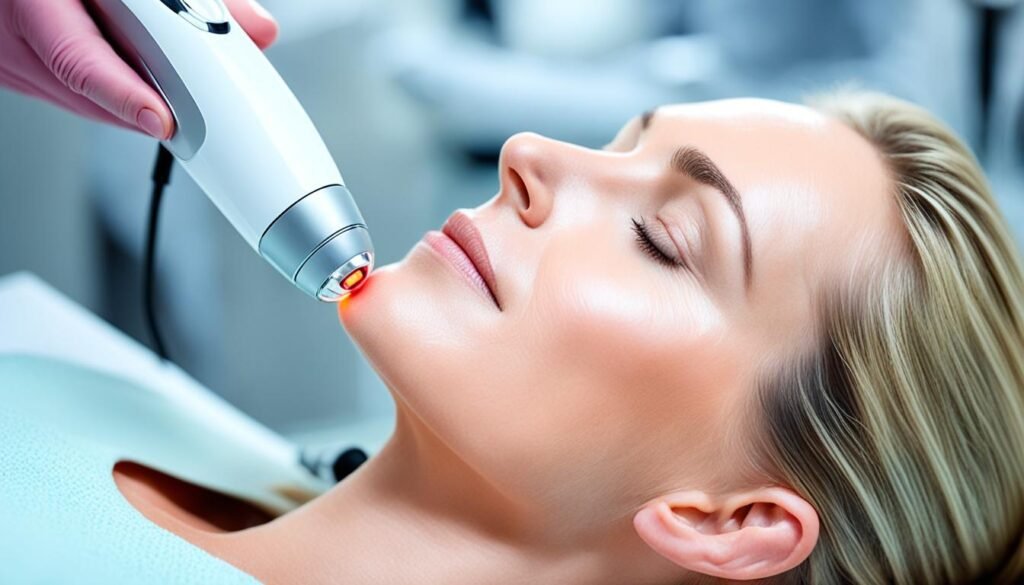
Before undergoing laser resurfacing, there are several important factors to consider. These factors can greatly impact the outcome and safety of your treatment. Let’s explore some of the key considerations:
Timing for Laser Resurfacing
The timing of your laser resurfacing treatment can significantly affect the healing process. It is generally recommended to schedule your treatment during the fall or winter months. During this time, the sun’s intensity is lower, minimizing the risk of sun damage during the crucial recovery period.
Pain during Laser Treatments
Pain levels experienced during laser treatments can vary depending on the type of laser used and individual tolerance. Some lasers may cause minimal discomfort, while others may be more intense. It is important to discuss pain management options with your provider before the procedure to ensure your comfort throughout the treatment.
Laser Resurfacing for Darker Skin
Contrary to common misconceptions, laser resurfacing is not limited to individuals with light skin types. Safe and effective options exist for individuals with darker skin tones as well. It is essential to consult with a provider experienced in treating diverse skin types to ensure the best treatment plan for your specific needs.
Choosing the Right Provider
When it comes to laser resurfacing, the expertise and qualifications of your provider play a crucial role. It is important to choose a provider with extensive experience and expertise in laser treatments. They should have a deep understanding of different skin types, laser technologies, and potential complications to ensure a safe and effective treatment.
Medications and Conditions Impacting Laser Treatment
Before undergoing laser resurfacing, it is important to inform your provider about any medications, supplements, or pre-existing medical conditions you have. Certain medications, such as blood thinners, can affect the skin’s healing process. Similarly, conditions like diabetes or autoimmune disorders may impact the skin’s reaction to laser treatment. Providing a comprehensive medical history will allow your provider to tailor the treatment plan accordingly.
| Factors | Considerations |
|---|---|
| Timing | Fall or winter for minimized sun exposure |
| Pain | Varying pain levels and discomfort management |
| Skin Tone | Safe and effective options for darker skin |
| Provider | Choosing an experienced and qualified provider |
| Medications and Conditions | Informing about medications and pre-existing conditions |
By considering these factors and having open communication with your provider, you can ensure a safe and successful laser resurfacing treatment tailored to your specific needs.
Expected Results and Downtime
When undergoing laser skin treatments, it is important to manage your expectations regarding the results and understand the downtime involved. Achieving the desired outcome often requires multiple laser sessions to maximize effectiveness.
The extent of downtime after laser resurfacing varies depending on the type of laser used and the depth of treatment. Non-ablative lasers typically have minimal downtime, allowing you to resume your daily activities immediately after the procedure.
On the other hand, ablative lasers, which remove layers of skin to promote rejuvenation, may require a longer healing process. In such cases, downtime can range from a few days to several weeks for the skin to fully recover.
During the healing process, it is common to experience some side effects, such as rawness, redness, and scabbing. These are temporary and will gradually subside as your skin undergoes its natural healing process.
To ensure proper healing and minimize the risk of complications, it is crucial to follow post-procedure care instructions. This includes:
- Applying sunscreen regularly to protect your vulnerable skin from UV radiation
- Avoiding direct sunlight and tanning beds
- Keeping the treated area clean and moisturized
- Avoiding strenuous activities and exercise that can cause excessive sweating
- Avoiding picking or scratching at scabs or peeling skin
By adhering to these guidelines, you can enhance the healing process and ensure the best possible outcome from your laser skin treatment.
Expert Insight:
“Proper post-procedure care is essential for the healing process after laser resurfacing. Patients must follow the instructions provided by their healthcare professional to minimize complications and achieve desired results.”
Different Types of Laser Treatments
Laser skin resurfacing treatments utilize various types of lasers, each with unique characteristics and applications. Understanding the different lasers available can help determine the most suitable treatment for specific skin concerns.
CO2 Laser Resurfacing
The CO2 laser is commonly used in laser skin resurfacing treatments to address scars, wrinkles, and skin flaws. This laser emits short bursts of high-energy light, which removes the outer layer of damaged skin, stimulating collagen production and revealing smoother, more youthful-looking skin.
Erbium Laser Resurfacing
Erbium lasers are effective in targeting fine lines, wrinkles, and age spots. This type of laser is gentler than the CO2 laser, removing fewer layers of skin and resulting in a shorter recovery time.
Neodymium Yag Laser
The Neodymium Yag laser is suitable for darker skin tones and offers a versatile range of applications, including hair removal, tattoo removal, birthmark removal, and vascular reduction.
Pulse-Dye Lasers
Pulse-dye lasers are specifically designed to target issues related to blood vessels, such as spider veins and port wine stains. These lasers emit a concentrated beam of light that is absorbed by the blood vessels, causing them to coagulate and eventually fade.
Fractional Lasers
Fractional lasers are commonly used for addressing age-related blemishes, including age spots, sun damage, and acne scars. This type of laser works by dividing the laser beam into thousands of tiny, closely spaced treatment zones, stimulating the body’s natural healing process and promoting new collagen production.
IPL Treatments
Intense Pulsed Light (IPL) treatments, although not technically lasers, can effectively address various skin concerns similar to laser treatments. IPL treatments use broad-spectrum visible light to target pigmented and vascular lesions, reducing the appearance of age spots, redness, and fine lines.
Each type of laser treatment offers its own advantages and considerations. Consulting with a qualified professional is essential to determine the most appropriate laser treatment for individual needs and desired outcomes.
Understanding Laser Facials
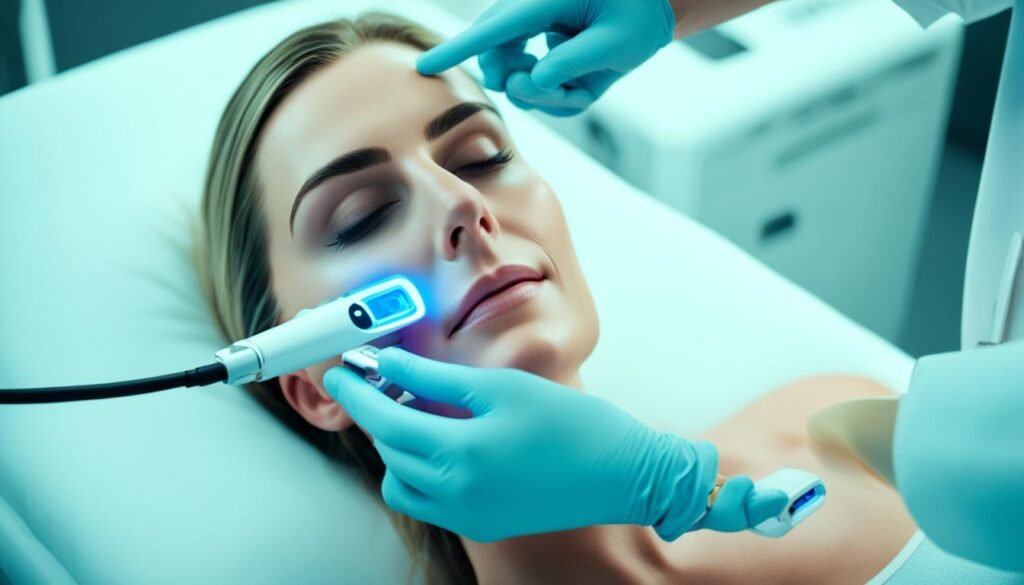
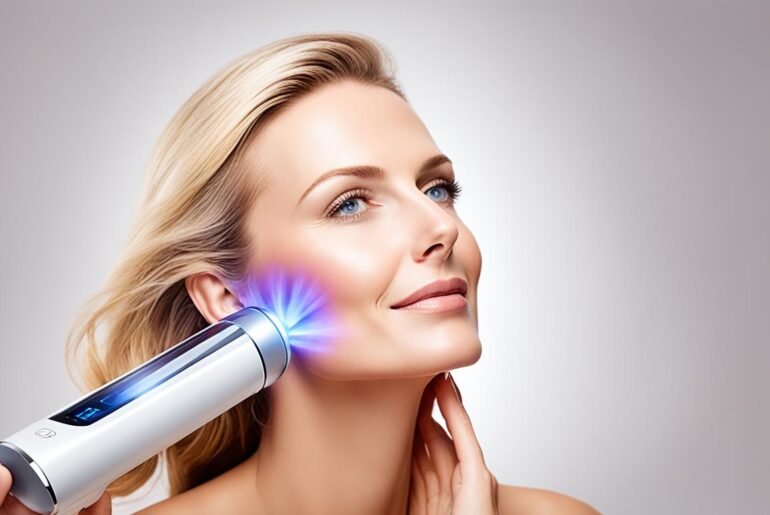
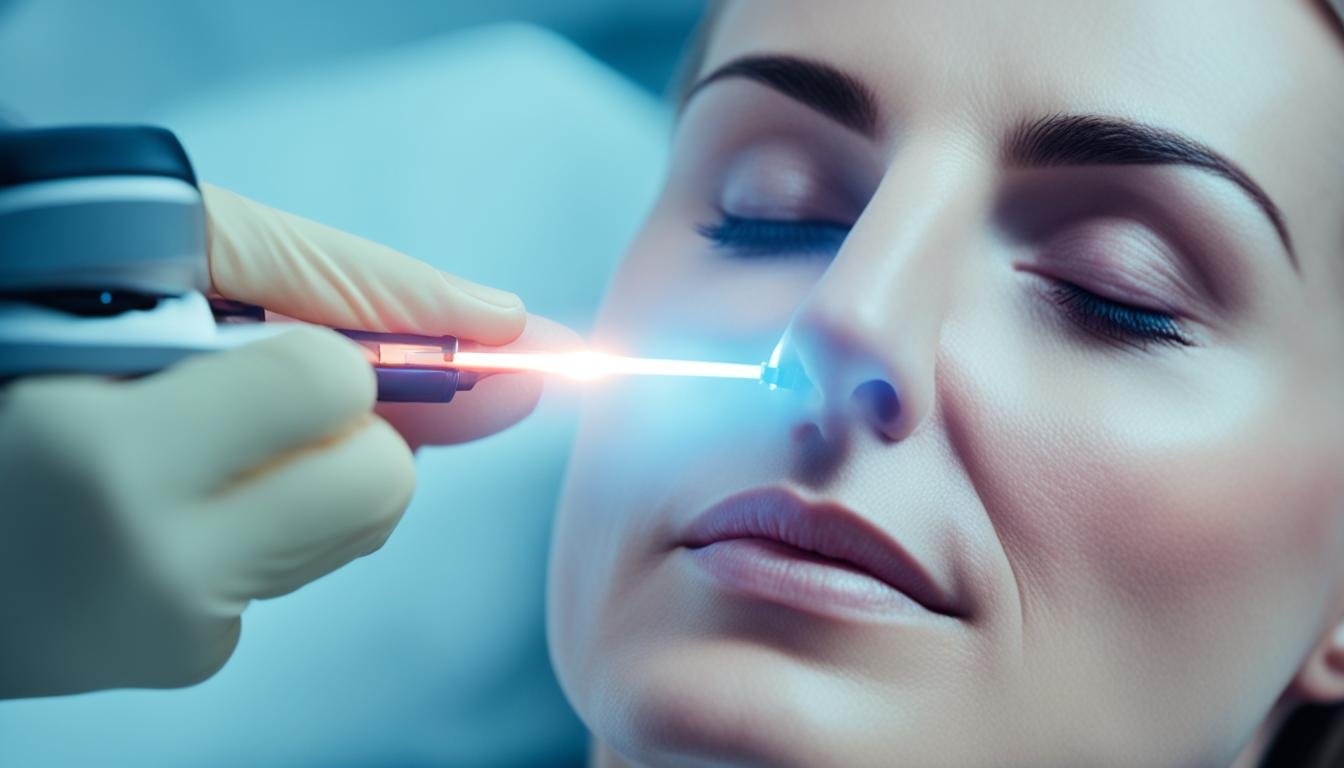
Laser facials are a popular choice for skin rejuvenation, offering non-surgical and non-invasive solutions to various skin concerns. These treatments utilize concentrated beams of light energy to improve skin tone, texture, and overall appearance. Laser facials are effective in addressing signs of aging, scarring, and pigmentation issues, providing individuals with smoother, more youthful-looking skin.
There are two main types of laser facials: ablative and non-ablative. Ablative lasers work by removing the outermost layers of the skin, stimulating collagen production and promoting the growth of new, healthier skin cells. Non-ablative lasers, on the other hand, target the deeper layers of the skin without damaging the surface, triggering the natural healing response and collagen synthesis.
Here are some examples of safe and effective laser facials:
- ClearLift Laser: This non-ablative laser treatment is renowned for its ability to rejuvenate the skin without any downtime. It works by delivering short, powerful bursts of light that stimulate collagen production and improve overall skin texture.
- Micro Plasma Pixel RF: Combining radiofrequency energy with micro-plasma technology, this treatment promotes collagen remodeling, reduces fine lines, and improves skin elasticity. It is especially effective for treating acne scars and hyperpigmentation.
- Photofacials: Also known as Intense Pulsed Light (IPL) treatments, photofacials use controlled flashes of intense light to target and eliminate skin imperfections, such as sunspots, redness, and broken capillaries.
- iPixel Laser Resurfacing: This fractional ablative laser treatment improves skin texture, reduces wrinkles, and fades scars. It works by creating tiny microchannels in the skin, allowing for faster healing and collagen production.
These laser facials offer safe and effective alternatives to more invasive procedures, providing individuals with noticeable improvements in skin quality and appearance.
How Laser Facials Work
Laser facials are an effective way to rejuvenate the skin and address various skin concerns. Understanding the mechanisms behind laser facials can help individuals make informed decisions about their skincare treatments.
Ablative Lasers
Ablative lasers are commonly used during laser facials to remove the top layers of the skin. This process helps promote the growth of healthier skin by stimulating collagen production and cellular turnover. By eliminating damaged and aging skin cells, ablative lasers can improve skin texture, reduce the appearance of fine lines and wrinkles, and even out skin tone.
Non-Ablative Lasers
Non-ablative lasers, on the other hand, do not remove the top layers of the skin but instead target the deeper layers. By heating the skin to a specific temperature, non-ablative lasers stimulate collagen production, which helps tighten and firm the skin over time. This collagen production can lead to improved skin elasticity, reduced sagging, and a more youthful appearance.
Both ablative and non-ablative lasers contribute to the skin’s natural healing process. As the skin heals, new collagen is formed, resulting in improved skin tone and texture. The skin healing process may also stimulate the production of new skin cells, leading to smoother and softer skin.
The Benefits of Collagen Production
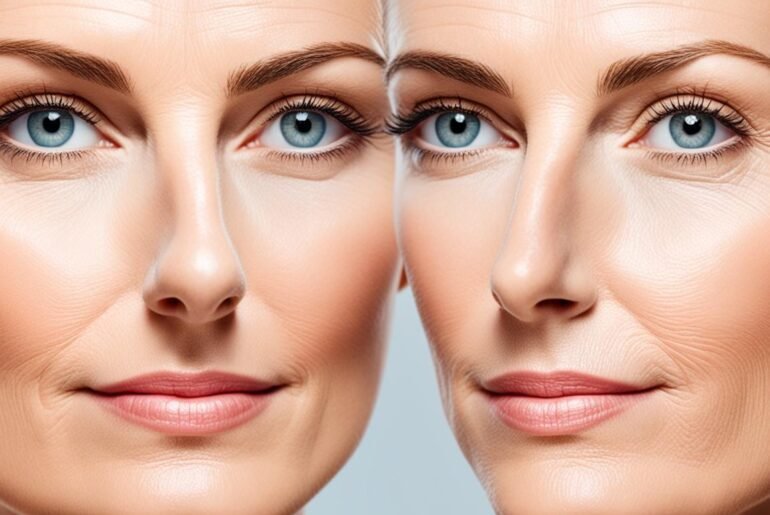
Collagen is a vital protein that provides structure and support to the skin. As we age, collagen levels decrease, leading to the formation of lines, wrinkles, and sagging skin. By stimulating collagen production, laser facials can help restore and maintain the skin’s firmness, elasticity, and overall youthfulness.
“Laser facials have revolutionized the way we address skin concerns. By promoting collagen production and harnessing the skin’s natural healing process, these treatments offer effective and long-lasting results.”
The Skin Healing Process
After undergoing a laser facial, the skin enters a healing process that varies in duration and intensity depending on the individual and the specific laser used. Generally, the skin may appear red, slightly swollen, and sensitive immediately after the treatment. These effects gradually subside over time, revealing the improved skin beneath. It is crucial to follow post-treatment care instructions provided by the dermatologist or skincare professional to ensure proper healing and enhance the results of the laser facial.
| Ablative Lasers | Non-Ablative Lasers |
|---|---|
| Remove top layers of skin | Target deeper layers of skin |
| Stimulate collagen production | Heat the skin to promote collagen production |
| Improve skin texture and tone | Tighten and firm the skin |
| Require longer downtime for skin healing | Have minimal downtime |
Safest Laser Facial Treatments
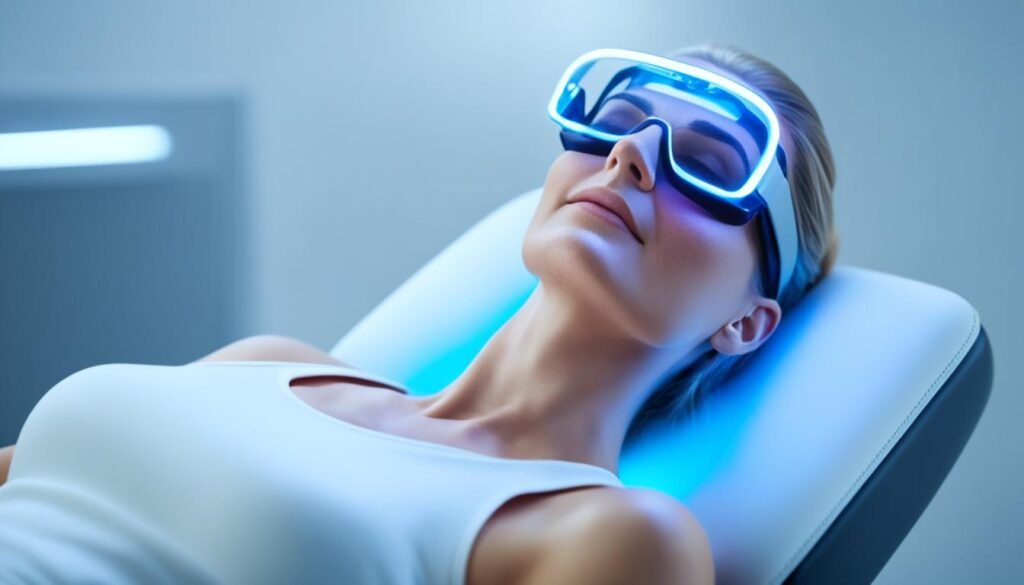
When it comes to laser facial treatments, safety is of utmost importance. You want to ensure that the procedure you choose is not only effective but also safe for your skin. Fortunately, there are several trusted laser facial treatments that have been proven to be both safe and highly effective for most skin types.
One such treatment is the ClearLift laser. This innovative non-ablative laser treatment uses advanced technology to rejuvenate the skin without causing any damage to the surface. It is a gentle yet powerful option for addressing various skin concerns, including fine lines, wrinkles, and uneven skin tone.
Another safe and highly esteemed laser facial treatment is Micro Plasma Pixel RF. This treatment targets specific problem areas, such as acne scars, pigmentation issues, and enlarged pores. By delivering controlled radiofrequency energy to the skin, Micro Plasma Pixel RF stimulates collagen production and promotes a more youthful complexion.
If you’re looking for a treatment that harnesses the power of light, photofacials may be a great option for you. Photofacials use intense pulsed light (IPL) technology to target and treat various skin concerns, including sun damage, age spots, and redness. IPL treatments are safe and effective for most skin types, offering significant results with minimal downtime.
Lastly, iPixel Laser Resurfacing is a fractional ablative laser treatment that delivers remarkable skin rejuvenation results. It targets both the surface and deeper layers of the skin, stimulating collagen production and improving skin texture, tone, and overall appearance. iPixel Laser Resurfacing is a safe option for addressing wrinkles, scars, and pigmentation issues.
These laser facial treatments have been carefully developed and tested to provide exceptional results while prioritizing the safety and well-being of patients. By targeting specific skin concerns and utilizing advanced technologies, ClearLift laser, Micro Plasma Pixel RF, photofacials, and iPixel Laser Resurfacing offer safe alternatives for achieving a rejuvenated and youthful complexion.
Considerations and Aftercare for Laser Skin Treatments

Before undergoing laser skin treatments, it is important to be mindful of certain considerations and follow proper aftercare to ensure optimal results and minimize complications. Here are some key factors to keep in mind:
Medications and Supplements
It is crucial to avoid certain medications and supplements before laser treatment, as they can affect clotting and increase the risk of complications. Some common examples include blood thinners like aspirin, non-steroidal anti-inflammatory drugs (NSAIDs), and certain herbal supplements. Make sure to consult with your healthcare provider and inform your laser treatment specialist about any medications or supplements you are currently taking.
Smoking Cessation
Smoking has detrimental effects on the healing process and can impede the effectiveness of laser skin treatments. Quitting smoking before and after the procedure is highly recommended to promote proper healing and enhance the results. Smoking reduces blood flow, which can hinder the delivery of oxygen and nutrients to the treated area. By quitting smoking, you improve blood circulation and increase the chances of a successful outcome.
Follow-up Care
Following your laser skin treatment, your provider will provide you with specific aftercare instructions to ensure proper healing and minimize the risk of complications. It is crucial to adhere to these instructions diligently. They may include guidelines on cleaning and moisturizing the treated area, avoiding direct sun exposure, and avoiding certain skincare products or treatments that may irritate the skin. By following these instructions, you can optimize the results of your laser treatment and promote a smooth recovery.
Sunscreen Use
Protecting your skin from the sun’s harmful UV rays is essential after laser skin treatments. The treated skin may be more sensitive to sunlight and prone to hyperpigmentation. Applying a broad-spectrum sunscreen with an SPF of 30 or higher is crucial when going outside, even on cloudy days. Make sure to reapply sunscreen regularly and seek shade whenever possible to shield your skin from excessive UV exposure.
By considering these factors and following proper aftercare, you can maximize the benefits of your laser skin treatment and achieve the desired improvements in your skin’s appearance.
Conclusion
After considering the safety, potential benefits, and risks of laser skin treatments, it is clear that these procedures can be a safe and effective option for addressing various skin concerns. However, it is crucial to approach laser skin treatments with caution and consider several factors before undergoing the procedure.
The type of laser used, timing of the treatment, expertise of the provider, and individual circumstances all play a significant role in determining the safety and effectiveness of laser skin treatments. Consulting with a qualified professional who can assess your specific needs and recommend the most suitable treatment plan is essential for achieving optimal results.
While laser skin treatments have the potential to deliver significant improvements, it is important to follow proper aftercare guidelines to minimize complications and ensure the best outcome. This includes using sunscreen to protect the skin from sun damage, following any prescribed medications or skincare routines, and attending follow-up appointments as recommended.
Overall, laser skin treatments offer a promising solution for individuals looking to address concerns such as wrinkles, age spots, acne scars, and skin tightening. By understanding the potential benefits and risks, consulting with a qualified professional, and adhering to proper aftercare, you can enjoy the benefits of laser skin treatments while minimizing the potential risks.
FAQ
Are laser skin treatments safe?
Laser skin treatments can be safe and effective for addressing various skin concerns. However, it is essential to consider factors such as the type of laser, timing, provider expertise, and individual circumstances before undergoing these treatments. Consultation with a qualified professional is recommended for personalized advice and treatment planning.
What are the risks of laser skin treatments?
Like any medical procedure, laser skin treatments do carry some risks. These can include temporary side effects such as redness, swelling, and skin sensitivity. In rare cases, there may be more serious complications such as infection, scarring, or changes in skin pigmentation. Consulting with a qualified professional and following proper aftercare instructions can help minimize these risks.
What are the benefits of laser skin treatments?
Laser skin treatments offer a range of benefits, including reducing the appearance of wrinkles, acne scars, age spots, and sun damage. They can also improve skin tone and texture, tighten sagging skin, and promote collagen production for a more youthful appearance. The specific benefits will depend on the type of laser treatment and individual goals.
What are the side effects of laser skin treatments?
Laser skin treatments can have temporary side effects such as redness, swelling, and skin sensitivity immediately after the procedure. These usually subside within a few days to a week. In some cases, there may be more persistent side effects such as changes in skin pigmentation or scarring, although these are rare. It is important to discuss potential side effects with your provider before undergoing treatment.
What precautions should I take before laser skin treatments?
Before undergoing laser skin treatments, it is important to avoid certain medications and supplements that can affect clotting and increase the risk of bruising. Smoking cessation is also recommended before and after the procedure to promote proper healing. Your provider will provide specific guidelines for pre-treatment preparation, including any skincare products to avoid and sun protection measures.
Are laser skin treatments effective?
Laser skin treatments can be highly effective for addressing a range of skin concerns. However, the effectiveness will depend on factors such as the type of laser used, the expertise of the provider, and individual factors such as skin type and condition. A consultation with a qualified professional is crucial for assessing whether laser skin treatment is suitable for your specific needs and expectations.
What types of laser treatments are available?
There are various types of laser treatments available, each with its own characteristics and applications. Some common types include CO2 lasers for scar and wrinkle treatment, Erbium lasers for fine lines and age spots, Neodymium Yag lasers for hair removal and tattoo removal, pulse-dye lasers for vascular reduction, and fractional lasers for age-related blemishes. IPL treatments, while not technically lasers, can also address similar skin concerns.
How do laser facials work?
Laser facials utilize concentrated beams of light energy to improve the tone, texture, and appearance of the skin. Ablative lasers remove the top layers of skin to promote the growth of healthier skin, while non-ablative lasers heat the deeper layers of the skin to stimulate collagen production. Both types of lasers contribute to the skin’s natural healing process and can result in improved skin tone and firmness.
What are the safest laser facial treatments?
Some of the safest laser facial treatments include ClearLift, Micro Plasma Pixel RF, photofacials, and iPixel Laser Resurfacing. These treatments have been proven to be effective and safe for most skin types. ClearLift uses a non-ablative laser, while Micro Plasma Pixel RF targets specific problem areas. Photofacials use intense pulsed light, and iPixel Laser Resurfacing uses a fractional ablative laser.
What precautions should I take after laser skin treatments?
After laser skin treatments, it is important to follow the specific aftercare instructions provided by your provider. This may include avoiding direct sun exposure, using sunscreen, moisturizing the skin, and avoiding certain skincare products or activities that could irritate the treated area. Proper aftercare is crucial for promoting healing and minimizing the risk of complications.
How do I determine if laser skin treatments are right for me?
Determining if laser skin treatments are right for you involves considering factors such as your skin concerns, goals, skin type, and any relevant medical conditions or medications. Consulting with a qualified professional who specializes in laser treatments can help assess your individual situation and provide personalized recommendations.