
Did you know that regular yoga practice can improve not only your physical health but also your skin? That’s right! Yoga has been found to have transformative anti-aging benefits for both the body and mind. The practice of yoga offers a wide range of advantages that can slow down the aging process and leave you looking and feeling youthful. From reducing low back pain to improving muscle strength and even enhancing facial appearance, the anti-aging skincare benefits of yoga are truly remarkable.
Key Takeaways:
- Regular yoga practice can reduce low back pain and improve balance.
- Yoga can help straighten spinal kyphosis and improve muscle strength.
- It has been shown to decrease anxiety and depression, improve blood glucose control in type 2 diabetes, and increase flexibility.
- Yoga can also reduce menopausal symptoms and improve facial appearance through facial exercises.
Reduces Low Back Pain
Scientific studies have shown that yoga can effectively reduce low back pain. Regular yoga practice helps strengthen the muscles in the back, improve flexibility, and promote better posture, all of which contribute to a reduction in pain and discomfort.
Many individuals suffer from chronic low back pain, which can significantly impact their daily lives. Yoga offers a holistic approach to managing and alleviating this pain, providing long-term benefits for both physical and mental well-being.
By incorporating various poses, stretches, and movements, yoga targets the muscles and structures in the back, helping to relieve tension, improve range of motion, and enhance overall back strength. This, in turn, reduces the strain on the spine and alleviates low back pain.
In addition to strengthening the muscles, yoga also focuses on improving flexibility. Tight muscles can often contribute to low back pain by exaggerating spinal compression and limiting movement. Regular stretching and lengthening exercises in yoga help to release muscle tension, improve blood circulation, and increase flexibility, reducing the risk of pain and injury.
Proper posture is essential for maintaining a healthy spine and preventing low back pain. Yoga emphasizes the alignment of the body, training practitioners to maintain correct posture throughout the practice. By promoting good posture, yoga helps alleviate stress on the spine, reducing the risk of chronic pain and discomfort in the lower back.
By practicing yoga for low back pain, individuals can experience relief and improve their overall quality of life. The combination of strengthening the back muscles, improving flexibility, and promoting proper posture offers a comprehensive approach to managing and reducing low back pain.
Whether it’s a gentle hatha yoga practice or a more dynamic vinyasa flow, incorporating yoga into a daily routine can provide long-lasting benefits in reducing low back pain and promoting a healthy, pain-free back.
Next, we will explore how yoga can improve balance, another important aspect of healthy aging.
Improves Balance

As we age, maintaining balance becomes increasingly important to prevent falls and injuries. Yoga offers a holistic approach to improving balance by targeting the muscles that support stability and enhancing proprioception.
Regular yoga practice strengthens the core muscles, including the abs and lower back, which play a crucial role in maintaining balance. Additionally, yoga poses that require balance, such as tree pose and warrior III, help train the body to find equilibrium even in challenging situations.
Improved balance through yoga not only reduces the risk of falls but also enhances overall stability and coordination. With better balance, older adults can confidently engage in daily activities and maintain an active lifestyle.
If you’re looking to enhance your balance through yoga, here are some poses that can help:
- Tree Pose (Vrksasana)
- Warrior III (Virabhadrasana III)
- Eagle Pose (Garudasana)
- Half Moon Pose (Ardha Chandrasana)
- Dancer’s Pose (Natarajasana)
By incorporating these balancing poses into your yoga routine, you can strengthen your muscles, improve your stability, and prevent falls as you age.
The Importance of Proprioception
Proprioception refers to your body’s ability to sense its position in space. It plays a critical role in maintaining balance and coordinating movements. Yoga practice enhances proprioception through the mindful awareness and body control it requires.
By focusing on your breath and the sensations in your body during yoga, you cultivate a deeper connection to your physical self. This heightened awareness helps you refine your movements, make adjustments to maintain balance, and develop a more intuitive sense of your body’s position in space.
Improving proprioception through yoga not only enhances balance but also benefits overall coordination, agility, and spatial awareness.
| Benefits of Improving Balance Through Yoga | Examples of Balance-Enhancing Yoga Poses |
|---|---|
| Reduces the risk of falls and injuries | Tree Pose (Vrksasana) |
| Enhances overall stability and coordination | Warrior III (Virabhadrasana III) |
| Increases body awareness and control | Eagle Pose (Garudasana) |
| Improves proprioception and spatial awareness | Half Moon Pose (Ardha Chandrasana) |
| Strengthens the core muscles | Dancer’s Pose (Natarajasana) |
Straightens Spinal Kyphosis
Spinal kyphosis, the excessive hunching over that occurs with age, can be improved through yoga. The practice helps stretch and strengthen the muscles in the back, improving posture and reducing the curvature of the spine.
Yoga poses such as the Mountain Pose, Cobra Pose, and Bridge Pose target the muscles in the back and promote proper alignment of the spine. These poses help lengthen tight muscles and strengthen weak ones, gradually improving spinal kyphosis over time.
Regular practice of yoga also enhances body awareness, allowing individuals to correct their posture and maintain a more neutral spine throughout the day. By reversing the effects of spinal kyphosis, yoga helps alleviate discomfort and improve overall spinal health.
Sample Yoga Poses for Straightening Spinal Kyphosis:
- Mountain Pose (Tadasana)
- Cobra Pose (Bhujangasana)
- Bridge Pose (Setu Bandhasana)
- Warrior II Pose (Virabhadrasana II)
- Triangle Pose (Trikonasana)
These poses engage the muscles in the back, shoulders, and core, promoting proper alignment and spinal extension. Regularly incorporating these poses into a yoga practice can contribute to straightening spinal kyphosis and reducing the associated discomfort.
| Benefits of Yoga for Straightening Spinal Kyphosis | Yoga Poses for Straightening Spinal Kyphosis |
|---|---|
| Stretches and strengthens back muscles | Mountain Pose (Tadasana) |
| Improves posture and spinal alignment | Cobra Pose (Bhujangasana) |
| Reduces curvature of the spine | Bridge Pose (Setu Bandhasana) |
| Enhances body awareness | Warrior II Pose (Virabhadrasana II) |
| Alleviates discomfort and improves spinal health | Triangle Pose (Trikonasana) |
By incorporating these yoga poses into your regular routine, you can gradually straighten spinal kyphosis and experience improved posture and spinal health.
Improves Muscle Strength

One of the remarkable benefits of yoga for anti-aging is its ability to improve muscle strength. Regular yoga practice helps build and tone muscles throughout the body, enhancing overall functional fitness and preventing age-related muscle loss.
Yoga acts as a form of resistance training, challenging the muscles to work against gravity and various poses. This results in increased muscle activation and growth over time.
By holding poses and flowing through sequences, yoga targets different muscle groups, including the core, arms, legs, and back. These dynamic movements engage muscles in a balanced and holistic way, helping to develop strength and stability.
Furthermore, yoga incorporates bodyweight exercises that require control and balance, such as balancing on one leg or holding a plank pose. These poses strengthen the muscles by utilizing the body’s own resistance, eliminating the need for external equipment or weights.
Regular yoga practice helps:
- Build and tone muscles throughout the body
- Enhance overall functional fitness
- Prevent age-related muscle loss
If you’re looking to improve muscle strength as part of your anti-aging routine, incorporating yoga into your fitness regimen can be highly beneficial.
Stay tuned for the next section to learn about how yoga can improve rheumatoid arthritis symptoms.
Improves Rheumatoid Arthritis Symptoms
For individuals living with rheumatoid arthritis, yoga can provide relief from symptoms and improve overall quality of life. Scientific research has shown that yoga has several benefits, including pain reduction, improved balance, and increased functionality for those with arthritis. Incorporating yoga into your anti-aging routine can help manage the symptoms of rheumatoid arthritis and promote a healthier, more active lifestyle.
Yoga works by focusing on gentle movements, stretching, and controlled breathing, which can help reduce inflammation and improve joint flexibility. By incorporating yoga into your routine, you can experience a decrease in pain and discomfort, increased range of motion, and better joint stability.
Benefits of Yoga for Rheumatoid Arthritis:
- Pain reduction: Yoga can help alleviate pain associated with rheumatoid arthritis by promoting relaxation and reducing inflammation.
- Improved balance: Regular practice of yoga poses can enhance balance, reducing the risk of falls and injuries.
- Increased functionality: Yoga can improve joint function and range of motion, allowing individuals with arthritis to perform daily activities with greater ease.
- Stress reduction: Managing stress is important for individuals with rheumatoid arthritis, as stress can exacerbate symptoms. Yoga provides a calming and meditative practice that promotes emotional well-being.
It is important to note that individuals with rheumatoid arthritis should consult with their healthcare provider before starting a new exercise regimen, including yoga. An experienced yoga instructor can provide modifications and guidance to ensure a safe and effective practice.
Incorporating yoga into your anti-aging routine can improve rheumatoid arthritis symptoms, allowing you to live a more balanced and fulfilling life. By embracing the healing power of yoga, you can reduce pain, increase functionality, and enhance your overall well-being.
Decreases Anxiety and Depression
Yoga has been shown to have a significant impact on mental health, effectively reducing symptoms of anxiety and depression. The practice of yoga cultivates a powerful mind-body connection, promoting relaxation, mindfulness, and a profound sense of well-being.
By combining physical movement, deep breathing, and meditation, yoga creates a holistic approach to managing anxiety and depression. It helps individuals become more aware of their thoughts, emotions, and bodily sensations, leading to increased self-awareness and emotional resilience.
The physical aspects of yoga, such as asanas (poses), help release tension and stress from the body, reducing the physiological symptoms associated with anxiety and depression. The deep, rhythmic breathing techniques integrated into yoga practice also contribute to a state of calm and relaxation, activating the body’s natural relaxation response.
Research studies have consistently demonstrated the positive effects of yoga on mental health. A study published in the Journal of Alternative and Complementary Medicine found that yoga significantly decreased anxiety levels and improved symptoms of depression in individuals with clinical psychiatric disorders (Spinelli et al., 2015).
“Yoga has become an essential part of my mental health routine. Not only does it help me relax and find inner peace, but it also provides a powerful tool for managing my anxiety. The focus on breathwork and mindfulness in yoga has profoundly transformed my life.”
– Jennifer Thompson, yoga enthusiast
Whether it’s through the physical practice of yoga or the meditation and mindfulness aspects, incorporating yoga into your daily routine can have a transformative effect on mental well-being. By reducing anxiety and depression, yoga enhances overall quality of life and supports healthy aging.
The Mind-Body Connection in Yoga
The mind-body connection is a fundamental principle of yoga. When practicing yoga, individuals learn to synchronize their breath with movement, focus their attention on the present moment, and cultivate a sense of inner calm and peace.
Yoga encourages individuals to become more attuned to their physical sensations, thoughts, and emotions without judgment. This mindfulness practice helps individuals better understand the underlying causes of anxiety and depression, empowering them to make positive changes in their lives.
Additionally, yoga promotes the release of feel-good neurotransmitters such as serotonin and dopamine, which play a crucial role in regulating mood and emotional well-being. By engaging in regular yoga practice, individuals can create a positive feedback loop that supports emotional balance and resilience.
“Yoga has been my saving grace when it comes to managing my anxiety. The combination of physical movement, breathwork, and mindfulness helps me ground myself and find peace amidst the chaos. It’s a powerful tool that I wouldn’t trade for anything.”
– Sarah Roberts, yoga practitioner
Whether you’re struggling with chronic anxiety or occasional bouts of depression, incorporating yoga into your lifestyle can provide significant relief and support your overall mental health and well-being.
Improves Control of Type 2 Diabetes

Yoga-nidra, a meditative relaxation exercise often practiced at the end of a yoga class, has been found to help control type 2 diabetes. Regular practice can improve blood glucose control and contribute to better overall management of the condition.
How Yoga-Nidra Helps Manage Type 2 Diabetes
Yoga-nidra, also known as yogic sleep, is a deeply relaxing practice that involves guided meditation and conscious awareness of the body and mind. This practice has been shown to have several benefits for individuals with type 2 diabetes:
- Blood glucose regulation: Yoga-nidra helps promote relaxation and reduce stress levels, which in turn can improve insulin sensitivity and glucose metabolism.
- Mind-body connection: The practice of yoga-nidra enhances the mind-body connection, allowing individuals to develop a better understanding of their body’s needs and make more informed choices about their diet and lifestyle.
- Stress reduction: Chronic stress can negatively impact blood sugar levels and contribute to insulin resistance. Yoga-nidra helps reduce stress and promote a sense of calm and well-being.
- Improved sleep: Many individuals with type 2 diabetes struggle with poor sleep quality. Yoga-nidra can help improve sleep patterns, which is essential for maintaining stable blood glucose levels.
By incorporating yoga-nidra into their routine, individuals with type 2 diabetes can enhance their overall diabetes management and improve their quality of life.
“Yoga-nidra provides a holistic approach to managing type 2 diabetes. It addresses not only the physical aspects of the condition but also the emotional and mental components, leading to better overall well-being.” – Dr. Sarah Thompson, Endocrinologist
The Power of Mindfulness in Diabetes Management
Mindfulness, a key aspect of yoga-nidra, plays a crucial role in the management of type 2 diabetes. By cultivating mindfulness, individuals develop the ability to observe their thoughts, emotions, and bodily sensations without judgment. This heightened awareness allows them to make conscious choices that support their health and well-being.
Research has shown that mindfulness-based practices, such as yoga-nidra, can positively impact various aspects of diabetes management:
| Benefit of Mindfulness in Diabetes Management | Research Findings |
|---|---|
| Improved glycemic control | A study published in the Journal of Diabetes Research found that individuals who practiced mindfulness meditation had significantly lower HbA1c levels compared to those who did not practice mindfulness. |
| Reduced stress and anxiety | A meta-analysis published in the Journal of Psychosomatic Research concluded that mindfulness-based interventions were effective in reducing stress and anxiety levels in individuals with diabetes. |
| Enhanced self-care behaviors | Research conducted by the University of Virginia Health System showed that mindfulness practices improved self-care behaviors, such as healthy eating habits and regular physical activity, in individuals with type 2 diabetes. |
| Improved emotional well-being | A systematic review published in the Annals of Behavioral Medicine revealed that mindfulness-based interventions led to improvements in emotional well-being and quality of life for individuals with diabetes. |
These findings highlight the profound impact of mindfulness on diabetes management and emphasize the importance of incorporating practices like yoga-nidra into the daily routine of individuals with type 2 diabetes.
Increases Flexibility
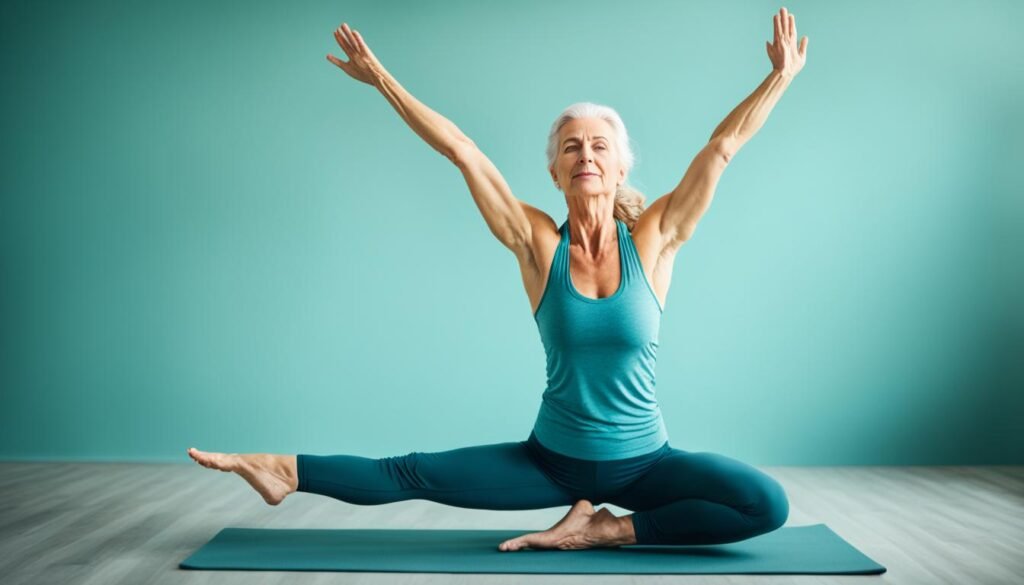
One of the key benefits of practicing yoga for anti-aging is the significant increase in flexibility it offers. The gentle stretching and movements involved in yoga help improve the range of motion in your joints, enhancing flexibility in your muscles and connective tissues, and promoting overall suppleness in your body.
By regularly engaging in yoga, you can gradually increase your flexibility and expand your physical capabilities. This not only allows you to move more freely and comfortably in your daily life but also helps prevent injuries and supports better overall physical functioning.
Effects of Increased Flexibility
When you improve your flexibility through yoga, you experience a range of positive effects on your body and well-being. Some of the benefits of increased flexibility include:
- Improved posture and alignment
- Enhanced athletic performance
- Reduced muscle tension and stiffness
- Increased blood flow and circulation
- Improved balance and coordination
Yoga Poses for Flexibility
To specifically target and enhance flexibility, certain yoga poses are particularly beneficial. These poses focus on stretching various muscle groups, elongating the body, and increasing joint mobility. Some effective yoga poses for flexibility include:
- Forward Fold (Uttanasana)
- Downward Facing Dog (Adho Mukha Svanasana)
- Triangle Pose (Trikonasana)
- Seated Forward Bend (Paschimottanasana)
- Bridge Pose (Setu Bandhasana)
Expert Quote:
Increasing flexibility through yoga not only improves physical mobility but also opens up a greater sense of freedom and ease in the body. It allows us to embrace aging gracefully, with a greater range of movement and a more youthful vitality.
| Benefits of Increased Flexibility | Yoga Poses for Flexibility |
|---|---|
| Improved posture and alignment | Forward Fold (Uttanasana) |
| Enhanced athletic performance | Downward Facing Dog (Adho Mukha Svanasana) |
| Reduced muscle tension and stiffness | Triangle Pose (Trikonasana) |
| Increased blood flow and circulation | Seated Forward Bend (Paschimottanasana) |
| Improved balance and coordination | Bridge Pose (Setu Bandhasana) |
Reduces Menopausal Symptoms
Menopause is a natural phase in a woman’s life that can bring about various physical and emotional changes. Yoga offers a gentle and effective way to manage these symptoms, providing relief and promoting overall well-being. Regular practice of yoga has been found to reduce menopausal symptoms such as hot flashes, insomnia, and mood swings.
The practice of yoga helps regulate the hormonal fluctuations that occur during menopause, leading to a reduction in hot flashes, night sweats, and other discomforts. By practicing specific yoga poses and breathing techniques, women can enhance their body’s ability to adapt to hormonal changes and experience relief from these symptoms.
Yoga also helps reduce stress and promote emotional well-being during this transitional phase of life. The mindful movements and deep breathing practiced in yoga help calm the mind and relax the body, easing anxiety and promoting better sleep.
The benefits of yoga extend beyond the physical and emotional aspects. As women age, they may experience changes in their body composition, including a decrease in bone density. Weight-bearing yoga poses can help maintain bone density and prevent osteoporosis, a common concern for women during and after menopause.
Regular yoga practice during menopause can provide women with a sense of empowerment, helping them navigate this new chapter of life with grace and confidence. By incorporating yoga into their daily routine, women can find relief from menopausal symptoms and improve their overall quality of life.
Recommended Yoga Poses for Menopause:
Here are some yoga poses that are particularly beneficial for reducing menopausal symptoms:
- Supported Bridge Pose (Setu Bandhasana): This pose helps relieve anxiety and fatigue, as well as improve sleep quality. It also stimulates the thyroid gland, which can help regulate hormonal balance.
- Camel Pose (Ustrasana): This heart-opening pose can help alleviate mood swings and symptoms of depression. It also stretches the spine and stimulates the reproductive organs.
- Legs Up the Wall Pose (Viparita Karani): This restorative pose helps reduce hot flashes, improve circulation, and calm the nervous system. It is also beneficial for relieving leg and lower back discomfort.
- Child’s Pose (Balasana): This relaxing pose promotes deep relaxation and stress relief. It gently stretches the lower back and hips, providing relief from tension and discomfort.
Testimonial:
“Yoga has been a game-changer for me during menopause. The practice has helped me manage hot flashes and sleep disturbances. The calming effect of yoga has also helped me navigate the emotional ups and downs that come with this phase of life. I am grateful to have found this natural and empowering solution.” – Lisa, 52
Benefits of Yoga for Menopause
| Benefits | Explanation |
|---|---|
| Reduces hot flashes | Yoga helps regulate hormonal fluctuations, reducing the frequency and intensity of hot flashes. |
| Improves sleep quality | The relaxation techniques and mindful breathing practiced in yoga promote better sleep and alleviate insomnia. |
| Relieves mood swings | Yoga promotes emotional balance and reduces anxiety, depression, and mood swings associated with menopause. |
| Enhances bone health | Weight-bearing yoga poses help maintain bone density and prevent osteoporosis. |
| Provides emotional support | The yoga community offers a supportive environment for women going through menopause, fostering connection and understanding. |
Facial Yoga for Anti-Aging
Facial yoga exercises are not only beneficial for the body but also for anti-aging skincare. By incorporating regular facial exercises into your routine, you can tone and tighten the muscles in your face, reducing the appearance of wrinkles and promoting a more youthful complexion. These exercises specifically target areas such as the cheeks, jawline, and eyes, helping to improve overall facial appearance and achieve facial rejuvenation.
Facial yoga works by engaging and strengthening the muscles in your face, which can gradually lead to firmer and tighter skin. By stimulating blood flow to the face, these exercises also contribute to a healthy glow and improved complexion. Additionally, facial yoga can help relax tension in the face and release stress, resulting in a more relaxed and youthful appearance.
Some popular facial yoga exercises include cheek lifts, which involve smiling while lifting and holding the cheeks upward, and the lion’s breath, which requires you to open your mouth wide and stick out your tongue as far as possible. These exercises, along with others, can be easily incorporated into your daily skincare routine and provide natural anti-aging benefits without the need for invasive procedures or expensive skincare products.
Incorporating facial yoga exercises into your skincare routine can be a simple and effective way to promote a more youthful and radiant appearance. By dedicating just a few minutes each day to these exercises, you can naturally tighten and tone the muscles in your face, reducing the signs of aging and achieving a more vibrant and youthful complexion.
FAQ
What are the anti-aging skincare benefits of yoga?
Yoga has been found to have transformative anti-aging benefits for both the body and mind. Regular practice can reduce low back pain, improve balance, straighten spinal kyphosis, improve muscle strength, improve symptoms of rheumatoid arthritis, decrease anxiety and depression, improve control of type 2 diabetes, increase flexibility, reduce menopausal symptoms, and even improve facial appearance in aging women.
How does yoga reduce low back pain?
Yoga helps strengthen the muscles in the back, improve flexibility, and promote better posture, all of which contribute to a reduction in low back pain.
Can yoga improve balance?
Yes, regular yoga practice helps strengthen the muscles that support balance and improves proprioception, leading to better stability and a reduced risk of falls and injuries.
Can yoga help straighten spinal kyphosis?
Yes, yoga helps stretch and strengthen the muscles in the back, improving posture and reducing the excessive hunching over that occurs with spinal kyphosis.
Does yoga improve muscle strength?
Yes, yoga is a form of resistance training that helps build and tone muscles throughout the body, which is essential for maintaining functional fitness and preventing age-related muscle loss.
Can yoga improve symptoms of rheumatoid arthritis?
Yes, yoga has been found to reduce pain, improve balance, and increase functionality for individuals with rheumatoid arthritis. It is a safe and effective non-pharmacological treatment option that can provide relief from symptoms and improve overall quality of life.
Can yoga decrease anxiety and depression?
Yes, yoga has positive effects on mental health, reducing symptoms of anxiety and depression. The mind-body connection cultivated through yoga practice helps promote relaxation, mindfulness, and a sense of well-being.
How does yoga improve control of type 2 diabetes?
Yoga-nidra, a meditative relaxation exercise often practiced at the end of a yoga class, has been found to help control type 2 diabetes. Regular practice can improve blood glucose control and contribute to better overall management of the condition.
Can yoga increase flexibility?
Yes, yoga is well-known for its ability to improve flexibility. The gentle stretching and movements in yoga help increase the range of motion in the joints, enhance flexibility in the muscles and connective tissues, and promote overall suppleness of the body.
Can yoga reduce menopausal symptoms?
Yes, yoga can help alleviate symptoms commonly experienced during menopause, such as hot flashes, insomnia, and mood swings. Regular practice helps regulate hormonal fluctuations, reduce stress, and promote emotional well-being during this stage of life.
How does facial yoga contribute to anti-aging skincare?
Facial yoga exercises help tone and tighten the muscles in the face, reducing the appearance of wrinkles and promoting a more youthful complexion. These exercises target specific areas of the face, such as the cheeks, jawline, and eyes, to improve facial appearance and promote overall facial rejuvenation.