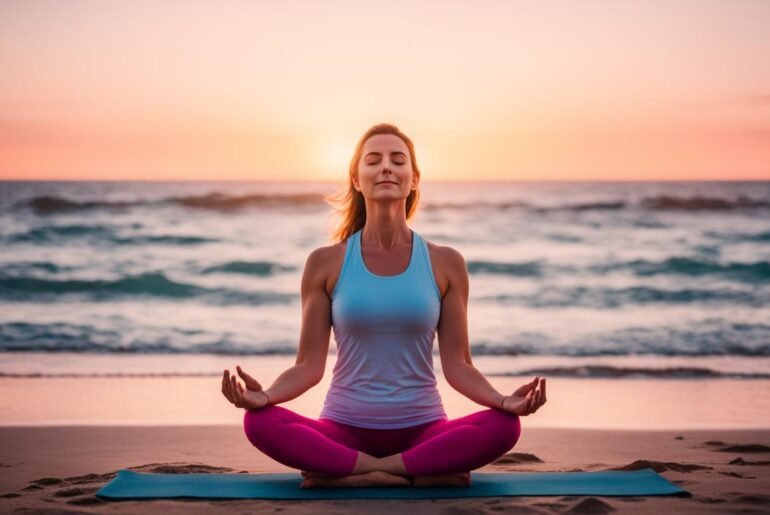

Did you know that regular yoga practice can have remarkable anti-aging effects? It’s true! Yoga is not just a physical exercise, but a holistic practice that can promote longevity and youthful aging. Studies have shown that incorporating yoga into your routine can have a profound impact on your overall well-being and help you age gracefully.
Yoga goes beyond the typical benefits of exercise. It not only improves flexibility, stability, strength, and balance – important factors in healthy aging – but also offers a range of other advantages specifically related to anti-aging. From maintaining bone health and managing joint pain to enhancing spine health and boosting brain function, yoga has transformative effects on both the body and mind.
Key Takeaways:
- Regular yoga practices can improve flexibility, stability, strength, and balance.
- Yoga helps maintain bone health, prevent osteoporosis, and reduce the risk of fractures.
- It contributes to managing joint pain and arthritis while improving mobility.
- Yoga enhances spine health, alleviates back pain, and strengthens core muscles.
- It improves sleep quality, mental health, and brain function, including memory.
Maintaining Bone Health and Preventing Osteoporosis
Regular yoga practice offers numerous benefits for aging individuals, including the promotion of bone health and the prevention of osteoporosis. By incorporating specific yoga poses into their routine, individuals can slow down the aging process and reduce the risk of bone-related conditions.
One of the key benefits of yoga for aging is its ability to strengthen the bones and muscles. Weight-bearing yoga poses, such as Warrior I, II, and III, work on improving hip and leg strength, which are crucial for maintaining bone health. These poses not only target the bones but also enhance balance, reducing the risk of falls and fractures.
Yoga also plays a significant role in increasing body awareness and improving posture, both of which are essential for overall bone health. By practicing yoga regularly, individuals can develop a better understanding of their body’s alignment and posture, thereby reducing the strain on their bones and preventing potential injuries.
Moreover, yoga provides an opportunity to engage in weight-bearing exercises without putting excessive stress on the joints, making it a safe and effective option for individuals of all ages. The low-impact nature of yoga poses allows for gentle strengthening of the bones and muscles, reducing the risk of fractures and osteoporosis.
By prioritizing their bone health through regular yoga practice, aging individuals can experience the long-lasting benefits of reduced bone loss and increased bone density. These benefits contribute to a healthier and more active lifestyle, promoting youthful aging and overall well-being.
Managing Joint Pain and Arthritis

Yoga can be a valuable tool in managing joint pain and arthritis, offering numerous benefits for aging individuals. Regular yoga practice has been shown to reduce joint pain, improve joint flexibility, and decrease inflammation, resulting in increased comfort and mobility.
One of the advantages of yoga is its adaptability. Certain yoga poses can be modified to accommodate individuals with arthritis, allowing them to safely and effectively improve their mobility and reduce discomfort. By practicing these modified poses, individuals with joint pain and arthritis can experience the benefits of yoga without putting excessive strain on their joints.
Yoga also focuses on gentle movements and controlled breathing, which can help calm the mind and reduce stress. This mind-body connection can contribute to overall well-being and create a more positive outlook on managing joint pain and arthritis.
Regular yoga practice can help individuals with joint pain and arthritis maintain their vitality and embrace a higher quality of life.
By incorporating yoga into their routine, aging individuals can experience the rejuvenating effects of yoga and improve their overall physical and mental well-being. Whether they are looking to reduce joint pain, improve joint flexibility, or simply enjoy the benefits of a regular exercise routine, yoga offers a holistic approach to managing joint pain and arthritis.
Yoga Poses for Managing Joint Pain and Arthritis
| Yoga Pose | Benefits |
|---|---|
| Child’s Pose (Balasana) | Relieves tension in the lower back and hips, promotes relaxation, and gently stretches the spine. |
| Warrior II Pose (Virabhadrasana II) | Strengthens the legs, improves balance, and stretches the groin, hips, and shoulders. |
| Bridge Pose (Setu Bandhasana) | Stretches the chest, neck, and spine, strengthens the back, and stimulates the lungs, thyroid, and abdominal organs. |
| Tree Pose (Vriksasana) | Improves balance, strengthens the legs, and increases focus and concentration. |
These are just a few examples of yoga poses that can be beneficial for managing joint pain and arthritis. It’s important for individuals to listen to their bodies and modify poses as needed to avoid discomfort or strain. Consulting with a qualified yoga instructor or healthcare professional can provide personalized guidance and ensure the safest and most effective practice.
By incorporating yoga into their routine, individuals with joint pain and arthritis can experience the transformative power of this ancient practice and enjoy a more vibrant and fulfilling life.
Enhancing Spine Health and Alleviating Back Pain
Regular yoga practice can contribute to spine health and alleviate back pain. Through a combination of gentle stretches, strengthening exercises, and mindful movements, yoga helps to improve the overall stability of the spine and reduce the risk of back injuries. It also promotes flexibility and mobility in the spine, relieving tension and reducing the frequency and intensity of back pain.
One of the key benefits of yoga for aging individuals is its ability to strengthen the core muscles that support the spine. These muscles include the abdominals, back extensors, and obliques, which play a crucial role in maintaining proper posture and spinal alignment. By targeting these muscles through specific yoga poses, such as Boat Pose and Plank Pose, individuals can enhance their overall spine health.
Moreover, yoga provides an opportunity to stretch and lengthen the spine, helping to decompress the vertebrae and alleviate pressure on the intervertebral discs. Poses like Cat-Cow, Child’s Pose, and Downward-Facing Dog gently stretch and release tension in the spine, promoting flexibility and relieving discomfort.
I have personally found that incorporating yoga into my daily routine has been incredibly beneficial for my spine health. The gentle movements and postures have helped to alleviate my persistent back pain and improve my overall posture. Yoga has become an integral part of my ageless living journey.
By incorporating yoga into one’s routine, individuals can lead a life of ageless living by maintaining the health and functionality of their spine. Whether it’s through strengthening exercises, gentle stretches, or mindful movements, yoga offers a holistic approach to spine health and back pain relief.
Yoga Poses for Spine Health and Back Pain Relief
| Yoga Pose | Description |
|---|---|
| Child’s Pose | A gentle resting pose that elongates the spine and relaxes the back muscles. |
| Downward-Facing Dog | A full-body stretch that lengthens the spine and strengthens the back muscles. |
| Cat-Cow Pose | A fluid movement that alternates between arching and rounding the spine to improve flexibility and release tension. |
| Bridge Pose | A backbend that strengthens the lower back and glutes, while opening up the chest and shoulders. |
| Supine Twist | A gentle twist that stretches the spine and releases tension in the back muscles. |
Improving Sleep and Mental Health

Yoga can have a positive impact on sleep quality and mental health, two important aspects of healthy aging. Regular yoga practice has been found to increase melatonin levels, promoting better sleep and combating age-related sleep disturbances. Furthermore, yoga helps reduce stress and anxiety, promoting mental well-being and emotional balance. By incorporating yoga into their routine, individuals can experience improved sleep patterns and enhanced overall mental health.
The practice of yoga involves a combination of physical movement, breathwork, and meditation. These elements work synergistically to calm the mind, relax the body, and prepare it for restful sleep. Yoga’s emphasis on deep breathing exercises, such as pranayama, can help regulate the nervous system, reduce tension, and promote relaxation, making it easier to fall asleep and stay asleep throughout the night.
“Yoga has been shown to promote relaxation and improve sleep quality, making it a valuable tool for individuals seeking to improve their overall sleep patterns,” says Dr. Lisa Johnson, a renowned sleep specialist.
Studies have also found that yoga can help individuals manage chronic conditions, such as insomnia and sleep apnea. By practicing yoga regularly, individuals can experience better sleep hygiene and establish healthier sleep habits, leading to improved sleep quality and a more refreshed feeling upon waking.
Mental Health Benefits of Yoga
In addition to its positive effects on sleep, yoga also offers significant mental health benefits. Research has shown that yoga can help reduce symptoms of depression, anxiety, and stress. The mindfulness and meditative aspects of yoga help individuals cultivate a sense of present moment awareness and inner calm, which can have profound effects on overall mental well-being.
Regular yoga practice can help individuals develop emotional resilience and enhance their ability to cope with the challenges of daily life. By incorporating yoga into their routine, individuals can experience a greater sense of peace, equanimity, and emotional balance, leading to improved mental health and a more fulfilling aging process.
Yoga’s holistic approach to health encompasses the mind, body, and spirit, making it a valuable practice for individuals seeking to improve their sleep quality and overall mental well-being. By dedicating time to regular yoga practice, individuals can experience the transformative benefits of improved sleep and enhanced mental health, contributing to a more vibrant and ageless life.
Boosting Brain Function and Memory
Regular yoga practice can have a significant impact on brain function and memory, making it an effective tool for promoting healthy aging. Research has shown that yoga can help reduce the levels of the stress hormone cortisol, which is known to contribute to age-related memory problems. By reducing cortisol levels, yoga creates a conducive environment for improved cognitive performance and memory retention.
The combination of physical movement, breathwork, and meditation in yoga provides a holistic approach to maintaining brain health. Yoga poses that involve balance and coordination, such as Tree Pose and Eagle Pose, stimulate neural pathways and enhance brain sharpness by improving focus and concentration.
The meditative aspect of yoga further enhances brain function and memory. Mindfulness practices, such as focused attention on the breath or a mantra, help calm the mind and improve cognitive abilities. Regular meditation has been found to increase gray matter volume in the brain, particularly in areas associated with attention and memory.
The Benefits of Yoga for Brain Health
- Improved Focus and Concentration: Yoga poses that require concentration and focus, such as Warrior II and Downward Dog, can strengthen neural connections and enhance mental clarity.
- Reduced Mental Fatigue: Practicing yoga regularly can help alleviate mental fatigue and improve cognitive endurance, allowing for better sustained attention and concentration.
- Enhanced Neuroplasticity: Yoga stimulates neuroplasticity, the brain’s ability to form new connections and reorganize itself. This leads to improved learning and memory consolidation.
Regular yoga practice has a transformative effect on brain health. It helps reduce stress, sharpen focus, improve concentration, and enhance memory. By incorporating yoga into a daily routine, individuals can promote healthy brain aging and maintain cognitive vitality throughout their lives.
To further illustrate the benefits of yoga for brain health and memory, here is a table showcasing the specific effects of yoga practice on cognitive function:
| Benefits of Yoga for Brain Function and Memory | |
|---|---|
| Reduces stress levels | Elevates mood and improves overall mental well-being |
| Enhances focus and concentration | Improves attention span and cognitive performance |
| Promotes neuroplasticity | Facilitates learning and memory formation |
| Increases gray matter volume | Supports healthy brain aging and cognitive resilience |
Managing Weight and Promoting Healthy Body Composition

Regular yoga practice can play a significant role in managing weight and promoting a healthy body composition. By incorporating yoga into your routine, you can benefit from its potential to burn calories, increase metabolism, and improve digestion, all of which contribute to weight control and prevention of age-related weight gain.
One of the key advantages of yoga for weight management is its ability to engage multiple muscle groups and promote overall strength. Certain yoga poses specifically target and tone muscles, helping to reduce the appearance of flab and create a more youthful and sculpted physique.
If you’re looking to enhance your weight management efforts, consider incorporating the following yoga poses into your practice:
1. Warrior II (Virabhadrasana II)
This pose engages your arms, legs, and core, while also stretching your hips and opening your chest. It helps improve stability, balance, and endurance.
2. Bridge Pose (Setu Bandhasana)
This pose targets your glutes, hamstrings, and core. It strengthens the back, tones the legs, and improves posture.
This pose challenges your core strength while engaging your leg and arm muscles. It helps tone the abdominal muscles and improve balance.
By performing these and other yoga poses regularly, you can create a well-rounded practice that supports your weight management goals and helps you achieve a more vibrant appearance.
Additionally, yoga practice encourages a mindful approach to eating and promotes self-awareness. By cultivating a deeper connection between your mind and body through yoga, you can develop a better understanding of your hunger cues and make more conscious food choices.
| Benefits of Yoga for Weight Management | Yoga Poses for Weight Management |
|---|---|
|
|
Cultivating Facial Toning and Skin Health

Yoga is not only beneficial for the body but also for facial toning and skin health. Incorporating facial exercises, also known as yoga exercises for the face, into your regular practice can help tone and strengthen the muscles in your face, promoting a more youthful appearance.
Facial yoga exercises focus on engaging specific facial muscles and increasing blood circulation to the face. This can help improve muscle tone, reduce sagging, and minimize the appearance of wrinkles and fine lines. By targeting these muscles through yoga, you can achieve a more sculpted and youthful-looking face.
One of the key aspects of yoga is deep breathing and relaxation, which can have a positive impact on skin health. Deep breathing exercises in yoga help reduce oxidative stress in the body, including the skin. This can enhance skin elasticity and maintain a healthy glow, giving your skin a youthful and vibrant appearance.
By incorporating facial yoga exercises into your routine, you can improve facial muscle tone, minimize wrinkles, and promote overall skin health. It’s important to note that results may vary depending on individual factors, and consistency is key when practicing facial yoga exercises.
Practicing yoga not only brings numerous anti-aging benefits to your body but also to your skin. With its focus on facial toning exercises and deep breathing techniques, yoga helps promote a youthful-looking appearance and maintains healthy skin. Start incorporating facial yoga exercises into your routine today and experience the rejuvenating effects of yoga on your face.
Conclusion
In conclusion, regular yoga practice offers a multitude of anti-aging benefits. Not only does it help maintain bone health and manage joint pain and arthritis, but it also enhances spine health, alleviates back pain, improves sleep quality and mental health, boosts brain function and memory, manages weight, promotes healthy body composition, cultivates facial toning, and improves skin health. By embracing yoga as a regular practice, individuals can experience the remarkable anti-aging effects of yoga and contribute to a healthier and more vibrant aging process.
Yoga provides a holistic approach to aging gracefully, addressing not only the physical aspects but also the mental and emotional well-being. Its gentle yet powerful movements, combined with focused breathing and mindfulness, create a harmonious connection between the body, mind, and spirit. Through regular practice, individuals can unlock the longevity and vitality that yoga has to offer, enabling them to lead fulfilling and ageless lives.
So, if you’re looking to slow down the aging process and embrace a more vibrant and youthful life, look no further than yoga. Let this ancient practice guide you on a transformative journey of self-discovery and self-care. Start today and unlock the vast potential of yoga for anti-aging, longevity, and revitalization. Embrace the gift of yoga and experience the remarkable benefits it brings to your body, mind, and soul.
FAQ
What are the anti-aging effects of regular yoga?
Regular yoga practice has been found to have various anti-aging effects, including improving flexibility, stability, strength, and balance. It can also help reduce the risk of osteoporosis and arthritis, improve spine health, alleviate back pain, and reduce the symptoms of conditions such as spinal stenosis, disc issues, and tendonitis. Additionally, yoga can aid in weight control, promote better sleep, enhance brain sharpness, and have positive effects on overall mental and emotional well-being.
How can yoga help maintain bone health and prevent osteoporosis?
Regular yoga practice can help maintain bone health and prevent osteoporosis. Weight-bearing yoga poses, such as Warrior I, II, and III, can strengthen the bones and muscles, improving hip and leg strength. These poses also enhance balance, reducing the risk of falls and fractures. Yoga can increase body awareness and help improve posture, which is important for overall bone health. By regularly practicing yoga, individuals can slow down the aging process and reduce the risk of bone-related conditions.
Can yoga help manage joint pain and arthritis?
Yes, yoga can be beneficial in managing joint pain and arthritis. Regular yoga practice can help reduce joint pain, improve joint flexibility, and reduce inflammation. Certain yoga poses can be modified to accommodate individuals with arthritis, allowing them to safely and effectively improve their mobility and reduce discomfort. By incorporating yoga into their routine, aging individuals can maintain their vitality and enjoy a higher quality of life.
How does yoga enhance spine health and alleviate back pain?
Regular yoga practice can contribute to spine health and alleviate back pain. Yoga helps to strengthen the core muscles that support the spine, improving overall stability and reducing the risk of back injuries. It also promotes flexibility and mobility in the spine, relieving tension and reducing the frequency and intensity of back pain. Incorporating yoga into one’s routine can lead to ageless living by maintaining the health and functionality of the spine.
Can yoga improve sleep quality and mental health?
Yes, yoga can have a positive impact on sleep quality and mental health, two important aspects of healthy aging. Regular yoga practice has been found to increase melatonin levels, promoting better sleep and combating age-related sleep disturbances. Furthermore, yoga helps reduce stress and anxiety, promoting mental well-being and emotional balance. By incorporating yoga into their routine, individuals can experience improved sleep patterns and enhanced overall mental health.
How does yoga boost brain function and memory?
Yoga has been found to reduce levels of the stress hormone cortisol, which can contribute to age-related memory problems. It also enhances brain sharpness by improving focus, concentration, and cognitive abilities. Yoga’s combination of physical movement, breathwork, and meditation can provide a holistic approach to maintaining brain health and promoting healthy aging.
Can yoga help with weight management and body composition?
Regular yoga practice can play a role in managing weight and promoting a healthy body composition. Yoga can help burn calories, increase metabolism, and improve digestion, aiding in weight control and preventing age-related weight gain. Additionally, certain yoga poses can specifically target and tone muscles, reducing the appearance of flab and promoting a more youthful and sculpted physique. By incorporating yoga into their routine, individuals can maintain a healthy weight and achieve a more vibrant appearance.
How does yoga contribute to facial toning and skin health?
Yoga can have beneficial effects on facial toning and skin health. Facial exercises, also known as yoga exercises for the face, can help tone and strengthen facial muscles, promoting a more youthful appearance. Yoga’s emphasis on deep breathing and relaxation can also reduce oxidative stress, enhancing skin elasticity and maintaining a healthy glow. By incorporating facial yoga exercises into their routine, individuals can improve facial muscle tone, minimize wrinkles, and promote overall skin health.
What are the overall anti-aging benefits of regular yoga practice?
Regular yoga practice has been found to have numerous anti-aging benefits. It can help maintain bone health, manage joint pain and arthritis, enhance spine health, alleviate back pain, improve sleep quality and mental health, boost brain function and memory, manage weight, promote healthy body composition, cultivate facial toning, and improve skin health. By embracing yoga as a regular practice, individuals can experience the anti-aging effects of yoga and contribute to a healthier and more vibrant aging process.