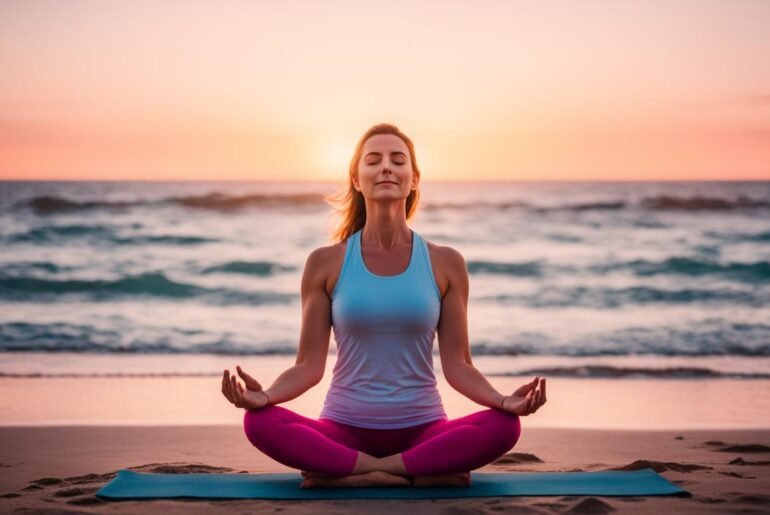

Did you know that regular yoga practice can help you achieve a more youthful appearance? It’s true! Yoga offers a wide range of anti-aging benefits, from promoting youthful skin to enhancing longevity. Whether you’re looking to reverse the signs of aging or simply age gracefully, incorporating yoga into your routine can make a significant difference.
Yoga is not just a physical exercise; it’s a holistic practice that combines breath control, meditation, and specific body postures. These poses, known as asanas, target different areas of the body, stimulating the production of collagen, promoting blood circulation, and improving overall well-being. By practicing yoga regularly, you can strengthen your body, boost your energy levels, and maintain a youthful appearance.
Key Takeaways:
- Regular yoga practice can promote youthful skin and a more youthful appearance.
- Yoga can enhance longevity and aid in aging gracefully.
- Specific yoga poses target age-related issues such as osteoporosis, arthritis, and spinal stenosis.
- Yoga improves core strength, reduces nerve pain, and helps with myofascial tightening.
- Regular yoga practice offers numerous anti-aging benefits for individuals of all ages.
Yoga for Osteoporosis and Osteopenia
Yoga is a valuable practice for individuals with osteoporosis or osteopenia as it can aid in improving bone density and strength. By incorporating specific yoga poses into your routine, you can support the health of your bones and reduce the risk of fractures.
Weight-bearing yoga poses play a crucial role in building hip and leg strength, which is particularly beneficial for individuals with osteoporosis or osteopenia. Poses such as Warrior I, Warrior II, Reverse Warrior, and Extended Side Angle Pose engage the lower body and contribute to increased bone density and strength.
Additionally, incorporating balancing poses into your yoga practice can enhance stability and decrease the risk of falls and fractures. Warrior III and Tree Pose are excellent examples of balancing poses that not only challenge your equilibrium but also support bone health.
While yoga can offer significant benefits for those with osteoporosis or osteopenia, it is essential to consult with your medical team before starting any new exercise program. They can provide guidance on safe movements and modifications that suit your specific needs and ensure that your yoga practice aligns with your overall treatment plan.
“Yoga can be a gentle and effective way to improve bone health, reduce the risk of fractures, and enhance overall well-being in individuals with osteoporosis or osteopenia.”
Yoga Poses for Bone Strength
Here are some yoga poses that are particularly beneficial for improving bone strength:
- Warrior I
- Warrior II
- Reverse Warrior
- Extended Side Angle Pose
- Warrior III
- Tree Pose
Yoga for Arthritis

Arthritis can cause joint pain and stiffness, making it challenging to engage in daily activities. Yoga offers a gentle and effective approach to alleviate these symptoms and improve joint mobility. Regular yoga practice has been shown to reduce inflammation, relieve joint pain, and increase flexibility in individuals with arthritis.
“Yoga has emerged as a compelling adjunctive therapy for individuals with arthritis. Its mind-body focus, gentle stretching, and modified poses provide relief and improve joint function.”
Research has demonstrated the benefits of yoga for arthritis. A study published in the Journal of Rheumatology found that individuals who practiced yoga for 8 weeks experienced a significant reduction in pain and improved physical function compared to a control group.
When practicing yoga for arthritis, it is essential to avoid weight-bearing in the hands and wrists, as these areas are often affected by arthritis pain. Instead, focus on gentle stretching and modified poses that provide relief without putting excessive strain on the joints.
Yoga Poses for Arthritis Relief
Here are some recommended yoga poses for arthritis relief:
| Poses | Description |
|---|---|
| Child’s Pose (Balasana) | A resting pose that stretches the hips, thighs, and back, promoting relaxation and gentle release of tension in the lower body. |
| Supine Hand-to-Big-Toe Pose (Supta Padangusthasana) | A reclined pose that gently stretches the hamstrings, calves, and hips, promoting flexibility in the lower body. |
| Reclining Bound Angle Pose (Supta Baddha Konasana) | A reclined pose that targets the hips and groin, promoting relaxation and releasing tension in these areas. |
| Supported Bridge Pose (Setu Bandha Sarvangasana) | A gentle backbend that strengthens the back muscles and increases flexibility in the spine, relieving tension and stiffness. |
| Legs-Up-The-Wall Pose (Viparita Karani) | A restorative pose that improves circulation and reduces inflammation in the legs and feet, providing relief for arthritis in these areas. |
Remember to listen to your body and adapt the poses to your comfort level. If you experience any pain or discomfort, modify the poses or consult with a certified yoga instructor specialized in working with individuals with arthritis.
Incorporating yoga into your routine can help manage arthritis symptoms and improve your overall well-being. The gentle movements, stretching, and mindfulness of yoga can provide much-needed relief from joint pain, increase flexibility, and enhance your quality of life.
Yoga for Spinal Stenosis
Spinal stenosis can cause significant pain and limited mobility, but yoga offers a gentle and effective way to find relief. By incorporating specific yoga poses and movements into your routine, you can improve flexibility and reduce discomfort associated with spinal stenosis. It’s important to approach these poses with caution and always work with an experienced yoga teacher or therapist who understands the condition.
Gentle Forward Folds
Forward folds are beneficial for spinal stenosis as they stretch the back and hamstrings, relieving pressure on the spine. However, individuals with spinal stenosis should approach forward folds gently and avoid any movements that cause pain or discomfort. Here are a few variations of forward folds that can be helpful:
- Seated Forward Fold: Sit on the edge of a folded blanket or bolster for added support. Fold forward from the hips, keeping the back straight and hinging from the hips rather than rounding the spine.
- Standing Forward Fold: Stand with your feet hip-width apart and hinge forward at the hips, allowing your upper body to relax toward the floor. Bend your knees as much as needed to maintain a straight back.
- Legs Up the Wall: Lie on your back with your legs extended up the wall. This pose provides a gentle inversion that can help decompress the spine.
Strengthening Backbends
While it may seem counterintuitive, gentle backbends can actually be beneficial for individuals with spinal stenosis. These poses can help strengthen the muscles supporting the spine and improve overall spinal health. Here are a few recommended backbends:
- Bhujangasana (Cobra Pose): Lie on your stomach with your hands underneath your shoulders. Press into your hands to lift your chest off the floor while keeping your pelvis grounded.
- Salabhasana (Locust Pose): Lie on your stomach with your arms extended alongside your body. Lift your legs and chest off the floor, focusing on engaging the muscles of the back.
- Bridge Pose: Lie on your back with your knees bent and feet flat on the floor. Press into your feet and lift your hips off the ground, engaging the glutes and hamstrings.
Core-Strengthening Poses
Strong core muscles provide stability for the spine and can help alleviate pain associated with spinal stenosis. Incorporate these core-strengthening poses into your yoga practice:
- Plank Pose: Start in a push-up position, with your hands directly under your shoulders and your body in a straight line. Engage your core and hold the pose, working up to longer durations over time.
- Boat Pose: Sit on the floor with your knees bent and feet flat on the ground. Lift your feet off the floor while keeping your spine straight. Reach your arms forward to parallel with the ground, engaging your core.
- Side Plank: Start in a plank position, then shift your weight to one hand and rotate to the side, stacking your feet on top of each other. Lift your top arm toward the ceiling and engage your core to maintain stability.
Remember to listen to your body and modify these poses as needed. Yoga should never cause pain or discomfort, and it’s essential to work within your limitations. By incorporating these gentle stretches, backbends, and core-strengthening poses into your yoga practice, you can find relief and improve flexibility in individuals with spinal stenosis.
Yoga for Disc Issues
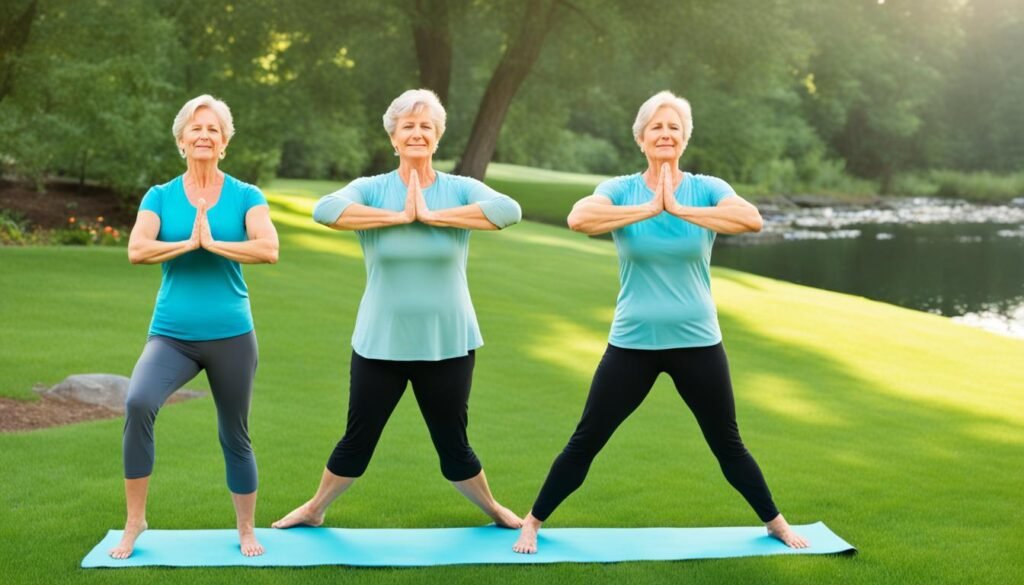
Yoga can be a valuable tool for individuals dealing with herniated or slipped discs. By focusing on core strength and spine flexibility, yoga can help alleviate back pain caused by disc issues. However, it is essential to approach certain poses with caution and modify them as needed to prevent further aggravation of the condition.
Building core strength through yoga exercises can provide stability and support to the spine, reducing discomfort and promoting proper alignment. Strengthening the core helps alleviate pressure on the intervertebral discs, allowing them to heal and reducing the risk of further herniation or slippage.
When practicing yoga with disc issues, it is advisable to avoid forward folds or poses that cause the spine to round excessively. These movements can place additional strain on the discs and exacerbate the condition. Instead, focus on gentle backbends that lengthen and strengthen the spine, such as cobra pose or sphinx pose.
Poses that challenge the abdominal muscles can also be beneficial for individuals with disc issues. Engaging the core helps stabilize the spine and promote proper posture. Some examples of abdominal-strengthening poses include boat pose, plank pose, and side plank.
It is important to listen to your body and modify yoga poses as necessary to accommodate your individual needs and limitations. Consulting with a knowledgeable yoga instructor or therapist who can provide guidance tailored to your specific condition is highly recommended.
“Yoga can be a safe and effective complementary therapy for individuals managing herniated or slipped discs. By strengthening the core and improving spine flexibility, yoga can help alleviate pain and improve functionality. It is crucial to practice mindfully, avoiding poses that may worsen the condition.”
By incorporating yoga into a well-rounded treatment plan, individuals with disc issues can experience relief, increased mobility, and improved quality of life.
Yoga for Core Strength and Back Pain
Building core strength through yoga can help alleviate back pain. A strong core provides better support for the spine, reducing the risk of discomfort and injuries. Yoga offers specific poses and movements that target the core muscles, helping to strengthen and stabilize the back and abdomen.
The Importance of Core Strength
Anatomically, the core refers to the muscles that surround the abdomen, lower back, and pelvis. These muscles play a vital role in maintaining stability, balance, and proper alignment of the spine. A weak core can lead to poor posture, imbalanced movements, and increased strain on the back muscles, resulting in back pain.
“A strong core stabilizes the spine, reduces the risk of back injuries, and improves overall posture.”
Yoga poses that engage and strengthen the core can effectively alleviate back pain and promote a healthy spine. These poses not only target the abdominal muscles but also engage the deeper layers of the core, including the transverse abdominis and the multifidus muscles.
Yoga Poses for Core Strength
Here are some yoga poses that are beneficial for developing core strength:
- Plank Pose
- Boat Pose
- Bridge Pose
- Side Plank
- Leg Lifts
| Yoga Pose | Description |
|---|---|
| Plank Pose: Begin in a push-up position, with your hands directly under the shoulders and your body in a straight line. Engage the core muscles by drawing the navel towards the spine. Hold this position for a few breaths, gradually increasing the duration as your strength improves. | |
| Boat Pose: Sit on the ground with your legs extended in front of you. Lean back slightly, engage the core muscles, and lift your legs off the ground, bringing your shins parallel to the floor. Extend your arms forward, parallel to your legs. Hold this pose, balancing on your sit bones, and breathe deeply. | |
| Bridge Pose: Lie on your back with your knees bent and feet flat on the ground. Press your feet into the floor, engage your glutes and core muscles, and lift your hips towards the ceiling. Keep your thighs parallel to each other and avoid compressing the lower back. Hold this pose for several breaths, focusing on activating the core. | |
| Side Plank: Start in a plank position, then shift your weight onto your right hand and the outer edge of your right foot. Stack your left foot on top of the right and extend your left arm towards the ceiling. Engage the core to maintain stability and hold this pose for 30 seconds or more. Repeat on the other side. | |
| Leg Lifts: Lie on your back with your legs extended. Keeping your lower back pressed into the mat, engage your core and lift both legs towards the ceiling. Lower them back down slowly, maintaining control. Repeat for several repetitions, gradually increasing the number of reps as your strength improves. |
These poses should be practiced mindfully and in coordination with the breath. It is essential to maintain proper form and alignment throughout the practice to prevent strain or injury. If you have any pre-existing back conditions or concerns, consult with a qualified yoga instructor or healthcare professional before attempting these poses.
Regular practice of these yoga poses can help build core strength, improve stability, and alleviate back pain. Incorporate them into your yoga routine to experience the benefits of a strong, supportive core.
Yoga for Nerve Pain and Neuropathy
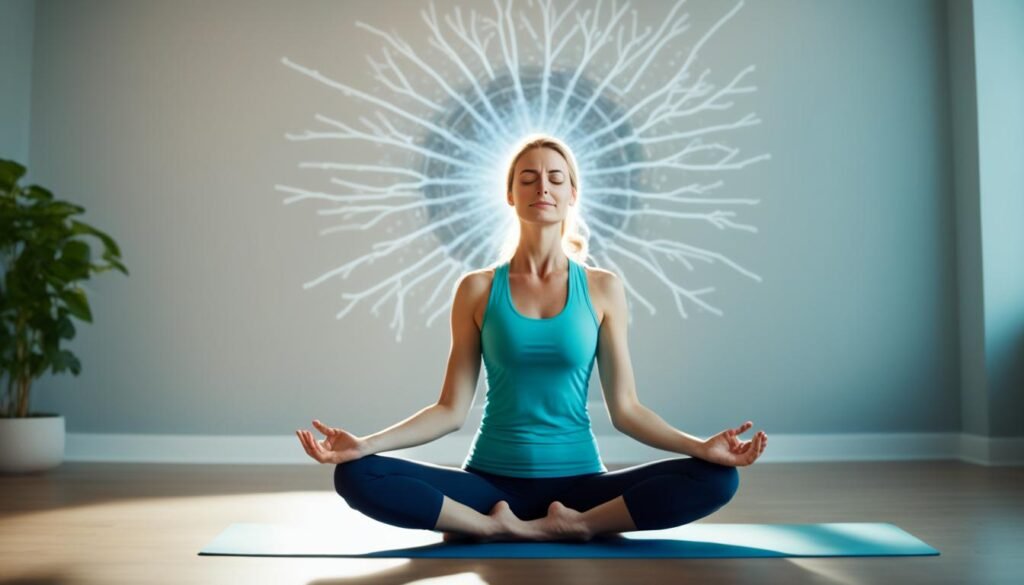
Yoga offers a holistic approach to managing nerve pain and neuropathy by improving circulation and body awareness. Regular yoga practice can enhance blood flow to areas affected by nerve issues, reducing pain, weakness, and numbness. Through slow and controlled movements, individuals can explore their body’s response and make wise choices for their nerve health.
Benefits of Yoga for Nerve Pain
Yoga can be particularly beneficial for those experiencing nerve pain and neuropathy. Here are some key advantages:
- Promotes circulation: Yoga poses and movements help improve blood flow, ensuring a steady supply of oxygen and nutrients to the affected areas. Increased circulation can reduce inflammation and alleviate pain.
- Enhances body awareness: Yoga encourages individuals to develop a deeper connection with their body and its sensations. This heightened awareness allows for the early recognition of pain triggers and the adoption of appropriate modifications to prevent exacerbation.
- Stimulates the relaxation response: The practice of yoga activates the parasympathetic nervous system, which counteracts the stress response. This relaxation response can help reduce pain perception, relieve tension, and promote overall well-being.
- Addresses muscle imbalances: Nerve pain often results from underlying muscle imbalances. Yoga helps correct these imbalances by targeting specific muscles and muscle groups, promoting balance and stability.
By incorporating yoga into their daily routine, individuals with nerve pain and neuropathy can experience significant improvements in pain management, functional mobility, and overall quality of life.
“Regular yoga practice has been shown to alleviate nerve pain and provide individuals with tools for self-care and pain management.” – Dr. Sarah Thompson, Neurologist
Key Yoga Poses for Nerve Pain Relief
| Yoga Pose | Benefits |
|---|---|
| Child’s Pose | Relieves tension in the lower back, hips, and glutes. |
| Corpse Pose | Promotes deep relaxation and releases muscle tension. |
| Downward Facing Dog | Stretches the hamstrings, calves, and shoulders; improves circulation. |
| Seated Forward Bend | Stretches the hamstrings and relieves tension in the lower back. |
| Reclining Bound Angle Pose | Opens the hips and chest, promotes relaxation. |
Keep in mind that everyone’s experience with nerve pain and neuropathy is unique. It’s essential to practice yoga under the guidance of a qualified instructor who can provide modifications tailored to your specific needs. With regular practice, yoga can become a valuable tool in managing and reducing nerve pain, enhancing overall well-being and quality of life.
Yoga for Ligament Tears
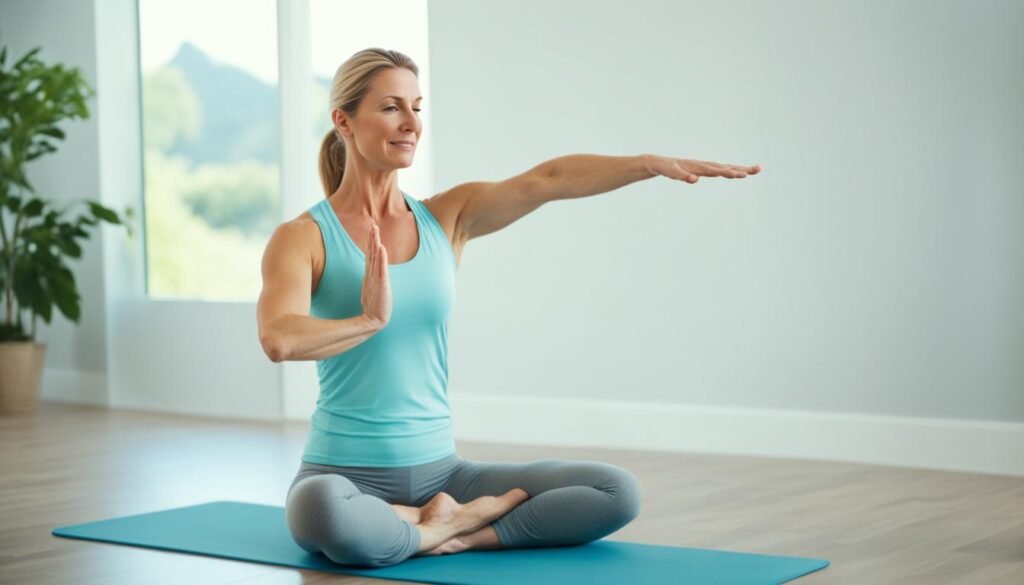
Recovering from ligament tears can be a lengthy and challenging process. However, incorporating yoga into your rehabilitation routine can have significant benefits. One of the key advantages of yoga is its ability to strengthen the muscles surrounding the joints, providing better support and stability.
By focusing on building strength in these areas, yoga can help reduce the risk of further injuries and promote a quicker recovery. Yoga poses that emphasize joint stability, such as Tree Pose and Warrior II, can be particularly helpful for individuals with ligament tears.
Moreover, yoga offers a holistic approach to healing, combining physical movement with mindfulness and breath control. This mind-body connection can help individuals stay connected to their bodies during the recovery process, allowing them to explore their limits and make informed decisions about their movement.
Yoga not only strengthens the body but also nurtures the mind, providing a grounding practice that supports healing and overall well-being.
Yoga for ligament tears should be approached with caution and under the guidance of a knowledgeable yoga instructor or physical therapist. They can provide modified variations of poses to accommodate your specific needs and ensure a safe practice.
Tips for Practicing Yoga during Ligament Tear Recovery:
- Listen to your body and avoid any movements or poses that cause pain or discomfort.
- Take it slow and gradually increase the intensity and duration of your yoga practice.
- Focus on proper alignment to avoid putting unnecessary strain on the injured ligaments.
- Use props, such as blocks or straps, to support and stabilize your body in certain poses.
Remember, the road to recovery after a ligament tear can be challenging, but with the help of yoga, you can strengthen your muscles, improve joint stability, and regain your strength and mobility.
| Yoga Poses for Ligament Tears | Benefits |
|---|---|
| Tree Pose (Vrksasana) | Improves balance and stability in the leg and ankle. |
| Warrior II (Virabhadrasana II) | Strengthens the legs and promotes joint stability. |
| Bridge Pose (Setu Bandha Sarvangasana) | Stretches the chest, shoulders, and hip flexors while strengthening the glutes and hamstrings. |
| Half Moon Pose (Ardha Chandrasana) | Improves balance, strengthens the legs, and stretches the hamstrings and hips. |
Yoga for Myofascial Tightening and Stiffness
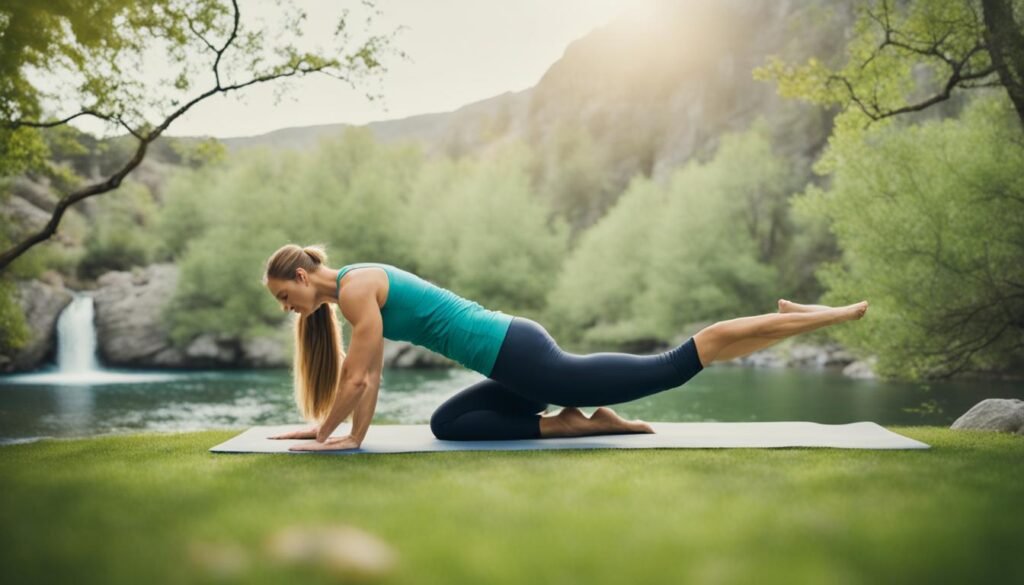
Regular yoga practice can be highly beneficial for individuals experiencing age-related stiffness and myofascial tightening. By incorporating gentle stretching and regular movement into your routine, you can effectively maintain fluidity and flexibility in your muscles and connective tissues.
The practice of yoga focuses on deepening the breath, promoting proper alignment, and engaging in controlled movements. These elements work together to release tension, increase blood flow, and improve overall flexibility and mobility.
One of the key components of yoga for myofascial release is mindful stretching. By intentionally targeting specific areas of tension and tightness, you can gradually release and lengthen the fascia, the connective tissue that surrounds your muscles.
Yoga poses that are particularly effective for myofascial release include:
- Sphinx Pose: This pose targets the lower back and helps release tension in the spine.
- Thread the Needle Pose: This gentle twist stretches the shoulders and upper back, relieving tension and promoting mobility.
- Supine Spinal Twist: This pose targets the entire back and helps release tension along the spine.
Remember to approach these poses with awareness and caution, respecting your body’s limits and never forcing any movement that causes pain or discomfort.
Consistency is key when practicing yoga for myofascial release. Over time, you may start to notice significant changes in your flexibility and range of motion. By making yoga an integral part of your routine, you can improve your overall well-being and maintain a more supple, mobile body.
Conclusion
In conclusion, the practice of yoga offers a wide range of anti-aging benefits that can significantly improve overall health and well-being. Regular yoga practice has been shown to enhance bone density, providing a solid foundation for strong and healthy bones as we age. Moreover, it has the potential to alleviate joint pain, increase flexibility, and promote a youthful appearance.
Notably, yoga also plays a crucial role in enhancing core strength, which is crucial for supporting the spine and reducing the risk of back pain and injuries. By engaging in regular yoga sessions, individuals can experience improved balance, stability, and posture, contributing to a more youthful and confident appearance.
Furthermore, the anti-aging benefits of yoga extend beyond the physical realm. With its emphasis on deep breathing, mindfulness, and relaxation, yoga can improve brain health, aid in weight control, optimize sleep quality, and bolster the immune system. These benefits collectively contribute to a holistic approach to aging gracefully and maintaining a vibrant quality of life.
In essence, yoga is a versatile and accessible form of exercise that has been proven to be beneficial for individuals of all ages. By incorporating regular yoga practice into our lives, we can enjoy the multitude of anti-aging benefits it offers, leading to a healthier, more youthful, and fulfilling life.
FAQ
What are the anti-aging benefits of yoga poses?
Yoga poses have numerous anti-aging benefits, including promoting youthful skin, enhancing longevity, and aiding in aging gracefully. Yoga can also help with various age-related issues such as osteoporosis, arthritis, spinal stenosis, disc issues, core strength, nerve pain, tendonitis, myofascial tightening, and weight control.
How does yoga help with osteoporosis and osteopenia?
Yoga can be beneficial for individuals with osteoporosis or osteopenia by improving bone density and strength. Weight-bearing yoga poses such as Warrior I, Warrior II, Reverse Warrior, and Extended Side Angle Pose help build hip and leg strength. Balancing poses like Warrior III and Tree Pose enhance stability and reduce the risk of falls and fractures. However, individuals with these conditions should consult with their medical team to ensure safe movements and modifications.
Can yoga help with arthritis?
Yes, yoga can help reduce joint pain and improve flexibility in individuals with arthritis. Regular yoga practice has been shown to alleviate joint pain and inflammation. It is important to avoid weight-bearing in the hands and wrists, which are common locations of arthritis pain. Gentle stretching and modified poses can provide relief and improve joint mobility.
What are the benefits of yoga for spinal stenosis?
Yoga can help relieve pain and improve flexibility in individuals with spinal stenosis. By cautiously approaching forward folds and side bending, yoga practitioners with spinal stenosis can experience significant pain reduction. Gentle backbends and poses that challenge the abdominal muscles and strengthen the hips can also be beneficial. It is crucial to work with an experienced yoga teacher or therapist who is knowledgeable about the condition.
How can yoga help with disc issues?
Yoga can be helpful for individuals with herniated or slipped discs by strengthening the core and improving flexibility in the spine. Building core strength and flexibility can alleviate back pain caused by disc issues. However, certain poses, such as forward folds or poses that cause the spine to round, should be avoided or modified to prevent further aggravation of the condition. Backbends and poses that challenge the abdominal muscles can be particularly beneficial.
Does yoga help with core strength and back pain?
Yes, building core strength through yoga can help alleviate back pain. A strong core provides better support for the spine, reducing the risk of discomfort and injuries. Yoga offers specific poses and movements that target the core muscles, helping to strengthen and stabilize the back and abdomen.
How can yoga benefit individuals with nerve pain and neuropathy?
Yoga can help with nerve pain and neuropathy by improving circulation and body awareness. Regular yoga practice enhances blood flow to areas affected by nerve issues, reducing pain, weakness, and numbness. Practicing slow and controlled movements allows individuals to explore their body’s response and make wise choices for their nerve health.
Can yoga be beneficial for individuals recovering from ligament tears?
Yes, yoga can be beneficial for individuals recovering from ligament tears by strengthening the muscles around the joints. Strengthening the muscles surrounding the joints provides better support and stability, reducing the risk of further injuries. Yoga also allows individuals to continue moving and practicing mindfulness even during the recovery process.
How does yoga help with myofascial tightening and stiffness?
Regular yoga practice can help reverse age-related stiffness and myofascial tightening. Gentle stretching and regular movement can help maintain fluidity and flexibility in the muscles and connective tissues. Practicing yoga regularly can lead to noticeable changes in flexibility and mobility.
What are the anti-aging benefits of yoga poses?
Yoga offers numerous anti-aging benefits, including improved bone density, joint pain relief, increased flexibility, enhanced core strength, and reduced signs of aging. Regular yoga practice can promote a youthful appearance, boost brain health, aid in weight control, improve sleep, and strengthen the immune system. It is a versatile and accessible form of exercise that can benefit individuals of all ages.