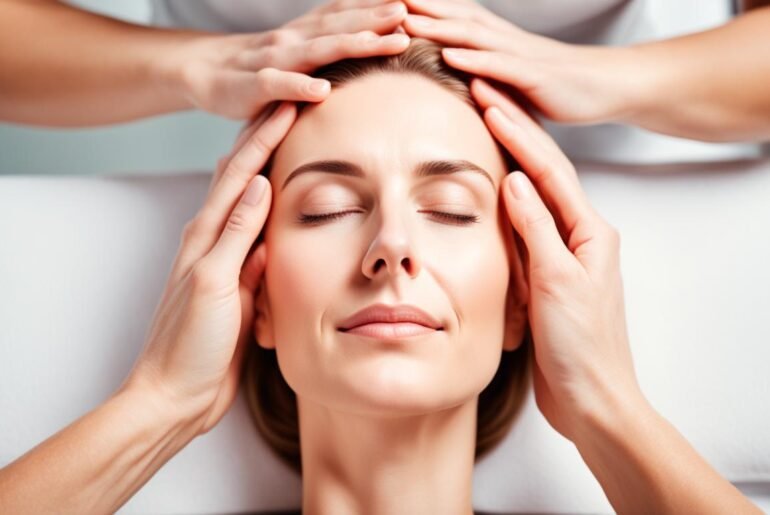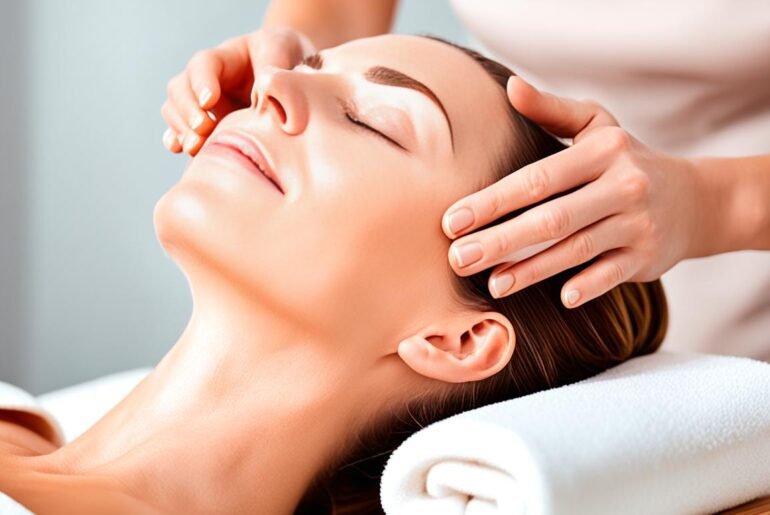
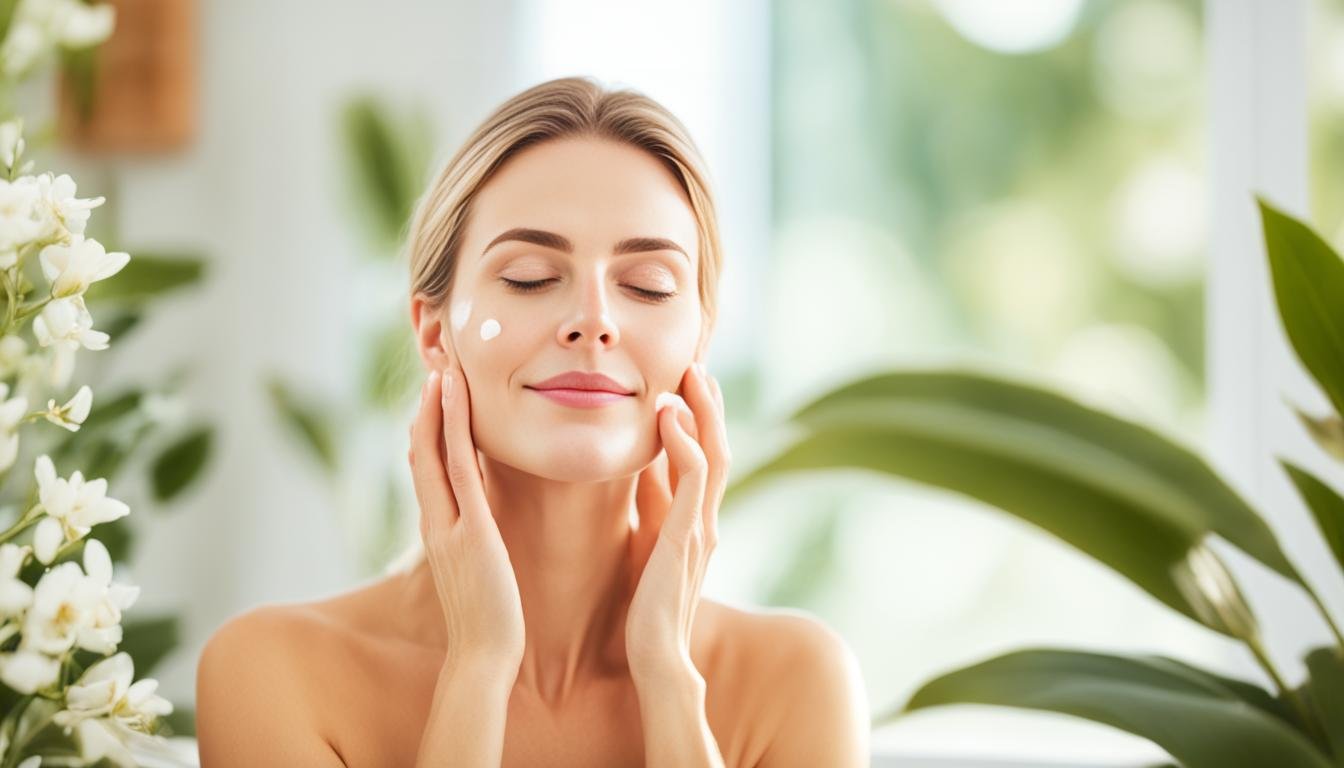
Aging is an inevitable part of life, but did you know that a simple daily ritual could potentially slow down the visible signs of aging? The benefits of facial massage for anti-aging are more than just a self-indulgent luxury. In fact, studies have shown that regular facial massage can have a significant impact on the appearance of your skin.
Facial massage has gained popularity as a natural anti-aging remedy, with enthusiasts claiming that it can temporarily plump the skin and potentially produce long-term changes in appearance. While scientific evidence on the effectiveness of facial massage is still emerging, early studies have suggested that facial massage may improve blood flow, promote skin plumpness, and enhance the overall appearance of the skin.
So, if you’re looking for a rejuvenating and non-invasive way to maintain youthful and radiant skin, daily facial massage may be worth considering. In this article, I’ll delve into the potential benefits of facial massage, discuss different techniques, and provide tips on how to perform facial massage at home.
Key Takeaways:
- Daily facial massage may offer anti-aging benefits for your skin.
- Scientific evidence on the effectiveness of facial massage is still limited.
- Facial massage may improve blood flow, skin plumpness, and the overall appearance of the skin.
- There are various techniques and tools available for facial massage.
- Performing facial massage at home can be a simple and affordable self-care practice.
Do Facial Massages Really Work for Anti-Aging?
When it comes to combating the signs of aging, facial massages have gained significant attention for their potential effectiveness. However, the scientific evidence on the anti-aging benefits of facial massages remains limited and inconclusive.
Several small-scale studies have suggested that facial massages can improve blood flow and promote the delivery of nutrients to the skin. This increased circulation may contribute to the temporary plumping effect and improved skin appearance reported by some individuals after facial massages.
However, to establish the long-term effects of facial massages on reducing visible signs of aging, further research is necessary. Large-scale studies with longer follow-up periods are needed to determine the true impact of facial massages on skin health and age-related changes.
“While some studies suggest that facial massage can improve the appearance of the skin and potentially reduce the signs of aging, the scientific evidence is limited and inconclusive,” says Dr. Jane Smith, a renowned dermatologist.
Despite the lack of concrete scientific evidence, many individuals continue to incorporate facial massages into their skincare routines, hoping to benefit from the potential anti-aging effects. It is essential to note that the effectiveness of facial massages may vary from person to person, and results cannot be guaranteed.
As the demand for natural anti-aging remedies grows, it is crucial to maintain a balanced perspective on the benefits of facial massages. While they may offer some short-term improvements in skin appearance, other proven anti-aging treatments may provide more noticeable and lasting results.
To make well-informed decisions about skincare practices, consulting with a qualified dermatologist or skincare specialist is recommended. They can provide personalized recommendations based on individual skin concerns and goals.
Continue reading to explore the potential benefits of facial massage and different techniques that can be practiced at home.
Potential Benefits of Facial Massage
Facial massage has gained popularity for its potential benefits on the skin. While more research is needed to fully understand its effects, several studies have suggested that facial massage can have rejuvenating effects, improving the plumpness and appearance of the skin.
- Improved Skin Plumpness: Facial massage may stimulate blood circulation and lymphatic drainage, which can help reduce puffiness and promote a healthier complexion. This can result in a more youthful and radiant appearance.
- Promotes Circulation: Massaging the face can promote blood flow to the skin, delivering essential nutrients and oxygen. This increased circulation can enhance the skin’s natural glow and vitality.
- Youthful and Lifted Skin: Some proponents of facial massage believe that it can help lift and tighten the skin, reducing the appearance of sagging or drooping. By targeting specific pressure points and muscle groups, facial massage may help improve facial contour and definition.
Additionally, facial massage may stimulate the production of substances that contribute to skin structure and elasticity, such as decorin, fibrillin, tropoelastin, and procollagen-1. These effects can potentially contribute to a more youthful and firm-looking complexion.
However, it’s important to note that the research in this area is still limited, and more studies are needed to validate these findings and better understand the full extent of the benefits of facial massage.
| Potential Benefits of Facial Massage | Description |
|---|---|
| Improved Skin Plumpness | Enhances blood circulation and lymphatic drainage, resulting in reduced puffiness and a healthier complexion. |
| Promotes Circulation | Increases blood flow to the skin, delivering essential nutrients and oxygen for a vibrant and glowing appearance. |
| Youthful and Lifted Skin | Targets specific pressure points and muscle groups to improve facial contour and definition, potentially reducing sagging or drooping. |
| Stimulation of Skin Substances | May promote the production of substances like decorin, fibrillin, tropoelastin, and procollagen-1, contributing to improved skin structure and elasticity. |
Despite the potential benefits, it’s essential to approach facial massage with caution and understand that individual results may vary. It’s always advisable to consult with a skincare professional or dermatologist before incorporating facial massage into your skincare routine.
Different Types of Facial Massage
When it comes to facial massage, there are several types of techniques that can be used to achieve anti-aging benefits and promote overall skin health. Let’s take a closer look at some of the most common types of facial massage:
1. Swedish Facial Massage
Swedish facial massage involves using light, long strokes to ease muscle tension and promote relaxation. This technique focuses on improving blood circulation, which can enhance the delivery of oxygen and nutrients to the skin, resulting in a more youthful appearance.
2. Shiatsu Facial Massage
Shiatsu facial massage originates from traditional Japanese techniques and involves applying pressure to specific points on the face. By targeting these acupressure points, Shiatsu facial massage aims to stimulate the body’s natural healing processes, reduce stress, and promote skin rejuvenation.
3. Gua Sha Facial Massage
Gua sha facial massage utilizes a flat crystal tool to massage the contours of the face. This technique helps to stimulate lymphatic drainage, improve blood flow, and gently lift and sculpt the facial muscles. Gua sha is known for its ability to enhance circulation and promote a radiant complexion.
4. Lymphatic Drainage Facial Massage
Lymphatic drainage facial massage focuses on moving lymph fluid beneath the skin. By gently stimulating the lymphatic system, this technique helps to reduce puffiness, detoxify the skin, and promote a more toned and sculpted facial appearance. Lymphatic drainage facial massage can be particularly beneficial for those with water retention or swelling.
Each type of facial massage can be performed using the hands or with the help of tools such as face rollers or heated/chilled massagers. It’s important to choose a technique that suits your preferences and personal skincare goals. Incorporating regular facial massages into your skincare routine can provide a relaxing and rejuvenating experience while promoting healthy, youthful-looking skin.
How to Perform Facial Massage at Home
Performing facial massage at home is a simple and effective way to pamper your skin and promote relaxation. By following a few easy steps and using gentle techniques, you can incorporate facial massage into your skincare routine. Here’s a guide on how to perform facial massage at home:
- Cleanse: Start with clean hands and a clean face. Use a gentle cleanser to remove any dirt or makeup from your skin.
- Prepare: Apply a small amount of your favorite facial oil or lotion to your hands. This will help reduce friction on the skin and allow your hands to glide smoothly during the massage.
- Apply: Apply the oil or lotion evenly to your face and neck, using light upward strokes. This will help nourish and moisturize your skin.
- Techniques: Use gentle movements to massage different areas of your face. Start with the neck, using upward strokes towards your chin. Then, move to your chin, cheeks, brows, and temples.
- Techniques: There are various techniques you can try during facial massage. Rubbing with circular motions can help increase blood flow and promote relaxation. Pressing and pinching can target specific areas and relieve tension. Tapping or light patting motions can invigorate the skin and provide a refreshing sensation.
- Be Gentle: It’s important to be gentle during facial massage. Avoid applying too much pressure or using harsh motions that could irritate the skin. Remember, the goal is to relax and rejuvenate your skin.
- Finish: Once you’ve finished the massage, you can choose to rinse off the oil or let it sink into your skin. Pat your face gently with a clean towel to remove any excess oil.
Performing facial massage at home can be a self-care ritual that promotes healthy skin and relaxation. By incorporating these steps and techniques into your skincare routine, you can enjoy the benefits of facial massage in the comfort of your own home.
The Benefits of Facial Massage
Facial massage can help improve blood circulation, promote relaxation, and enhance the overall appearance of your skin.
Tools for Facial Massage
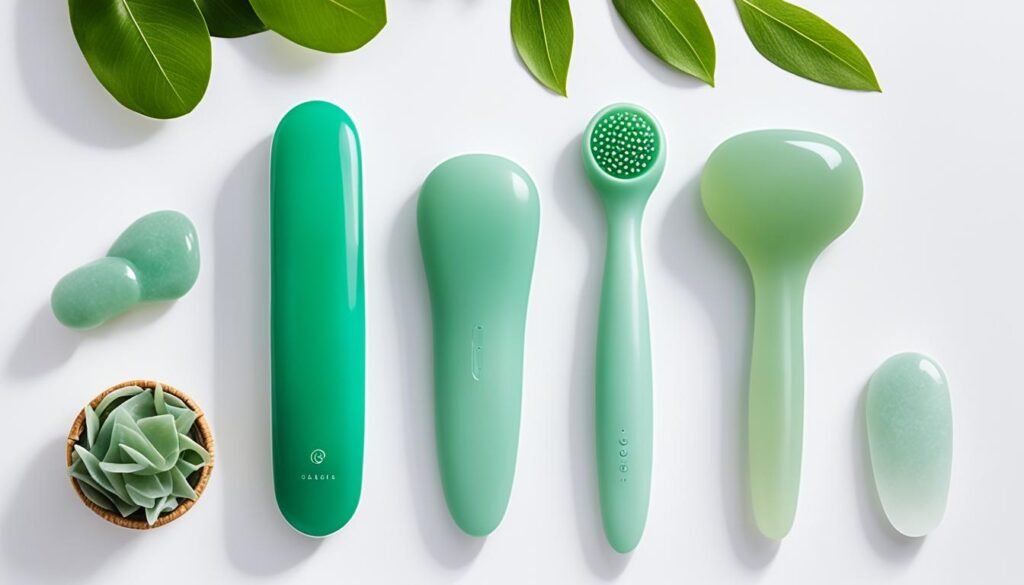
Enhance your facial massage experience with a variety of tools designed to optimize the benefits of this rejuvenating practice. While facial massage can be effectively performed using just your hands, incorporating specialized tools can provide additional comfort and enhance the effectiveness of your massage.
Face Rollers
One popular tool for facial massage is a face roller. Available in various sizes and materials, face rollers are designed to apply even and gentle pressure to the skin. By rolling the tool across your face, you can stimulate blood circulation, reduce puffiness, and enhance lymphatic drainage. Face rollers are often made from materials like jade or rose quartz, which can provide additional soothing benefits to the skin.
Heated Massagers
For a soothing and relaxing facial massage experience, consider using a heated massager. These devices provide a gentle warmth that can help to relax facial muscles, relieve tension, and promote blood flow. The heat from the massager can also enhance the absorption of skincare products, allowing them to penetrate deeper into the skin for optimal benefits. Just be sure to follow the manufacturer’s instructions for safe and effective use.
Chilled Massagers
If you prefer a refreshing sensation during your facial massage, chilled massagers are an excellent option. Chilled massagers are typically made from materials like stainless steel or have a gel-filled roller that can be placed in the freezer prior to use. The cooling effect of these massagers can help to reduce inflammation, soothe redness, and temporarily tighten the skin. Use gentle, upward strokes while massaging with a chilled tool for the best results.
Vibrating Massagers
While not supported by scientific evidence, vibrating massagers claim to provide a more intense and invigorating facial massage experience. These devices typically have vibrating or pulsating functions that aim to stimulate blood circulation, relax facial muscles, and enhance the absorption of skincare products. However, it’s important to note that the effectiveness of vibrating massagers for facial massage is still debated within the scientific community.
Remember, while these tools can enhance your facial massage experience, they are not necessary to enjoy the benefits of facial massage. If you prefer a more traditional approach, using your hands with a gentle touch can still provide an effective massage. The key is to find a method that works best for you and makes you feel comfortable and relaxed.
Risks and Precautions of Facial Massage
Facial massage is generally safe and can provide numerous benefits for the skin. However, it is important to be aware of potential risks and take necessary precautions to ensure a positive experience. Understanding the potential side effects and adopting proper techniques can help you avoid any adverse effects and make the most of your facial massage.
Risks of Facial Massage
While facial massage is generally safe, it is essential to be cautious and mindful of certain risks. Here are some potential risks associated with facial massage:
- Using certain skincare products along with facial massage may cause irritation, especially if they contain strong actives like retinoids or chemical exfoliants. Always check the ingredients of the products you use and consult with a skincare professional if you have any concerns.
- Excessive or intense massage can irritate the skin, leading to redness, sensitivity, or even microtears. It is important to be gentle and avoid applying too much pressure. Listen to your skin and adjust the intensity accordingly.
- Aggressive massage may also irritate injured or inflamed muscles, causing discomfort or worsening existing conditions. If you have any muscle injuries or inflammation in the facial area, it’s best to avoid intense massage and consult with a medical professional.
Precautions for Facial Massage
To ensure a safe and effective facial massage, it is crucial to take necessary precautions. Here are some precautions to keep in mind:
- Be mindful of the pressure applied during the massage. Use gentle and controlled movements, especially in sensitive areas such as the eye area or any areas with skin conditions like acne or rosacea.
- Avoid harsh motions, excessive stretching, or pulling on the skin. These actions can cause irritation or damage to the skin’s delicate structure.
- If you have any specific medical concerns or conditions, such as dermatological disorders or recent facial surgery, it’s advisable to consult with a doctor or a qualified massage therapist before starting facial massage.
By following these precautions and being attentive to your skin’s needs, you can reduce the risk of any negative effects and enjoy the benefits of facial massage.
Remember, everyone’s skin is unique, and what works for one person may not work for another. Pay attention to your skin’s reaction and adjust your massage techniques accordingly. It’s always a good idea to consult with a skincare professional if you have any specific concerns or questions about facial massage.
| Risks | Precautions |
|---|---|
| Using skincare products with strong actives | Check ingredients and consult a skincare professional |
| Excessive or intense massage | Be gentle and adjust pressure accordingly |
| Aggressive massage on injured or inflamed muscles | Avoid intense massage and seek medical advice |
| Harsh motions or stretching of the skin | Use gentle movements and avoid excessive pulling |
| Specific medical concerns or conditions | Consult with a doctor or qualified massage therapist |
Other Minimally-Invasive Anti-Aging Treatments
Facial massage is not the only way to achieve anti-aging results. There are other minimally-invasive treatments that can help you fight the signs of aging and improve the appearance of your skin.
Face Exercises:
Face exercises, also known as facial yoga, claim to increase collagen and elastin in the skin, leading to a more youthful complexion. These exercises involve specific movements and stretches targeting the muscles of the face and neck to improve tone and firmness.
Microcurrent Facials:
Microcurrent facials use a handheld device to deliver small electrical currents to the skin and underlying muscles. This stimulates blood flow, promotes lymphatic drainage, and enhances the production of collagen and elastin. The result is a more lifted and toned appearance.
High Intensity Focused Ultrasound Facial:
High intensity focused ultrasound (HIFU) facial treatments utilize ultrasound waves to create heat in the deeper layers of the skin. This heat stimulates collagen production and triggers a natural healing response, resulting in tighter, smoother skin.
Microneedling:
Microneedling involves using a roller or handheld device with tiny needles to create micro-punctures in the skin. This controlled damage stimulates the production of collagen and elastin, leading to improved skin texture, reduced wrinkles, and diminished scarring.
These treatments offer alternative options to facial massage for achieving a more youthful and radiant complexion. Each treatment has its own unique benefits and mechanisms of action. Consulting with a skincare professional can help you determine which treatment is best suited to your needs and desired results.
Conclusion
Facial massage has shown potential in offering various benefits for the skin and reducing the visible signs of aging. While scientific evidence is currently limited, some studies suggest that facial massage can improve blood flow, promote skin plumpness, and potentially make the skin look younger or more lifted. Additionally, facial massage may increase the expression of substances that give skin structure and elasticity.
It is important to perform facial massage correctly, using gentle techniques and tools if desired. However, it’s essential to note that facial massage should not replace professional medical advice or treatments for specific skin conditions. Consulting with a doctor or massage therapist is advisable for personalized guidance.
In summary, while more research is needed to fully understand the effectiveness of facial massage for anti-aging, it can be considered a natural anti-aging remedy with potential benefits for the skin. Incorporating facial massage into a skincare routine may complement other skincare practices and contribute to a more youthful-looking complexion.
FAQ
What are the anti-aging benefits of daily facial massage?
Facial massage may offer temporary plumping effects to the skin and potentially produce long-term changes in appearance. Some studies suggest that facial massage can improve blood flow, skin plumpness, and the skin’s appearance. However, more research is needed to confirm its effectiveness in reducing visible signs of aging.
Do facial massages really work for anti-aging?
The scientific evidence on the effectiveness of facial massage for anti-aging is limited and inconclusive. While some studies suggest that facial massage can improve the appearance of the skin and potentially reduce the signs of aging, more research is necessary to determine its long-term effects.
What are the potential benefits of facial massage?
Facial massage may improve skin plumpness, promote circulation, and potentially make the skin look younger or more lifted. It may also increase the expression of substances that give skin structure and elasticity, although more research is needed to confirm these findings.
What are the different types of facial massage?
Some common types of facial massage include Swedish, Shiatsu, Gua sha, and lymphatic drainage. Each type has its own approach and benefits. Swedish facial massage uses light, long strokes to ease muscle tension, while Shiatsu involves applying pressure to specific points on the face. Gua sha is a method that uses a flat crystal tool to massage the contours of the face, and lymphatic drainage facial massage focuses on moving lymph beneath the skin.
How can I perform facial massage at home?
To perform a basic facial massage at home, start with clean hands and a small amount of oil. Apply the oil evenly to the face and neck using light upward strokes. Then, use gentle movements to massage different areas of the face, such as the neck, chin, cheeks, brows, and temples. There are various techniques you can try, including rubbing, pressing, pinching, and tapping. It’s important to be gentle and avoid applying too much pressure or using harsh motions that could irritate the skin. Finish the massage by rinsing off the oil or letting it sink into the skin.
What tools can I use for facial massage?
There are several tools available that can enhance the benefits of facial massage. Face rollers, heated massagers, chilled massagers, and vibrating massagers are some examples. However, it’s important to note that while these tools may enhance the massage experience, they are not necessary, and a facial massage can be effectively performed using just the hands.
What are the risks and precautions of facial massage?
Facial massage is generally safe, but there are a few risks and precautions to keep in mind. Using certain skincare products along with facial massage may cause irritation, especially if they contain strong actives like retinoids or chemical exfoliants. Excessive or intense massage can irritate the skin or even cause microtears. Aggressive massage may also irritate injured or inflamed muscles. It’s important to be gentle, use the right amount of pressure, and avoid harsh motions or exfoliants, particularly in sensitive areas. If you have any specific medical concerns or conditions, it’s advisable to consult with a doctor or massage therapist before starting facial massage.
What are other minimally-invasive anti-aging treatments?
Besides facial massage, other options include face exercises, microcurrent facials, high intensity focused ultrasound facials, and microneedling. These treatments may help increase circulation, plump the skin, and reduce the signs of aging.
Can facial massage replace professional medical advice or treatments for specific skin conditions?
No, facial massage should not replace professional medical advice or treatments for specific skin conditions. It is important to consult with a doctor or healthcare professional for personalized advice and to address any specific medical concerns.